


Meghalaya is the kind of place where you can spend the morning walking through a forest, eat lunch in a tiny roadside café, and end the day staring at a waterfall disappearing into mist.
The state sits in northeast India, above the plains of Assam and Bangladesh. Shillong is the usual starting point, but the best parts of Meghalaya are scattered well beyond the capital.
If you’re visiting for the first time, give yourself 5 to 7 days. That gives you enough time for Shillong, Cherrapunji, Mawlynnong and Dawki without turning the trip into a race between taxi rides.
Why visit Meghalaya?
Water is everywhere.
Rain feeds huge waterfalls, fills rivers and keeps the forests thick and green. In the wet season, places around Cherrapunji can get an almost absurd amount of rain. The result is scenery that feels properly wild.
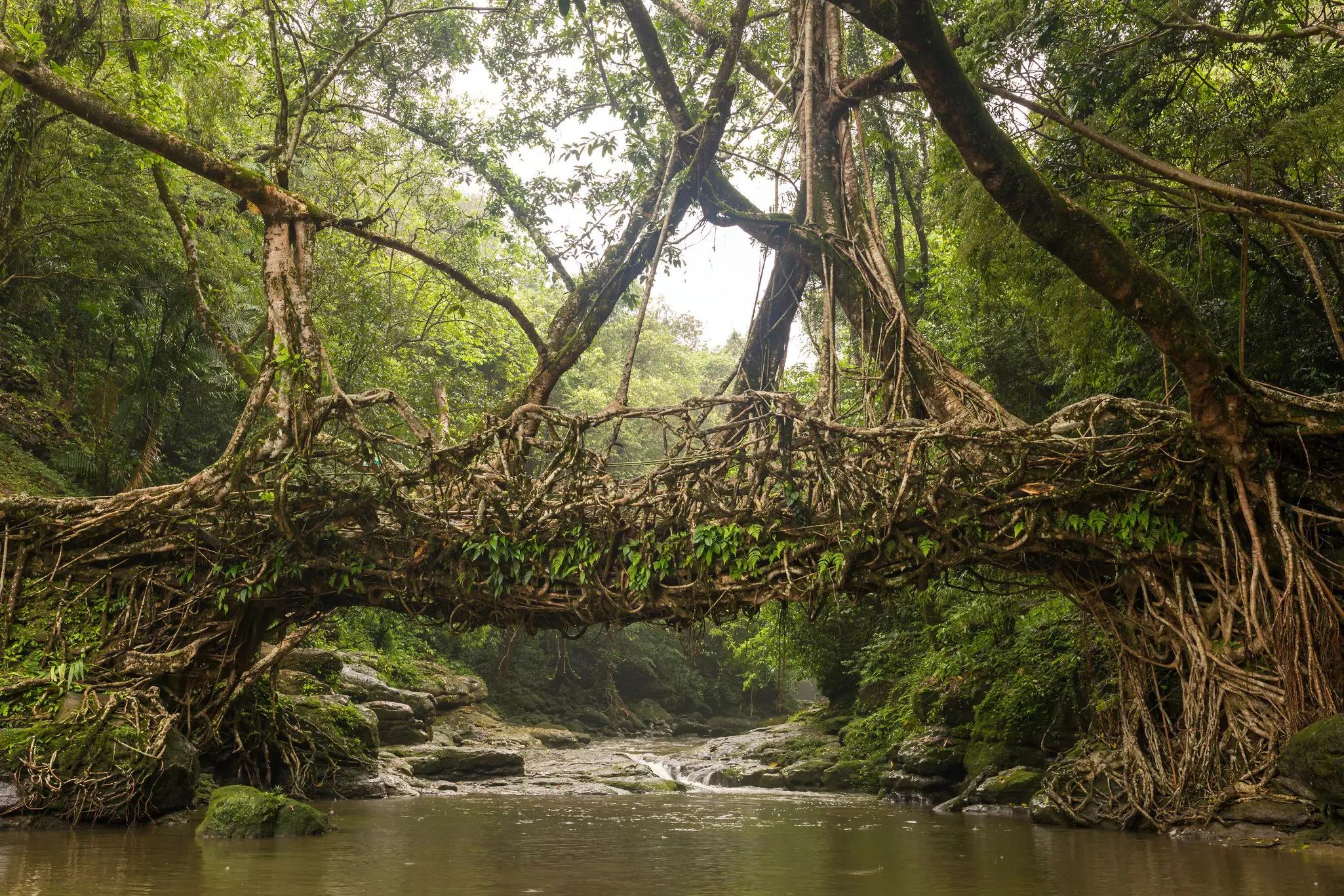
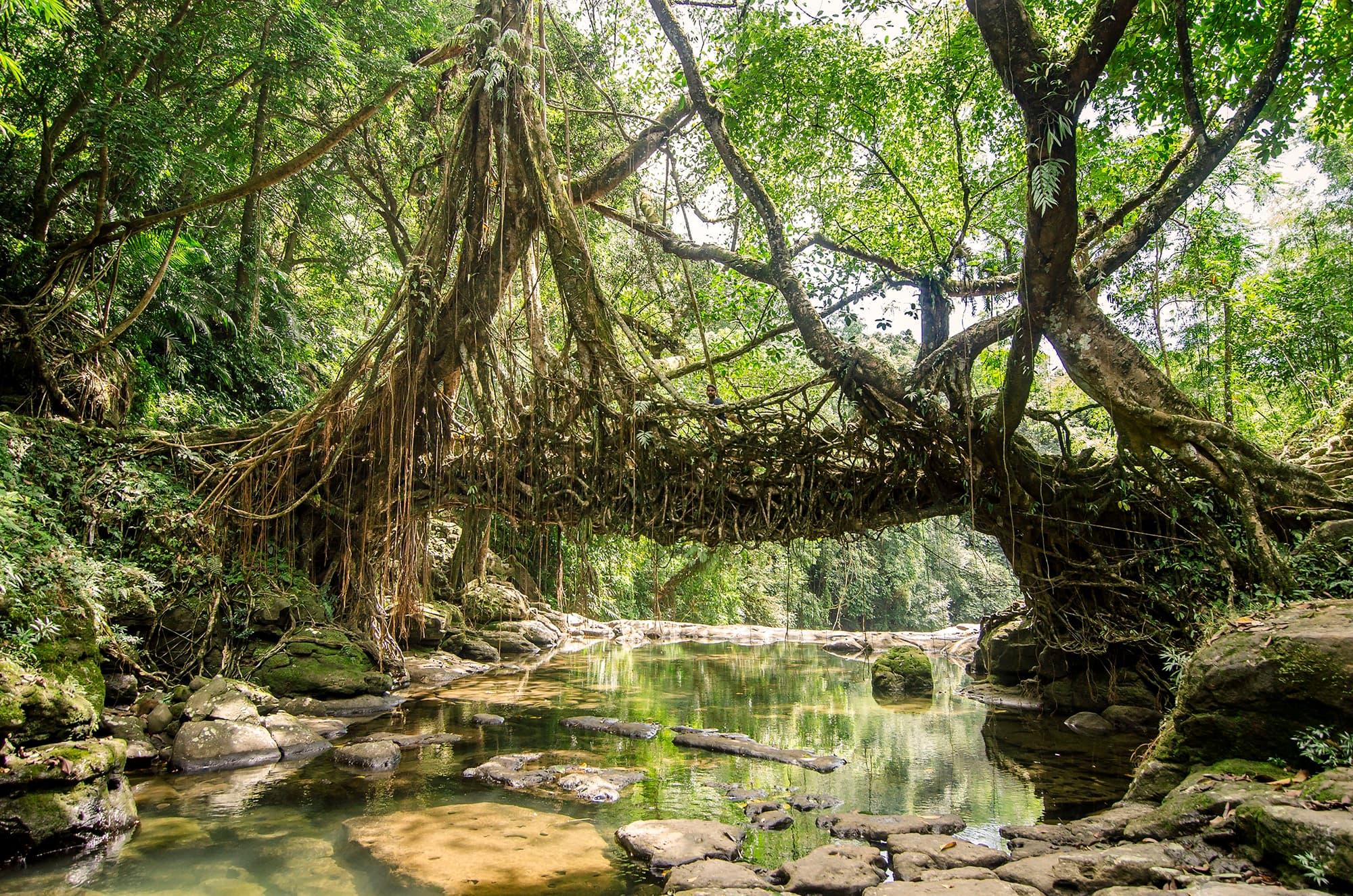
Then there are the living root bridges. Khasi communities have trained the roots of rubber fig trees to grow across streams and ravines for generations. Some bridges have taken decades to become strong enough for regular use.
And Meghalaya has a culture worth paying attention to. Khasi, Jaintia and Garo communities each have their own traditions, food and languages.
You’ll notice the difference as you travel around.
Best time to visit Meghalaya
Your ideal month depends on what you want to see.
October to April is the easiest period for a first trip. The weather is generally more comfortable, roads are easier to deal with, and outdoor sightseeing is less likely to get interrupted by heavy rain.
May to September is the monsoon period. This is when Meghalaya becomes intensely green and the waterfalls are at their wildest.
Cherrapunji and Mawsynram are famous for extreme rainfall, so carry proper rain protection if you visit during these months. A cheap umbrella won’t feel particularly heroic after 2 hours of Meghalaya rain.
Quick guide
| Months | What to expect |
|---|---|
| October-November | Green landscapes, pleasant weather |
| December-February | Cooler, drier weather |
| March-April | Comfortable temperatures, spring scenery |
| May-September | Heavy rain, full waterfalls, slippery trails |
For a first-time visitor, I’d pick November to March.
How to reach Meghalaya
Most travellers enter Meghalaya through Guwahati, Assam.
Guwahati has the nearest major airport and railway station. From there, Shillong is roughly a 3-hour road journey, depending on traffic and weather.
You can hire a taxi from Guwahati or take a shared vehicle toward Shillong.
If you’re flying in, Guwahati is usually the simplest entry point.
Shillong
Shillong is where many Meghalaya trips begin.
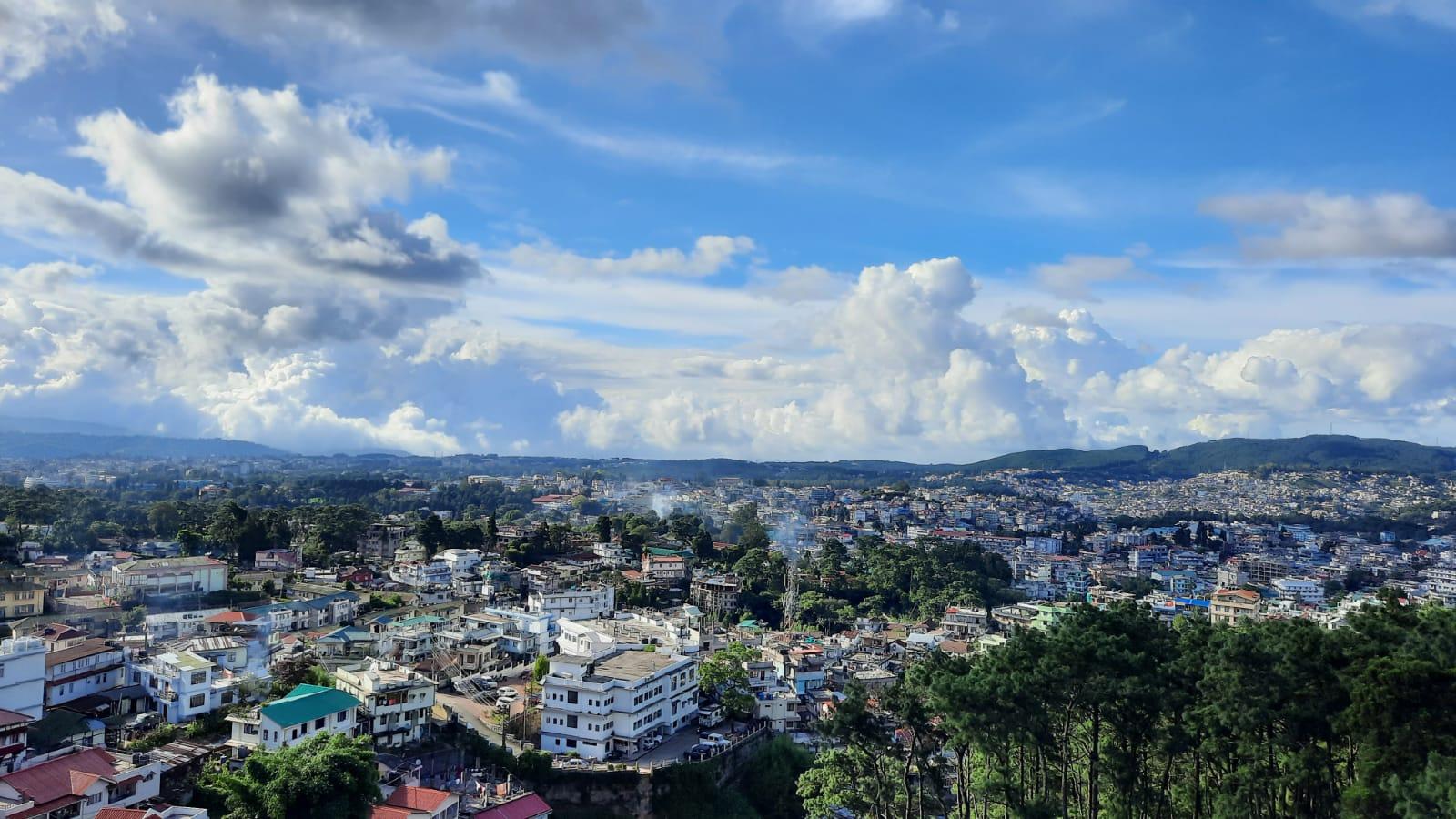
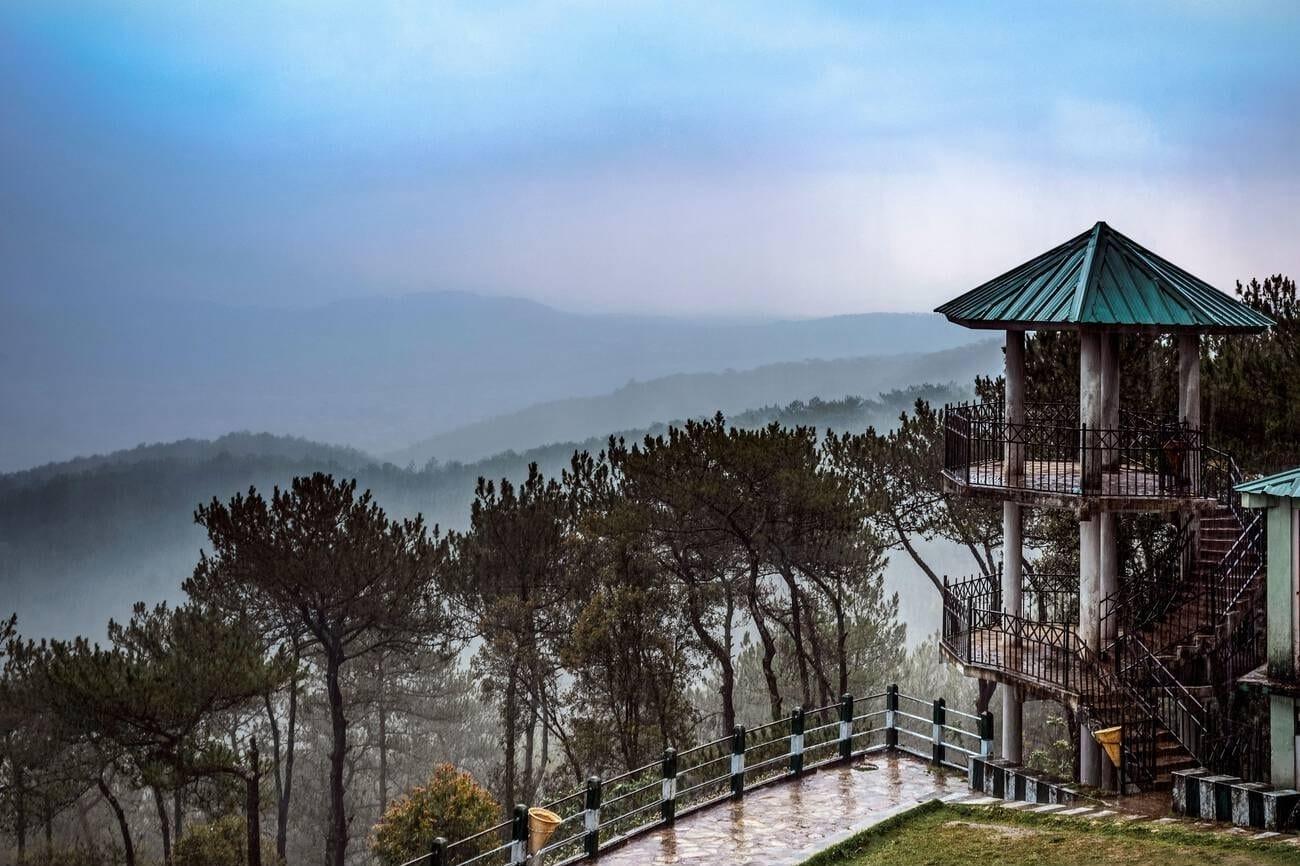
The city sits in the hills and has a very different feel from the big cities of mainland India. You’ll find cafés, local markets, churches, viewpoints and plenty of places to eat.
Places to visit in Shillong
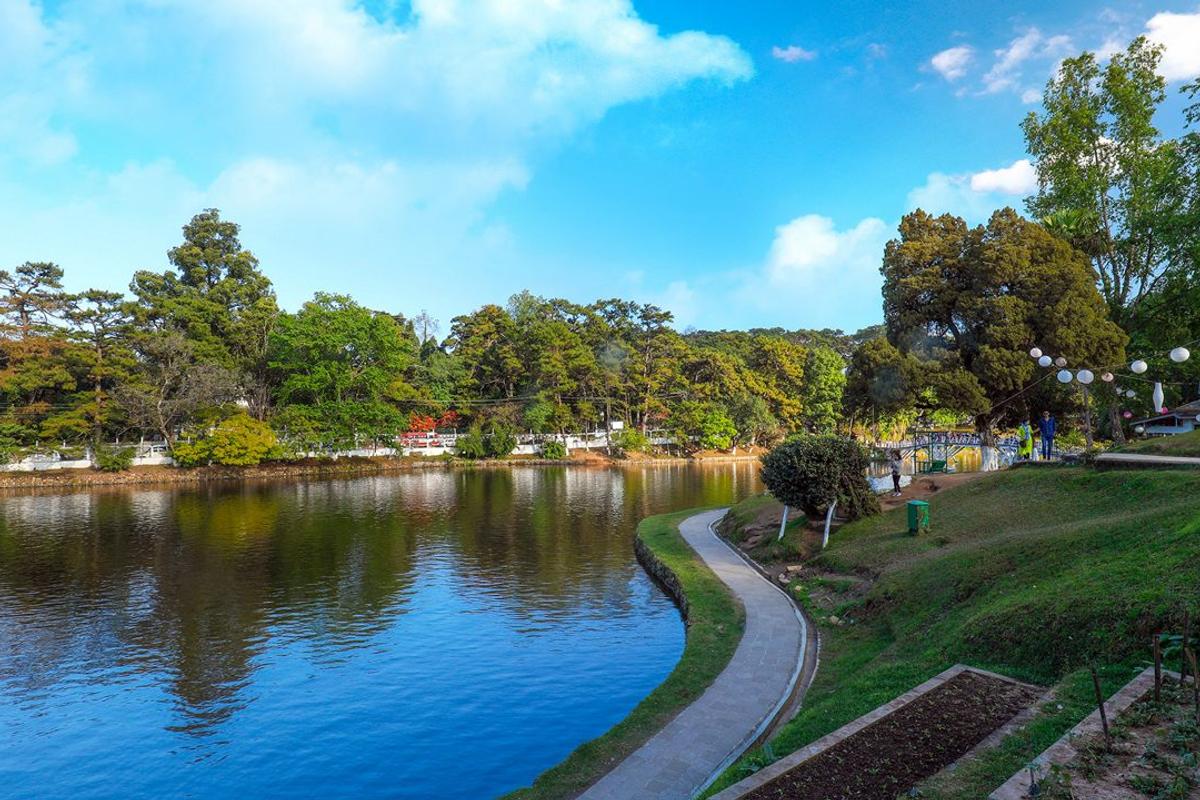
Ward’s Lake
A small artificial lake surrounded by gardens in the middle of the city. It’s an easy stop when you want something quiet.
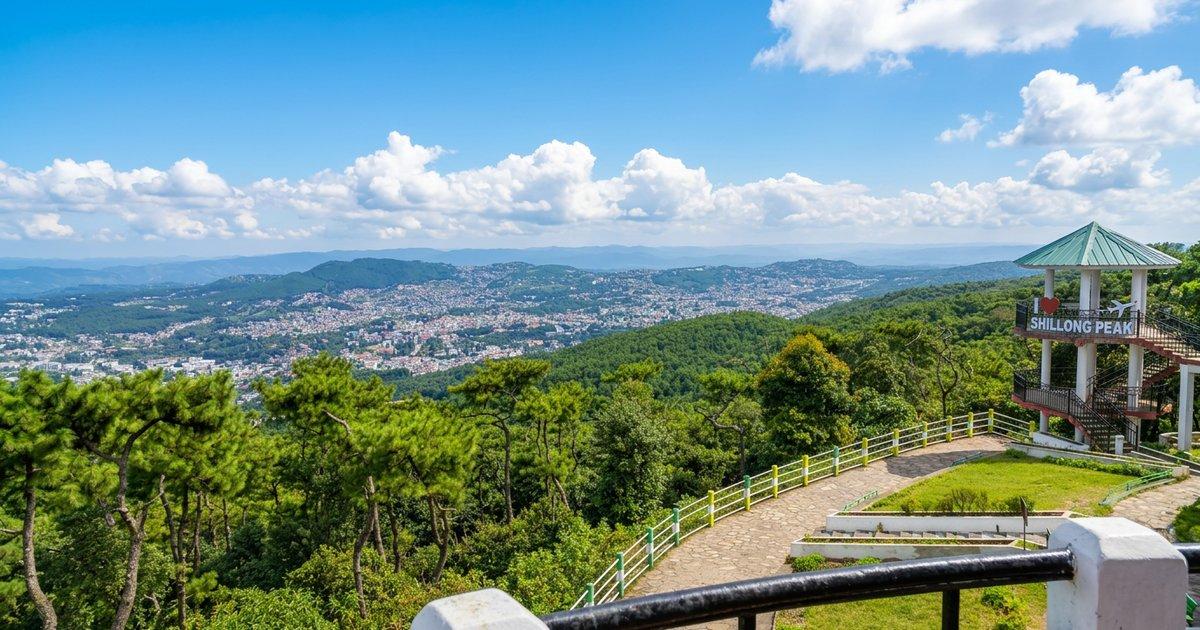
Shillong Peak
Go for the view. On a clear day, you can see a wide stretch of the surrounding hills.
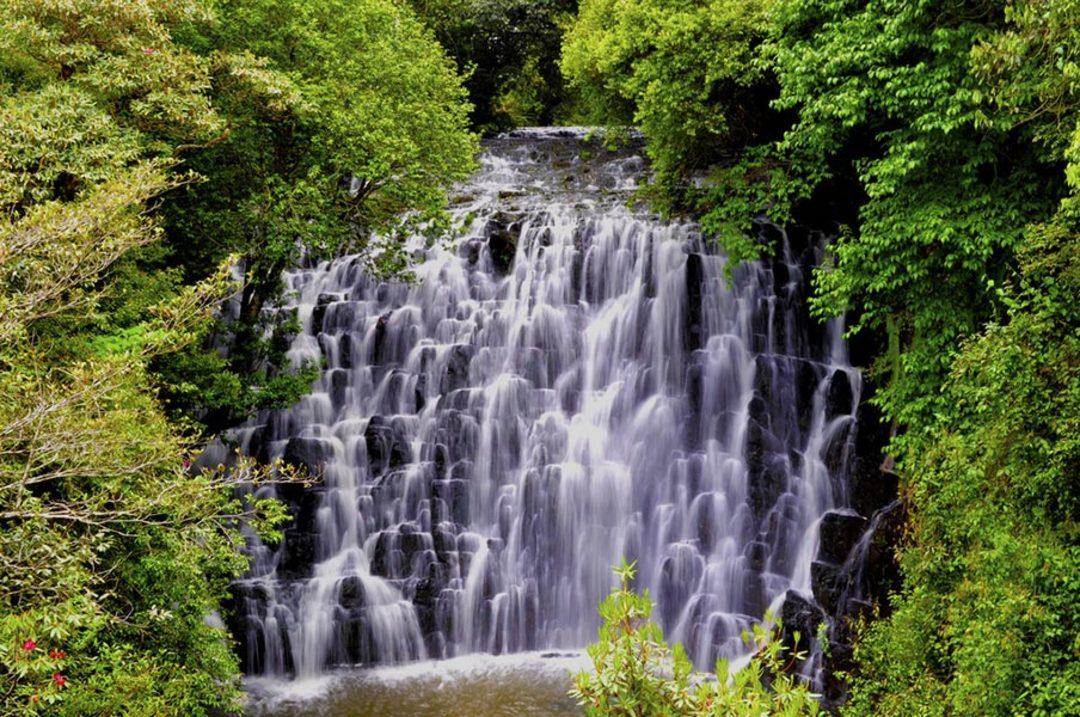
Elephant Falls
One of the easiest waterfalls to visit from Shillong. There are several levels, connected by stairs.
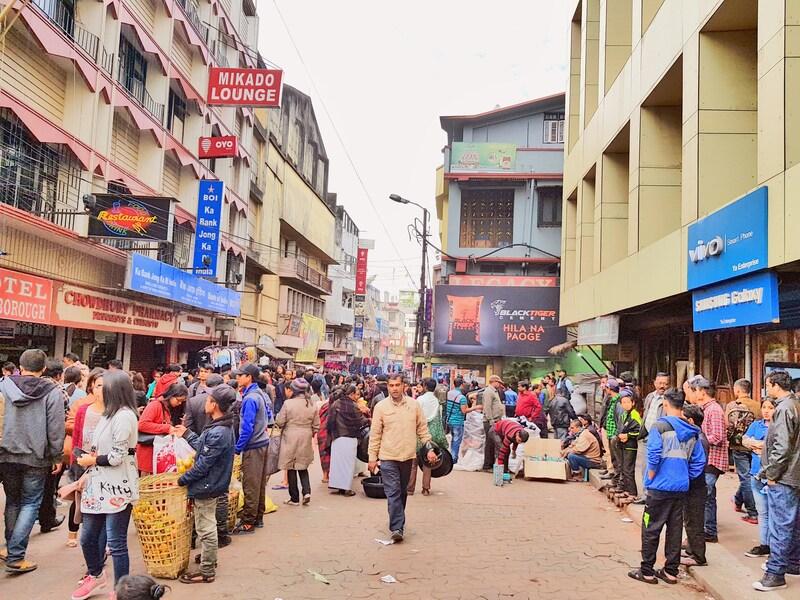
Police Bazaar
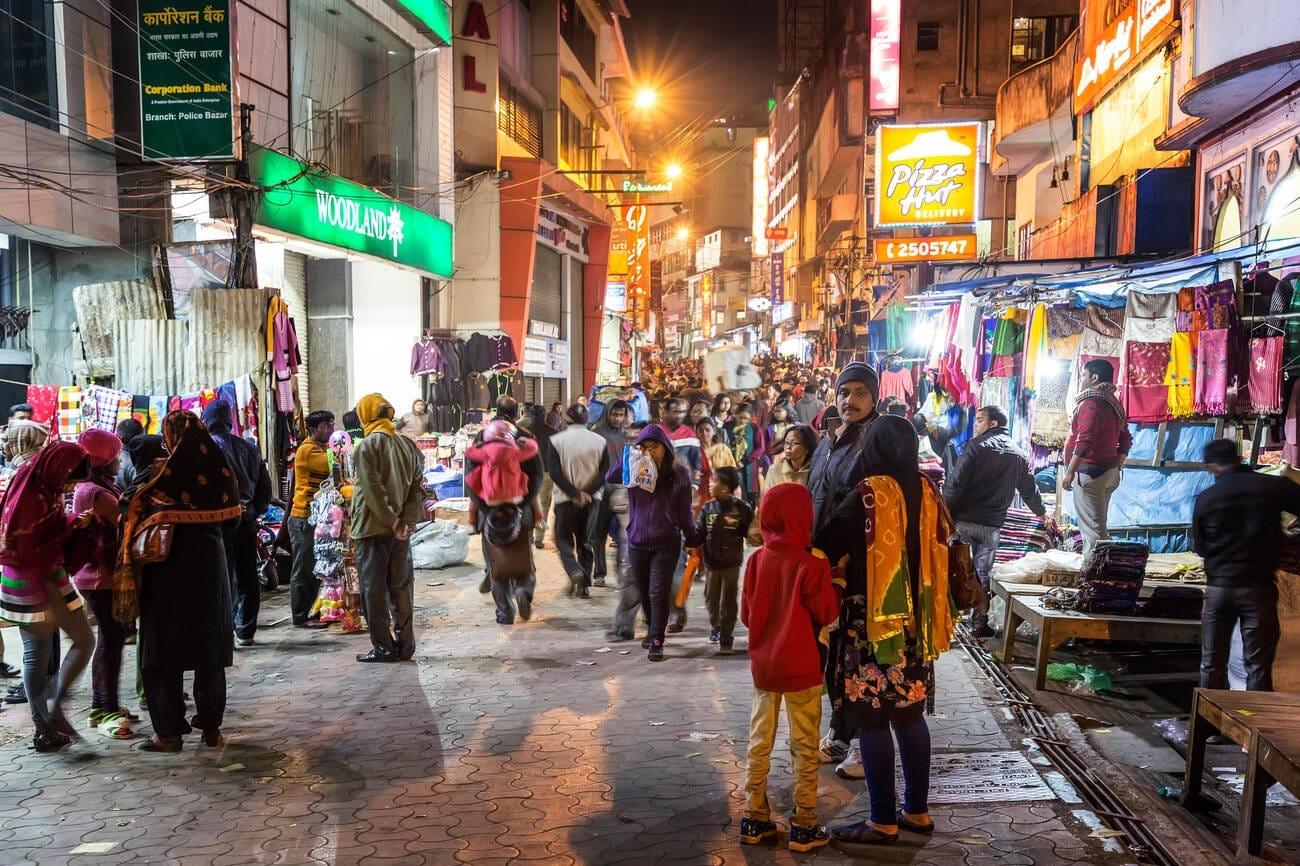
This is the busy part of Shillong. Shops, food stalls, cafés and plenty of traffic.
Spend 1 to 2 nights in Shillong before heading deeper into the state.
Cherrapunji, or Sohra
Locally, Cherrapunji is known as Sohra.
This is where the trip gets serious.
The area is packed with waterfalls, caves, cliffs and forest trails.
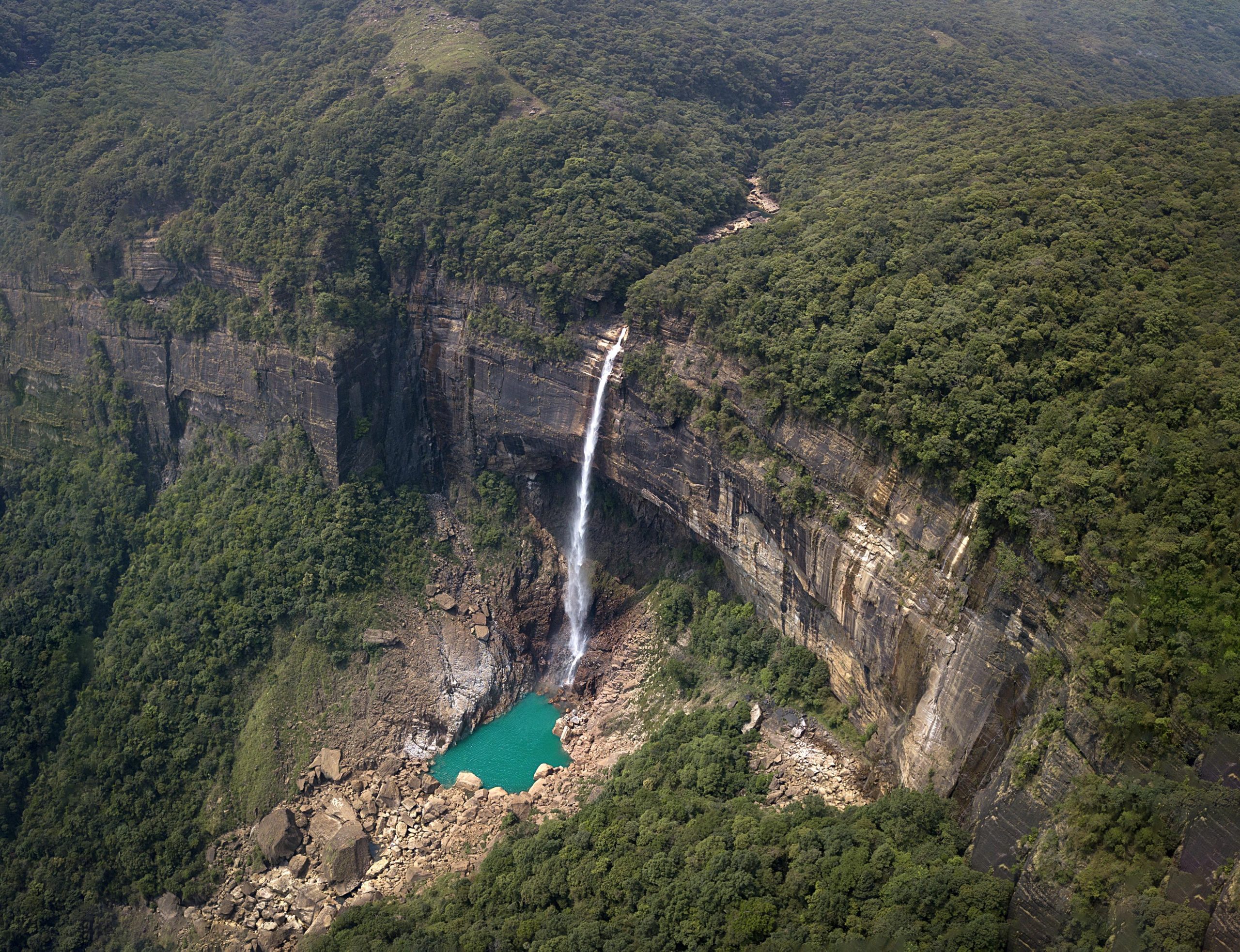
Nohkalikai Falls
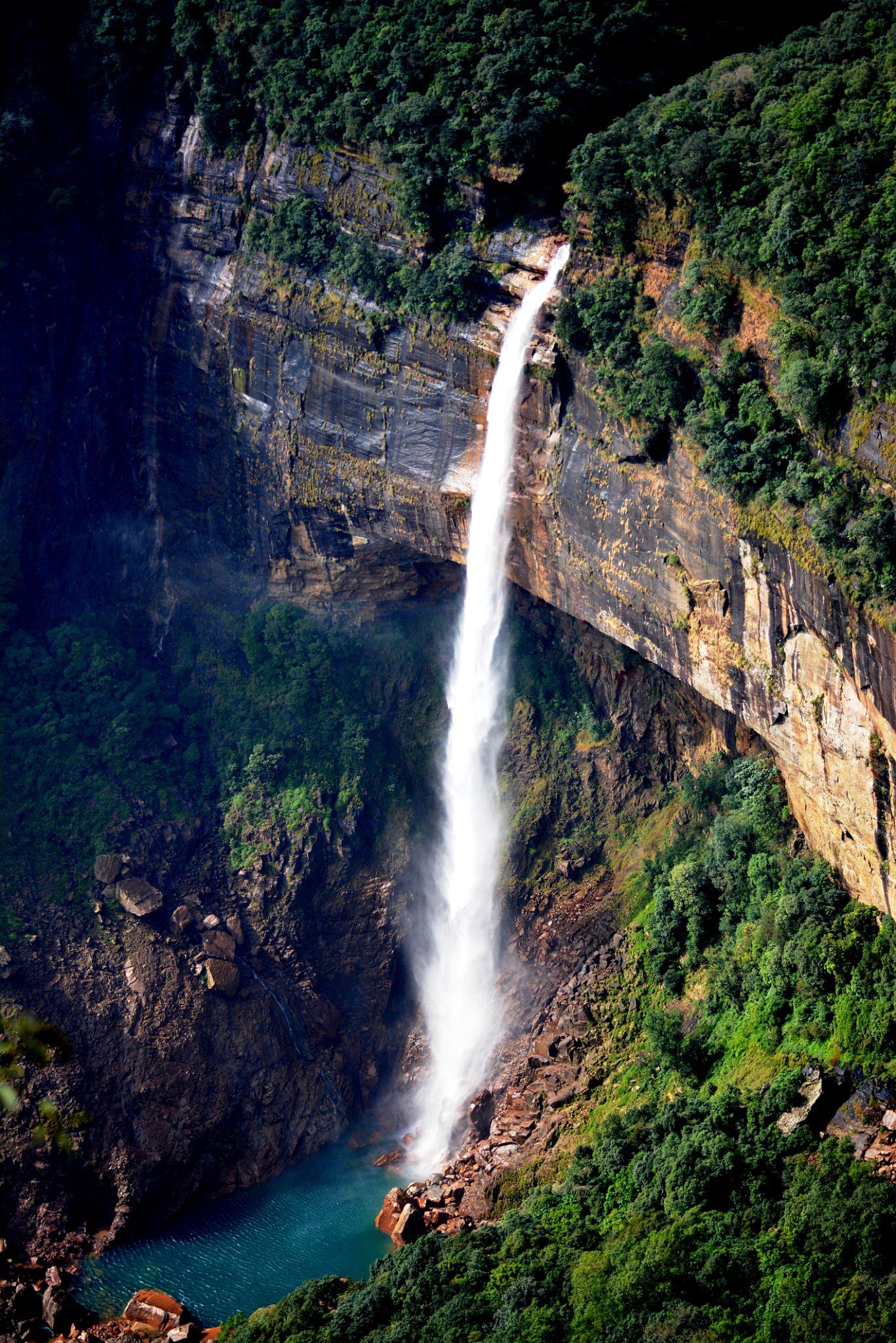
Nohkalikai is one of Meghalaya’s most famous waterfalls. The water drops from a high green cliff into a blue-green pool below.
Weather matters here. Clouds can completely change the view within minutes.
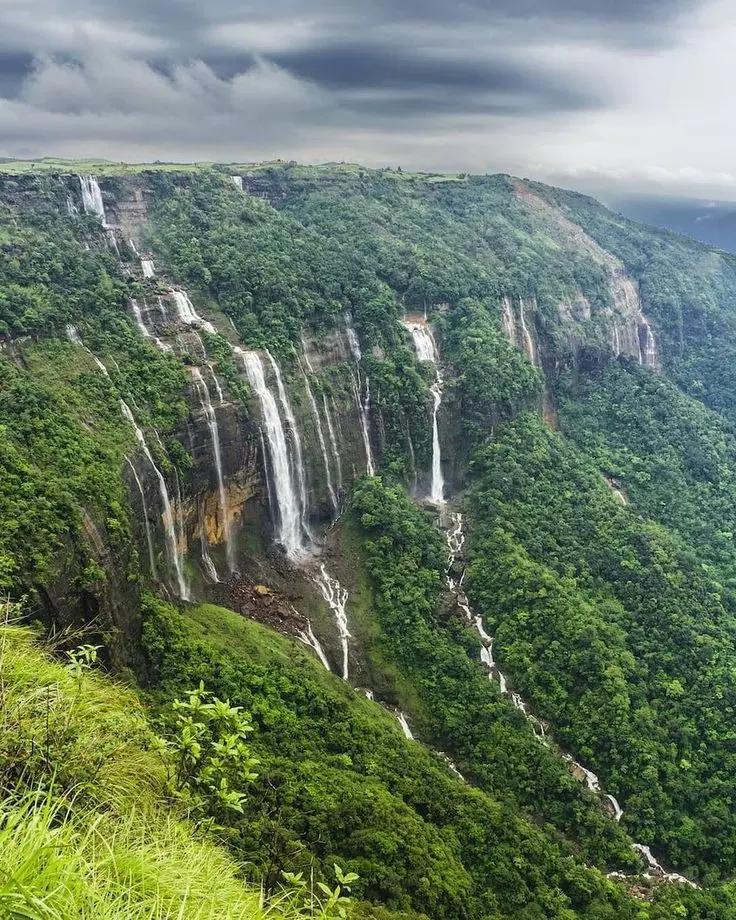
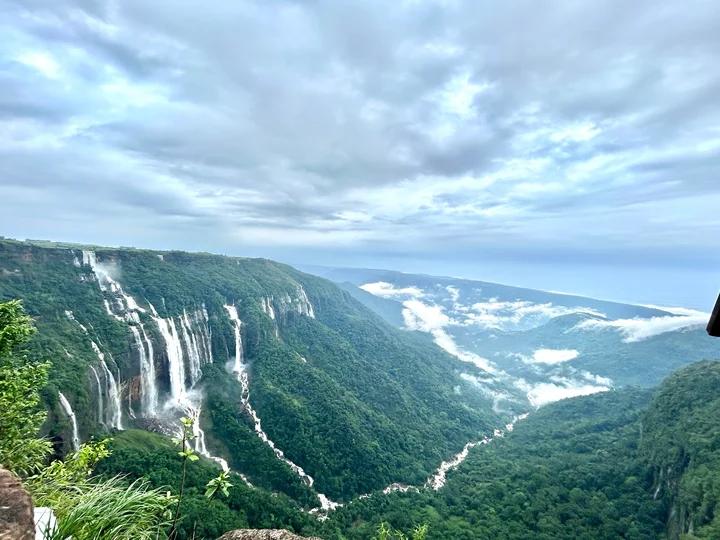
Seven Sisters Falls
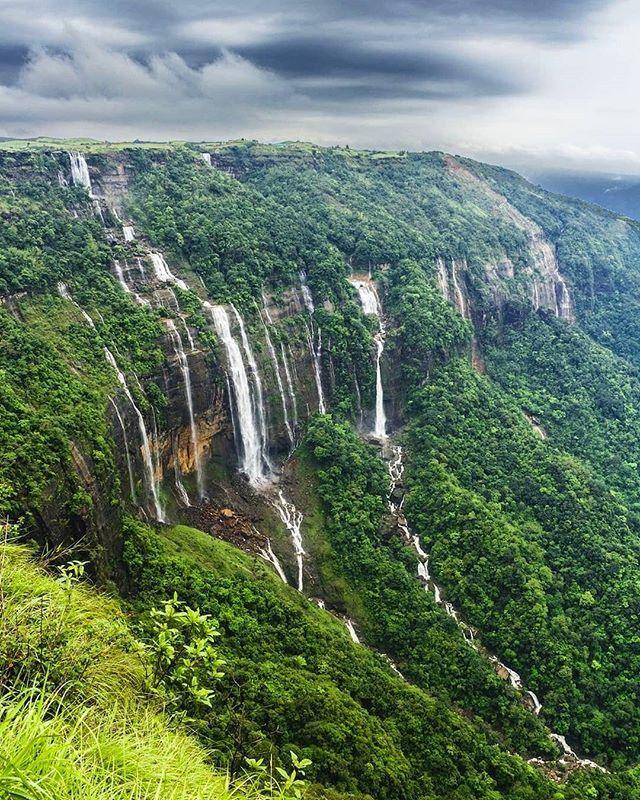
The waterfall is also known as Nohsngithiang Falls. During the monsoon, several streams pour down the cliff face together.
Dry-season views can be much less dramatic.
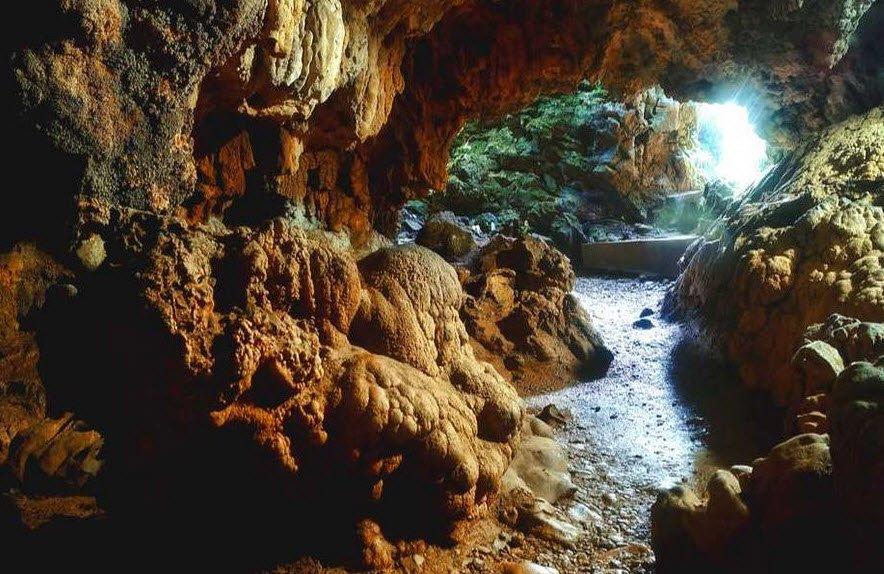
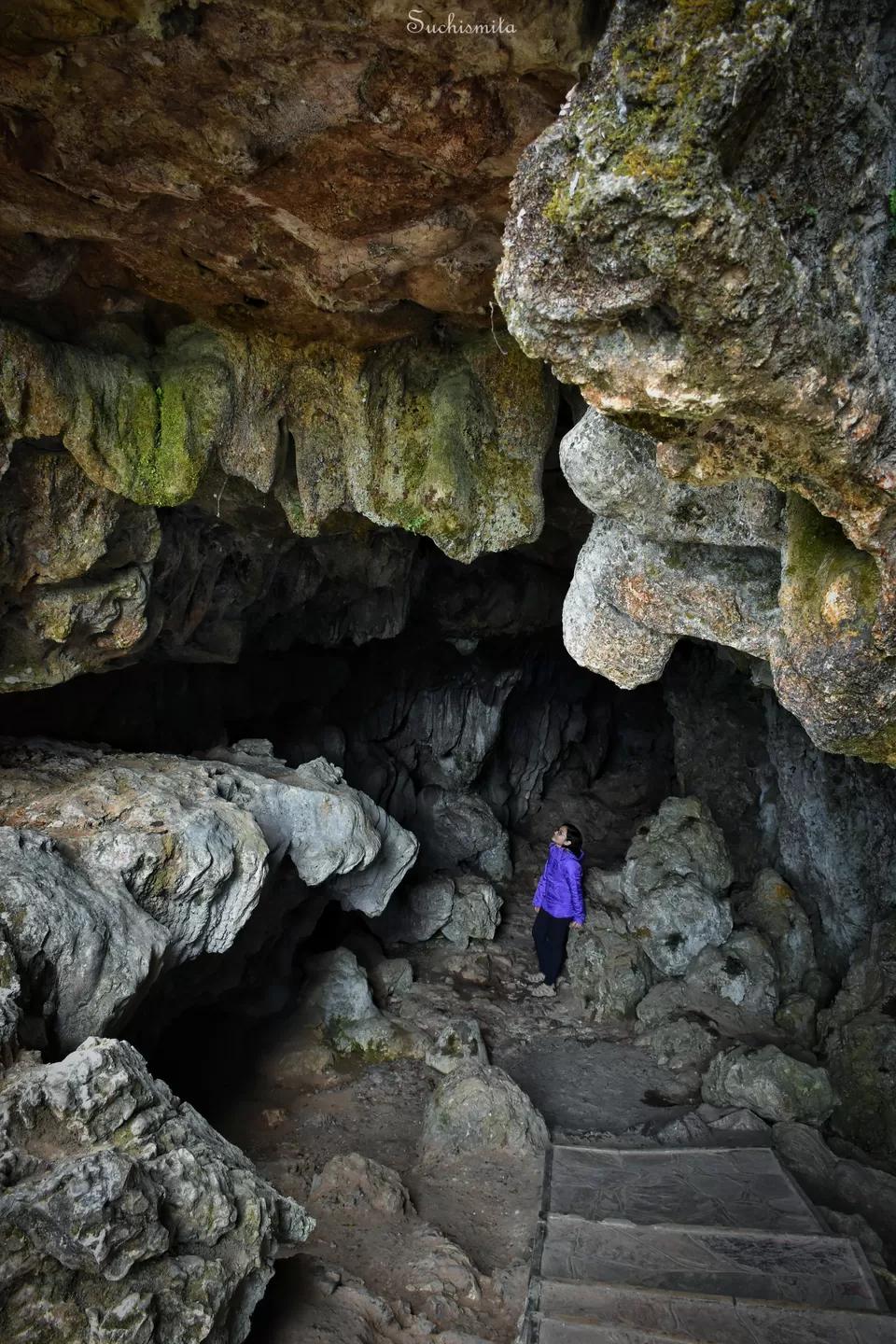
Mawsmai Cave
This limestone cave is close to Sohra and is easy to include in a sightseeing day.
Parts of the cave are narrow. Wear shoes with decent grip.
Living root bridges
This is one of the experiences I’d plan the trip around.
The Nongriat Double-Decker Living Root Bridge requires a serious hike involving hundreds of steps. You’ll sweat. Your legs will complain. Then you’ll reach the bridge and understand why people make the effort.
Give yourself plenty of time.
Don’t try to squeeze Nongriat into a packed sightseeing day.
Mawlynnong
Mawlynnong became internationally known for its cleanliness and village tourism.
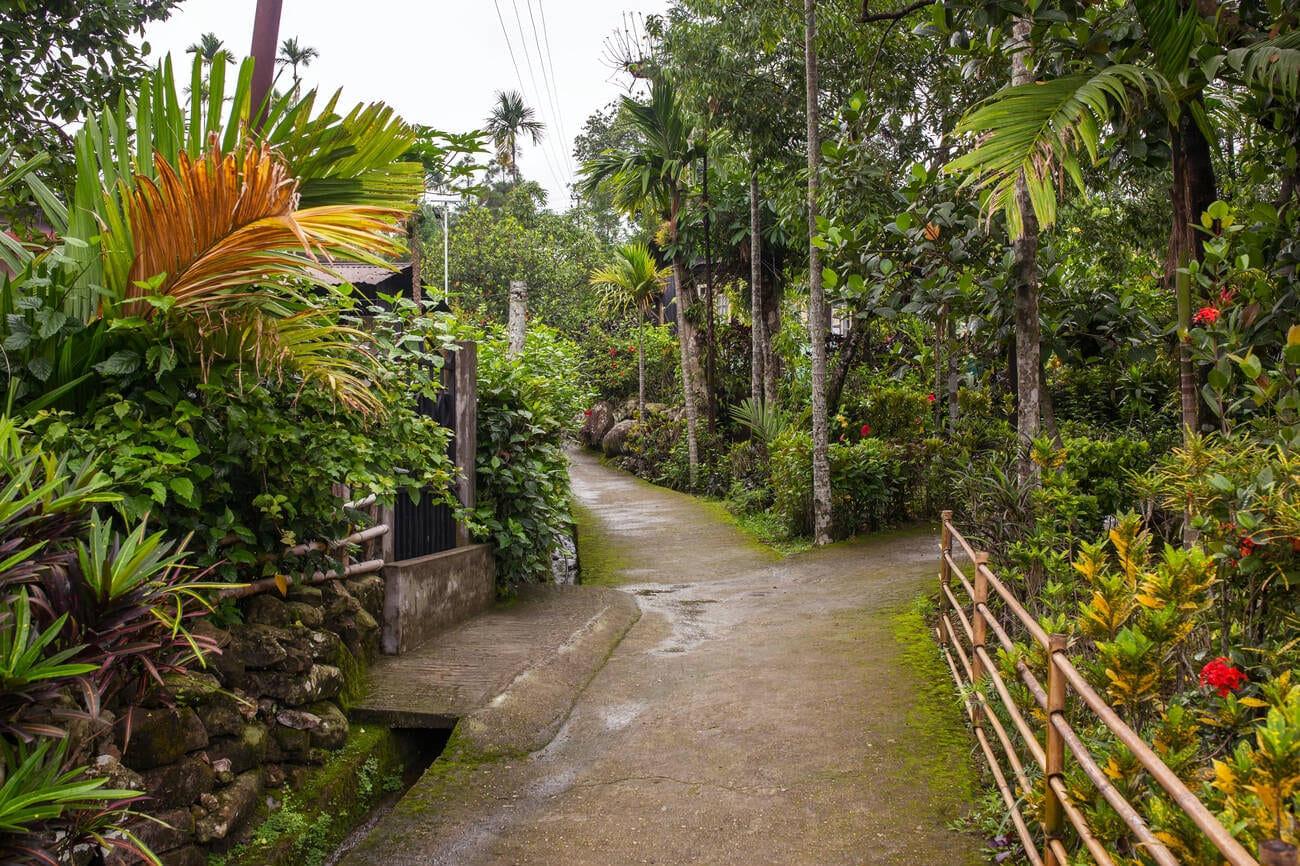
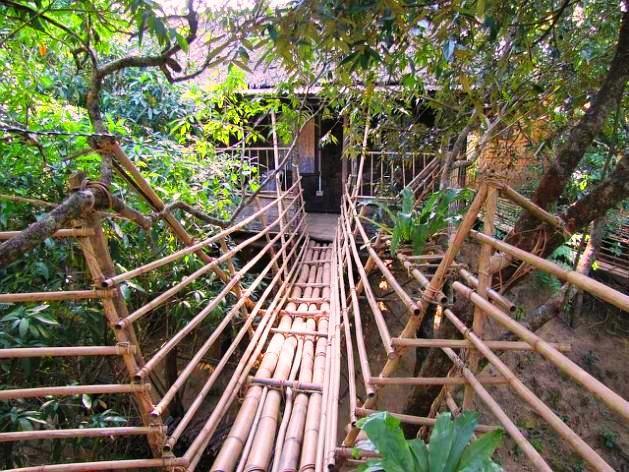
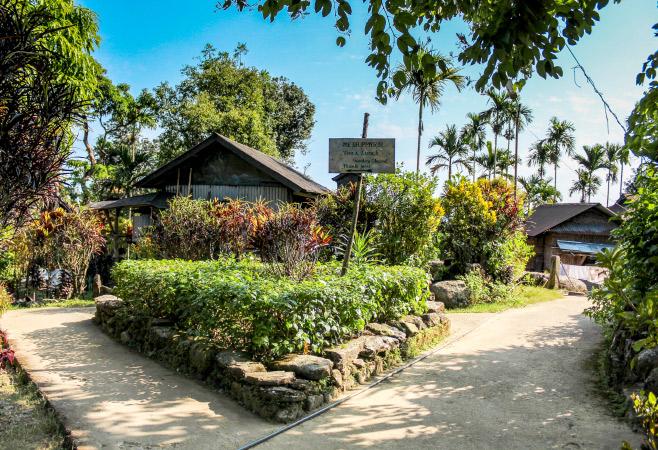
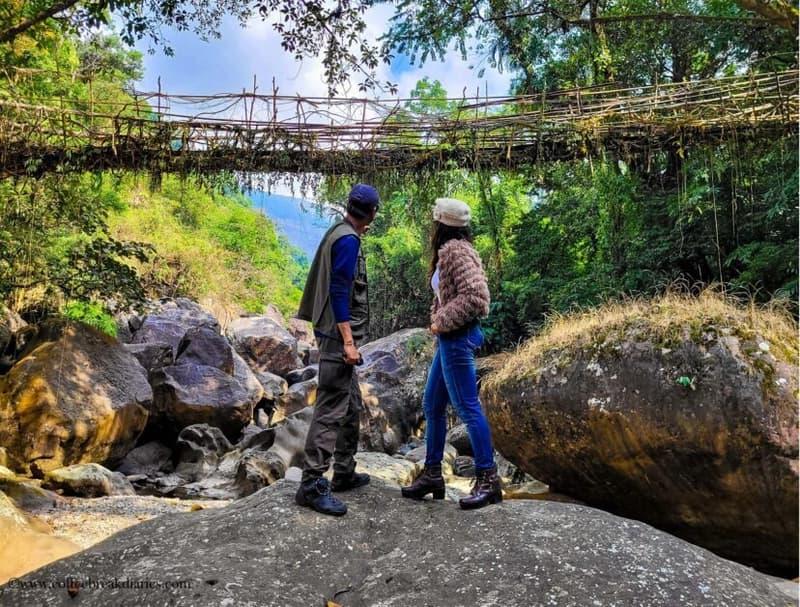
The village is small, so you don’t need an entire day to see it.
The nearby Riwai Living Root Bridge is much easier to reach than the Nongriat bridge. If you’re travelling with older family members or don’t want a demanding hike, Riwai is a good choice.
Mawlynnong also works well as a stop on the way toward Dawki.
Dawki and the Umngot River
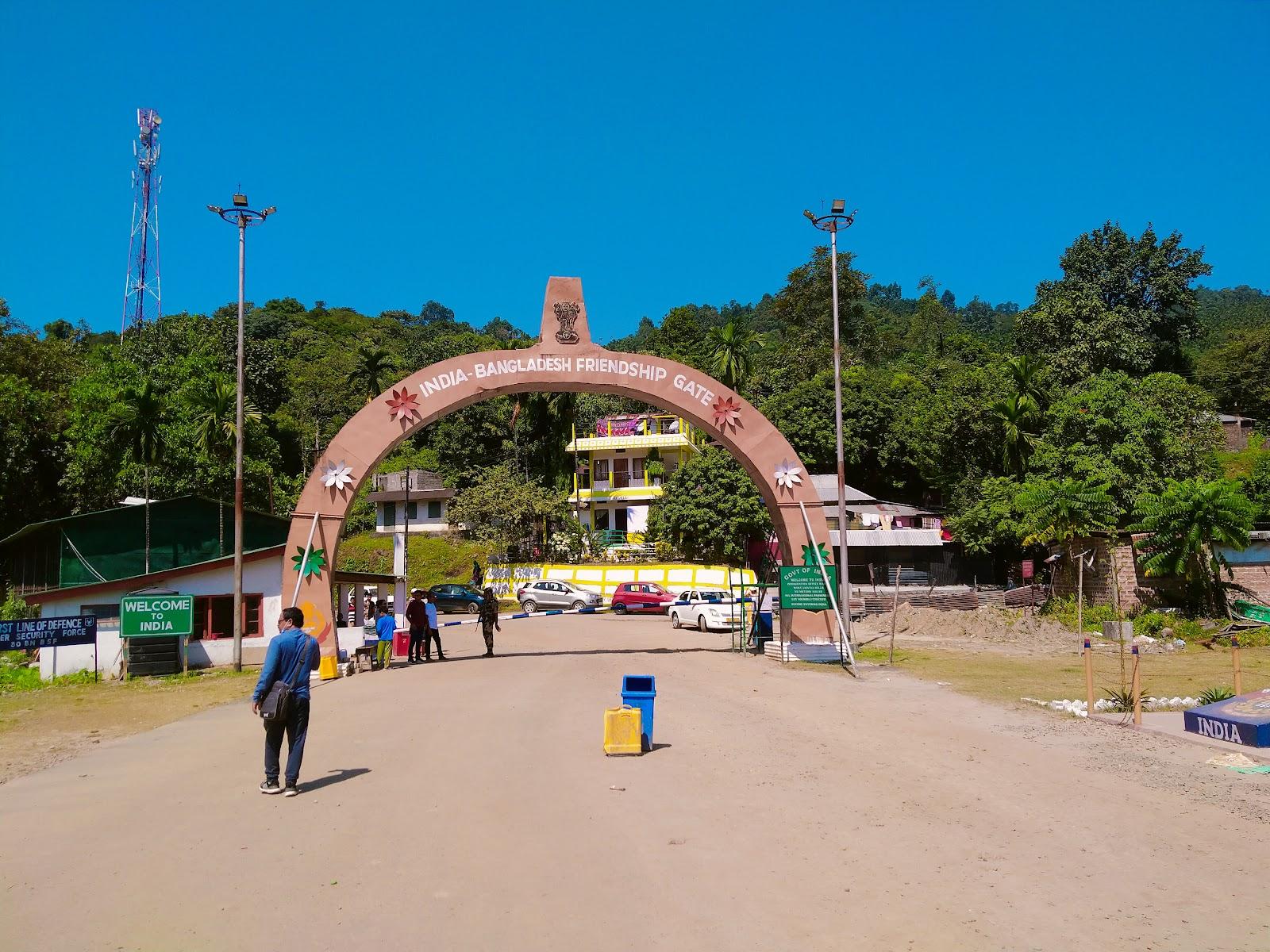
Dawki sits close to the India-Bangladesh border.
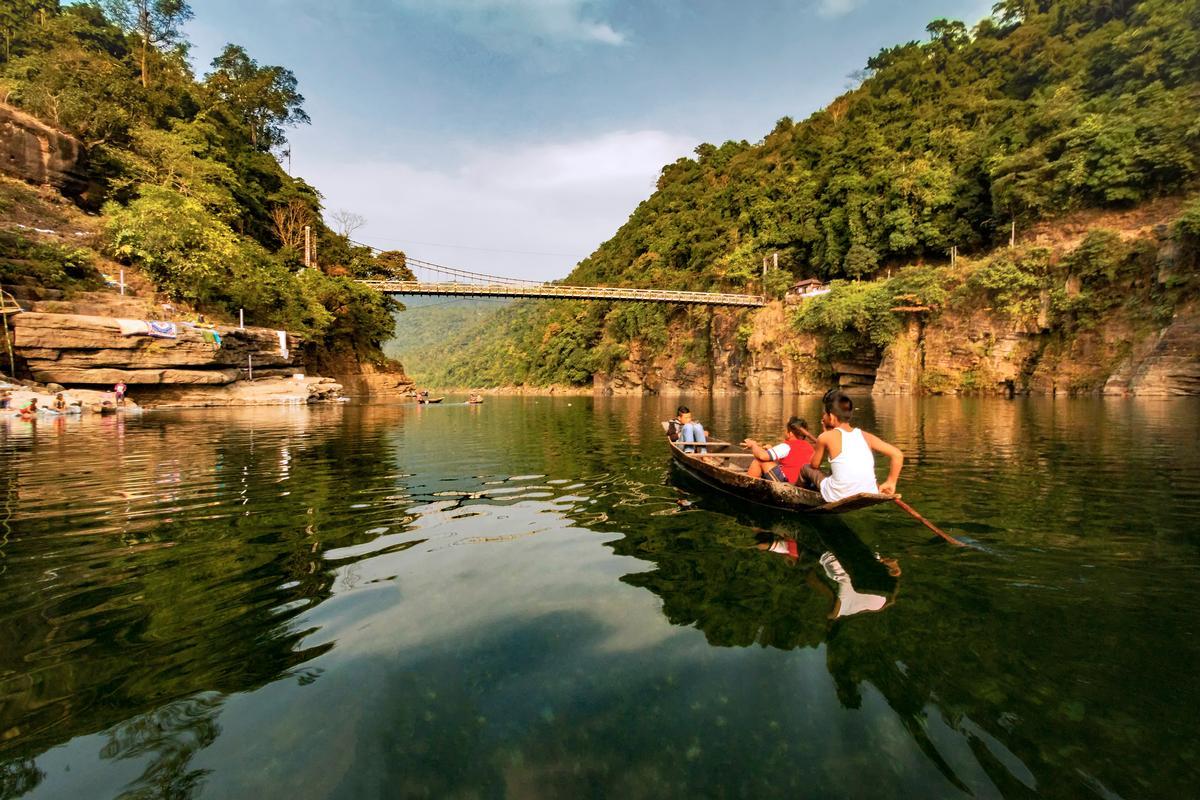
The big attraction is the Umngot River, famous for remarkably clear water during suitable weather and river conditions.
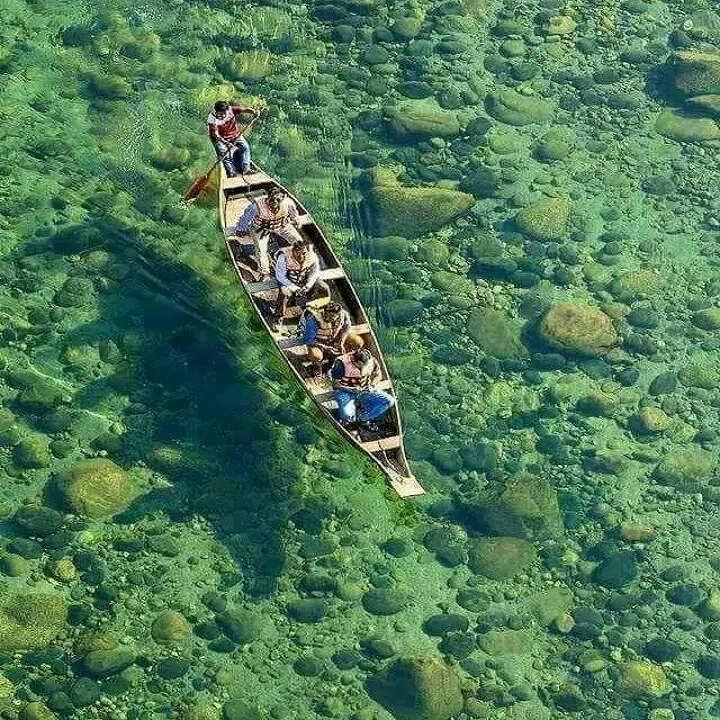
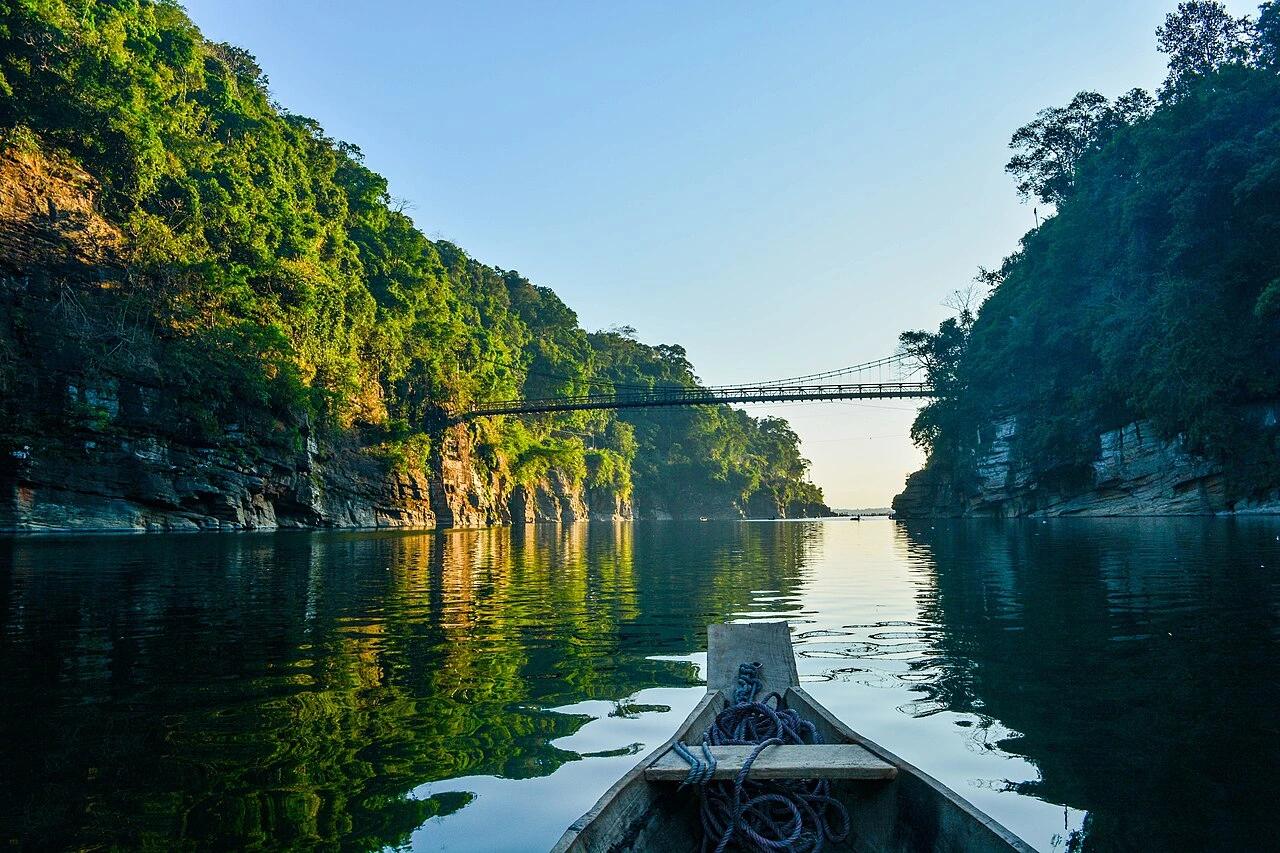
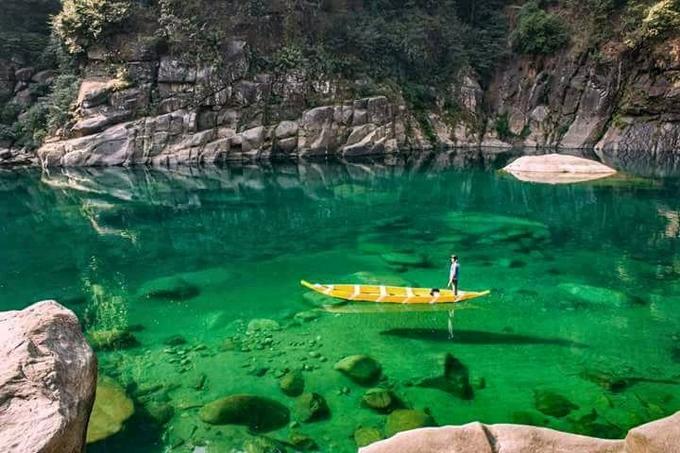
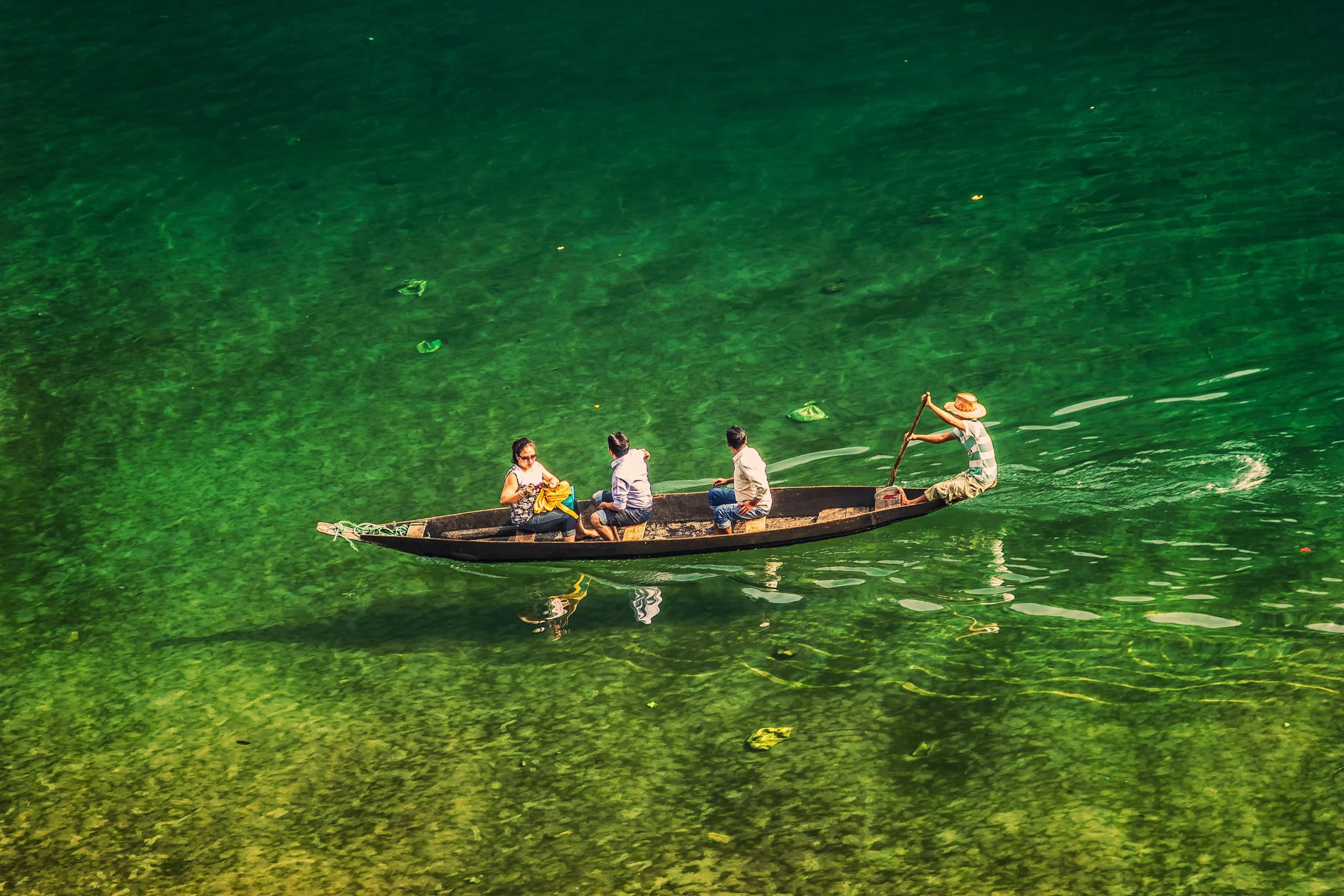
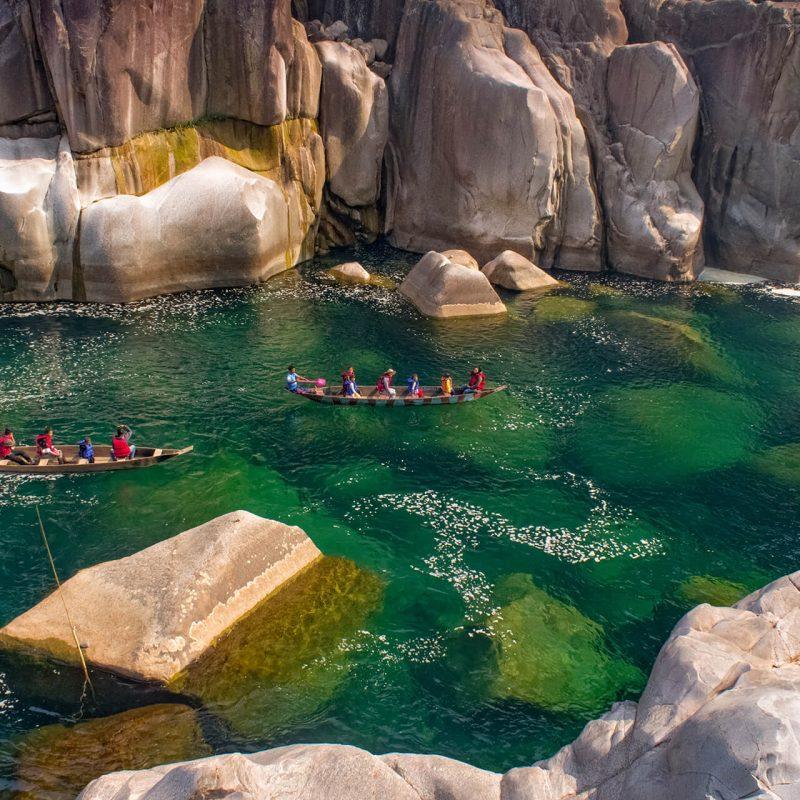
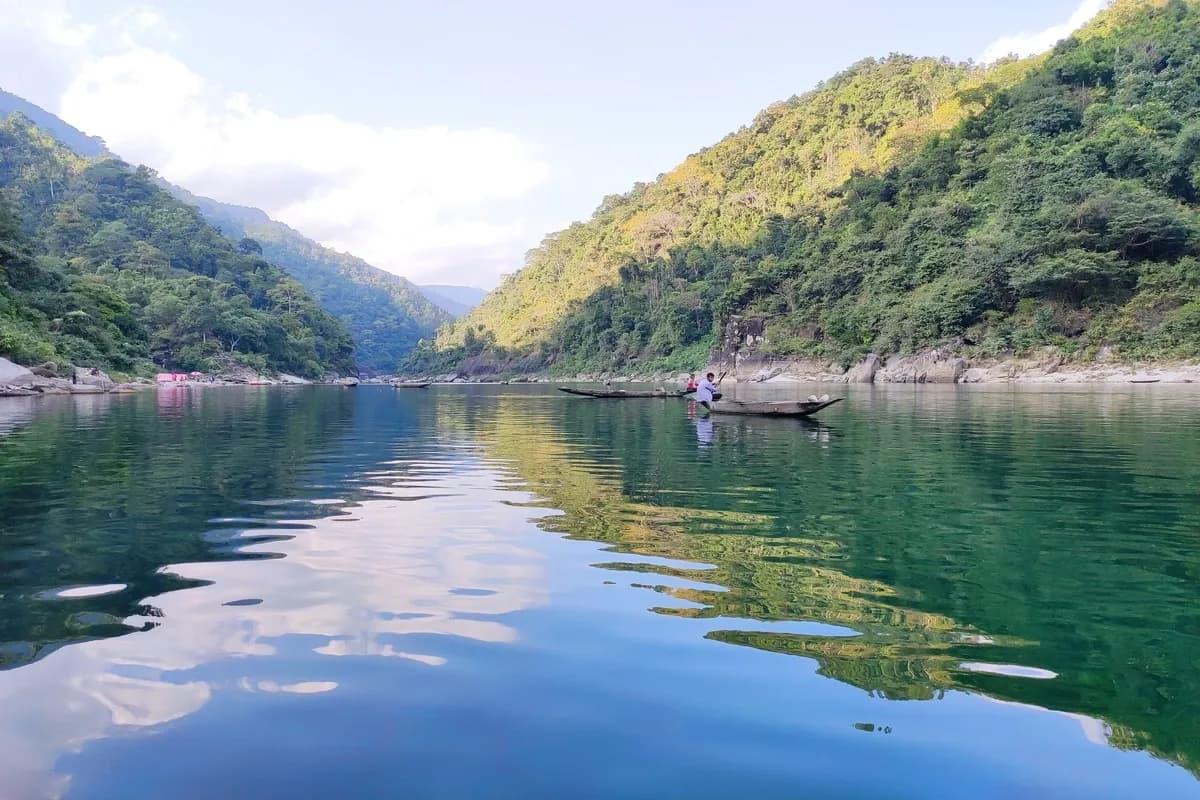
Boat rides are the main activity.
And yes, you’ve probably seen those photos where the boat looks like it’s floating in mid-air. The river really can look that clear, although water clarity changes with season, rainfall and conditions.
Nearby Shnongpdeng is another good place for riverside stays and outdoor activities.
Meghalaya food you should try
Meghalaya’s food is quite different from what you’ll find in much of India.
Look for:
- Jadoh, a Khasi rice and meat dish
- Dohneiihong, pork cooked with black sesame
- Doh Khlieh, a pork salad
- Tungrymbai, a fermented soybean dish
- Pukhlein, a sweet rice-flour snack
Pork is common in Khasi cuisine.
If you don’t eat pork, you’ll still find vegetarian food, chicken, fish and plenty of familiar Indian options in Shillong and tourist areas.
How many days do you need?
For a first visit, I’d use one of these routes.
5-day Meghalaya itinerary
Day 1: Guwahati → Shillong
Day 2: Shillong sightseeing
Day 3: Shillong → Sohra, waterfalls and caves
Day 4: Sohra → Mawlynnong → Dawki
Day 5: Dawki → Guwahati
This is quick, but workable.
7-day Meghalaya itinerary
Day 1: Guwahati → Shillong
Day 2: Shillong
Day 3: Shillong → Sohra
Day 4: Sohra waterfalls and caves
Day 5: Nongriat living root bridge trek
Day 6: Mawlynnong → Dawki/Shnongpdeng
Day 7: Dawki → Guwahati
I’d choose this version.
The extra 2 days give you breathing room, especially if rain messes with your plans.
Getting around Meghalaya
A private taxi is the easiest option for a first trip.
Distances can look tiny on Google Maps. Mountain roads have other opinions.
Shared taxis are cheaper and useful between major towns, but they aren’t ideal when you’re trying to visit several waterfalls and villages in one day.
If you’re driving yourself, take the roads seriously. Rain, fog, winding roads and occasional landslides can make a short-looking journey take much longer.
Where to stay
For a first trip, split your accommodation between Shillong and Sohra.
Shillong gives you easy access to restaurants, shops and city attractions.
Sohra lets you wake up closer to the waterfalls and trails, which means less time sitting in a taxi.
For Dawki, staying around Shnongpdeng can be a fun choice if you want a riverside experience.
Meghalaya travel budget
Your biggest expense will usually be transport.
A rough budget for a comfortable 6 to 7-day trip might look like this:
| Expense | Approx. cost |
|---|---|
| Budget hotel | ₹1,000-₹2,000/night |
| Mid-range hotel | ₹2,000-₹4,500/night |
| Food | ₹500-₹1,000/day |
| Shared transport | Lower cost |
| Private taxi | Higher cost, especially for multi-day trips |
Prices change by season, vehicle type and itinerary, so treat these as planning numbers rather than fixed rates.
A group of 3 to 4 people can make a private taxi much easier to justify because you split the vehicle cost.
What to pack
Pack for rain even when the forecast looks friendly.
Bring:
- Waterproof jacket
- Comfortable walking shoes with good grip
- Small umbrella
- Quick-dry clothes
- Power bank
- Waterproof phone pouch
- Small backpack
- Basic medicines
- Extra socks
- Some cash
For the Nongriat trek, proper footwear matters more than looking good in your Instagram photos.
Your shoes are going to get dirty.
Meghalaya travel tips for first-time visitors
Start early. Tourist spots get busier later in the morning, and mountain roads can eat up time.
Keep your itinerary loose. Rain can change your plans quickly.
Carry cash. Card and UPI availability is good in many places, especially around Shillong, but smaller villages and roadside businesses can be different.
Respect village rules. You’re travelling through communities where local customs matter. Ask before photographing people, homes or ceremonies.
Don’t litter. This should be obvious, especially in villages and forest areas.
Check road conditions before long drives. Heavy rain can affect routes.
Don’t underestimate trekking distances. A trail that looks easy on a map can involve hundreds of steps.
Is Meghalaya worth visiting?
Absolutely.
The waterfalls are the obvious attraction, but they’re only part of the reason I’d recommend Meghalaya.
The living root bridges are unusual in a way you won’t find on a standard hill-station trip. The Khasi villages give the journey some character. And the roads between destinations are often half the fun.
Give Meghalaya enough time to slow you down a little.
You’ll probably remember the road through the clouds just as much as the waterfall you stopped to photograph.
Featured Image Credit: Generated/Sourced via Chatgpt.com.
Editorial note: Some articles may use AI-assisted research or drafting. Our editorial process includes human review and editing, and important travel information should be verified with official sources before your trip.
Travel Tips & Responsible Exploration
Good travel planning starts with staying informed. Before your journey, verify important details such as transportation, accommodation, weather, permits, entry requirements, and local guidelines. Respect local communities, cultures, traditions, and the environment, and travel responsibly wherever you go. Suman Rabha shares practical travel guides, local insights, and destination information to help readers explore Northeast India and beyond with greater confidence.