
Sikkim packs an absurd amount of scenery into a small Himalayan state. You can spend one morning walking around Gangtok, the next day beside a frozen lake, and a few days later be staring at Kanchenjunga from a quiet village.
The trick is choosing the right places for the kind of trip you actually want.
1. Gangtok
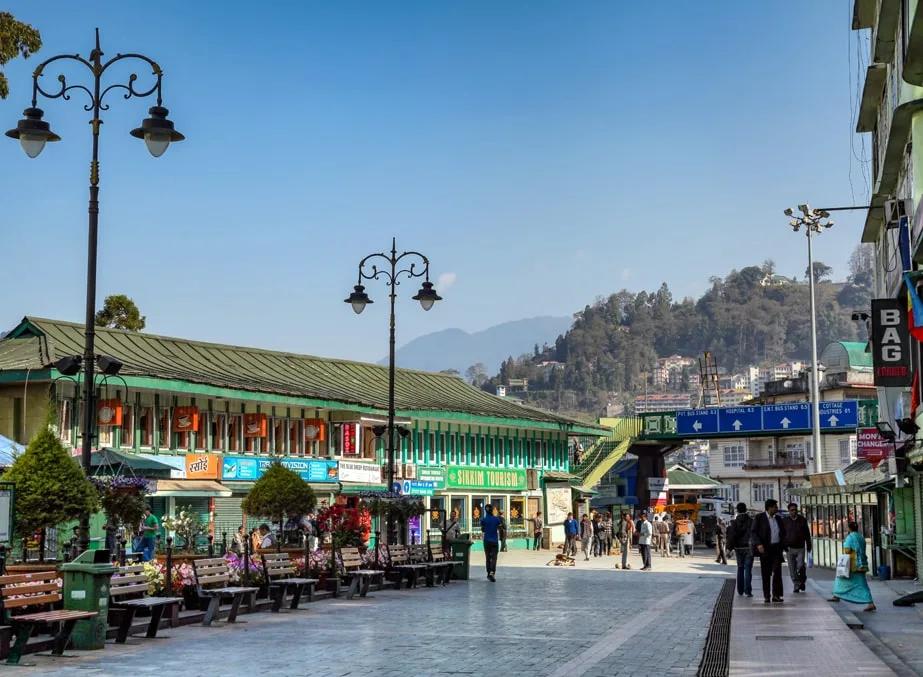
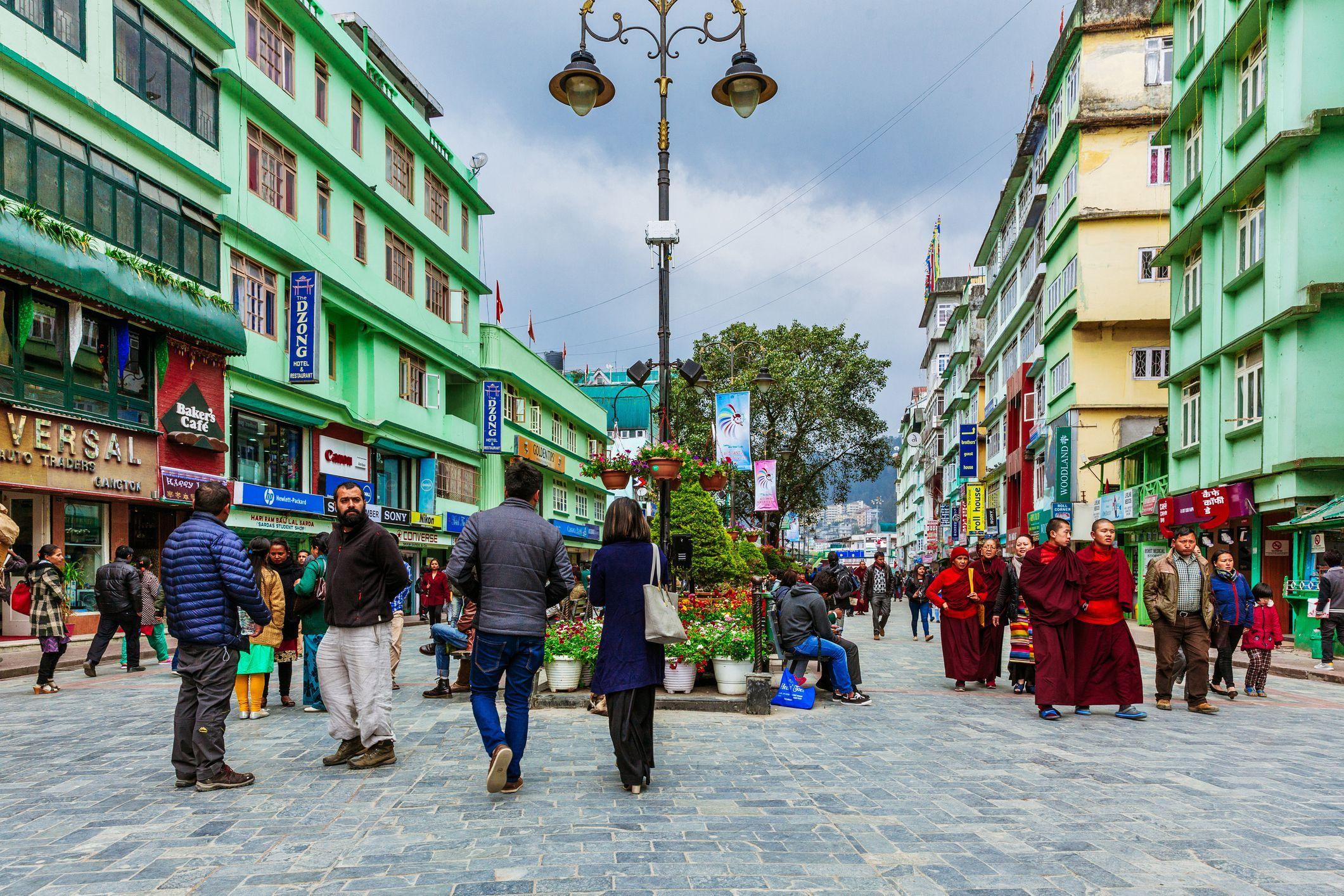
Gangtok is where most Sikkim trips begin, and it’s a good base for exploring the surrounding mountains.
Spend some time around MG Marg, then head up to Tashi View Point, Ganesh Tok or Hanuman Tok for mountain views. Rumtek Monastery is another worthwhile stop if you have a few extra hours.
The city sits at about 1,650 metres, so the climate is much easier to handle than the high-altitude places farther north. (Sikkim Tourism)
Best for: first-time visitors, food, cafés, monasteries and day trips.
2. Tsomgo Lake
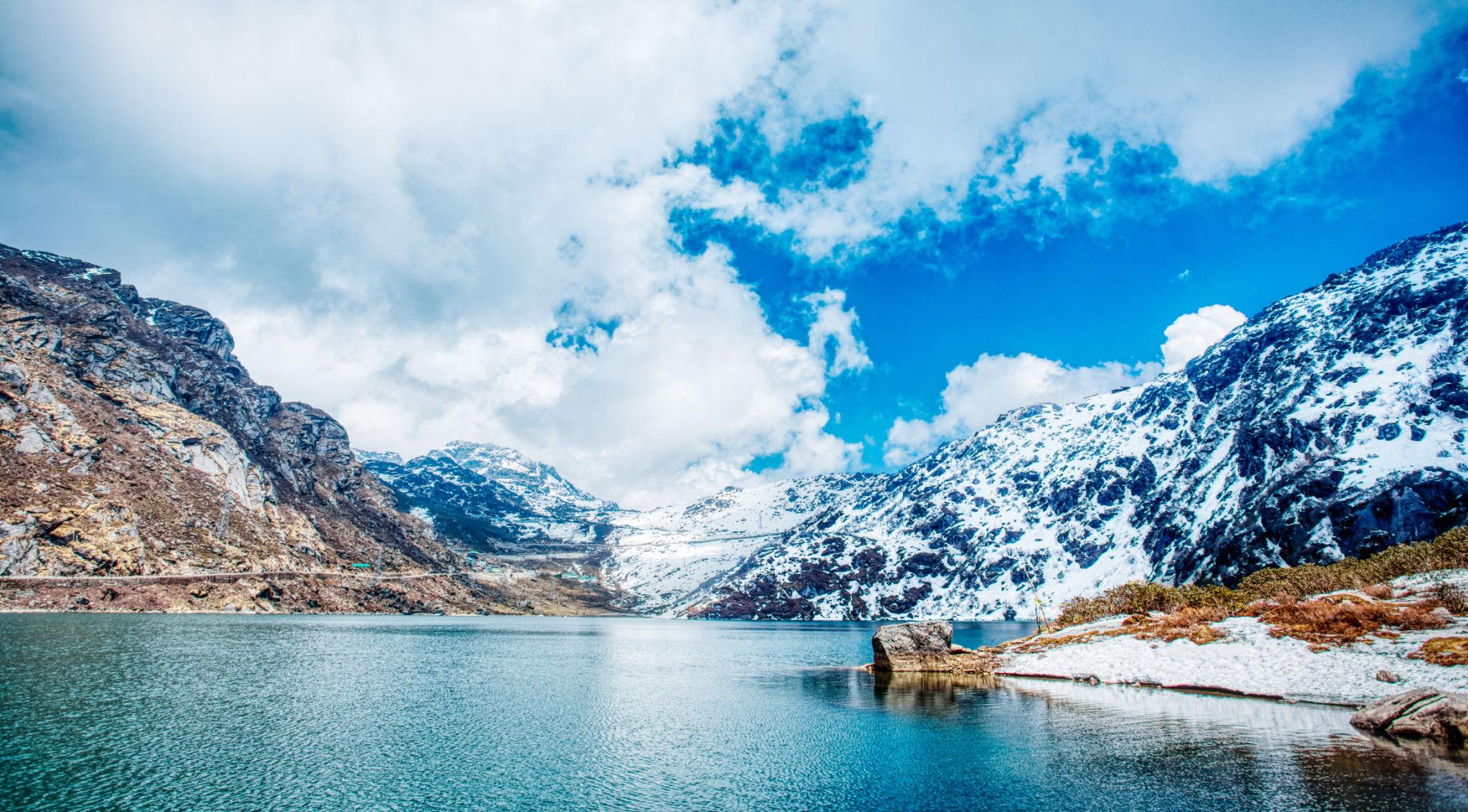
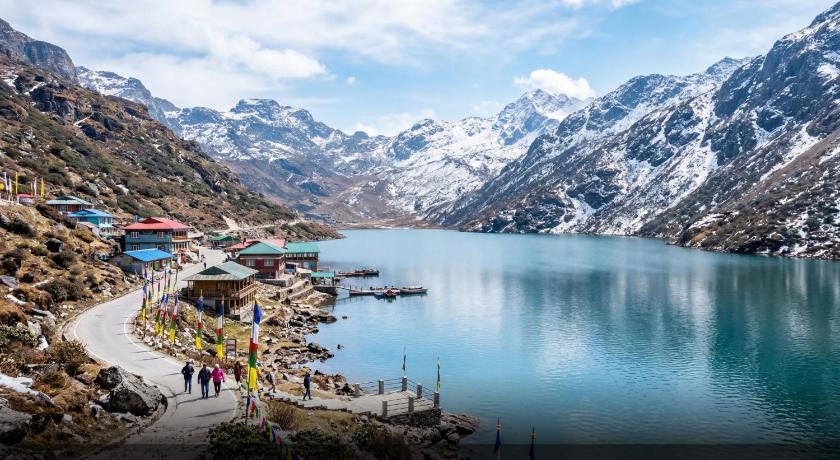
Tsomgo Lake, also called Changu Lake, is one of the easiest high-altitude experiences to add to a Gangtok itinerary.
The lake sits at roughly 12,400 feet and changes dramatically with the seasons. Winter can leave it frozen, while spring brings flowers around the surrounding slopes. (Sikkim Tourism)
And yes, you’ll probably see decorated yaks around the lake. It’s touristy, but the setting is hard to complain about.
Best for: snow, photography and a classic Sikkim day trip.
3. Nathula Pass
Nathula sits on the old Silk Route near the India-China border. The road climbs through some seriously dramatic mountain country before reaching the pass.
Indian visitors need a Protected Area Permit, arranged through a registered travel agency. Foreign tourists aren’t permitted to visit Nathula. (Sikkim Tourism)
Weather can also shut things down, especially during winter and the rainy months, so keep some flexibility in your Gangtok plan.
Best for: mountain roads, history and the border experience.
4. Lachung
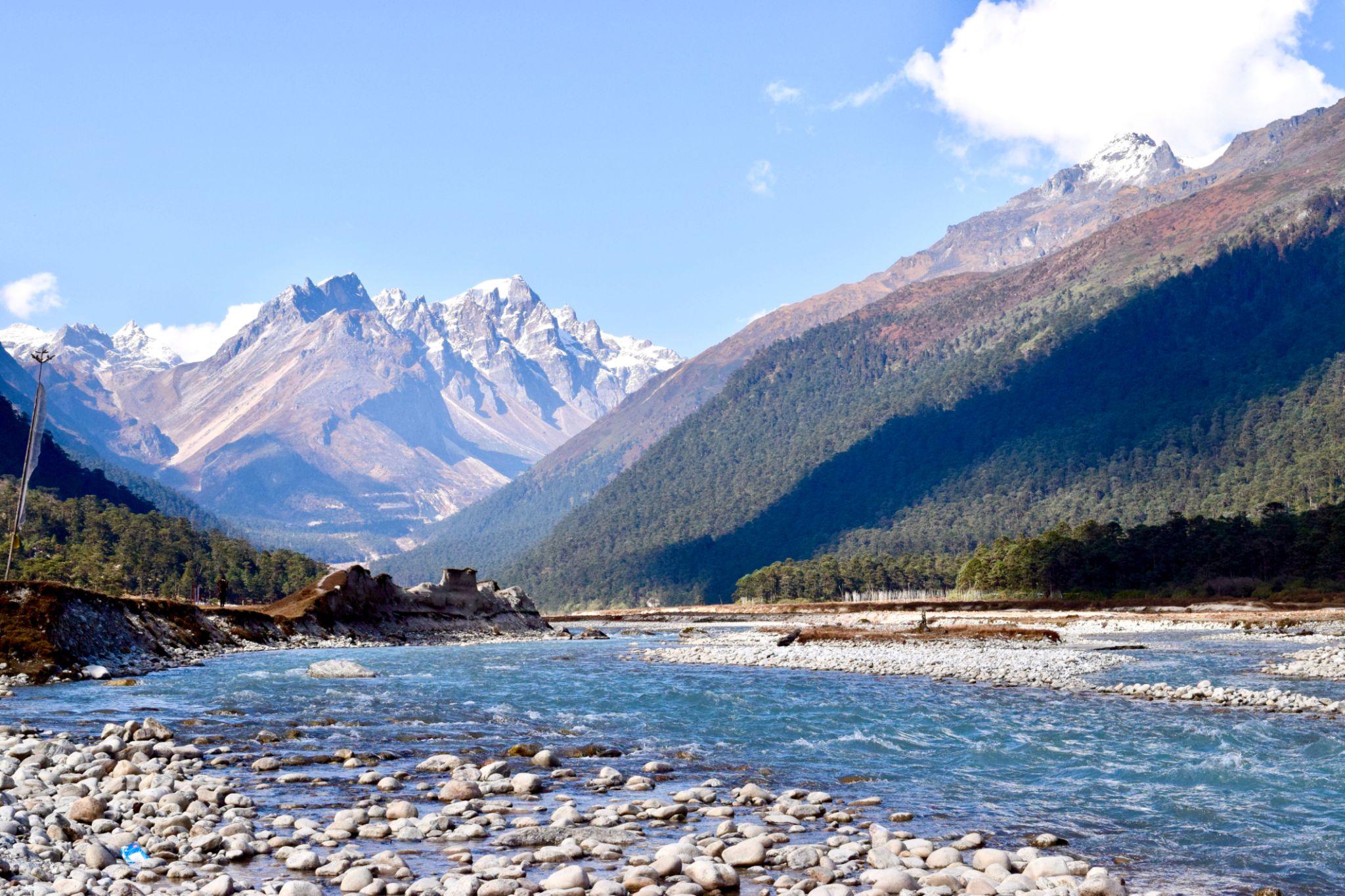
Lachung is a mountain village in North Sikkim and one of the main bases for exploring the Yumthang side of the state.
The journey itself is part of the experience. Expect steep valleys, waterfalls, rivers and enormous mountain walls along the road.
Current travel rules matter here. Sikkim Tourism’s 2025 advisory requires tourists visiting Lachung to follow a 3-day/2-night itinerary, with permits issued at least 1 day in advance. (Sikkim Tourism)
Best for: North Sikkim road trips and mountain scenery.
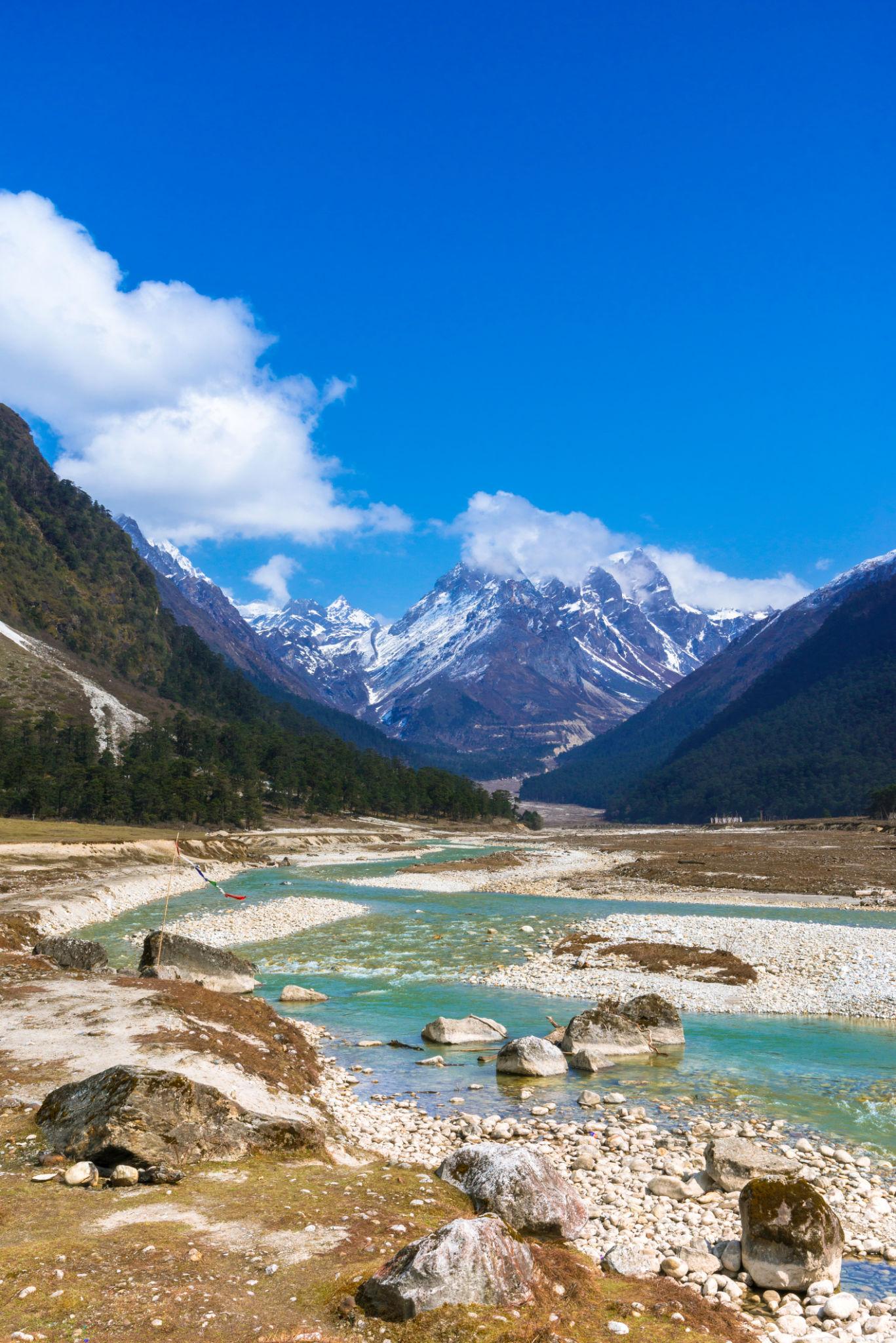
5. Yumthang Valley
Yumthang is the place to go when you want that classic high-altitude Sikkim landscape.
The valley is famous for its flowers, mountain streams and surrounding peaks. Visit during the flowering season and the slopes take on a completely different look.
The valley is also part of Sikkim’s protected-area permit system, so check the current rules before booking. (Sikkim Tourism)
Best for: flowers, photography and alpine scenery.
6. Gurudongmar Lake
Gurudongmar is one of those places where the journey starts feeling slightly unreal.
The high-altitude lake sits in North Sikkim amid stark mountain terrain. Snow, rocky slopes and deep blue water can make the landscape look almost painted.
Altitude is the serious part here. Give your body time to adjust and don’t treat the trip like an ordinary sightseeing drive.
Gurudongmar also requires a permit, and foreign tourists aren’t permitted to visit the lake. (Sikkim Tourism)
Best for: high-altitude landscapes and serious mountain photography.
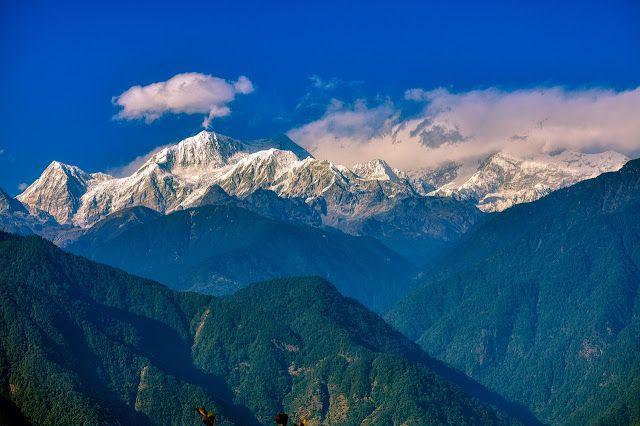
7. Pelling
Pelling is one of my picks for a slower Sikkim trip.
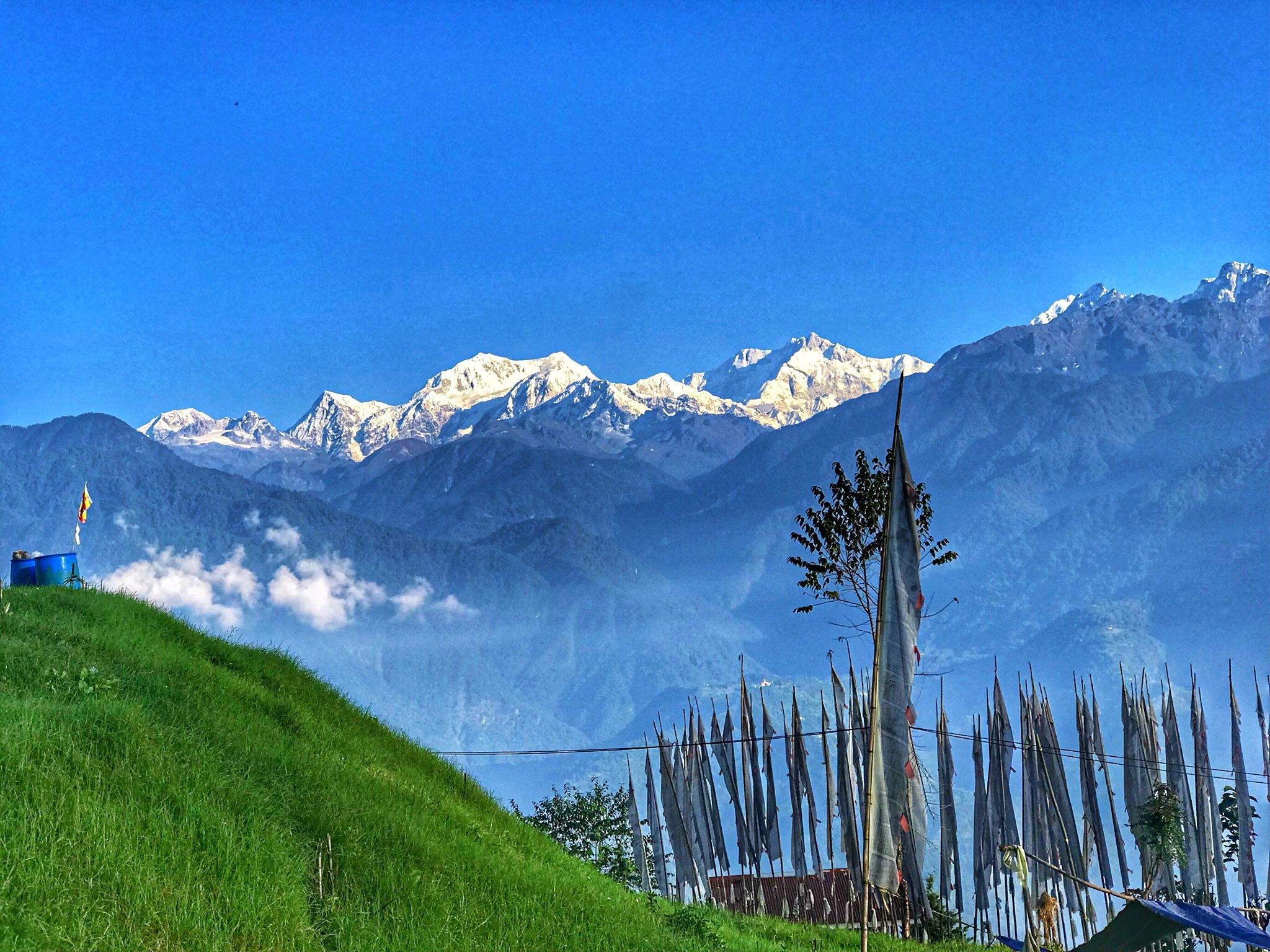
The big draw is the view toward Kanchenjunga, especially around sunrise and on clear autumn mornings. You can also visit Pemayangtse Monastery and the ruins of Rabdentse nearby.
Pelling works well when you want mountain views without spending every day driving to extreme elevations.
Best for: Kanchenjunga views, monasteries and relaxed stays.
8. Ravangla
Ravangla sits in South Sikkim and has a very different feel from the busy parts of Gangtok.
The Buddha Park is the obvious stop, with its huge Buddha statue and mountain backdrop. You can also use Ravangla as a base for exploring nearby villages and monasteries.
It’s a good addition to a South Sikkim itinerary, especially if you don’t want the whole trip centred around Gangtok.
Best for: peaceful mountain stays, Buddhist culture and photography.
9. Namchi
Namchi is another strong South Sikkim stop.
The town is known for attractions such as Samdruptse Hill and the Char Dham complex. The surrounding hills also give you a chance to slow down and see a less frantic side of the state.
Namchi works particularly well when combined with Ravangla and Temi.
Best for: temples, viewpoints and South Sikkim road trips.
10. Temi Tea Garden
Temi is the place to visit when you’ve had enough of snow and want some green.
The tea estate spreads across rolling hills, with mountain views appearing between the rows of tea plants. Sikkim Tourism describes Temi as India’s only tea estate in the Himalayas. (Sikkim Tourism)
Have a cup of local tea, walk around the estate and take your time. There’s no need to turn this into a 20-minute photo stop.
Best for: tea, greenery and easygoing road trips.
11. Zuluk
Zuluk sits on the old Silk Route in East Sikkim and is famous for its crazy-looking hairpin bends.
The road snakes across the mountain slopes, with viewpoints opening toward the Eastern Himalayas. Sunrise from Thambi View Point is the big attraction.
Zuluk falls under the protected-area permit system, and foreign tourists aren’t allowed to visit. (Sikkim Tourism)
Best for: road trips, mountain bends and sunrise photography.
12. Khecheopalri Lake
Khecheopalri is a quieter choice in West Sikkim.
The forested approach suddenly opens around a beautiful sacred lake. It’s a place where you’ll probably want to put the camera away for a few minutes.
Sikkim Tourism includes Khecheopalri among the state’s notable alpine and sacred lakes. (Sikkim Tourism)
Best for: nature, quiet walks and spiritual places.
13. Yuksom
Yuksom has serious historical importance in Sikkim. It was the first capital of the kingdom and is closely connected with the state’s Buddhist history.
It’s also the traditional starting point for the trek toward Dzongri and Goecha La.
So if you’re planning a trekking trip rather than a standard sightseeing holiday, Yuksom deserves a place on your route. Sikkim Tourism lists Dzongri, Goecha La and Yuksom among its major trekking destinations. (Sikkim Tourism)
Best for: trekking, history and quieter mountain villages.
14. Barsey Rhododendron Sanctuary
Barsey is for people who’d rather walk through a forest than sit in a taxi all day.
The sanctuary is known for rhododendrons, orchids and Himalayan birdlife. Spring is particularly good when the rhododendrons are flowering.
Sikkim Tourism also lists Barsey among the state’s major flower destinations. (Sikkim Tourism)
Best for: short treks, flowers and birdwatching.
Which places should you choose?
For a first Sikkim trip, I’d keep it simple:
Gangtok → Tsomgo Lake → Nathula → Pelling → Ravangla
If you have 7-10 days, add:
Lachung → Yumthang
If you’re chasing snow and high-altitude scenery, look at:
Tsomgo Lake → Nathula → Lachung → Yumthang → Gurudongmar
For quiet villages and mountain views, go with:
Pelling → Ravangla → Namchi → Temi → Yuksom
And if you’re planning a trek, build the trip around Yuksom, Dzongri or Goecha La rather than trying to squeeze every tourist spot into the same itinerary.
Best time to visit Sikkim
For clear mountain views, October to mid-December is one of the best periods. The air is crisp and the skies are generally much better for seeing the big Himalayan peaks. (Sikkim Tourism)
March to May is better if flowers are your priority. Rhododendrons and orchids start appearing, and the weather is comfortable for sightseeing and trekking. (Sikkim Tourism)
Monsoon is a different story. Sikkim receives heavy rain, and mountain roads can be affected by landslides and delays. Build extra time into the itinerary if you’re travelling during the rainy season. (Sikkim Tourism)
A quick permit reminder
Several of Sikkim’s best places sit inside protected areas.
Nathula, Tsomgo Lake, Zuluk, Yumthang and Gurudongmar all have permit requirements, with rules varying by destination and nationality. Sikkim Tourism says many permits need to be arranged through registered travel agencies. (Sikkim Tourism)
Check the current permit rules before you pay for a hotel or taxi. Mountain plans have a habit of becoming expensive when one missing permit ruins the route.
Official Sikkim Tourism: Sikkim Tourism
Featured Image Credit: Generated/Sourced via Chatgpt.com.
Editorial note: Some articles may use AI-assisted research or drafting. Our editorial process includes human review and editing, and important travel information should be verified with official sources before your trip.
Travel Tips & Responsible Exploration
Good travel planning starts with staying informed. Before your journey, verify important details such as transportation, accommodation, weather, permits, entry requirements, and local guidelines. Respect local communities, cultures, traditions, and the environment, and travel responsibly wherever you go. Suman Rabha shares practical travel guides, local insights, and destination information to help readers explore Northeast India and beyond with greater confidence.