
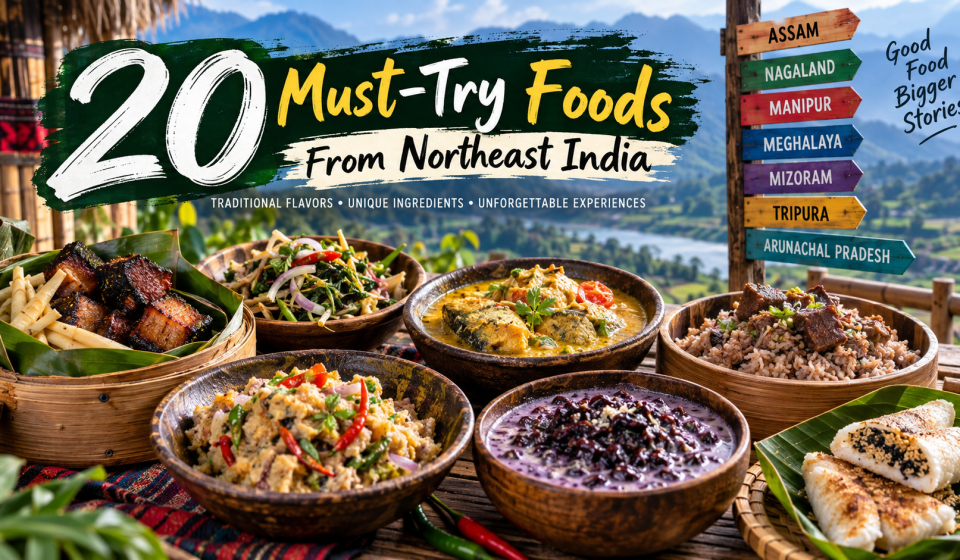

Northeast India has some of the most interesting food in the country.
The cooking changes quickly once you move between states. Rice stays important, but the things around it change: smoked meat, fermented fish, bamboo shoots, herbs, chillies, pork, greens and things you probably won’t find on a standard Indian restaurant menu.
And that’s exactly why you should eat your way through the region.
Here are 20 foods worth putting on your list.
1. Eromba, Manipur
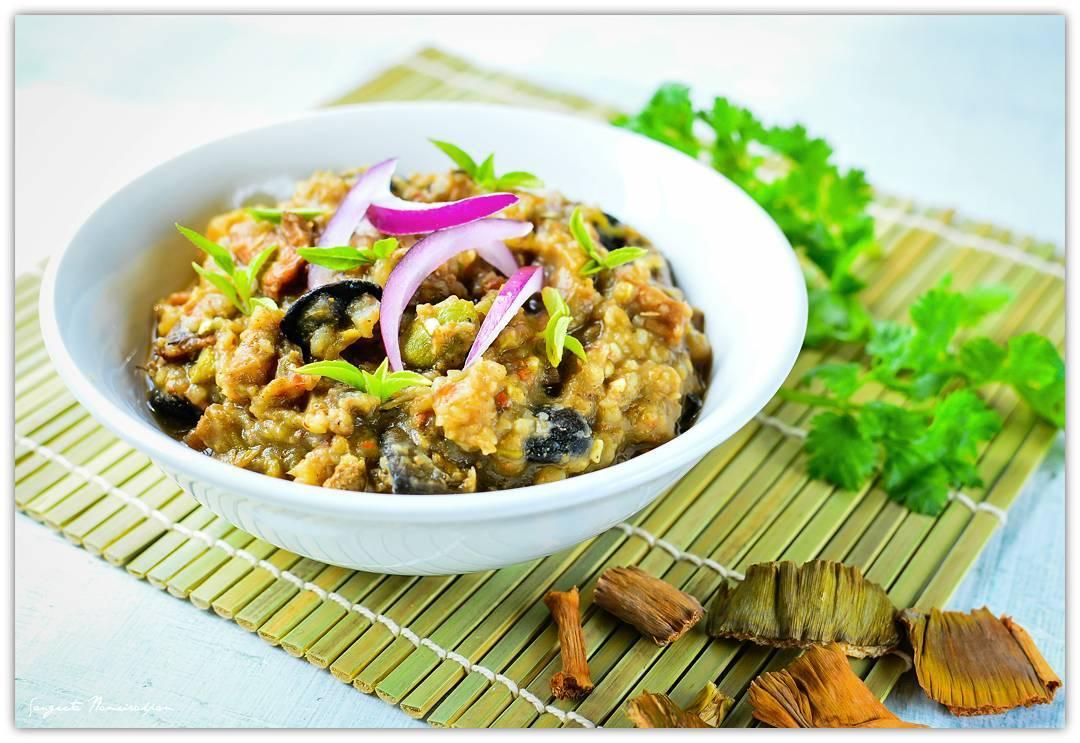
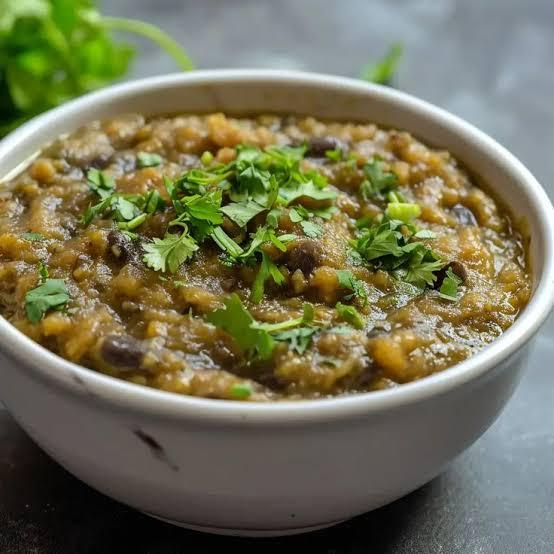
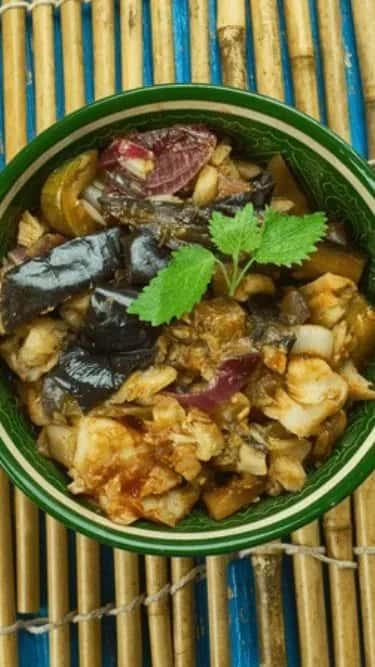
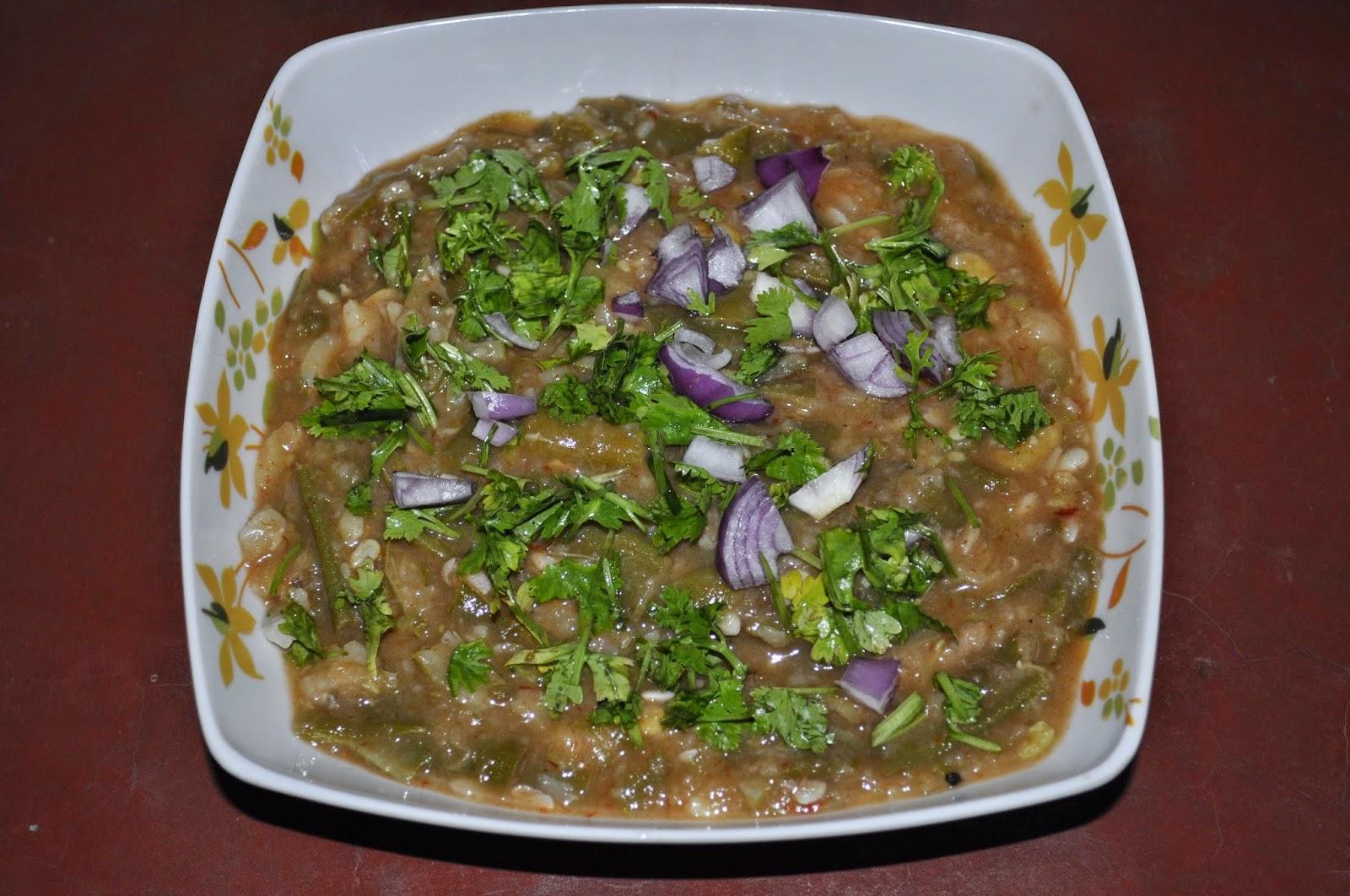
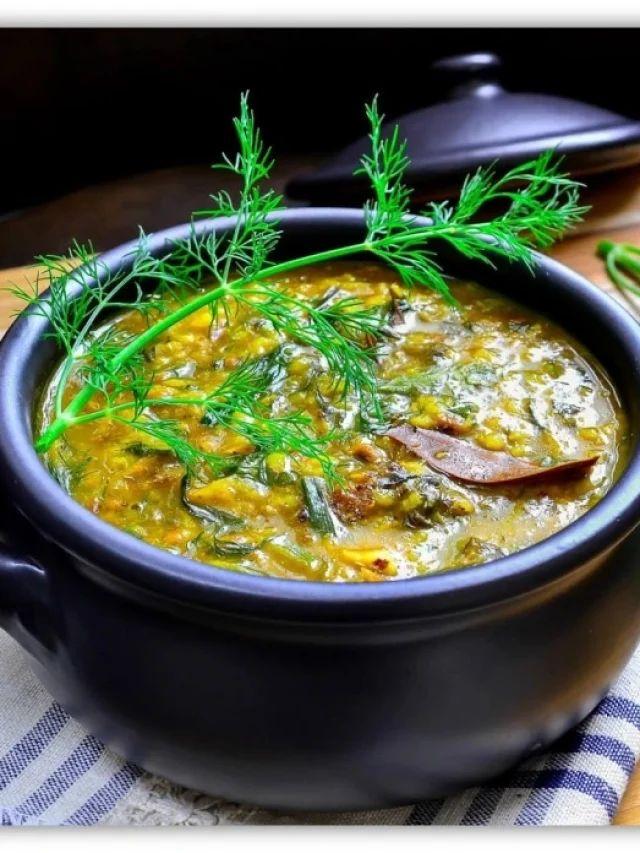
Eromba is one of Manipur’s signature dishes.
Boiled vegetables, chillies and fermented fish are mashed together into a rough, intensely flavoured dish. Potatoes, fermented fish and king chilli are common combinations, though recipes vary from home to home.
The fermented fish gives it that unmistakable smell. If you’re new to Manipuri food, start with a small portion.
Then go back for more.
2. Smoked Pork, Nagaland
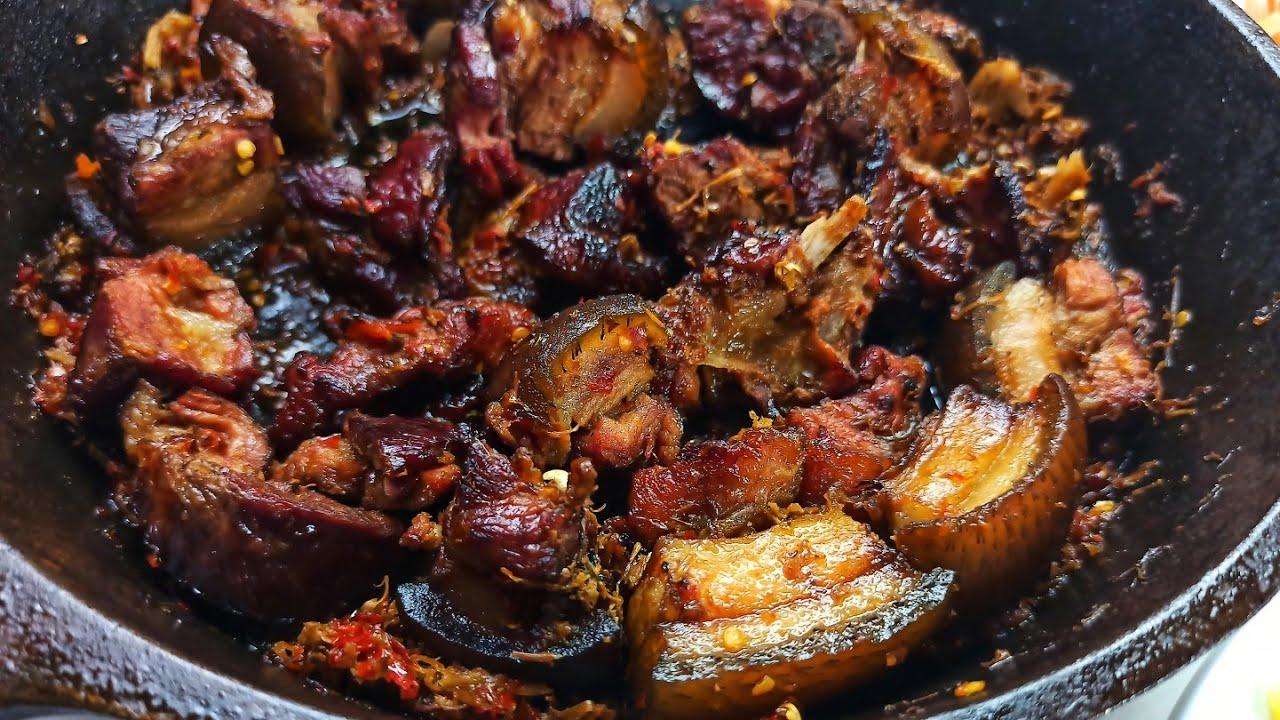
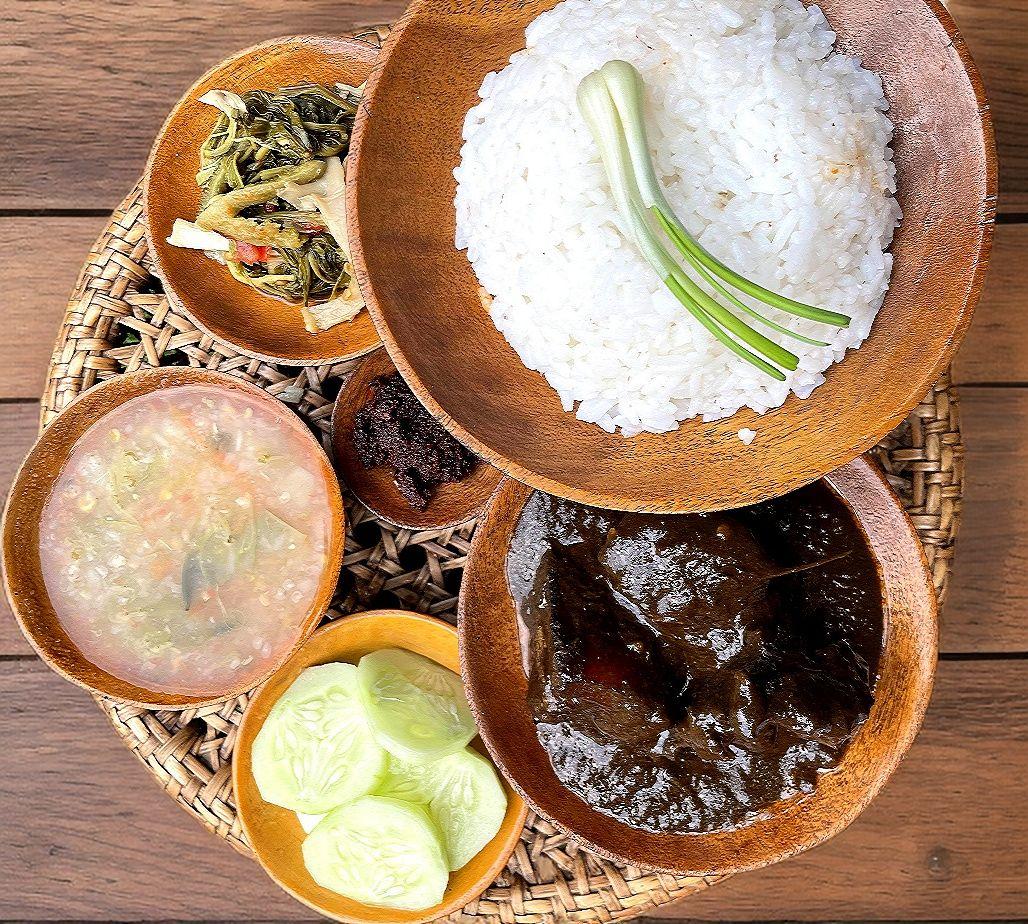
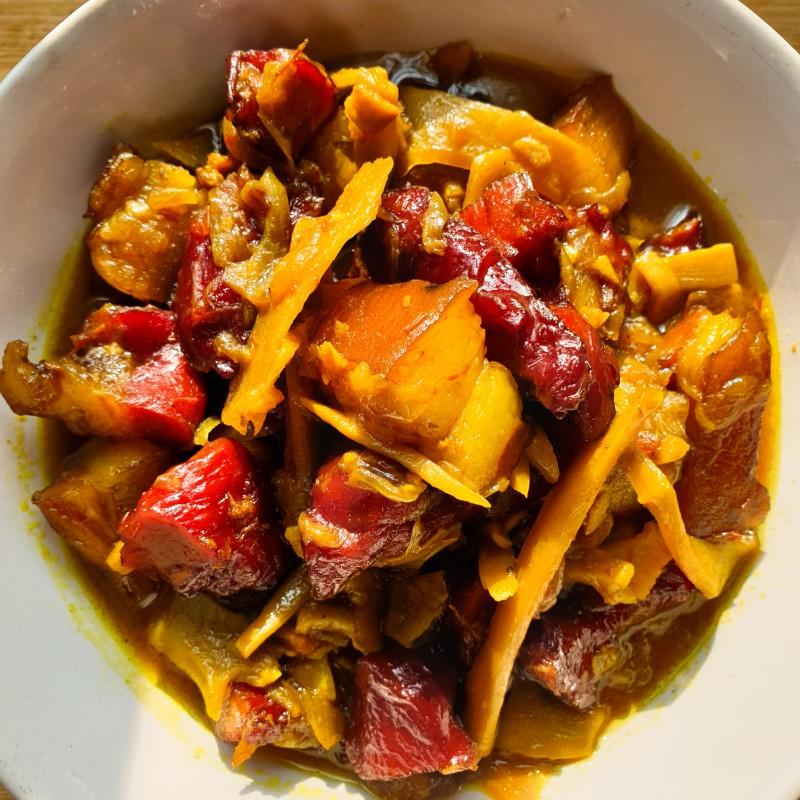
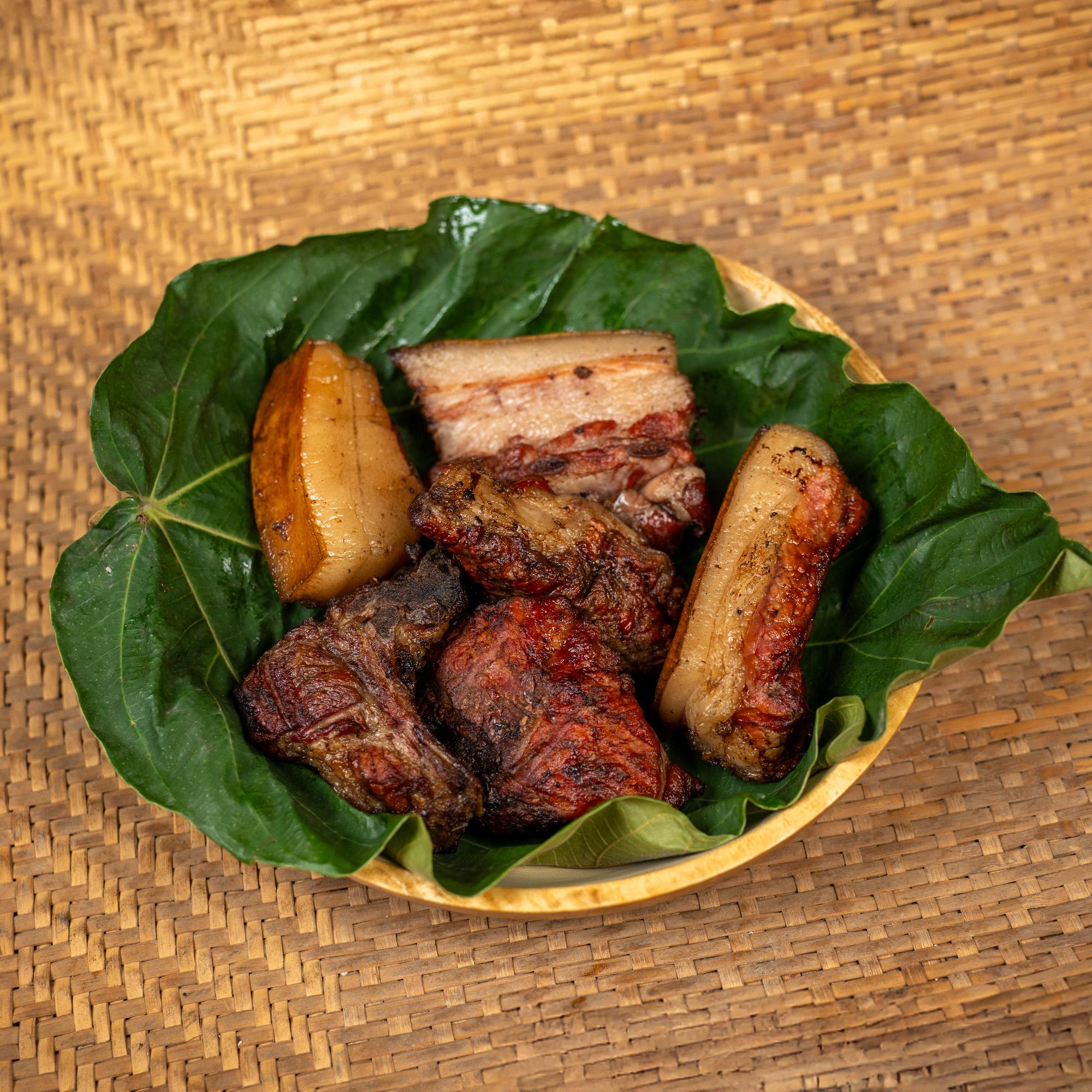
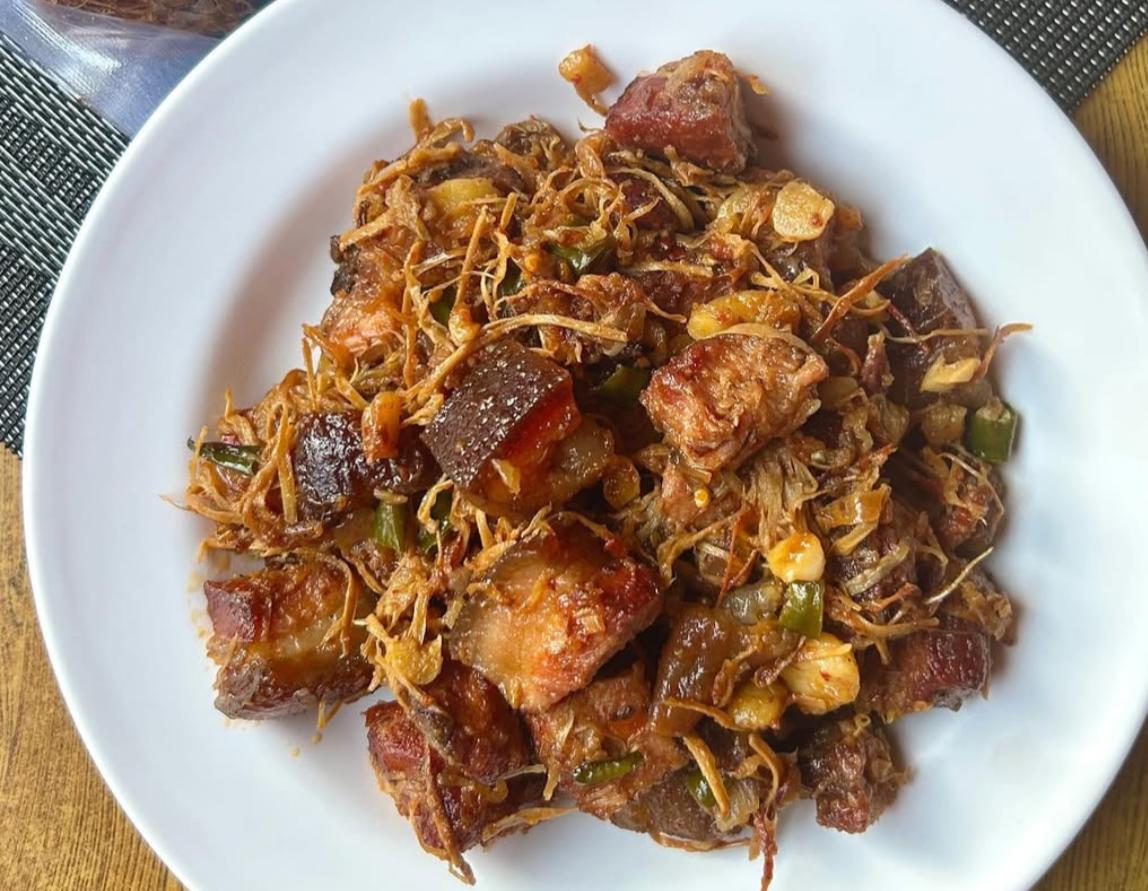
Smoked pork is one of the foods I associate most strongly with Nagaland.
Pork is traditionally smoked over wood fires, giving the meat a deep, smoky flavour and a firmer texture. It’s often cooked with fermented bamboo shoot, chillies or local herbs.
The famous Naga chillies can make things serious very quickly.
Ask about the heat before you take that first heroic bite.
3. Masor Tenga, Assam
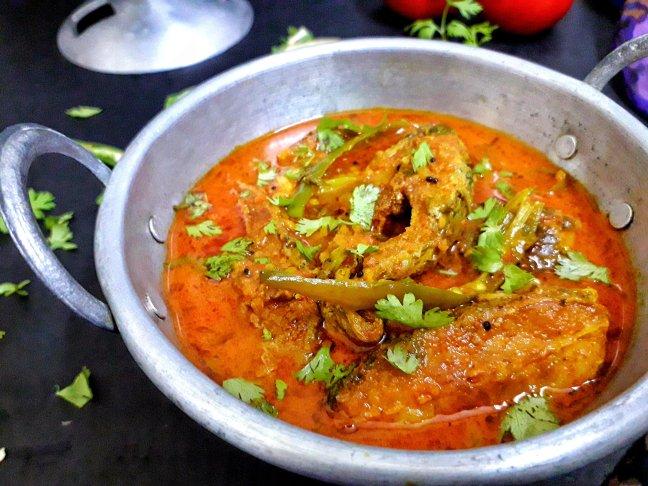
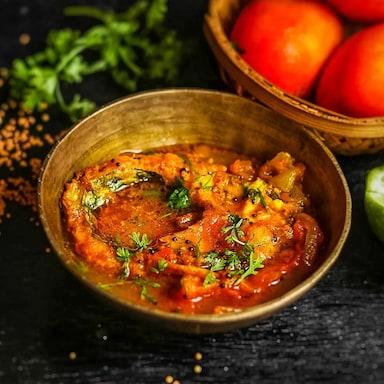
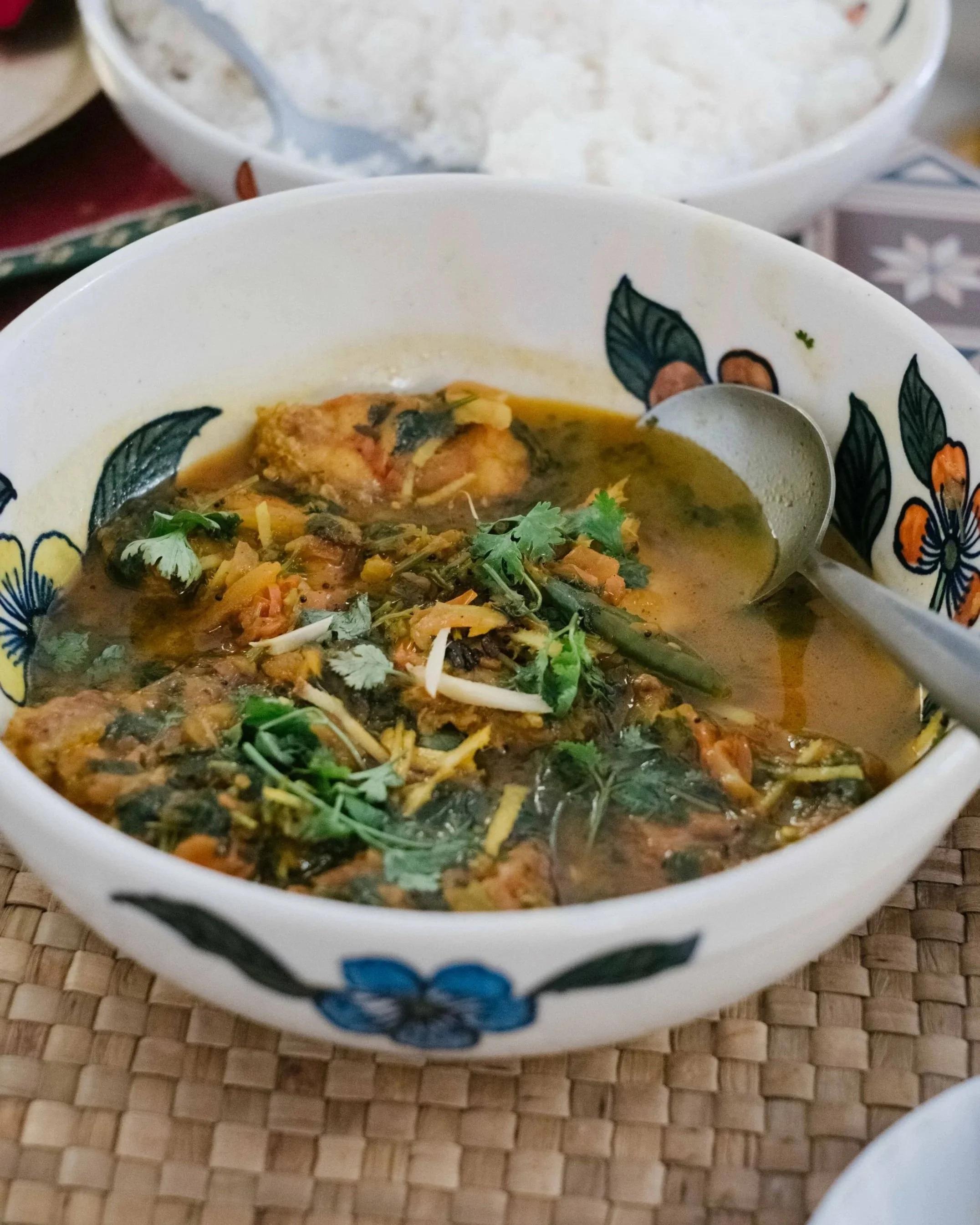
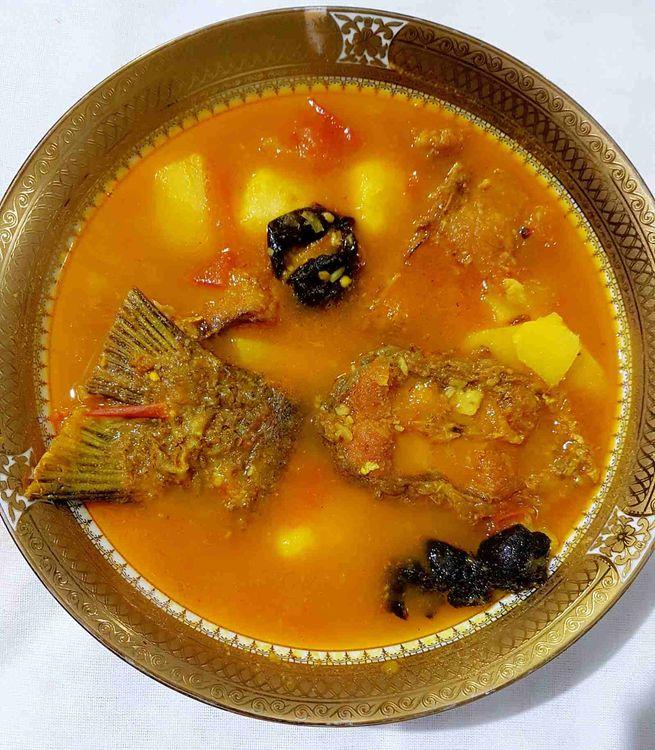
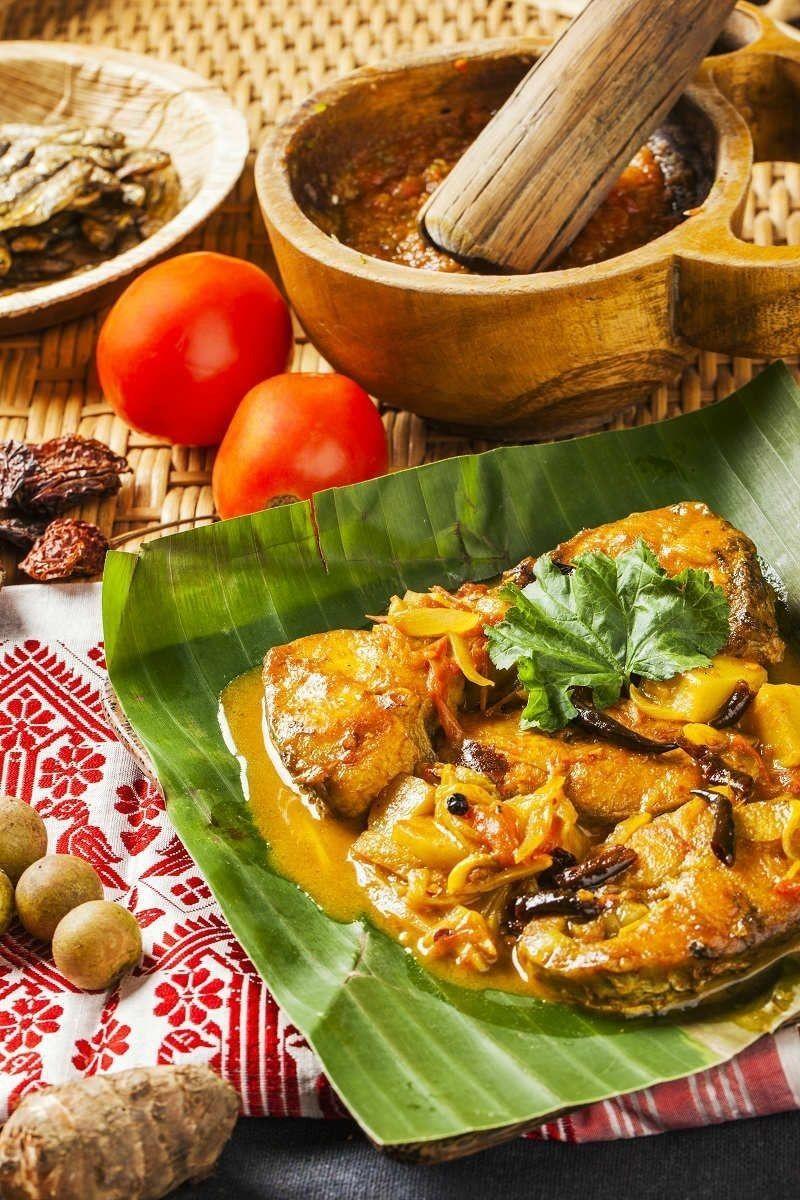
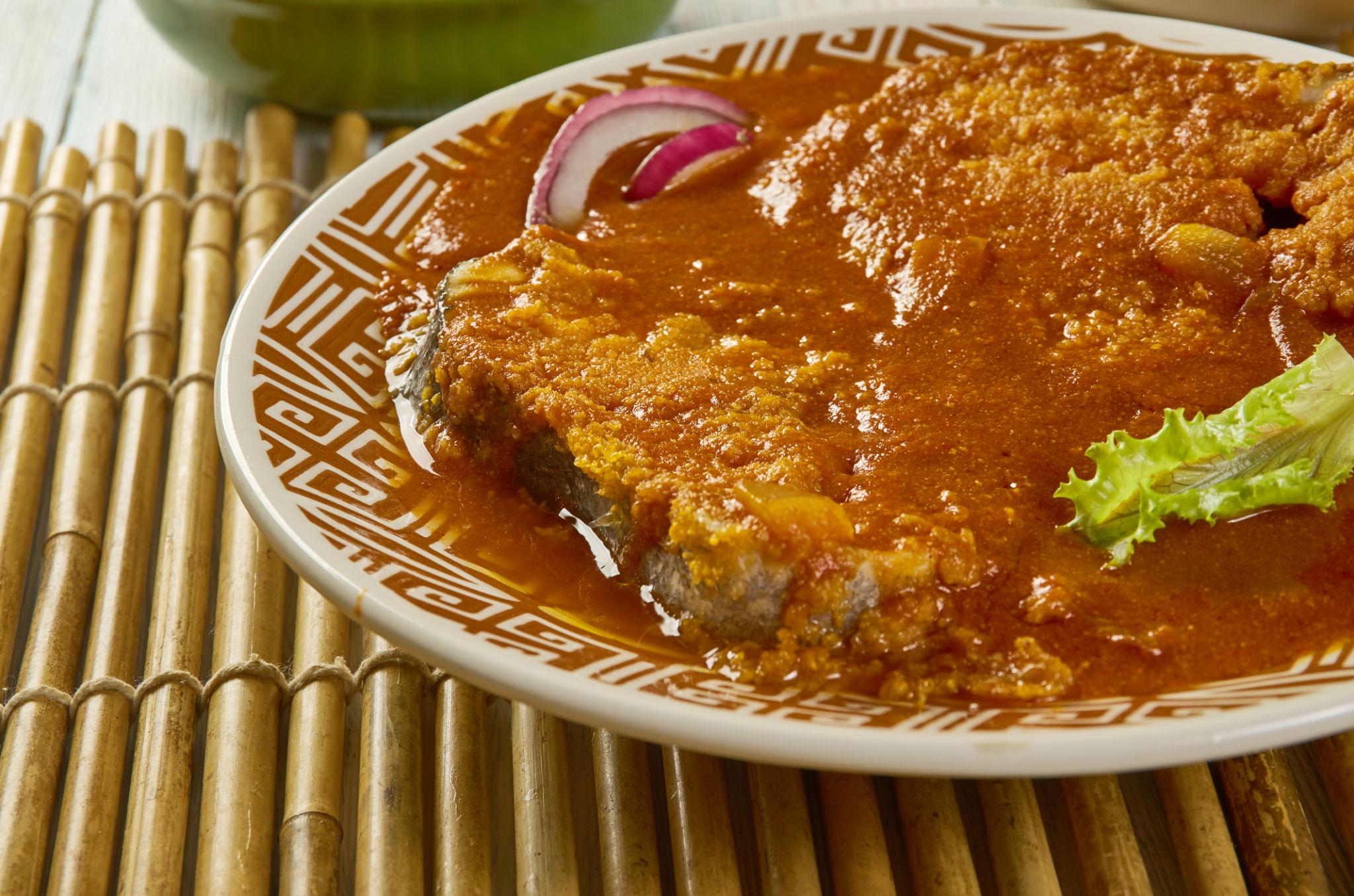
Masor Tenga is Assam’s famous sour fish curry.
The curry gets its tang from ingredients such as tomato, lemon, elephant apple or other souring agents, depending on the recipe. It’s light, tart and made to be eaten with rice.
After a heavy meal, this is the kind of dish that wakes your mouth back up.
4. Bamboo Shoot Curry, Arunachal Pradesh
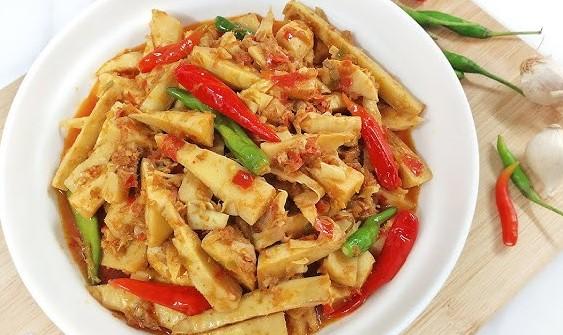
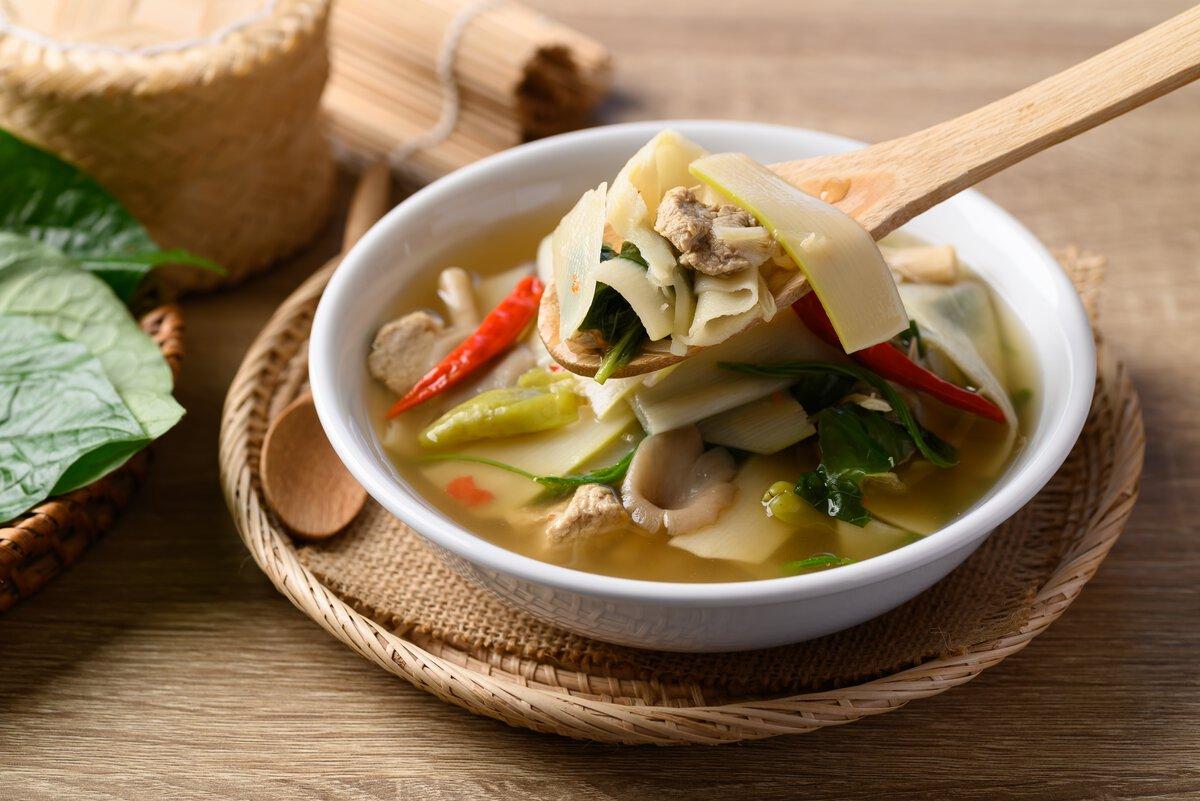
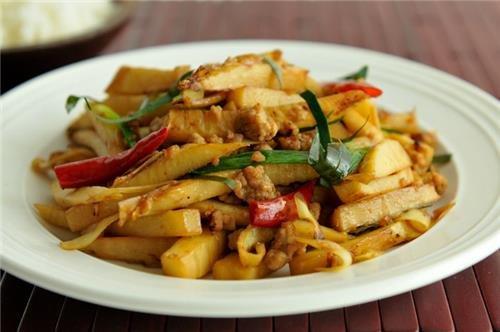
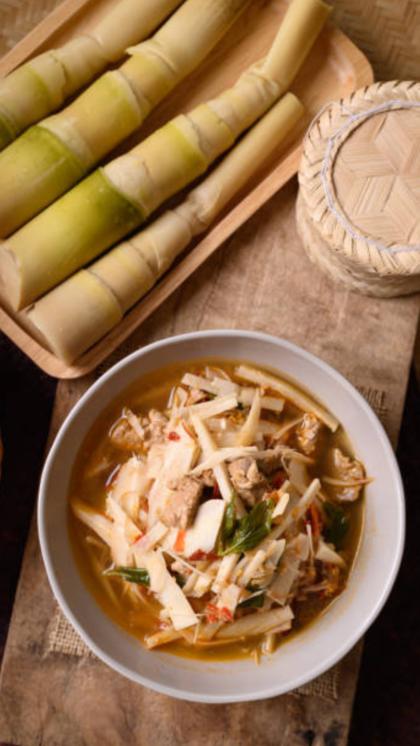
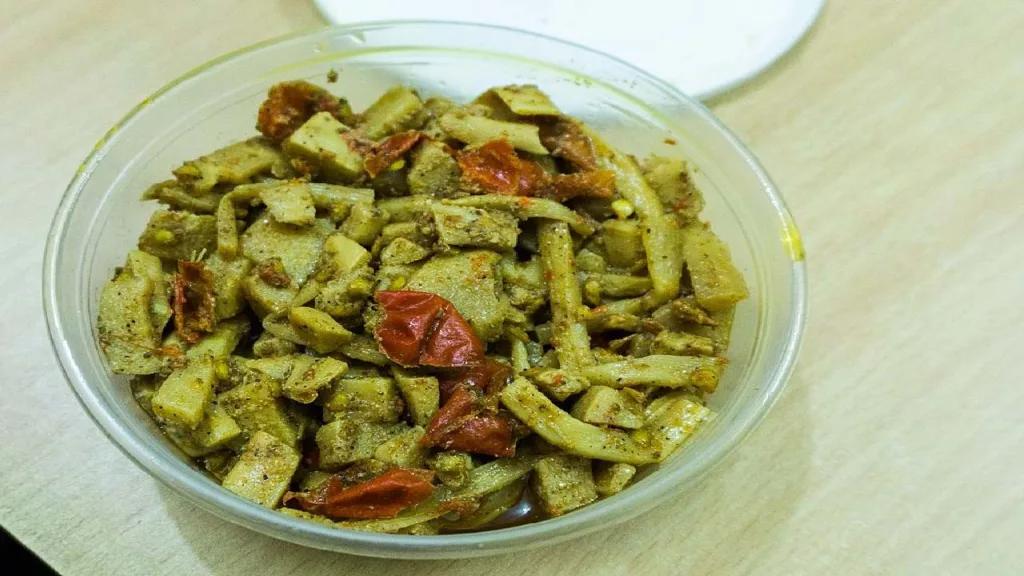
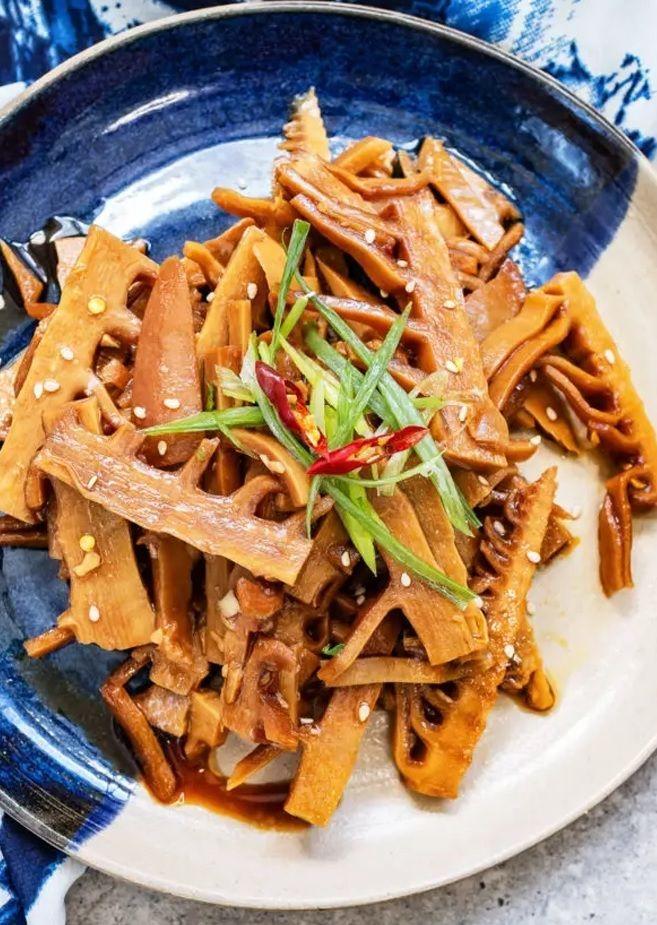
Bamboo shoots turn up all over Northeast India, but Arunachal Pradesh has plenty of its own preparations.
Fresh or fermented bamboo shoots can be cooked with vegetables, pork or other local ingredients. The flavour is sour, earthy and unmistakable.
If you’ve never eaten bamboo shoot before, this is a good place to start.
5. Jadoh, Meghalaya
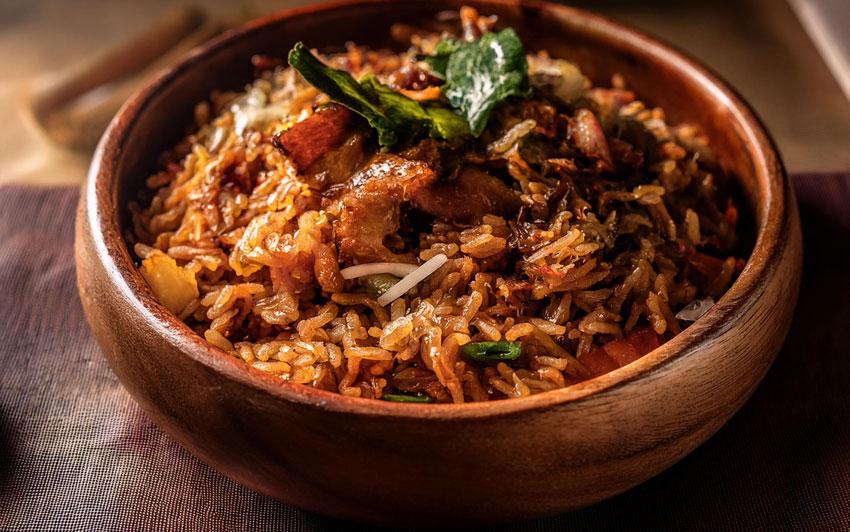
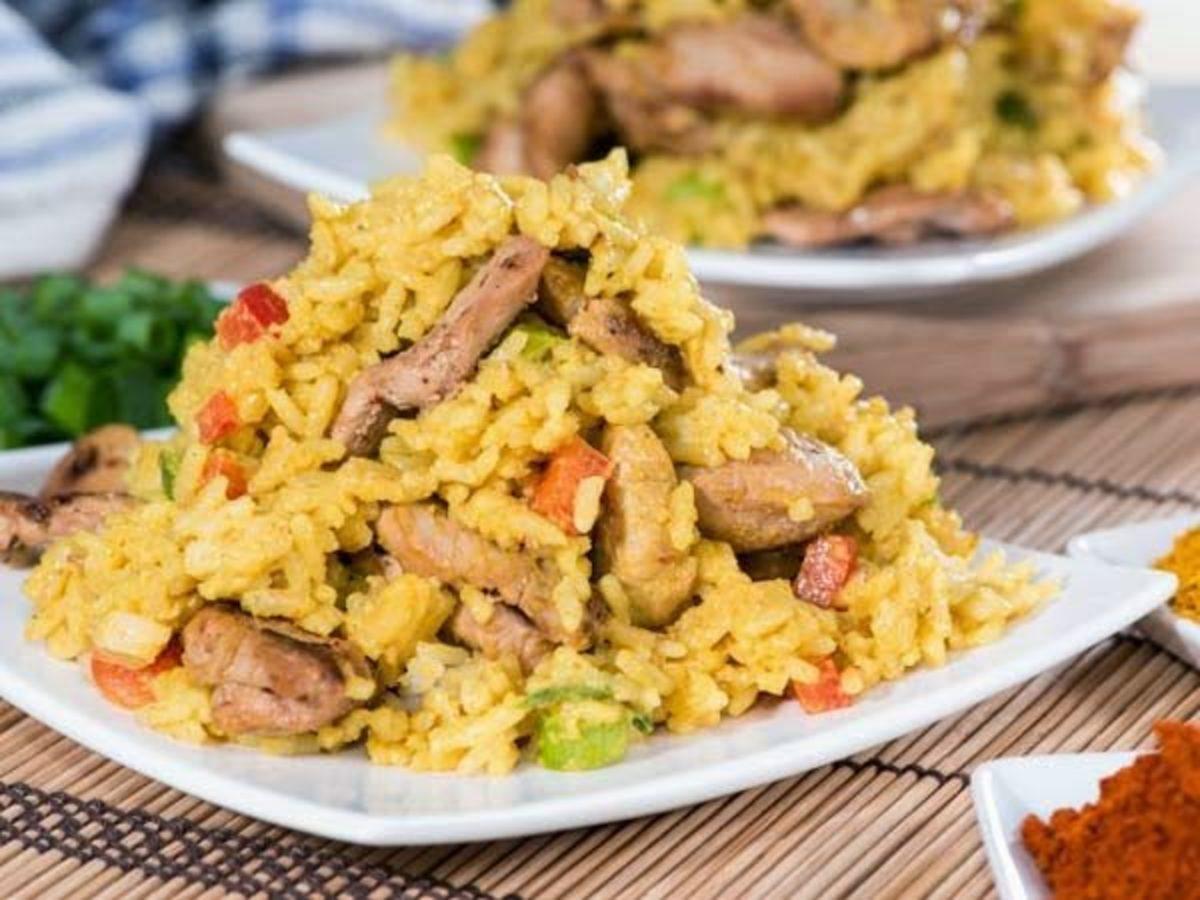
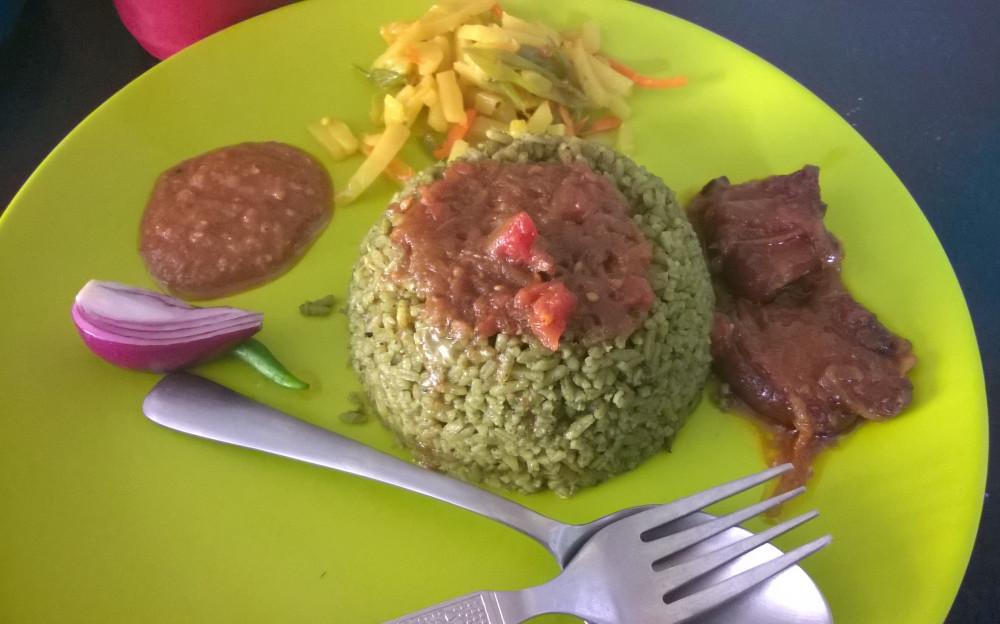
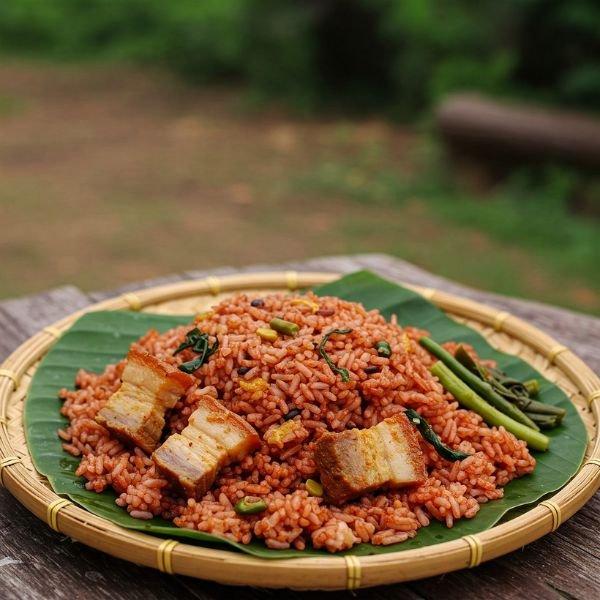
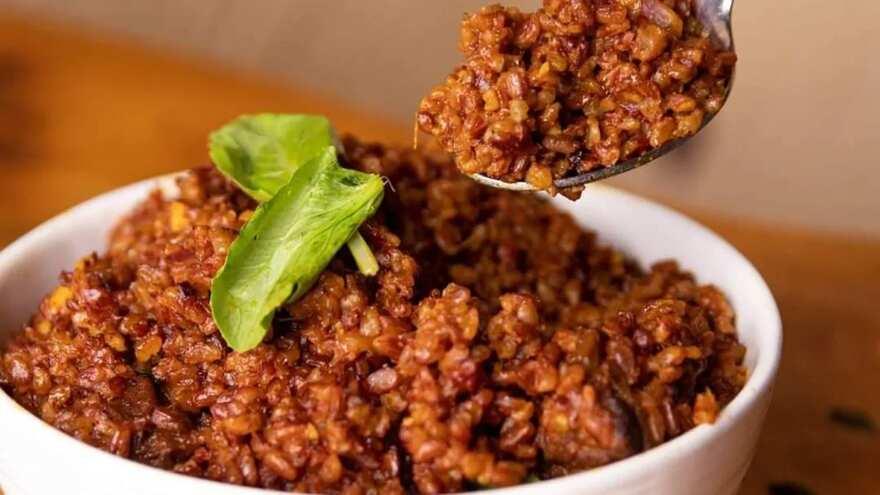
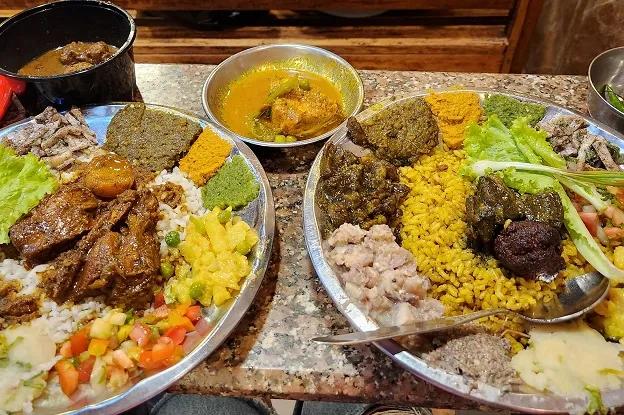
Jadoh is a Khasi rice and meat dish from Meghalaya.
The name comes from Khasi words connected with rice and meat, and the dish is commonly made with red rice and pork. The rice absorbs the flavour of the meat and spices as everything cooks together.
It’s simple food with plenty of character.
In Shillong, finding a good local place serving Jadoh should be high on your food list.
6. Dohneiihong, Meghalaya
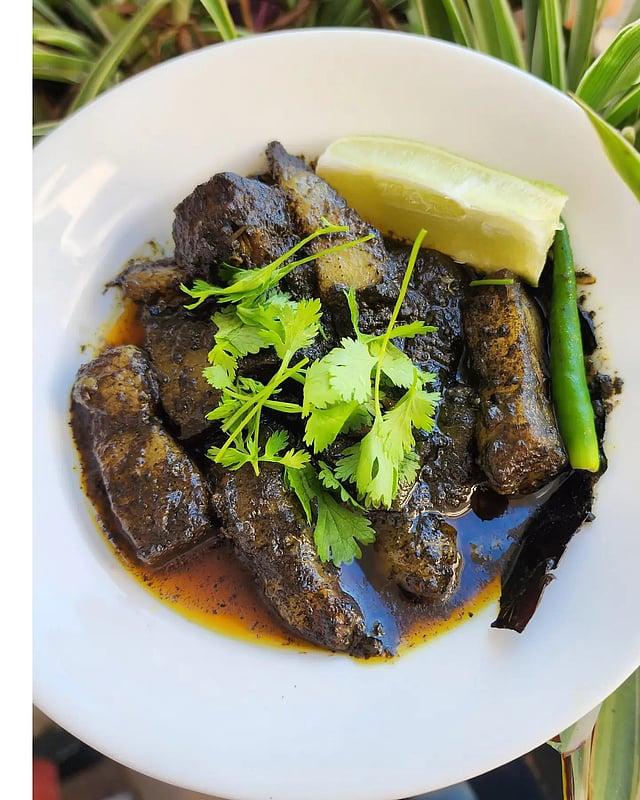
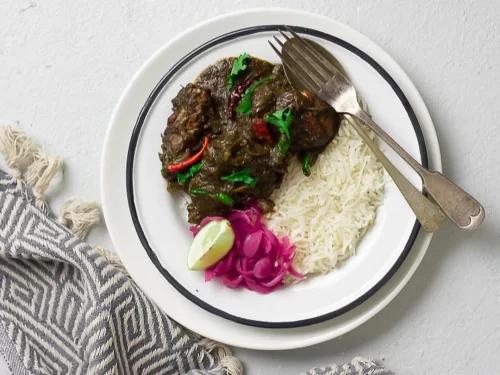
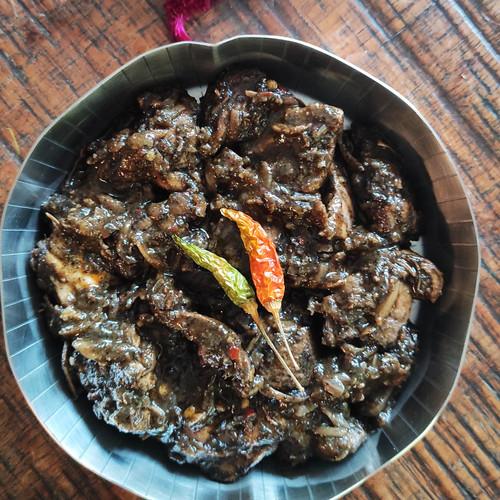
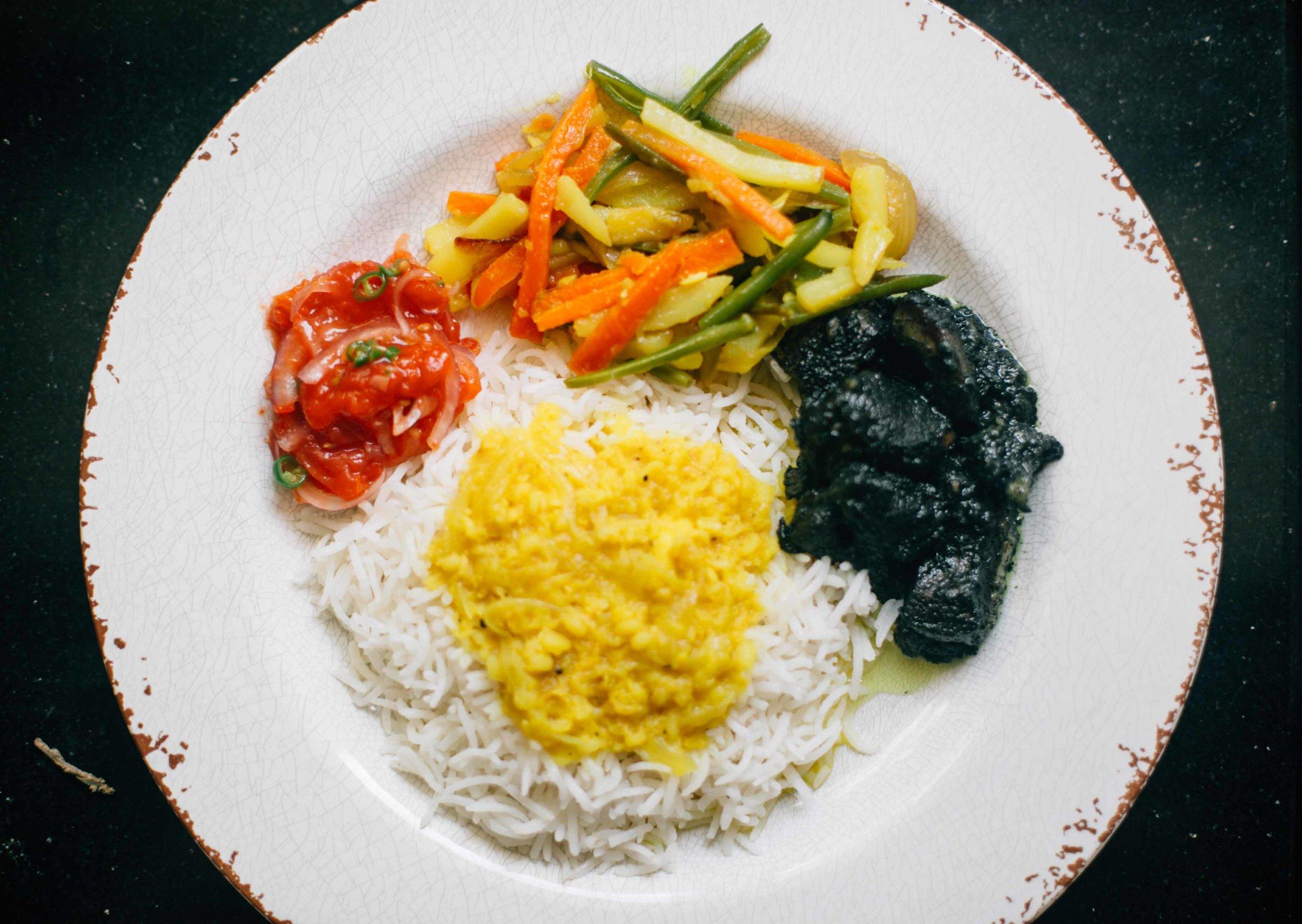
Dohneiihong is pork cooked with black sesame.
The sesame gives the gravy a dark colour and nutty flavour, while the pork brings the richness. It’s usually eaten with rice.
If you like pork, this one deserves your attention.
7. Tungrymbai, Meghalaya
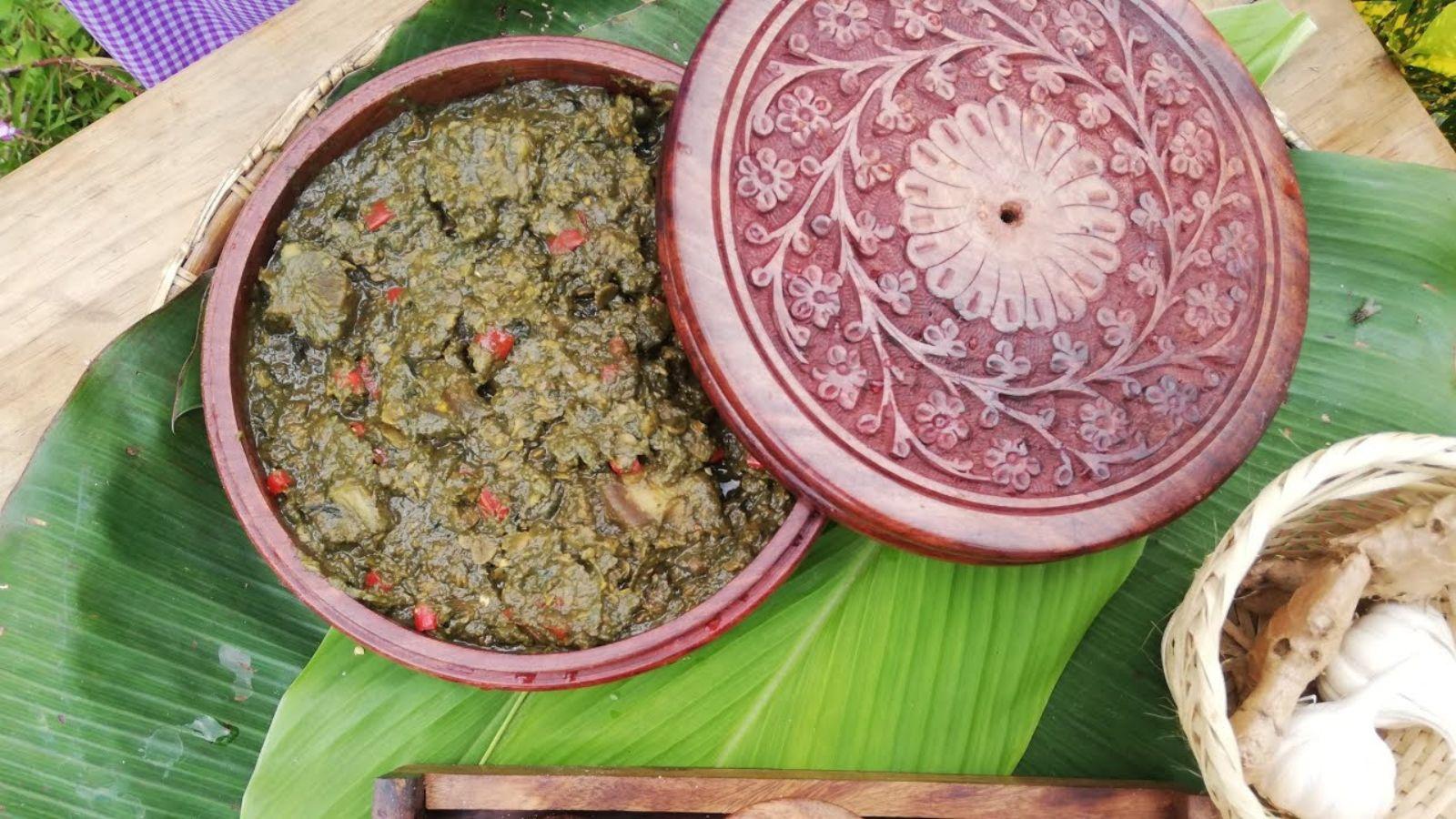
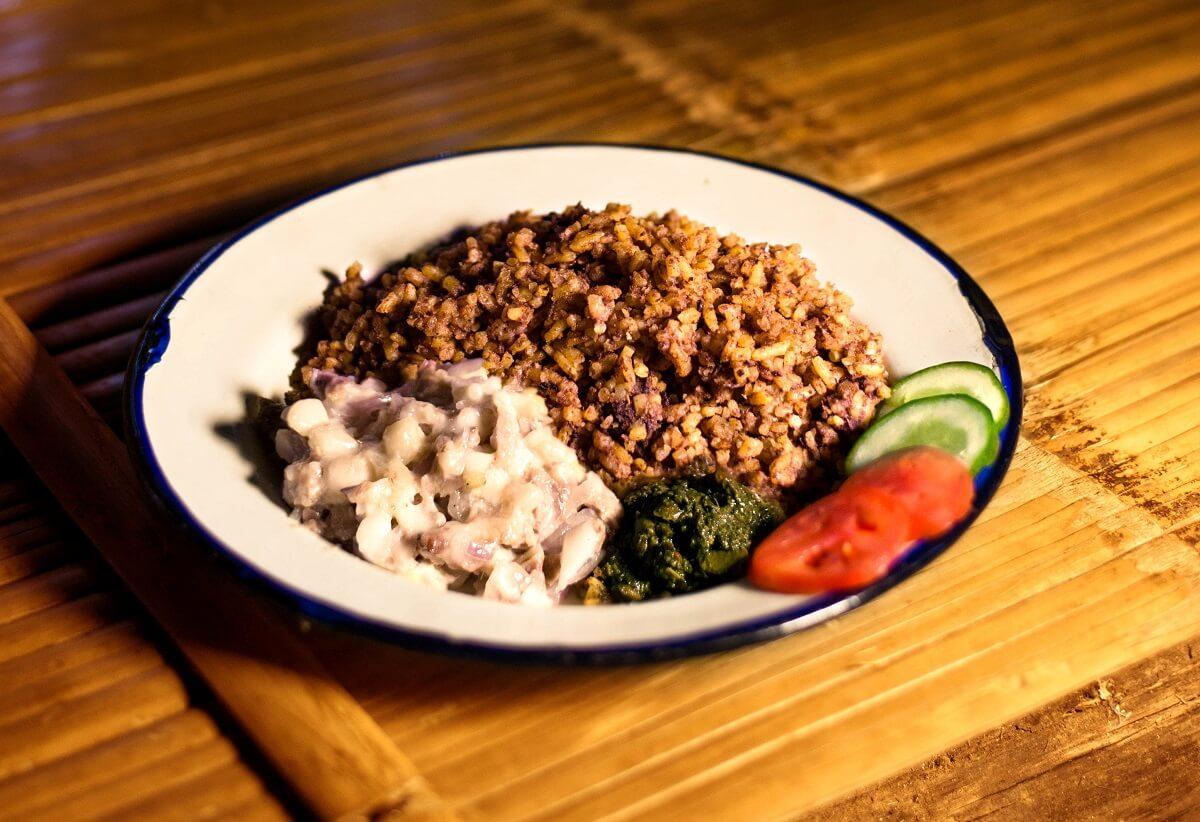
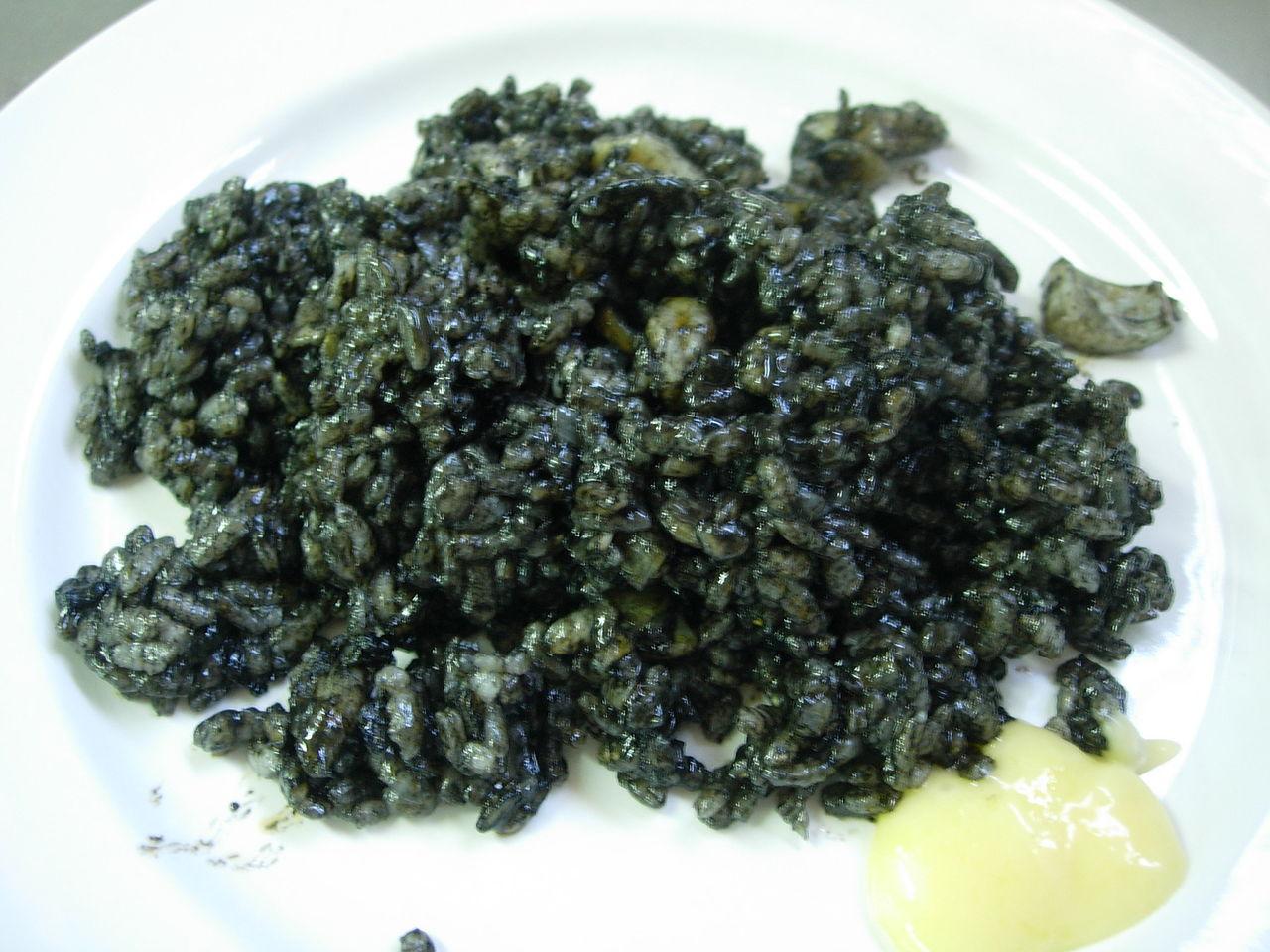
Tungrymbai is made from fermented soybeans and is a traditional Khasi food.
The fermentation gives it a strong, savoury taste. It’s commonly cooked with spices and sometimes pork, then eaten with rice.
Fermented foods can take a little getting used to.
Tungrymbai is worth the effort.
8. Axone, Nagaland
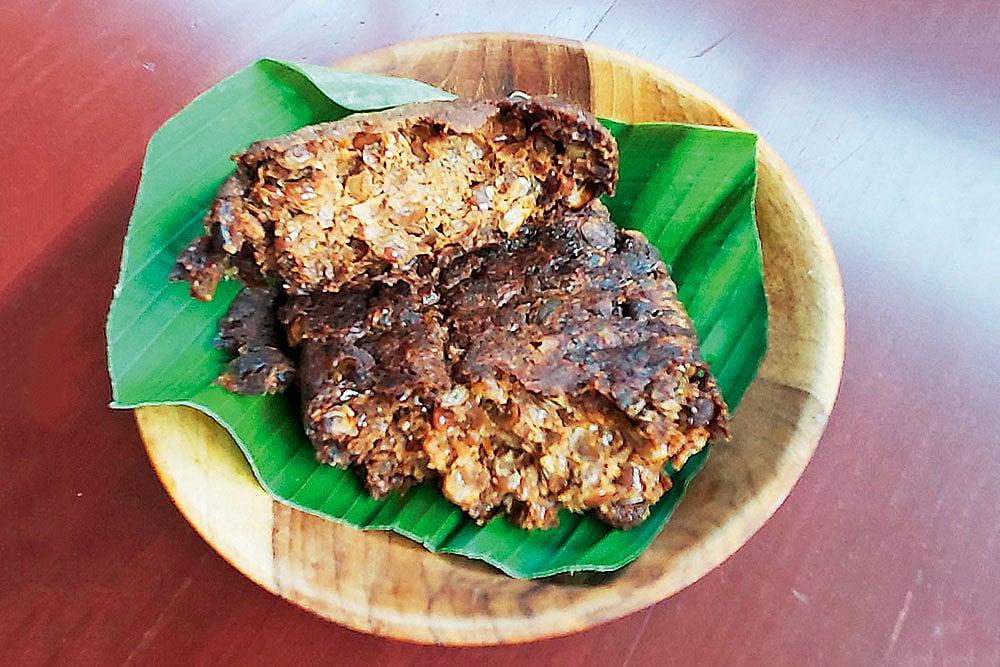
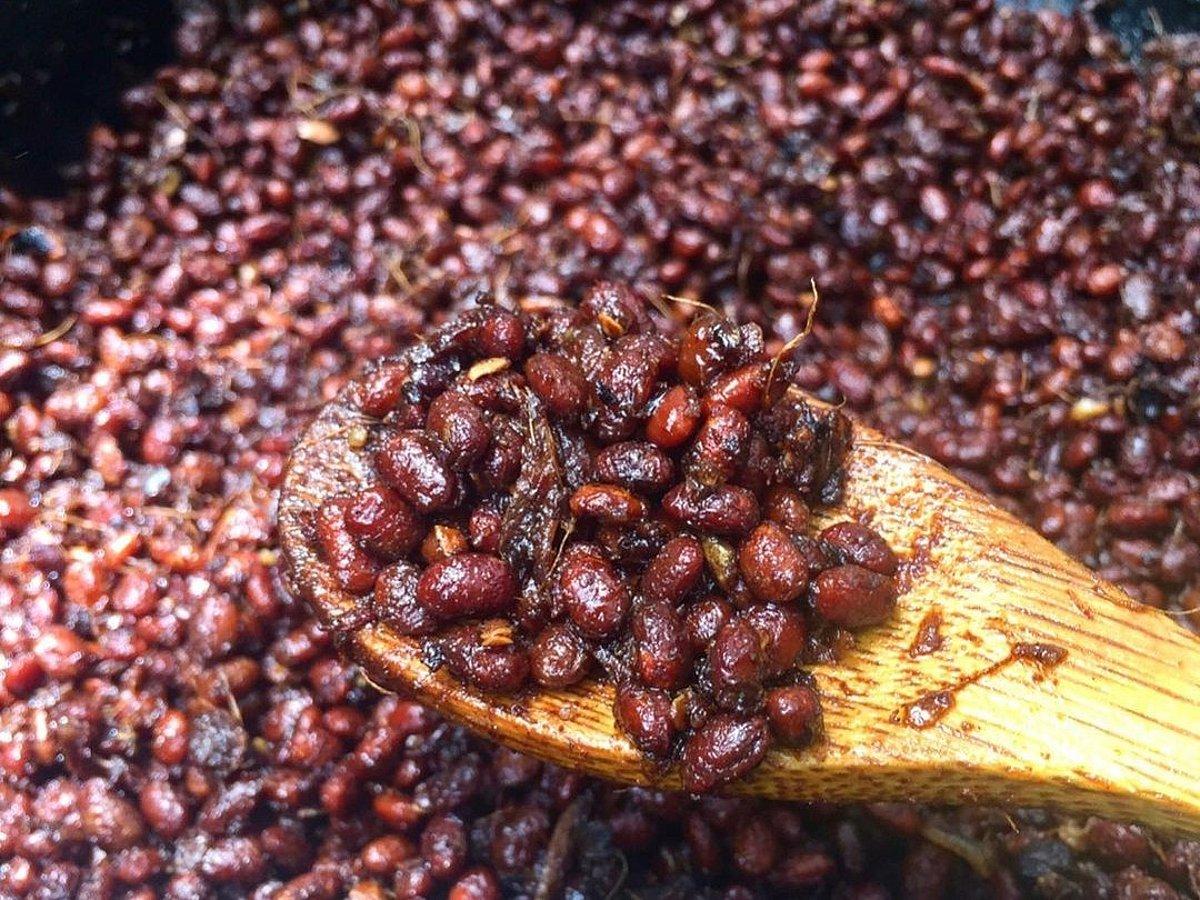
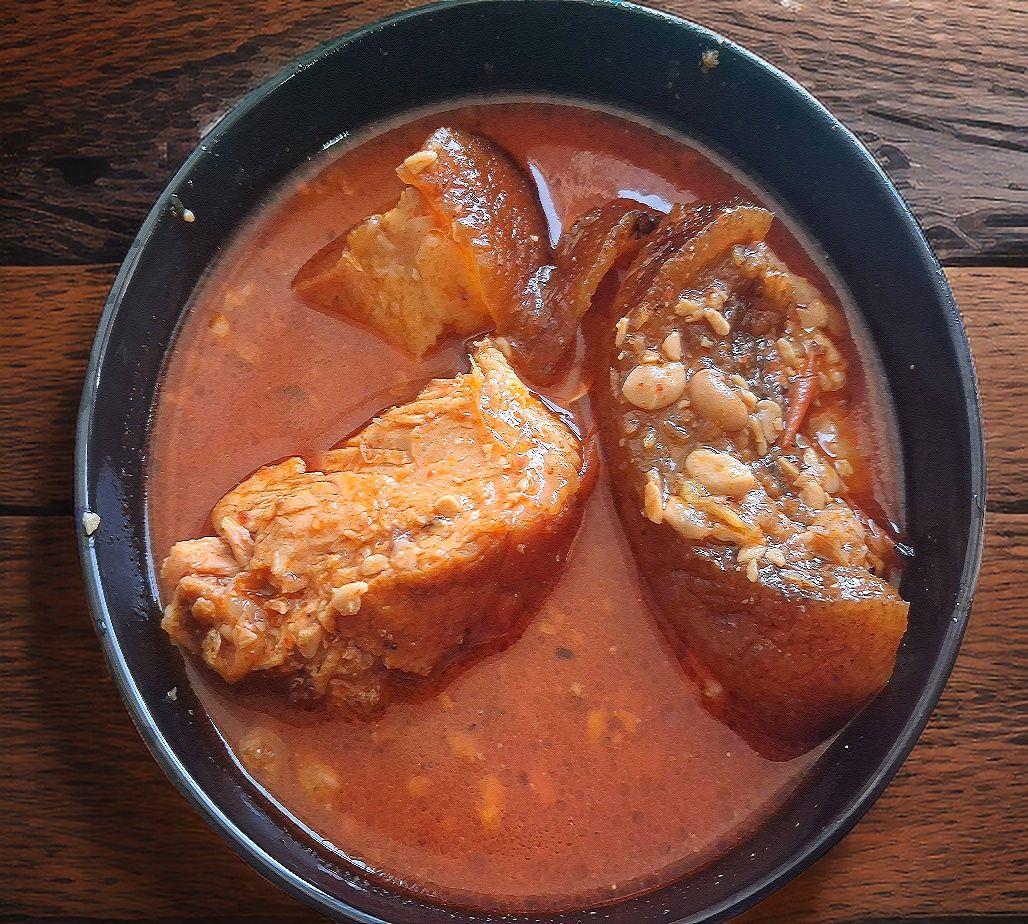
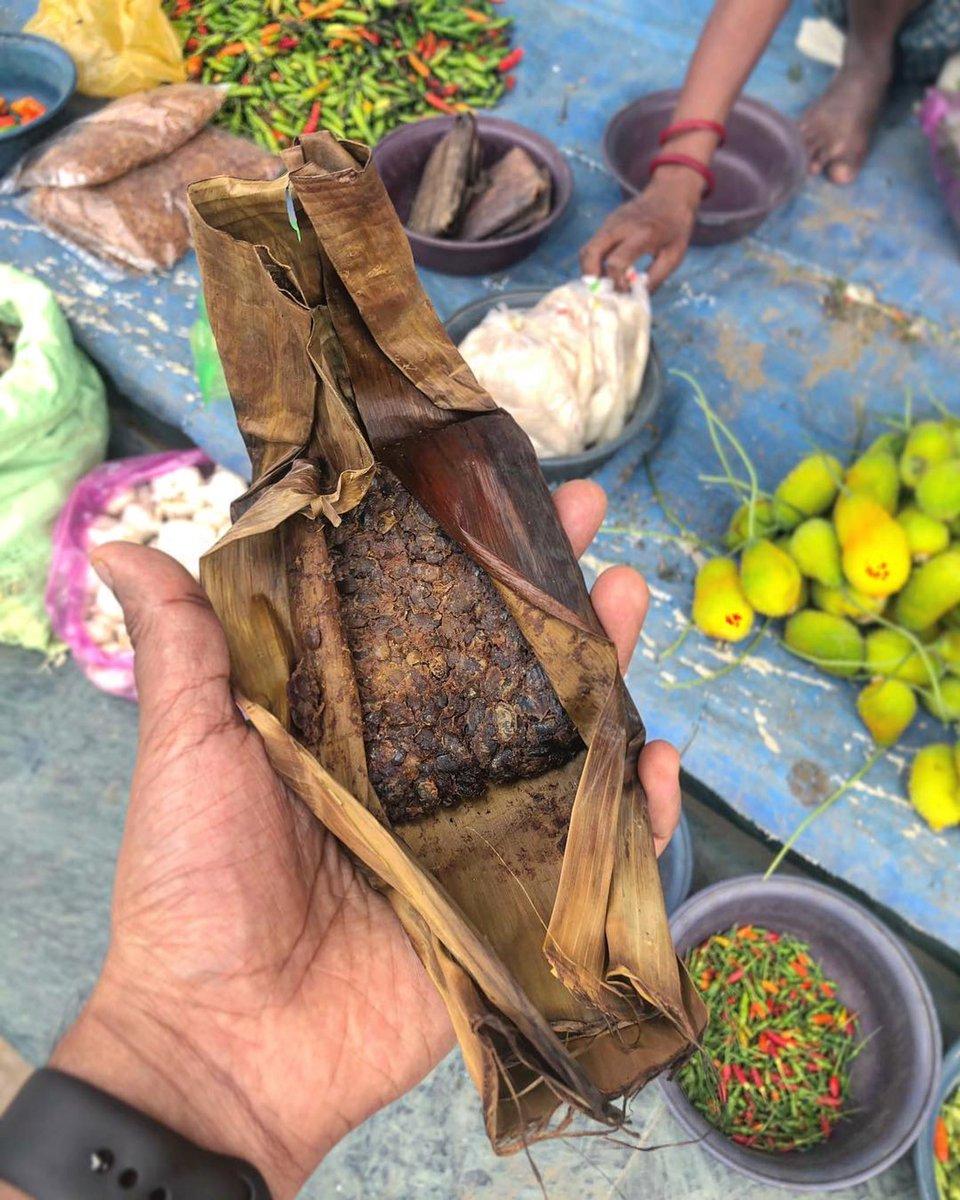
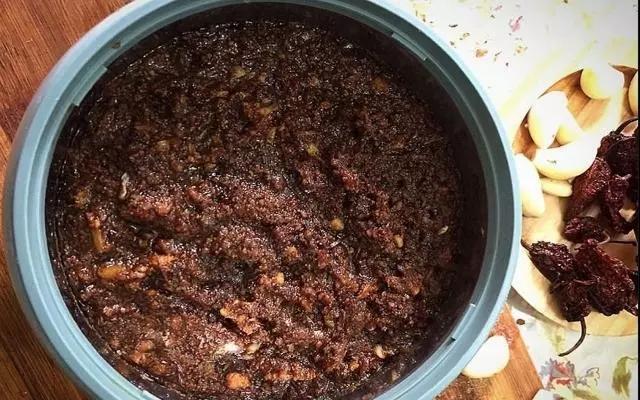
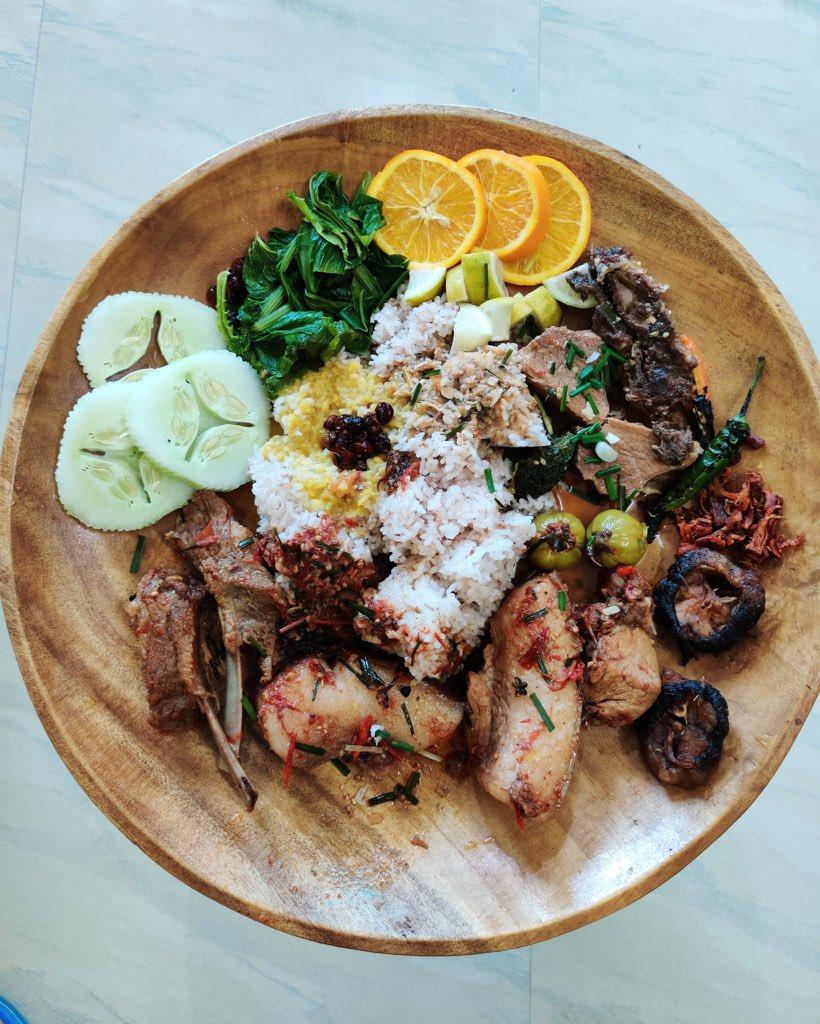
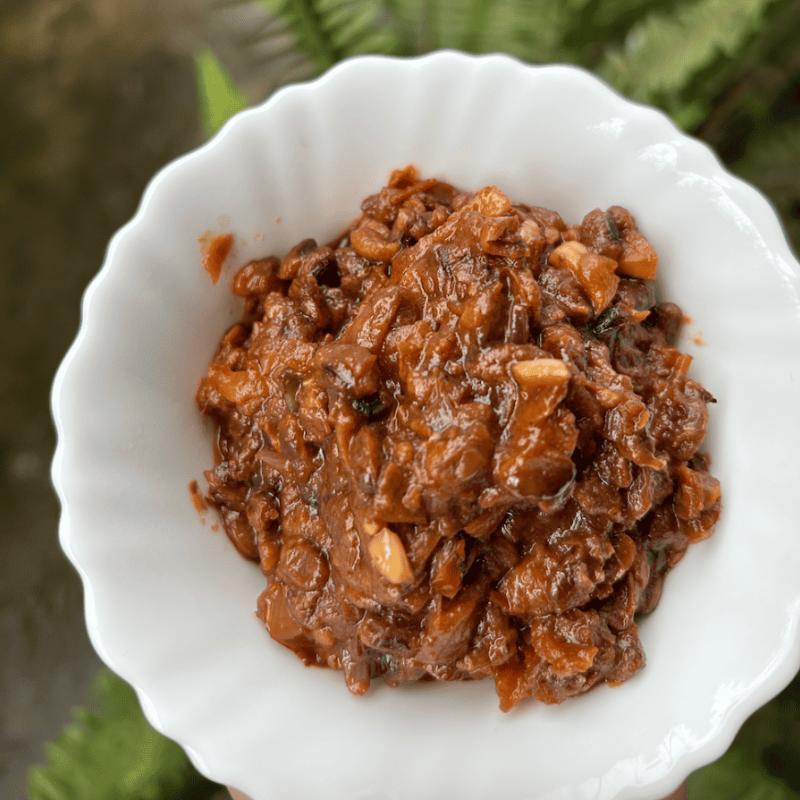
Axone, also called akhuni, is fermented soybean used in Naga cooking.
It’s especially associated with Sumi Naga cuisine and is used in dishes with pork, vegetables and other local ingredients. The aroma is strong, the flavour is deep and fermented, and it can be surprisingly addictive.
This is one of those foods where your first reaction might be confusion.
Give it another bite.
9. Chikhvi, Tripura
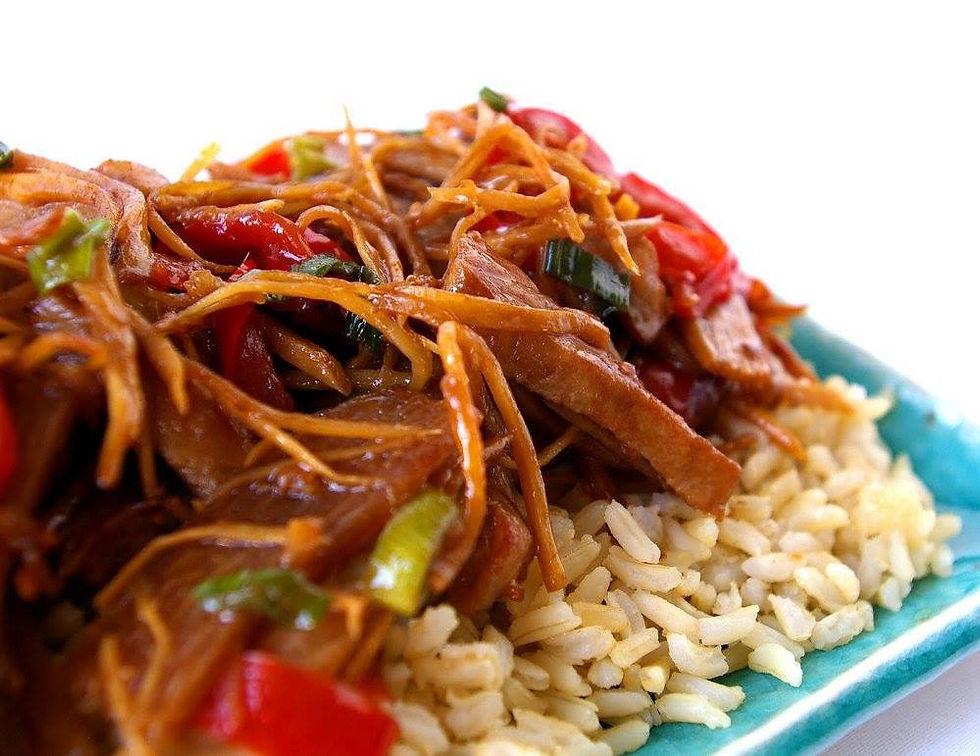
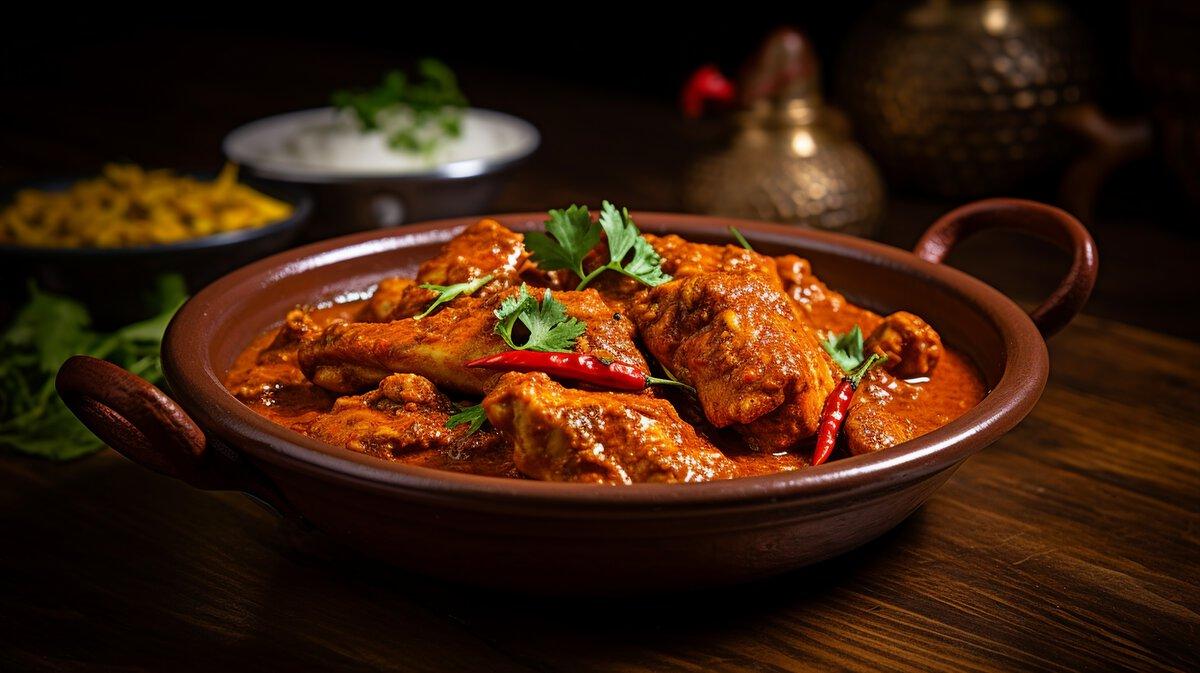
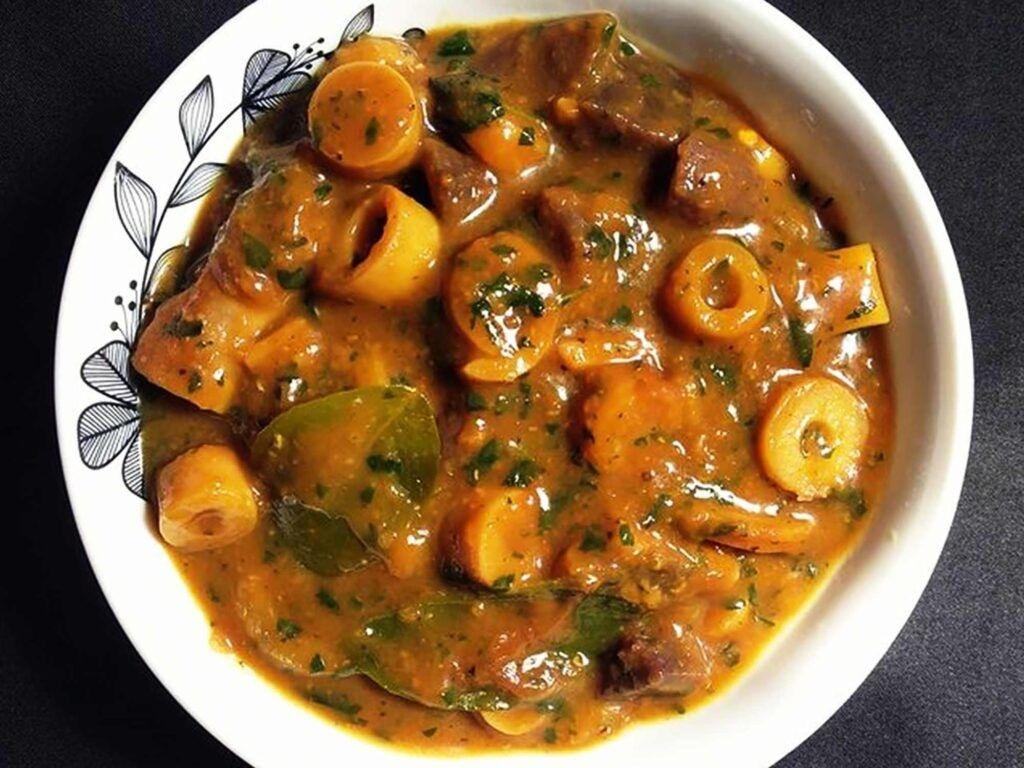
Chikhvi is a traditional Tripuri dish made with bamboo shoot and meat or vegetables.
Bamboo shoot brings a sour edge to the dish, while the rest of the ingredients keep it hearty enough to eat with rice.
Tripura’s food doesn’t get nearly enough attention outside the Northeast.
Chikhvi is a good reason to change that.
10. Mui Borok, Tripura
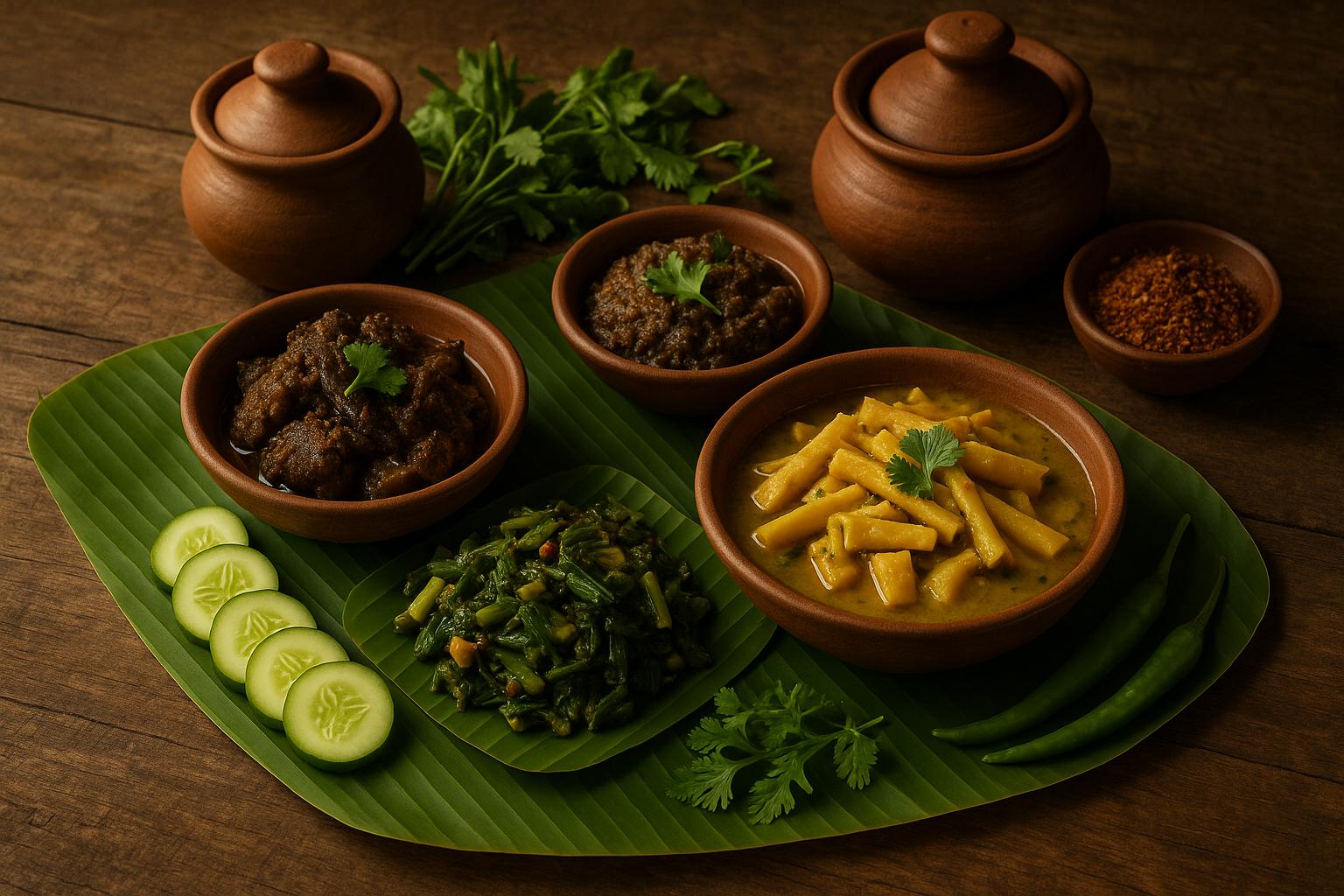
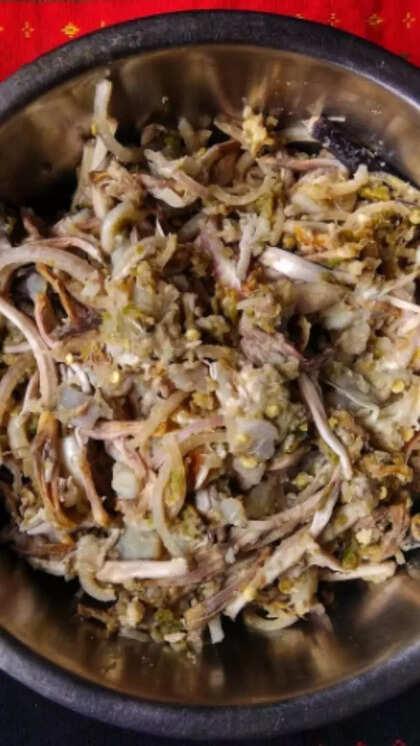
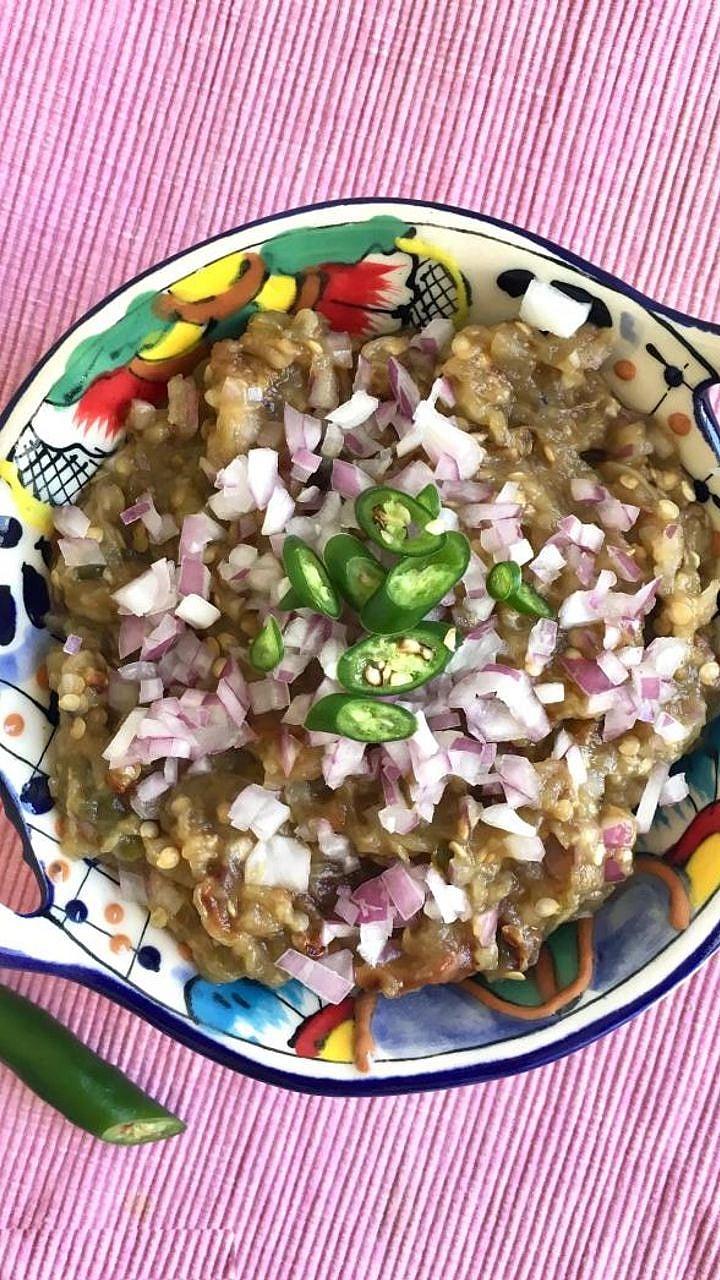
Mui Borok is the name commonly used for the traditional cuisine of Tripura.
One ingredient you’ll encounter repeatedly is berma, a small fermented and dried fish used to add saltiness and depth to dishes. The cuisine also makes plenty of use of bamboo shoots, leafy vegetables and chillies.
If you’re eating in Tripura, ask for a traditional Mui Borok meal rather than ordering a familiar dish.
That’s where things get interesting.
11. Smoked Pork with Bamboo Shoot, Mizoram
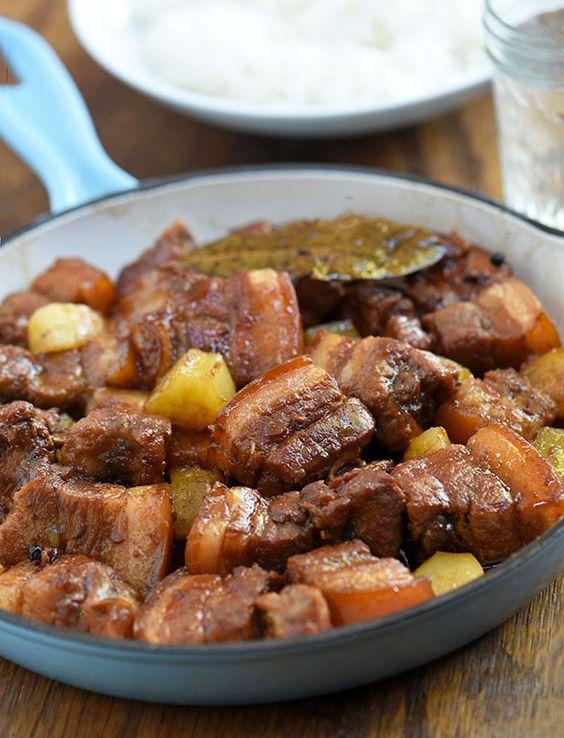
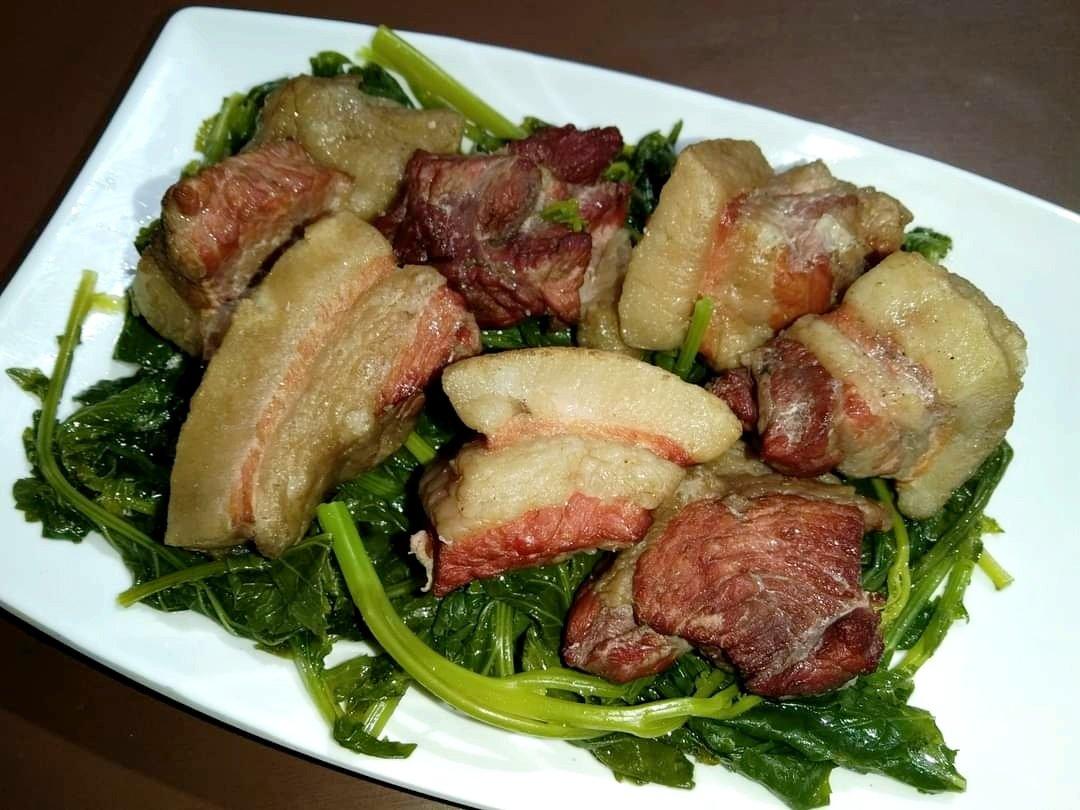

Pork and bamboo shoot are a classic combination in Mizo cooking.
The pork is often smoked before being cooked, while bamboo shoot adds a sour, fermented flavour. The result is smoky, salty and deeply savoury.
Have it with rice.
You don’t need much else.
12. Bai, Mizoram


Bai is a traditional Mizo preparation built around vegetables and local greens.
Different versions can include beans, cabbage, mustard greens, herbs and pork. The cooking is usually gentle, letting the ingredients retain their own flavours.
After eating a lot of rich meat dishes, Bai feels like exactly the right change of pace.
13. Vawksa Rep, Mizoram


Vawksa Rep is a Mizo smoked pork dish.
The pork is traditionally smoked and cooked with chillies and other ingredients. Smoke is the first thing you notice, followed by the meat’s savoury richness.
It’s one of the foods I’d specifically look for when visiting Mizoram.
14. Zan, Arunachal Pradesh


Zan is a thick porridge associated with Monpa communities of Arunachal Pradesh.
It’s commonly made with millet or other grains and can be eaten with vegetables, meat or fermented cheese depending on the preparation.
It has the kind of warm, filling quality you want after a cold day in the mountains.
15. Thukpa, Arunachal Pradesh


Thukpa came to the Northeast through Himalayan food traditions and is now closely associated with places such as Tawang.
It’s a noodle soup made with noodles, vegetables and meat, usually served hot with a seasoned broth.
Eat a bowl in Tawang when the weather is cold.
You’ll understand immediately.
16. Eromba with Fermented Fish, Manipur


Eromba deserves another mention because the combinations can be wildly different.
One version might use potatoes and king chillies. Another can bring together seasonal vegetables, fermented fish and herbs.
The basic idea stays the same: boiled ingredients mashed together until their flavours become one dish.
It’s rustic, powerful and very Manipuri.
17. Singju, Manipur


Singju is a Manipuri salad made from vegetables, herbs and a spicy dressing.
Lotus stem, cabbage, banana flower, seasonal greens and other ingredients can appear depending on the recipe. Some versions include fermented fish or roasted gram flour for extra flavour.
It’s crunchy, spicy and much more interesting than the word “salad” makes it sound.
18. Pitha, Assam


Pitha is one of Assam’s best-known traditional rice-based foods.
There are several varieties, including Til Pitha, which is filled with sesame and jaggery, and Ghila Pitha, a fried rice cake.
Pitha is especially associated with Assamese festivals such as Bihu.
Have one with tea.
Then have another.
19. Khar, Assam


Khar is a distinctive Assamese preparation made using an alkaline extract traditionally produced from the ashes of certain plant materials, often banana stem or peel.
It sounds unusual because it is unusual.
The resulting dish has a subtle alkaline taste and is often served as part of a traditional Assamese meal with rice.
If you’re curious about regional Indian cooking, Khar is worth trying.
20. Chahao Kheer, Manipur


Chakhao is a traditional black rice from Manipur.
It’s used to make Chakhao Kheer, a rice pudding with a naturally dark purple colour and a distinctive aroma. The rice has a slightly nutty taste and works beautifully with milk and sugar.
It’s a good dessert to finish a meal packed with fermented flavours and chillies.
And yes, the colour is completely natural.
How to eat your way through Northeast India
You can find versions of many of these dishes in restaurants outside the Northeast, but location matters.
Food changes from village to village, community to community, and sometimes from one family kitchen to the next.
So when you’re travelling through the region, ask for local food.
In Manipur, try Eromba, Singju and Chakhao.
In Nagaland, look for smoked pork and axone.
In Meghalaya, order Jadoh, Dohneiihong or Tungrymbai.
In Mizoram, try Bai and smoked pork with bamboo shoot.
In Assam, make time for Masor Tenga, Khar and pitha.
And in Arunachal Pradesh, eat thukpa when you’re somewhere cold enough to need it.
That’s the fun of Northeast Indian food. You don’t need to understand every ingredient before you try it.
Sometimes you just need to take the first bite.
Featured Image Credit: Generated/Sourced via Chatgpt.com.
Editorial note: Some articles may use AI-assisted research or drafting. Our editorial process includes human review and editing, and important travel information should be verified with official sources before your trip.
Travel Tips & Responsible Exploration
Good travel planning starts with staying informed. Before your journey, verify important details such as transportation, accommodation, weather, permits, entry requirements, and local guidelines. Respect local communities, cultures, traditions, and the environment, and travel responsibly wherever you go. Suman Rabha shares practical travel guides, local insights, and destination information to help readers explore Northeast India and beyond with greater confidence.