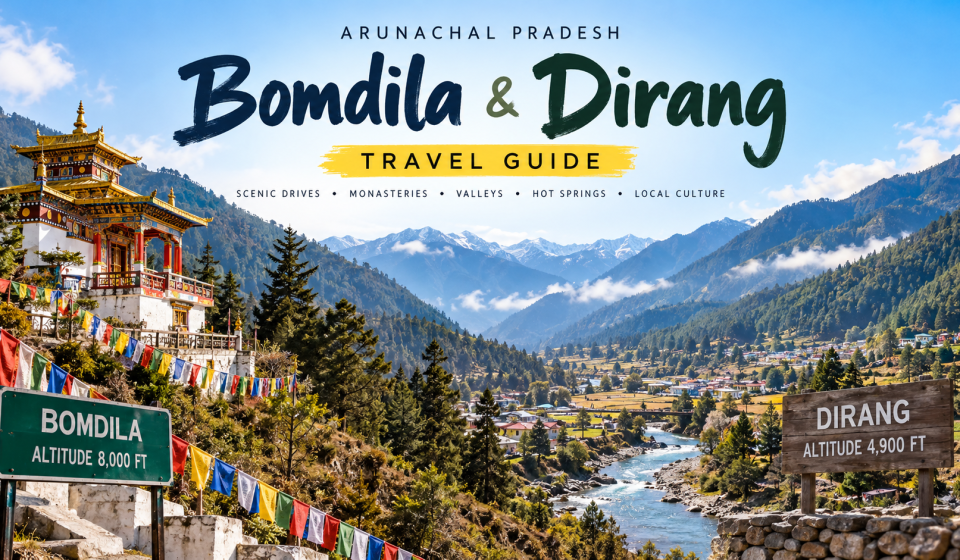

Bomdila and Dirang make a great pairing for an Arunachal Pradesh road trip. They sit on the route toward Tawang, but both deserve a little time of their own.
Bomdila gives you mountain views, monasteries and a cool, quiet hill-town feel. Dirang sits lower in the valley, with rivers, hot springs, old villages and plenty of places where you can simply stop the car and stare at the mountains.
If you’re driving from Guwahati toward Tawang, I’d give 1 night to Bomdila and 2 nights to Dirang if your schedule allows.
Where are Bomdila and Dirang?
Bomdila is the headquarters of West Kameng district in Arunachal Pradesh. It’s roughly 260 km from Guwahati by road, depending on your route.
Dirang is about 40 km beyond Bomdila on the road toward Tawang.
The drive between them is short on paper. In practice, mountain roads, traffic, weather and photo stops can stretch it considerably. And you’ll probably want to stop anyway.
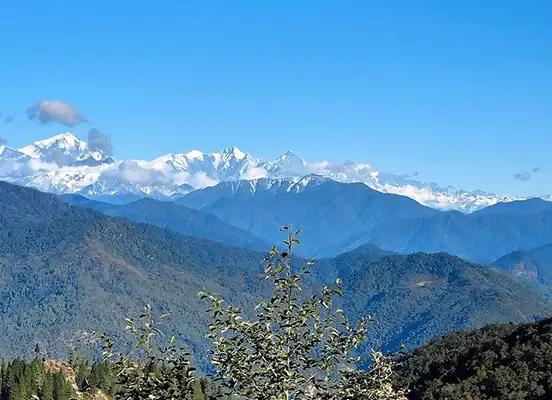
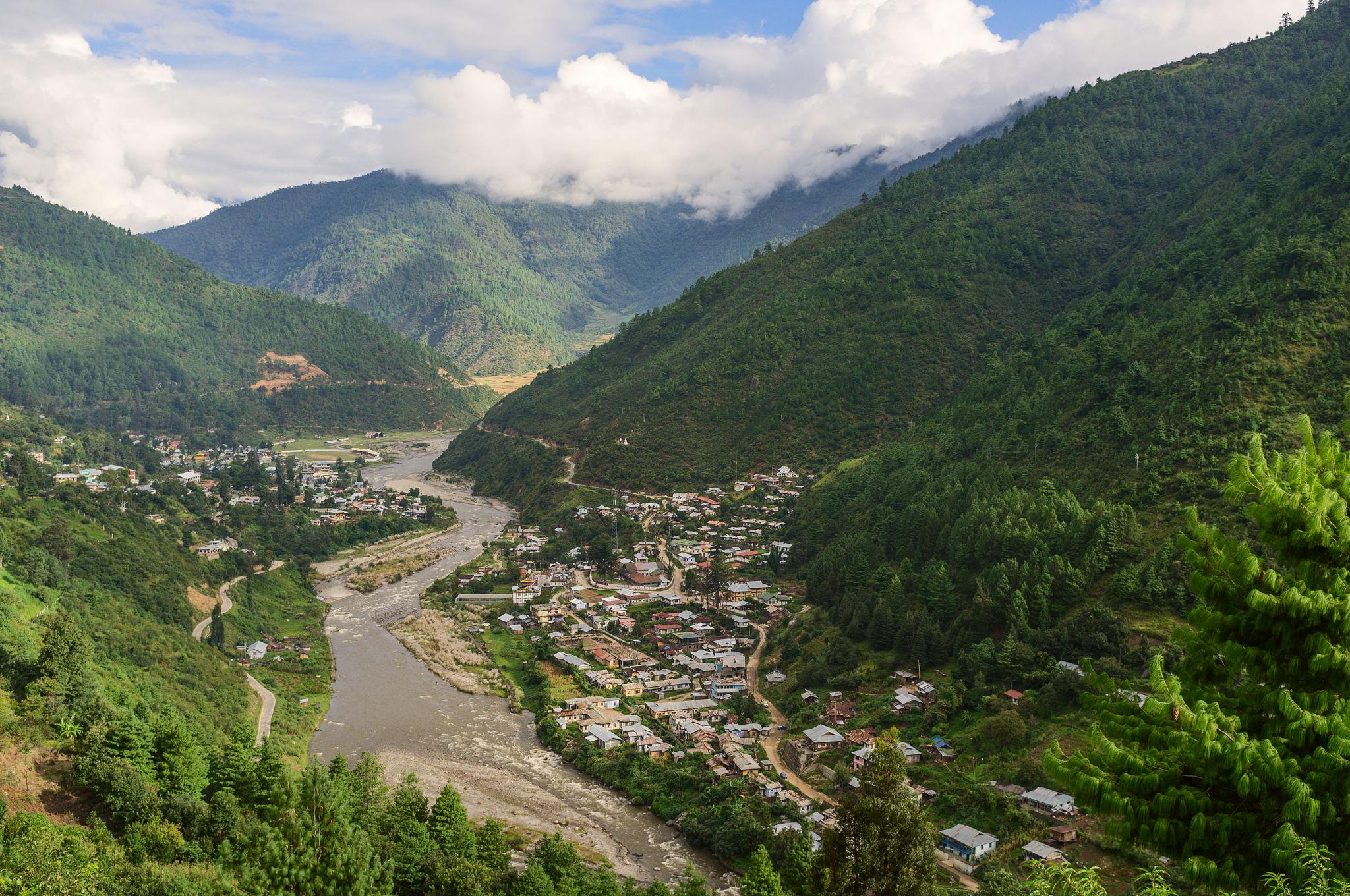
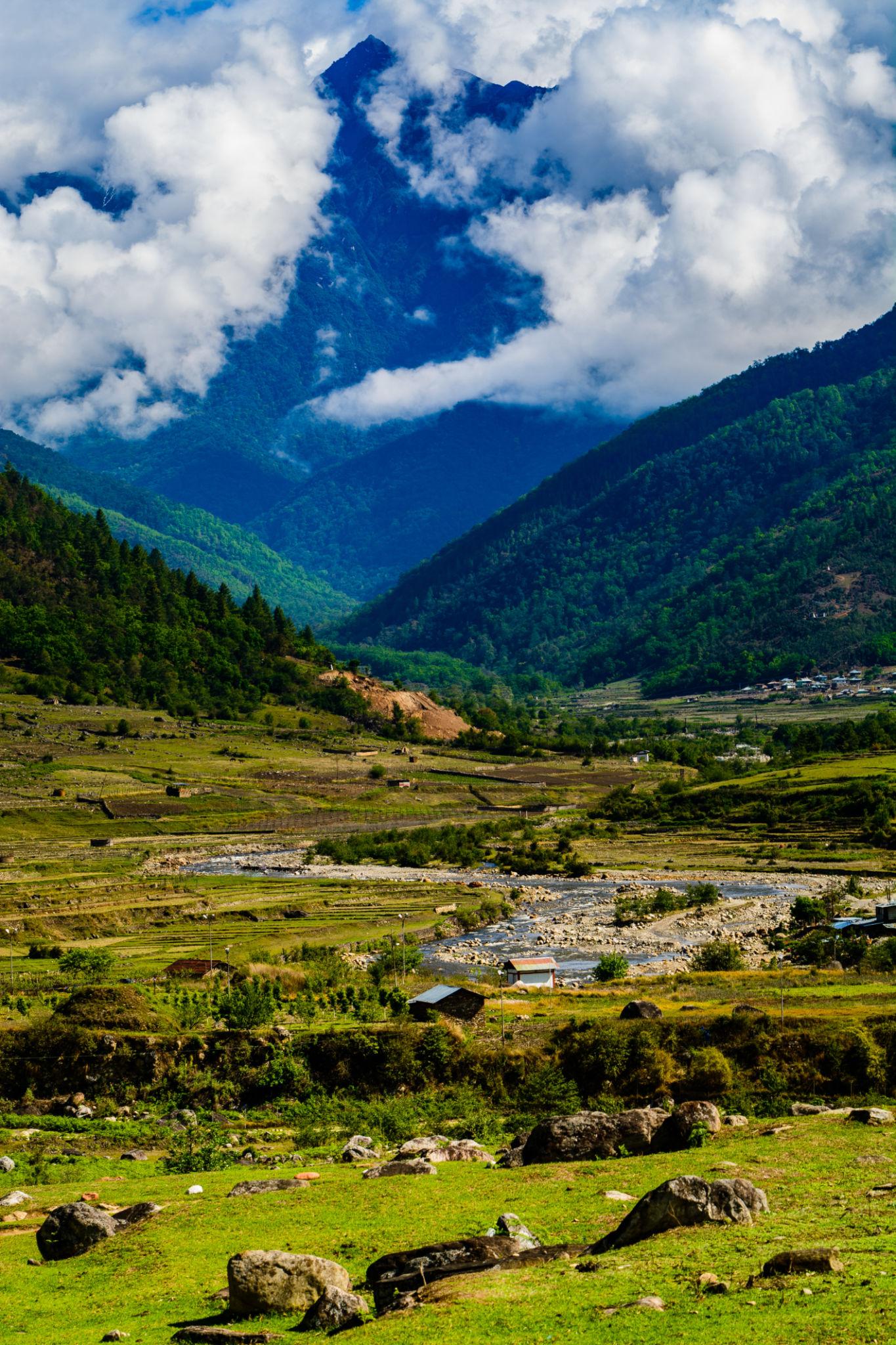
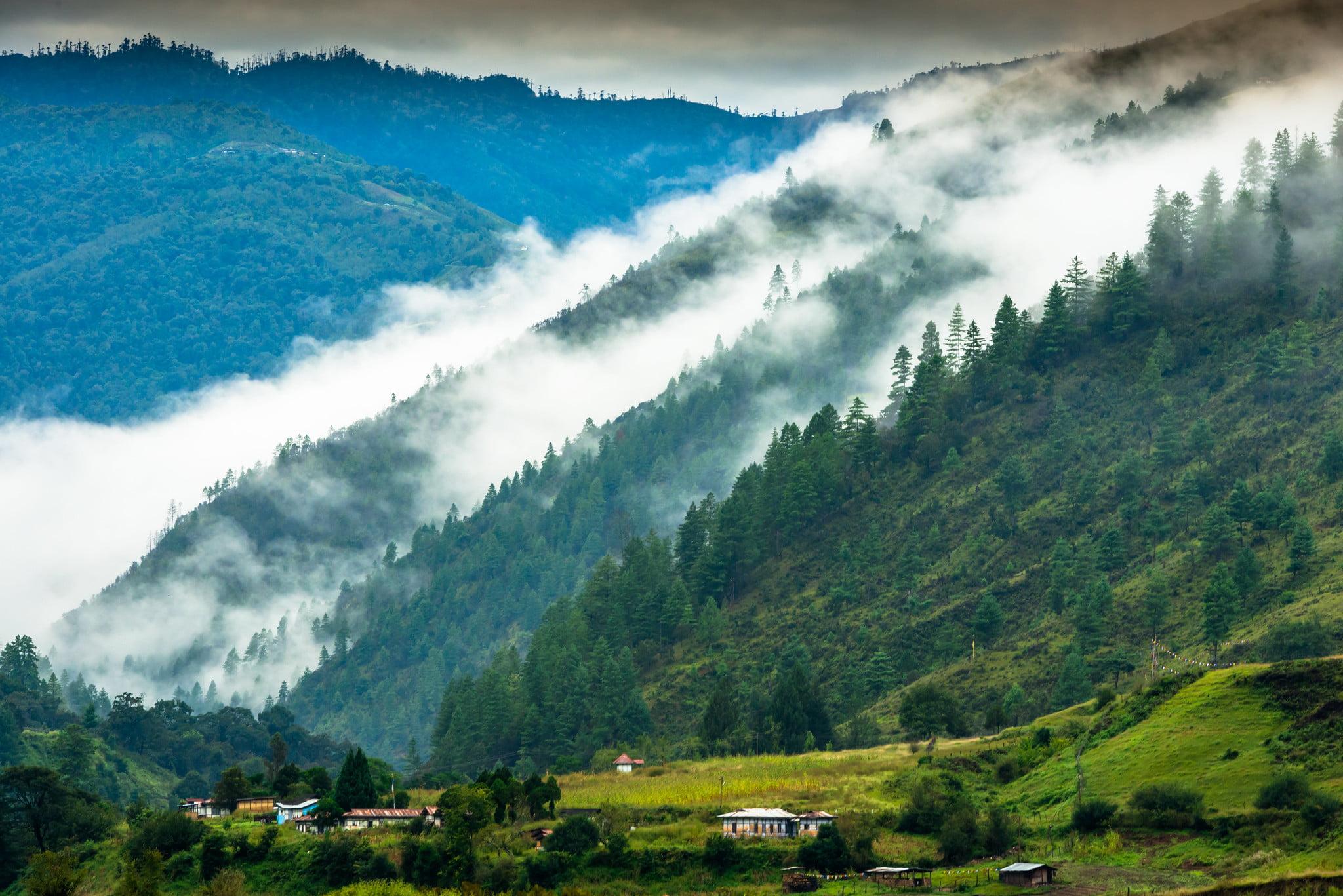
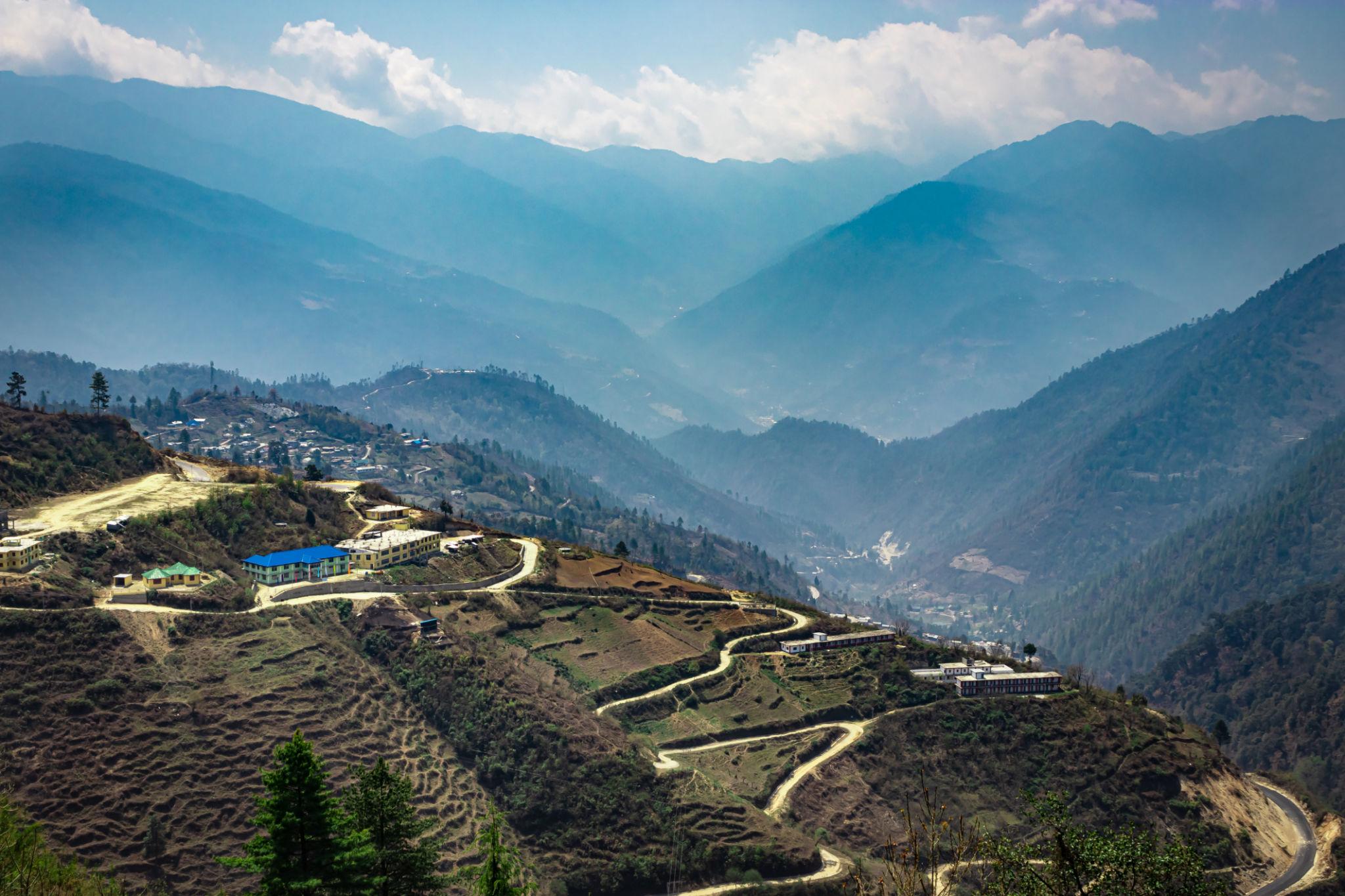
Bomdila
Bomdila sits at around 8,000 ft, so the air gets noticeably colder as you arrive.
The town is surrounded by forested mountains and has a Tibetan-Buddhist influence that’s visible in its monasteries, prayer flags and local culture.
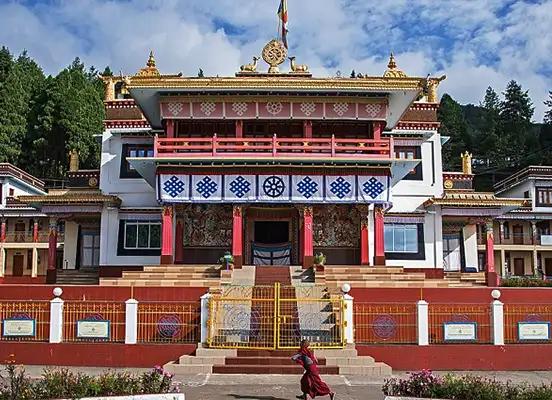
Bomdila Monastery
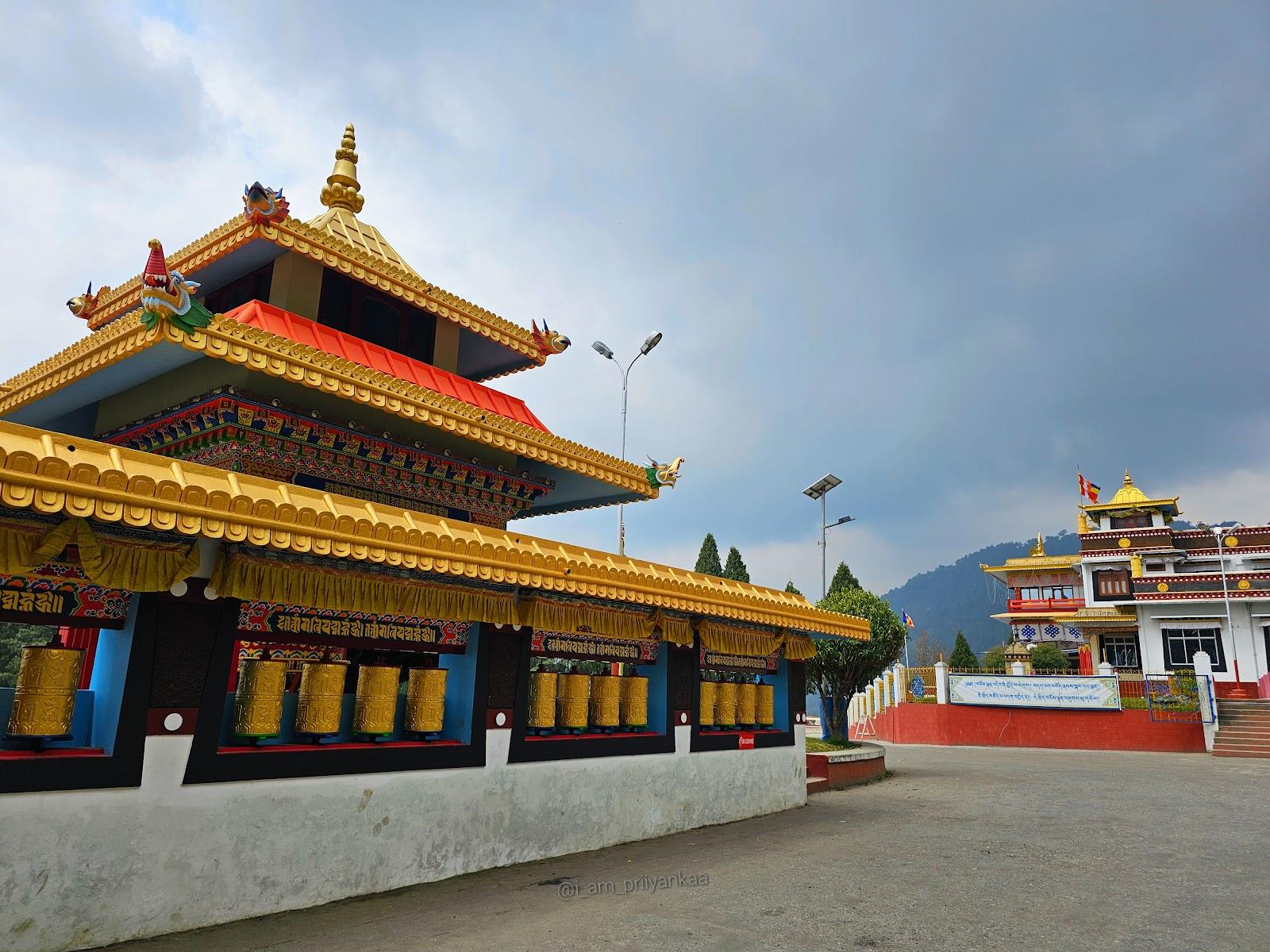
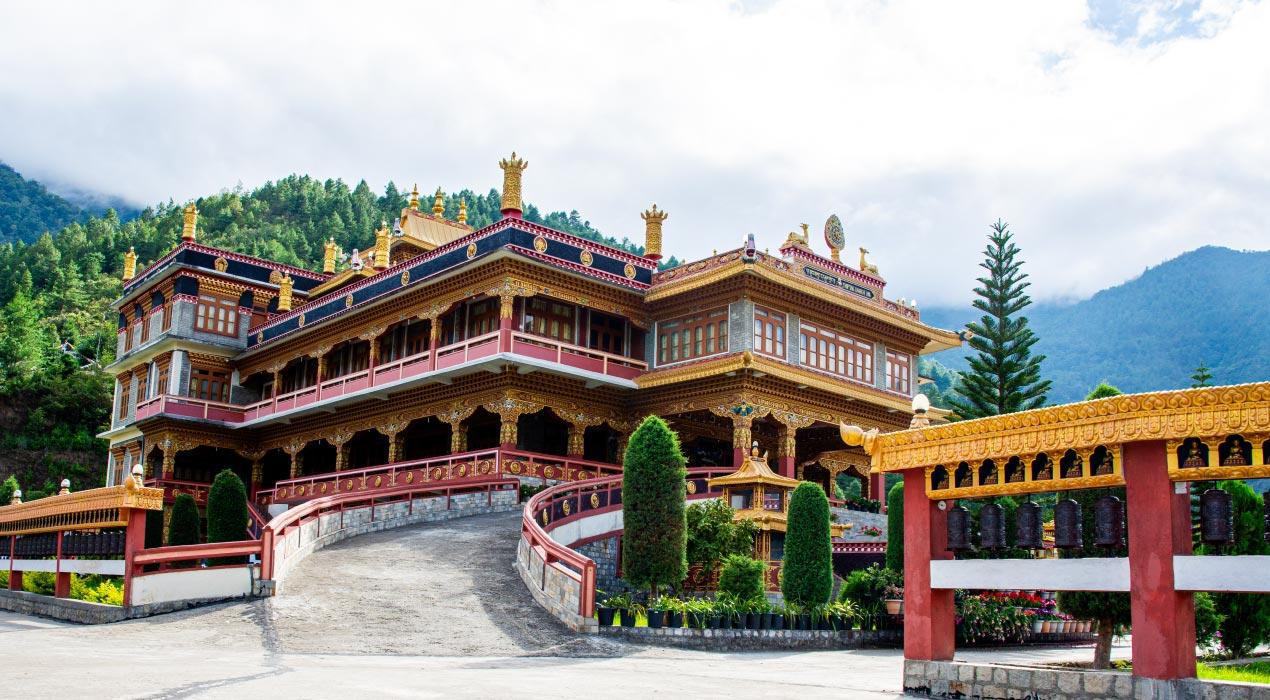
Bomdila Monastery, also called Gentse Gaden Rabgyel Lling Monastery, is the town’s best-known attraction.
It’s a good place to slow down after the drive. The monastery sits above the town, and on a clear day you get wide views across the surrounding mountains.
Go early if you can. The light is better, the air is cleaner and the place tends to feel quieter.
Upper Gompa
Bomdila has several Buddhist religious sites, including the Upper Gompa.
You don’t need hours here. Give yourself enough time to walk around, look at the architecture and enjoy the view.
Bomdila View Point
The town has several viewpoints where the surrounding hills open up.
Weather decides how much you’ll see. On a cloudy day, you might get mist and almost nothing beyond the nearest ridge. On a clear morning, the same spot can look completely different.
That’s mountain travel for you.
Local market
Spend some time walking through Bomdila’s market.
You’ll find woollens, local produce, small shops and everyday items used by people living in the surrounding villages. It’s also a good place to grab snacks before continuing toward Dirang.
Dirang
Dirang is my pick if you have to choose between spending extra time in Bomdila or Dirang.
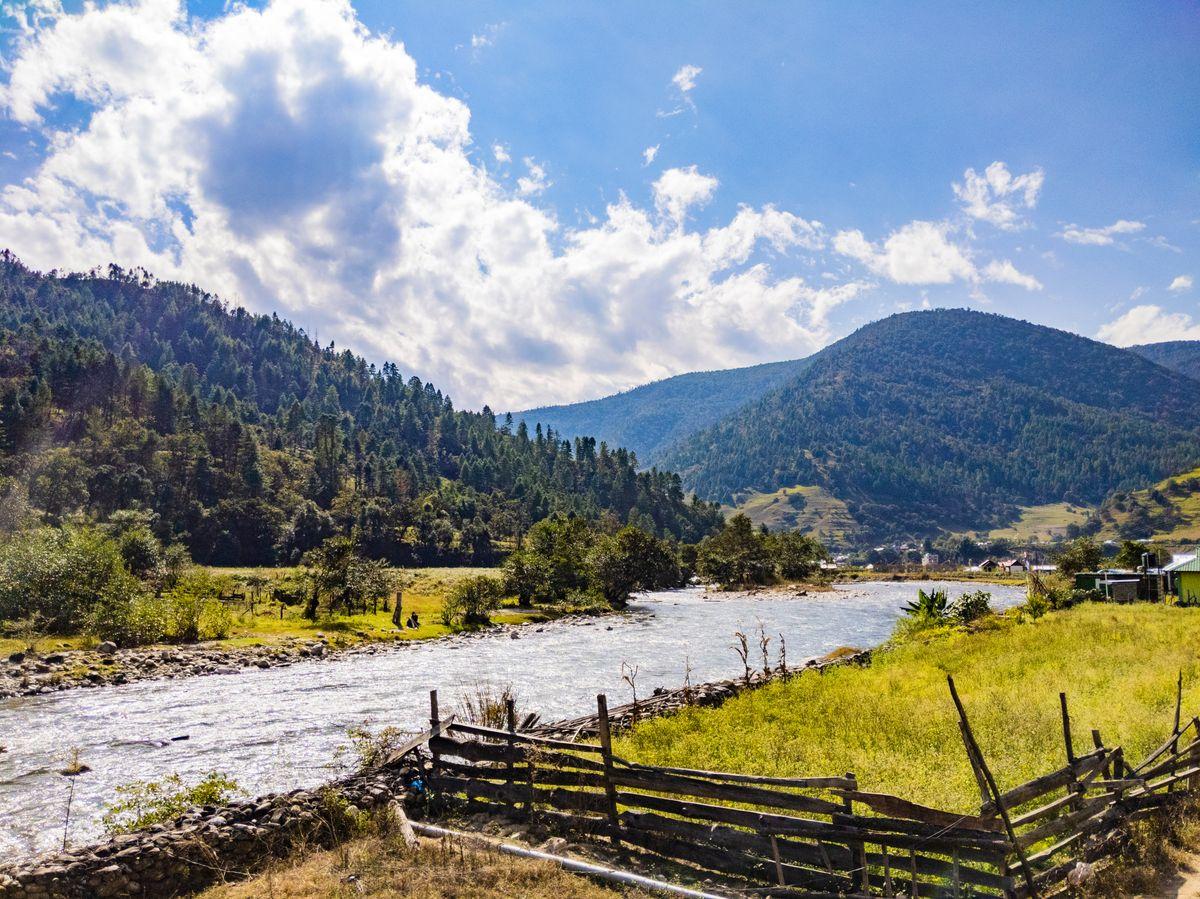
The valley feels more open, and the elevation is lower than Bomdila. The landscape changes quickly as you descend toward the Dirang River.
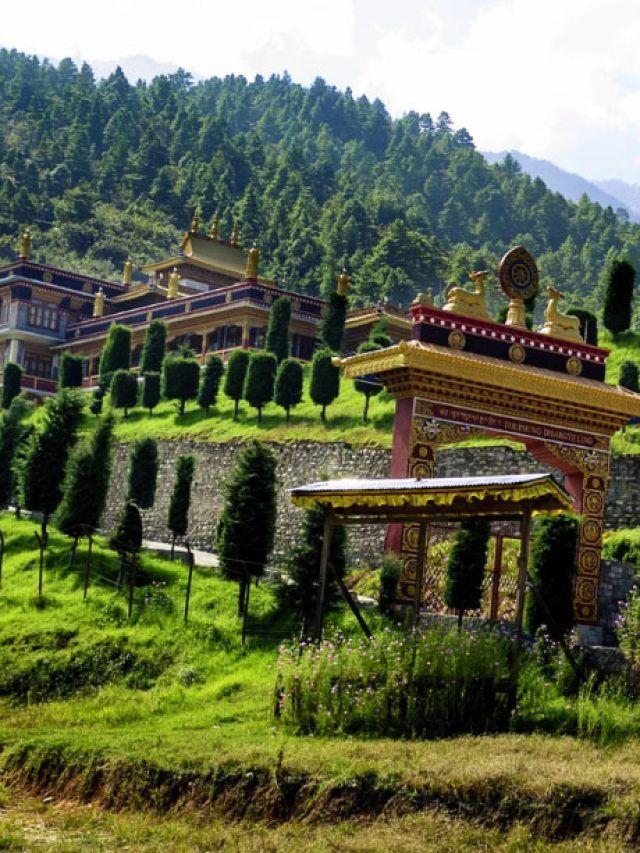
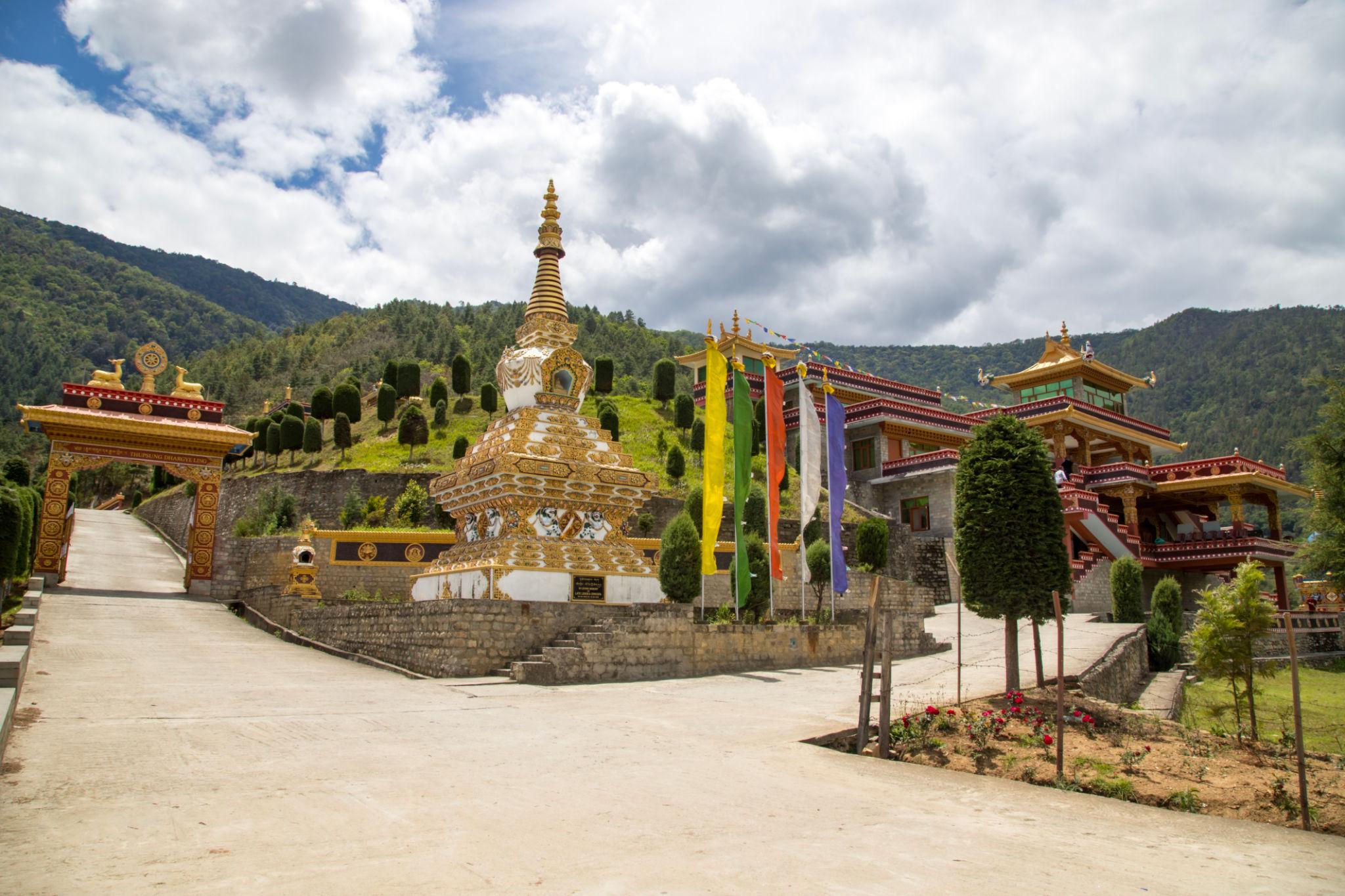
Dirang Dzong
Dirang Dzong is one of the places worth making time for.
The old settlement has traditional houses and a fortified village structure associated with the Monpa people. It’s a completely different experience from simply visiting a monastery and leaving.
Walk around slowly and pay attention to the old architecture.
Dirang Monastery
Dirang also has Buddhist monasteries where you can get a feel for the area’s religious traditions.
You don’t need to turn every stop into a checklist. Pick 1 or 2 places, spend some time there and keep the rest of the day open.
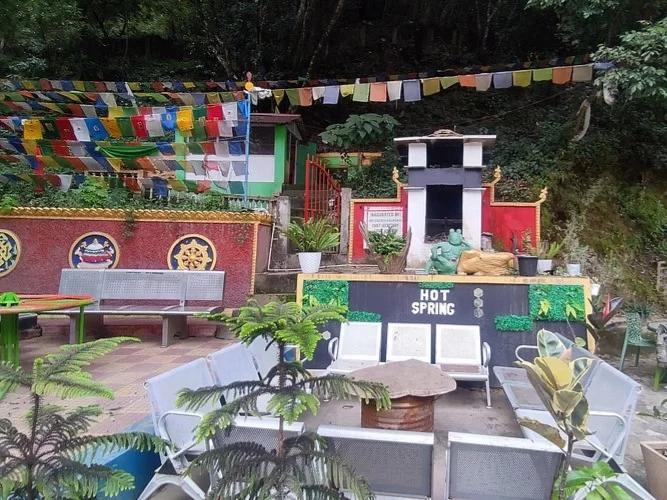
Dirang hot springs
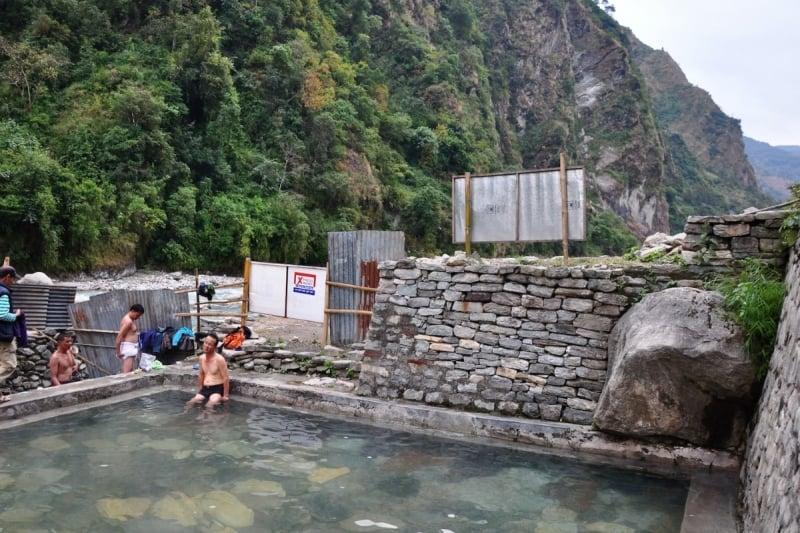
The hot springs near Dirang are an easy addition to your itinerary.
After hours in a cold mountain climate, soaking in warm water feels pretty good.
Carry a towel and basic toiletries, and check the local condition of the facility before you go.
Sangti Valley
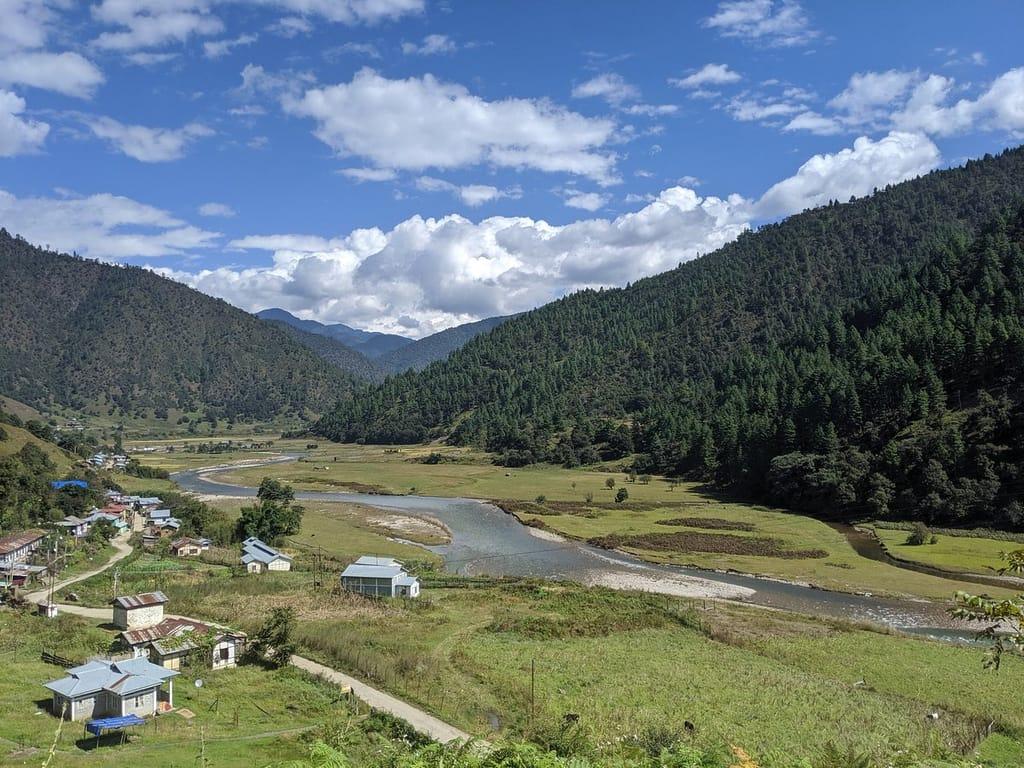
Sangti Valley is one of the best reasons to stay an extra night around Dirang.
It’s a broad valley surrounded by mountains, with forests, streams and villages scattered around the landscape. The road itself is part of the experience.
Go when you have daylight. You don’t want to rush this one.
Bomdila vs Dirang
If you’re wondering where to stay longer, I’d choose Dirang.
| Bomdila | Dirang | |
|---|---|---|
| Approx. elevation | 8,000 ft | 4,900 ft |
| Best for | Monastery, views, town | Valley, villages, hot springs |
| Weather | Colder | Relatively milder |
| Stay | 1 night | 1-2 nights |
| On the Tawang route | Yes | Yes |
| Extra day worth it? | Maybe | Definitely |
Bomdila works well as a stopover.
Dirang works well as a destination.
Best time to visit
March to May is a good period for comfortable weather, greenery and road trips.
October and November can be excellent for clear mountain views and crisp weather.
Winter gets properly cold, particularly around Bomdila. Snow and road conditions can also affect journeys farther toward Tawang.
The monsoon months need more caution. Heavy rain can cause landslides and road disruptions in Arunachal Pradesh, so keep your itinerary flexible.
How to reach Bomdila and Dirang
From Guwahati
The usual road journey is:
Guwahati → Bhalukpong → Bomdila → Dirang → Tawang
You can travel by private car, taxi or shared transport, depending on what’s available when you visit.
Bhalukpong is where your Arunachal road journey really begins. From there, the road climbs through the mountains.
Don’t plan the journey purely around Google Maps’ driving time. Mountain roads have their own timetable.
From Tezpur
Tezpur is another useful starting point for the road journey into western Arunachal Pradesh.
It’s particularly convenient if you’re already travelling through Assam rather than starting in Guwahati.
Inner Line Permit
Indian citizens generally need an Arunachal Pradesh Inner Line Permit (ILP) to enter the state.
Get your permit sorted before the trip rather than leaving it until you’re standing at a checkpoint with your luggage in the car.
Foreign visitors have different entry requirements, so check the current rules for your nationality before travelling.
How many days do you need?
For a quick trip:
Day 1: Guwahati → Bomdila
Day 2: Bomdila → Dirang, sightseeing
Day 3: Dirang → Tawang
That’s enough to see the main places, but it’ll feel rushed.
A better plan:
Day 1: Guwahati → Bomdila
Day 2: Bomdila → Dirang, stop at viewpoints and villages
Day 3: Dirang + Sangti Valley + hot springs
Day 4: Dirang → Tawang
This gives you some breathing room before the longer mountain drive to Tawang.
Where to stay
Bomdila has hotels and guesthouses around the town, while Dirang has a wider mix of hotels, homestays and smaller properties.
I’d pick a place based on location, heating, hot water and recent reviews rather than chasing luxury. Mountain towns can have very different standards from what you’re used to in larger cities.
And confirm heating before booking in winter.
What to pack
Bring layers.
A practical packing list:
- Warm jacket
- Fleece or sweater
- Comfortable walking shoes
- Gloves and woollen cap in winter
- Sunglasses
- Sunscreen
- Basic medicines
- Power bank
- Rain jacket
- Small backpack for day trips
- Cash
Mobile connectivity can become unreliable as you travel deeper into the mountains, so download maps and keep important bookings and documents available offline.
A few things to know before you go
Road conditions can change quickly. Keep some buffer time in your itinerary.
Carry cash because card and UPI payments aren’t equally dependable everywhere.
Don’t drive after dark unless you know the route well. Mountain roads, fog, animals and unexpected road work make daylight travel the safer choice.
And don’t underestimate the cold. Dirang can feel pleasant during the day and surprisingly chilly once the sun disappears.
Is Bomdila and Dirang worth visiting?
Yes.
If you’re heading to Tawang, don’t treat Bomdila and Dirang as two names between Guwahati and Tawang. They’re part of the trip.
Bomdila gives you the first real taste of the high mountains. Dirang slows things down with its valley, villages and hot springs.
I’d spend 1 night in Bomdila and 2 nights in Dirang, then continue toward Tawang. That gives the journey enough room to breathe without turning a road trip into a week-long detour.
Featured Image Credit: Generated/Sourced via Chatgpt.com.
Editorial note: Some articles may use AI-assisted research or drafting. Our editorial process includes human review and editing, and important travel information should be verified with official sources before your trip.
Travel Tips & Responsible Exploration
Good travel planning starts with staying informed. Before your journey, verify important details such as transportation, accommodation, weather, permits, entry requirements, and local guidelines. Respect local communities, cultures, traditions, and the environment, and travel responsibly wherever you go. Suman Rabha shares practical travel guides, local insights, and destination information to help readers explore Northeast India and beyond with greater confidence.