

Ziro Valley travel guide: rice fields, Apatani villages and the quiet side of Arunachal

Ziro Valley has a strange effect on you.
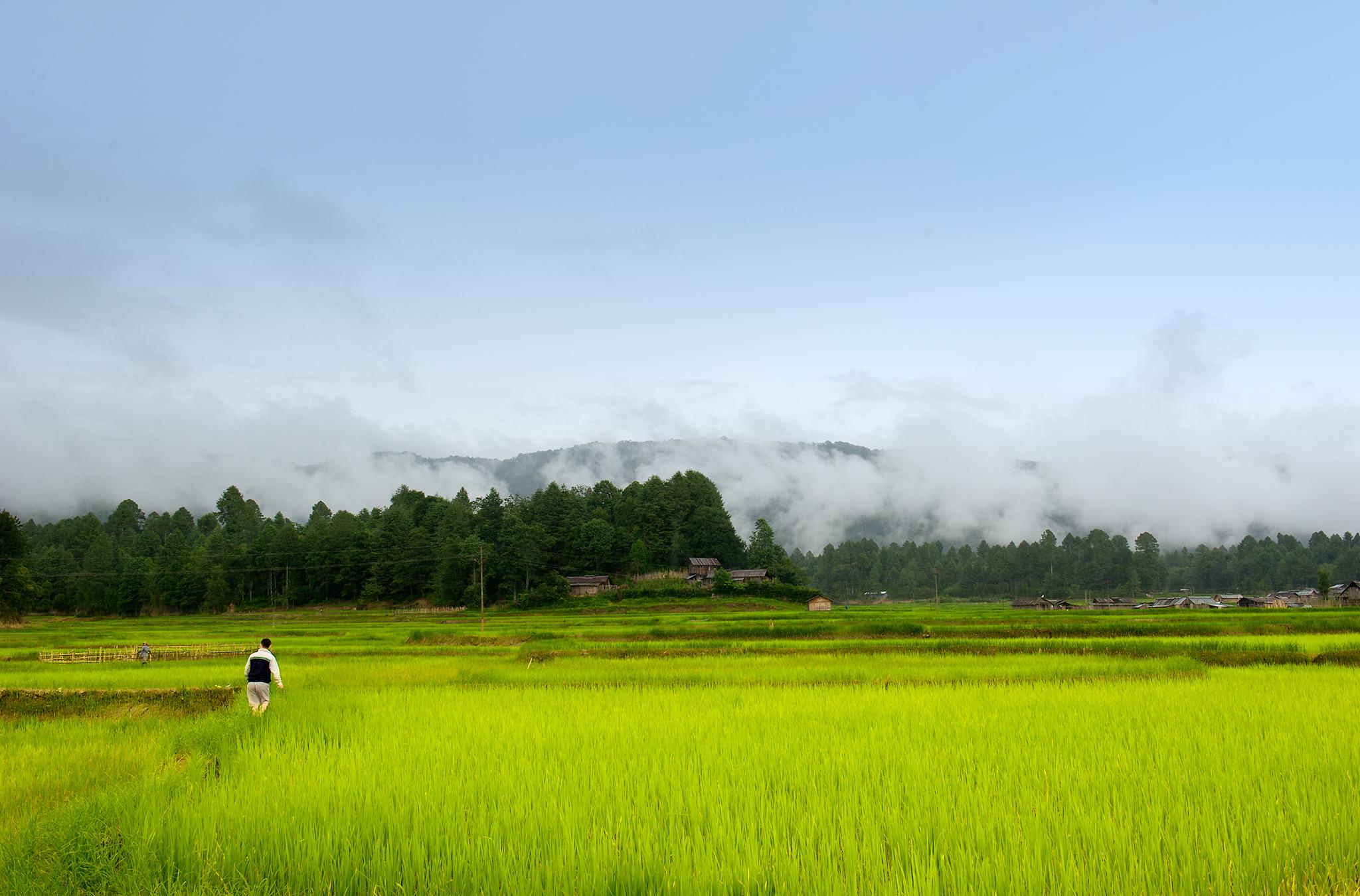
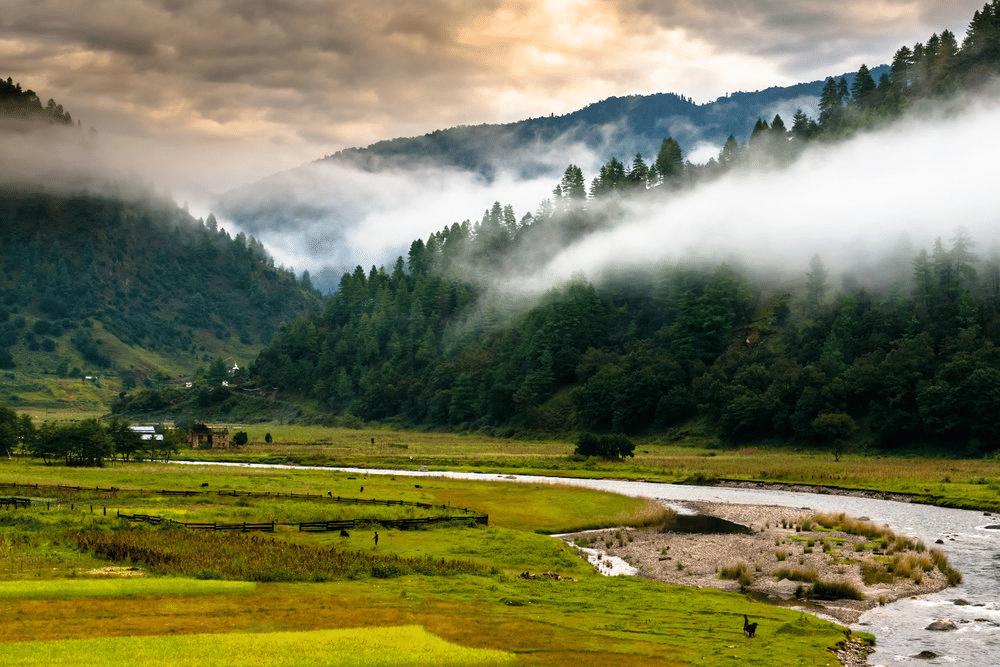
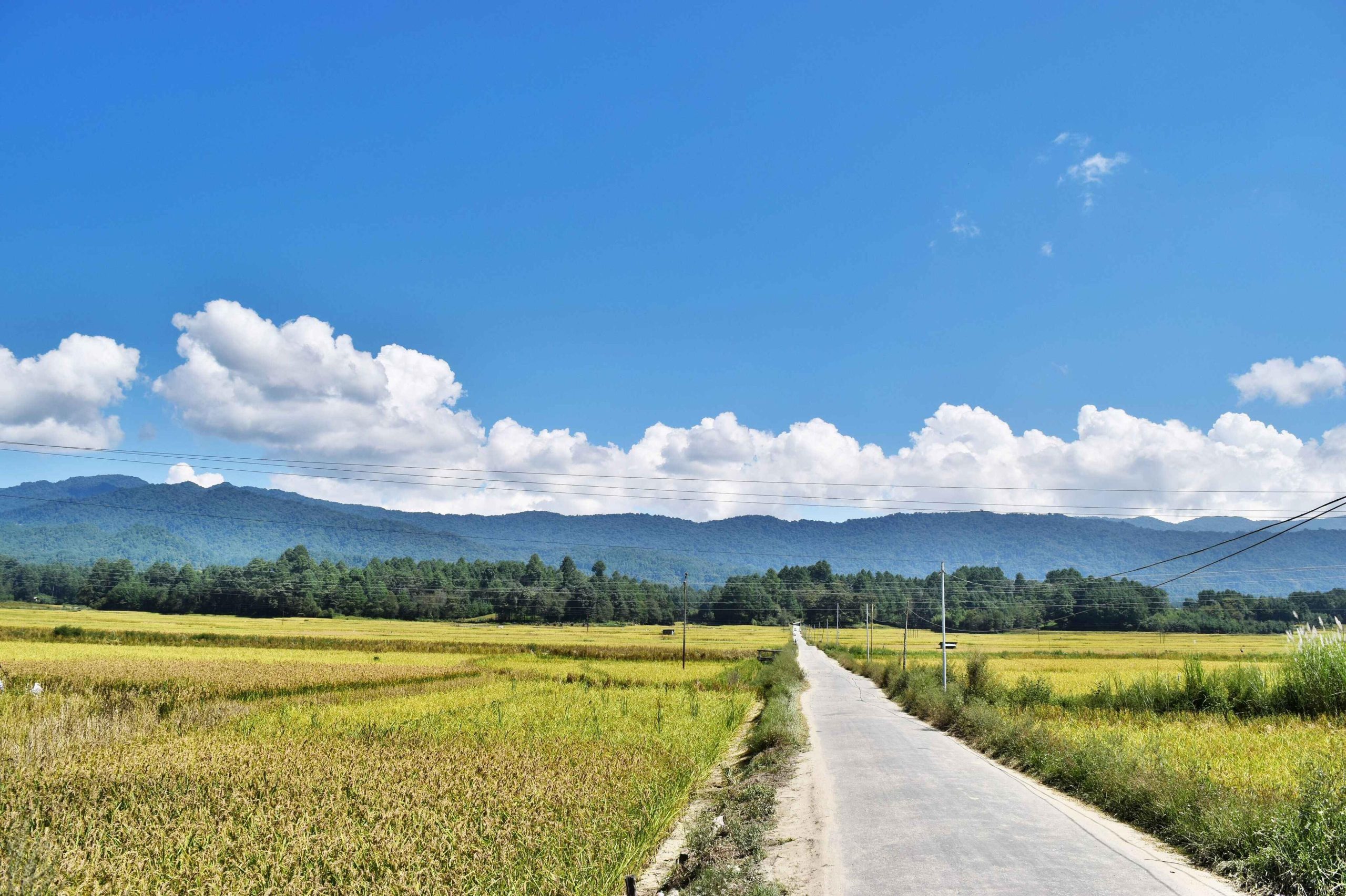
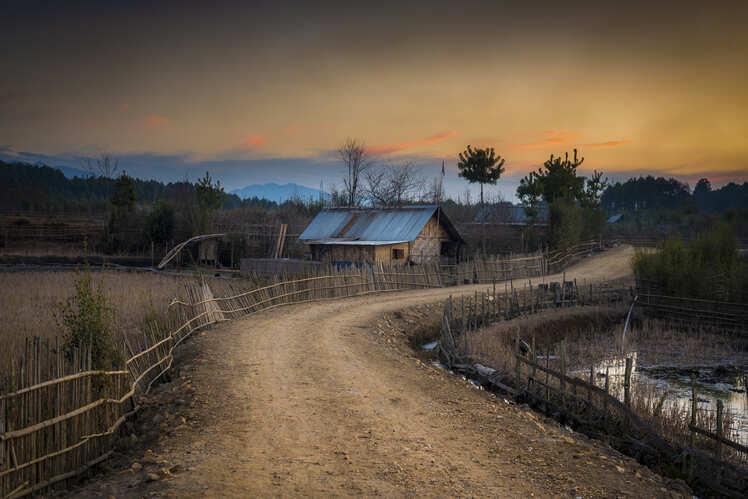
You arrive expecting mountains, forests and the usual Arunachal road-trip drama. Then the valley opens up, and there are rice fields everywhere, pine-covered hills behind them, small Apatani villages, old houses and people going about their day.
It feels lived-in. That’s the charm.
Ziro is in Arunachal Pradesh’s Lower Subansiri district, roughly 115 km from Itanagar. The valley sits at around 1,500 metres, so the weather is usually cooler than the plains and the landscape stays green for much of the year.
If you’re planning a trip here, give yourself 3-4 days. You can see the main places faster, but Ziro rewards slow mornings and aimless drives through the valley.
Why Ziro Valley is worth visiting
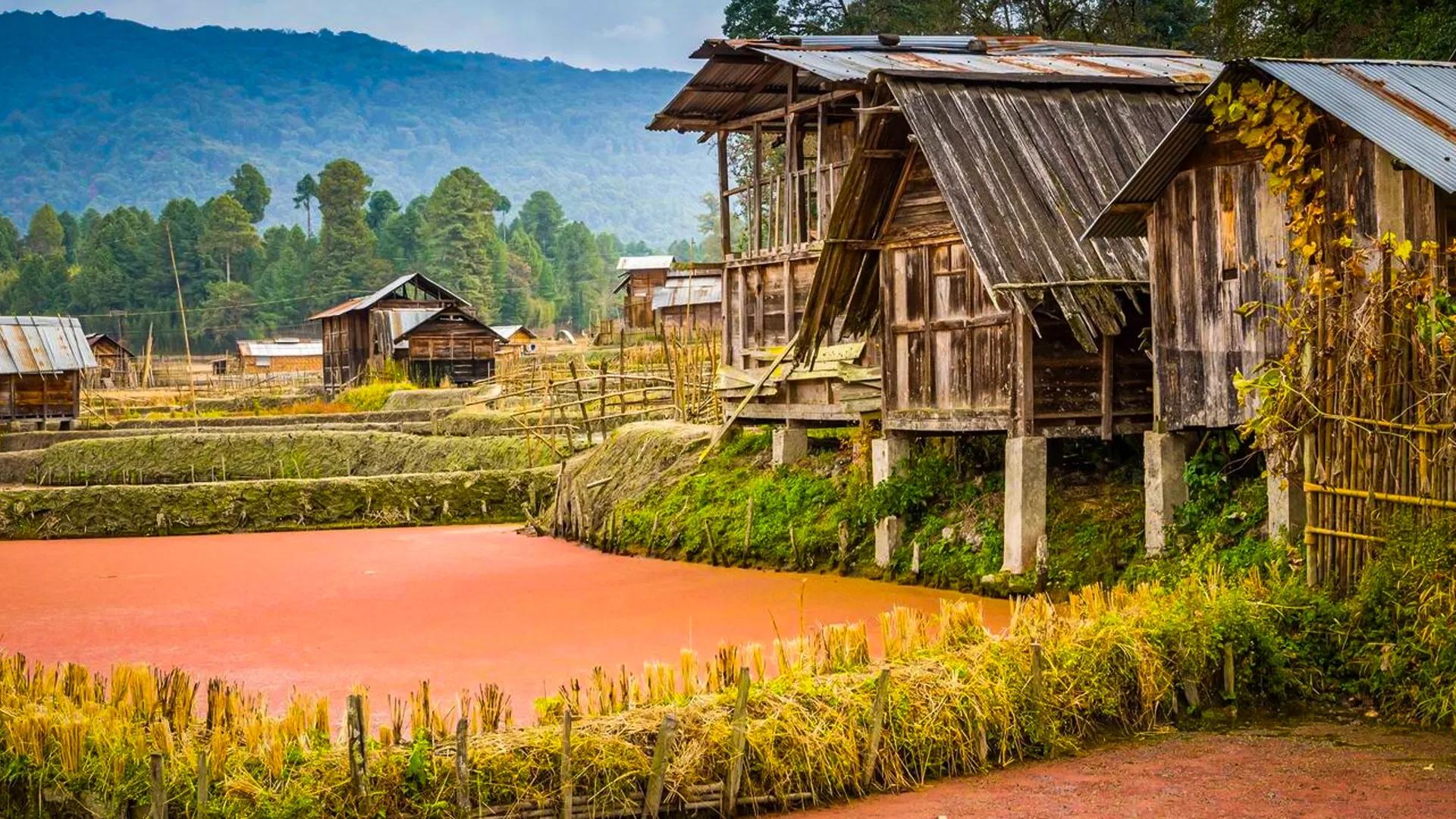
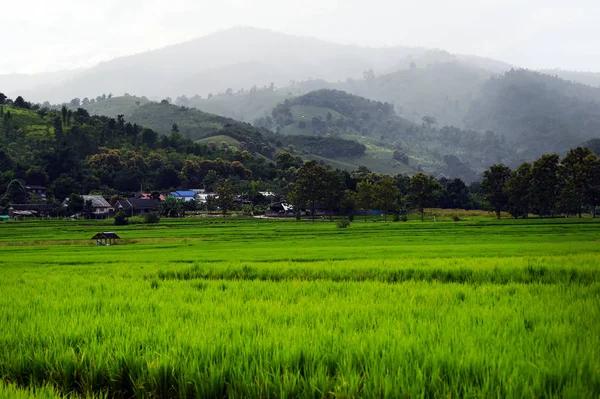
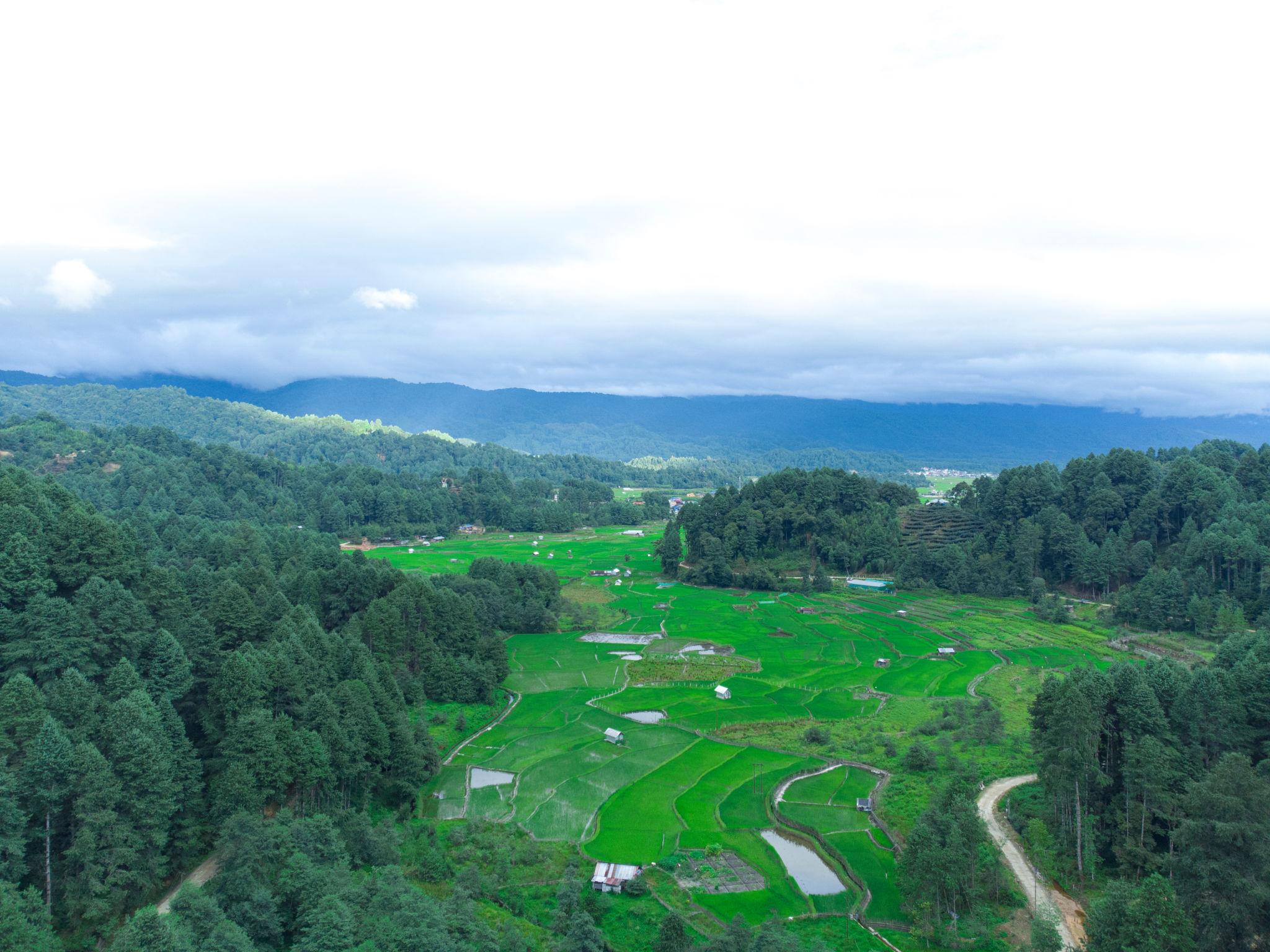
The first thing you’ll notice is the geography.
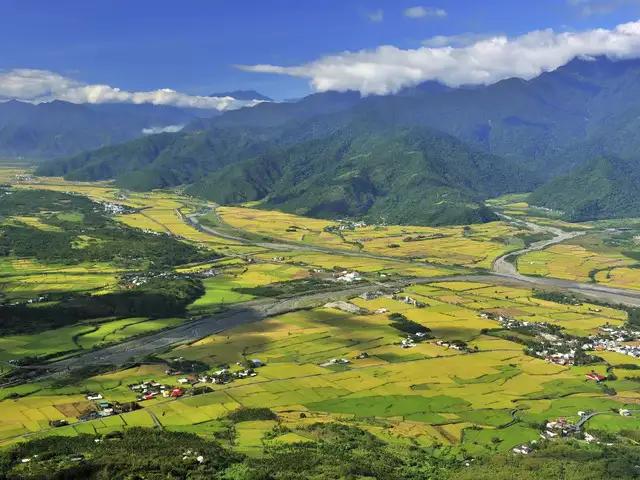
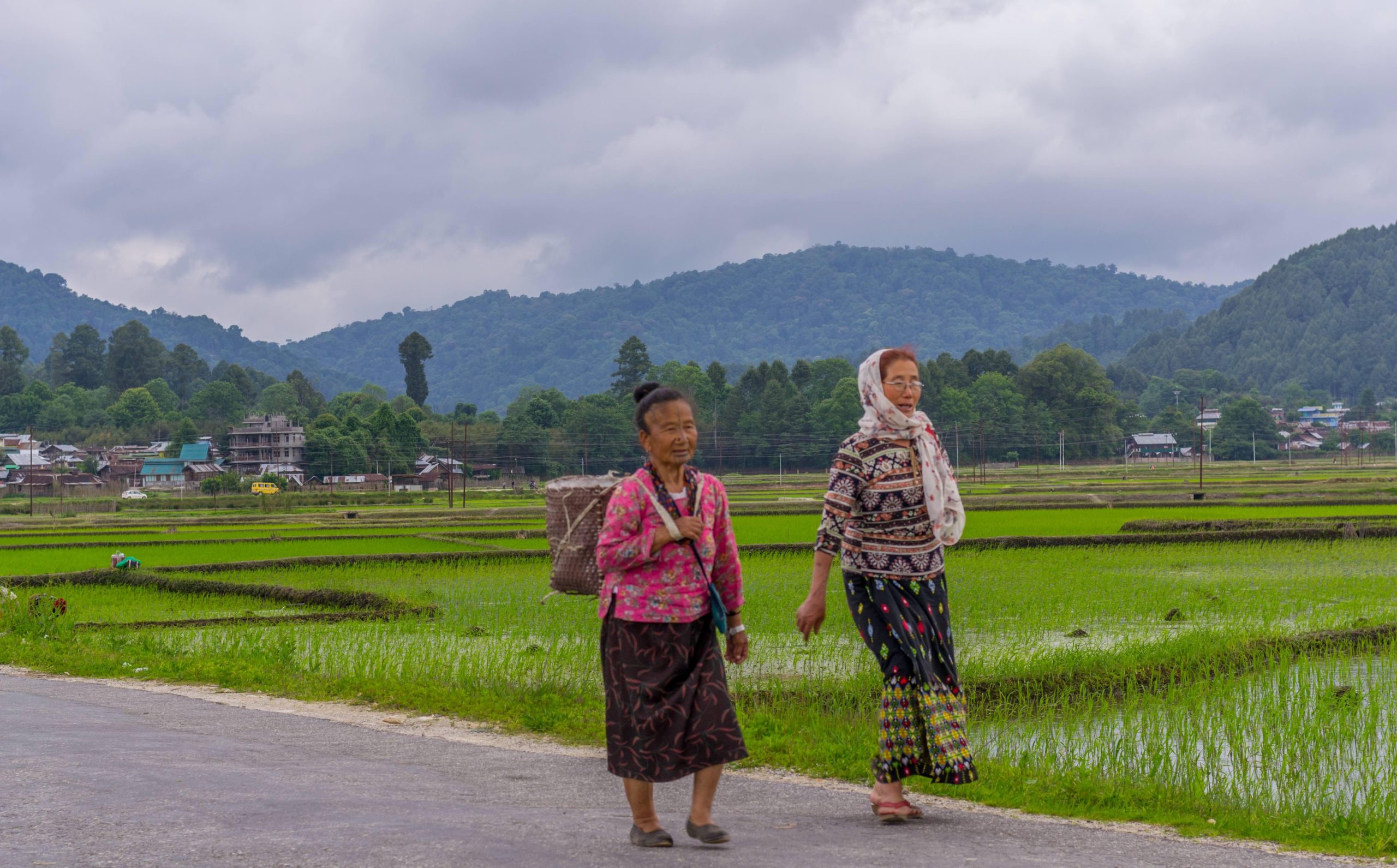
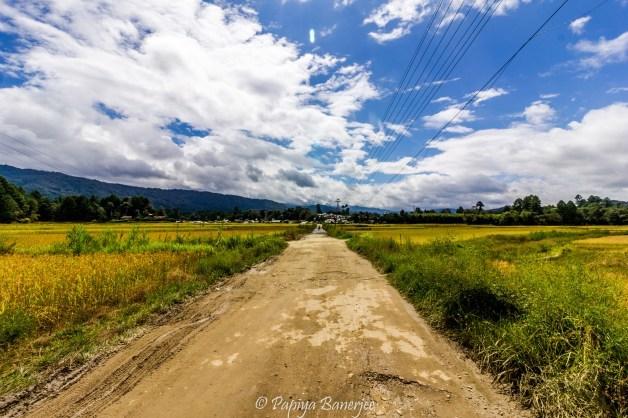
The valley floor is broad and relatively flat, surrounded by forested hills. Paddy fields cover large parts of it, with irrigation channels running between fields and villages scattered around the landscape.
Then there’s the Apatani culture.
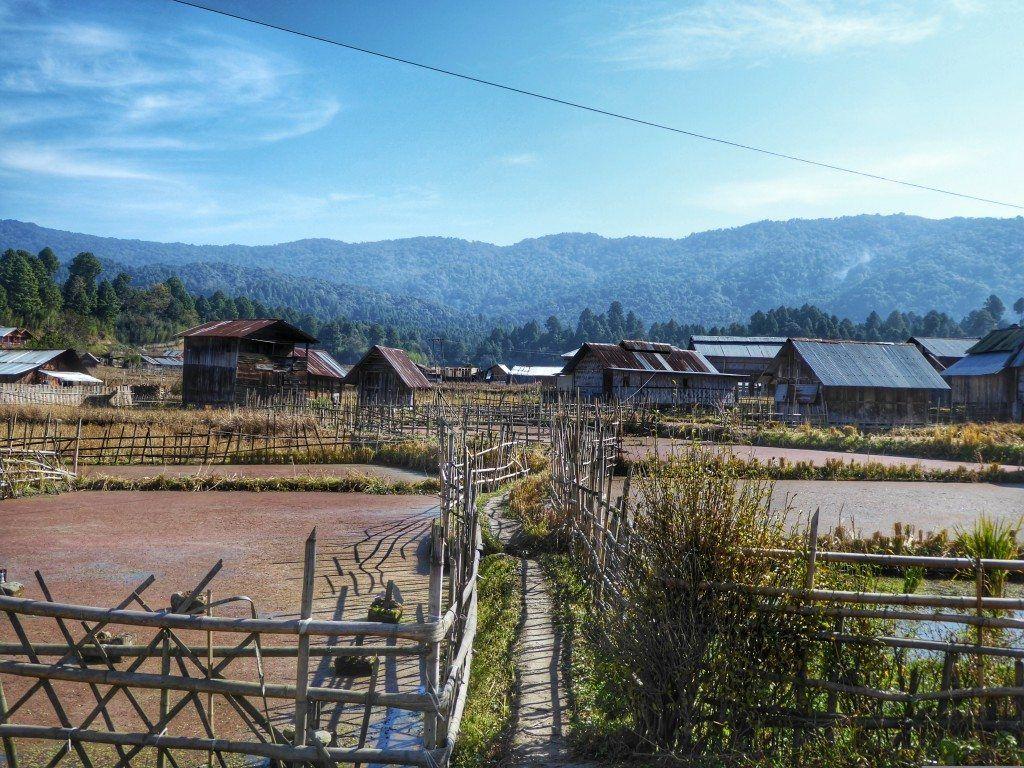
The Apatani people have lived in Ziro for generations and developed a distinctive agricultural system around wetland rice cultivation and fish farming. Villages such as Hong, Hari, Bulla and Dutta give you a chance to see this landscape as a living place rather than a tourist attraction.
And yes, you’ll probably spend a ridiculous amount of time taking photos of rice fields.
Best places to visit in Ziro
1. Hong Village
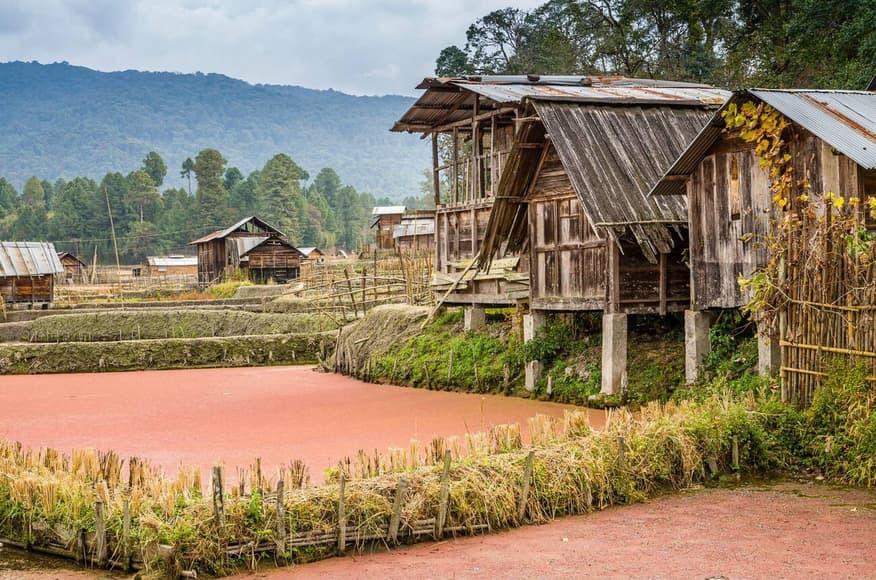
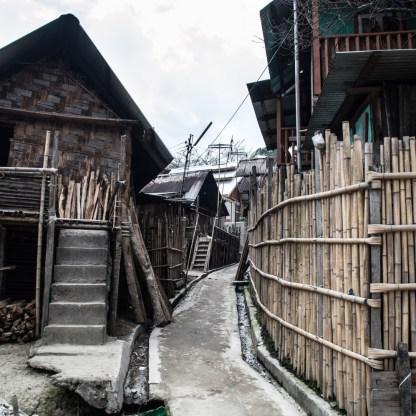
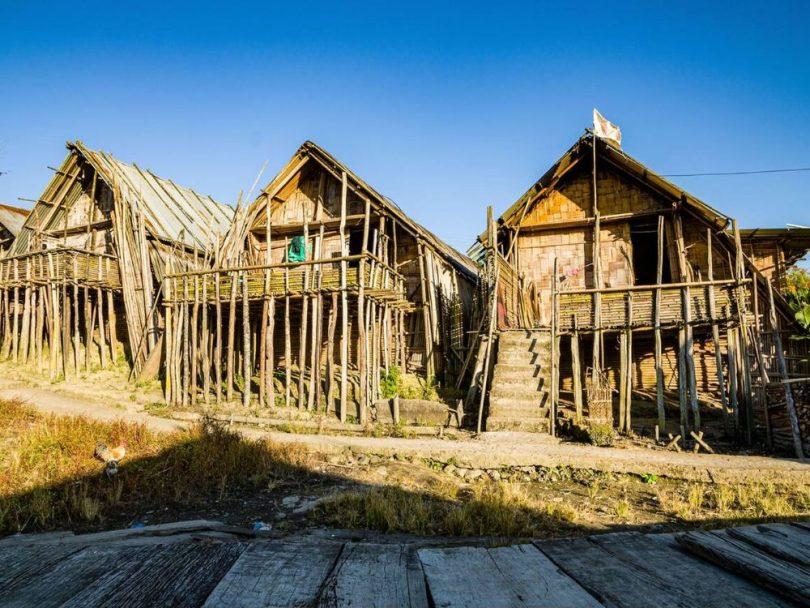
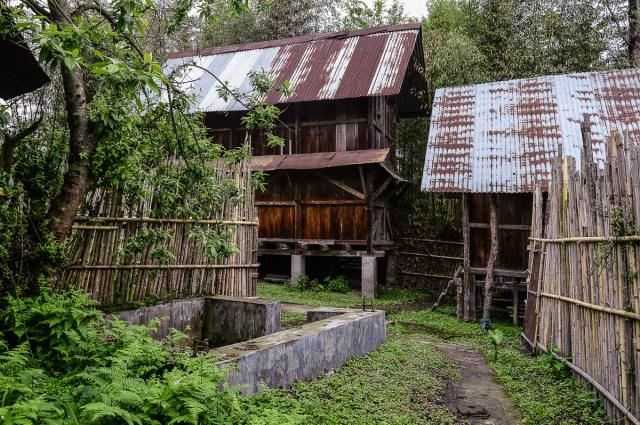
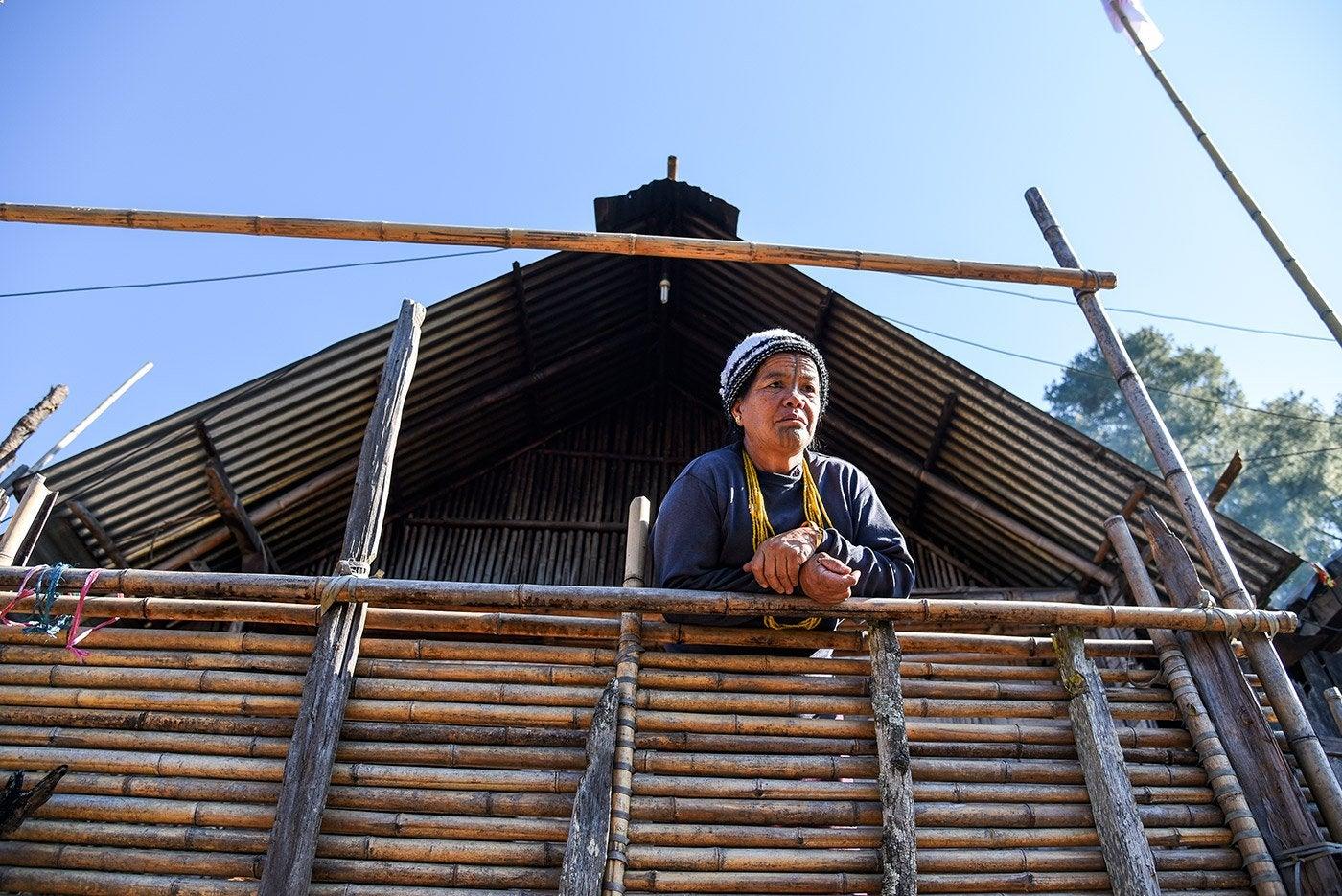
Hong is one of the villages worth putting high on your list.
Walk around slowly. Look at the traditional houses, bamboo structures, fields and narrow village paths. The details are easy to miss when you’re sitting inside a car.
If you visit during the agricultural season, the surrounding fields make the experience even better.
2. Hapoli
Hapoli is the main urban centre of Ziro and where many travellers base themselves.
You’ll find hotels, homestays, restaurants, shops and transport connections here. It’s a practical place to stay if you want to explore different parts of the valley each day.
3. Talley Valley
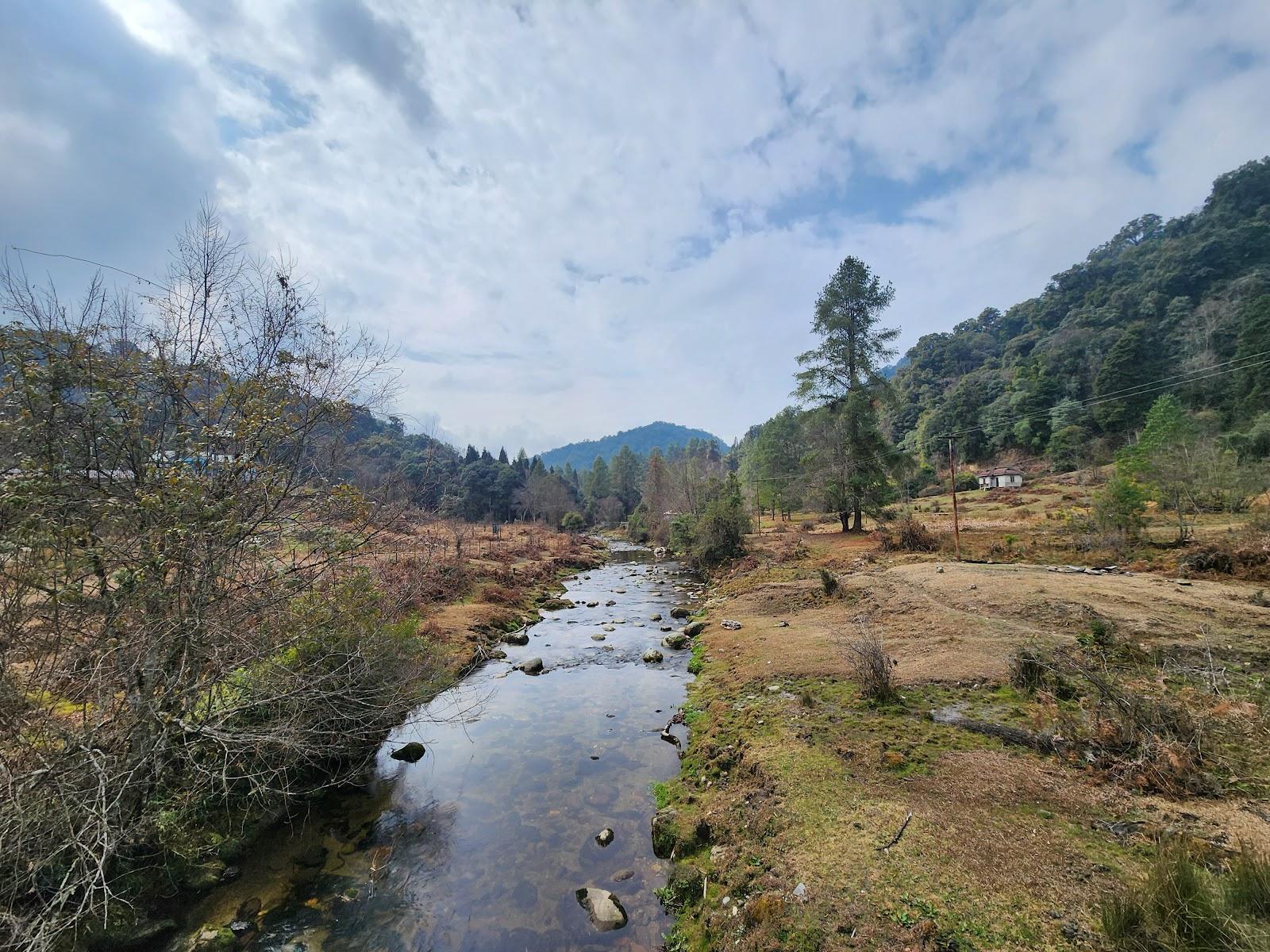
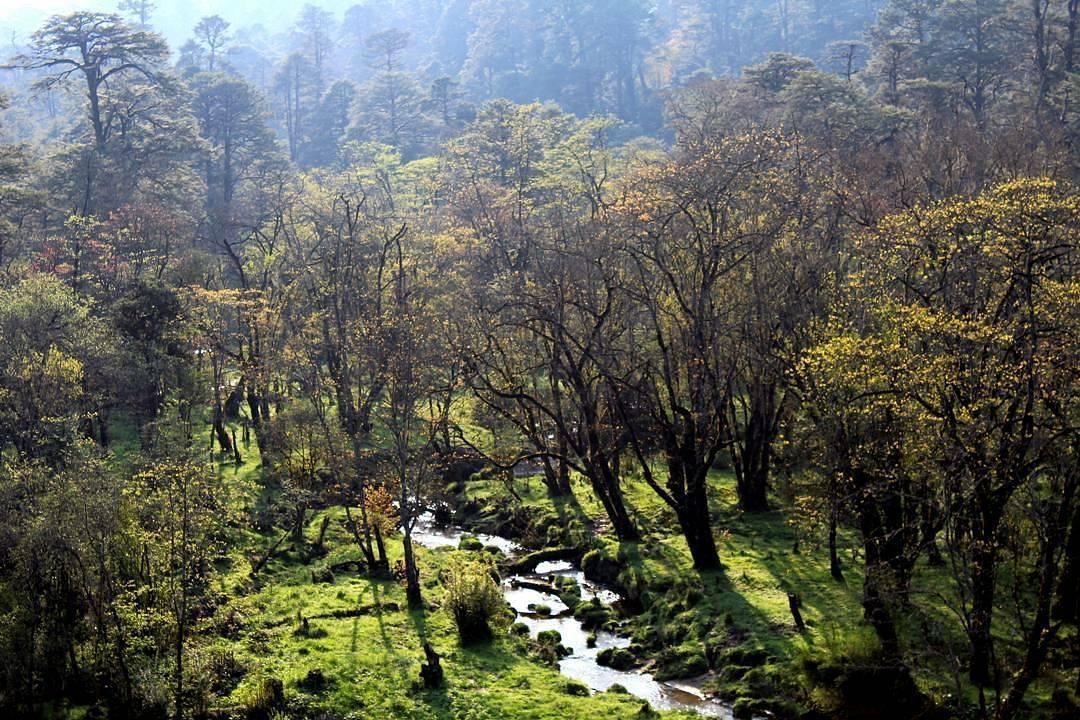
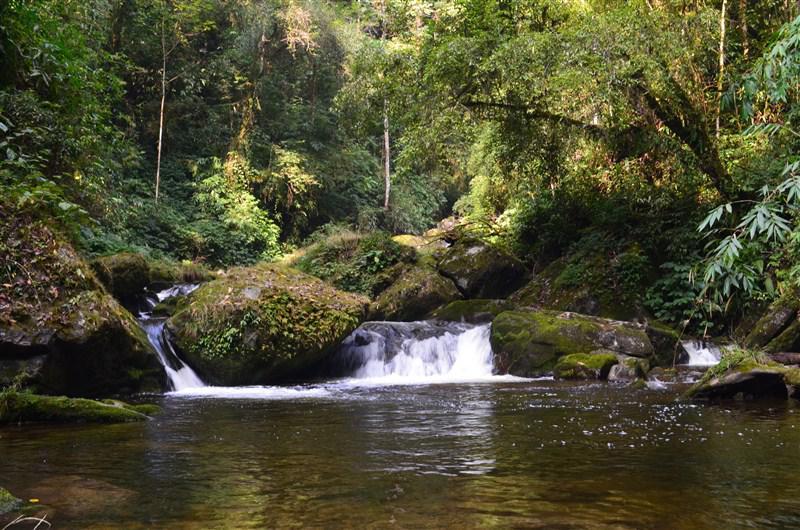
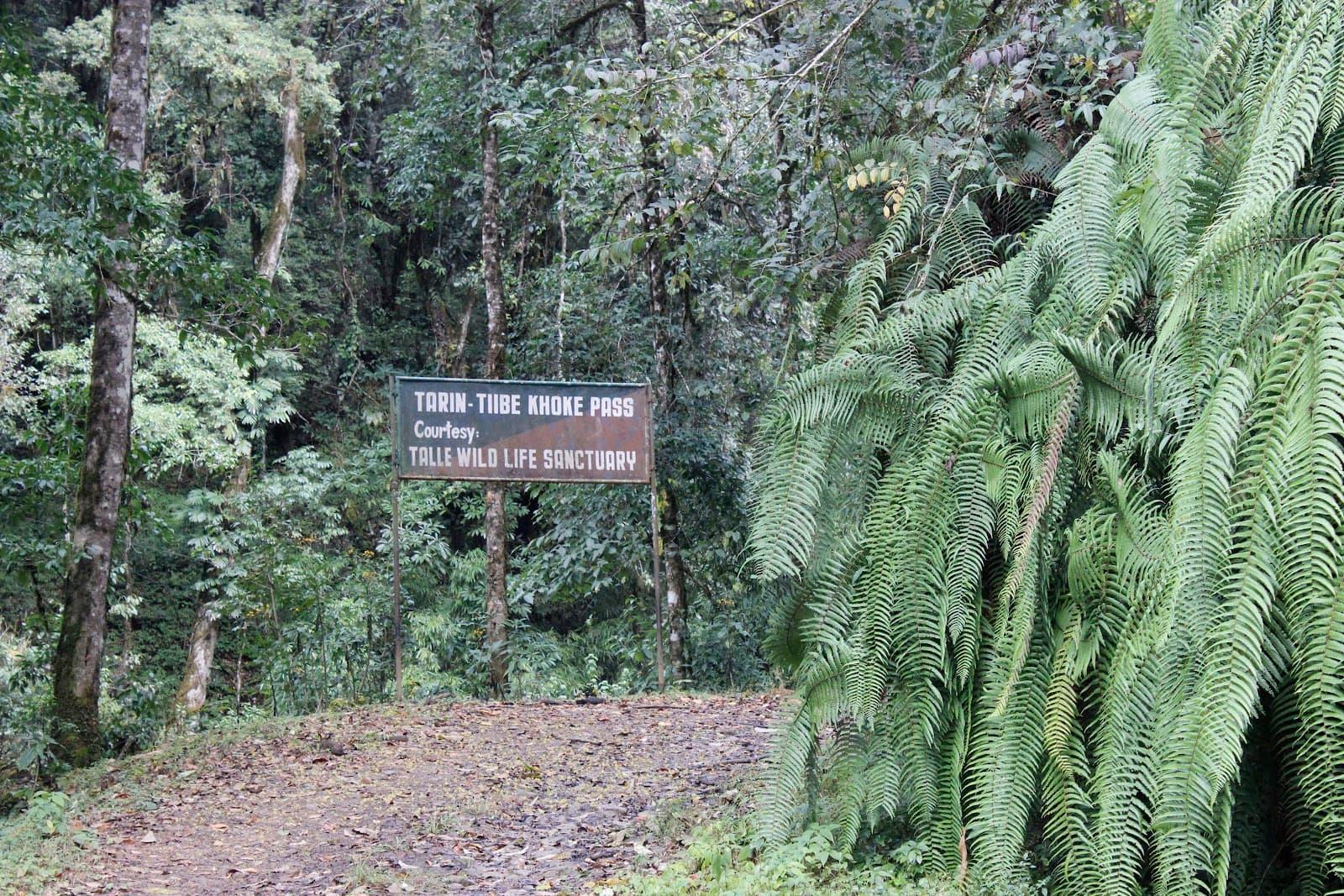
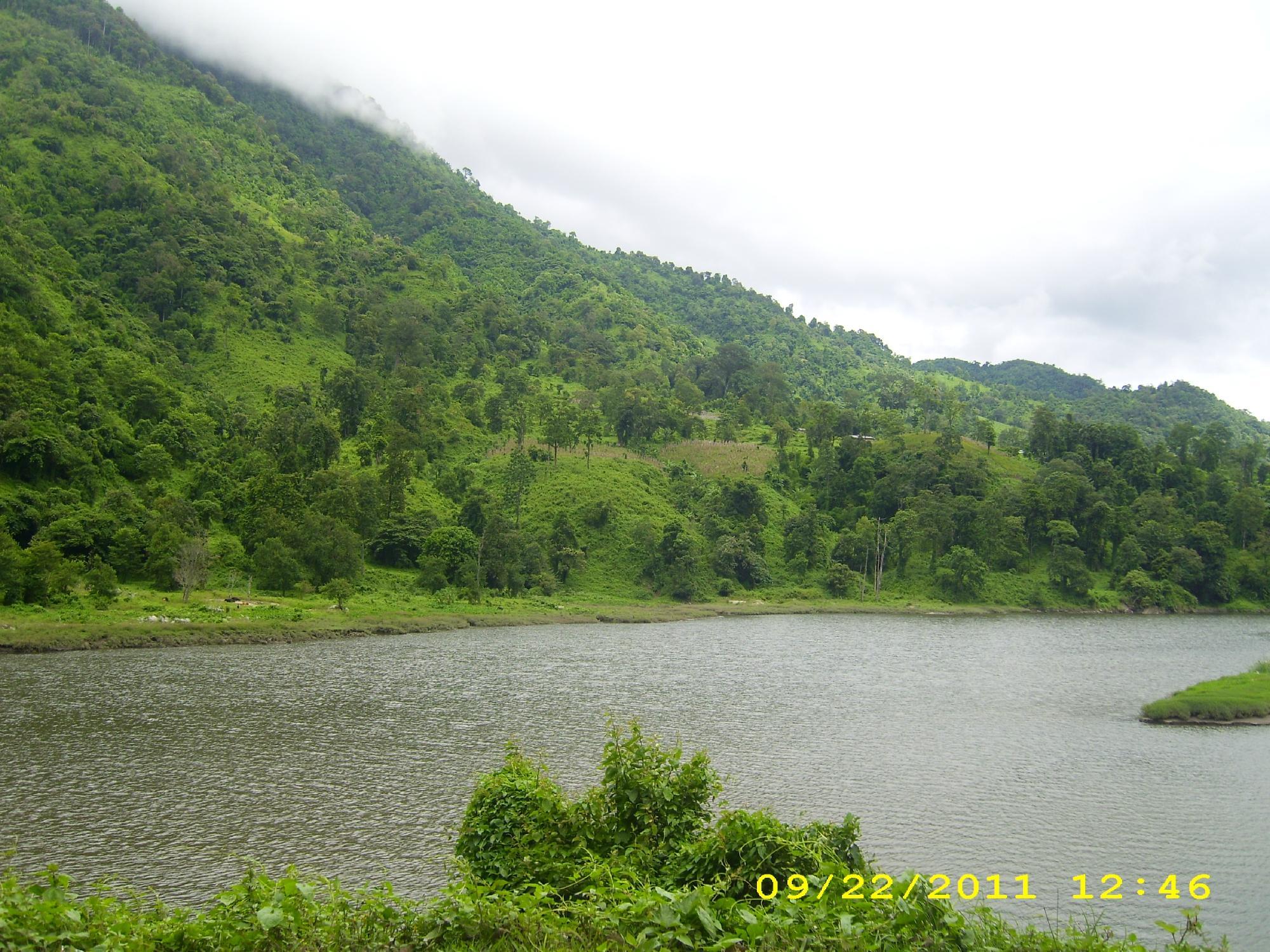
If you have an extra day, look toward Talley Valley.
The area is known for dense forests, mountain scenery and the Talley Valley Wildlife Sanctuary. The trip is more about being in the forest than ticking off a tourist attraction.
Road conditions can change with weather, so check locally before leaving.
4. Kile Pakho
Kile Pakho is one of the better viewpoints around Ziro.
On a clear day, you can look across the valley and see the patchwork of fields below. Go early if you want softer light and fewer people.
5. Dolo Mando
Dolo Mando is another hilltop area where you can get broad views over Ziro.
It’s a good place to spend an hour around sunrise or sunset, depending on the weather.
6. Ziro Music Festival

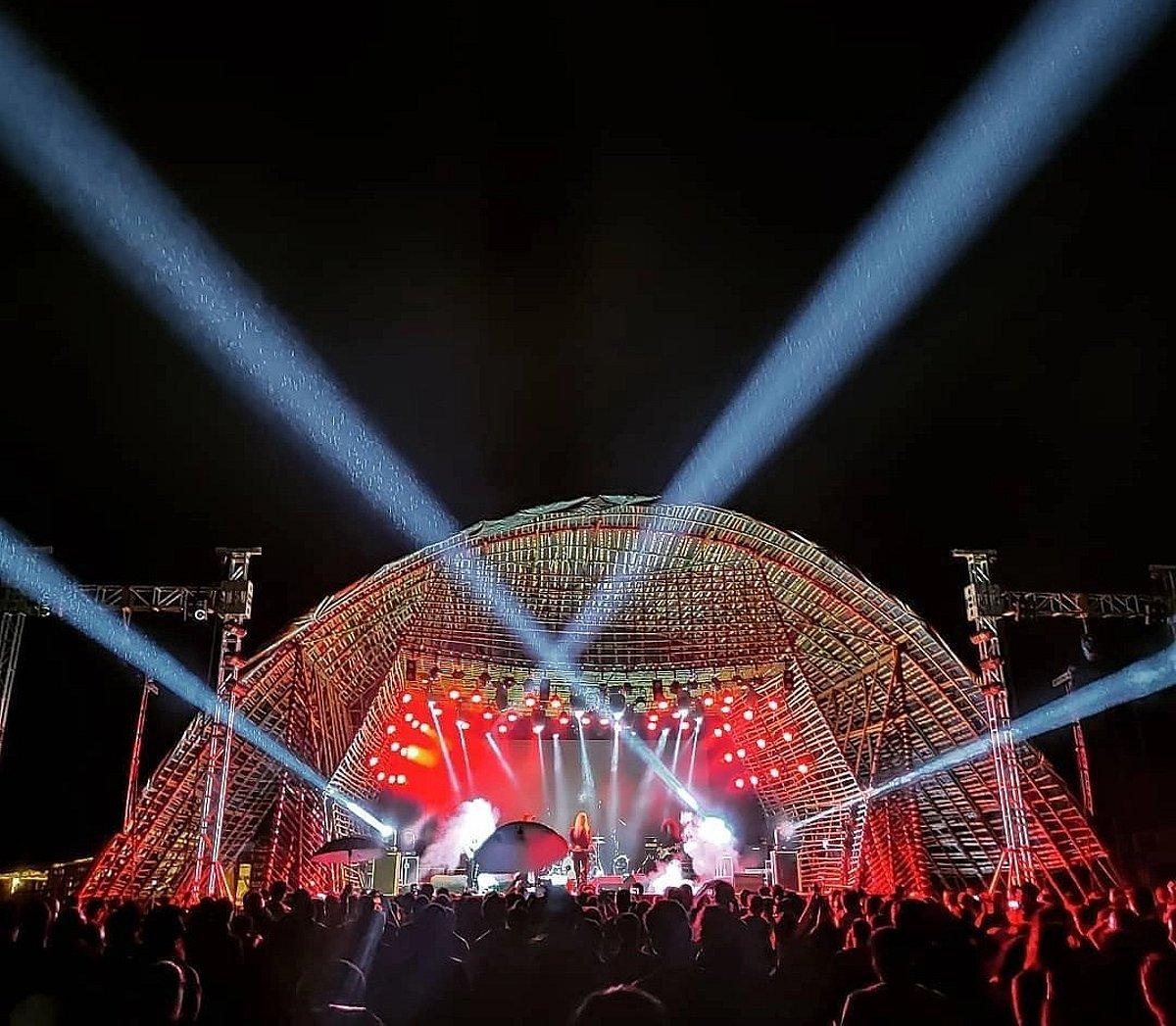
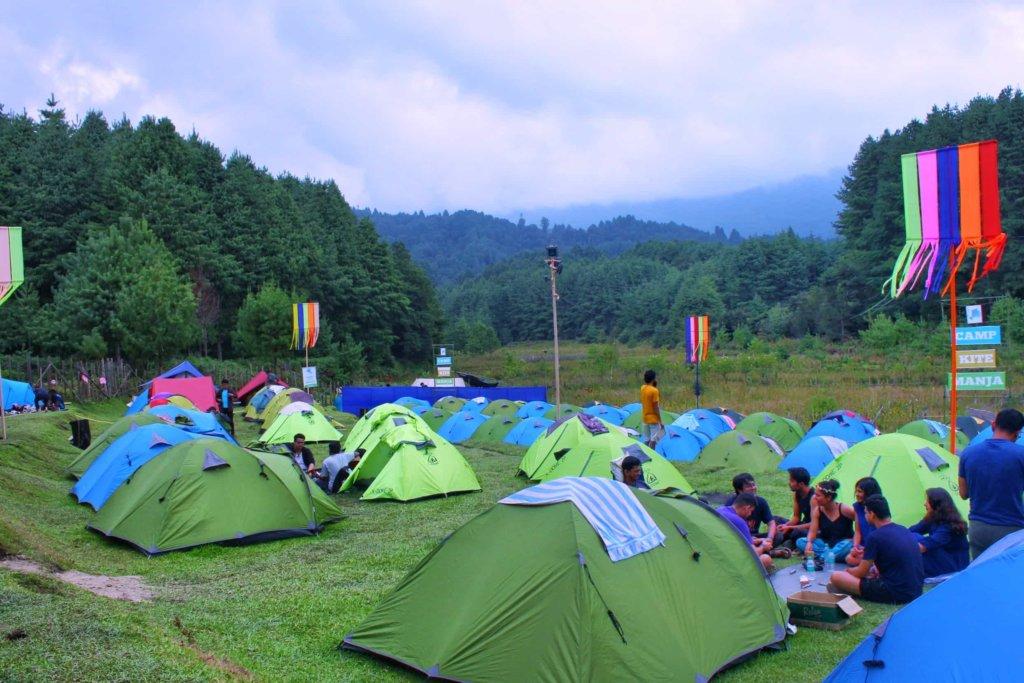

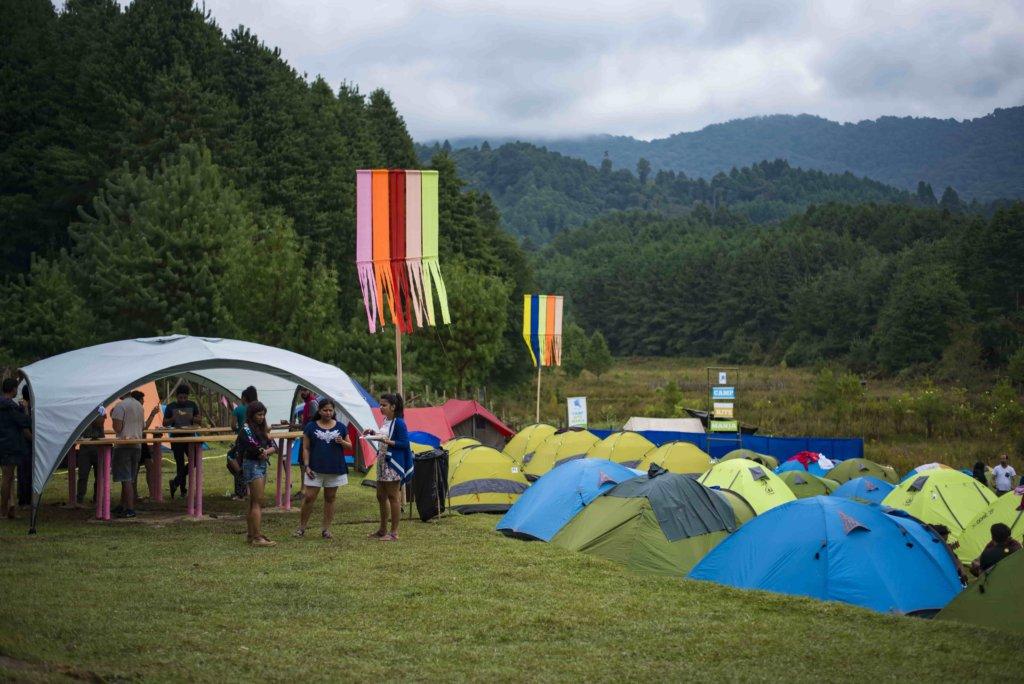

The Ziro Music Festival has become one of the biggest reasons younger travellers plan a trip to the valley.
It’s usually held around September, with independent musicians performing in an outdoor setting surrounded by the hills.
If you’re coming specifically for the festival, book accommodation and transport early. Ziro’s room supply isn’t infinite, and the valley gets much busier during festival dates.
Best time to visit Ziro Valley
Your choice of month changes the trip quite a bit.
March to May is pleasant for greenery, village visits and comfortable daytime temperatures.
June to September brings the monsoon. The valley can look fantastic during this period, but heavy rain can affect road travel.
October to November is probably my favourite window for a general Ziro trip. The weather is cooler, the skies can be clearer, and the harvested fields give the valley a completely different appearance.
December to February is cold. Nights can get properly chilly, so pack accordingly.
For the Ziro Music Festival, September is the obvious month, assuming the festival dates line up with your trip.
How to reach Ziro
By air
The easiest airport for most travellers is Donyi Polo Airport near Itanagar/Hollongi.
From there, you’ll need a road journey to Ziro. Depending on weather, traffic and road conditions, the journey can take several hours.
By train
You can take a train toward Naharlagun or Itanagar and continue by road.
For travellers coming from Assam, the train-plus-road option can make sense depending on your starting city and train timings.
By road
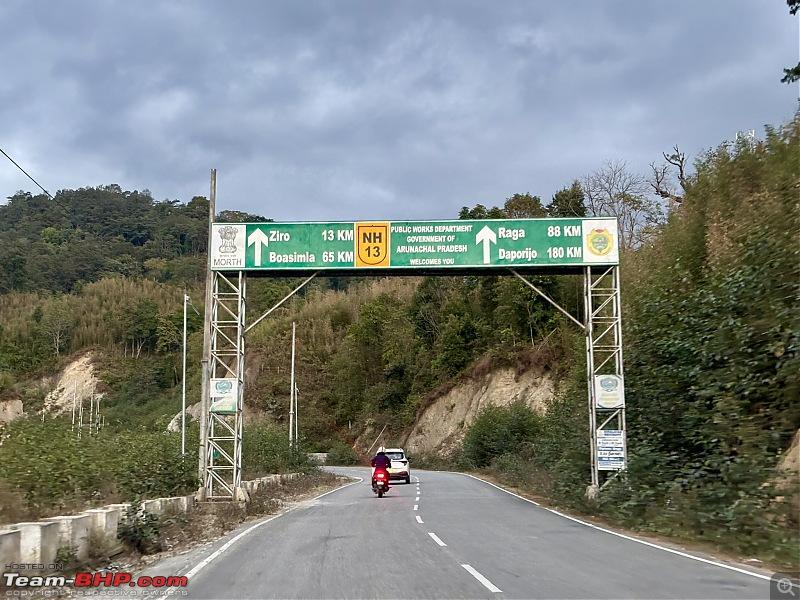
This is how most people experience Ziro.
From Guwahati, you’re looking at a long road journey through Assam and into Arunachal Pradesh. It’s tiring, but the scenery gradually changes as you climb toward the valley.
If you’re driving yourself, don’t treat Google Maps’ estimated time as gospel. Mountain roads, weather, roadwork and local traffic can stretch the journey.
Ziro Valley itinerary for 3 days
Day 1: Arrive and explore
Reach Ziro, check into your homestay and keep the first day easy.
Walk around Hapoli and nearby villages. Find a quiet viewpoint before sunset.
You don’t need to cram 6 attractions into your first afternoon.
Day 2: Apatani villages and rice fields
Start early.
Visit Hong and nearby Apatani villages, then spend time around the paddy fields. Talk to locals if there’s an opportunity, but ask before photographing people or entering private homes.
Later, head toward Kile Pakho or another viewpoint for sunset.
Day 3: Talley Valley or a slow valley day
If road and weather conditions are good, make this your Talley Valley day.
Otherwise, stay around Ziro. Visit more villages, eat locally, walk through the countryside and give yourself permission to do very little.
That’s actually a pretty good Ziro itinerary.
What to eat in Ziro
Food in Ziro is closely tied to the local culture.
Try Apong, a traditional rice beer, if it’s available and you’re comfortable drinking it.
You’ll also find dishes made with rice, bamboo shoot, smoked meat, vegetables and local herbs. Food can be simpler than what you’d find in Guwahati or other larger towns, especially at homestays.
Ask your host what they normally cook. That’s usually a better introduction to local food than hunting for a restaurant menu.
Where to stay
For a first visit, Hapoli and nearby areas are the easiest choices.
Homestays are particularly worth considering because they can make the trip feel much more connected to the valley. You’ll also get practical help with local transport, food and village visits.
During the Ziro Music Festival, accommodation can fill up quickly. Don’t leave that booking until the last minute.
How much does a Ziro trip cost?
Your budget depends heavily on how you travel.
For a 3-4 day trip from Guwahati, a rough budget could look like this:
| Expense | Budget range |
|---|---|
| Transport, shared/private depending on group | ₹2,500-₹7,000+ |
| Stay | ₹800-₹3,000 per night |
| Food | ₹400-₹1,000 per day |
| Local sightseeing/transport | ₹1,000-₹3,000+ |
| Permits and miscellaneous costs | Varies |
A comfortable 3-4 day trip can therefore land around ₹7,000-₹15,000 per person, depending on your transport and accommodation choices.
A private car changes the calculation quickly, especially for solo travellers.
Inner Line Permit for Arunachal Pradesh
Indian travellers generally need an Inner Line Permit (ILP) to enter Arunachal Pradesh.
Apply before your trip and carry the required documents. Rules and application procedures can change, so check the official Arunachal Pradesh government portal before you leave.
Foreign nationals have separate entry requirements.
Things to know before visiting Ziro
Carry cash. Card and UPI availability can vary outside the main market areas.
Keep a power bank. Long road journeys and remote stays make it useful.
Pack layers. Ziro can feel warm in the afternoon and cold after sunset.
Carry rain protection. Even outside the peak monsoon, weather in the hills can turn quickly.
Respect village life. You’re travelling through people’s homes and agricultural land. Ask before entering private areas or taking close-up photographs.
Don’t litter. Take your plastic and other waste back with you.
Don’t rush the roads. The journey is part of the trip, but mountain driving deserves patience.
How many days do you need?
I’d choose 3 nights and 4 days for a first trip.
2 nights can work if you’re short on time, but you’ll spend a lot of that trip travelling.
With 4 days, you can explore the Apatani villages, spend time around the rice fields, visit a viewpoint, and keep one day flexible for Talley Valley or whatever the weather allows.
And that flexibility matters in Arunachal.
Ziro isn’t the place I’d visit with a spreadsheet open every morning. Leave some room in the plan. A misty road, a village conversation or an unexpectedly good sunset can easily become the best part of the trip.
Featured Image Credit: Generated/Sourced via Chatgpt.com.
Editorial note: Some articles may use AI-assisted research or drafting. Our editorial process includes human review and editing, and important travel information should be verified with official sources before your trip.
Travel Tips & Responsible Exploration
Good travel planning starts with staying informed. Before your journey, verify important details such as transportation, accommodation, weather, permits, entry requirements, and local guidelines. Respect local communities, cultures, traditions, and the environment, and travel responsibly wherever you go. Suman Rabha shares practical travel guides, local insights, and destination information to help readers explore Northeast India and beyond with greater confidence.