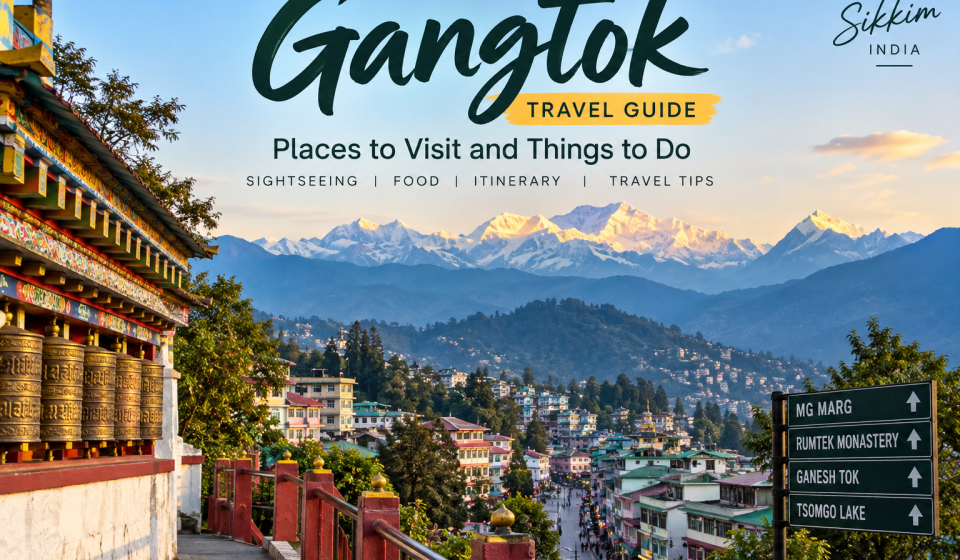

Gangtok is the kind of hill town where you can spend the morning walking through a monastery, the afternoon looking at Kanchenjunga, and the evening eating momos on MG Marg.
It’s the capital of Sikkim, and for many travelers, it’s the easiest base for exploring the state. Give Gangtok 2 to 3 days if you want to see the city properly. Add more if you’re using it as a base for Tsomgo Lake, Nathula Pass, or North Sikkim.
Best time to visit Gangtok
March to May is a good time for pleasant weather, flowers, and clearer mountain views.
October to December is better if your priority is crisp skies and Himalayan views. Nights can get cold, especially in December.
The monsoon months from June to September can bring heavy rain, landslides, and road disruptions. If you’re planning a road trip, keep some flexibility in your schedule.
Places to visit in Gangtok
MG Marg
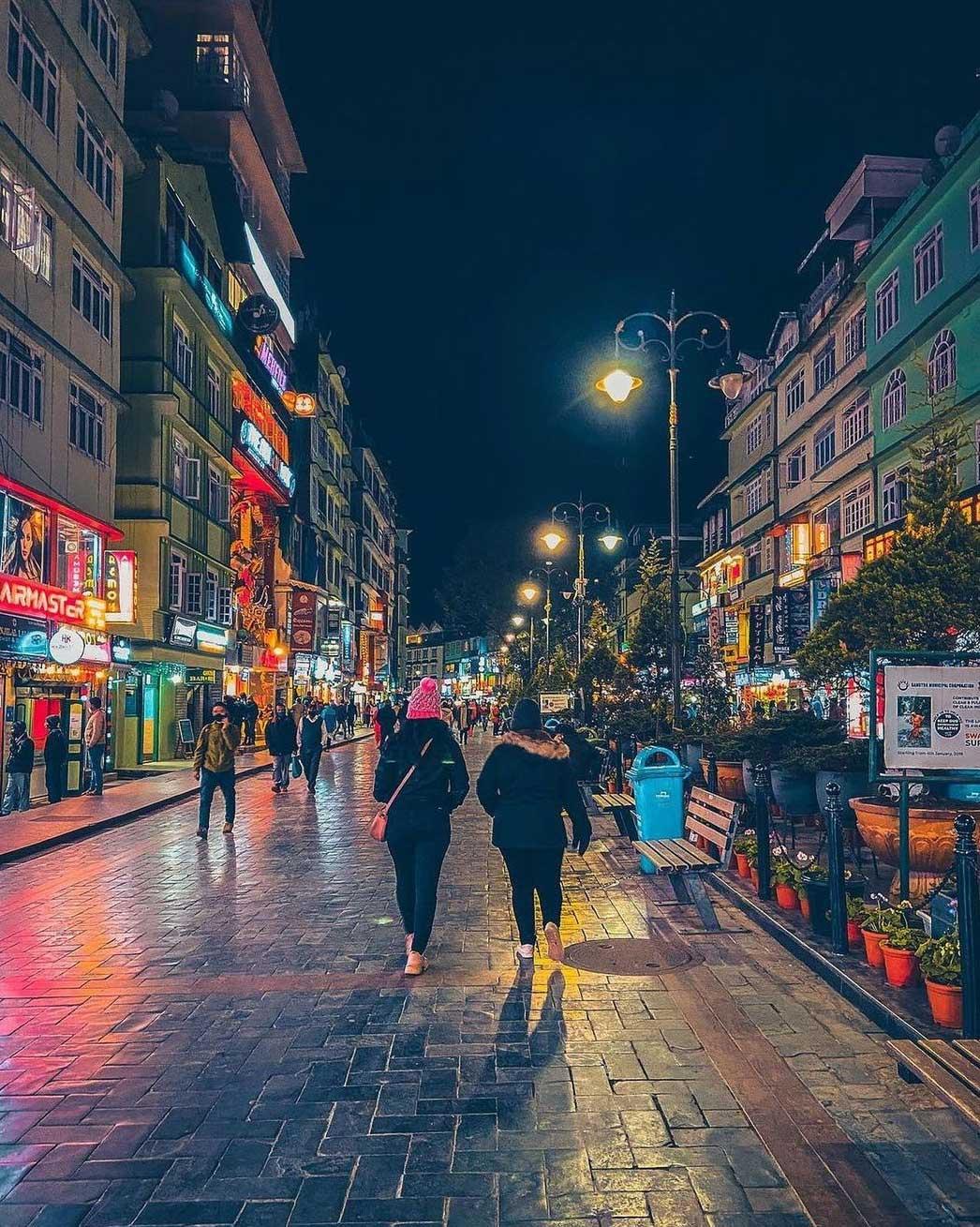
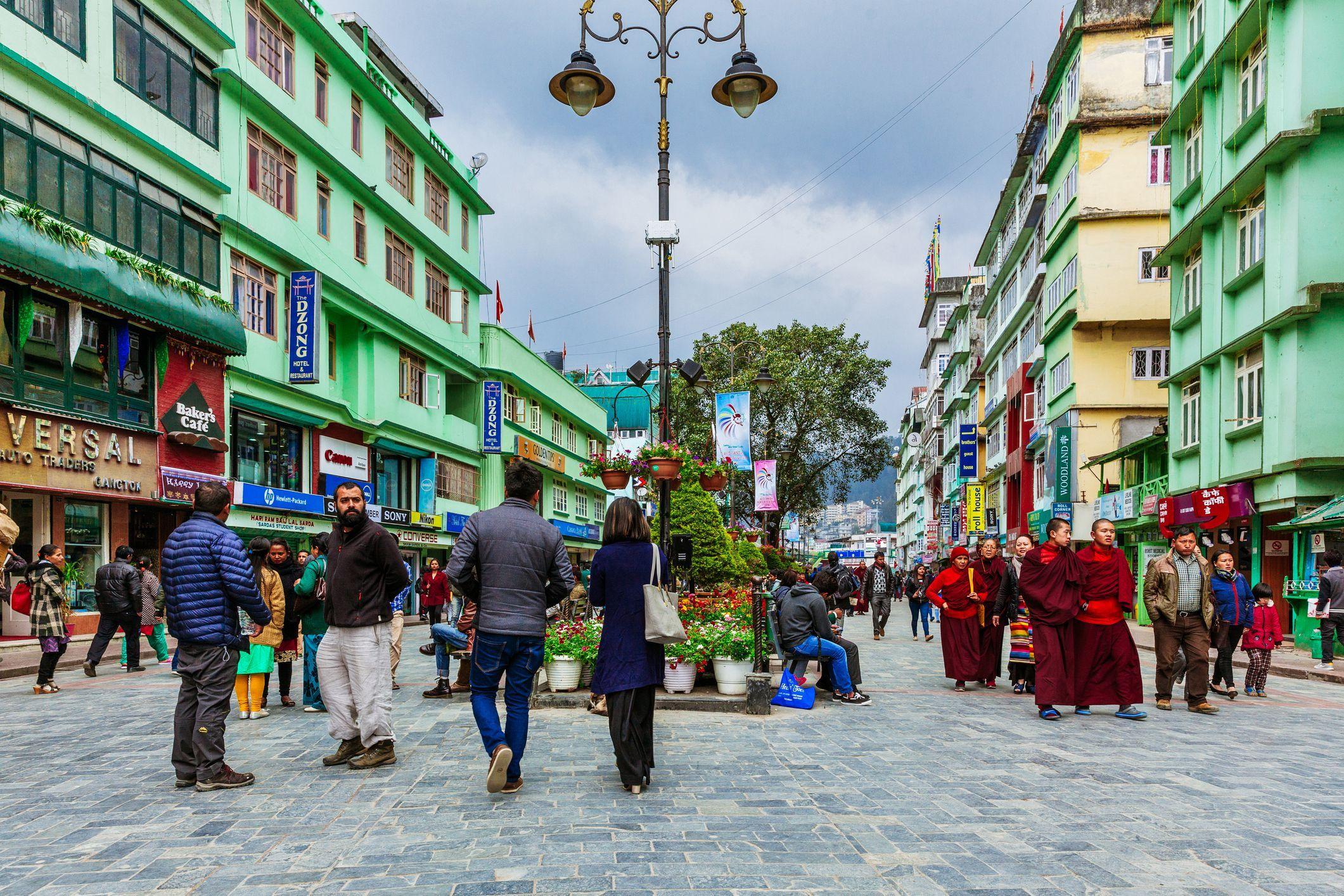
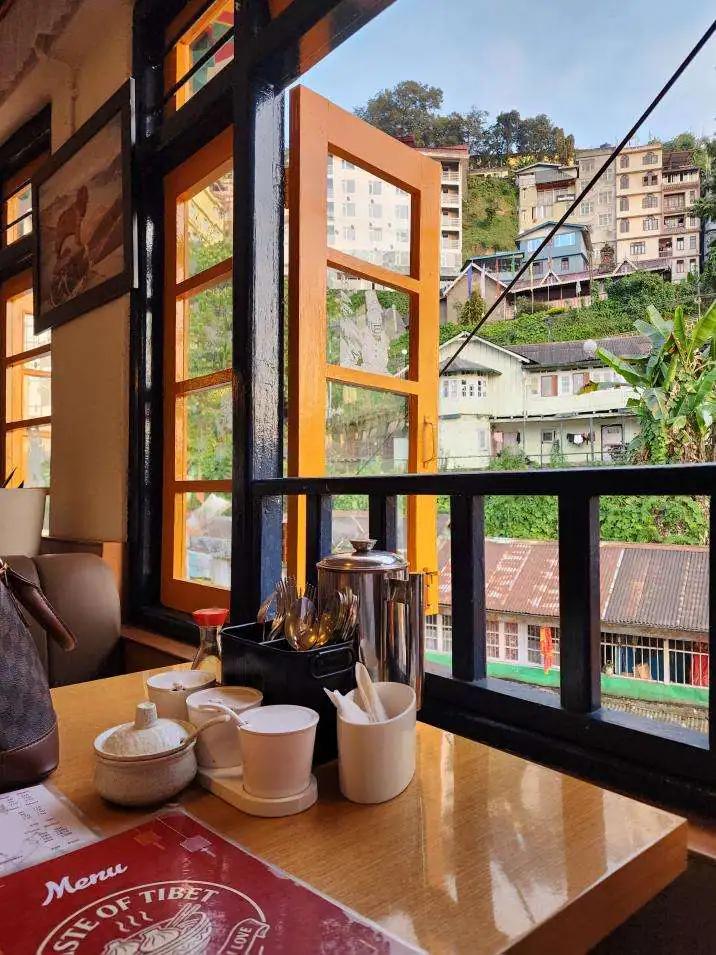
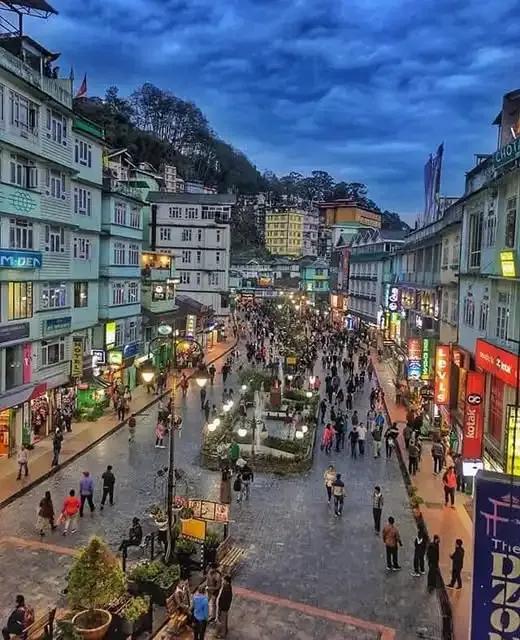
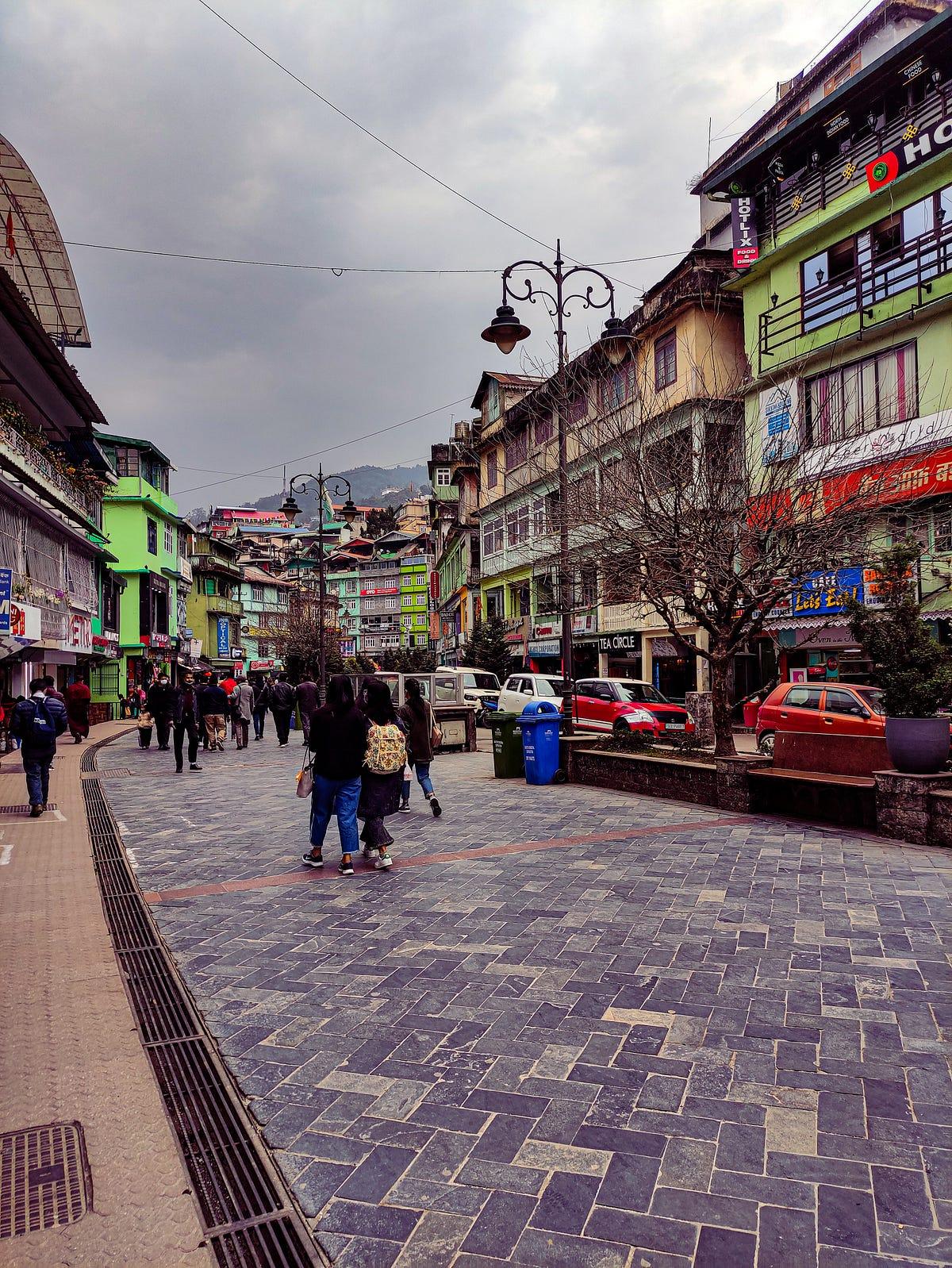
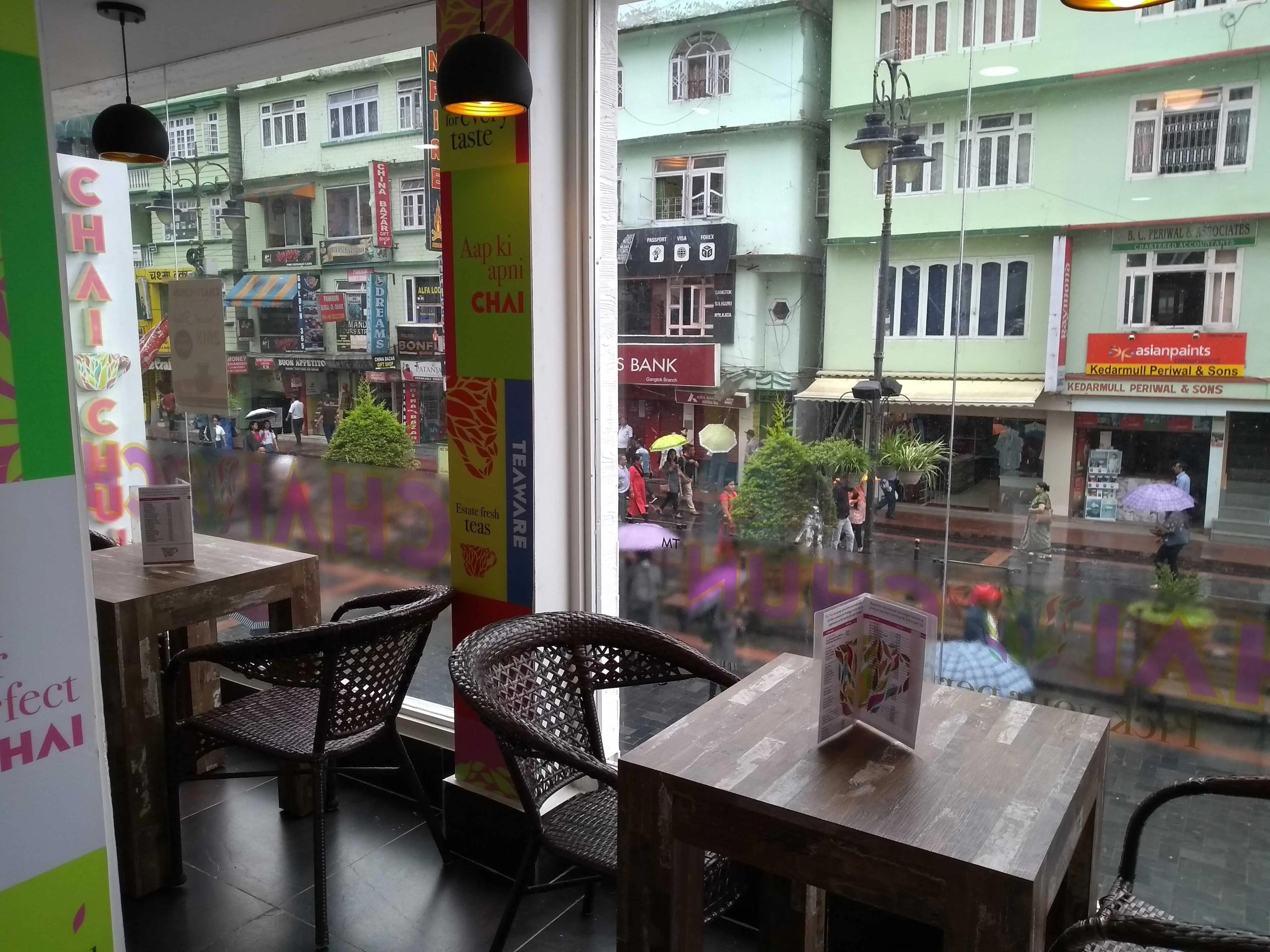
Start here.
MG Marg is Gangtok’s pedestrian shopping and dining street, with cafes, restaurants, shops, benches, and plenty of people wandering around with nowhere particular to be.
Go in the evening. Grab a coffee or plate of momos and walk the whole stretch.
Rumtek Monastery
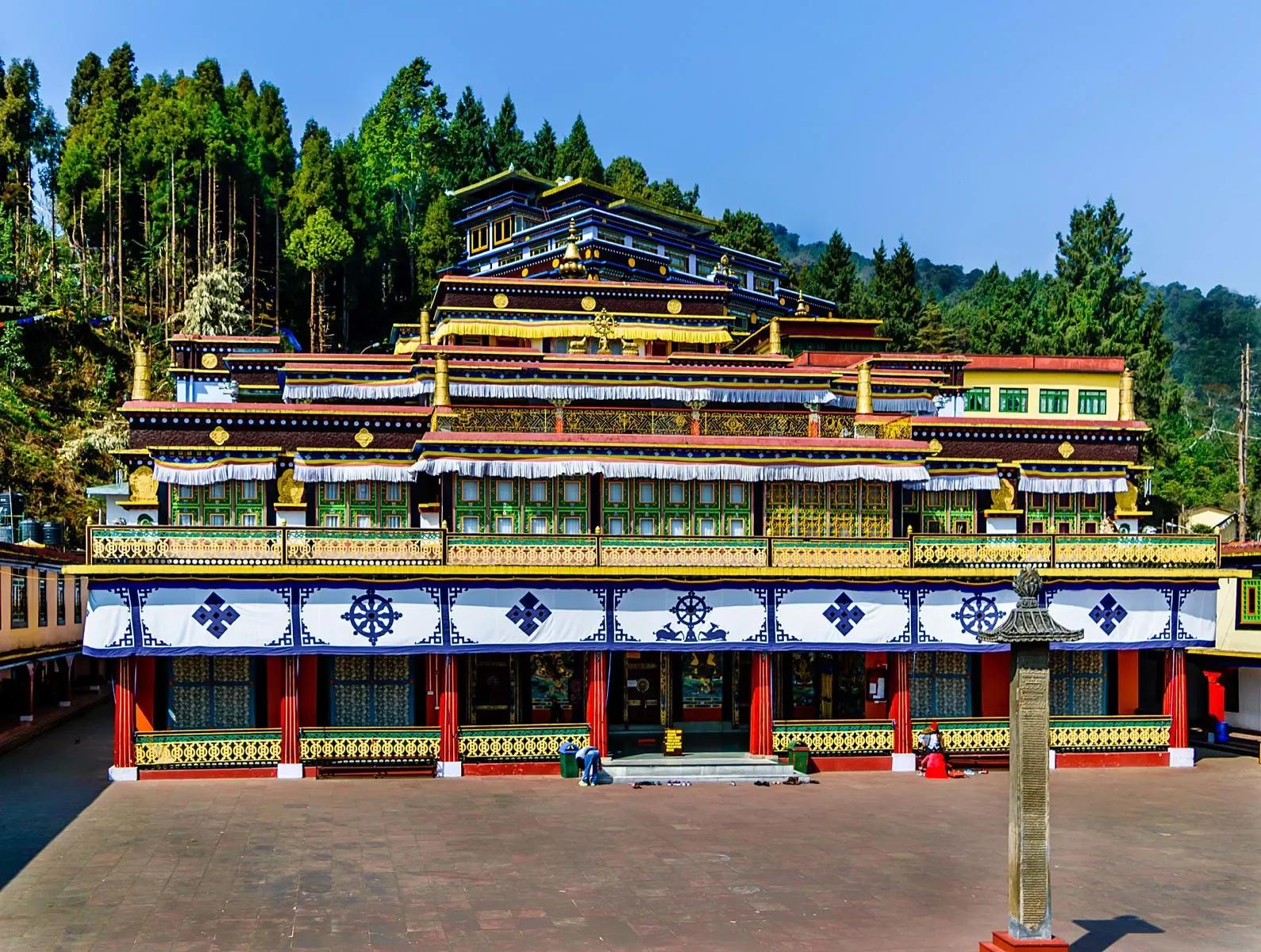
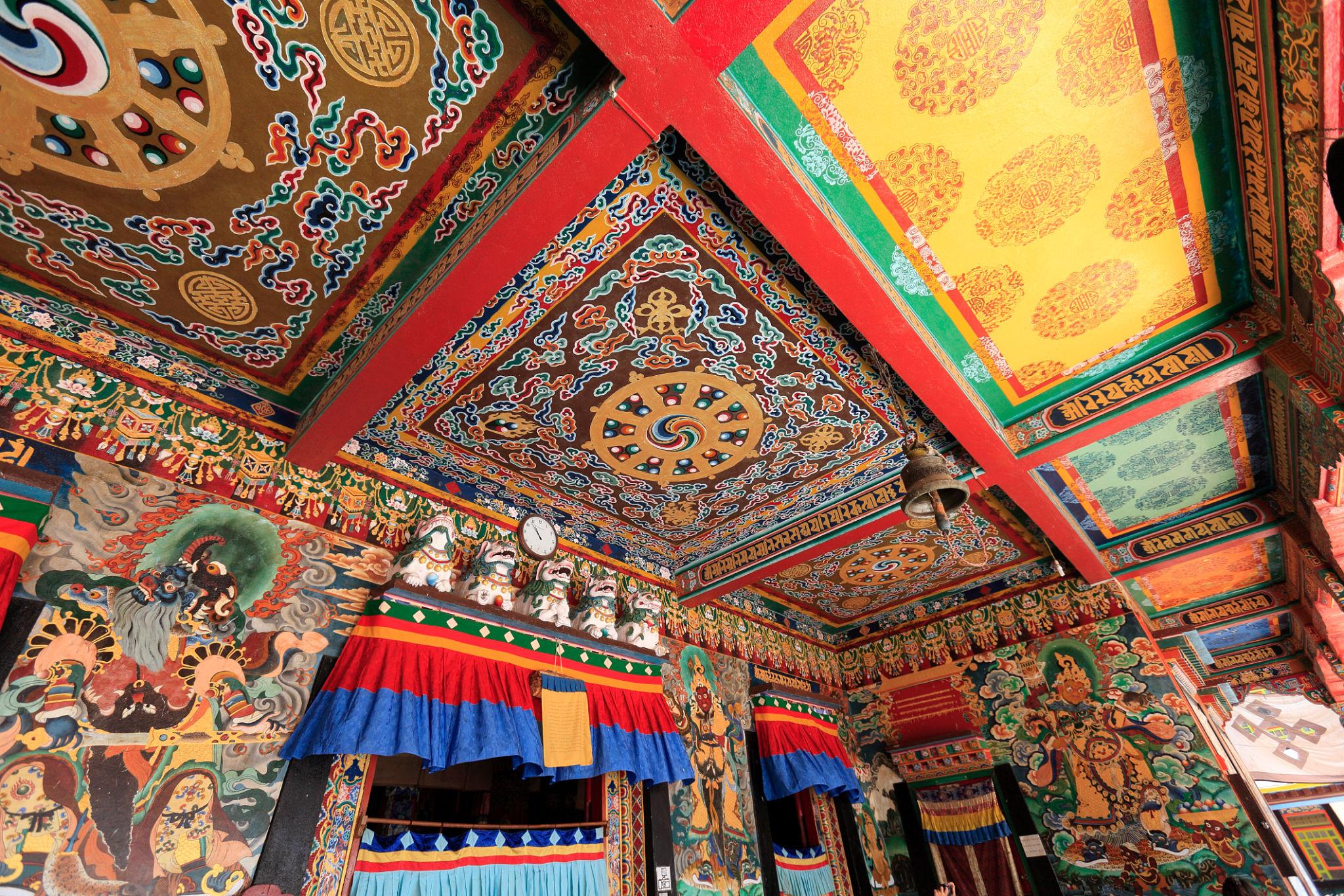
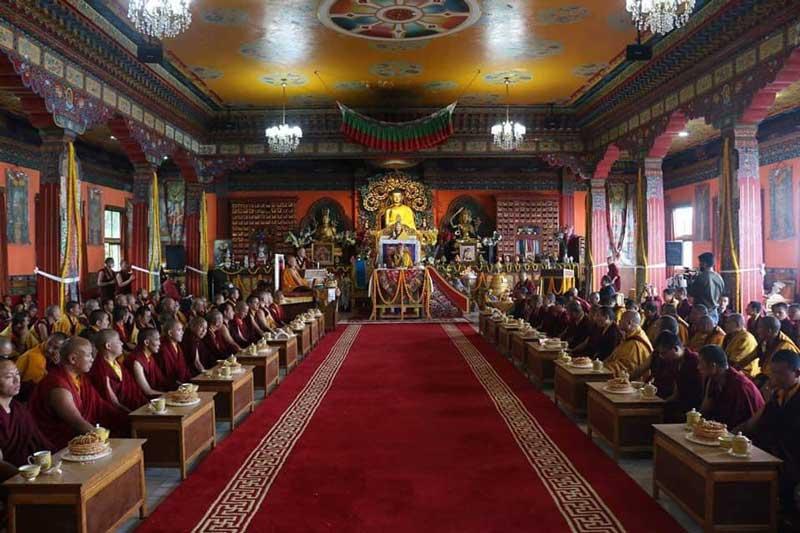
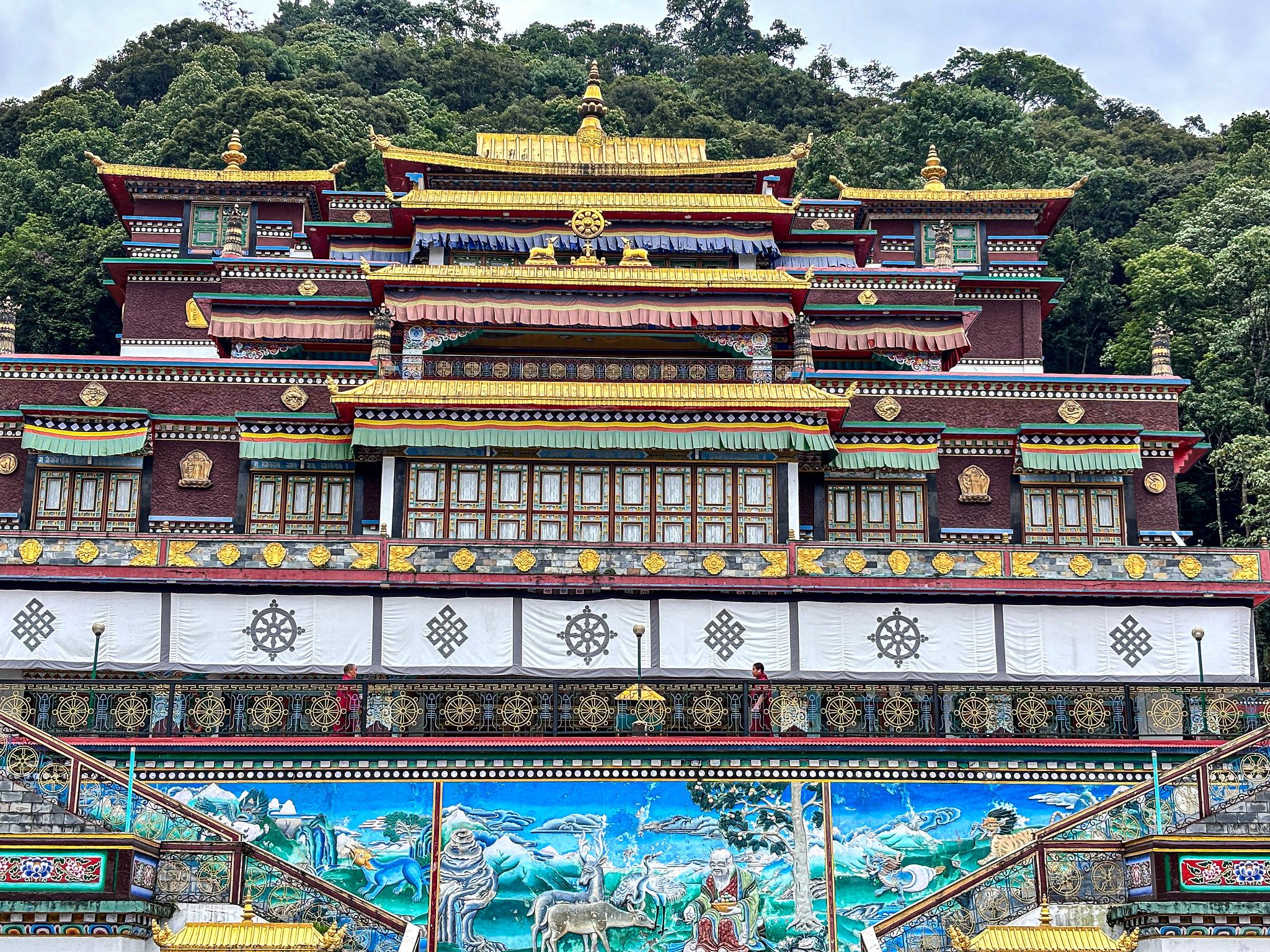
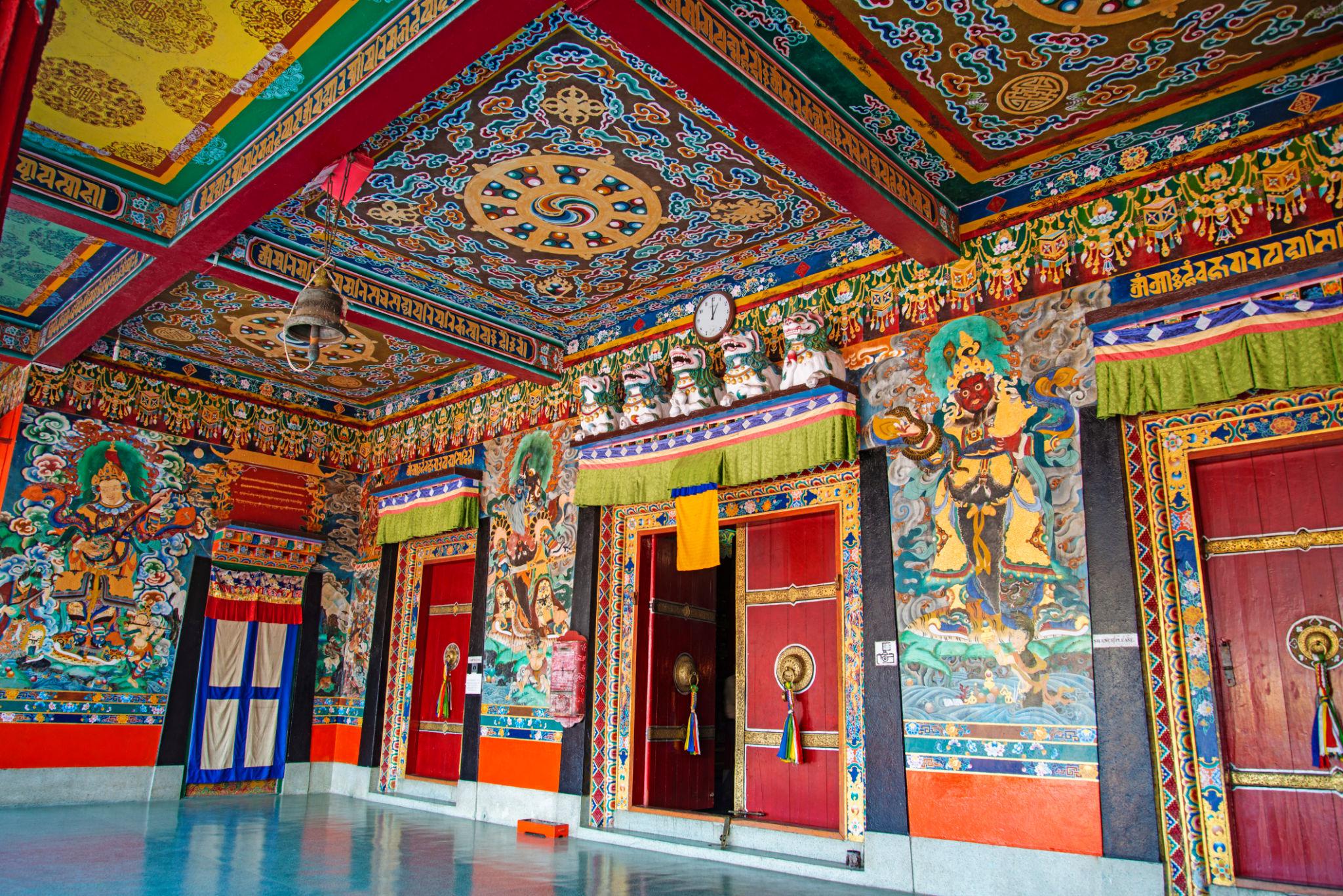
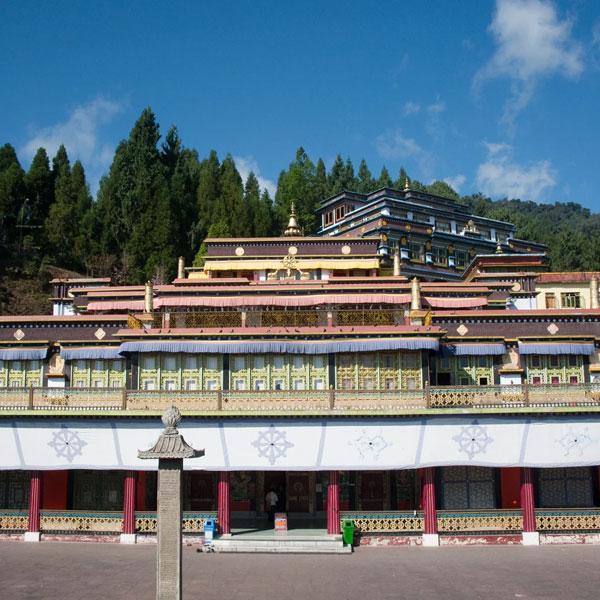
About 20 km from Gangtok, Rumtek Monastery is one of the best-known Tibetan Buddhist monasteries in Sikkim.
The building itself is worth the drive. The prayer halls, murals, golden details, and mountain setting make this a place where you’ll probably slow down without planning to.
Give yourself a couple of hours for the visit and drive.
Ganesh Tok
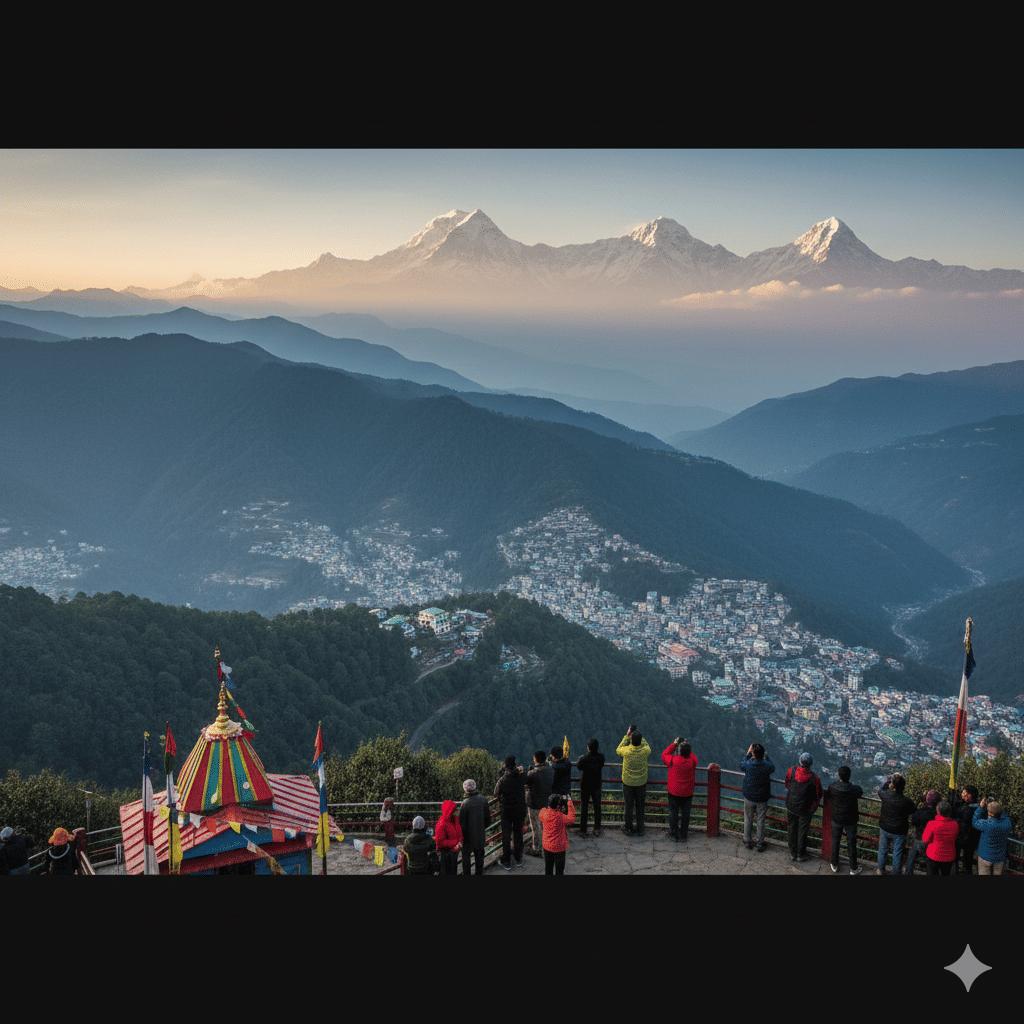
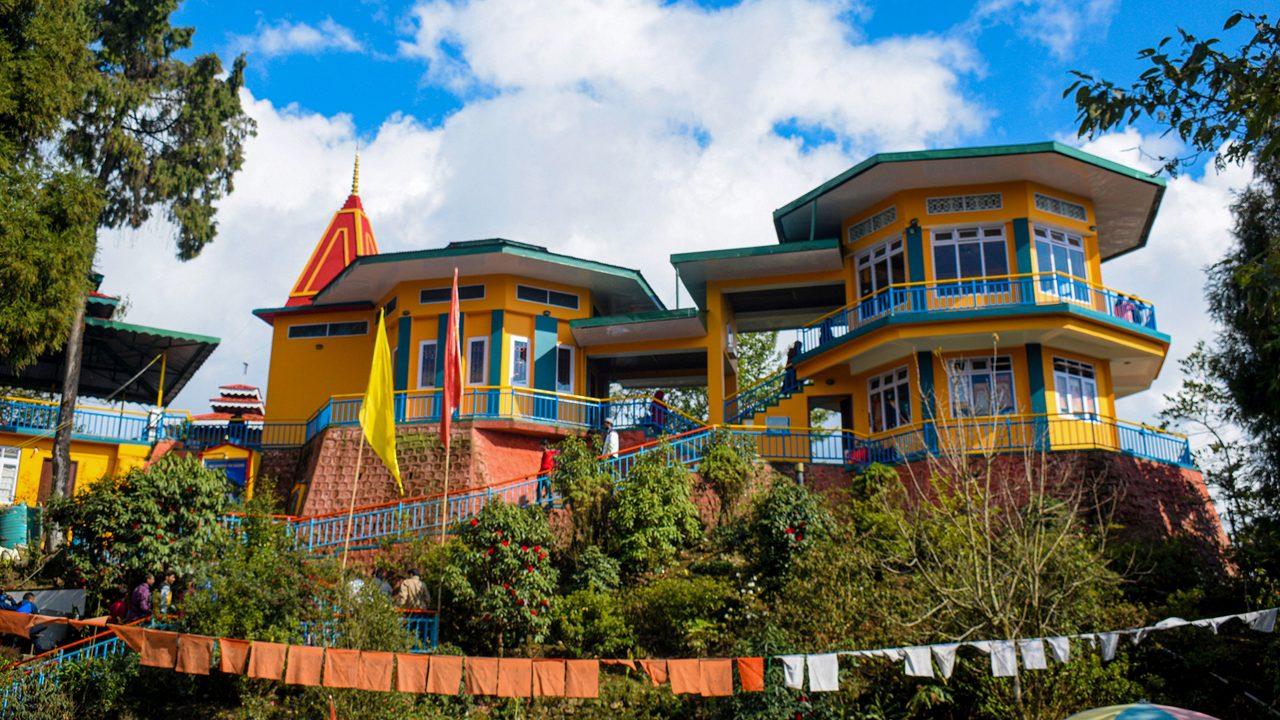
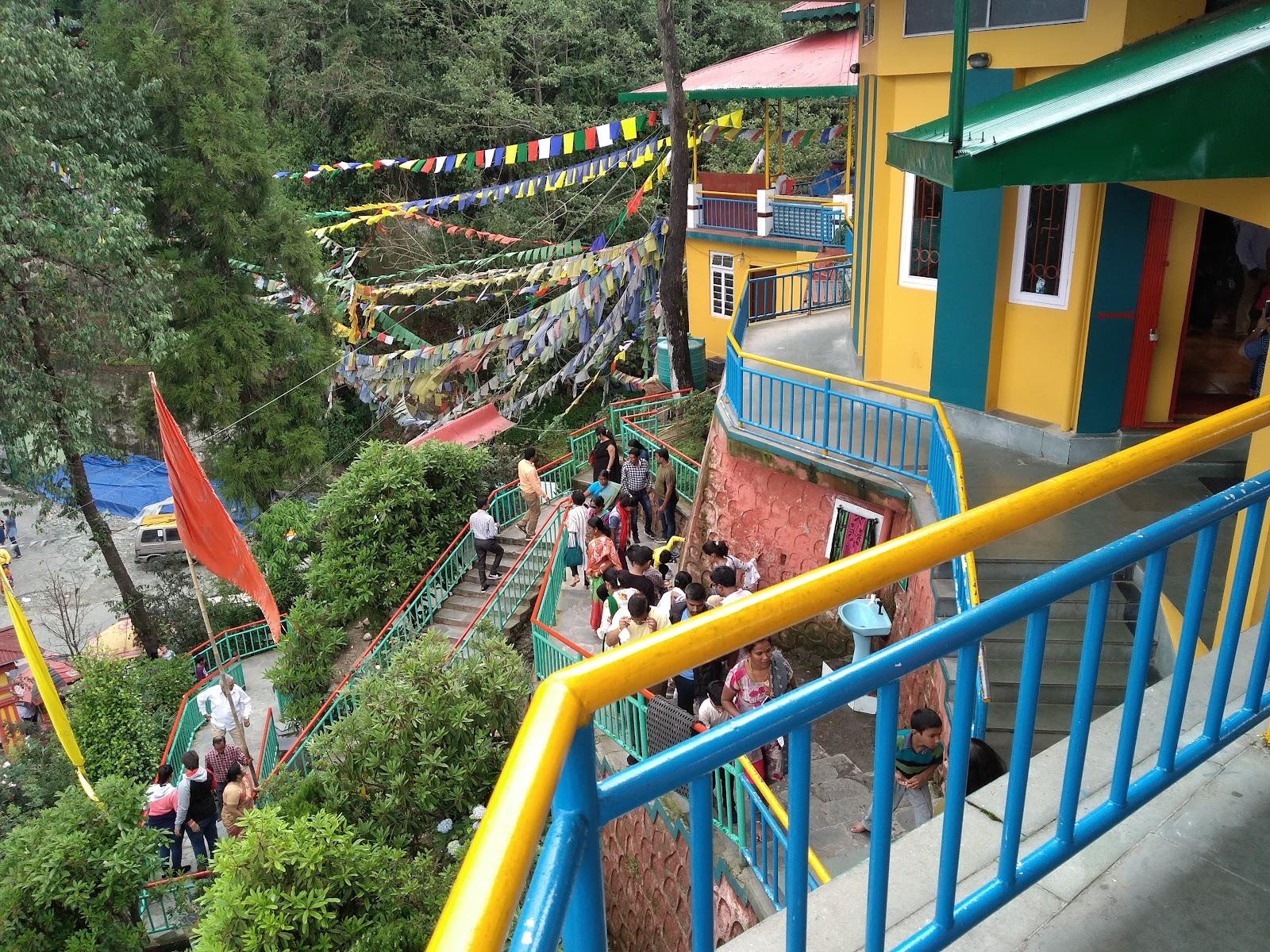
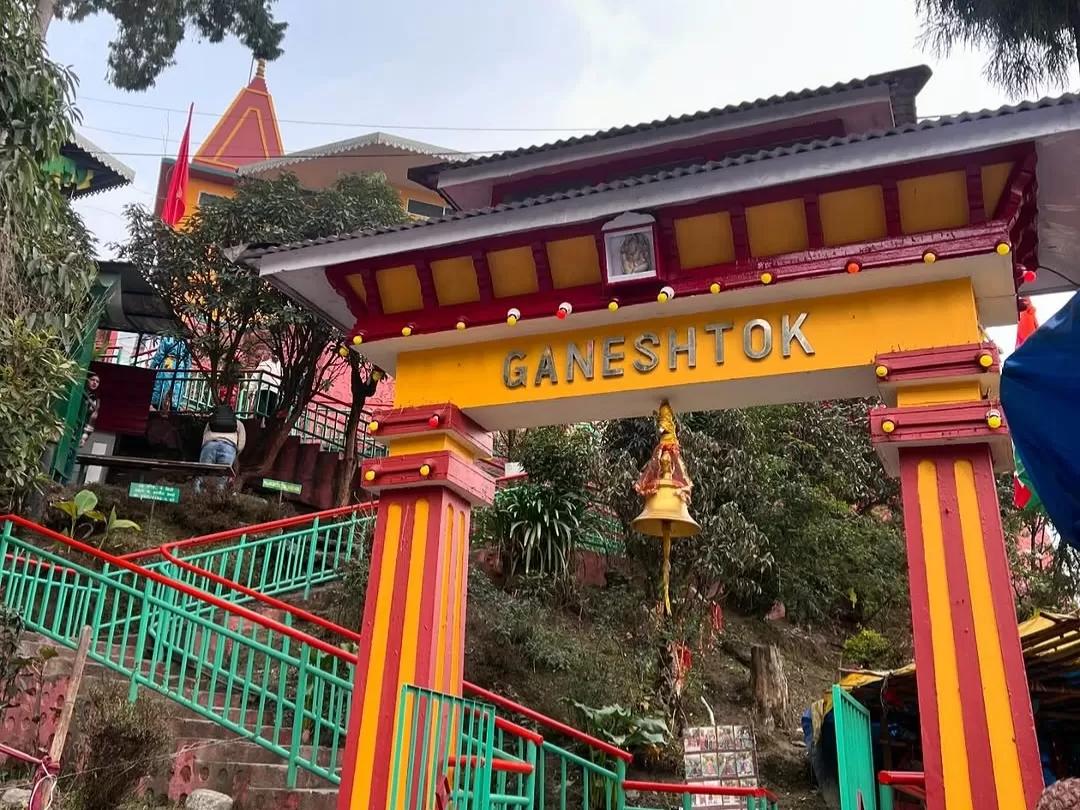
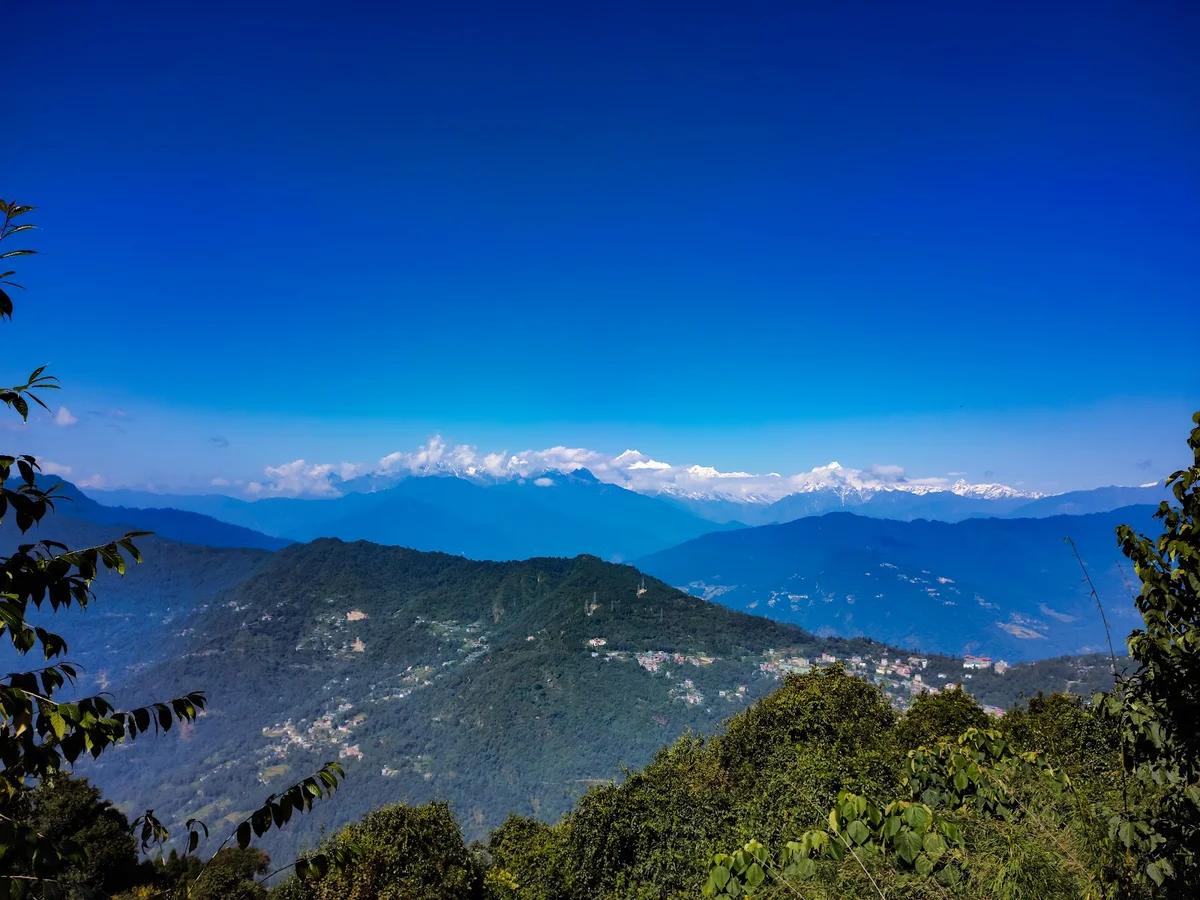
Ganesh Tok is a small hilltop temple and viewpoint above Gangtok.
The temple is tiny. The view is the reason you come.
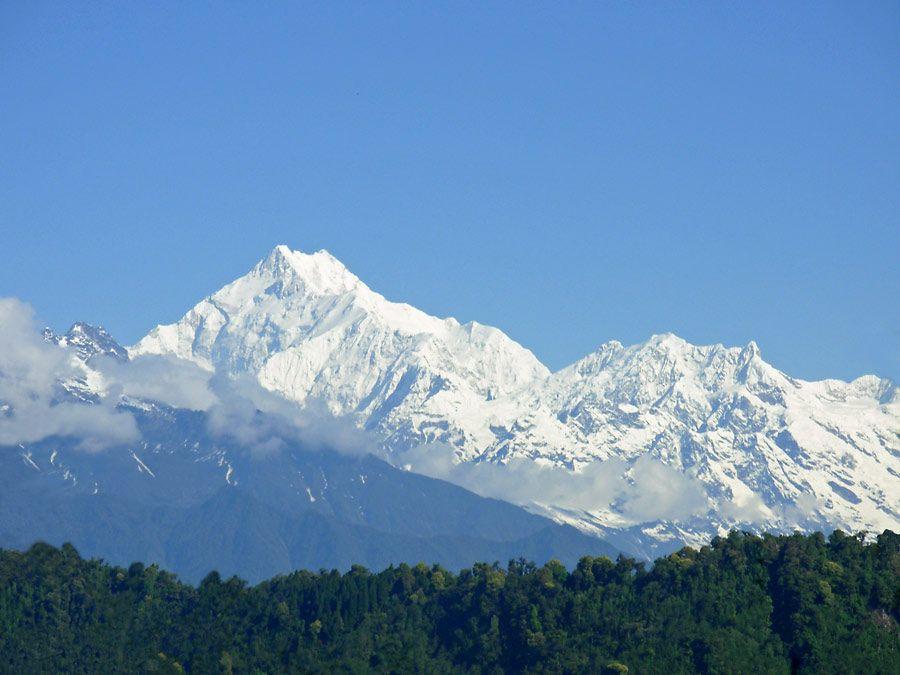
On a clear morning, you can get a wide view across the surrounding mountains, with Kanchenjunga appearing beyond the ridges.
Hanuman Tok
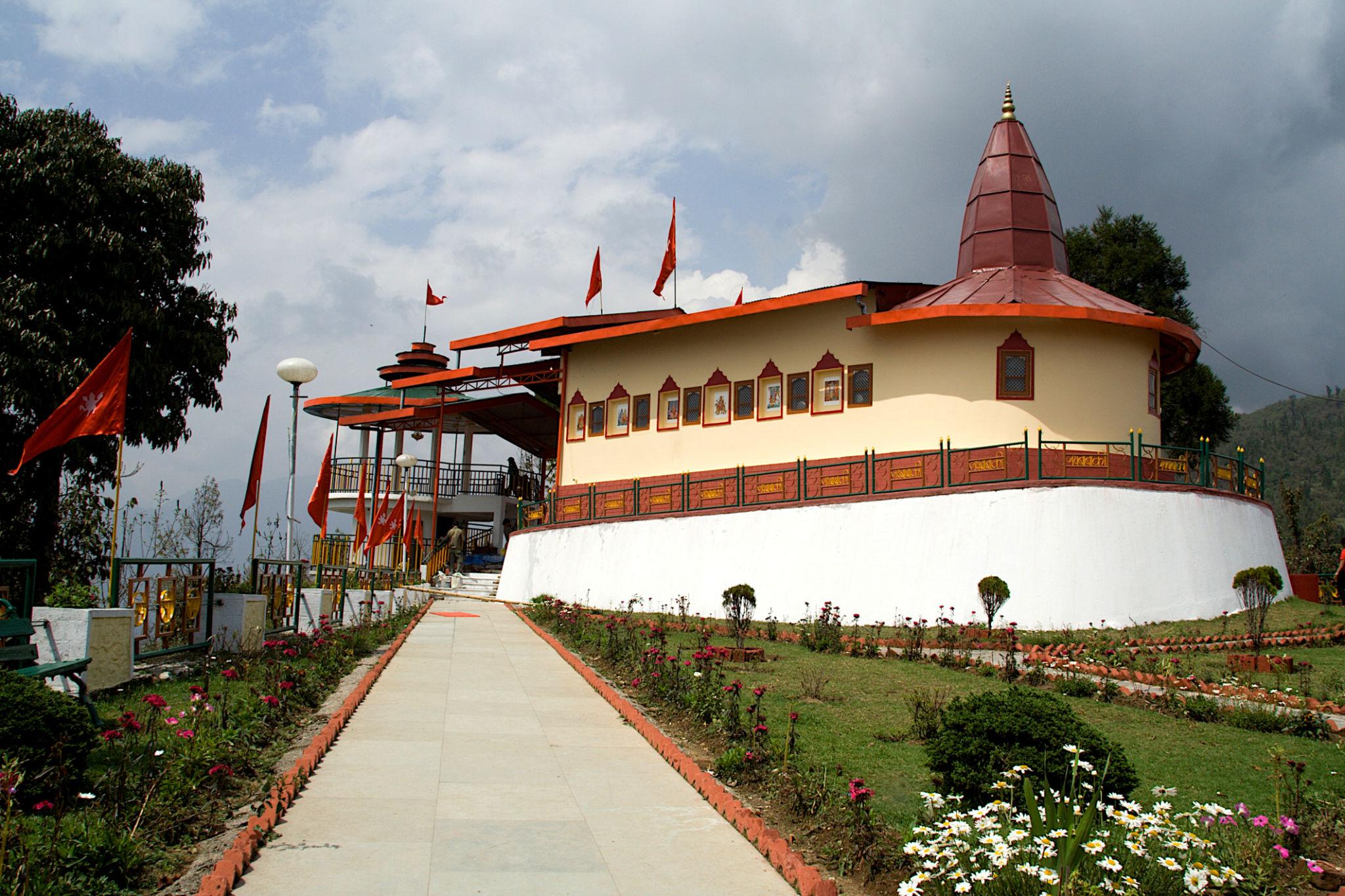
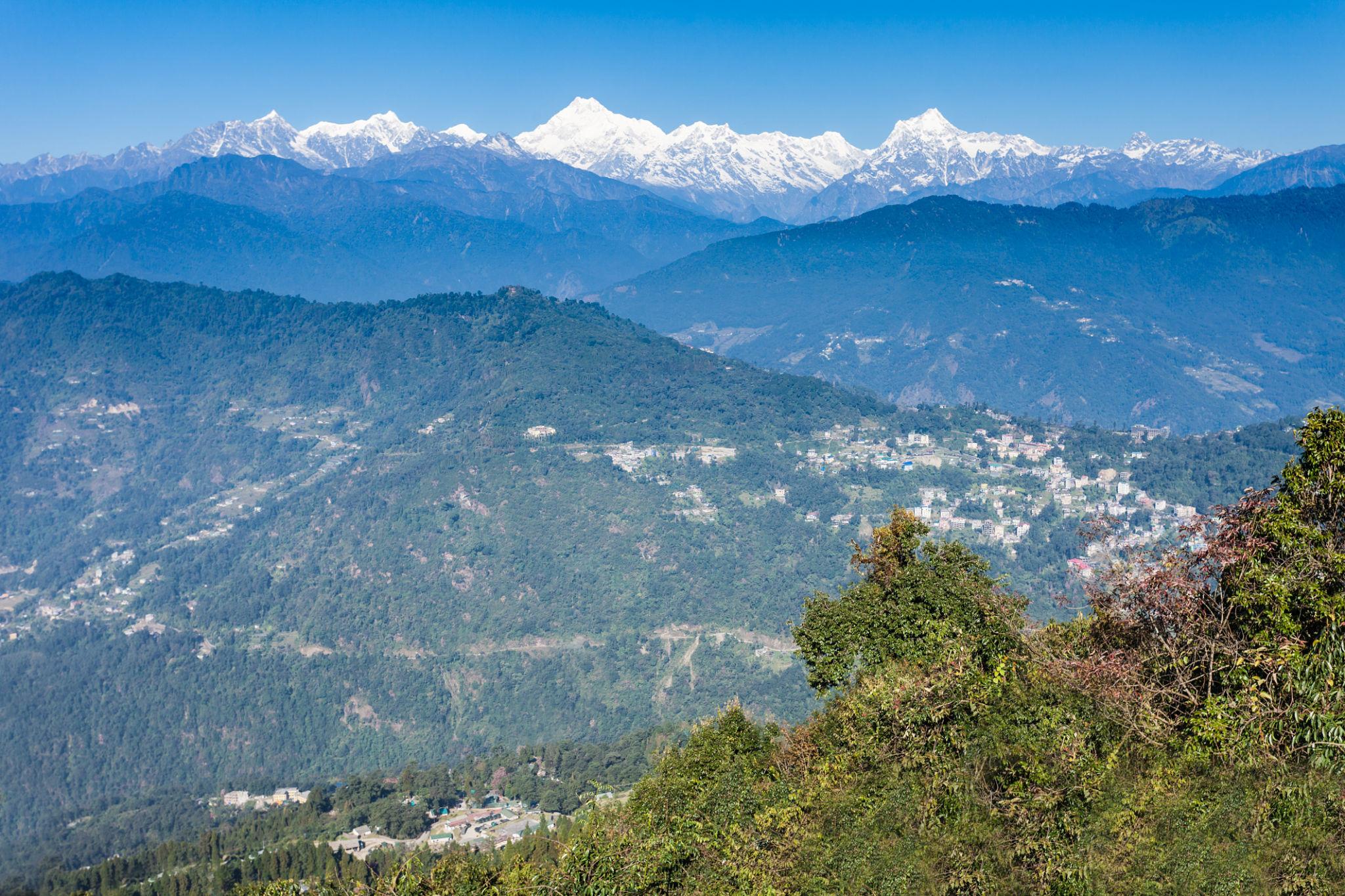
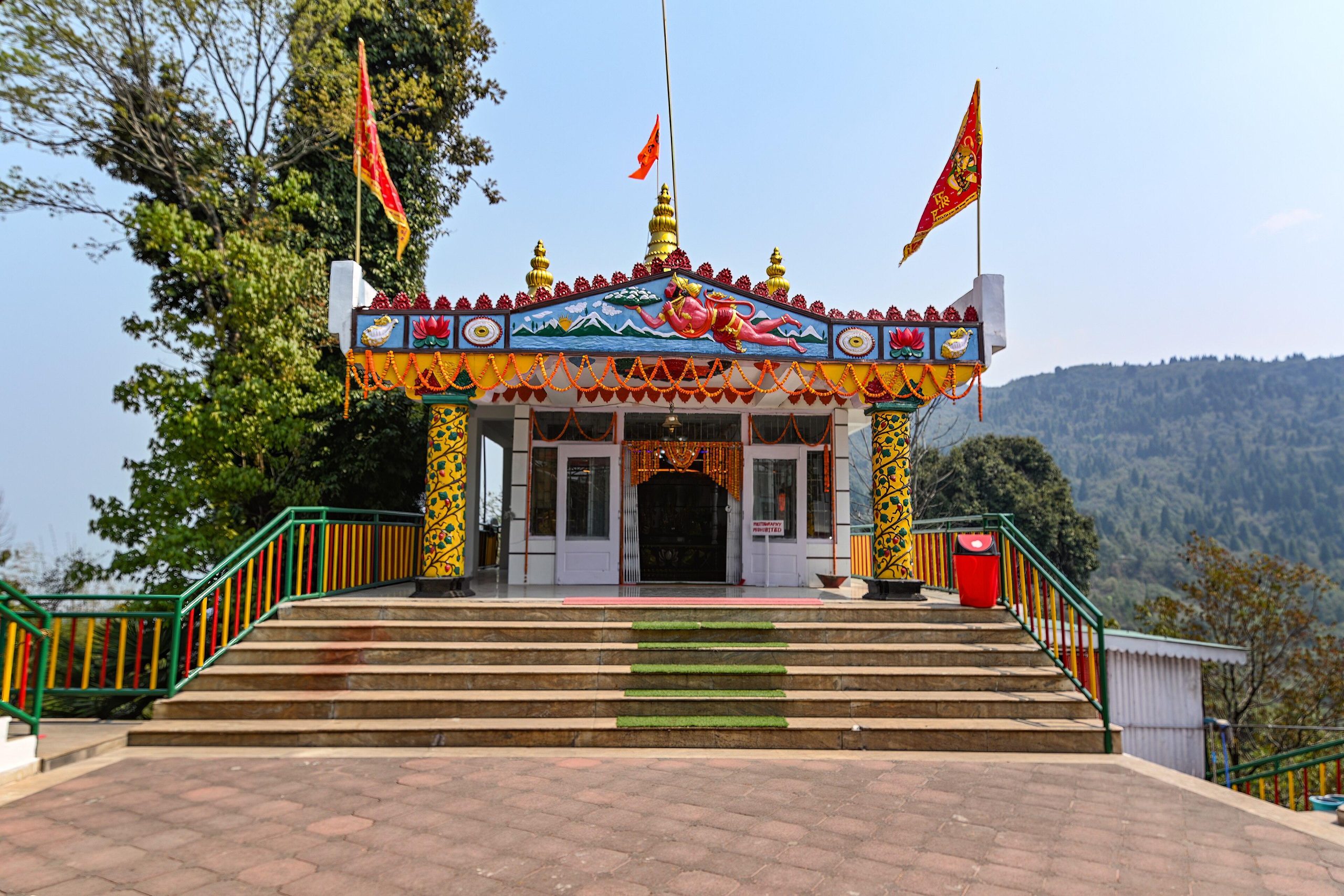
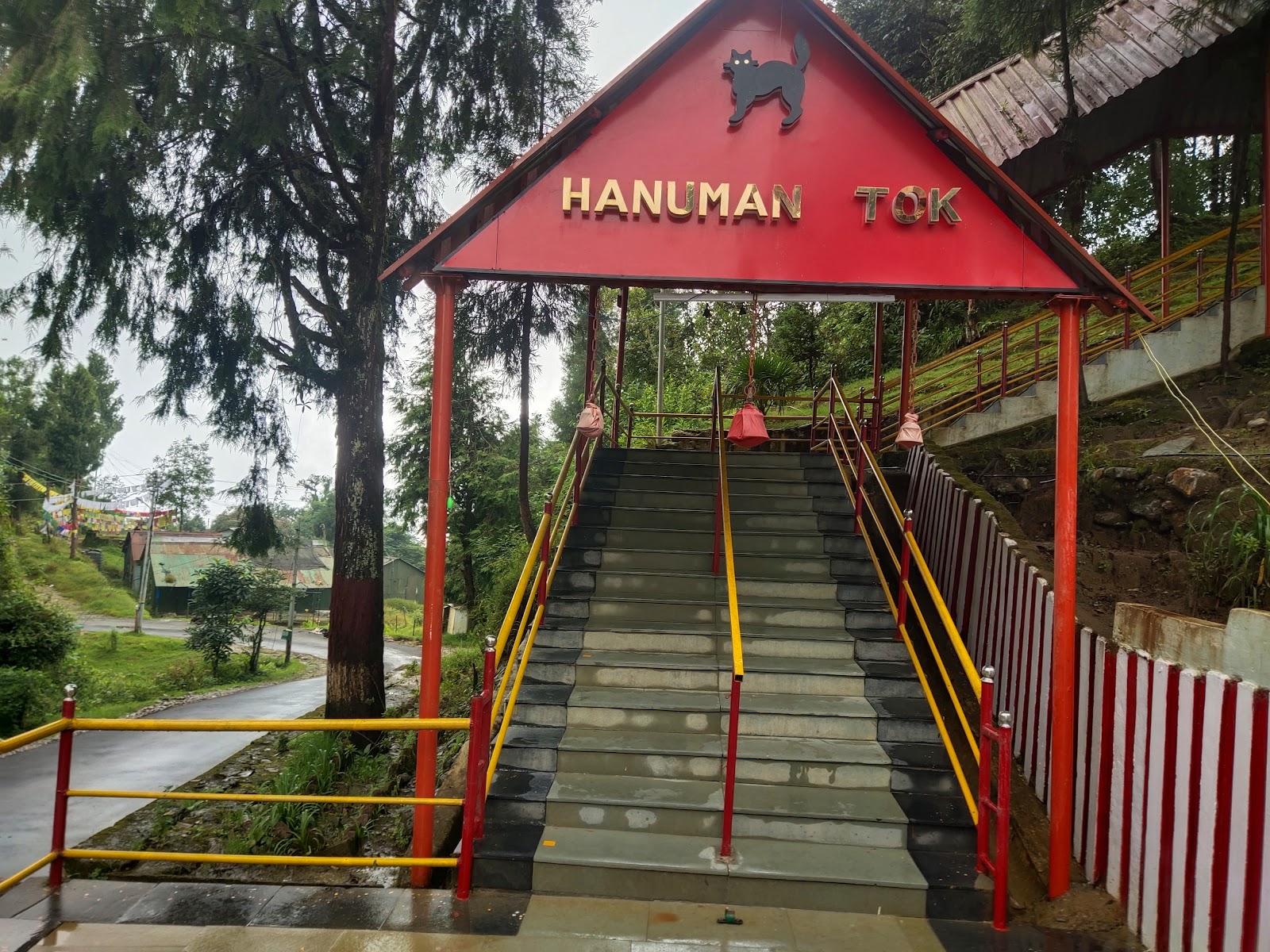
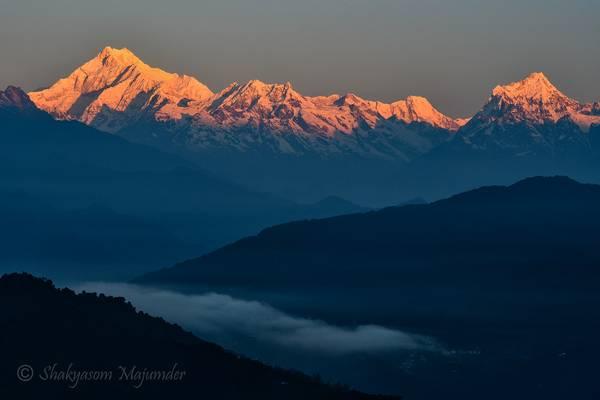
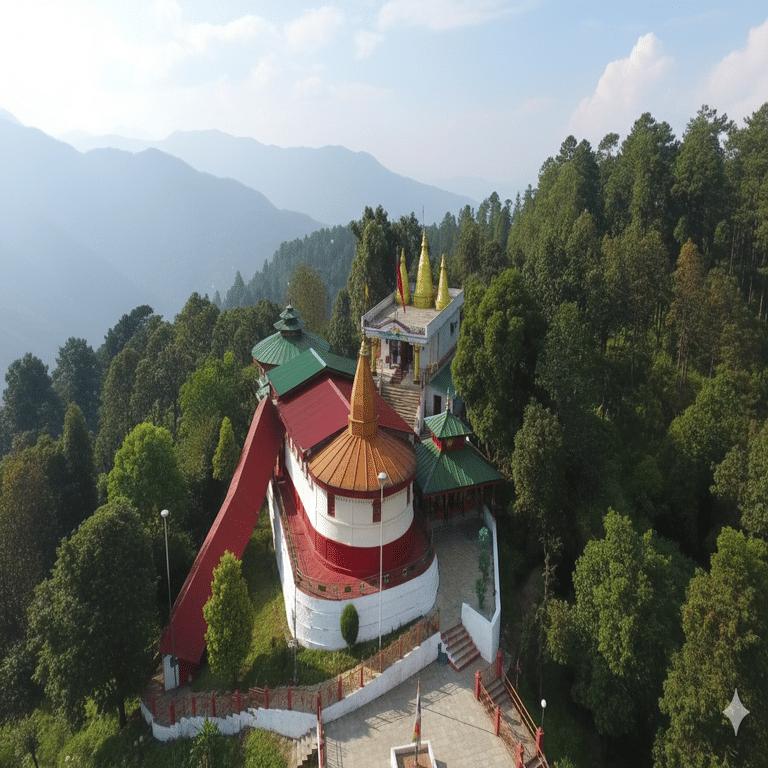
Hanuman Tok sits higher than much of Gangtok and gives you another excellent mountain viewpoint.
Go early when the weather is clear. Clouds can move in quickly around the hills, so a beautiful morning can turn into a wall of mist by afternoon.
Enchey Monastery
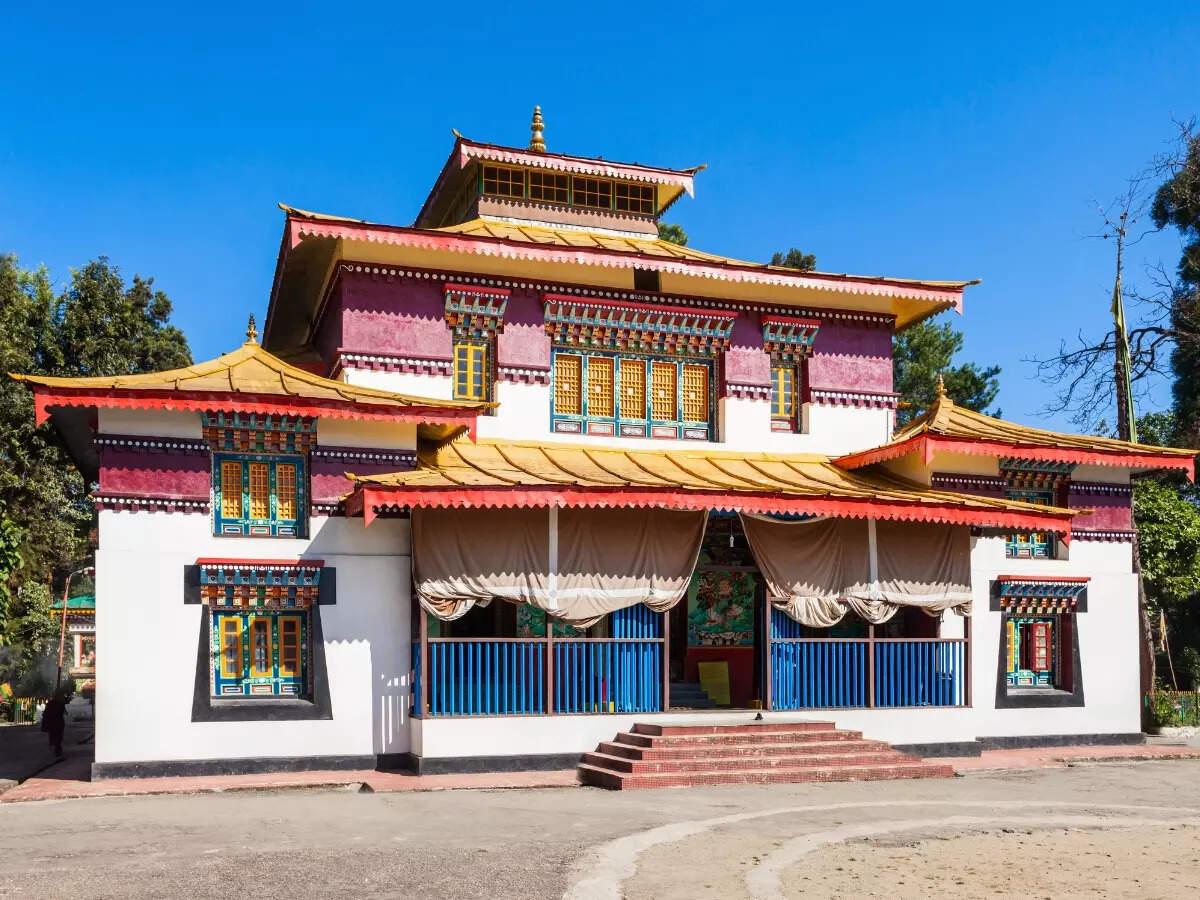
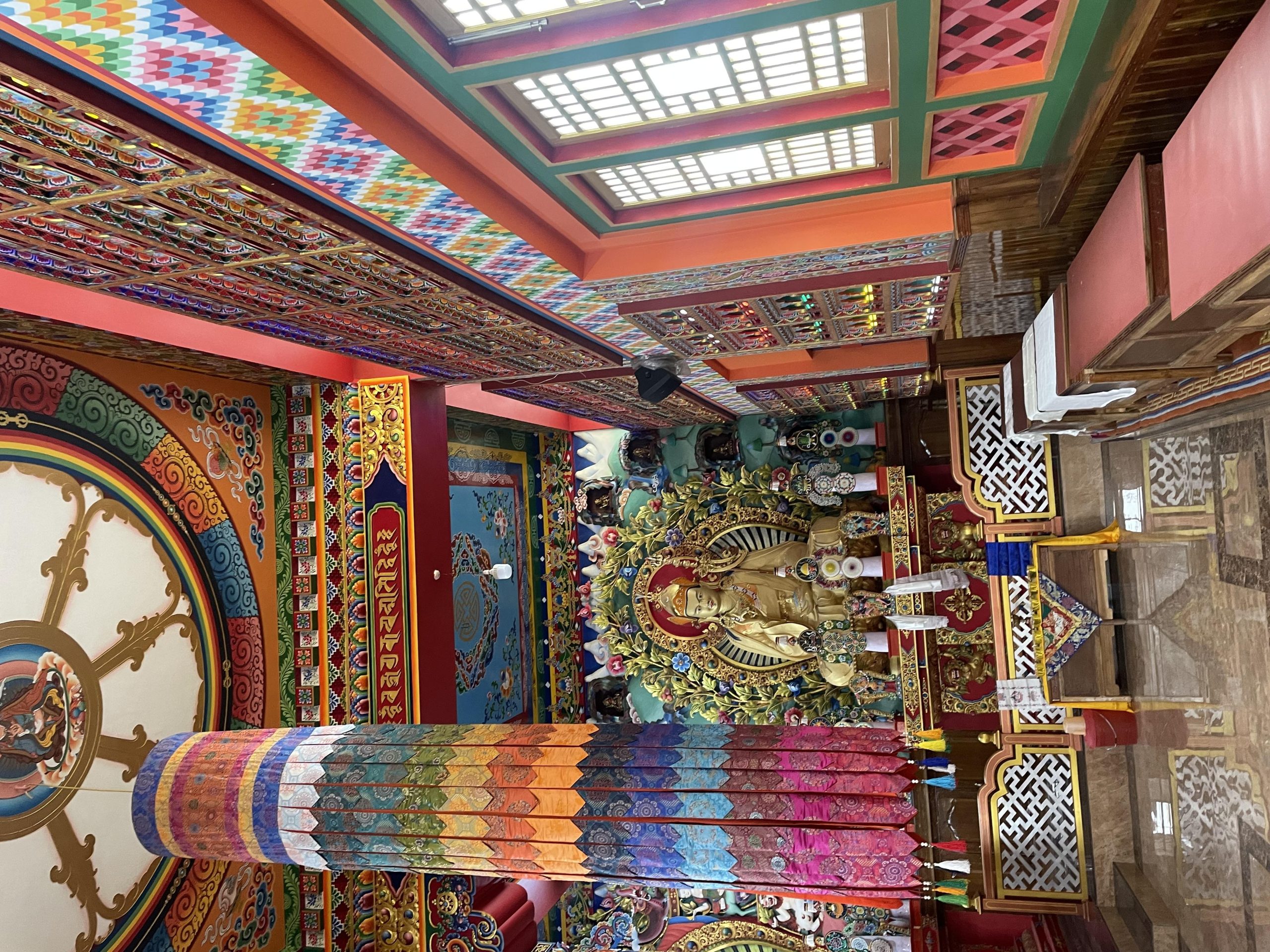
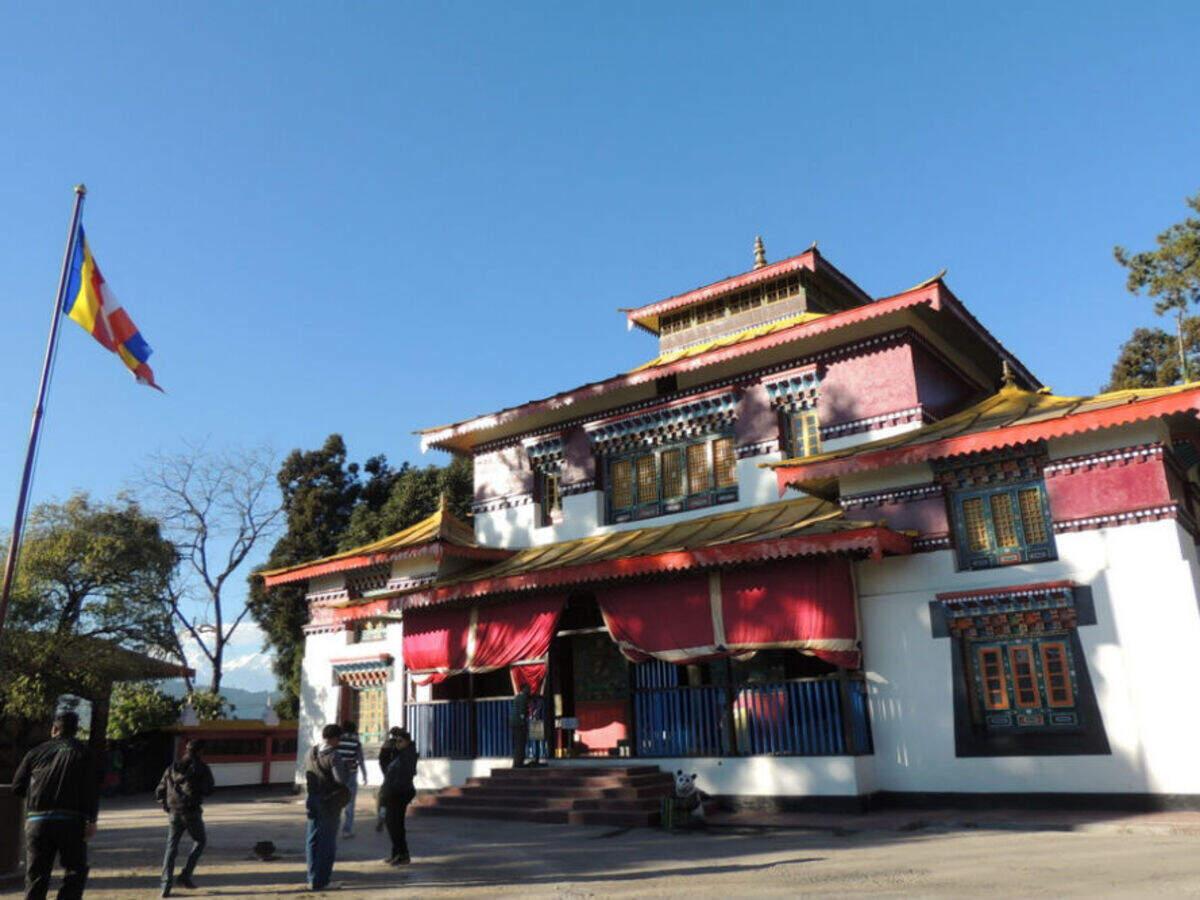
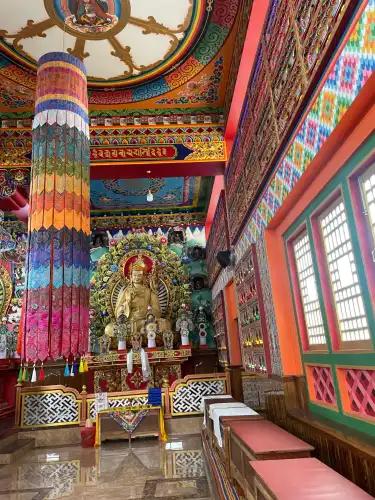
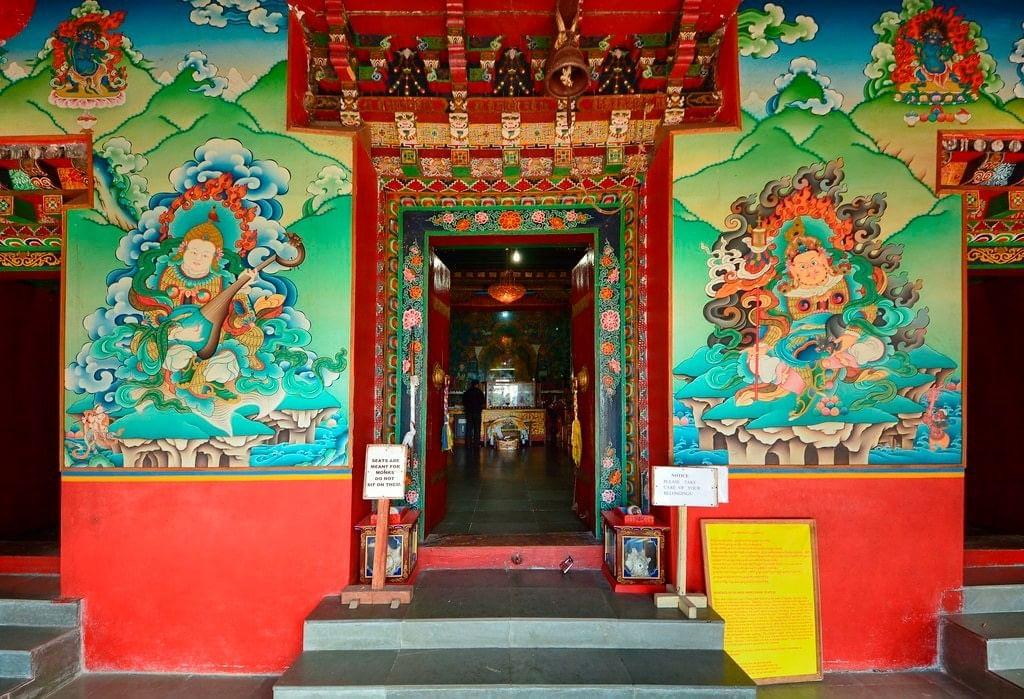
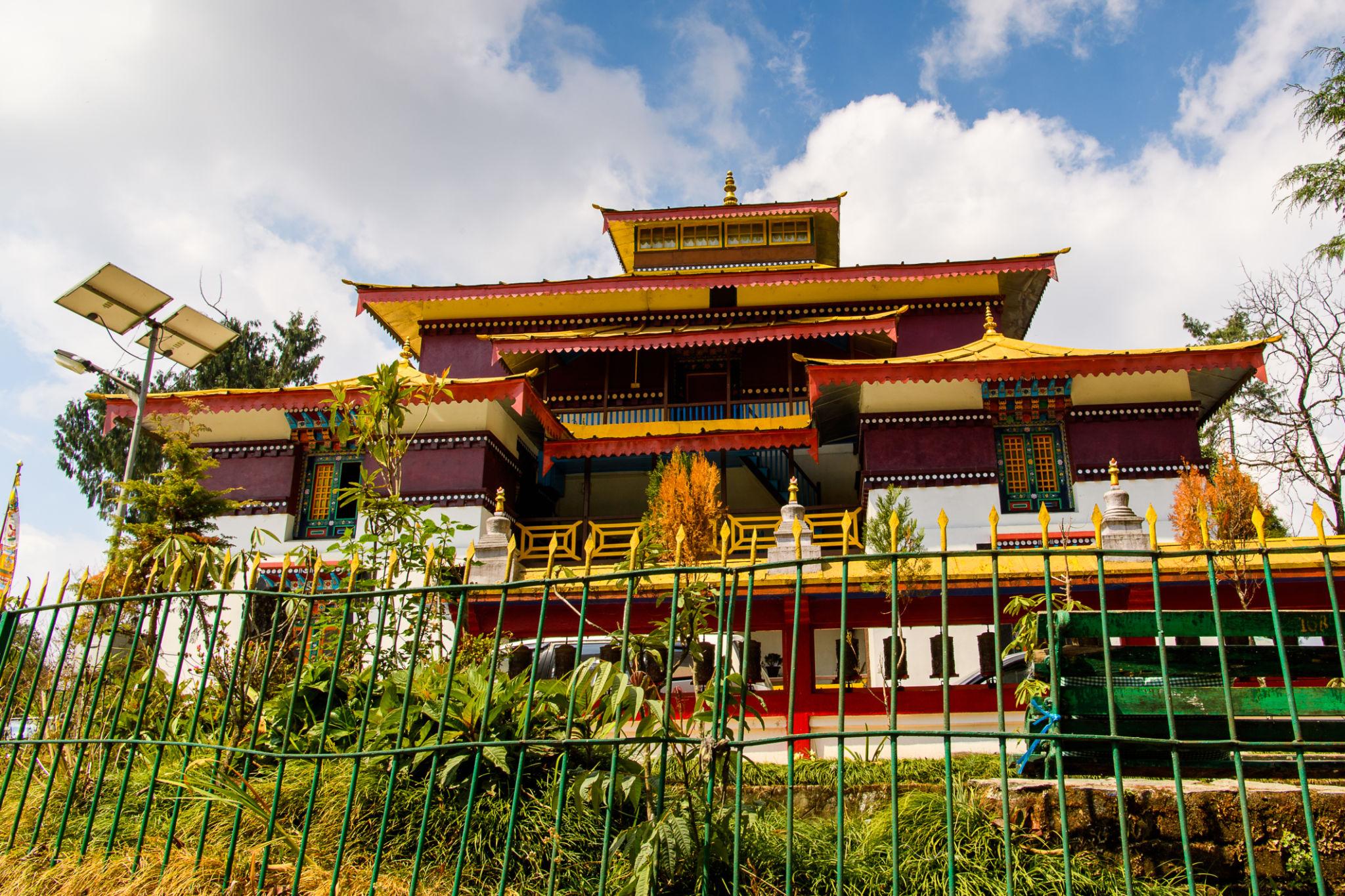
Enchey Monastery is close to central Gangtok, so it’s easy to fit into a city sightseeing day.
It’s quieter than MG Marg and gives you a completely different feel from the busy parts of town. Walk around the monastery grounds, take in the architecture, and give yourself a little time to sit quietly.
Namgyal Institute of Tibetology
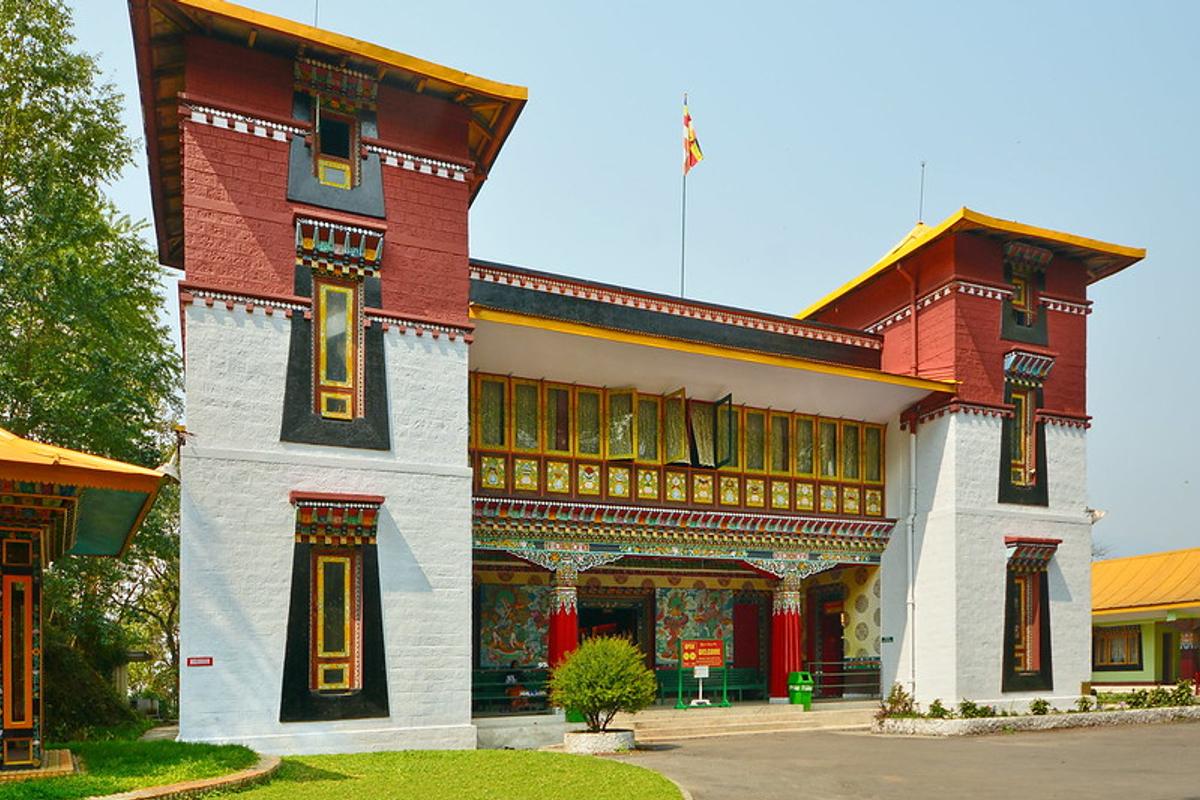
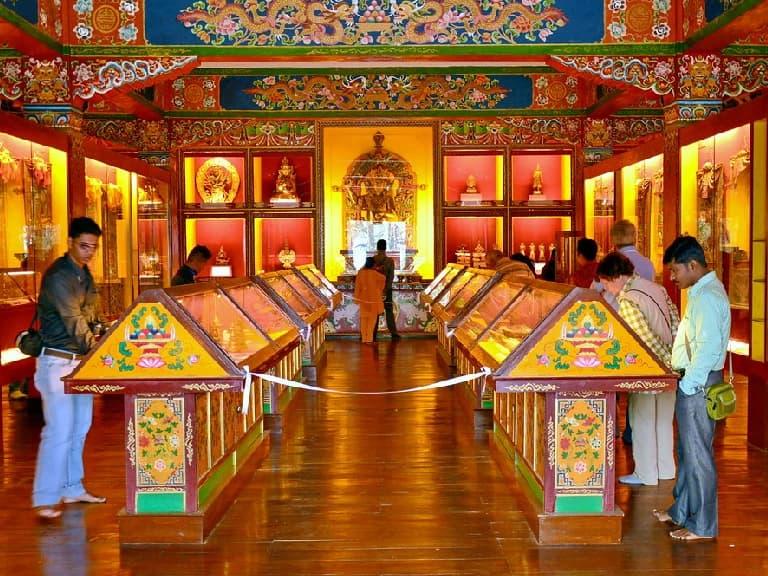
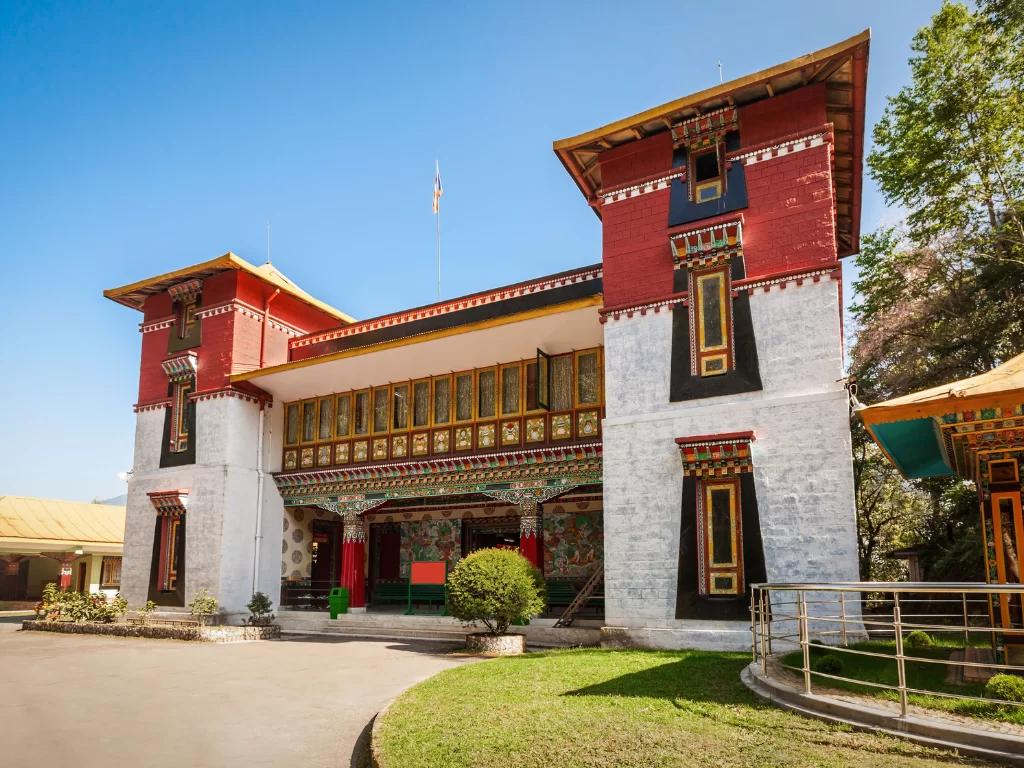
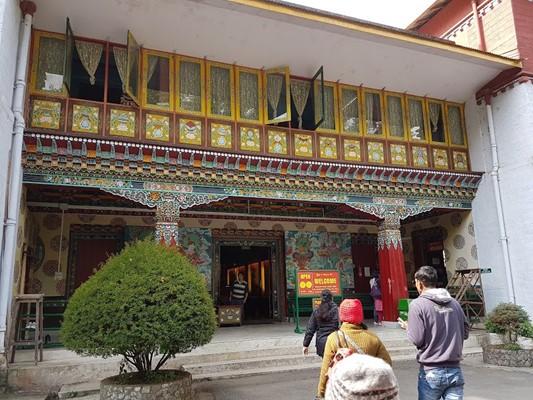
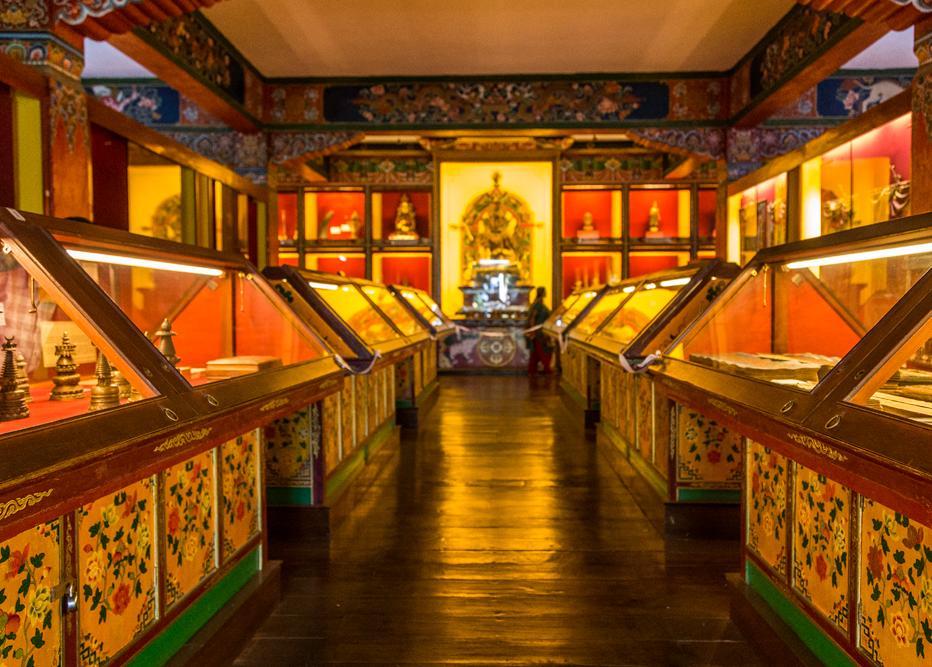
If you’re interested in Tibetan Buddhist history, this is one of the better places to spend an hour in Gangtok.
The institute has a museum and library collection connected with Tibetan Buddhism and Himalayan culture.
It’s also an easy stop if you’re already visiting nearby attractions.
Do Drul Chorten
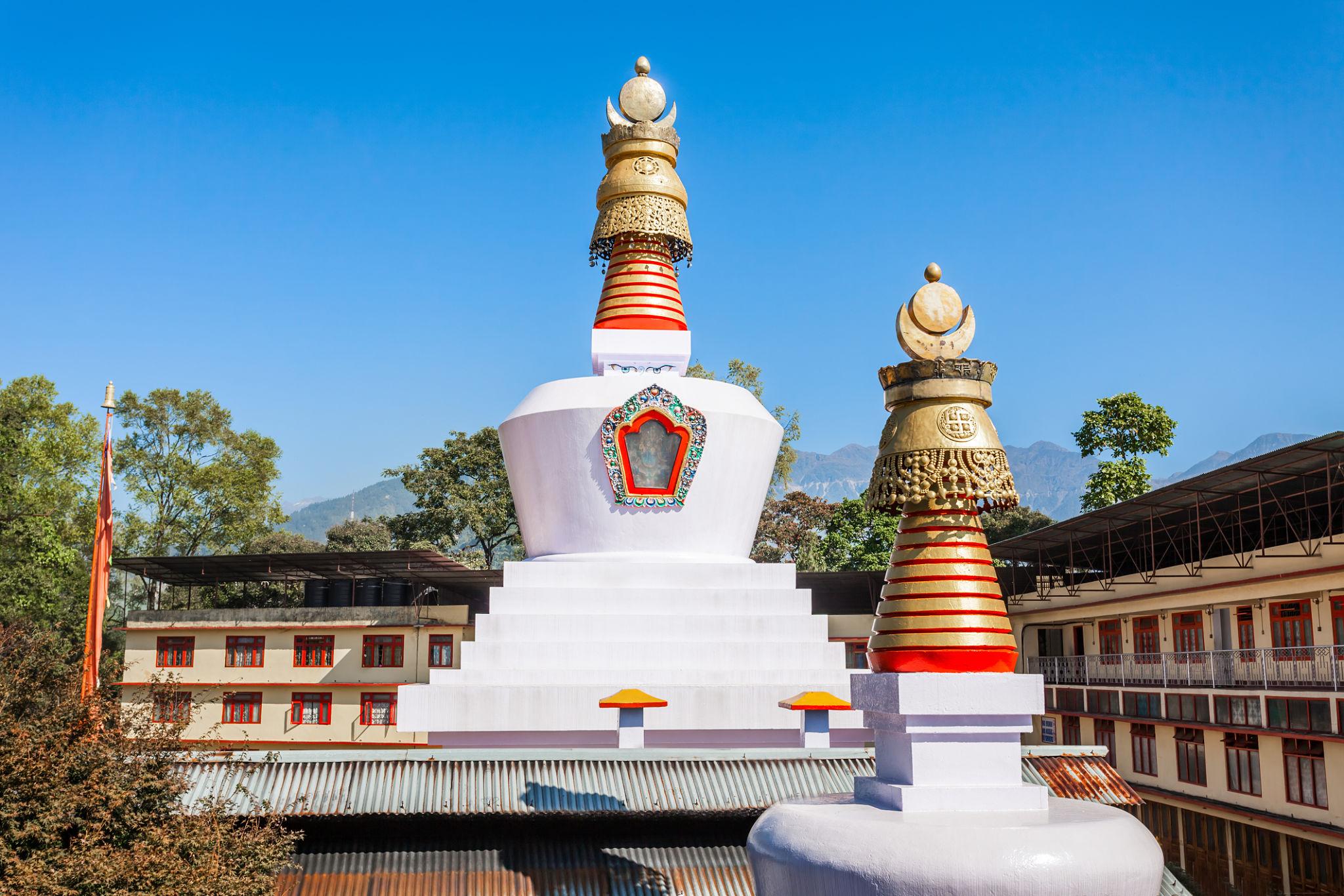
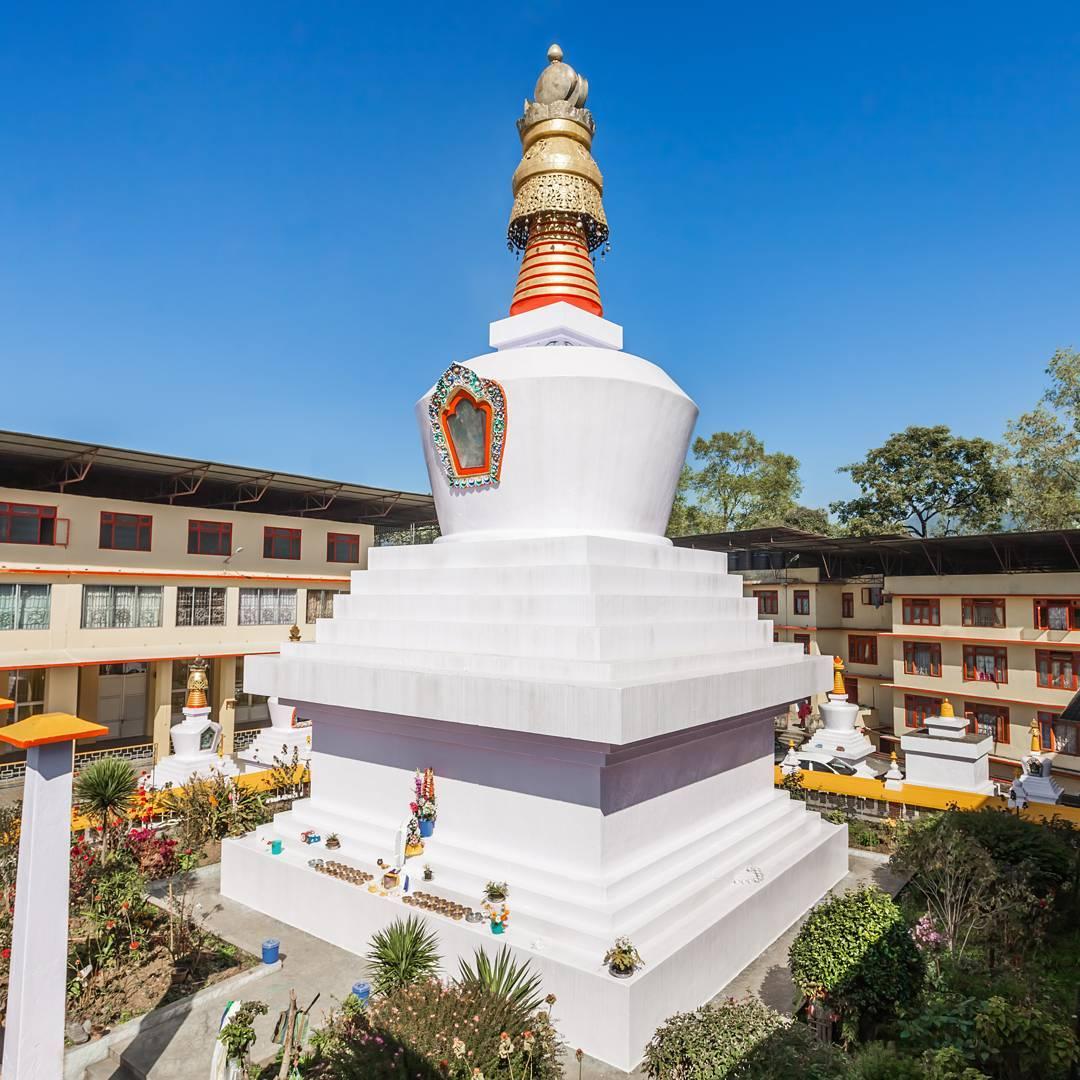
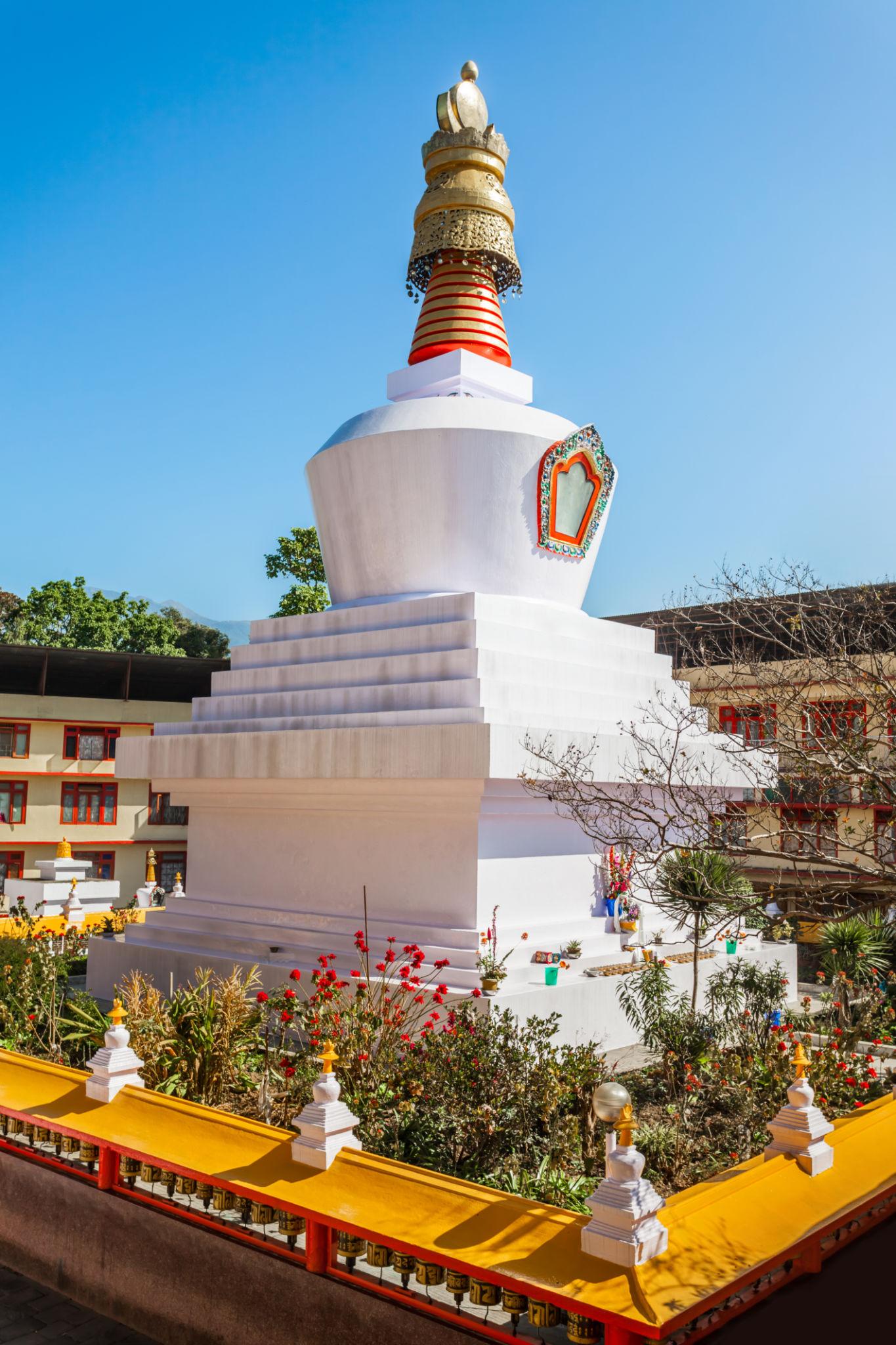
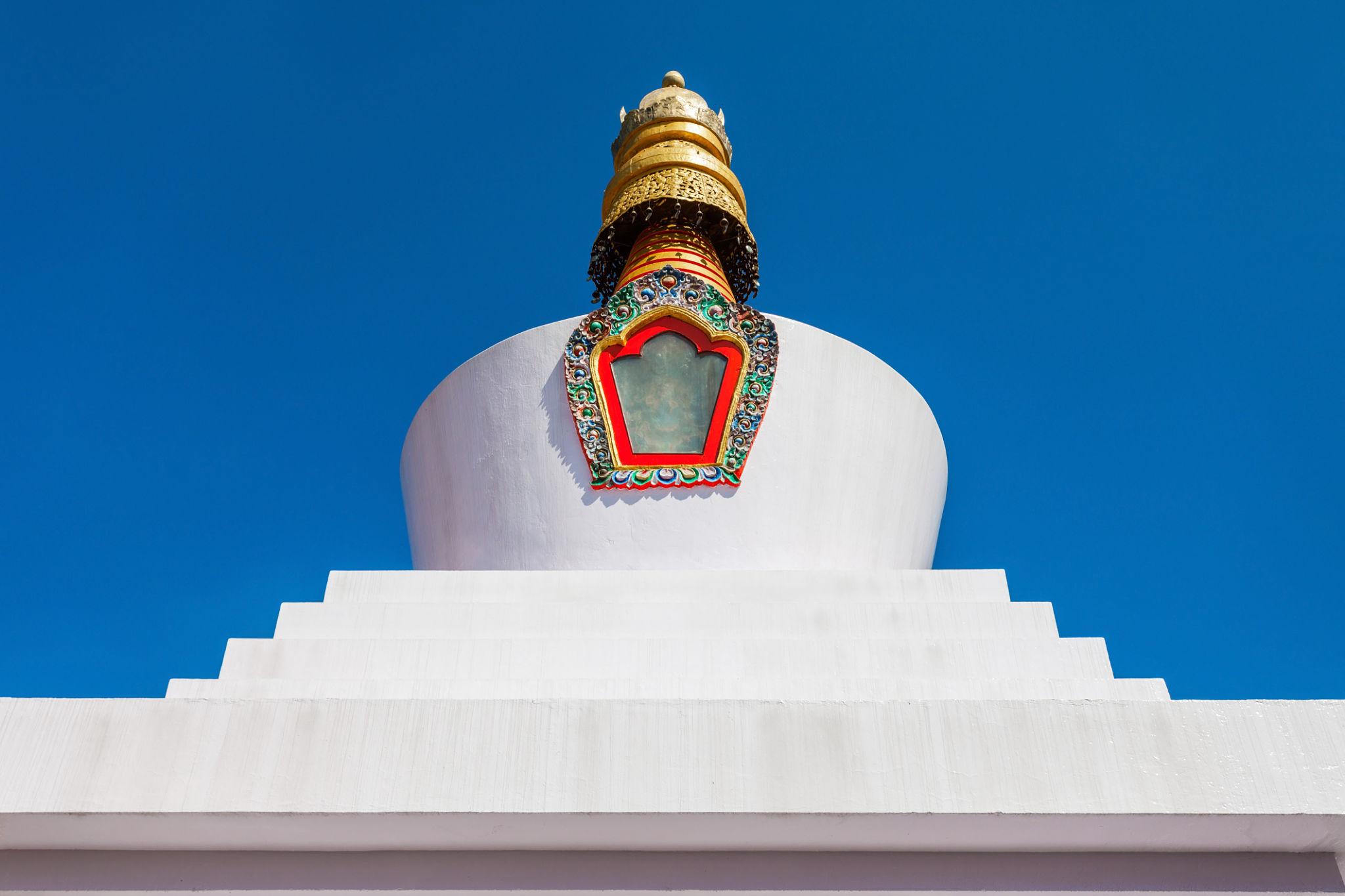
Do Drul Chorten is a large Buddhist stupa near the Namgyal Institute of Tibetology.
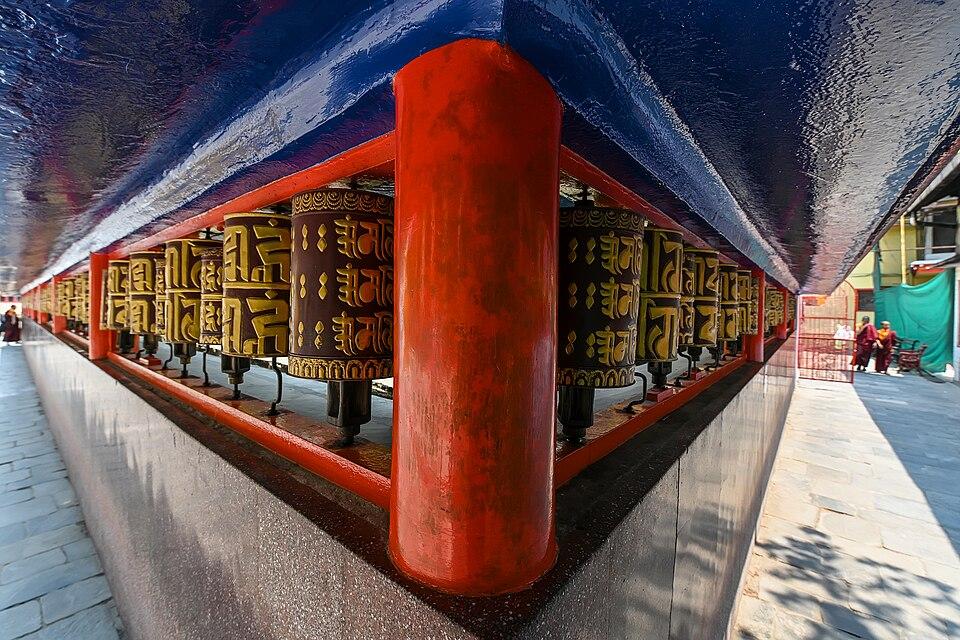
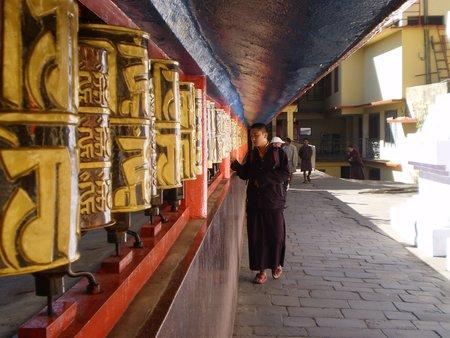
Walk around the stupa and spin the prayer wheels as you go. It’s a short visit, so you can easily combine it with the institute.
Banjhakri Falls
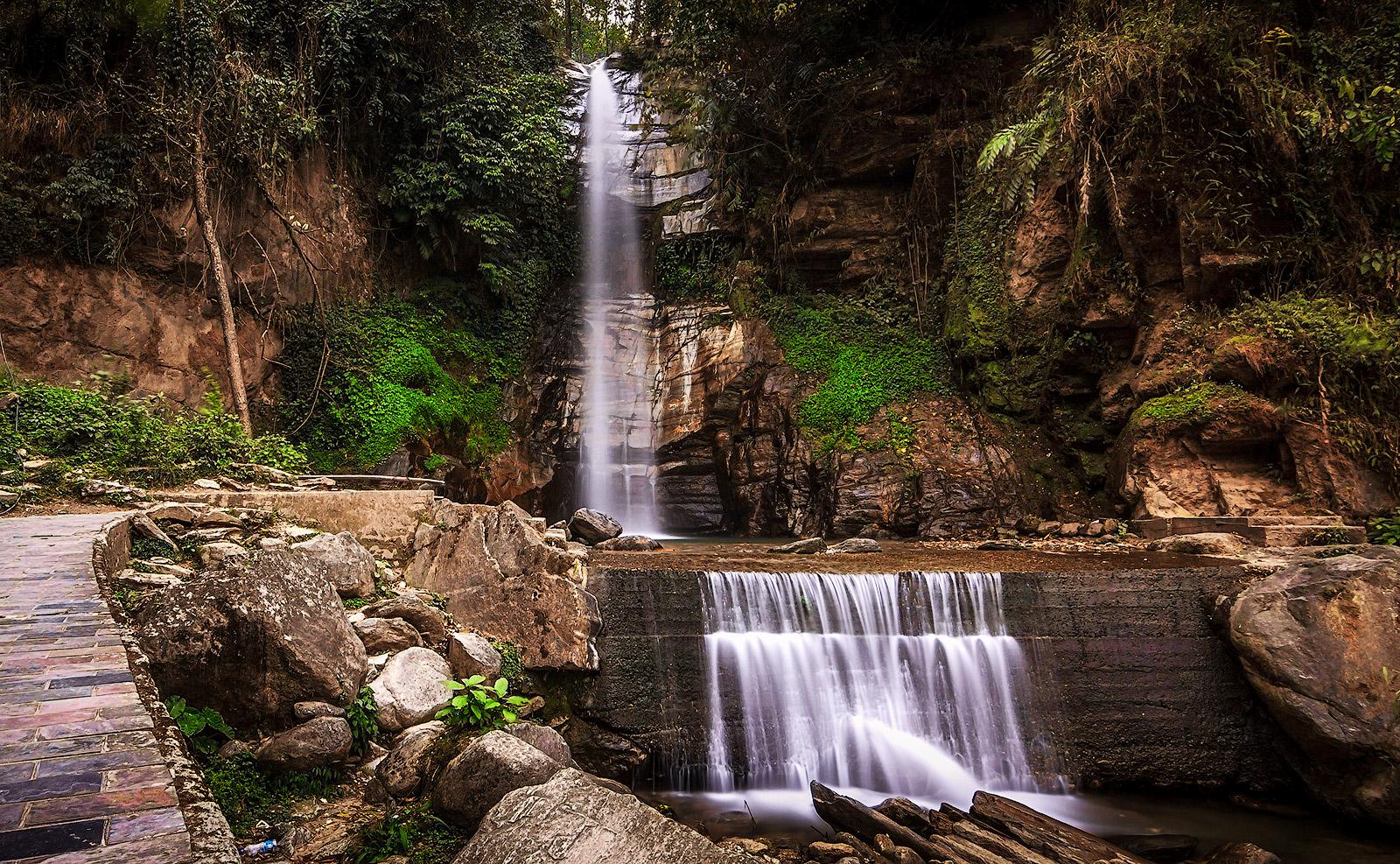
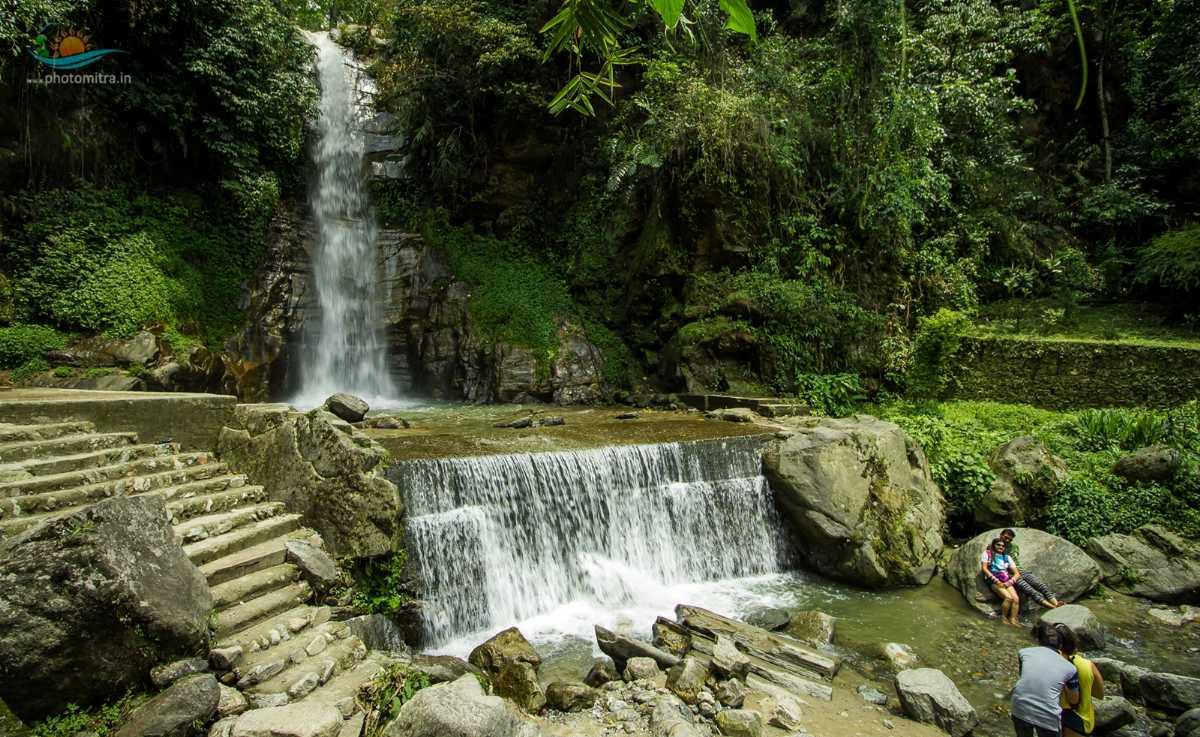
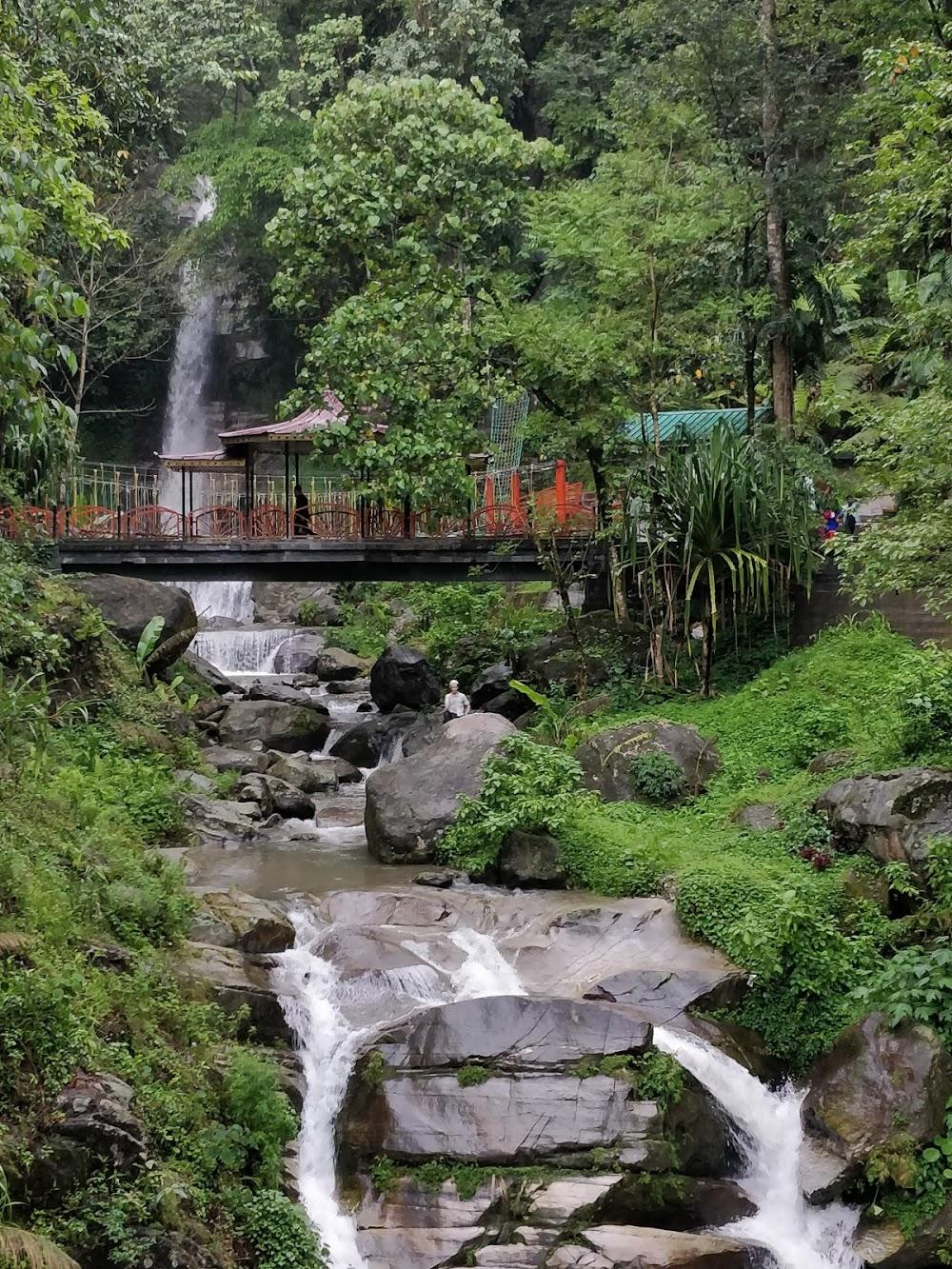
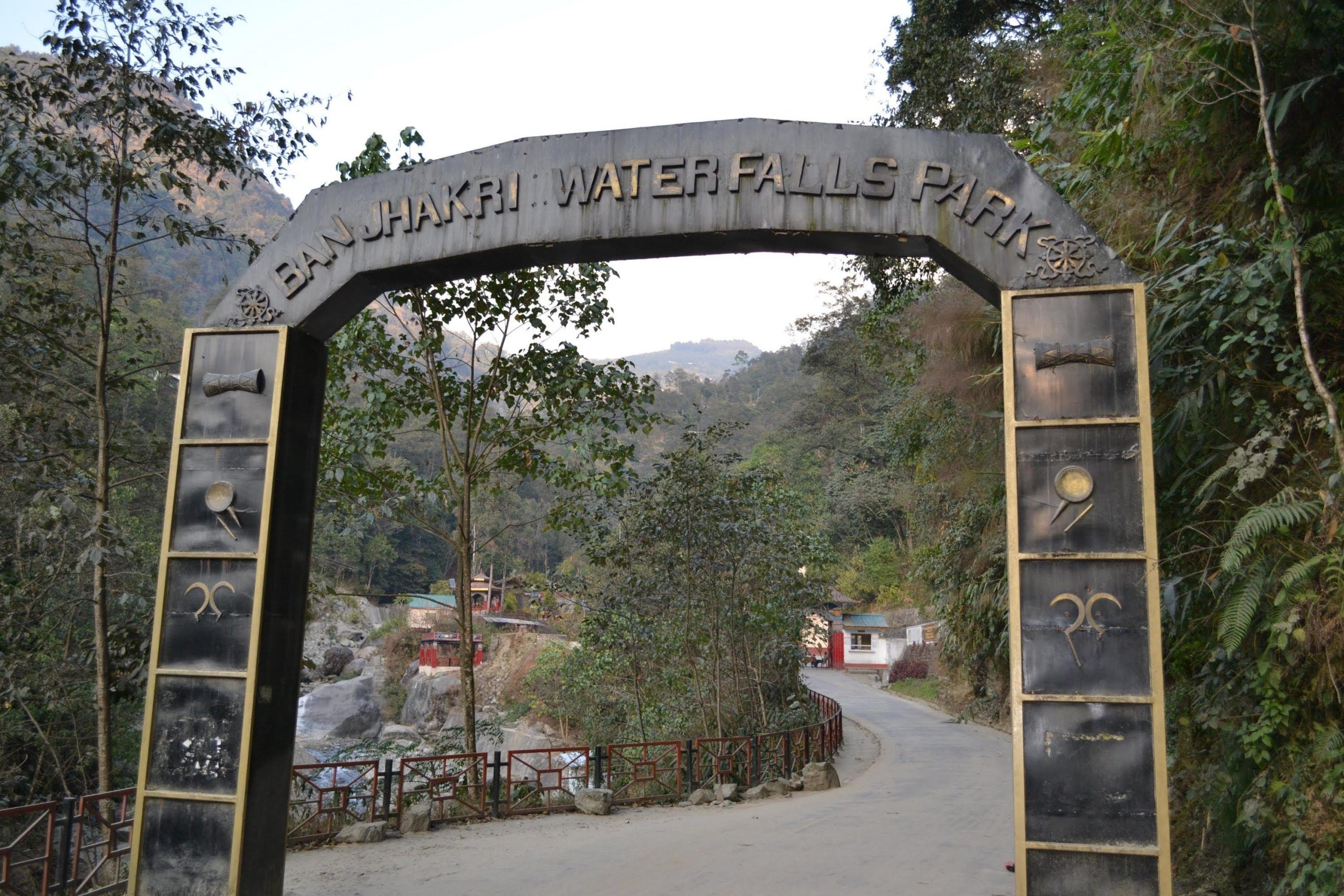
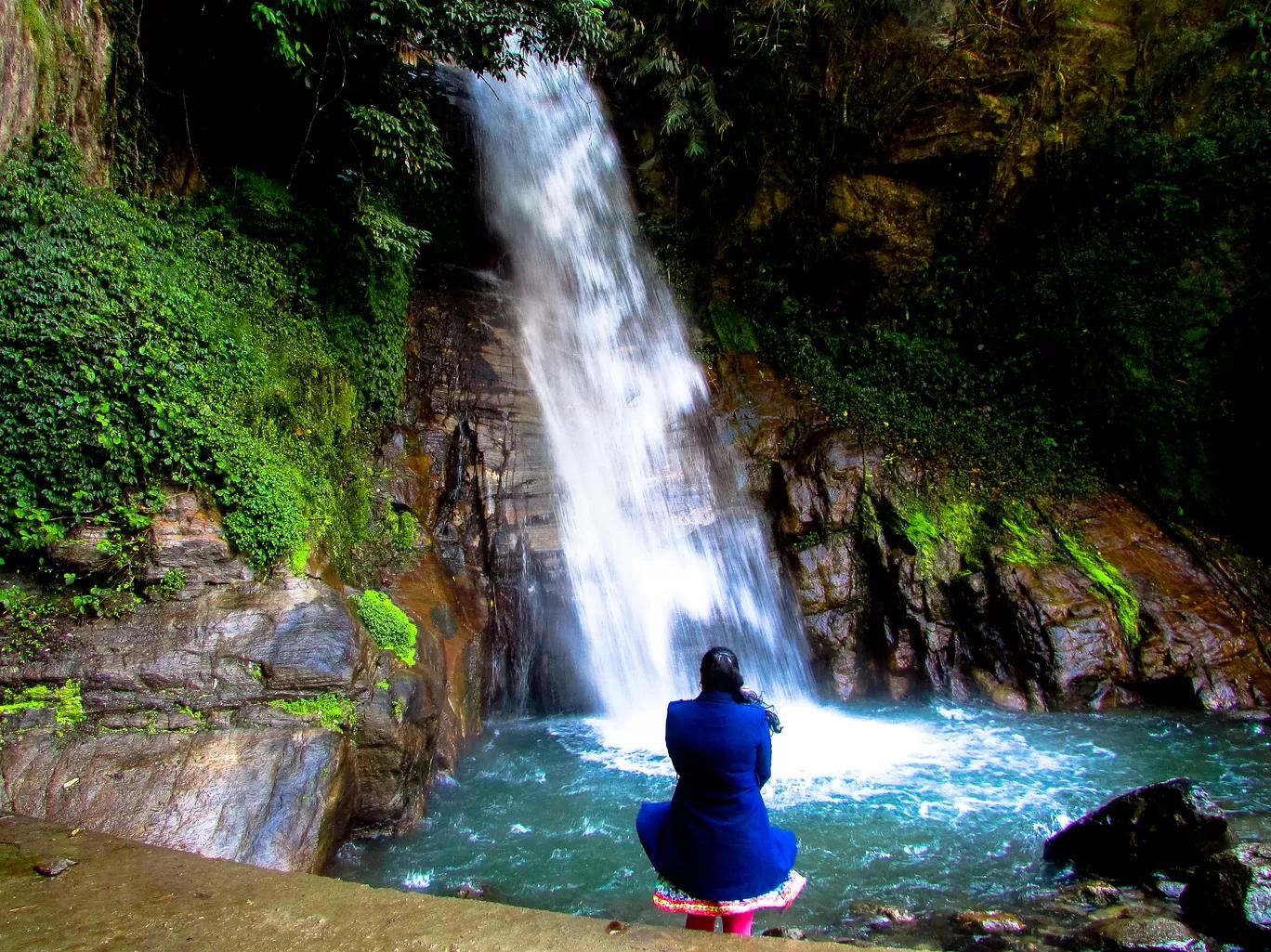
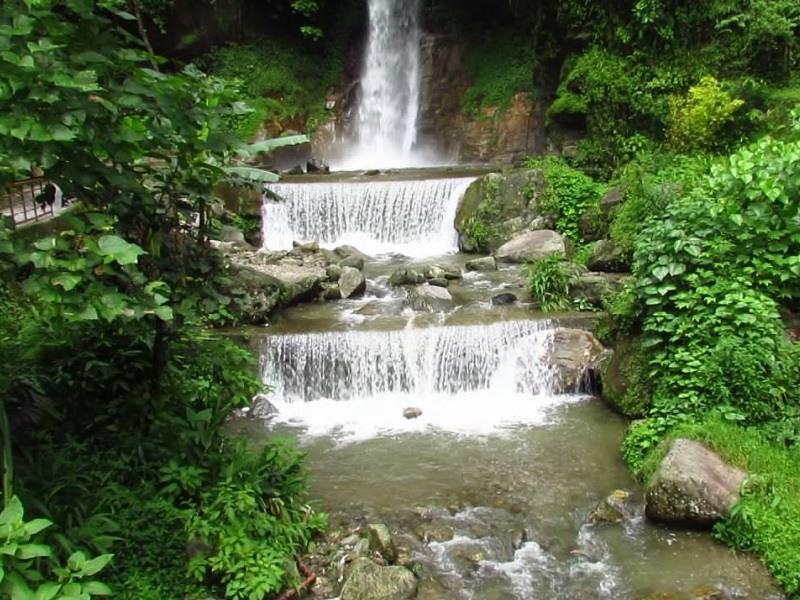
Banjhakri Falls is around 10 km from central Gangtok.
The waterfall sits inside a landscaped park with paths and displays connected to local folklore. The falls are especially lively during and after the monsoon.
Don’t build your whole day around it. Pair it with other nearby stops.
Things to do in Gangtok
Walk around MG Marg at night
This is probably the easiest thing you’ll do in Gangtok, and one of the most enjoyable.
The street is pedestrian-only, clean, busy without feeling chaotic, and lined with places to eat. Go after dinner too. Gangtok has a different personality once the lights come on.
Try Sikkimese food
Start with momos and thukpa, then look for local dishes such as gundruk, kinema, and sha phal.
Food is one of the easiest ways to make a Gangtok trip feel different from a generic hill-station holiday.
Watch the mountains at sunrise
Wake up early at least once.
If your hotel has a mountain-facing room or rooftop, check the sky before sunrise. When the clouds cooperate, the first light on the Himalayan peaks is worth sacrificing an hour of sleep.
Shop for local products
Gangtok has plenty of shops selling handicrafts, woollens, tea, souvenirs, and locally made products.
MG Marg is convenient, but wander beyond the main tourist streets if you want smaller shops and local markets.
Visit nearby Tsomgo Lake
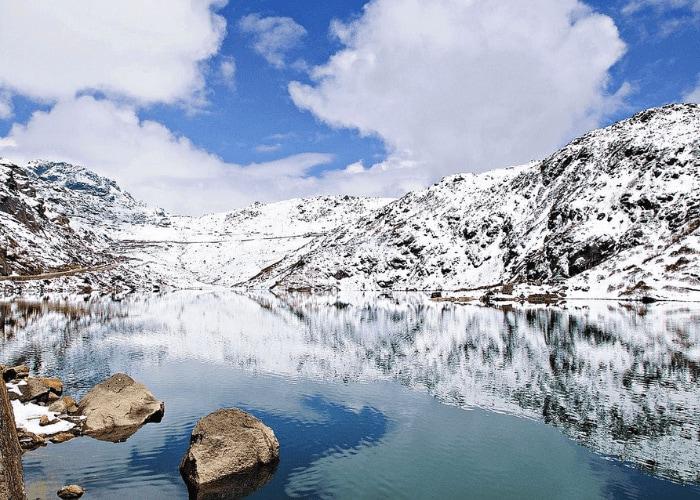
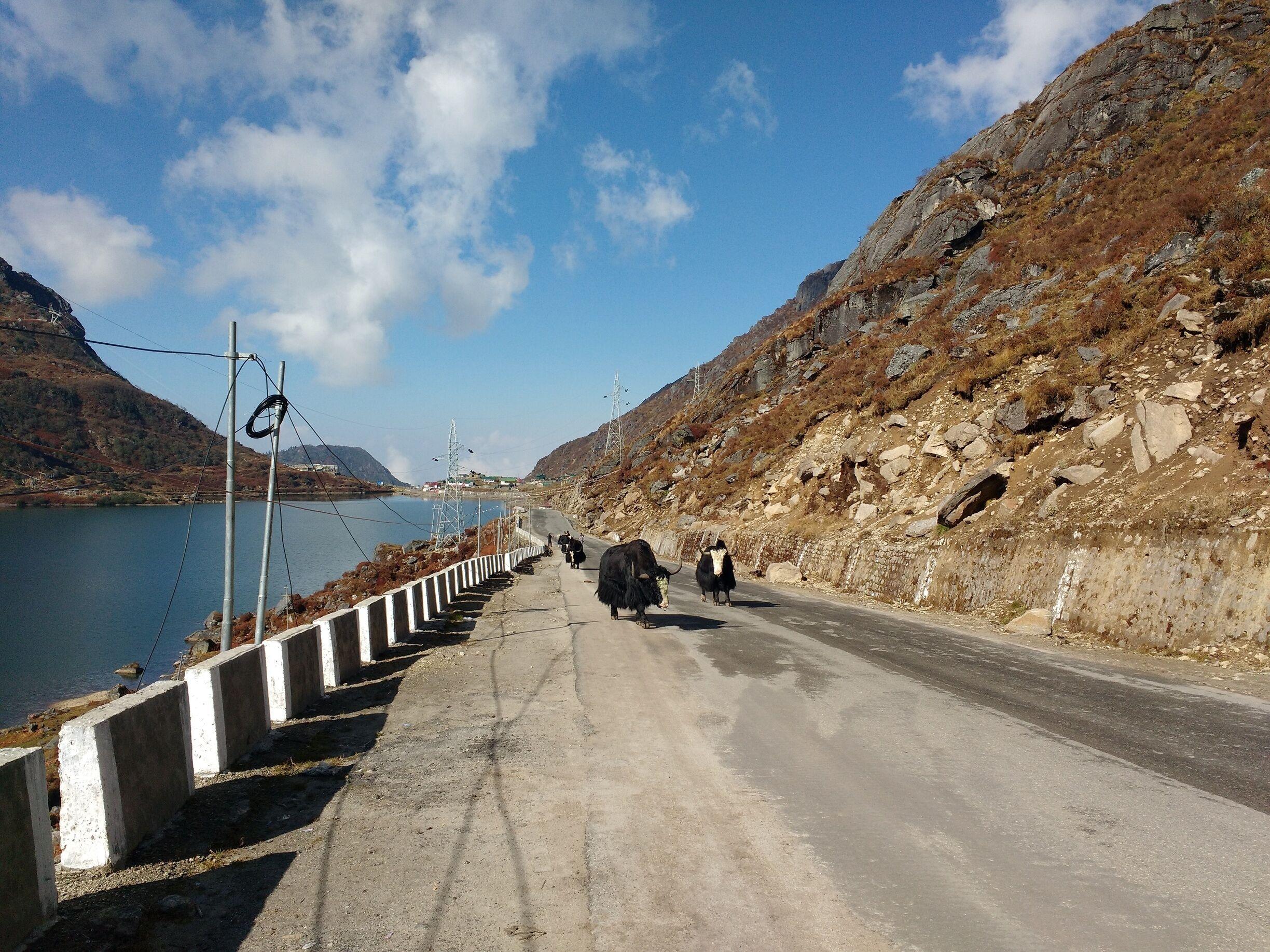
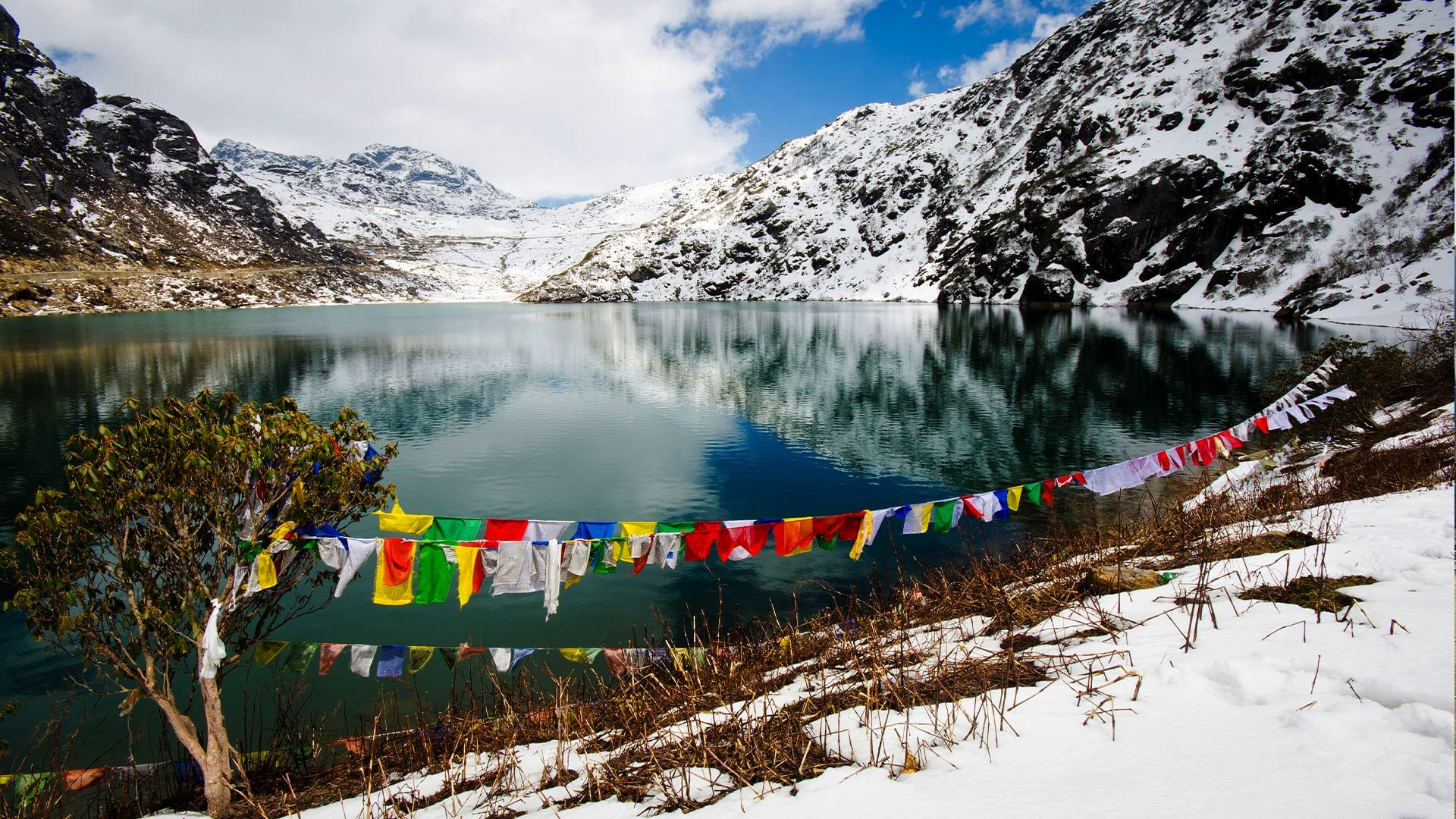


Tsomgo Lake is around 40 km from Gangtok and sits at roughly 3,753 metres.
The road climbs sharply from Gangtok, and the scenery changes quickly. Snow around the lake is possible during the colder months, though conditions vary.
You need the required permit to visit the area, so arrange this through an authorised travel operator.
Go to Nathula Pass


Nathula Pass is on the India-China border at around 4,310 metres.
It’s one of the most popular excursions from Gangtok, usually combined with Tsomgo Lake and Baba Mandir.
Weather and road conditions matter here. Access can also be restricted, and permits are required, so check the current rules before leaving Gangtok.
A simple 3-day Gangtok itinerary
Day 1: Gangtok city
Start with Enchey Monastery, Ganesh Tok, and Hanuman Tok. Visit the Namgyal Institute of Tibetology and Do Drul Chorten later in the day.
Finish at MG Marg.
Day 2: Tsomgo Lake + Nathula Pass
Leave early and spend the day around Tsomgo Lake, Baba Mandir, and Nathula Pass if access is available.
Keep the evening easy. You’ll be tired after a high-altitude day.
Day 3: Rumtek + slower Gangtok
Drive to Rumtek Monastery in the morning. Come back toward Gangtok and spend the afternoon eating, shopping, or simply wandering around town.
If you’re heading onward to another part of Sikkim, this is also a good day to keep your schedule loose.
How many days do you need in Gangtok?
2 days is enough for the main sights and MG Marg.
3 days feels much better if you want Rumtek, the viewpoints, and a Tsomgo Lake/Nathula excursion.
Stay 4 days or longer if Gangtok is your base for other Sikkim trips. The extra day gives you breathing room when mountain roads or weather decide to change your plans.
Where to stay in Gangtok
Stay around MG Marg or the nearby central areas if you want restaurants, shops, and easy evening walks within reach.
For mountain views and a quieter stay, look at properties farther uphill. Just remember that Gangtok is steep, so a hotel that looks close on a map can involve a surprisingly serious climb.
How to reach Gangtok
Gangtok doesn’t have its own airport or railway station.
The nearest major airport is Pakyong Airport, while Bagdogra Airport in West Bengal has traditionally been the main air gateway for travelers arriving by flight.
For trains, New Jalpaiguri (NJP) is the main railhead used for reaching Gangtok.
From Siliguri, NJP, or Bagdogra, you can continue by taxi or shared vehicle. The journey takes several hours depending on traffic, weather, and road conditions.
Gangtok travel tips
- Carry a light jacket even when the weather looks warm.
- Keep some cash with you for smaller shops and local transport.
- Mountain roads take longer than the distance on Google Maps suggests.
- For Tsomgo Lake and Nathula Pass, arrange permits before your trip.
- Don’t pack every hour of your itinerary. Weather can change quickly in the mountains.
- If you get altitude symptoms during a high-altitude excursion, take them seriously and tell your driver or guide.
- Start sightseeing early if you want clearer mountain views.
- Keep at least one flexible block in your schedule for road delays.
Gangtok works best when you give it some room. Walk the streets, stop for tea, sit somewhere with a mountain view, and let the day stretch a little. The city is easy to combine with the rest of a Sikkim trip, which is exactly why it’s such a useful starting point.
Featured Image Credit: Generated/Sourced via Chatgpt.com.
Editorial note: Some articles may use AI-assisted research or drafting. Our editorial process includes human review and editing, and important travel information should be verified with official sources before your trip.
Travel Tips & Responsible Exploration
Good travel planning starts with staying informed. Before your journey, verify important details such as transportation, accommodation, weather, permits, entry requirements, and local guidelines. Respect local communities, cultures, traditions, and the environment, and travel responsibly wherever you go. Suman Rabha shares practical travel guides, local insights, and destination information to help readers explore Northeast India and beyond with greater confidence.