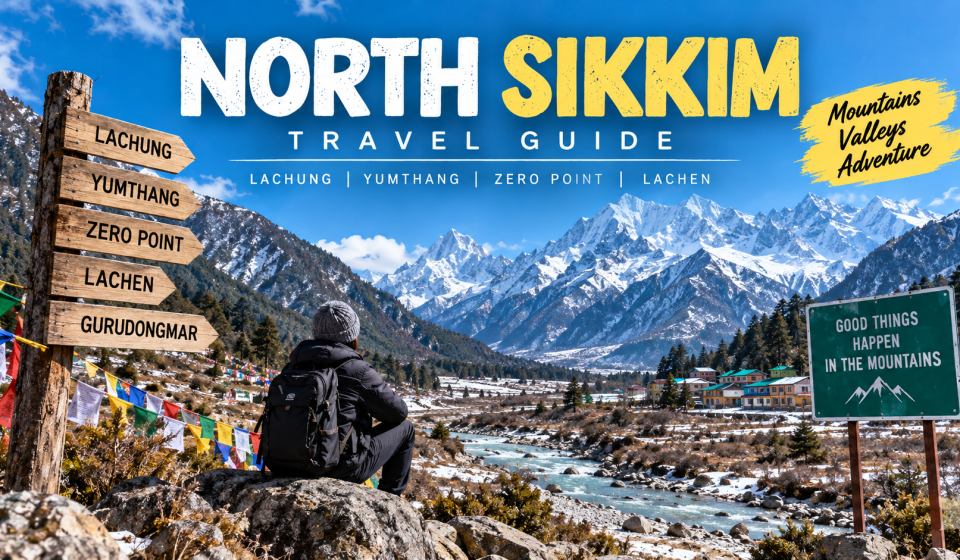

North Sikkim is where the roads get rough, the air gets thin and the scenery starts looking slightly unreal.
You leave Gangtok behind, pass through Chungthang, and the landscape slowly changes. Pine forests give way to high mountain valleys, waterfalls, snow-covered slopes and tiny settlements tucked into the hills.
For most travellers, Lachung, Yumthang Valley and Zero Point are the main reason to come here.
And you need to plan this trip differently from a regular Sikkim holiday. Permits, road conditions, weather and local transport all matter.
Where is North Sikkim?
North Sikkim is part of Sikkim’s Mangan district. The main tourist route from Gangtok runs through Mangan and Chungthang before splitting towards Lachen and Lachung.
Lachung is the more practical base for the popular Yumthang and Zero Point circuit.
Lachen is the traditional gateway to Gurudongmar Lake and Thangu, but access can change when roads are damaged by landslides, snow or heavy rain. Sikkim’s government has also reported major disruptions on the Chungthang-Lachen road in 2026. (Sikkim Government)
So check the latest road and permit situation before you leave Gangtok.
Best places to visit in North Sikkim
1. Lachung
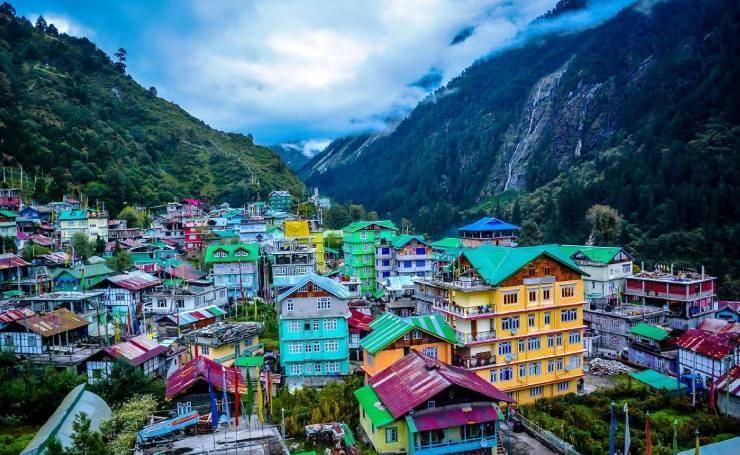
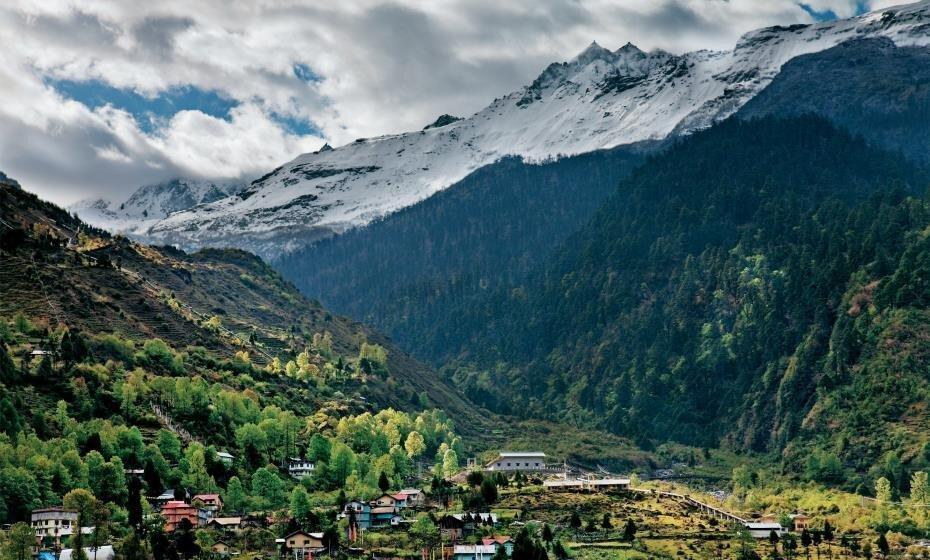
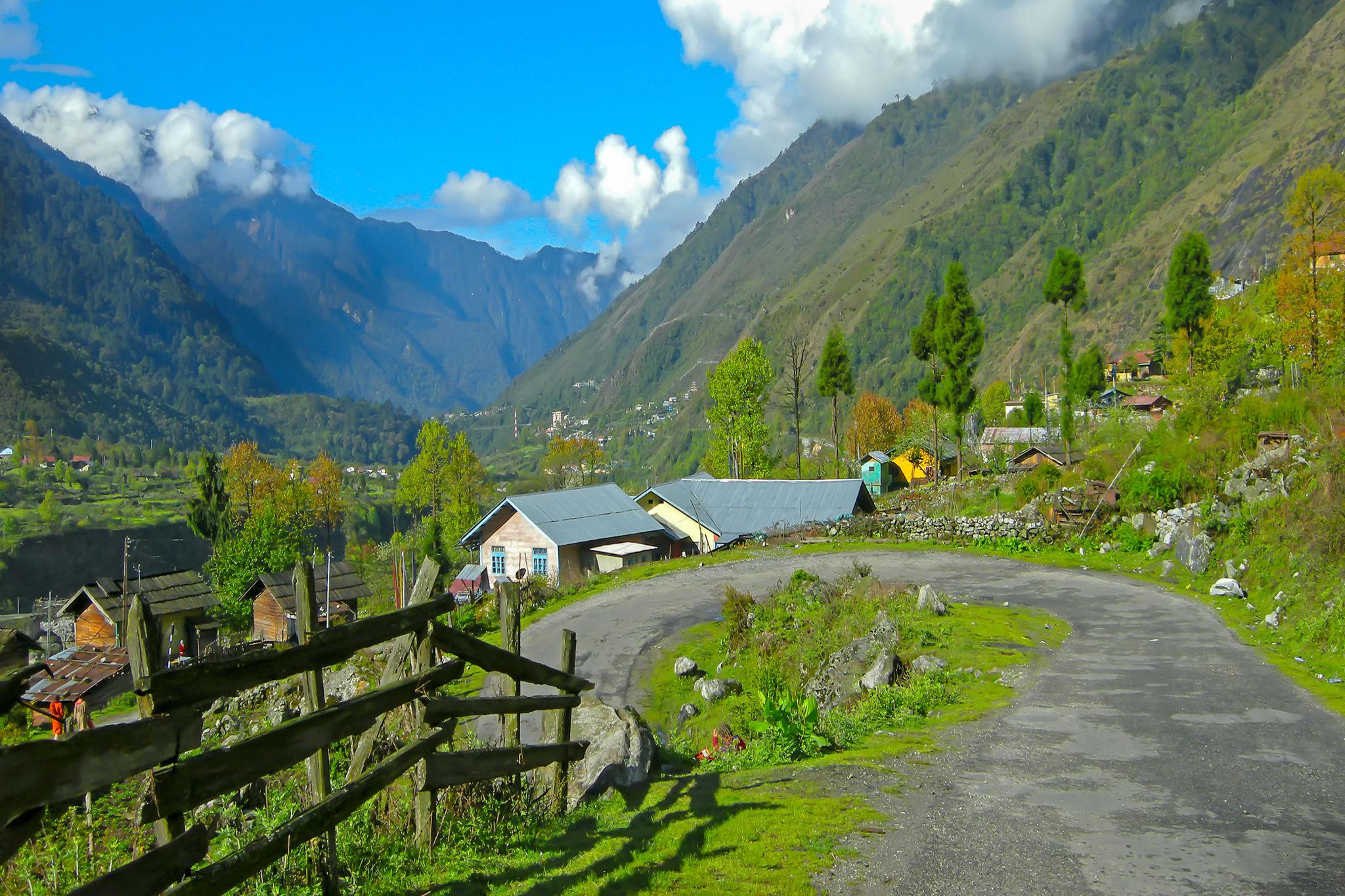
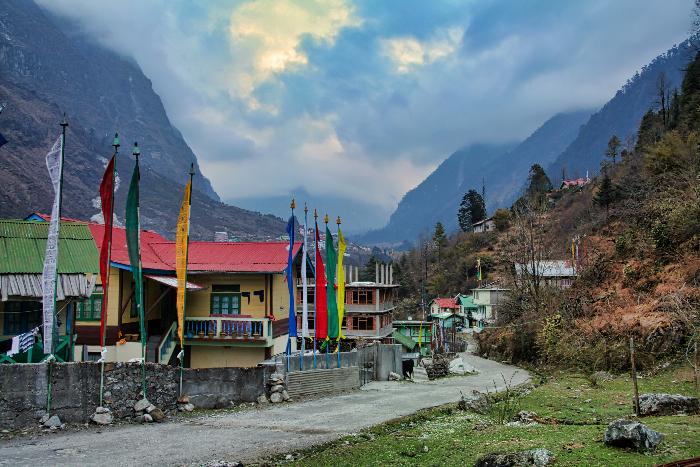
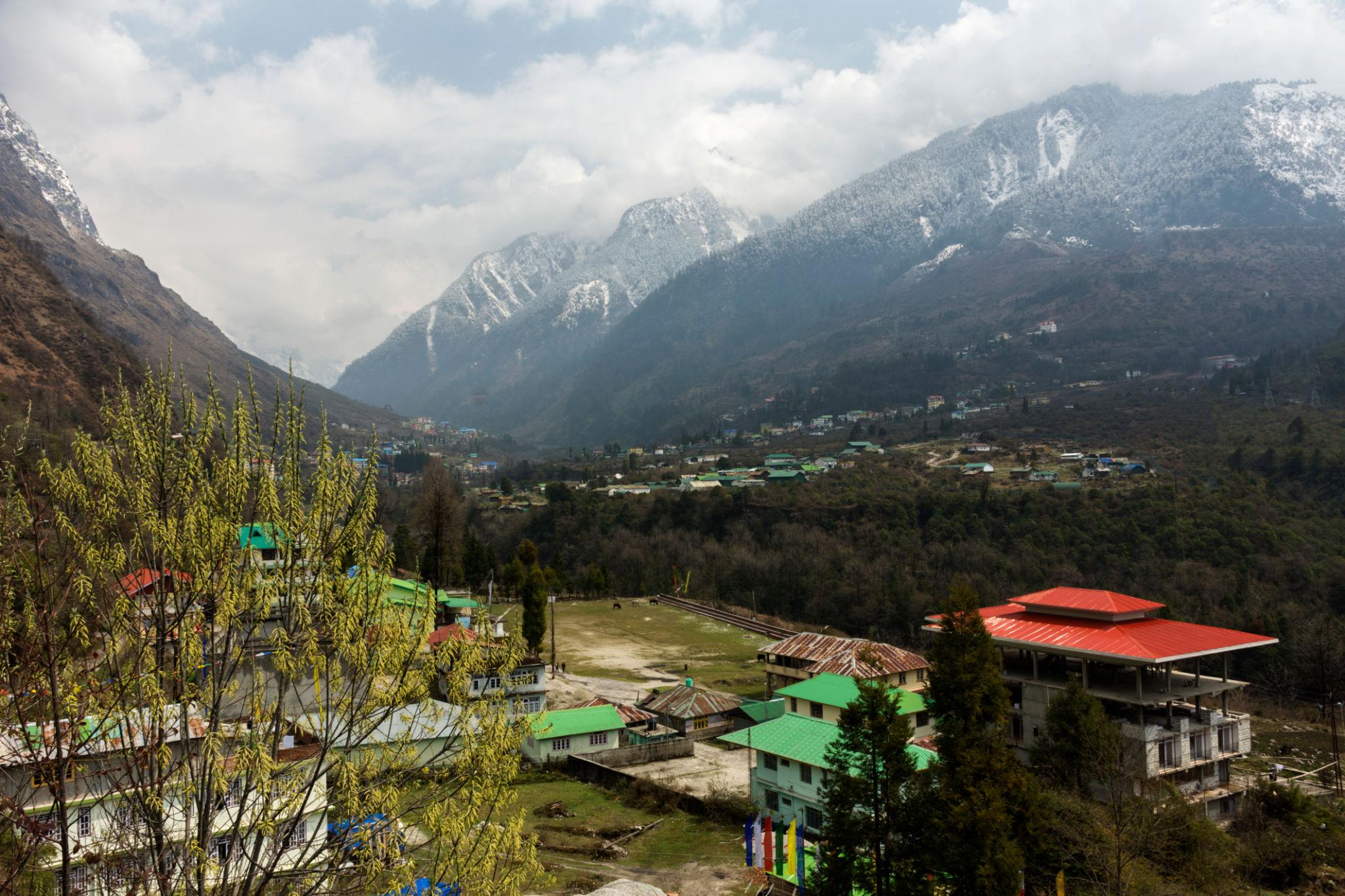
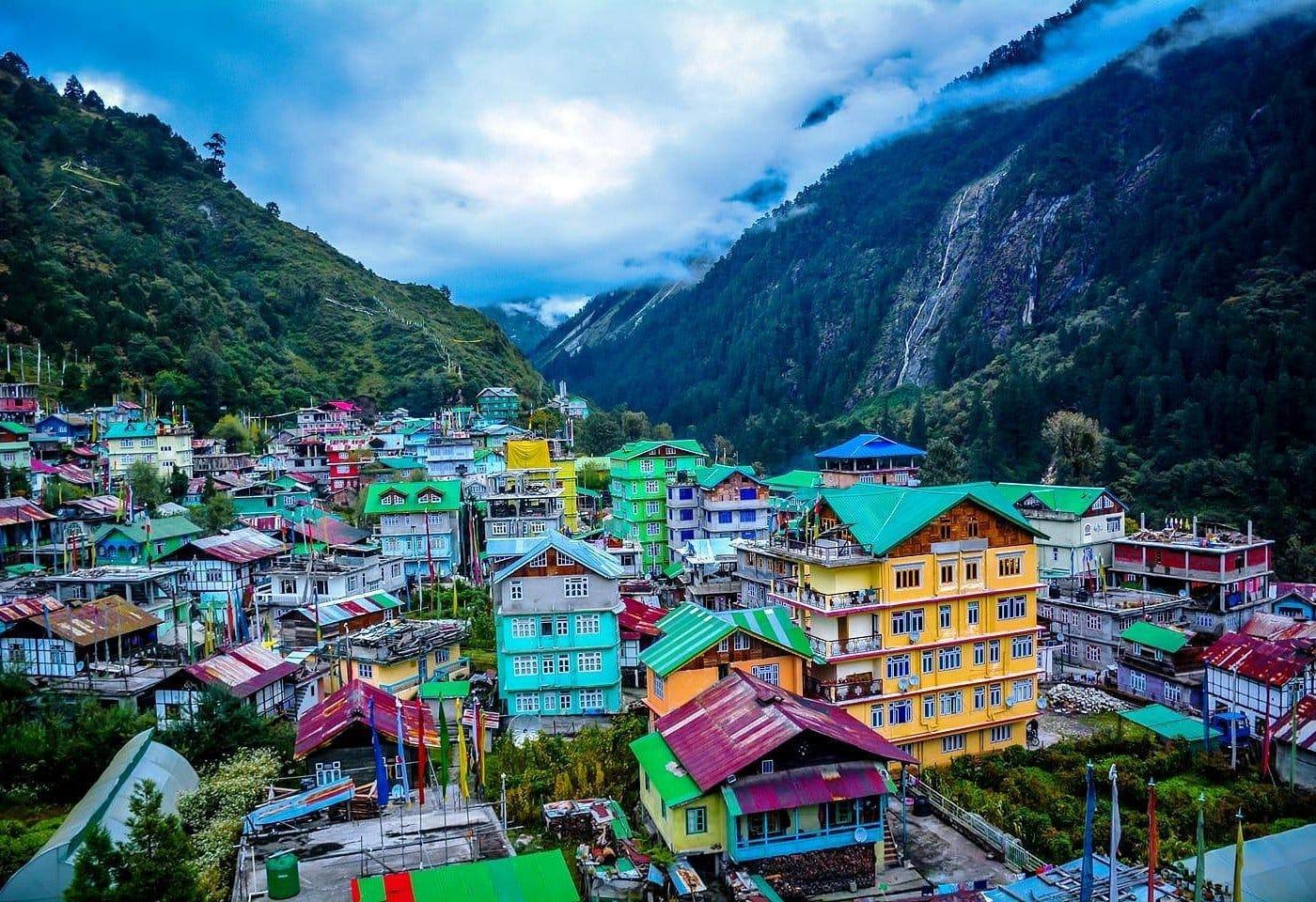
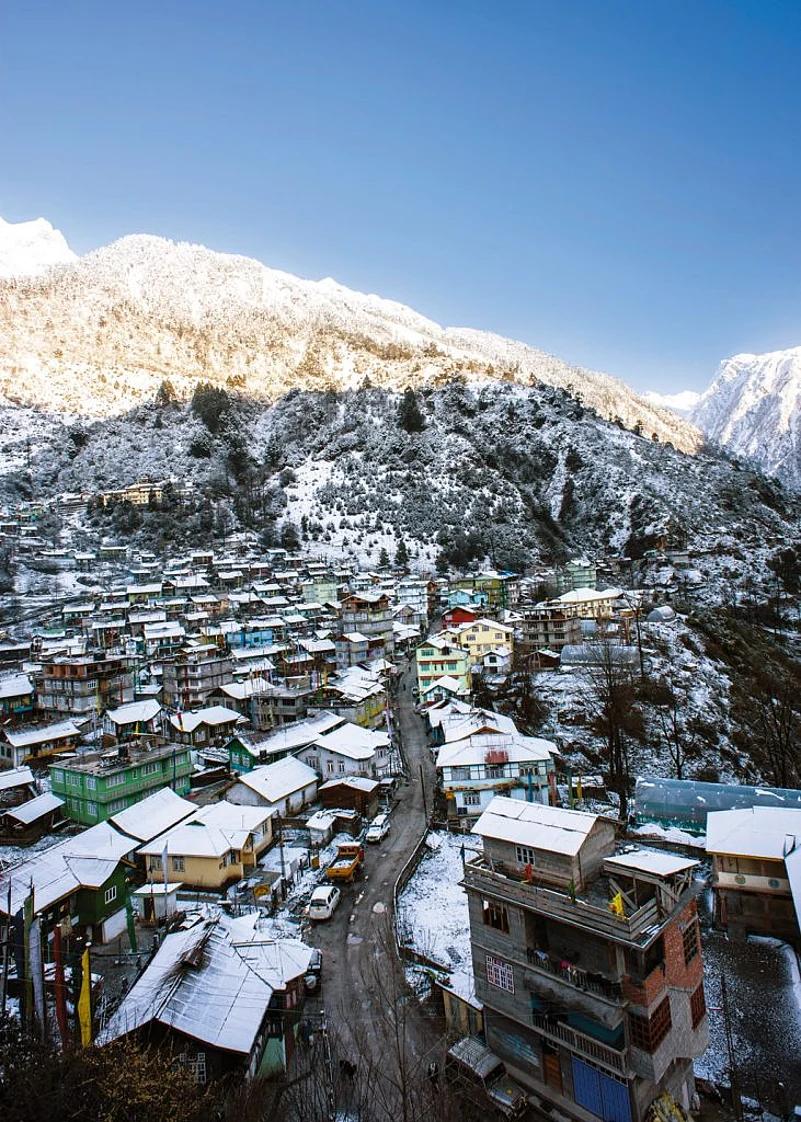
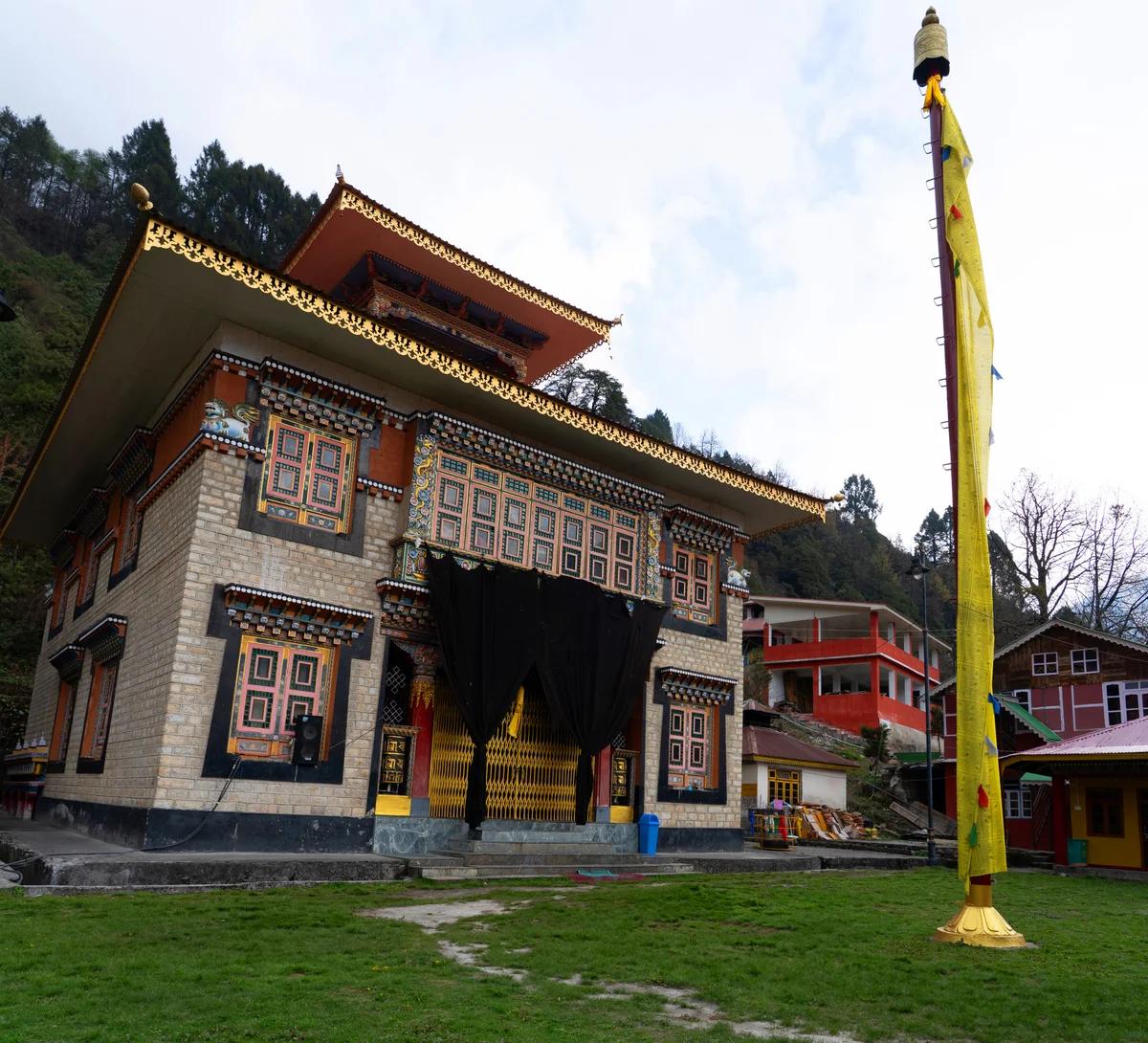
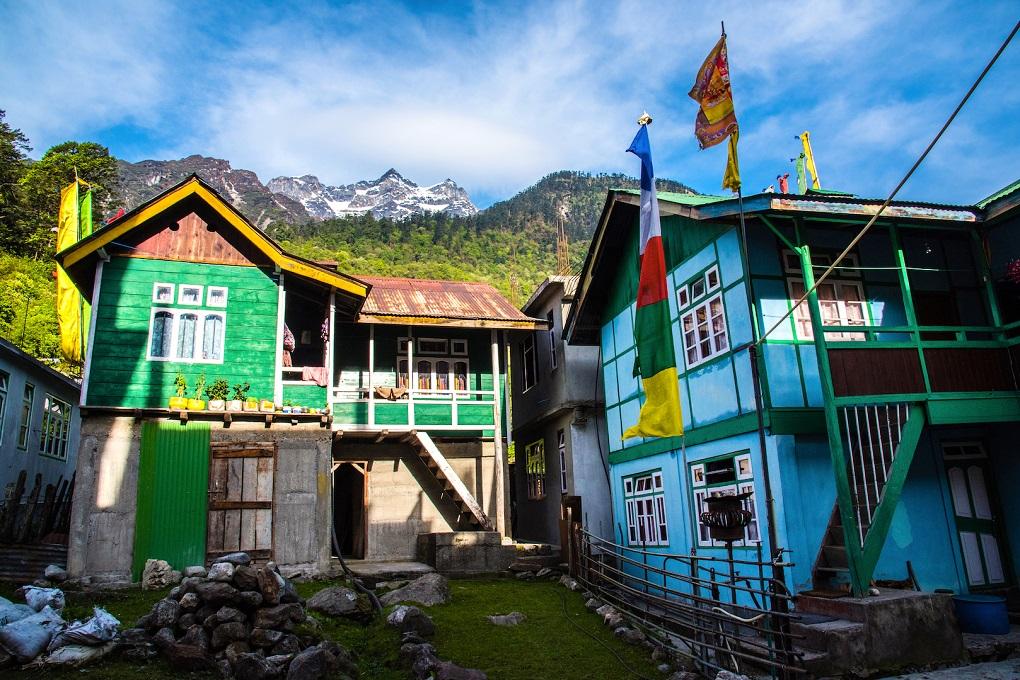
Lachung is a small mountain town sitting beside the Lachung Chu river.
This is where many North Sikkim trips spend the night before heading towards Yumthang and Zero Point.
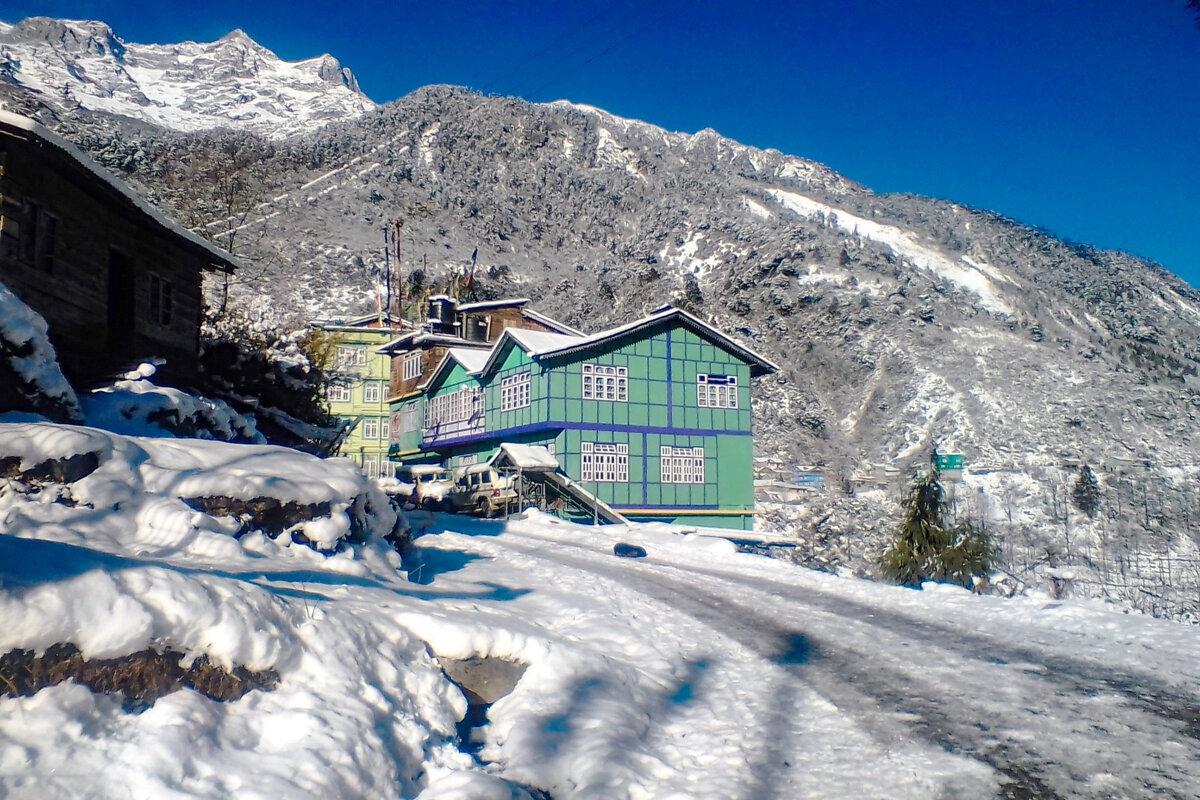
The town itself is quiet. You’ll find mountain views, simple hotels, local homes and a much colder climate than Gangtok.
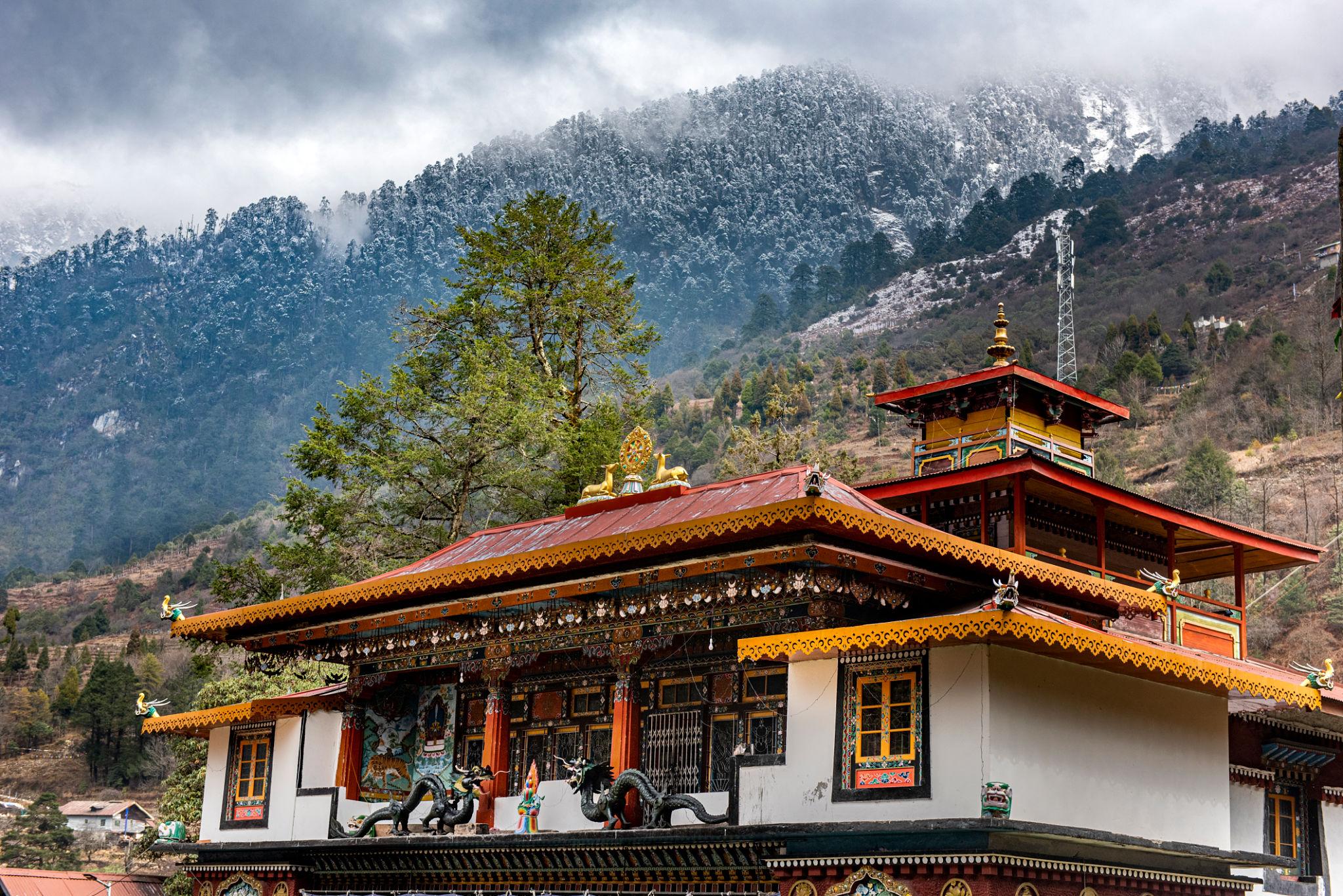
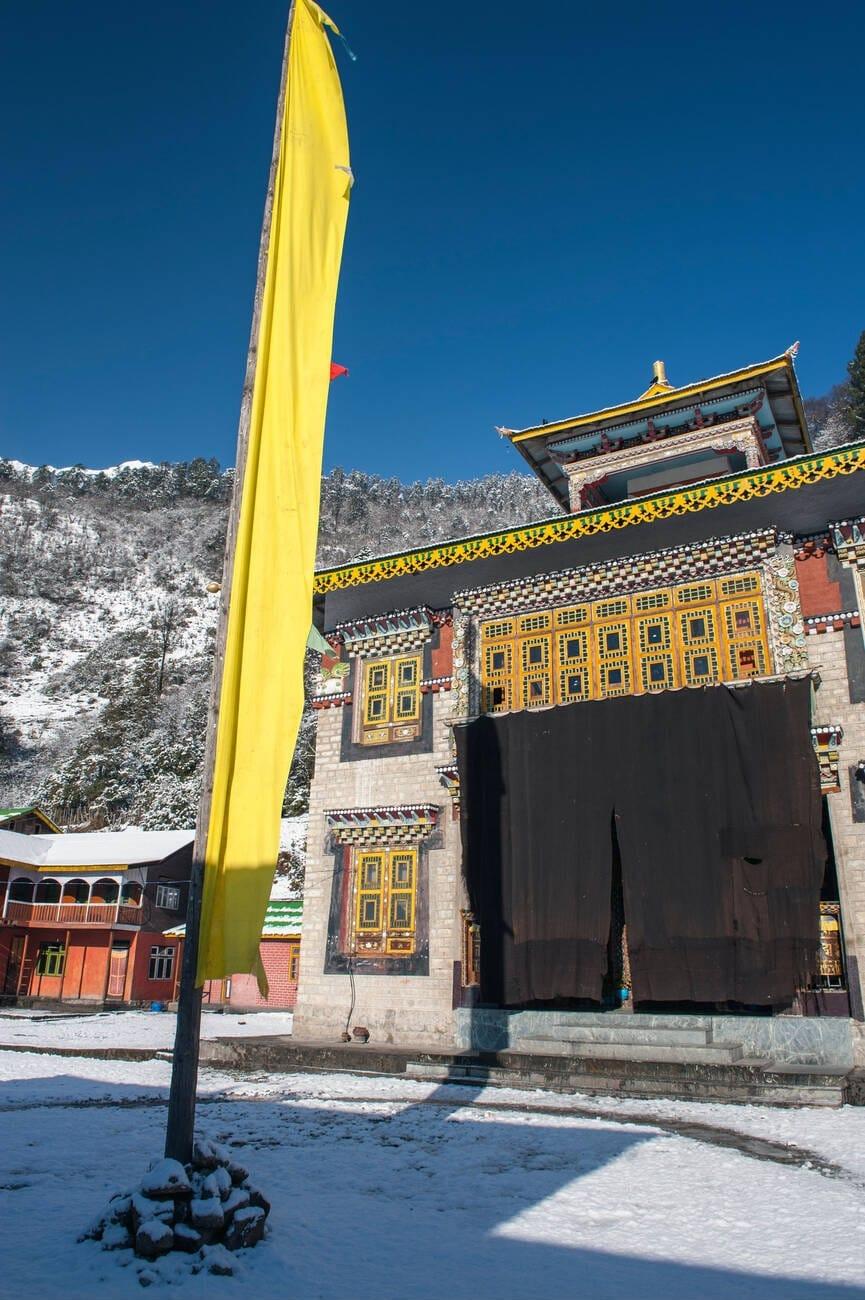
The Lachung Monastery is worth a stop if you have some spare time.
2. Yumthang Valley
Yumthang is the big visual payoff.
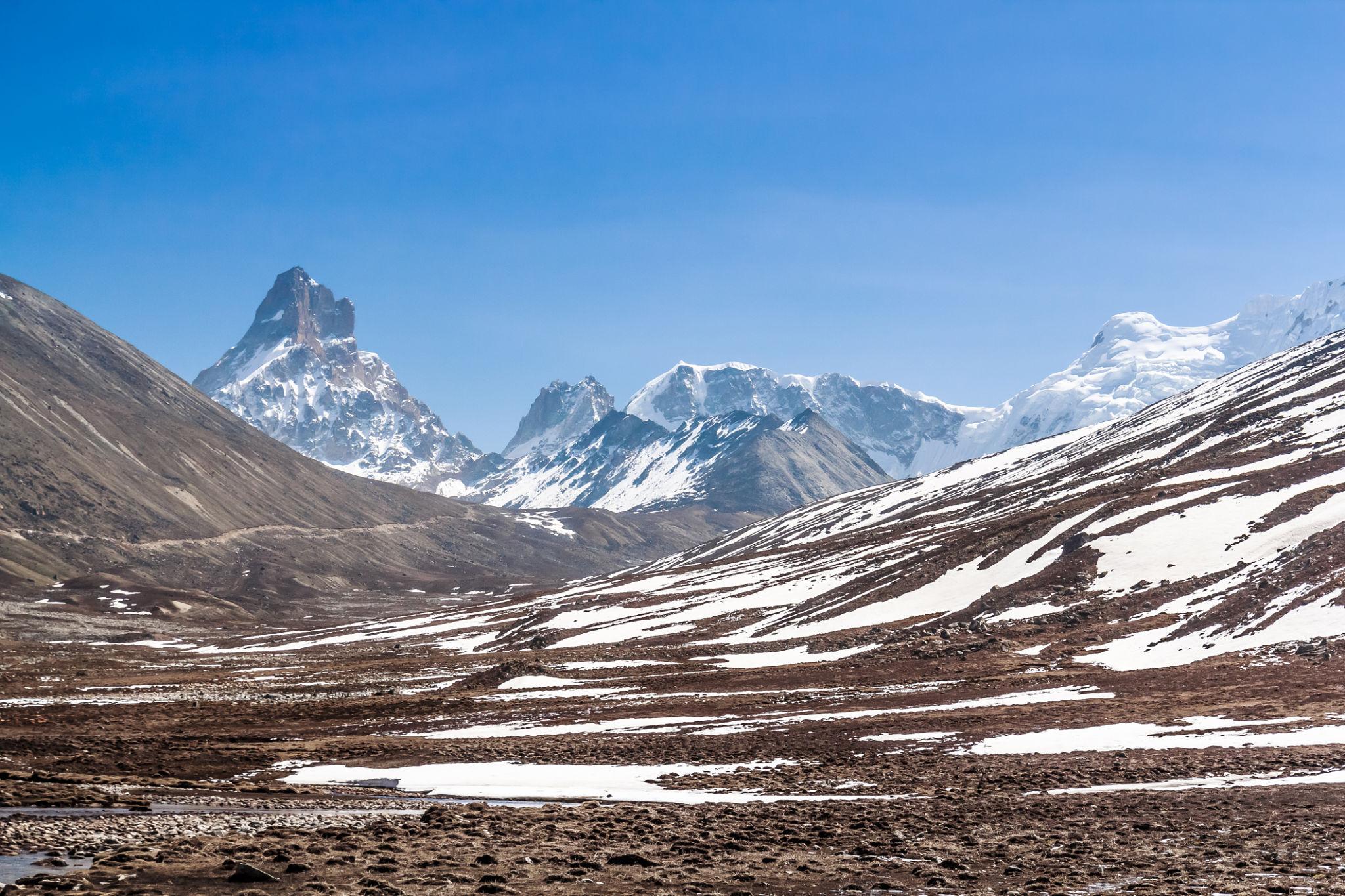
The valley sits at roughly 3,500 metres and is surrounded by high mountains. In spring, rhododendrons add colour to the valley, while winter brings snow and a completely different look.
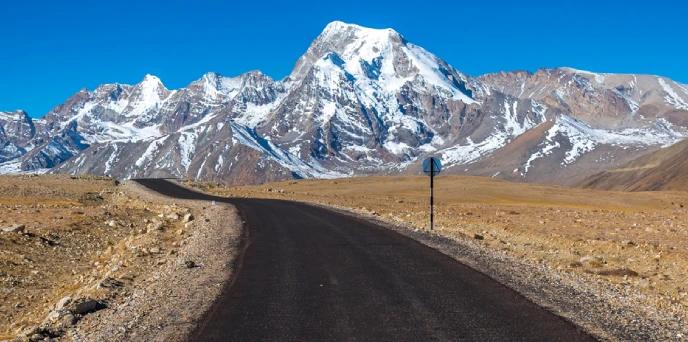
The road follows the river, passing waterfalls and mountain slopes along the way.
Give yourself time here. Don’t treat Yumthang as a 10-minute photography stop.
3. Zero Point, Yumesamdong
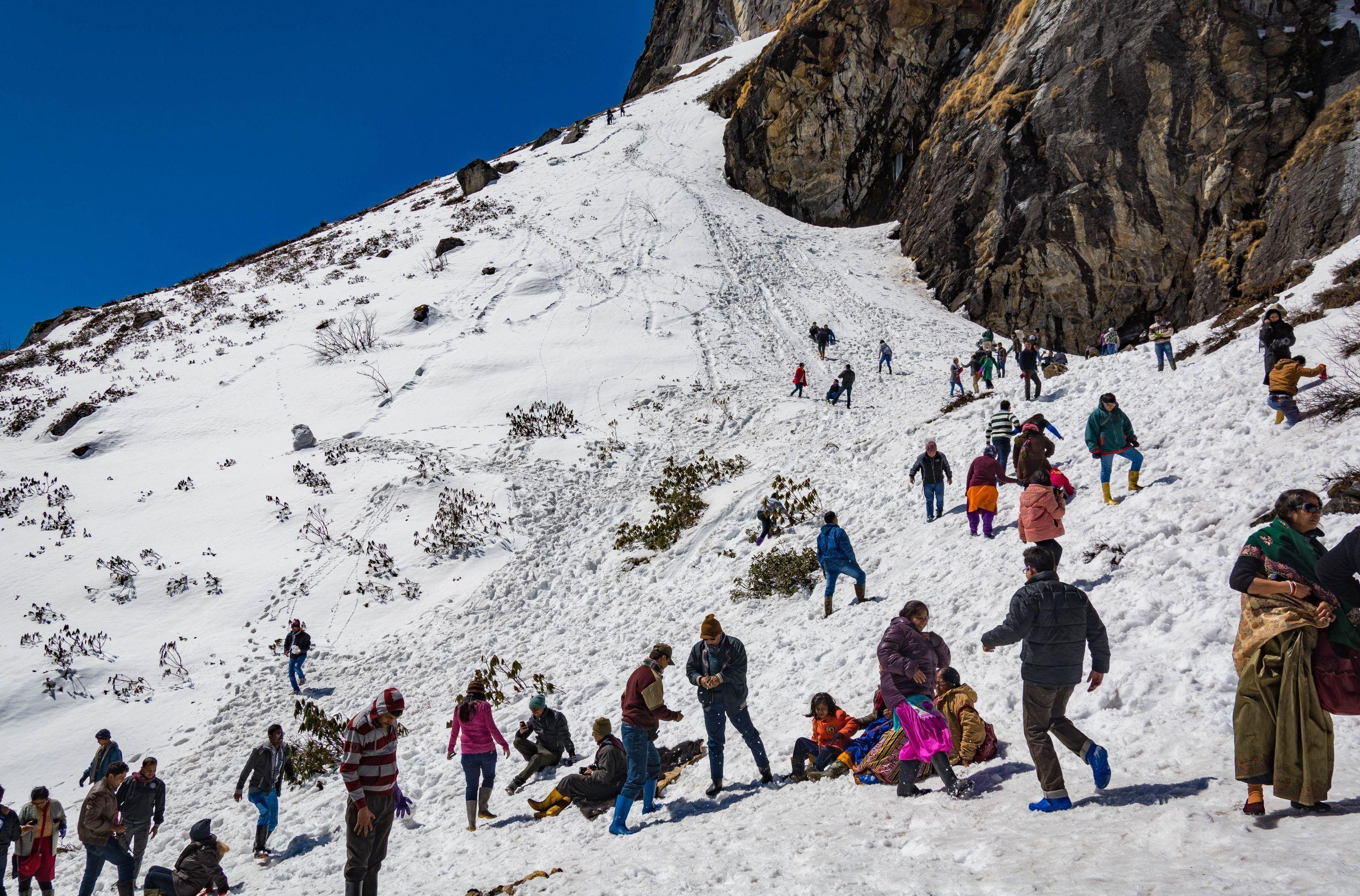
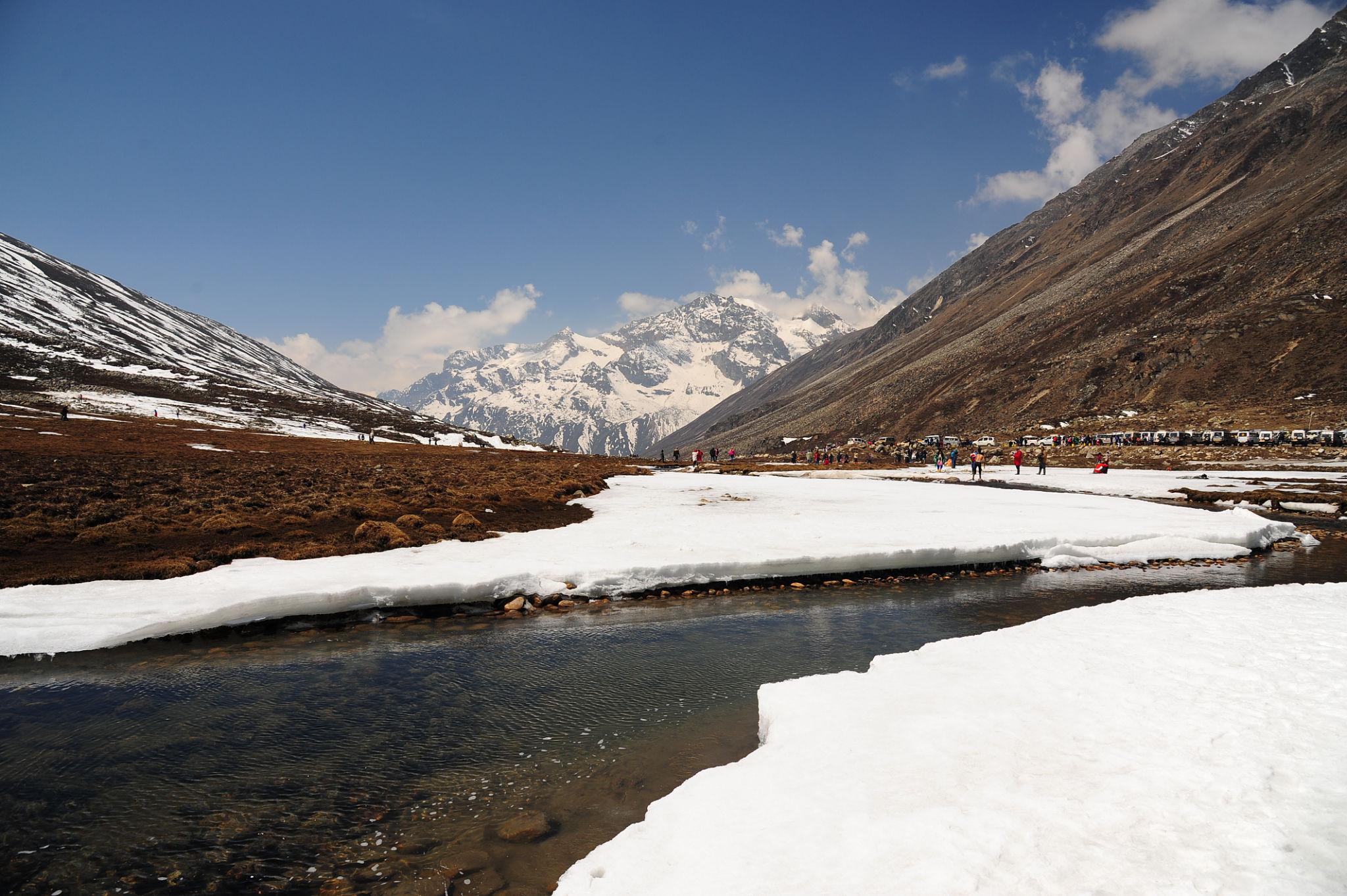
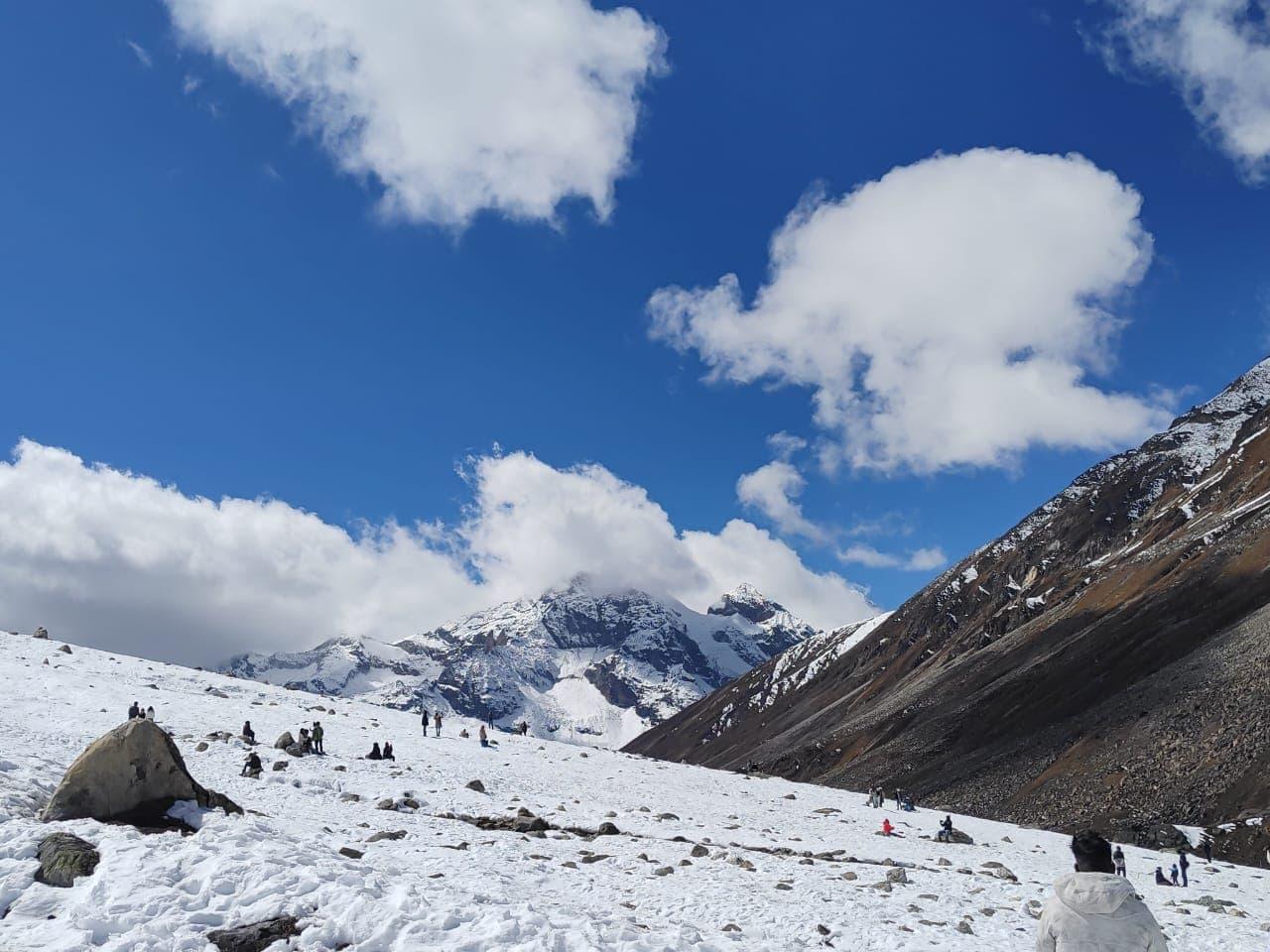
Zero Point is usually the highest point on the standard Lachung tourist circuit, at around 4,600 metres.
The landscape gets harsher as you climb. Snow, exposed mountains, frozen streams and a road squeezed between huge slopes are common sights depending on the season.
You may also hear it called Yumesamdong.
Weather can change quickly here, so carry proper winter clothing even when Gangtok feels comfortable.
4. Chungthang
Chungthang is where the roads towards Lachen and Lachung divide.
It’s also a useful place to understand the geography of the region. The Lachen Chu and Lachung Chu meet here, and the town has strong religious and local significance.
You’ll pass through Chungthang on the usual Lachung route from Gangtok.
5. Lachen
Lachen is a high-altitude village and the traditional starting point for trips towards Gurudongmar Lake and Thangu.
The village has a very different feel from Gangtok. Life here is closely tied to the mountain environment, and accommodation is mostly made up of small hotels and homestays.
Access to Lachen can be affected by road closures, so don’t build your entire holiday around it without checking the current situation.
Sikkim Tourism describes Lachen as the gateway to Gurudongmar and Tso Lhamu lakes.
6. Gurudongmar Lake
Gurudongmar Lake is one of the famous high-altitude destinations in Sikkim.
It’s around 5,000 metres above sea level, so altitude becomes a serious consideration here. The road from Lachen passes through Thangu and climbs into a much more barren landscape.
The lake is considered sacred by both Buddhists and Hindus.
Conditions around this route can change quickly. Always confirm whether the road is open before planning the journey.
How many days do you need?
For the Lachung-Yumthang-Zero Point circuit, plan at least 3 days and 2 nights from Gangtok.
The Sikkim government specifically issued a September 2025 advisory requiring tourists visiting Lachung to follow a 3-day/2-night itinerary, with permits issued at least a day in advance. (Sikkim Tourism)
A comfortable plan looks like this:
Day 1: Gangtok → Mangan → Chungthang → Lachung
Day 2: Lachung → Yumthang → Zero Point → Lachung
Day 3: Lachung → Chungthang → Gangtok
If you’re adding Lachen and Gurudongmar, you’ll need more time and a separate permit/route check.
North Sikkim itinerary
Day 1: Gangtok to Lachung
Start early from Gangtok.
The drive takes several hours because mountain roads aren’t built for speed. You’ll pass through Mangan and Chungthang before continuing towards Lachung.
Stop when your driver suggests a safe viewpoint or roadside break. Some stretches are narrow, and random roadside stops can create traffic problems.
Reach Lachung by evening and keep the night easy.
Eat, hydrate and sleep.
Day 2: Lachung to Yumthang and Zero Point
Leave early.
The first major stop is Yumthang Valley. Spend some time walking around before continuing towards Yumesamdong.
Zero Point is colder and higher, so don’t rush around trying to see everything.
Altitude can hit you here. Headaches, dizziness, nausea and unusual tiredness are signs to slow down and tell your driver or guide.
Return to Lachung by evening.
Day 3: Lachung to Gangtok
Have breakfast and start the drive back.
You’ll follow the same broad route towards Chungthang and then continue towards Mangan and Gangtok.
Don’t schedule an important flight or train immediately after reaching Gangtok. Mountain roads have a habit of taking longer than Google Maps suggests.
When is the best time to visit North Sikkim?
It depends on what you want to see.
April to June is a good period for pleasant weather, mountain views and flowering rhododendrons around Yumthang.
October to November usually brings clearer mountain views and crisp weather.
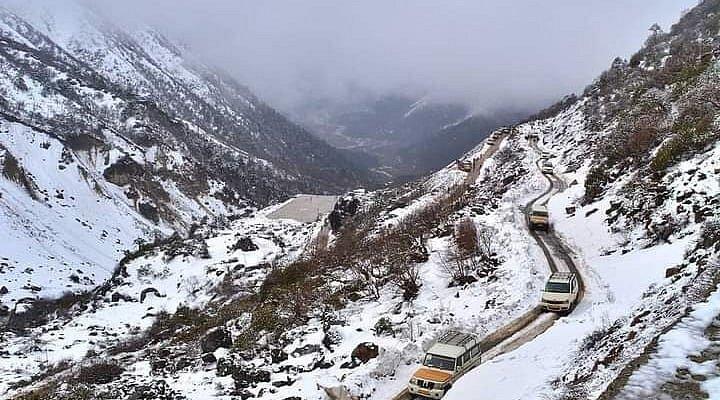
December to March is for travellers specifically chasing snow. Roads can become difficult, and access to higher areas can change with weather.
July to September is the period I’d approach carefully. Monsoon rain can trigger landslides and road closures.
North Sikkim has seen serious road disruptions in recent years, including closures affecting Lachen in 2026. (Sikkim Government)
North Sikkim permits
This is the part you shouldn’t leave until the last minute.
Lachen, Gurudongmar, Lachung, Yumthang and Yumesamdong fall within protected areas where permits are required. Sikkim Tourism says PAPs are required for Indian and foreign nationals visiting designated protected or border areas.
For Indian travellers, permits for the North Sikkim protected-area circuits are issued through authorised channels, including registered local travel agencies and the relevant government offices.
The rules can change with road conditions and local administration.
For example, the September 2025 reopening advisory required Lachung permits to be issued at least 1 day in advance and prohibited same-day permits. (Sikkim Tourism)
So book your North Sikkim vehicle and permit through a registered local operator and confirm the current rules before travelling.
Can you travel to North Sikkim without a tour?
For the main protected-area tourist routes, you’ll need the required permit and an authorised local travel arrangement.
This isn’t the kind of trip where you should simply rent a car in Gangtok and drive wherever you want.
The official guidelines specifically state that tourists must stay within the areas listed on their permits. (Sikkim Tourism)
For most travellers, hiring a local vehicle with a driver is the sensible option.
Your driver also knows the road, checkposts and current conditions. That’s worth a lot when you’re driving through landslide-prone mountain terrain.
How to reach North Sikkim
From Gangtok
Gangtok is the usual starting point for North Sikkim.
For Lachung, the route generally goes:
Gangtok → Mangan → Chungthang → Lachung
For Lachen:
Gangtok → Mangan → Chungthang → Lachen
The roads are mountainous, so distances can be misleading.
A journey that looks short on a map can take most of a day.
From Bagdogra or Siliguri
If you’re flying in, Bagdogra Airport is the closest major airport.
You can also reach Siliguri by train and then travel to Gangtok by road.
I’d spend at least a night in Gangtok before heading north. It gives you time to collect permits, meet your driver and adjust to the altitude.
What should you pack?
Pack for cold weather even if you’re visiting during summer.
- Warm jacket
- Thermal innerwear
- Gloves
- Woollen socks
- Cap
- Sunglasses
- Sunscreen
- Comfortable shoes
- Basic medicines
- Lip balm and moisturiser
- Power bank
- Water bottle
- Some cash
For Zero Point, proper layers matter more than fashionable clothes.
And keep your phone charged. Network coverage can be patchy in the mountains.
Altitude matters here
Yumthang and especially Zero Point are much higher than Gangtok.
Don’t plan a heavy trek immediately after arriving. Take it slowly, drink water and give your body time to adjust.
If you develop severe headache, vomiting, breathing difficulty, confusion or trouble walking, tell your driver immediately and seek medical help.
A mountain trip isn’t worth ignoring serious altitude symptoms.
Food and accommodation
Food in North Sikkim is usually simple.
Expect rice, dal, vegetables, noodles, momos, thukpa and basic North Indian meals at many hotels and homestays.
Lachung has more accommodation than smaller settlements, but don’t expect Gangtok-style hotel choices.
Book ahead during busy periods, especially when tourism has reopened after a period of road closure.
North Sikkim travel tips
Start early. Mountain roads take time.
Keep buffer days. Landslides, snowfall and road repairs can change your schedule.
Carry cash. Card and UPI access can be unreliable in remote areas.
Don’t chase the perfect photo. Some roads are narrow and dangerous places to stop.
Listen to your driver. Local drivers know which stretches are safe to stop on.
Check the permit carefully. Your permitted route matters.
Don’t underestimate the cold. Zero Point can feel brutally cold even when the weather in Gangtok is pleasant.
Keep your itinerary flexible. Sikkim’s roads are controlled by weather and terrain more than your spreadsheet.
Is North Sikkim worth visiting?
Absolutely, especially if you want the high-mountain side of Sikkim.
Lachung gives you the base, Yumthang gives you the wide valley and Zero Point takes you into a much harsher alpine landscape.
The trip involves long drives, permits, basic accommodation and uncertain road conditions. That’s part of the deal.
If you’re prepared for that, North Sikkim can easily become the most memorable part of your Sikkim trip.
Travel rules and road access can change quickly in North Sikkim. The current Sikkim government guidance should be checked before departure, particularly for permits, Lachen access and the Lachung-Yumthang-Zero Point route. (Sikkim Government)
Featured Image Credit: Generated/Sourced via Chatgpt.com.
Editorial note: Some articles may use AI-assisted research or drafting. Our editorial process includes human review and editing, and important travel information should be verified with official sources before your trip.
Travel Tips & Responsible Exploration
Good travel planning starts with staying informed. Before your journey, verify important details such as transportation, accommodation, weather, permits, entry requirements, and local guidelines. Respect local communities, cultures, traditions, and the environment, and travel responsibly wherever you go. Suman Rabha shares practical travel guides, local insights, and destination information to help readers explore Northeast India and beyond with greater confidence.