


Kohima is the kind of place where you can spend a morning walking through a market, an afternoon at a war cemetery, and the evening eating smoked pork with rice.
The Nagaland capital sits in the hills, so even getting around comes with views. Give yourself 2 days and you can cover the main sights without rushing.
1. Walk through Kisama Heritage Village
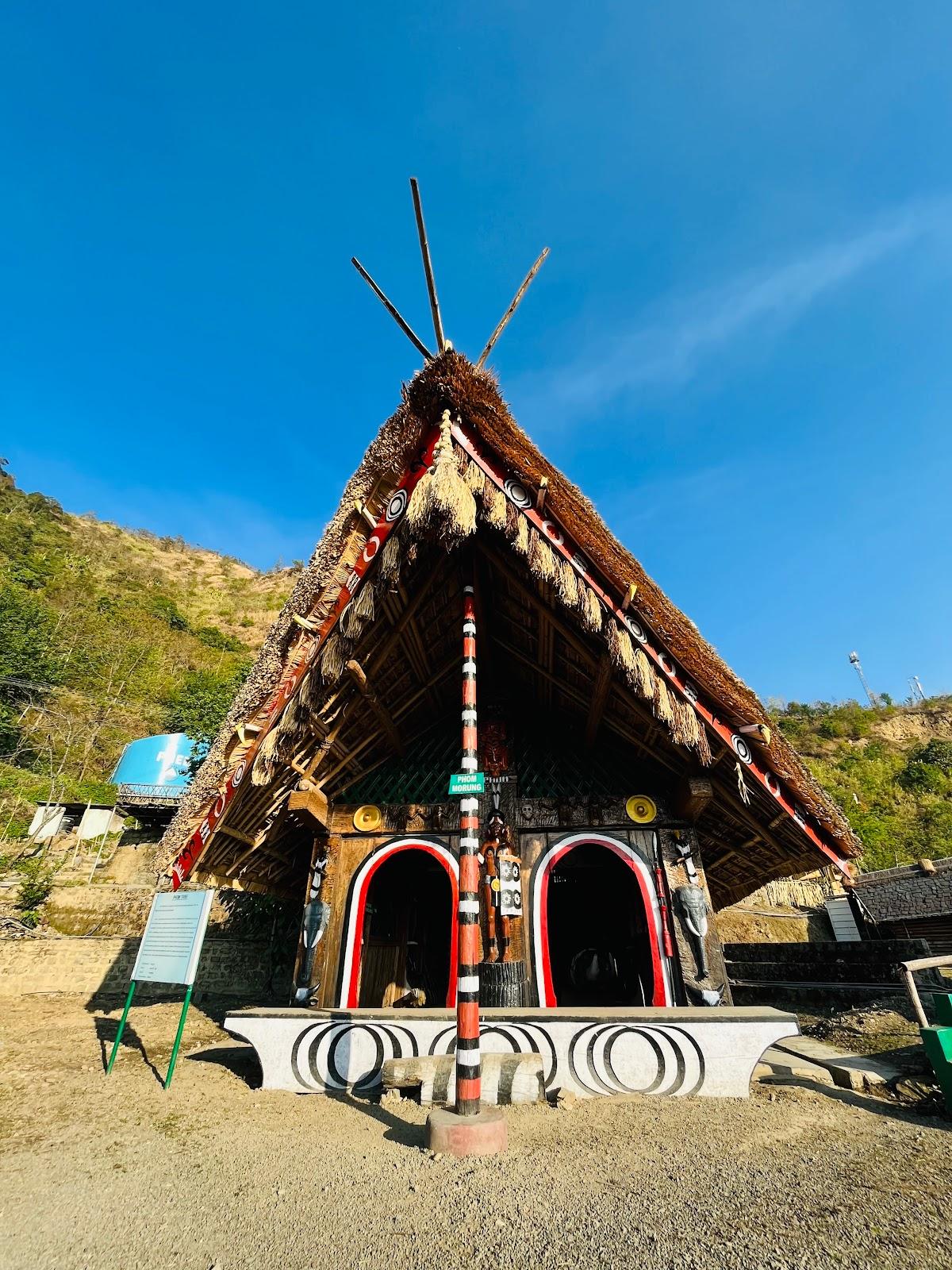
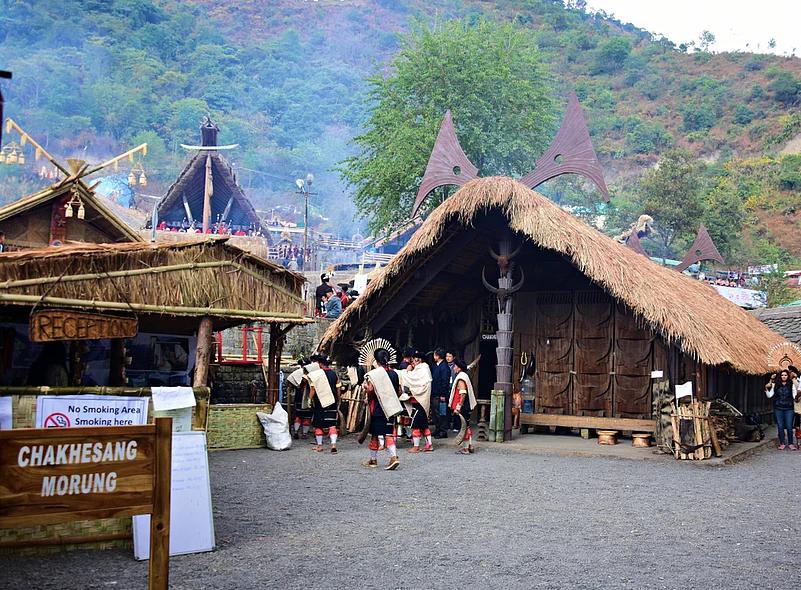
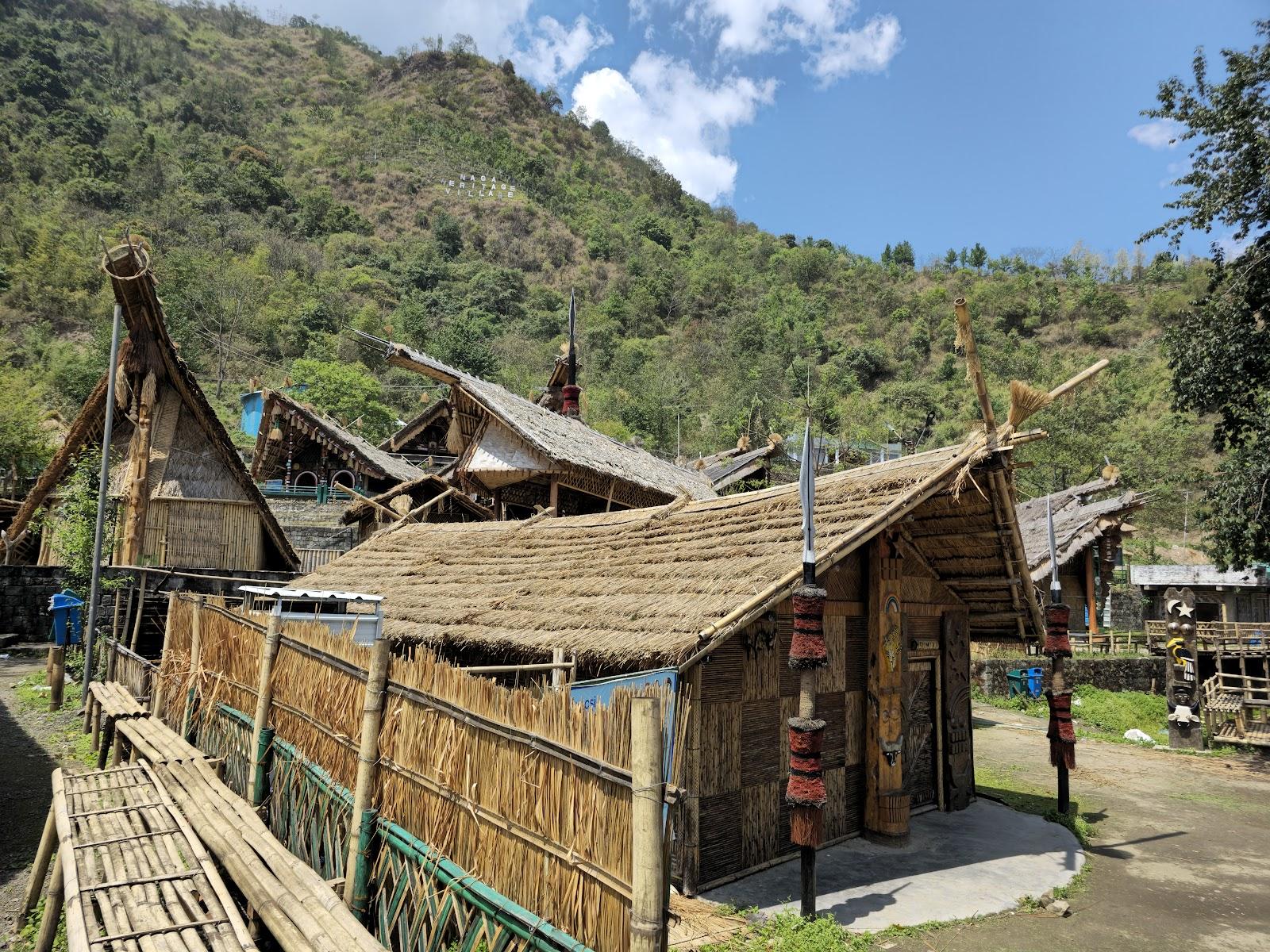
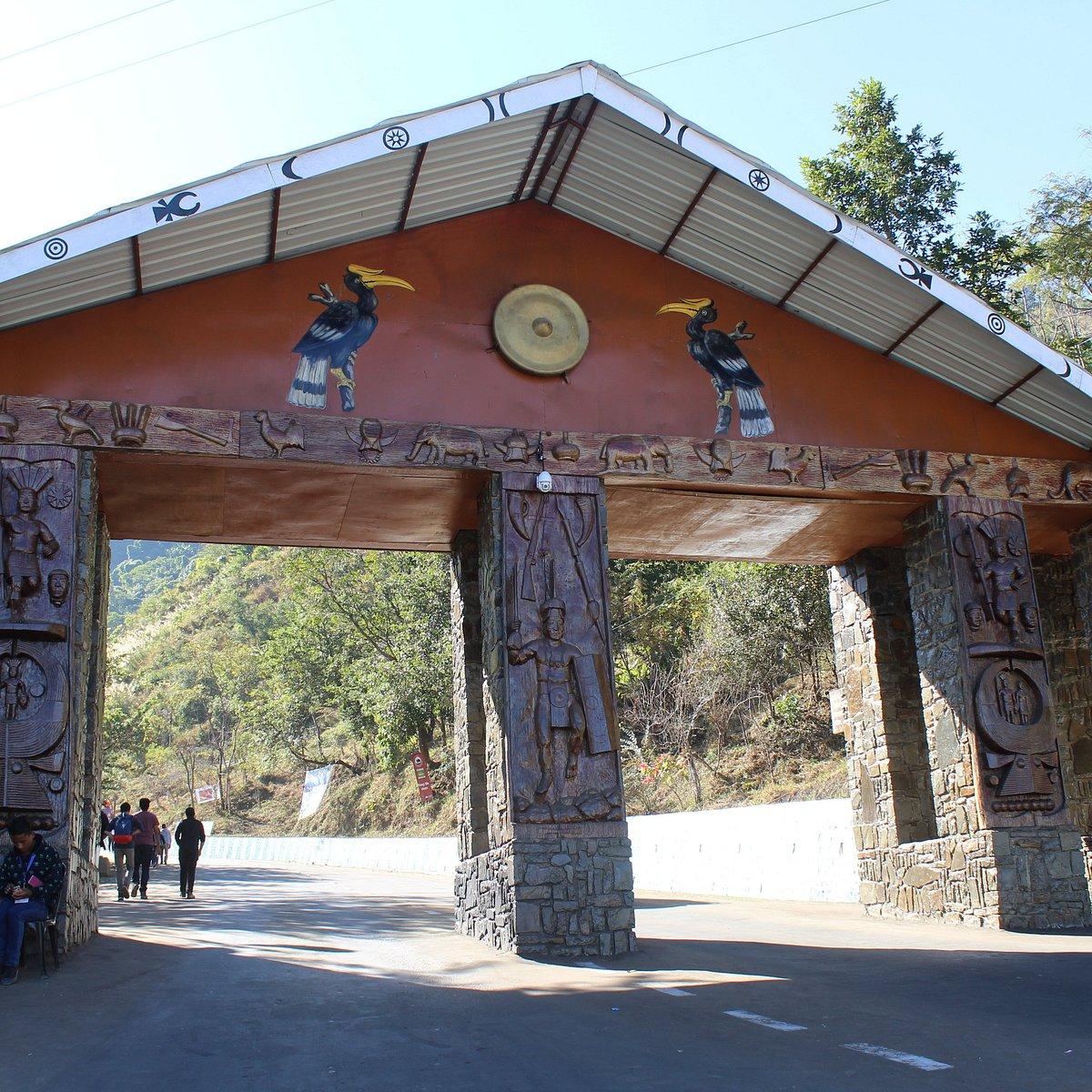
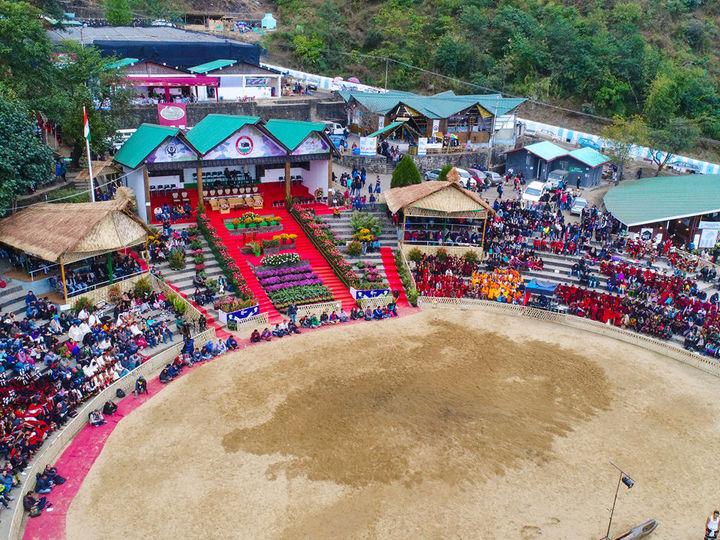
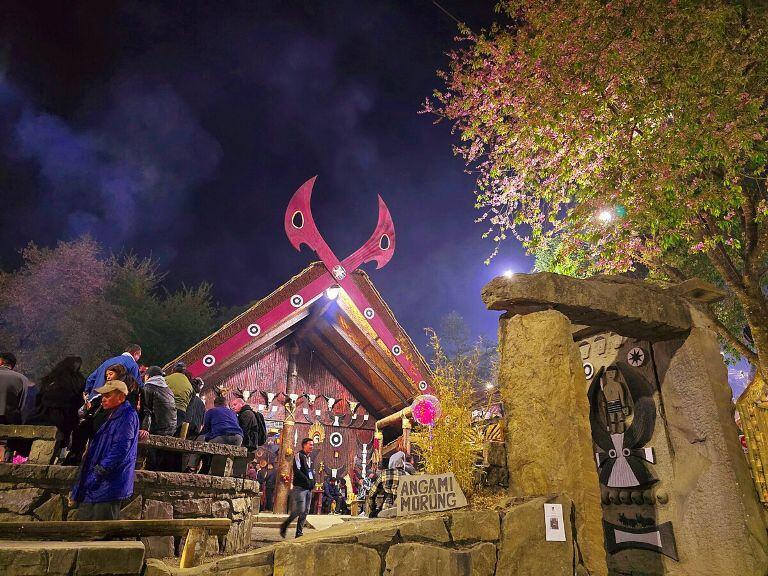
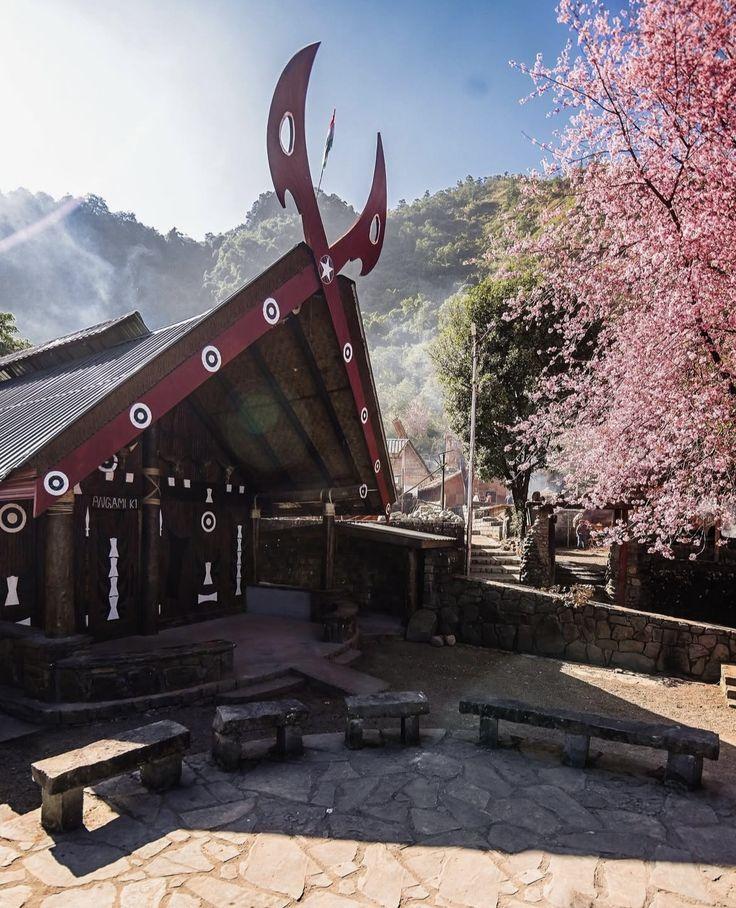
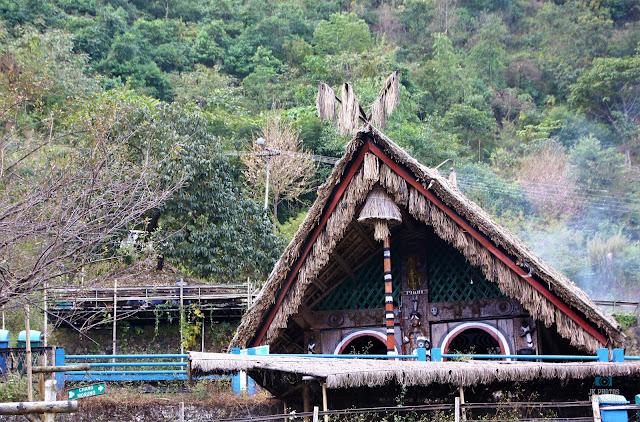
Kisama Heritage Village is about 12 km from central Kohima and is best known as the main venue for the Hornbill Festival, held every December.
The village has traditional Naga morungs, cultural displays, food stalls and spaces where different Naga tribes present their customs.
If you’re visiting outside the festival season, the place is quieter. During the Hornbill Festival, though, it gets packed.
2. Visit the Kohima War Cemetery
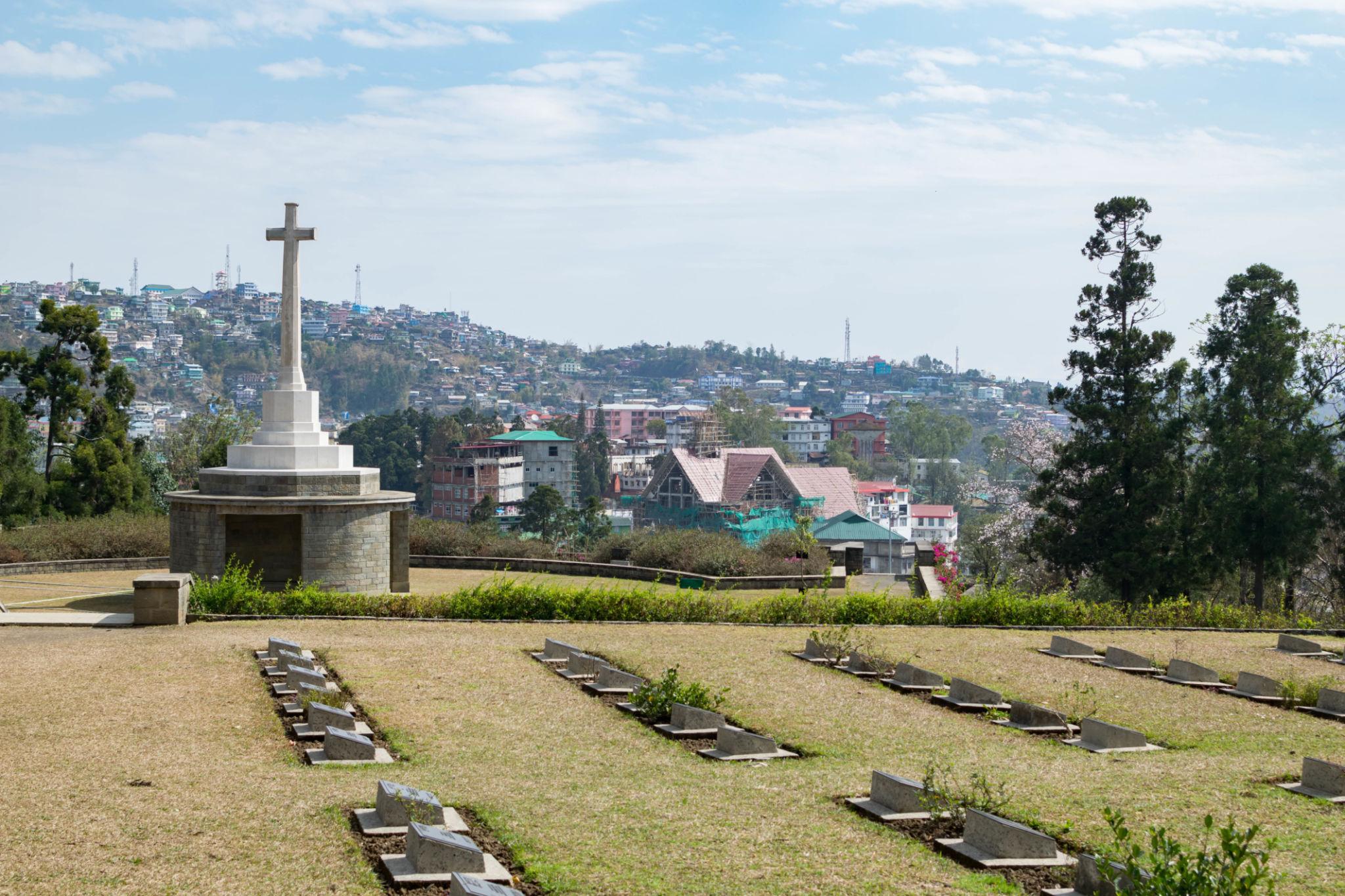
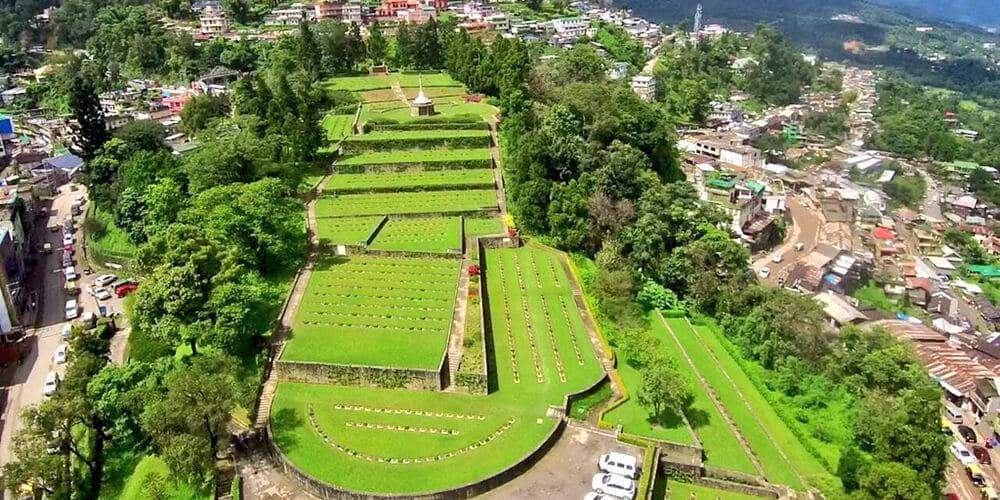
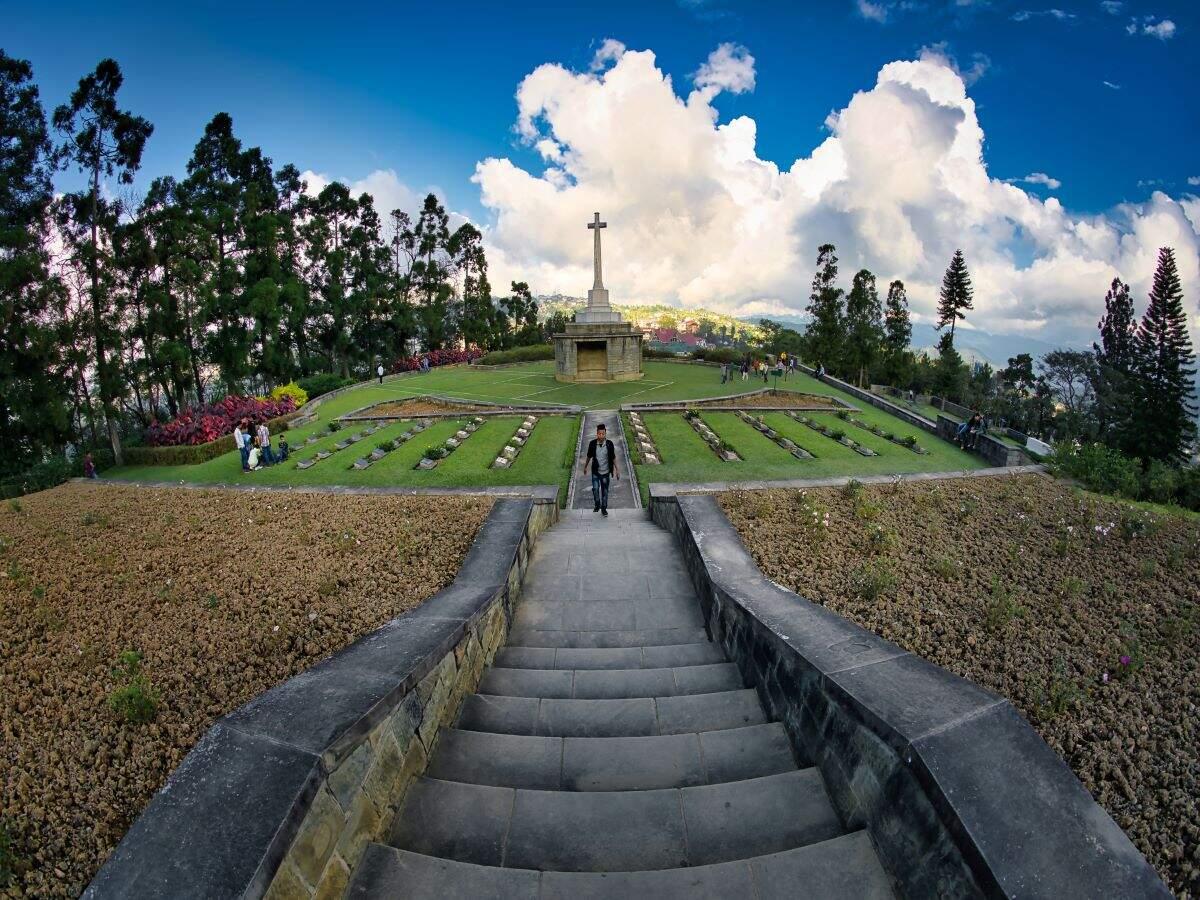
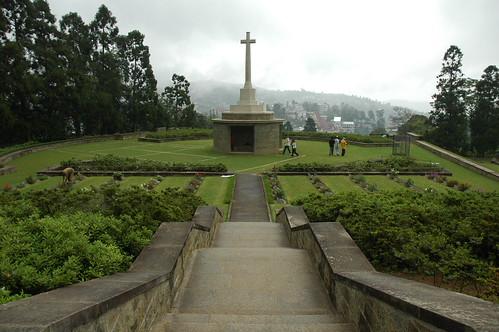
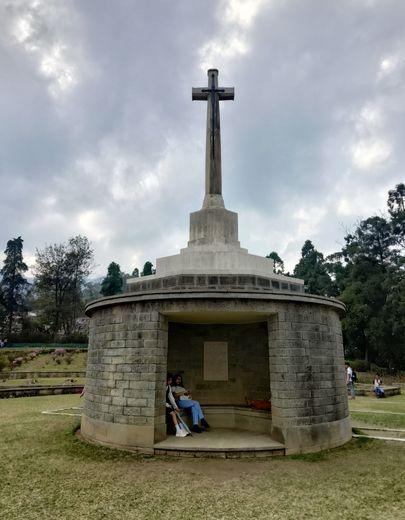
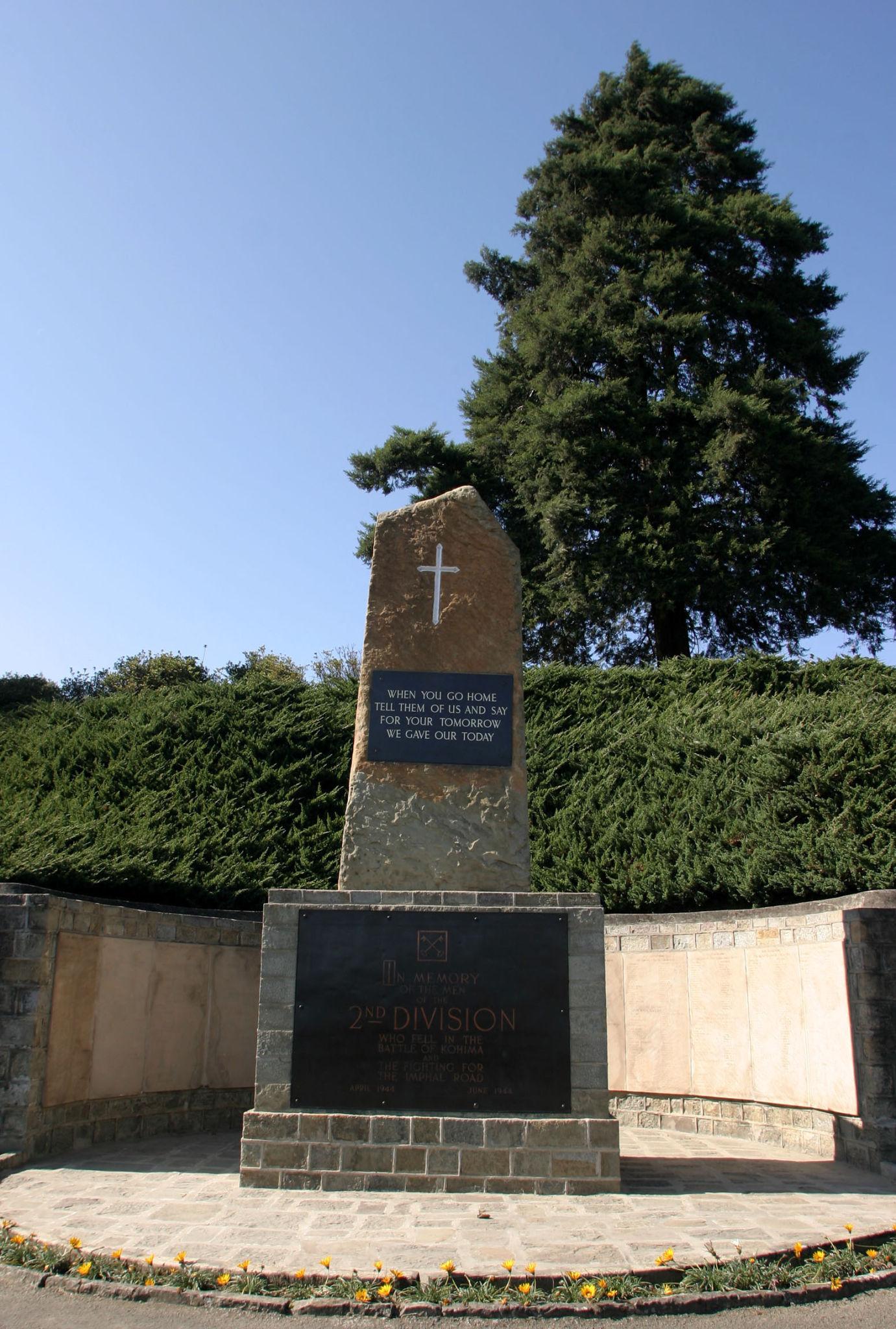
This is one of the places in Kohima where you should slow down.
The cemetery remembers Allied soldiers who died during the Battle of Kohima in 1944, one of the major battles of World War II in Asia.
The terraces climb the hillside, with rows of graves looking out over Kohima. It’s peaceful, beautifully maintained and surprisingly moving.
Give it 45 minutes to an hour.
3. See Kohima from the Naga Bazaar
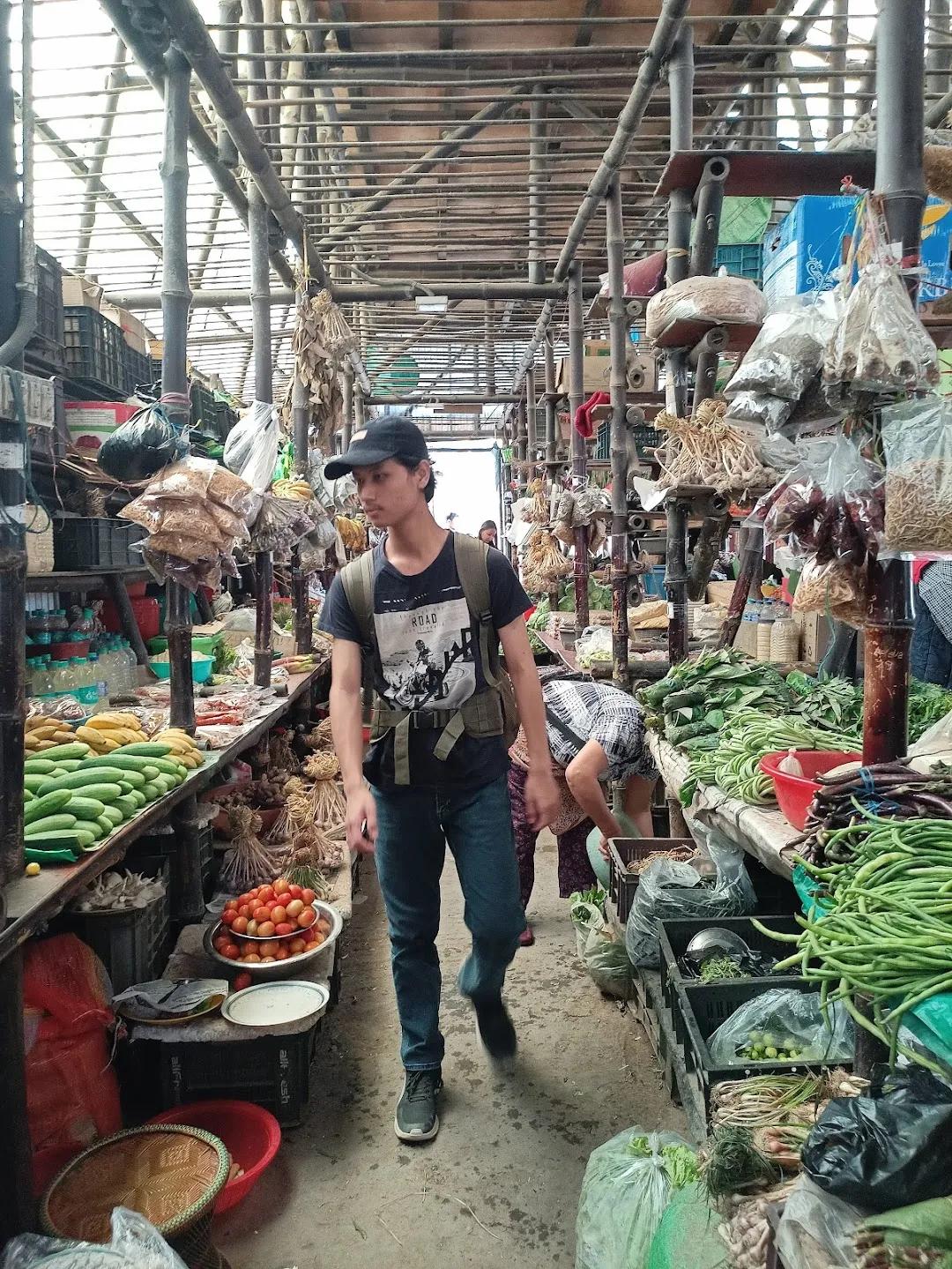
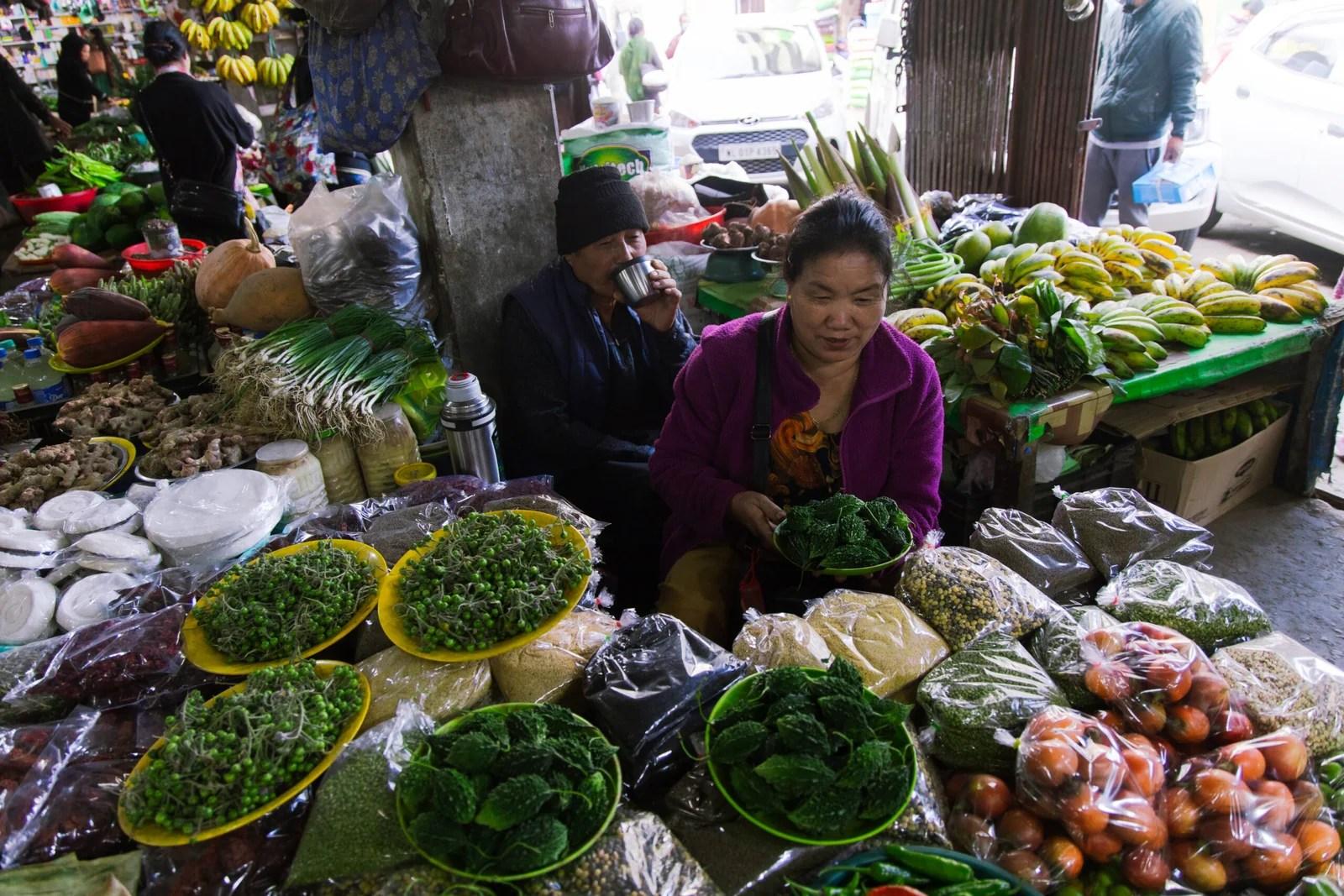
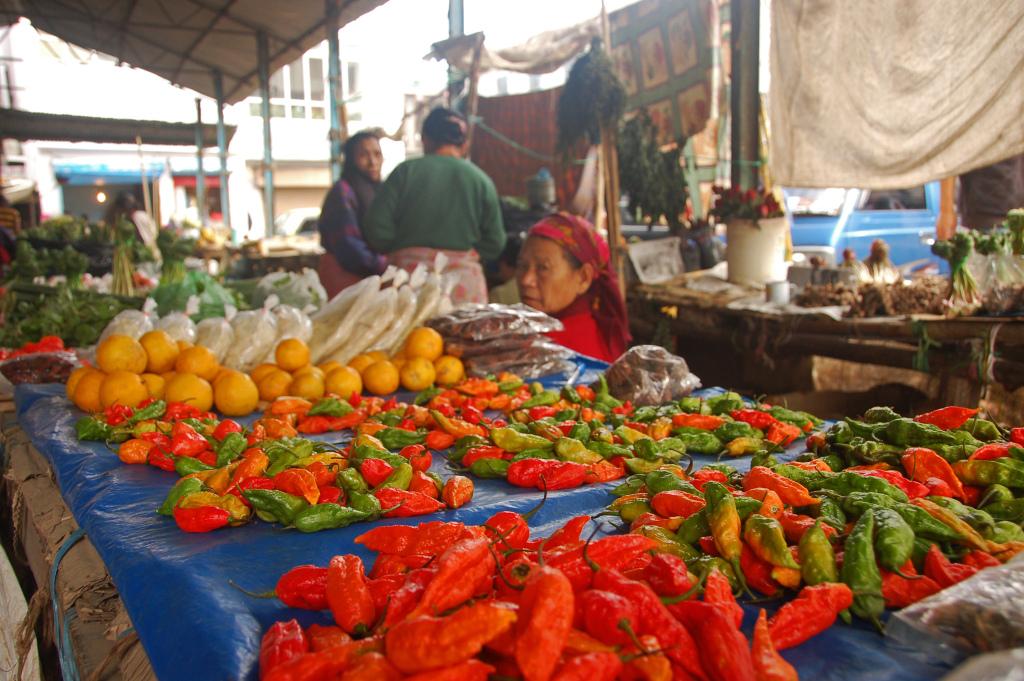
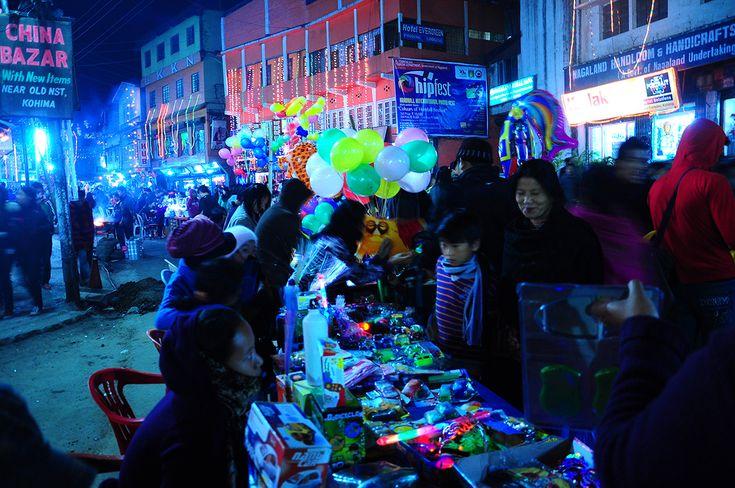
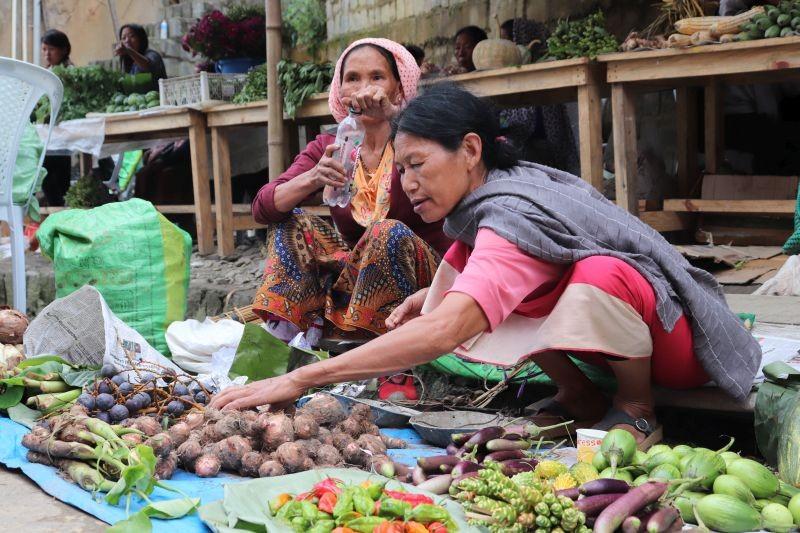
Go to Naga Bazaar when you want to see everyday Kohima.
You’ll find vegetables, local ingredients, meat and plenty of things that probably won’t look familiar if you’re visiting Nagaland for the first time.
Take your time here. Watch what people are buying, check out the local produce and, if you’re comfortable, try something you’ve never eaten before.
4. Spend an hour at the State Museum
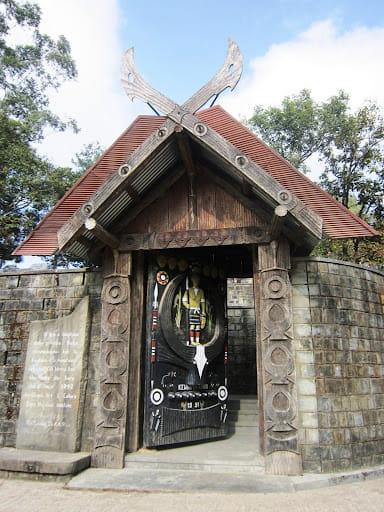
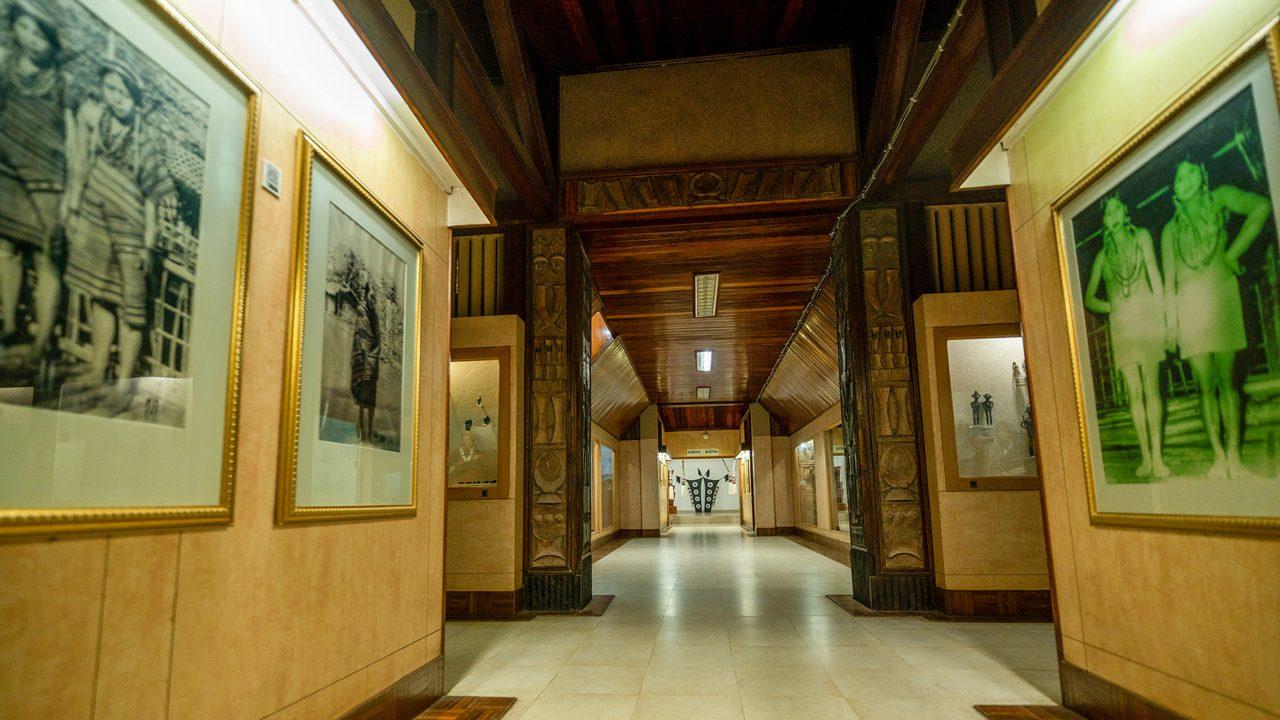
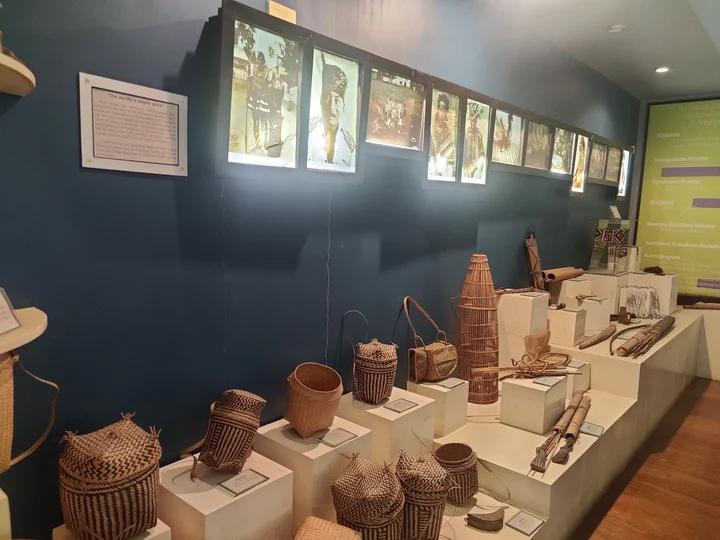
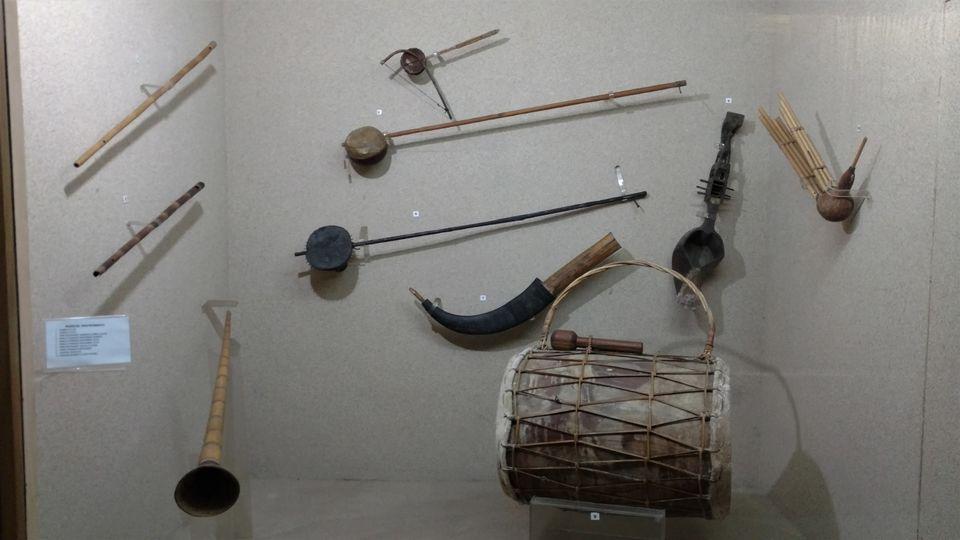
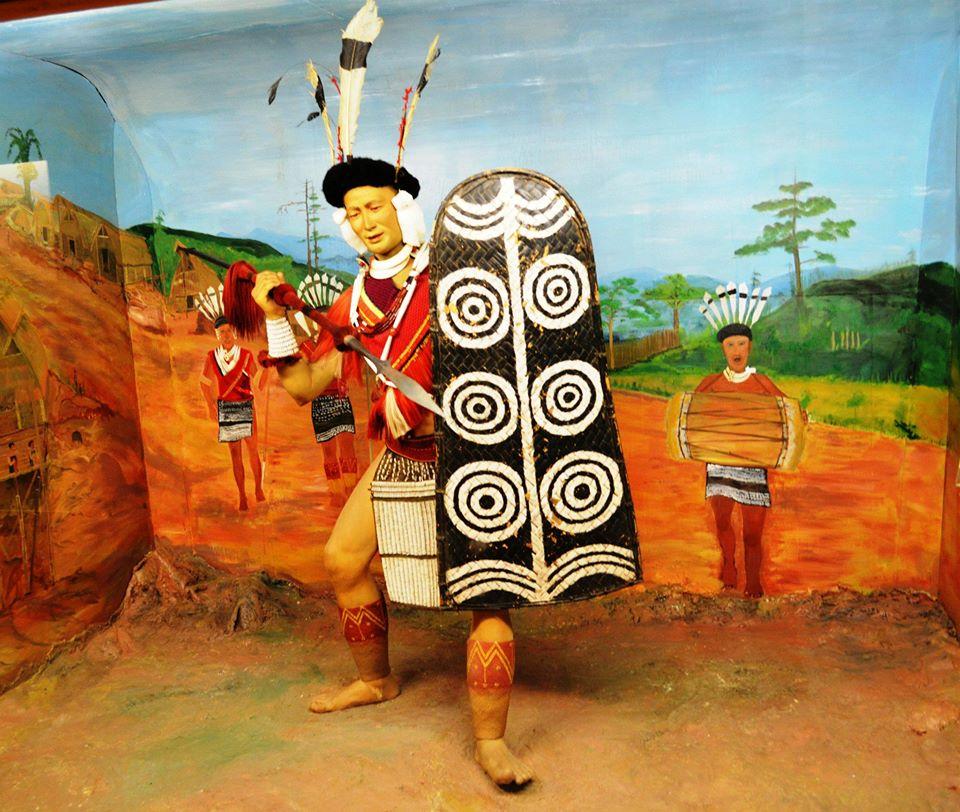
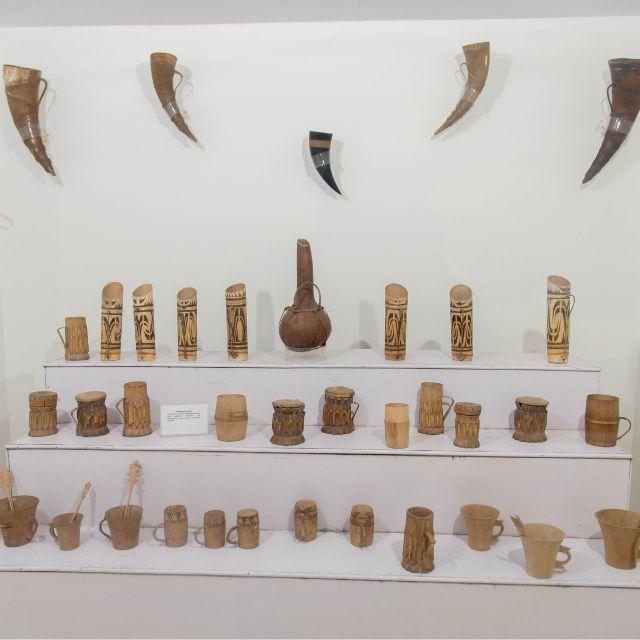
The Nagaland State Museum is useful if you want some context before visiting villages and cultural sites around Kohima.
Its collection includes traditional clothing, weapons, ornaments, musical instruments and objects associated with Nagaland’s different tribes.
It’s an easy stop to pair with other places around town.
5. Walk around the Catholic Cathedral
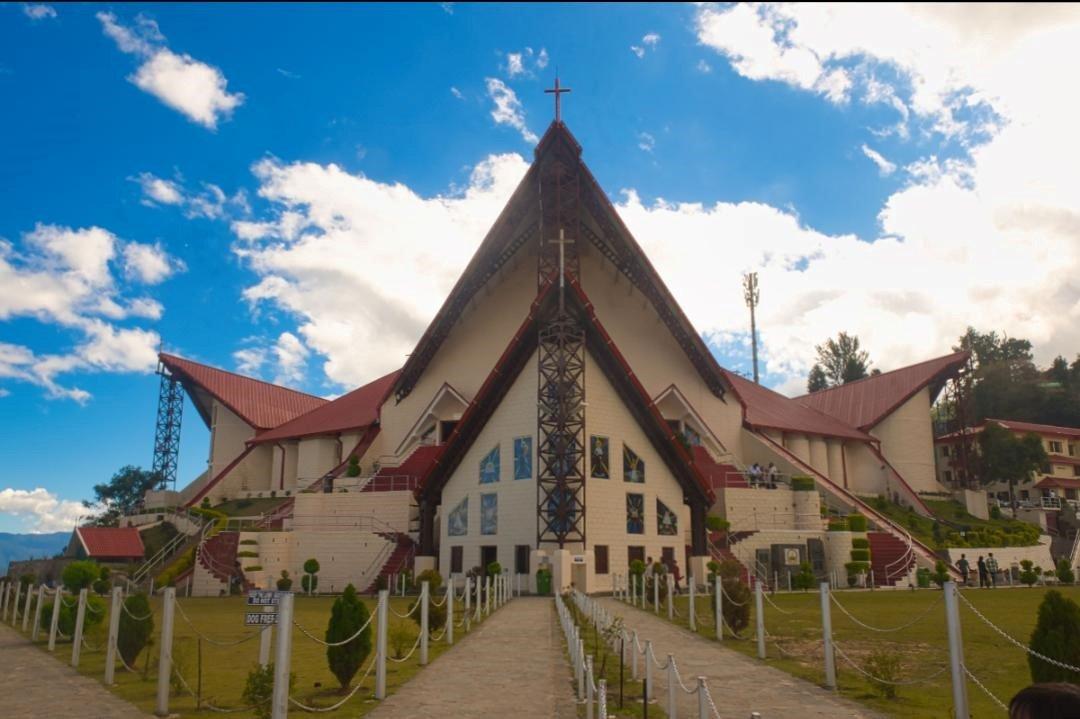
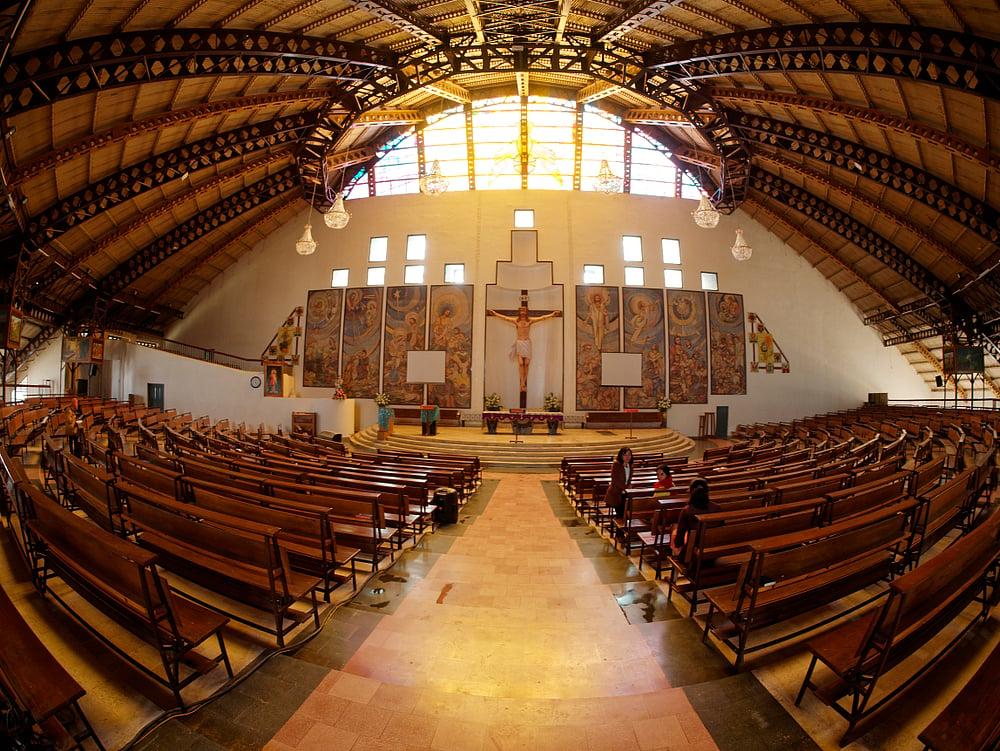
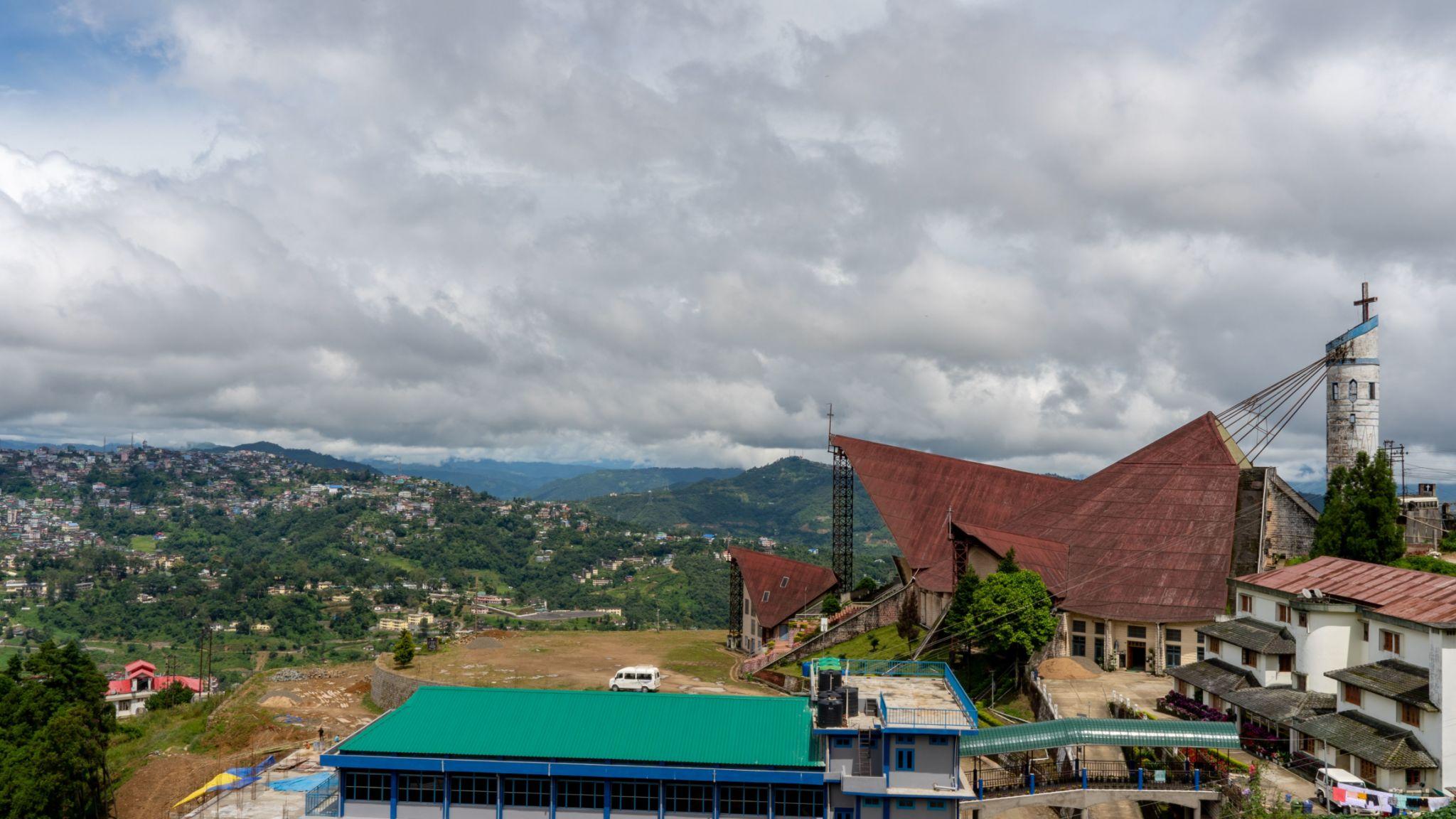
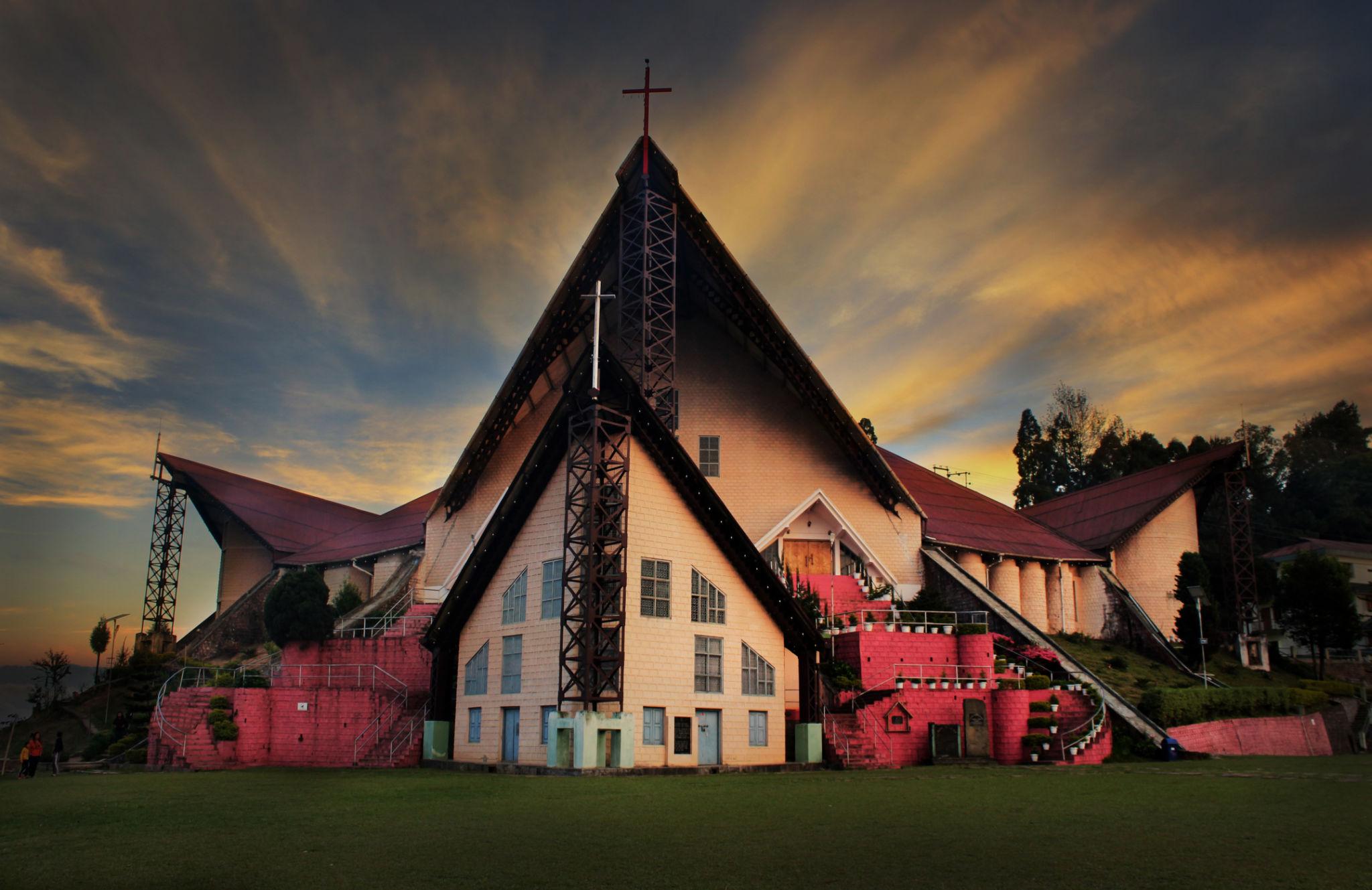
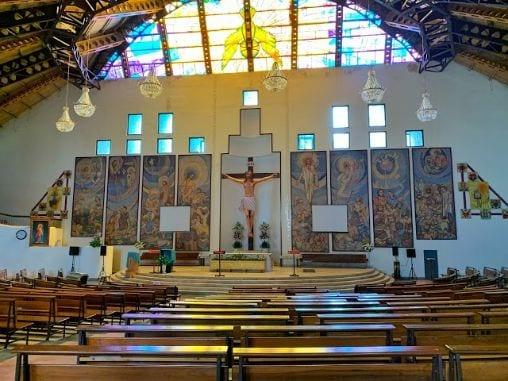
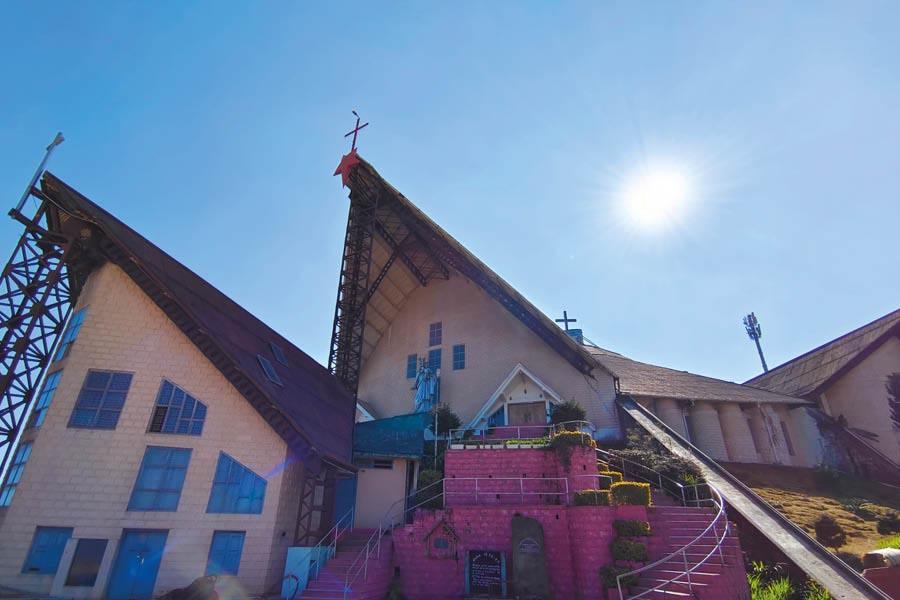
The Mary Help of Christians Cathedral sits on a hill above Kohima and is one of the city’s most recognizable buildings.
The architecture blends a modern church design with local influences. Inside, you’ll find a large wooden crucifix and a calm interior.
The hilltop location is part of the appeal. You get a good look across the surrounding hills from here.
6. Eat Naga food
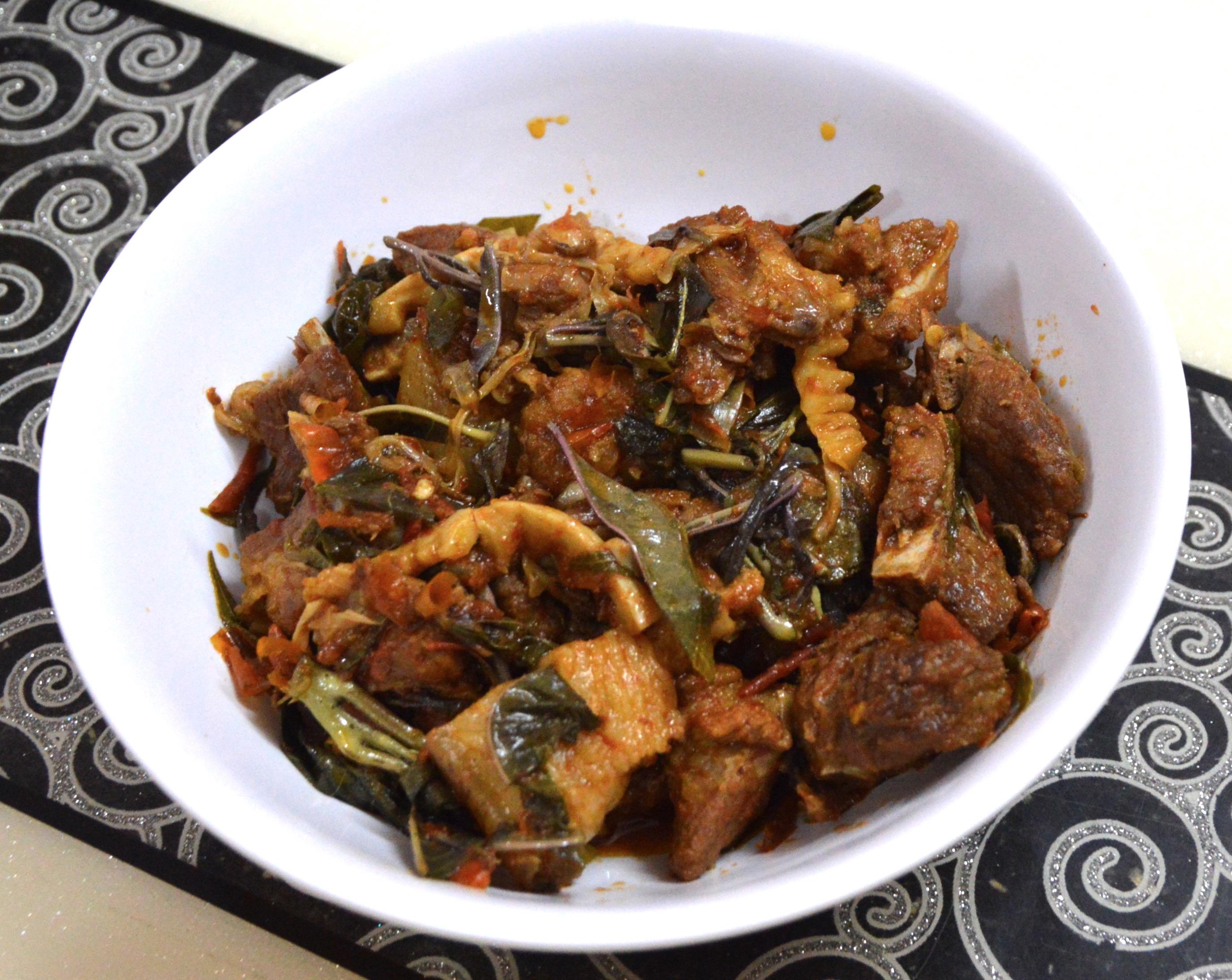
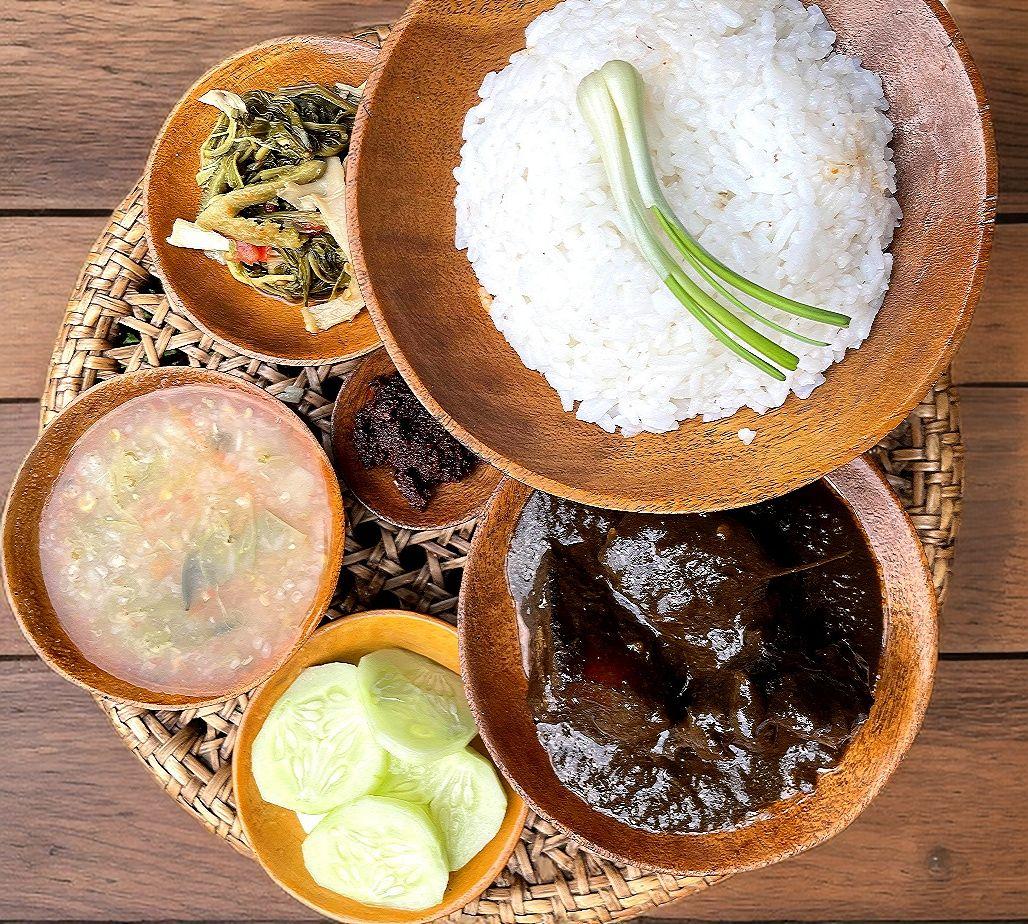
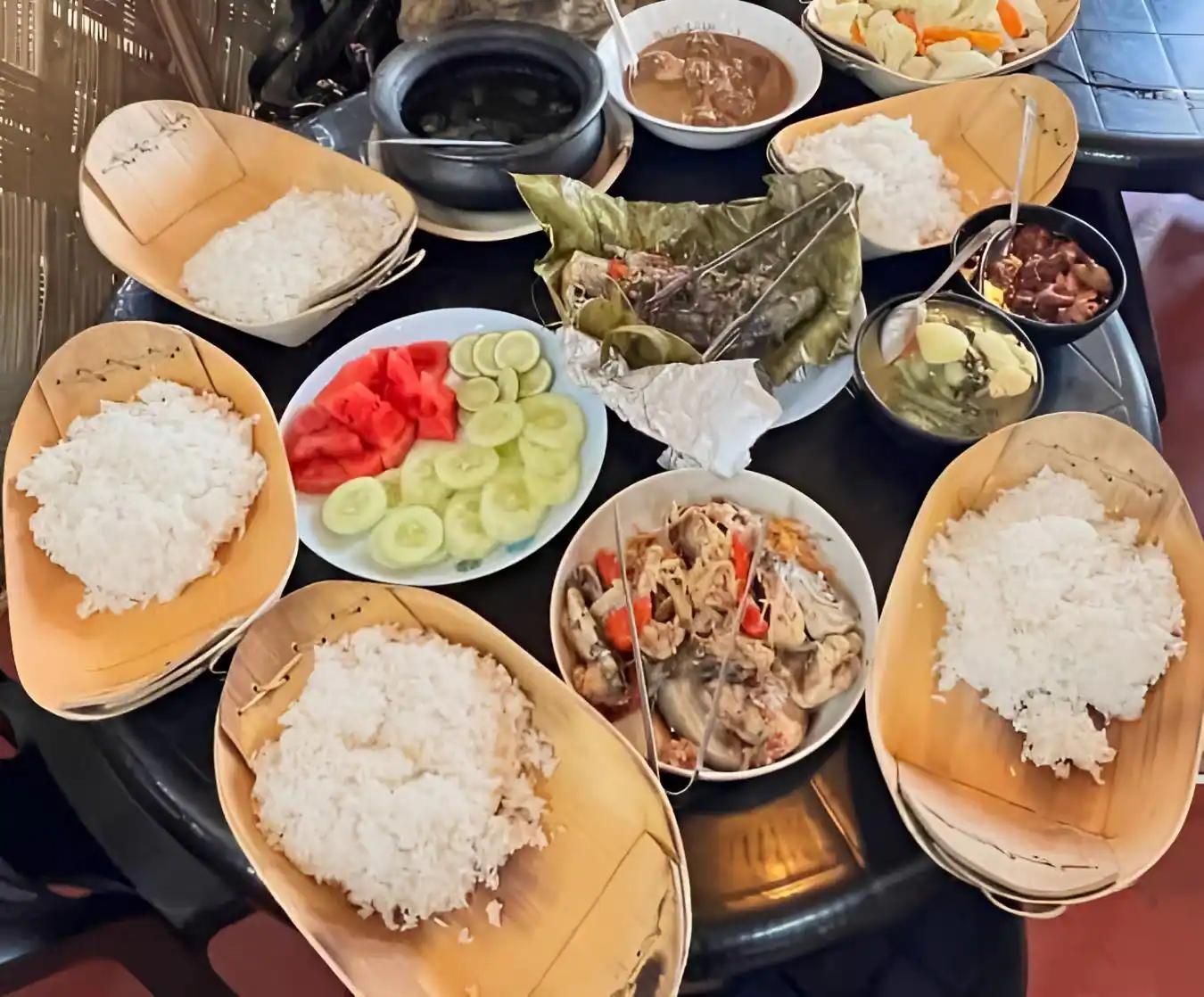
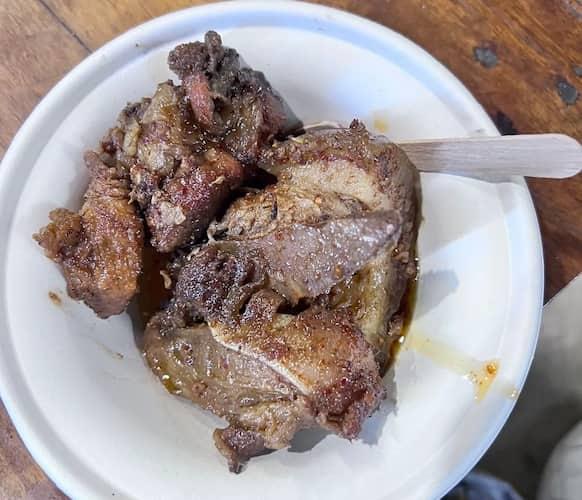
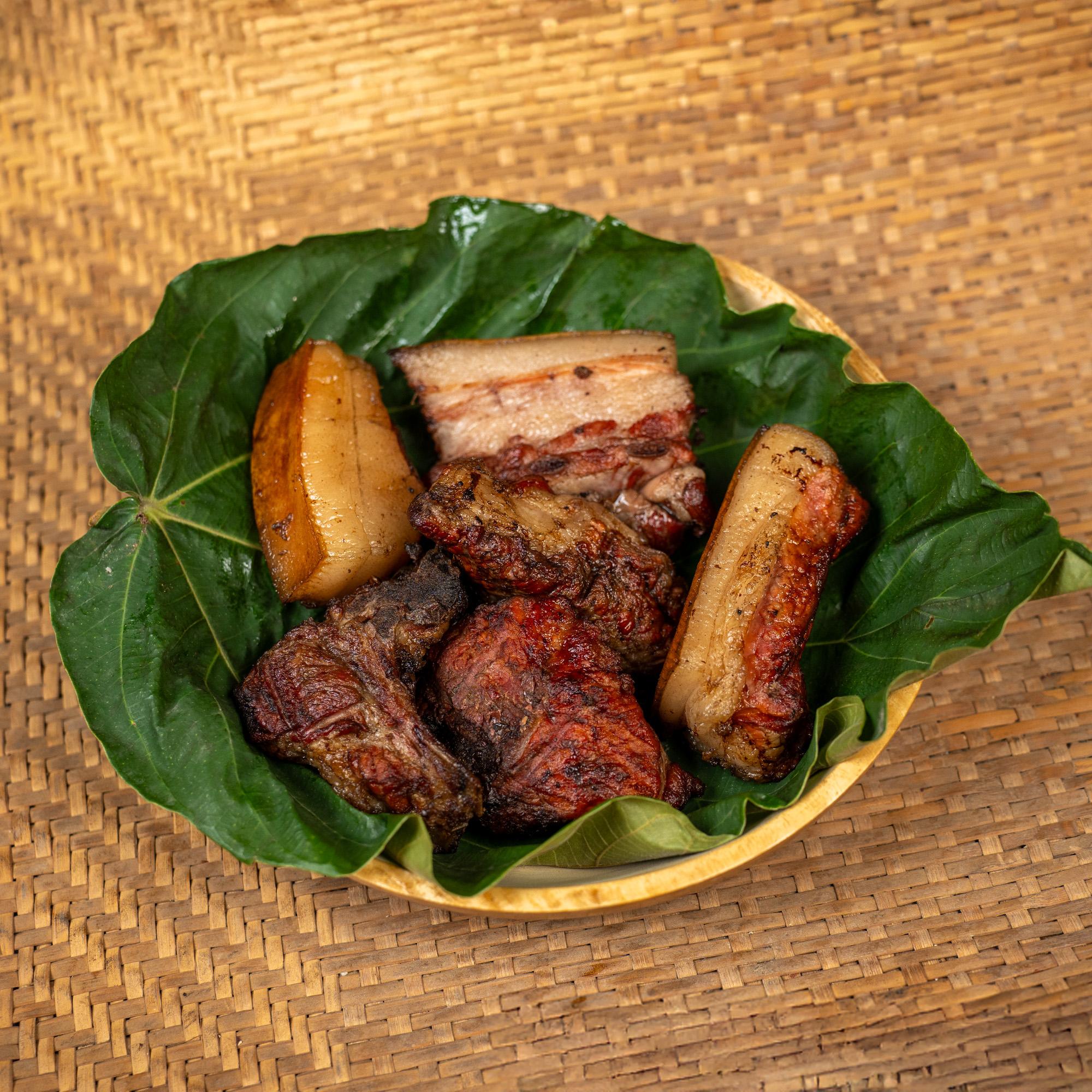
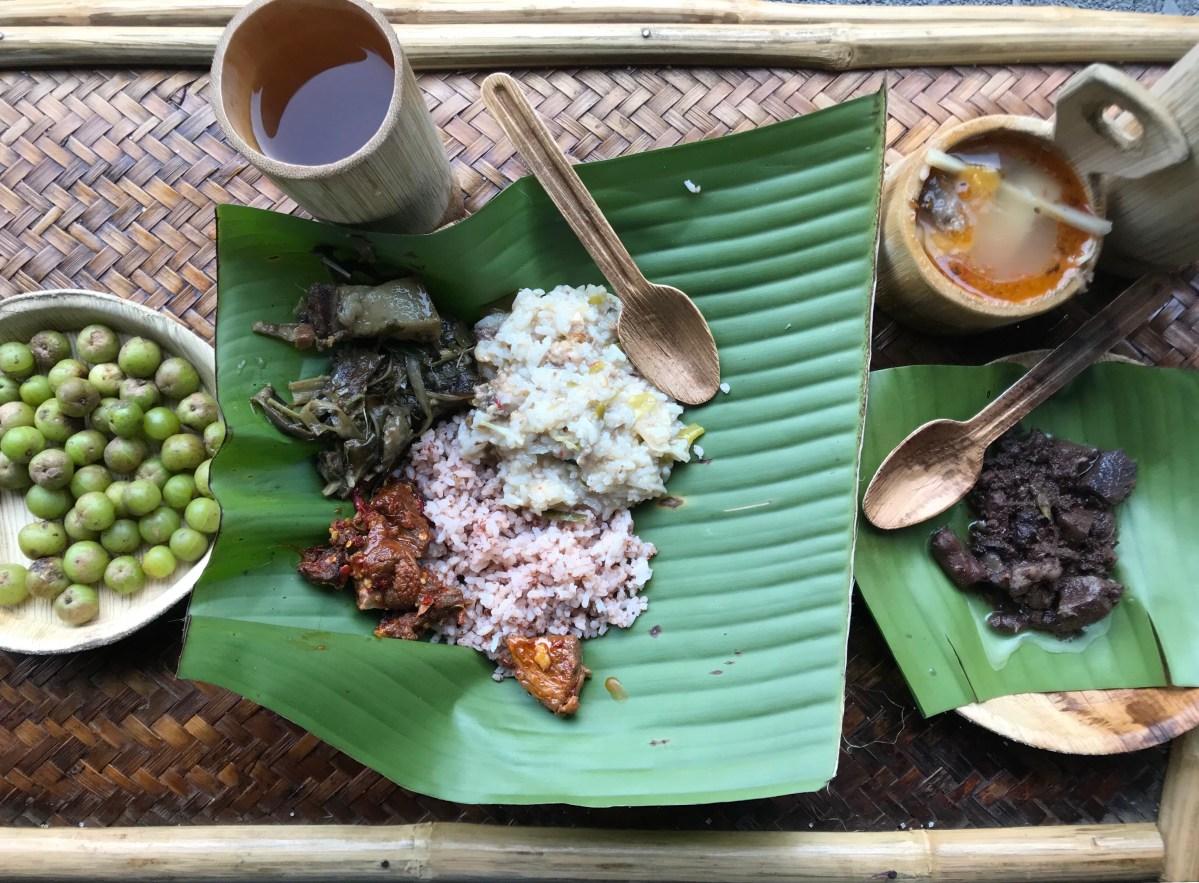
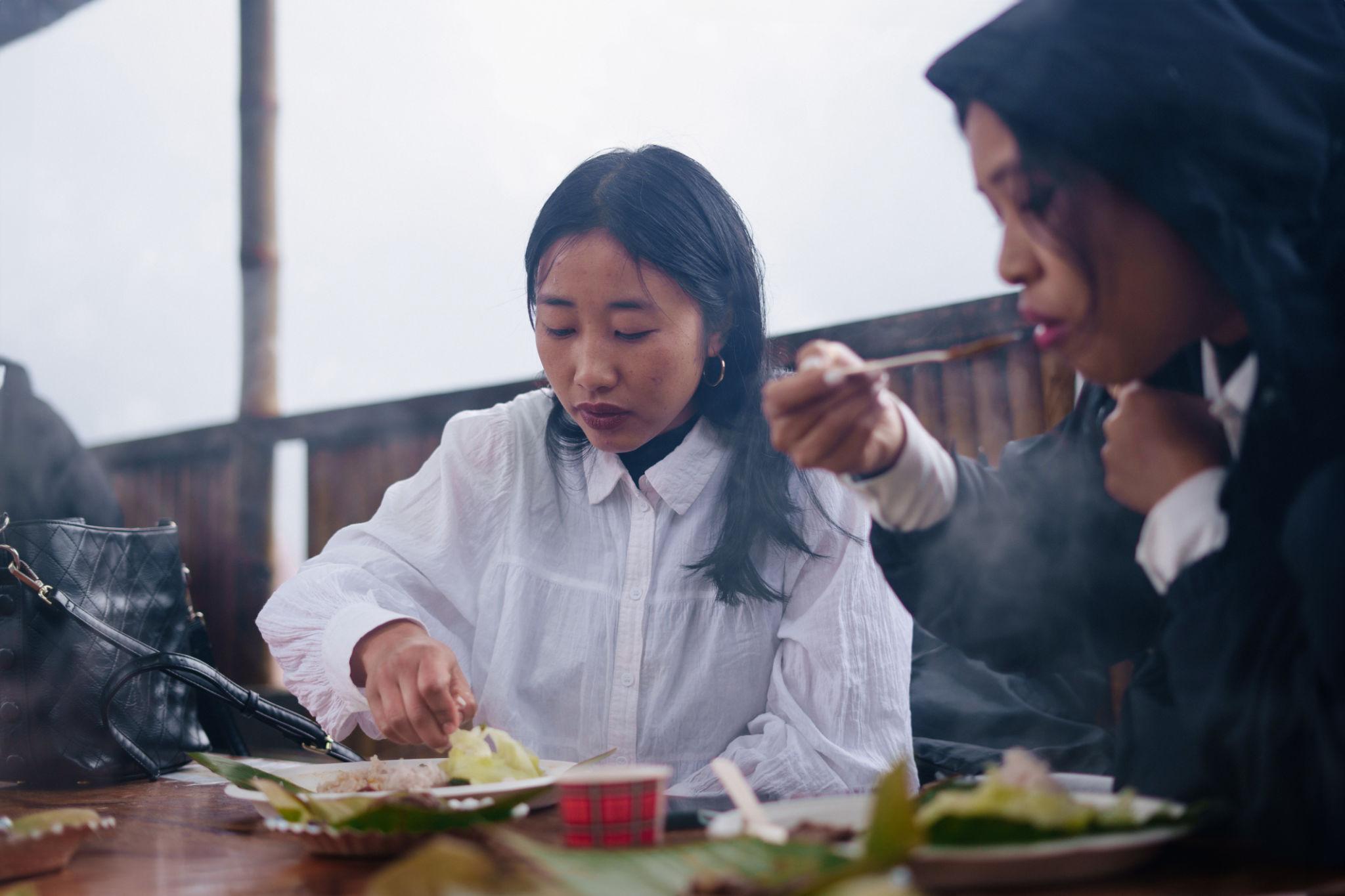
You can’t spend 2 days in Kohima and skip the food.
Try smoked pork with axone, pork with bamboo shoot, fermented soybean dishes, sticky rice and local greens. If you eat meat, Naga cuisine gives you plenty to work through.
The flavours can be smoky, fermented and properly spicy. Start gently if you’re sensitive to chilli.
7. Drive up to Dzükou Valley
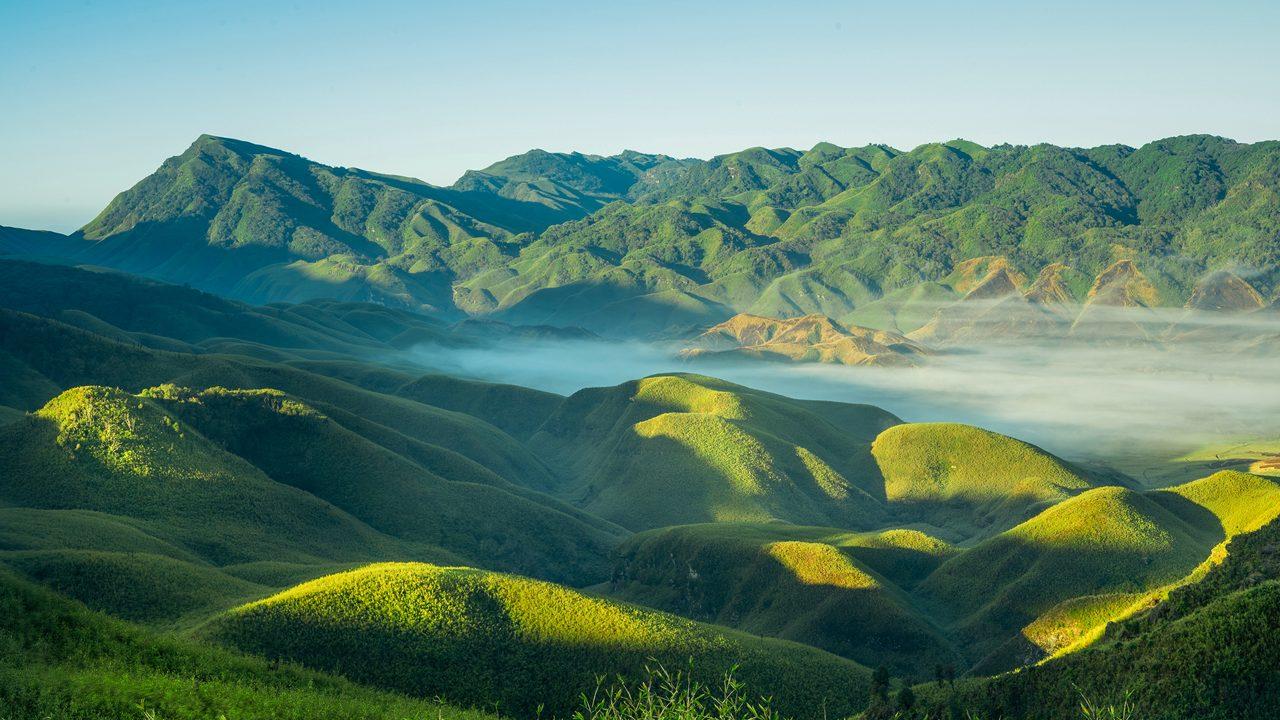
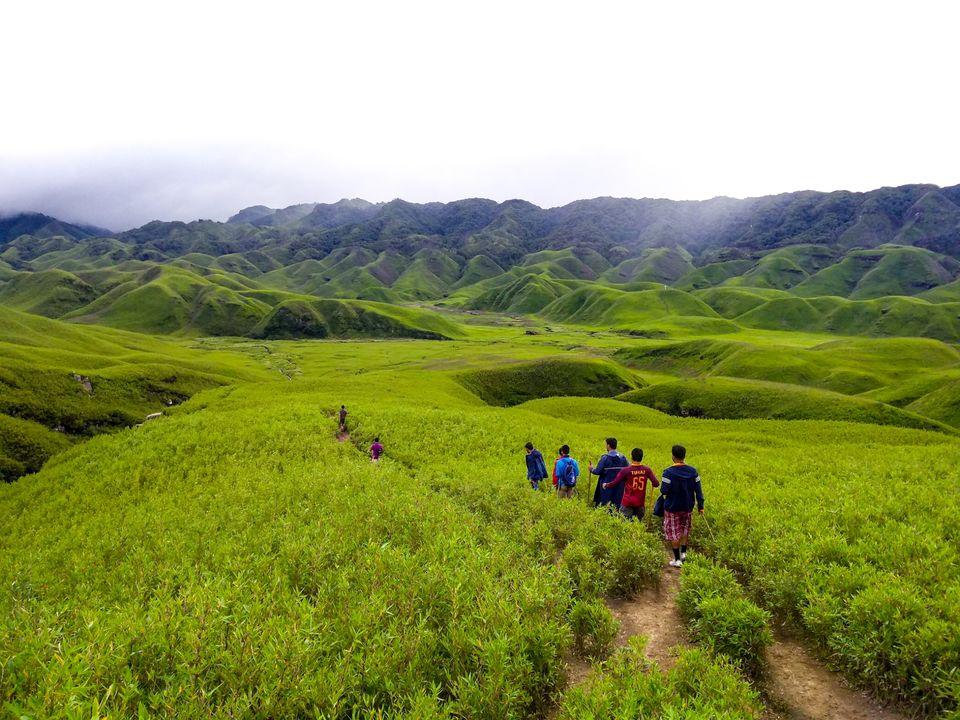
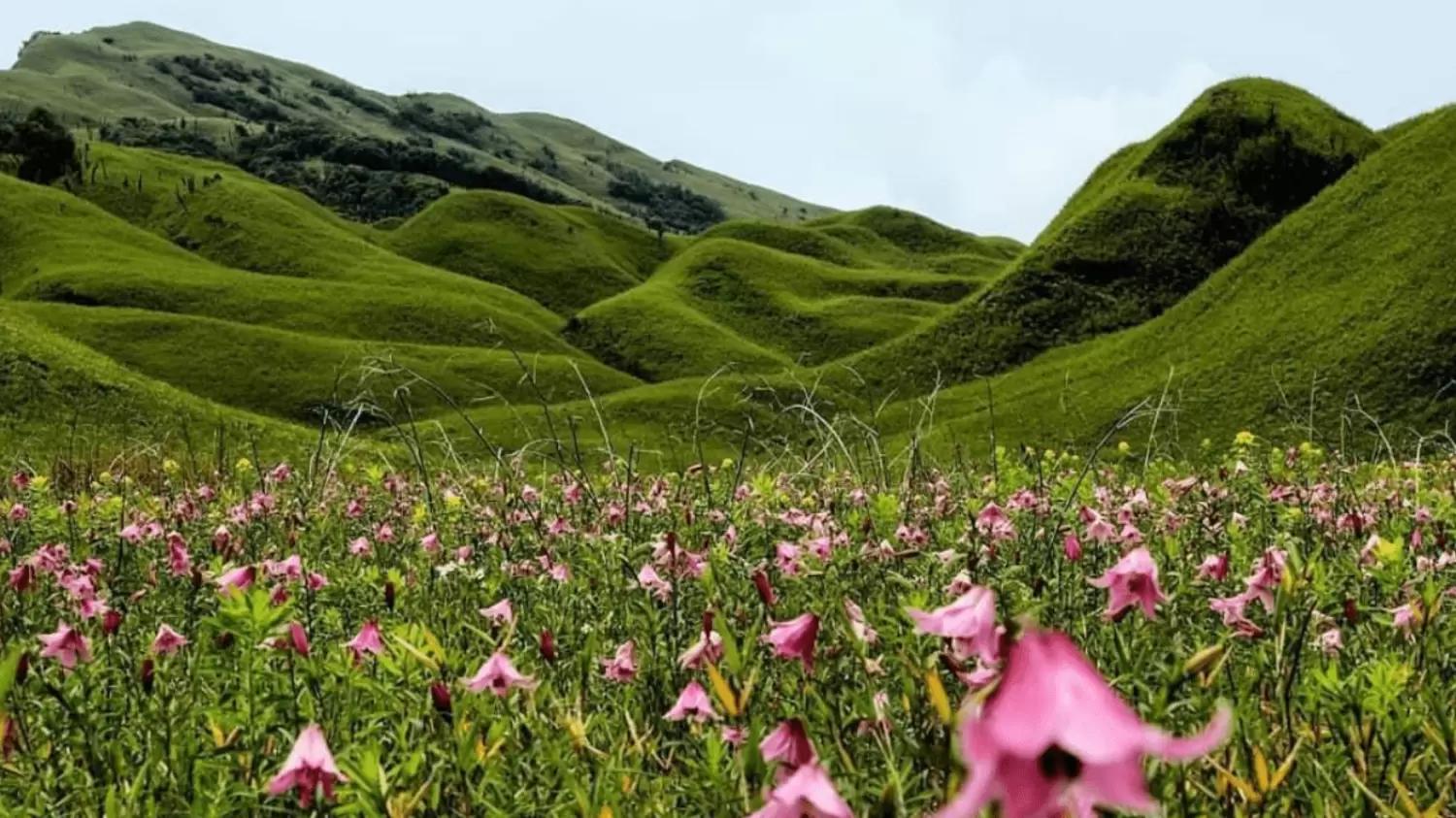
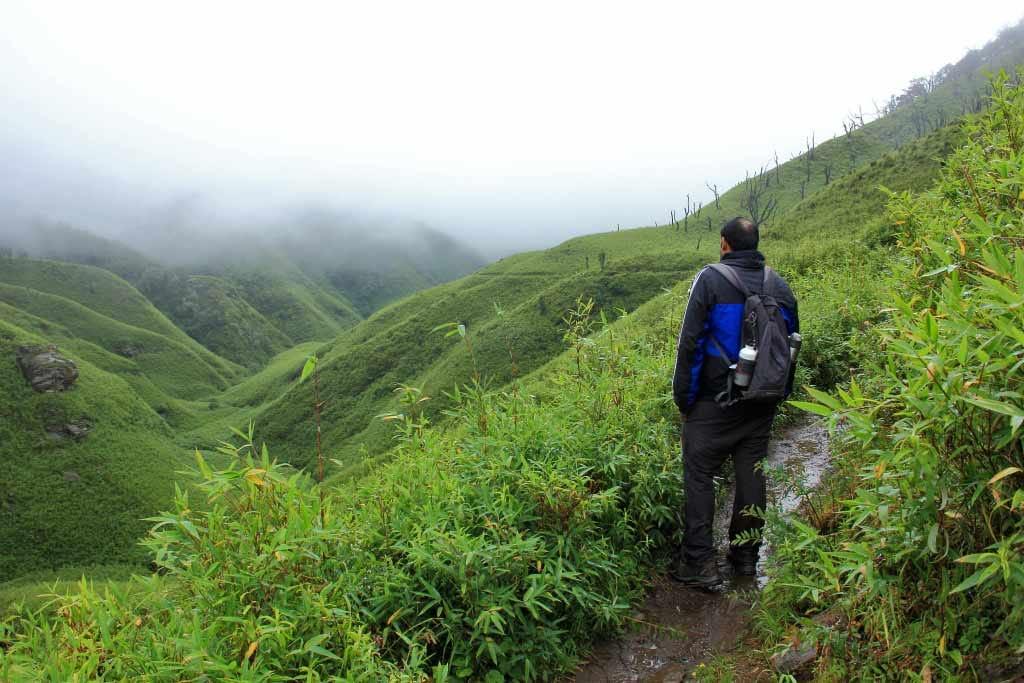
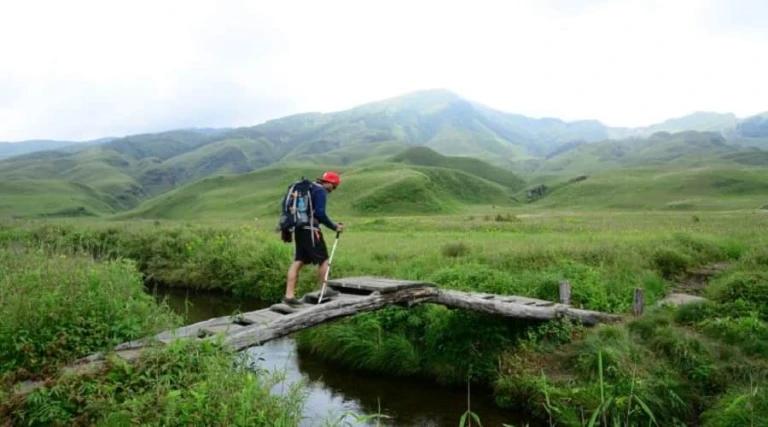
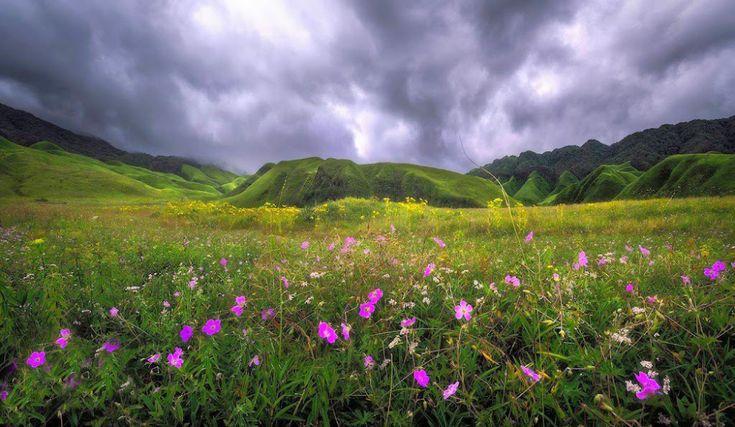
If you’ve got an extra day, Dzükou Valley is the trip I’d make.
The valley sits around 2,450 metres above sea level and is known for its rolling green slopes, seasonal flowers and wide mountain views. The trek is the main attraction.
You can visit as a day trip from Kohima, but an overnight trek makes more sense if you want time in the valley.
Weather changes quickly in the hills, so check conditions before setting out.
8. Visit Jakhama or Khonoma village
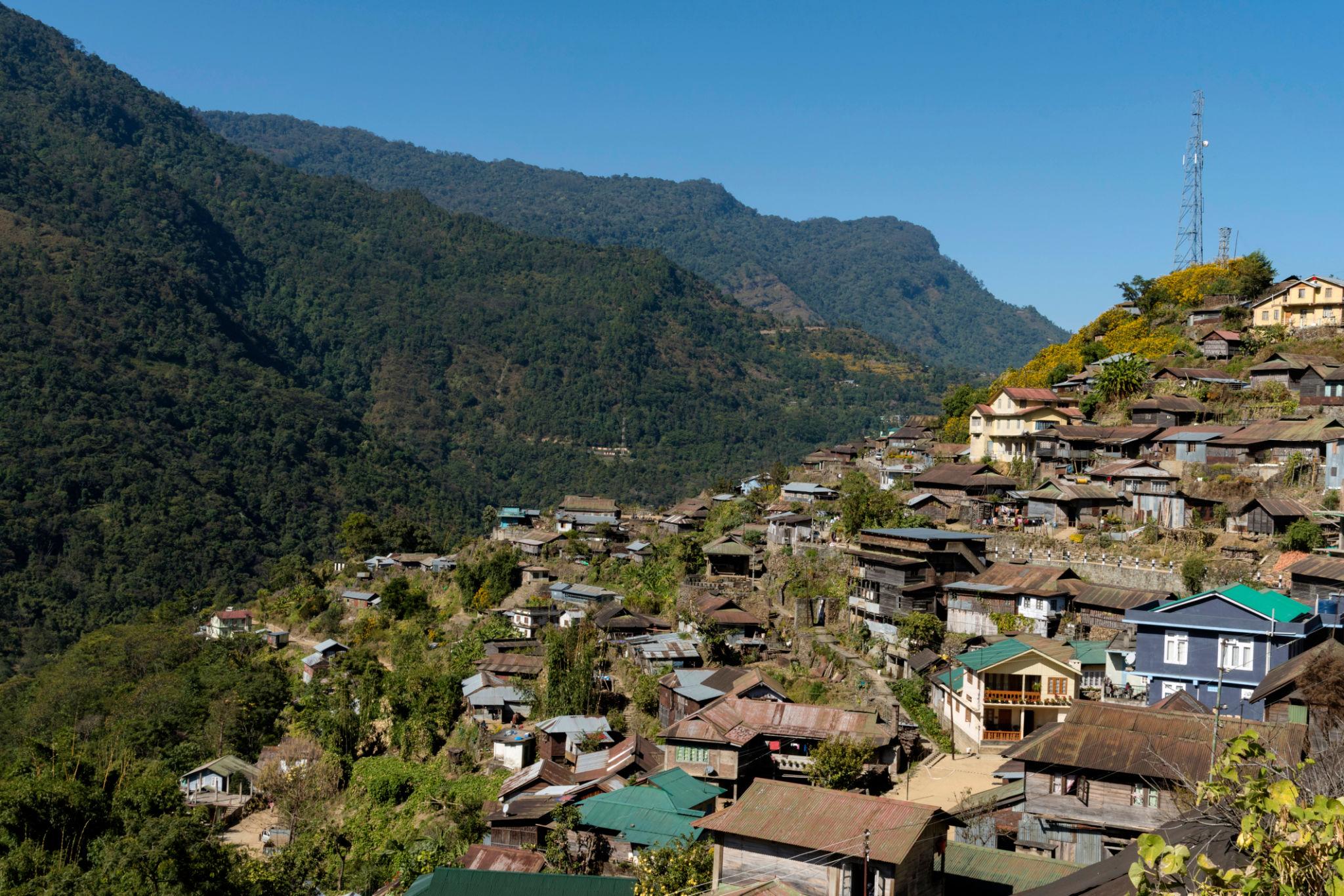
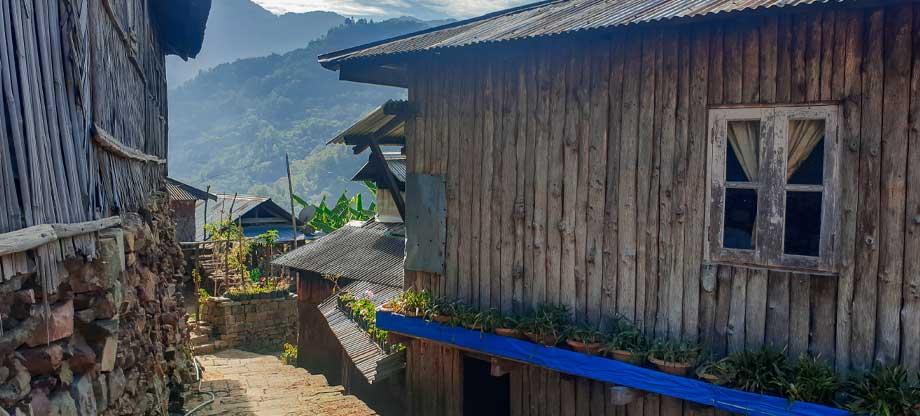
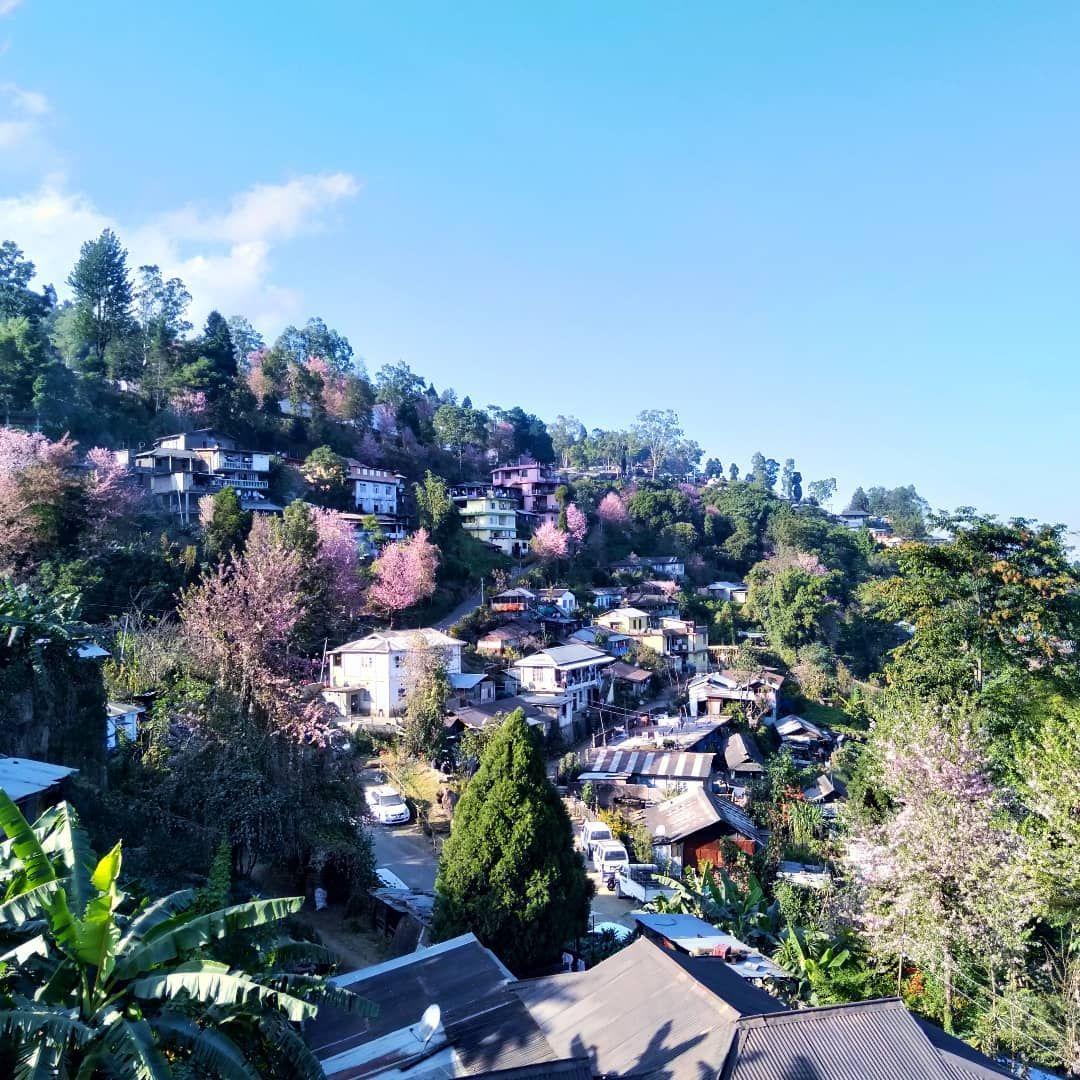
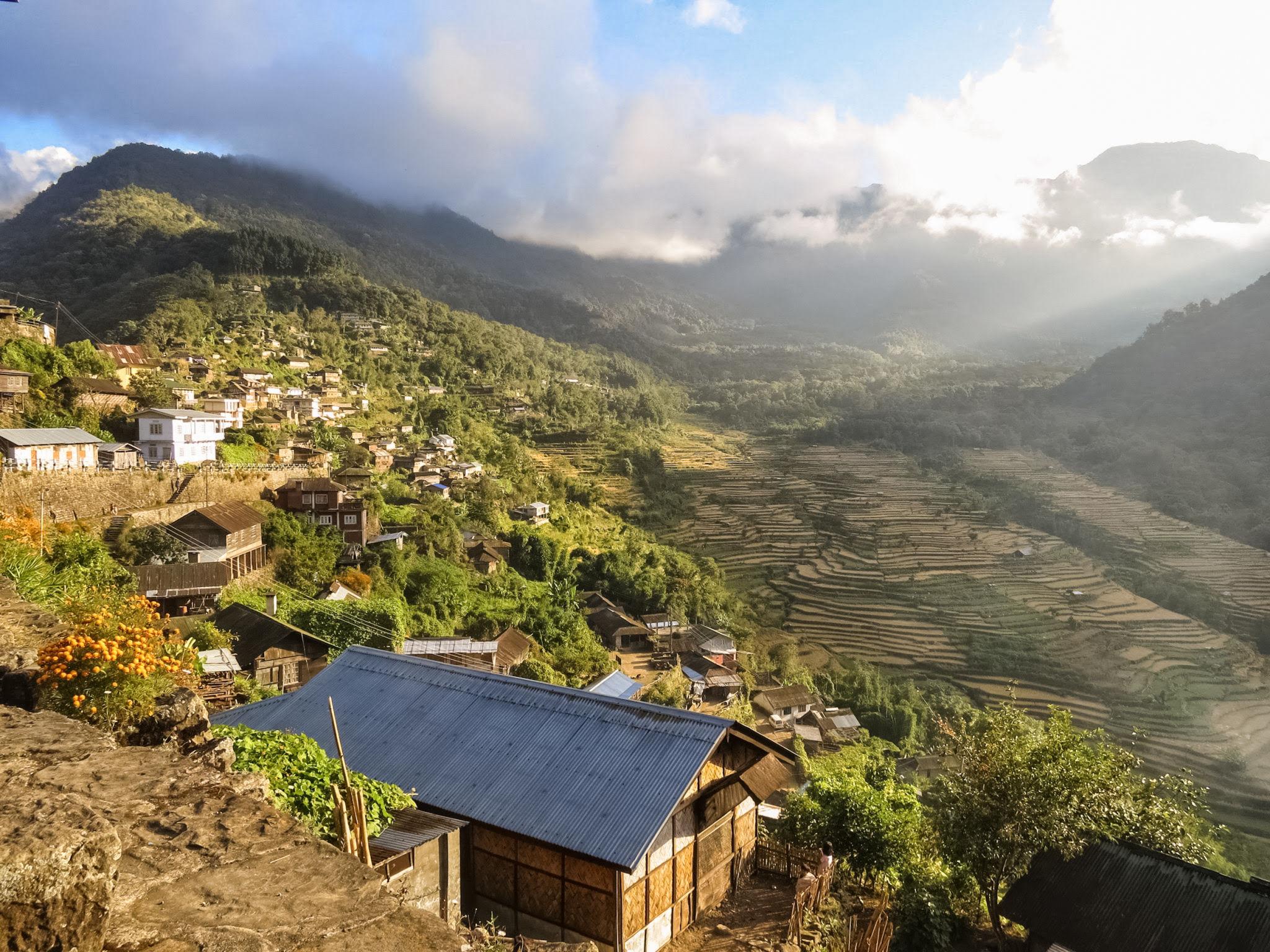
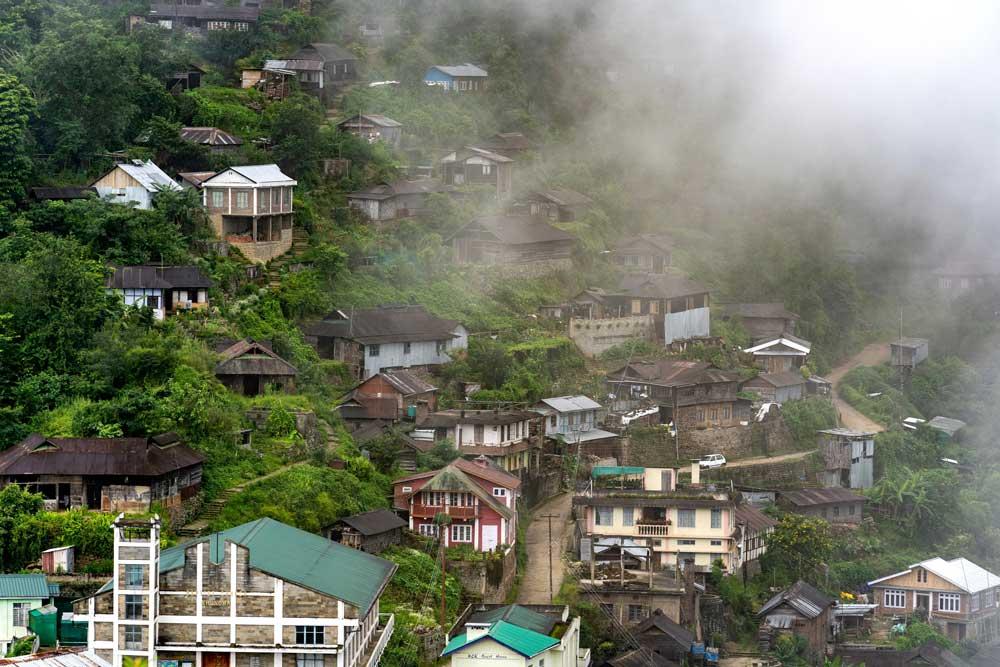
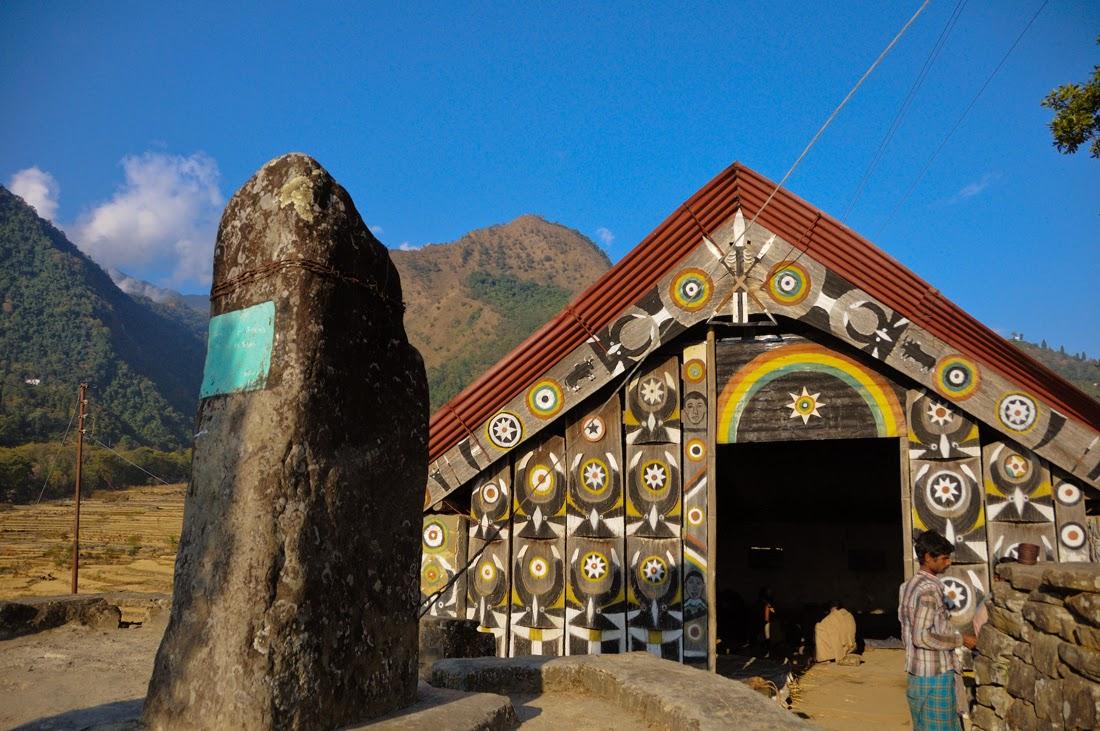
Kohima gives you the city. Nearby villages show you another side of Nagaland.
Khonoma is around 20 km from Kohima and is known for its terraced fields, forests and history of resistance to British forces.
Jakhama is another nearby option if you’re interested in village life and mountain scenery.
Go with a local guide where possible. You’ll get much more from the visit than simply walking around taking photos.
9. Catch the sunset from Kohima’s hills


Kohima is hilly enough that you don’t need a famous viewpoint for a good sunset.
Find a quiet spot with a clear view across the hills, grab some tea and stay until the lights start appearing across the city.
This is one of those things that costs nothing and ends up being one of the better parts of the trip.
10. Shop for Naga handicrafts


Look for Naga shawls, handwoven textiles, baskets, bamboo products and traditional crafts.
Prices vary, and bargaining isn’t always expected, so ask before assuming you should negotiate.
A locally made textile makes a much better souvenir than another generic fridge magnet.
How I’d spend 2 days in Kohima
Day 1
Morning: Kohima War Cemetery
Late morning: Naga Bazaar
Lunch: Naga food
Afternoon: State Museum + Cathedral
Evening: sunset and dinner
Day 2
Morning: Kisama Heritage Village
Afternoon: Khonoma village
Evening: back to Kohima for food and a slow walk around town
If you have 3 days, use the extra day for Dzükou Valley.
Best time to visit Kohima
October to May is a good period for a Kohima trip because the weather is generally more comfortable for sightseeing and outdoor activities.
December is special because of the Hornbill Festival, usually held from December 1 to 10 at Kisama. Accommodation and transport can get much busier around the festival, so book ahead.
How many days do you need?
2 days is enough for Kohima’s main sights.
Give it 3 to 4 days if you want to add Dzükou Valley, Khonoma and a slower look at the surrounding villages.
Kohima works best when you leave a little room in the schedule. The roads are hilly, distances can take longer than they look on a map, and stopping for a view is practically part of the itinerary.
Featured Image Credit: Generated/Sourced via Chatgpt.com.
Editorial note: Some articles may use AI-assisted research or drafting. Our editorial process includes human review and editing, and important travel information should be verified with official sources before your trip.
Travel Tips & Responsible Exploration
Good travel planning starts with staying informed. Before your journey, verify important details such as transportation, accommodation, weather, permits, entry requirements, and local guidelines. Respect local communities, cultures, traditions, and the environment, and travel responsibly wherever you go. Suman Rabha shares practical travel guides, local insights, and destination information to help readers explore Northeast India and beyond with greater confidence.