

Nagaland can be an incredible trip. It can also test your patience if you arrive expecting everything to work like a typical tourist destination.
Roads take time. Mobile networks can disappear. Weather changes plans. And some places need permits or local permissions.
Here are the things I’d know before going.
1. Check whether you need an ILP
Indian visitors from outside Nagaland generally need an Inner Line Permit (ILP) to enter the state.
The rules and application process can change, so check the latest requirements before you leave. Carry your ID and a few photocopies too. Having the paperwork sorted before reaching the border saves a lot of hassle.
Foreign visitors have different registration and entry requirements.
2. Nagaland is a road-trip state
Most trips around Nagaland involve road travel.
Kohima to Dimapur is manageable, but once you’re heading toward places such as Mokokchung, Mon, Tuensang, or Khonoma, journey times can stretch because of mountain roads and road conditions.
A distance that looks small on Google Maps can eat up half your day.
Plan by hours, not kilometres.
3. Don’t pack too many places into one trip
This is an easy mistake.
You might look at a map and think, “I’ll do Kohima, Mokokchung, Mon and Dzüko Valley in 4 days.”
Your car will disagree.
For a first trip, I’d rather spend 2-3 days around Kohima and nearby villages than spend the whole holiday sitting in a vehicle.
4. Kohima is a good starting point
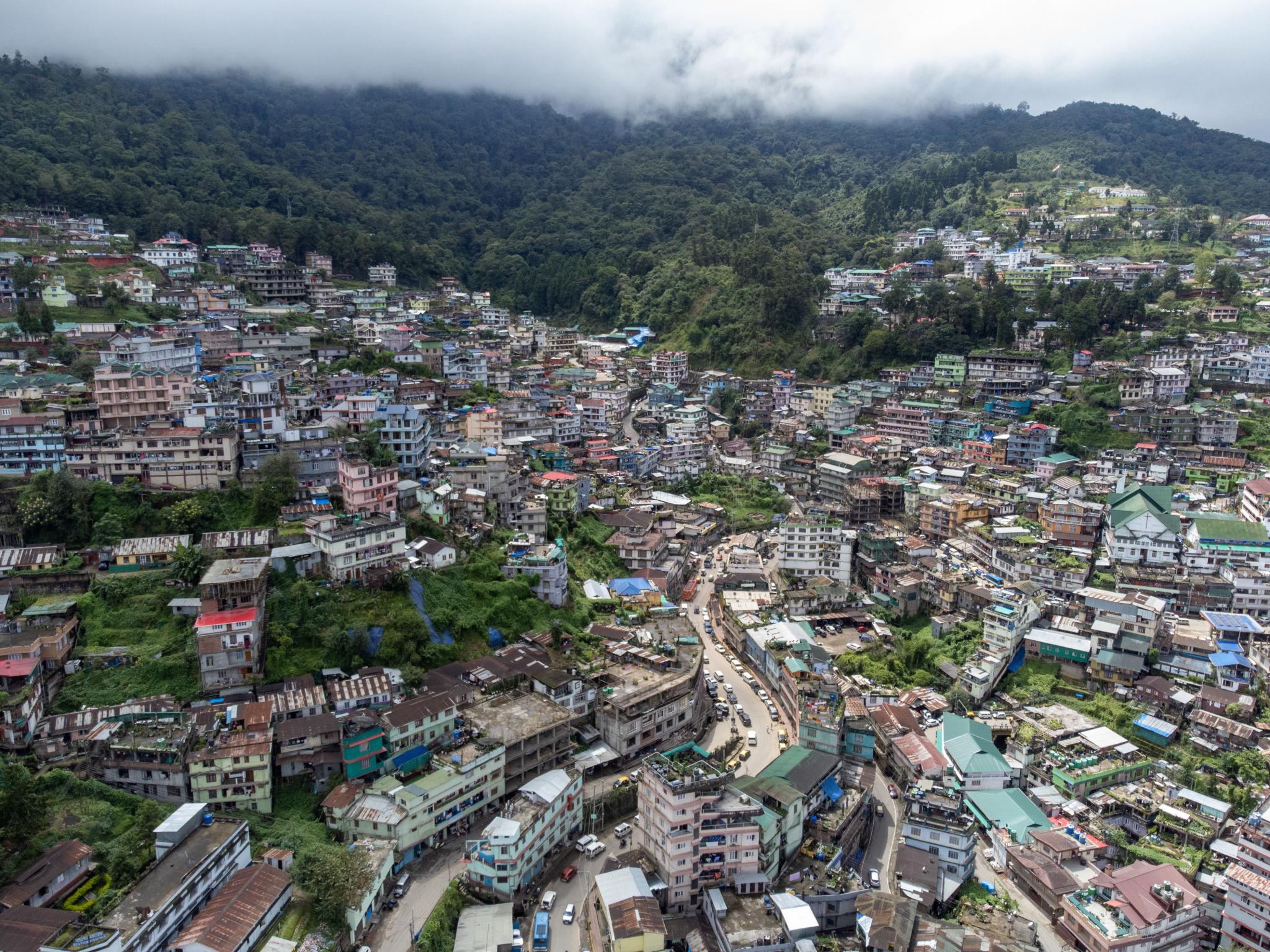
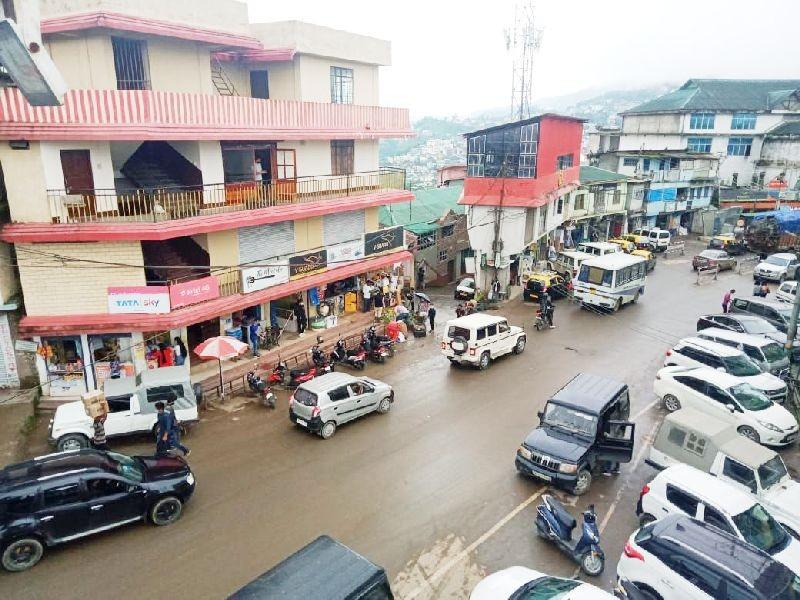
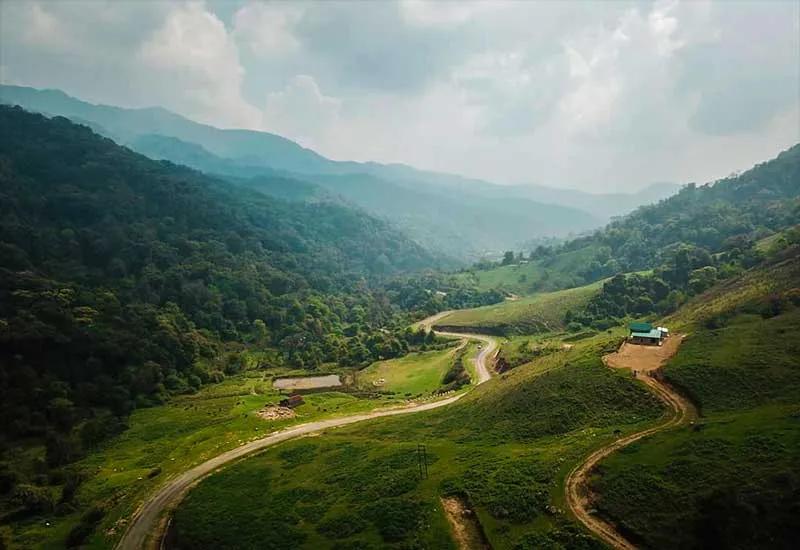
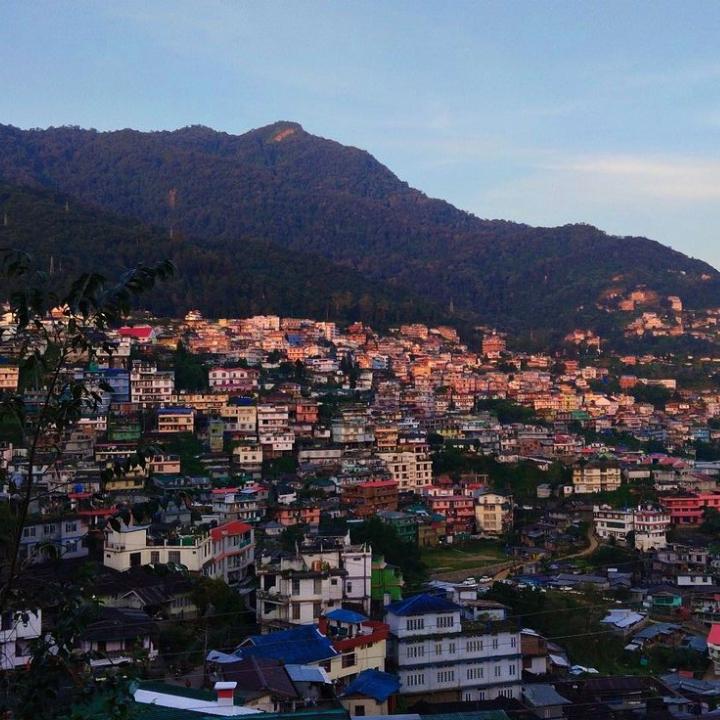
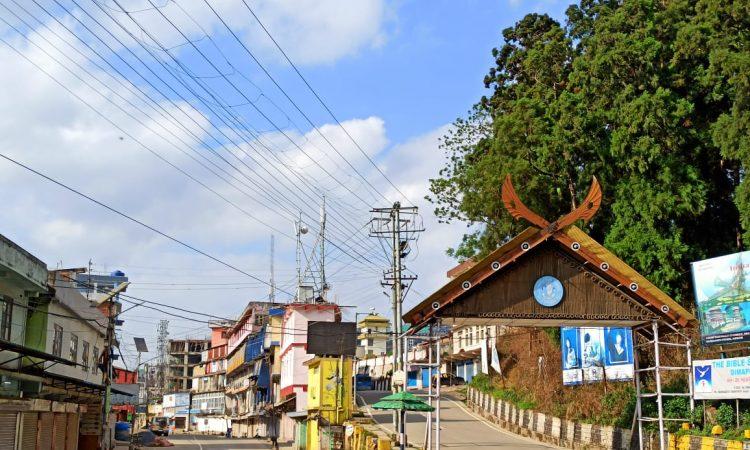
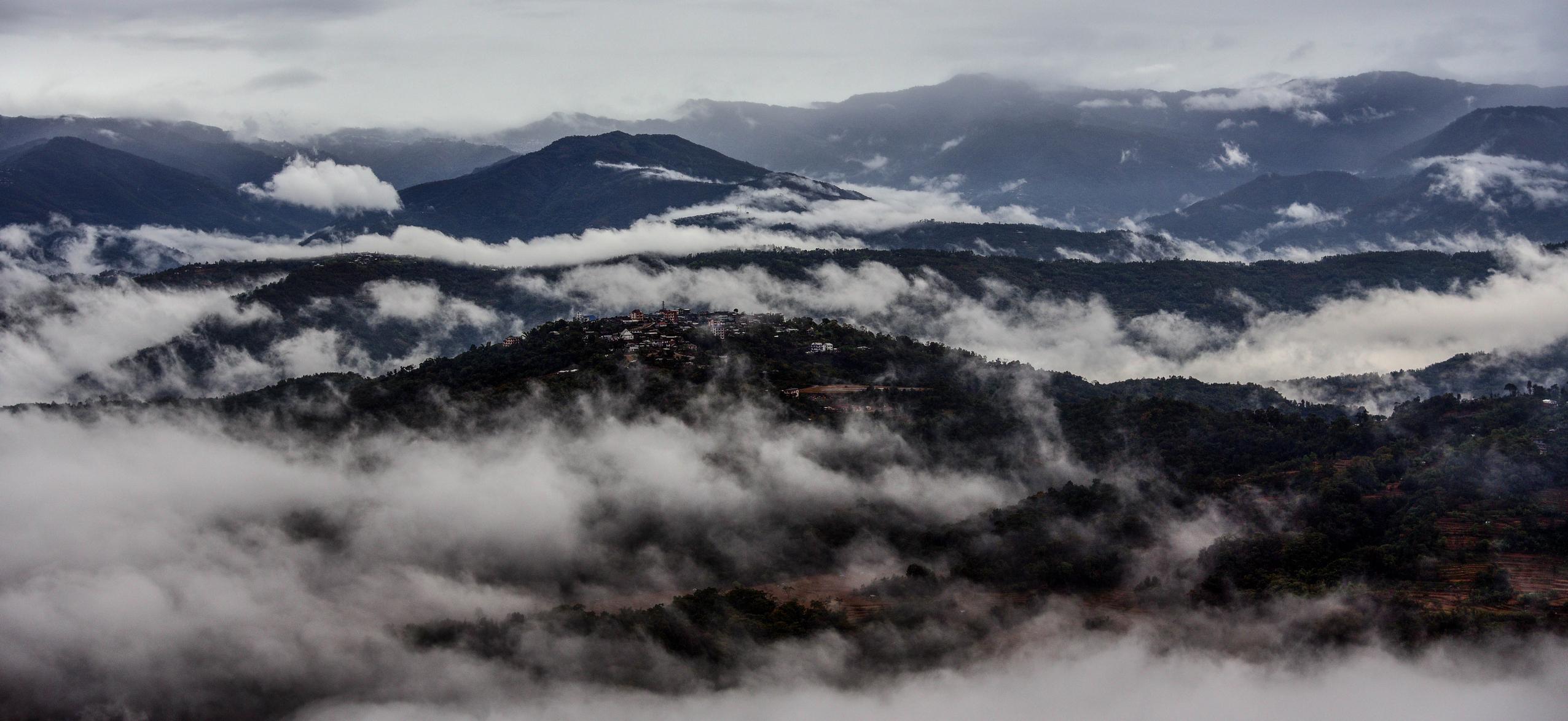
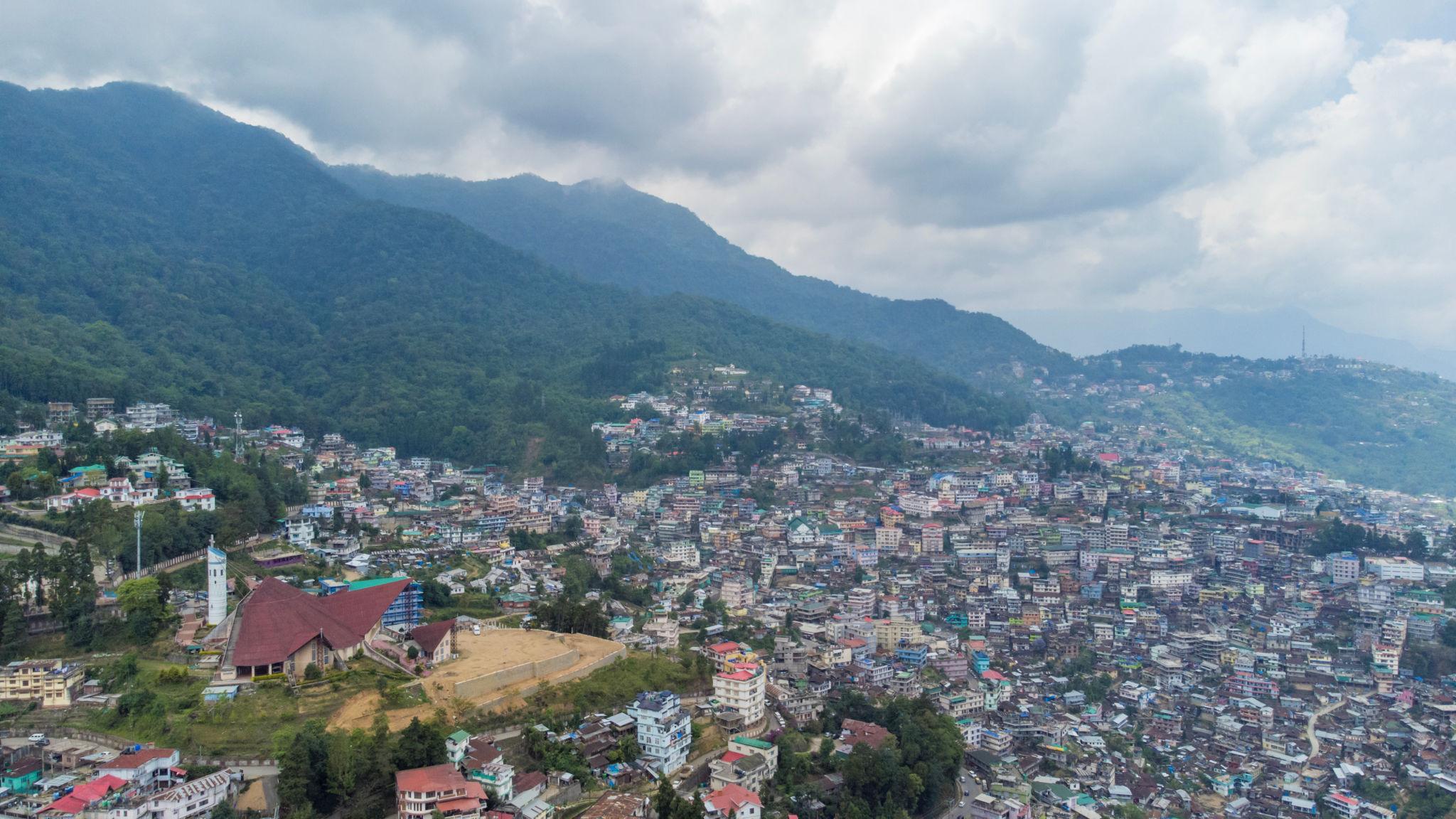
Kohima gives you an easy introduction to Nagaland.
You can visit the Kohima War Cemetery, explore local markets, eat Naga food, and use the city as a base for places such as Khonoma and Dzüko Valley.
Give yourself some time here before heading deeper into the state.
5. December is a big deal
The Hornbill Festival usually takes place in December at Kisama Heritage Village near Kohima.
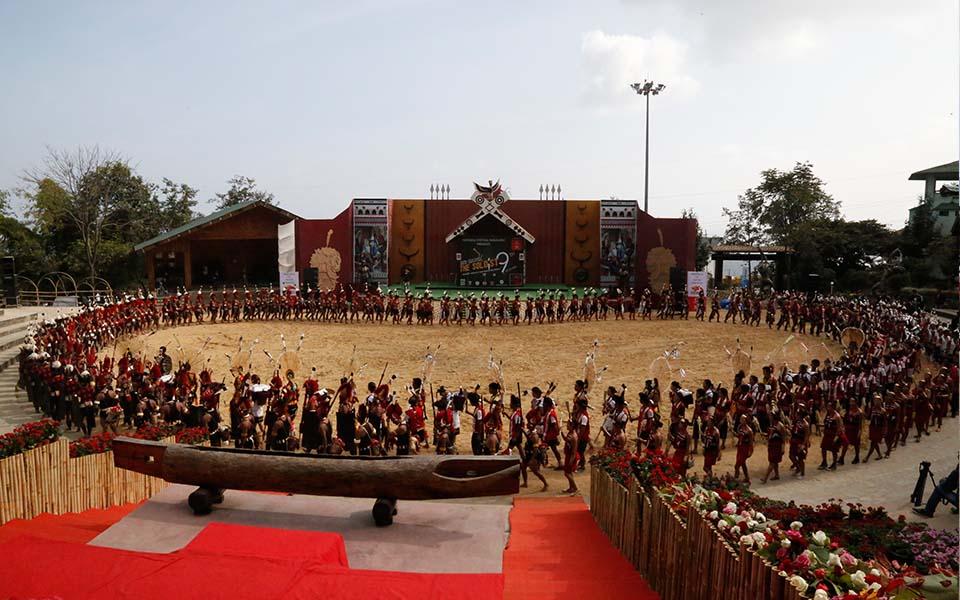
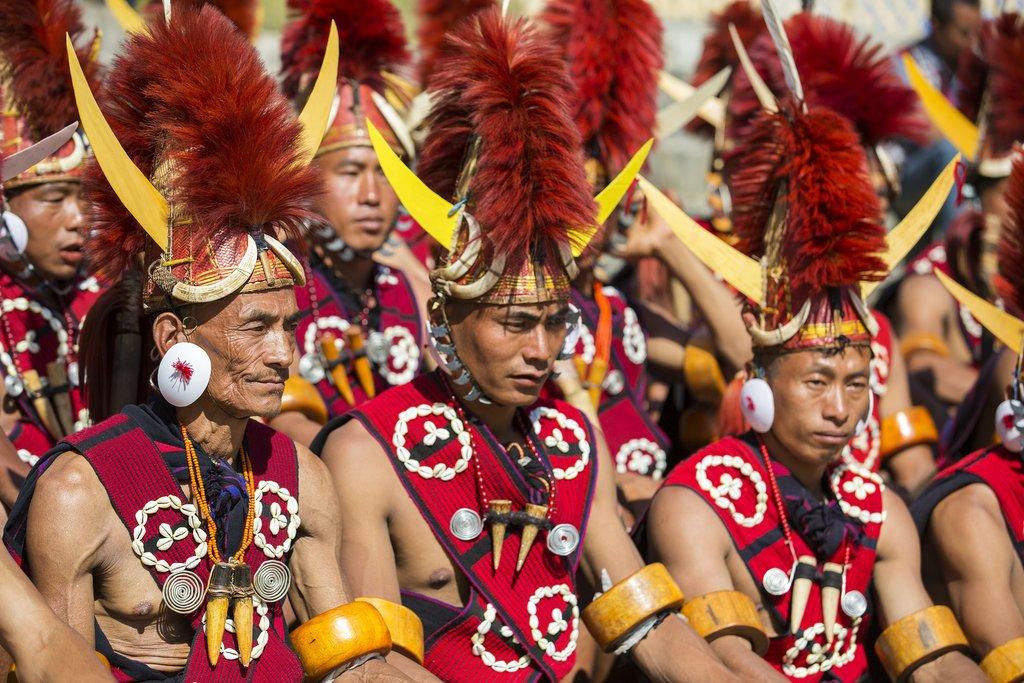
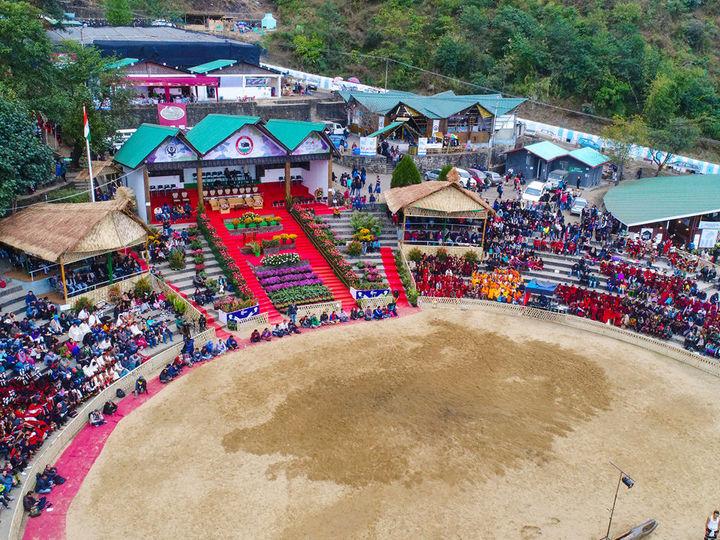
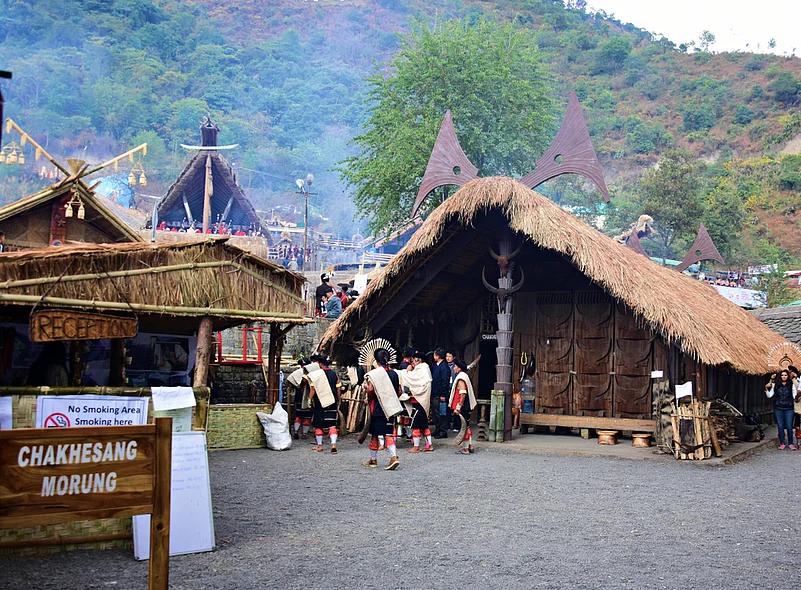
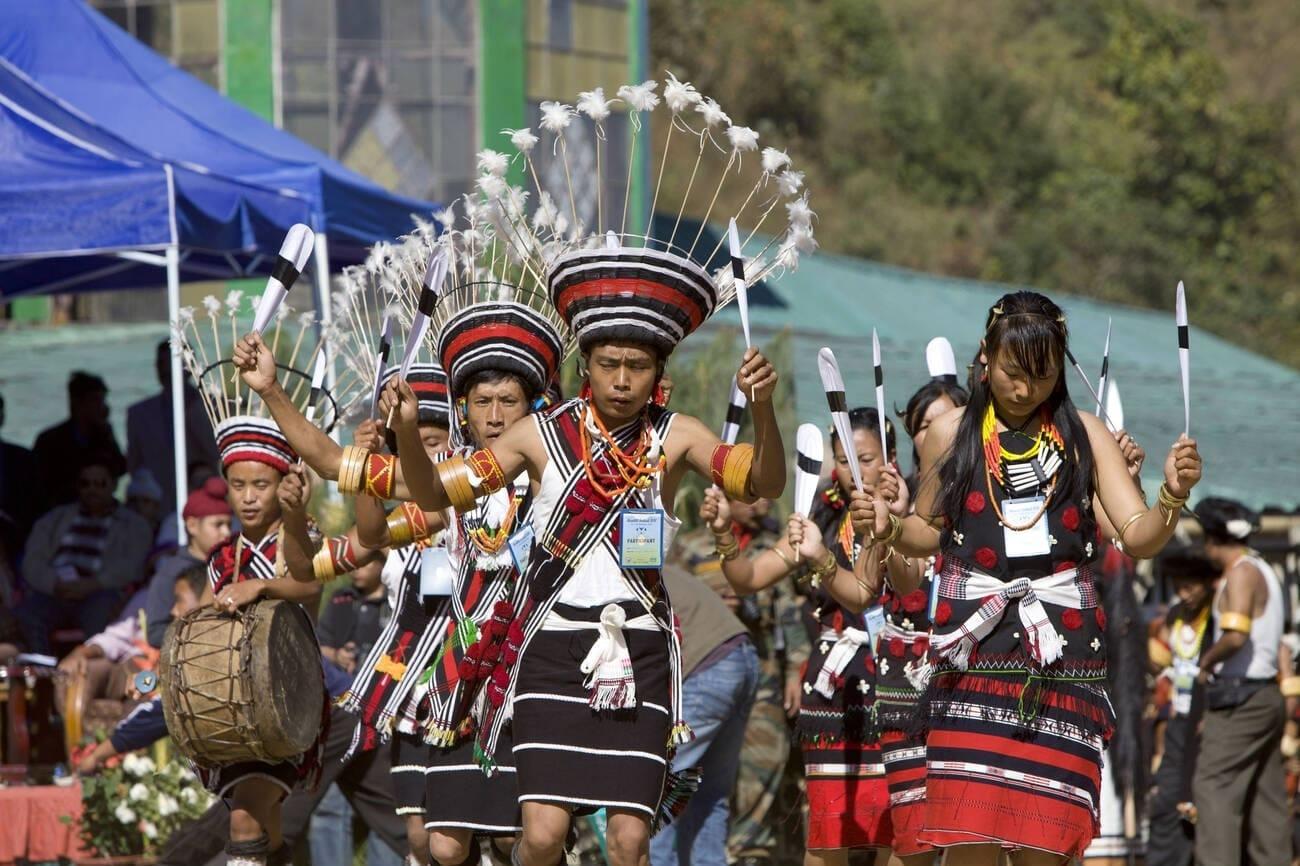
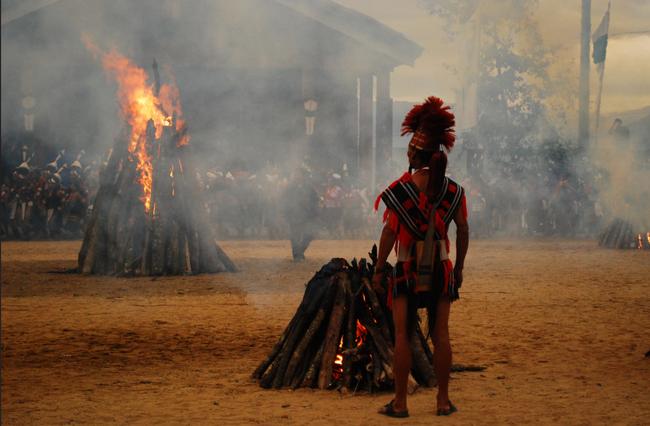
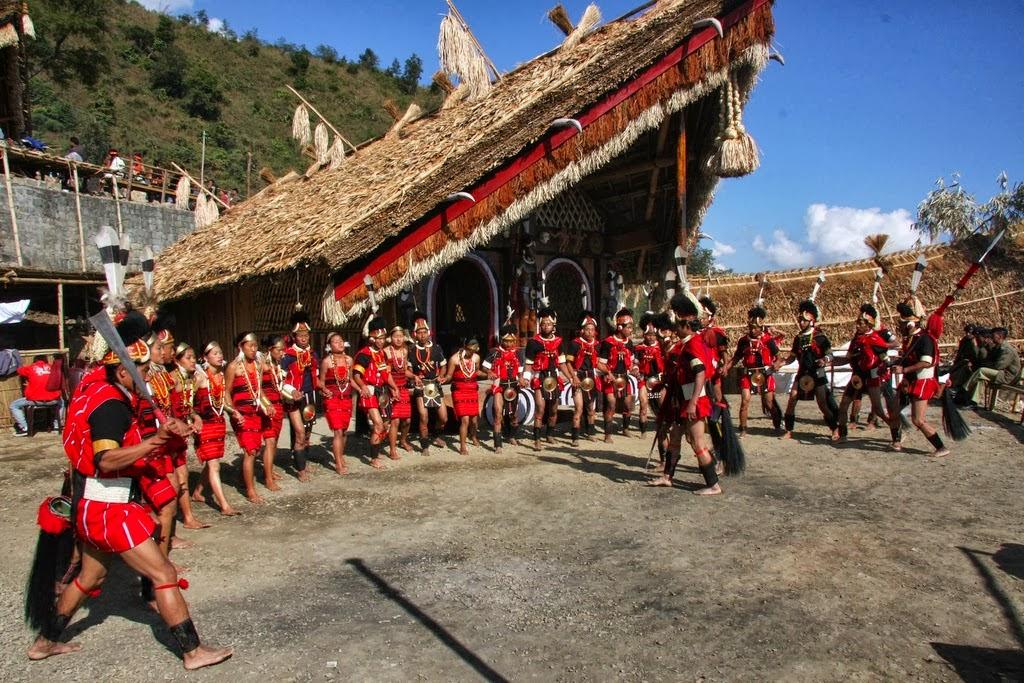
If you’re travelling during the festival, book accommodation and transport early. Kohima gets busy, and prices can rise.
The festival is also only one part of the trip. If you have the time, spend a few extra days seeing Nagaland outside Kisama.
6. Weather can change your plans
Nagaland has a mountain climate, and conditions vary by season and altitude.
Winter can be properly cold, especially in the mornings and evenings around Kohima. Monsoon brings heavy rain, which can affect road travel and hiking.
Pack a light rain jacket even when the forecast looks friendly.
7. Mobile connectivity isn’t guaranteed
You’ll find mobile service in towns and along many major routes.
Then you’ll drive around a bend and suddenly your phone becomes a very expensive camera.
Download offline maps before leaving. Tell your hotel or family where you’re heading if you’re travelling into areas with weak connectivity.
8. Carry some cash
Cards and UPI work in many urban areas, but you shouldn’t depend on them everywhere.
Small shops, homestays and remote areas may prefer cash.
Keep enough cash with you for food, transport, accommodation, and unexpected detours. ATMs aren’t something I’d want to hunt for in a remote village at 8 PM.
9. Naga food deserves your attention
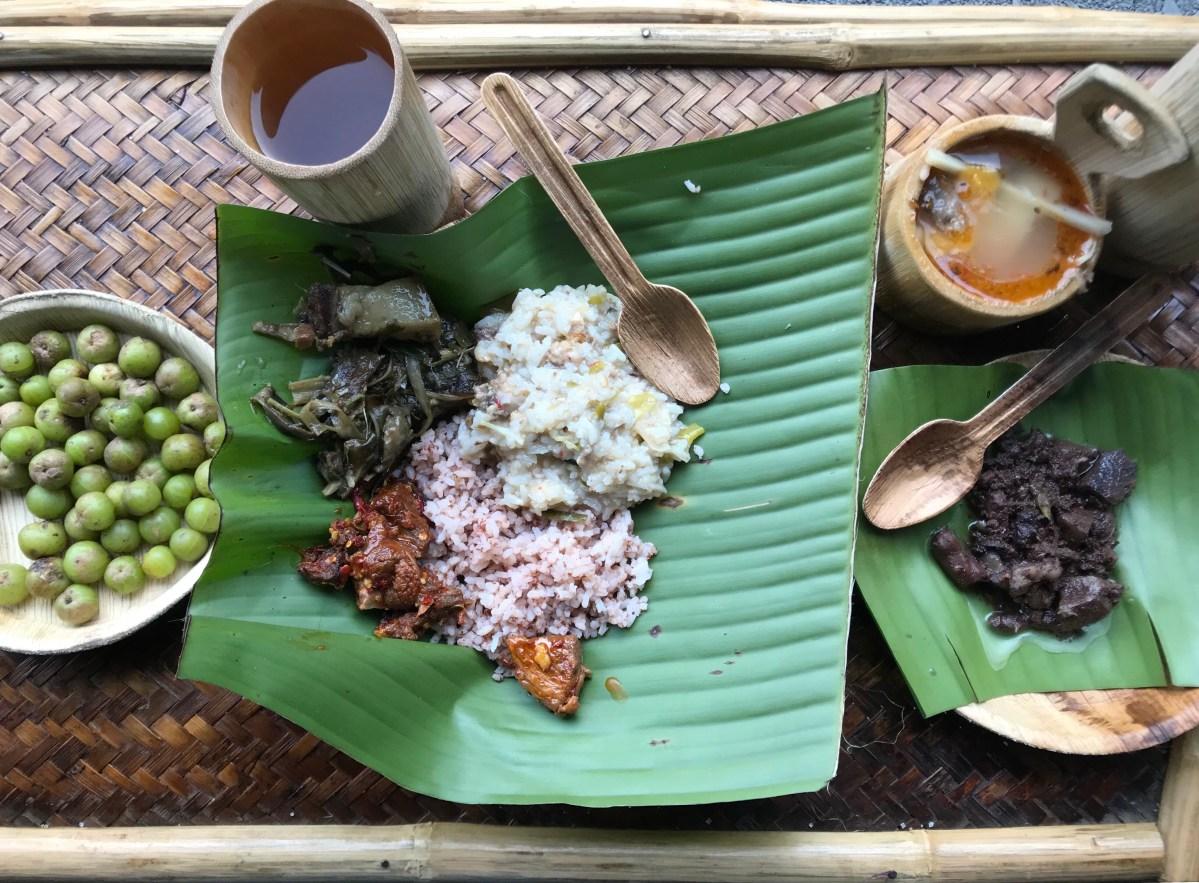



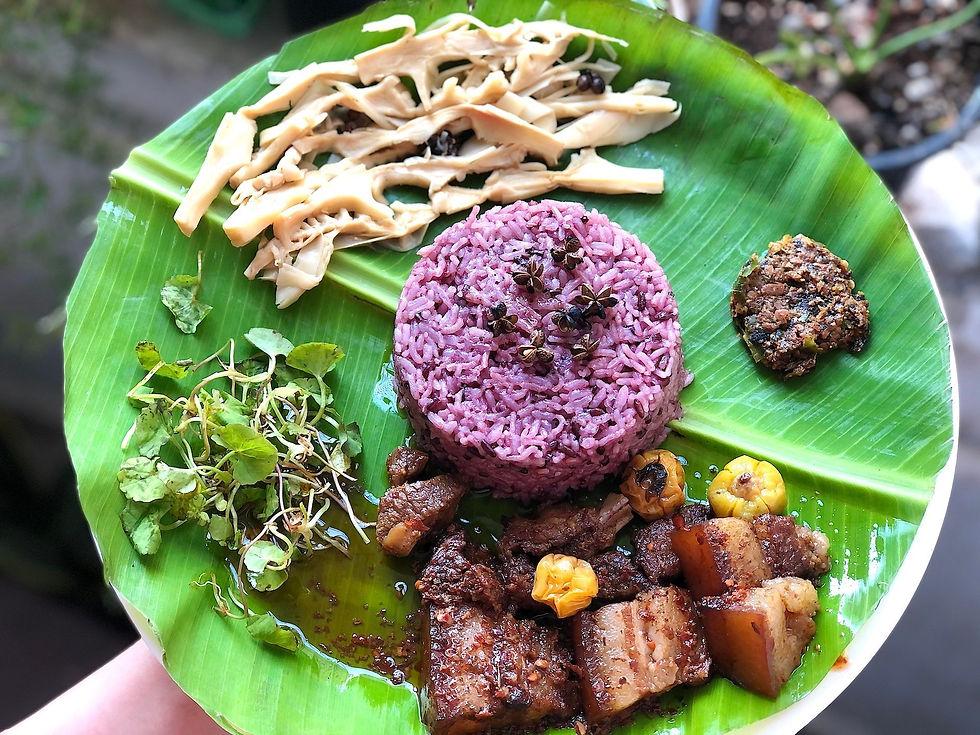

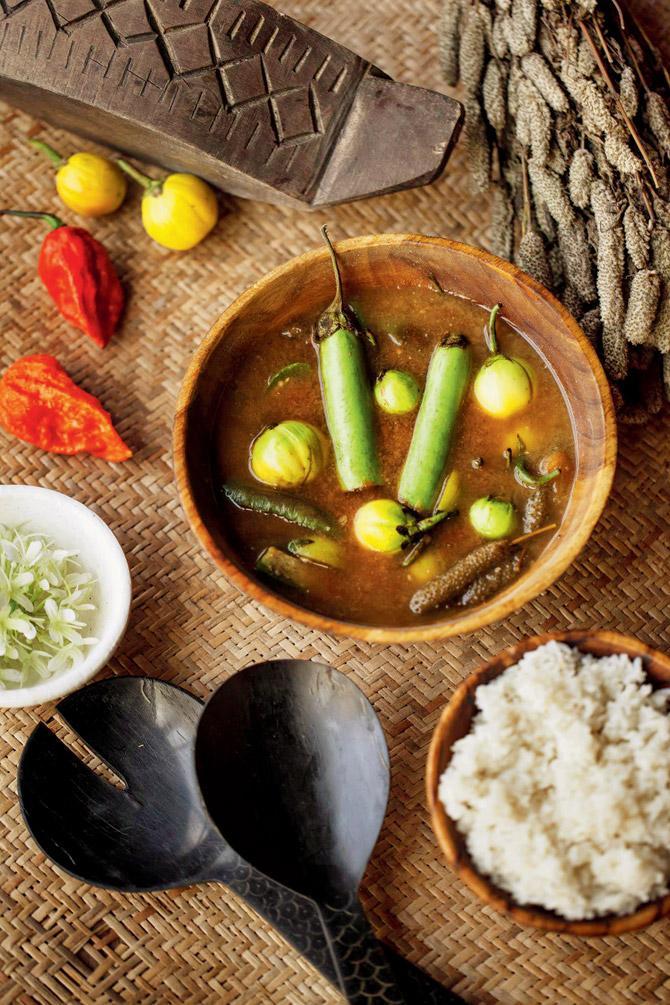
Food in Nagaland can be very different from what many Indian travellers are used to.
You’ll come across smoked pork, bamboo shoot, fermented soybean known as axone, fermented fish, local greens and plenty of chilli.
If you don’t eat pork or fermented foods, tell your host or restaurant clearly. There are plenty of simpler options too.
And if you love spicy food, be careful what you order. Naga chilli doesn’t need an introduction.
10. Respect local customs
Nagaland is home to many different Naga communities, each with their own traditions and customs.
Ask before photographing people, ceremonies, homes or religious places.
If you’re visiting a village, follow local instructions. A friendly conversation with a local guide can tell you things that no travel blog will.
11. Sundays are quiet
Nagaland has a large Christian population, and Sunday is treated as a day of worship and rest.
You’ll find many businesses closed or operating differently on Sundays.
So don’t build your entire itinerary around shopping, restaurants and tourist attractions on Sunday.
Use the day for a relaxed drive, nature, photography or time at your accommodation.
12. Alcohol rules can be complicated
Nagaland has had prohibition laws for years, with enforcement and practical availability varying over time.
Don’t assume you’ll be able to buy alcohol everywhere simply because you’re travelling in India.
If alcohol matters to your trip, check the current local rules before you go.
13. Dzüko Valley needs proper planning
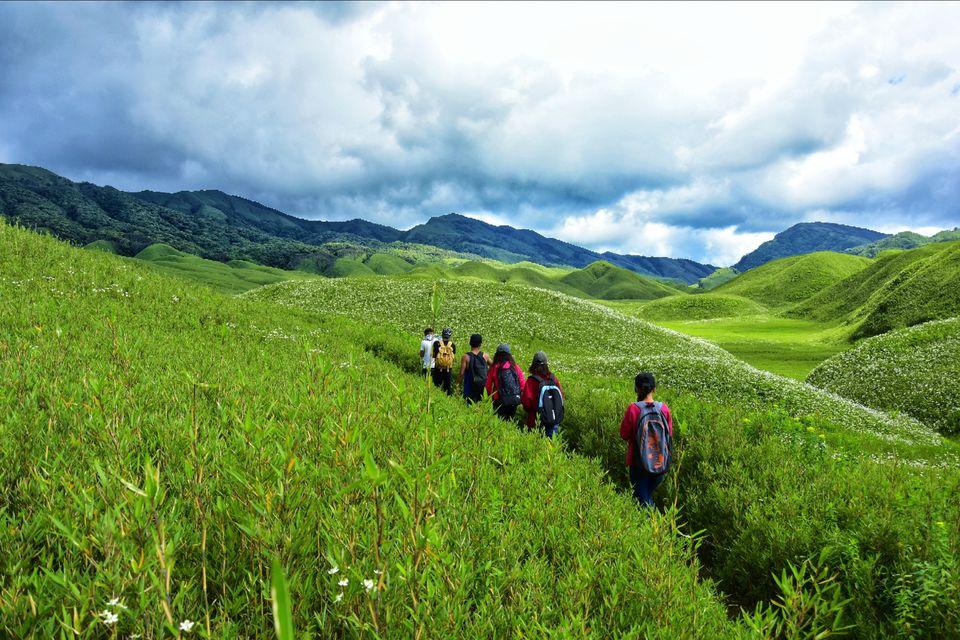
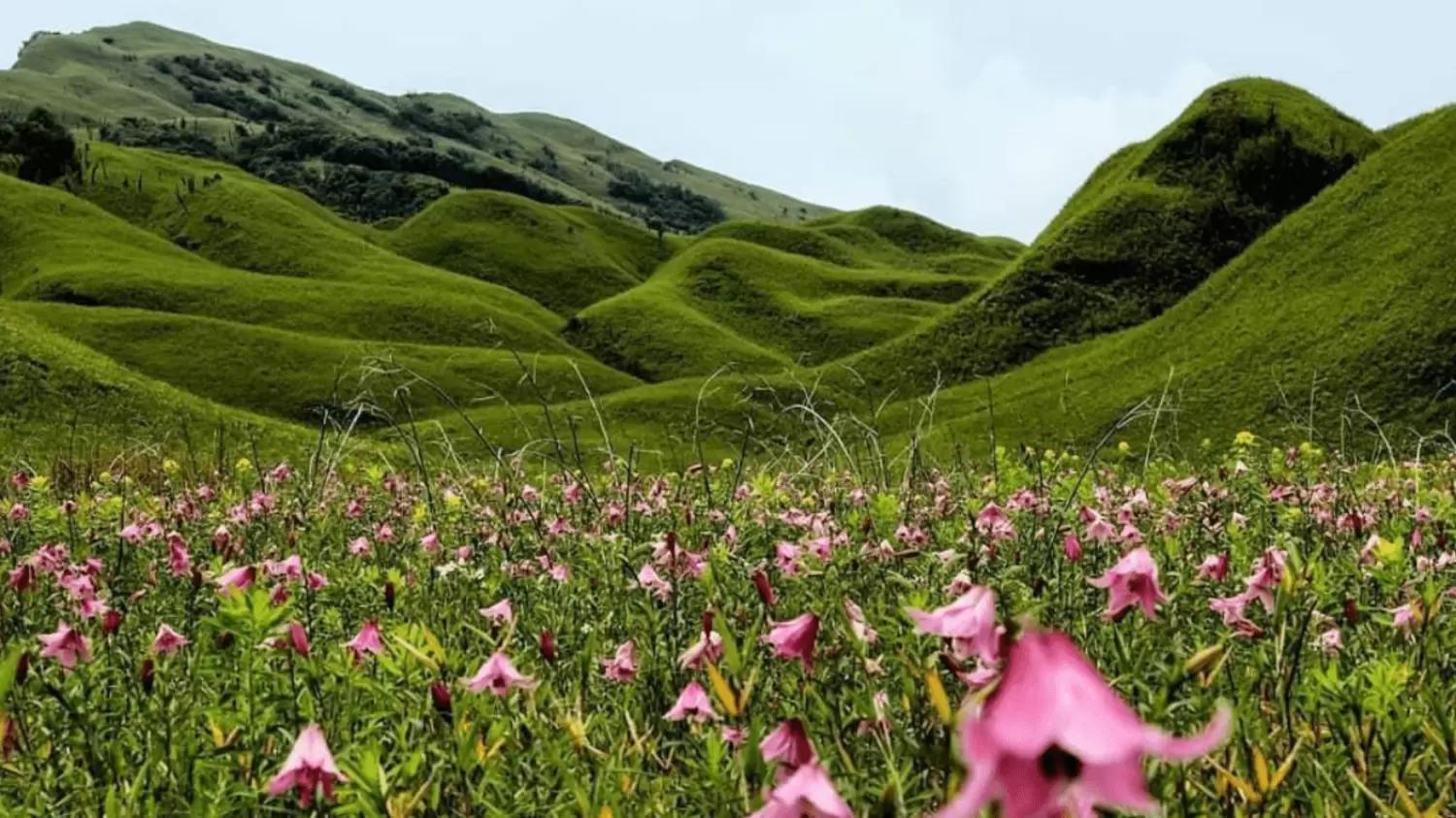
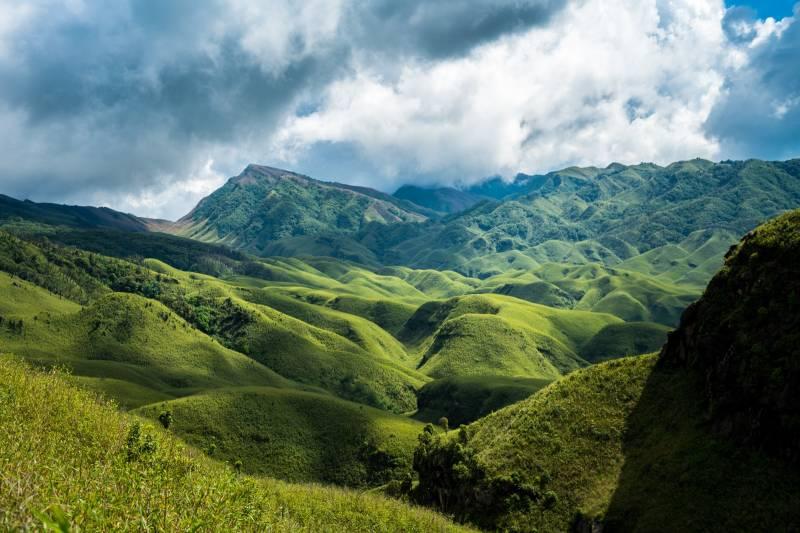
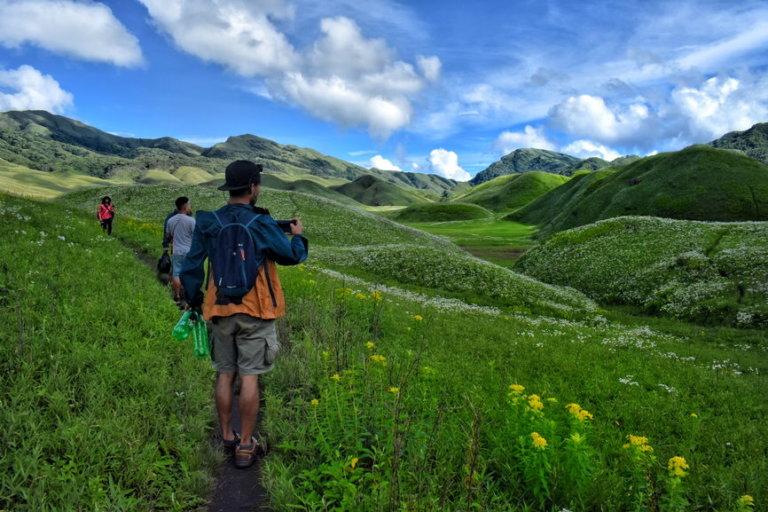
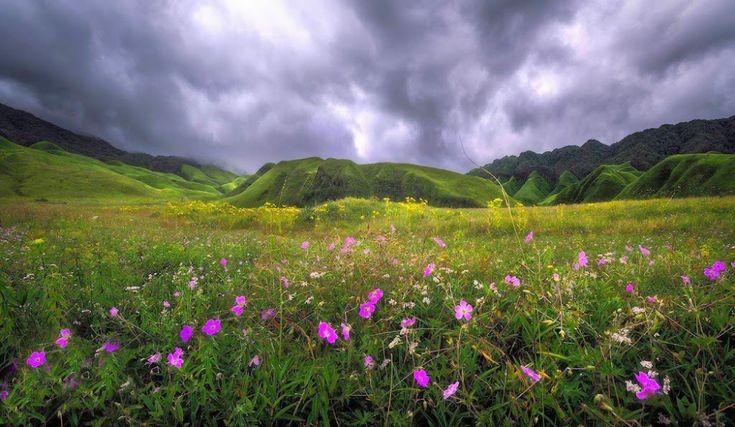
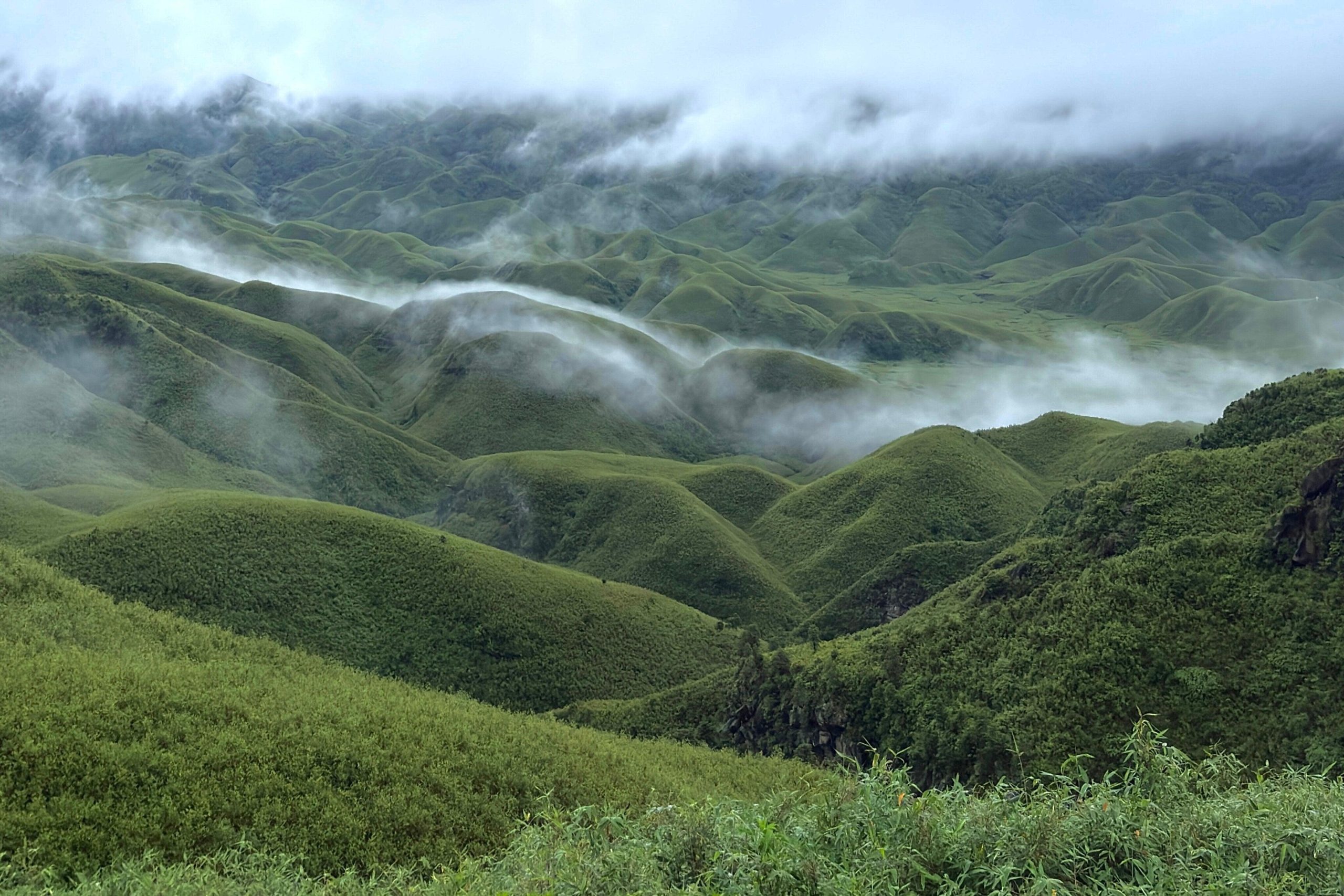
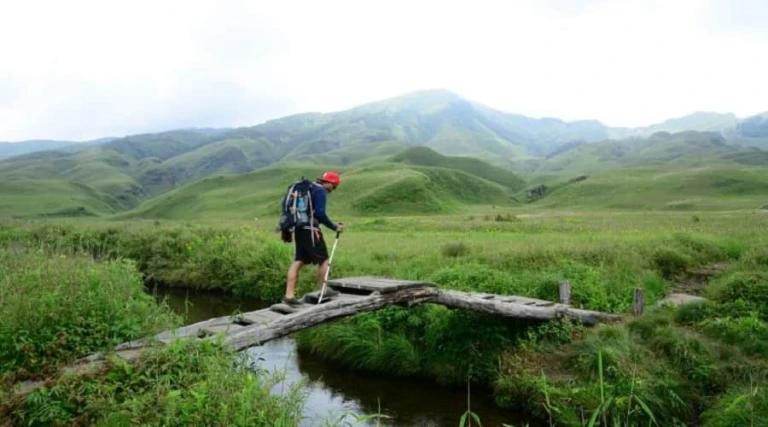
Dzüko Valley is one of the places I’d make time for.
But treat it as a trek, not a quick sightseeing stop. Weather can turn quickly, trails can get muddy, and you’ll need suitable shoes, water and enough food.
Start early and check local conditions before setting out.
14. Accommodation gets basic outside the cities
Kohima and Dimapur have hotels across different price ranges.
In smaller towns and villages, you’ll often find guesthouses and homestays instead.
That’s part of the experience. Just keep your expectations realistic about hot water, heating, Wi-Fi and room facilities.
15. Hire a local driver for longer trips
If you’re unfamiliar with mountain roads, a local driver is worth considering.
They know the roads, shortcuts, fuel stops and the difference between “we’ll reach in 2 hours” and “maybe before dinner.”
For longer Nagaland itineraries, I’d budget for the driver rather than trying to squeeze everything into public transport.
16. Fuel stations can be far apart
Fill up whenever you get a sensible opportunity, especially before heading toward remote areas.
Don’t wait until the fuel warning light comes on.
Your future self will thank you somewhere on a mountain road.
17. Keep your itinerary flexible
This might be the most useful advice here.
A roadblock, landslide, heavy rain, vehicle problem or local event can throw off your schedule. Give yourself some breathing room between destinations.
If your plan depends on arriving somewhere at exactly 3:15 PM, you’ve probably made the plan too tight.
18. Learn a few basic local words
English and Hindi are widely useful in tourist areas, but Nagaland has many languages.
You don’t need to learn an entire language before your trip. A simple greeting and a little effort go a long way.
People usually appreciate it when you try.
19. Keep your camera ready
Nagaland is ridiculously photogenic.
Mountain roads. Wooden houses. Village paths. Mist rolling over hills. Markets. Traditional clothing. Quiet churches.
Just remember that a beautiful photograph can still involve someone’s private life. Ask before taking close-up portraits.
20. Give Nagaland more time than you think
If you’re flying into Dimapur and leaving from Dimapur, I’d give yourself at least 5-7 days for a comfortable first trip.
With 7-10 days, you can slow down and explore beyond Kohima.
That’s when Nagaland starts feeling less like a checklist of places and more like an actual journey.
Featured Image Credit: Generated/Sourced via Chatgpt.com.
Editorial note: Some articles may use AI-assisted research or drafting. Our editorial process includes human review and editing, and important travel information should be verified with official sources before your trip.
Travel Tips & Responsible Exploration
Good travel planning starts with staying informed. Before your journey, verify important details such as transportation, accommodation, weather, permits, entry requirements, and local guidelines. Respect local communities, cultures, traditions, and the environment, and travel responsibly wherever you go. Suman Rabha shares practical travel guides, local insights, and destination information to help readers explore Northeast India and beyond with greater confidence.