


Tripura sits in India’s northeast, tucked between Bangladesh on 3 sides. It’s a small state, but you can pack a surprising amount into a trip here: old royal palaces, huge rock carvings, forest roads, lakes, temples and quiet hill towns.
Agartala makes the easiest base for a first trip. From there, you can branch out toward Udaipur, Melaghar, Kailashahar and the hills.
1. Ujjayanta Palace, Agartala
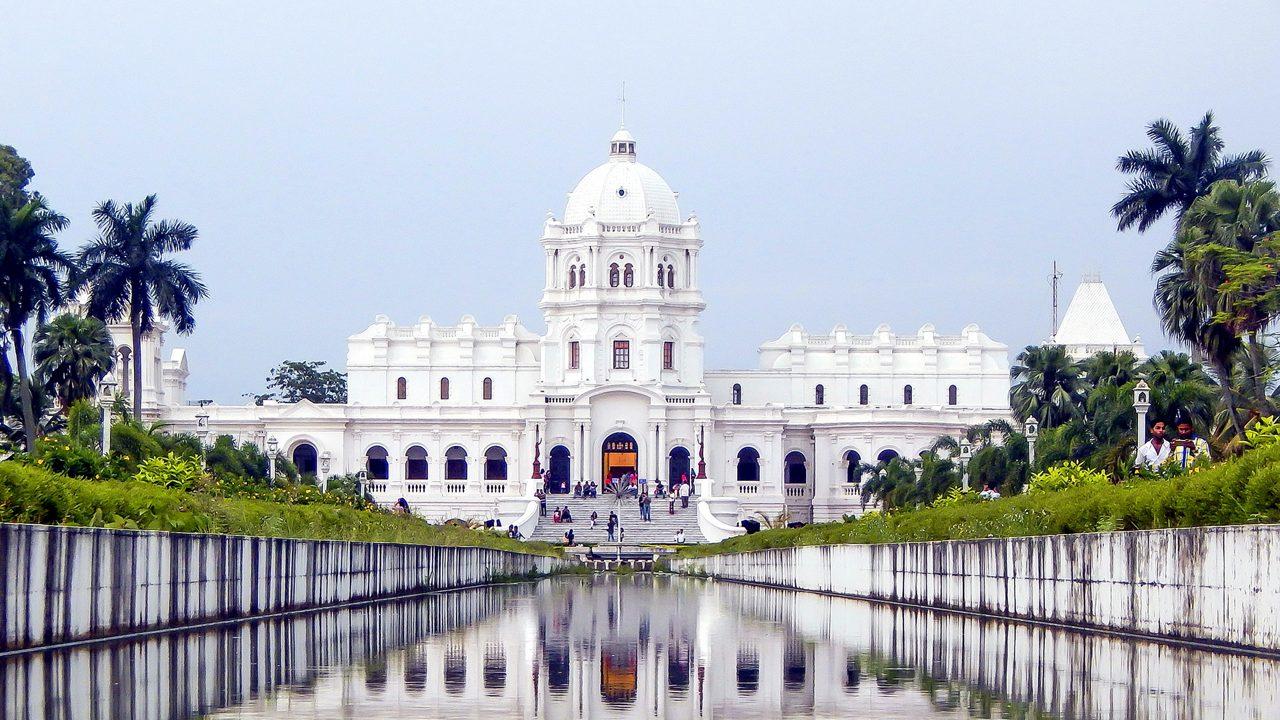
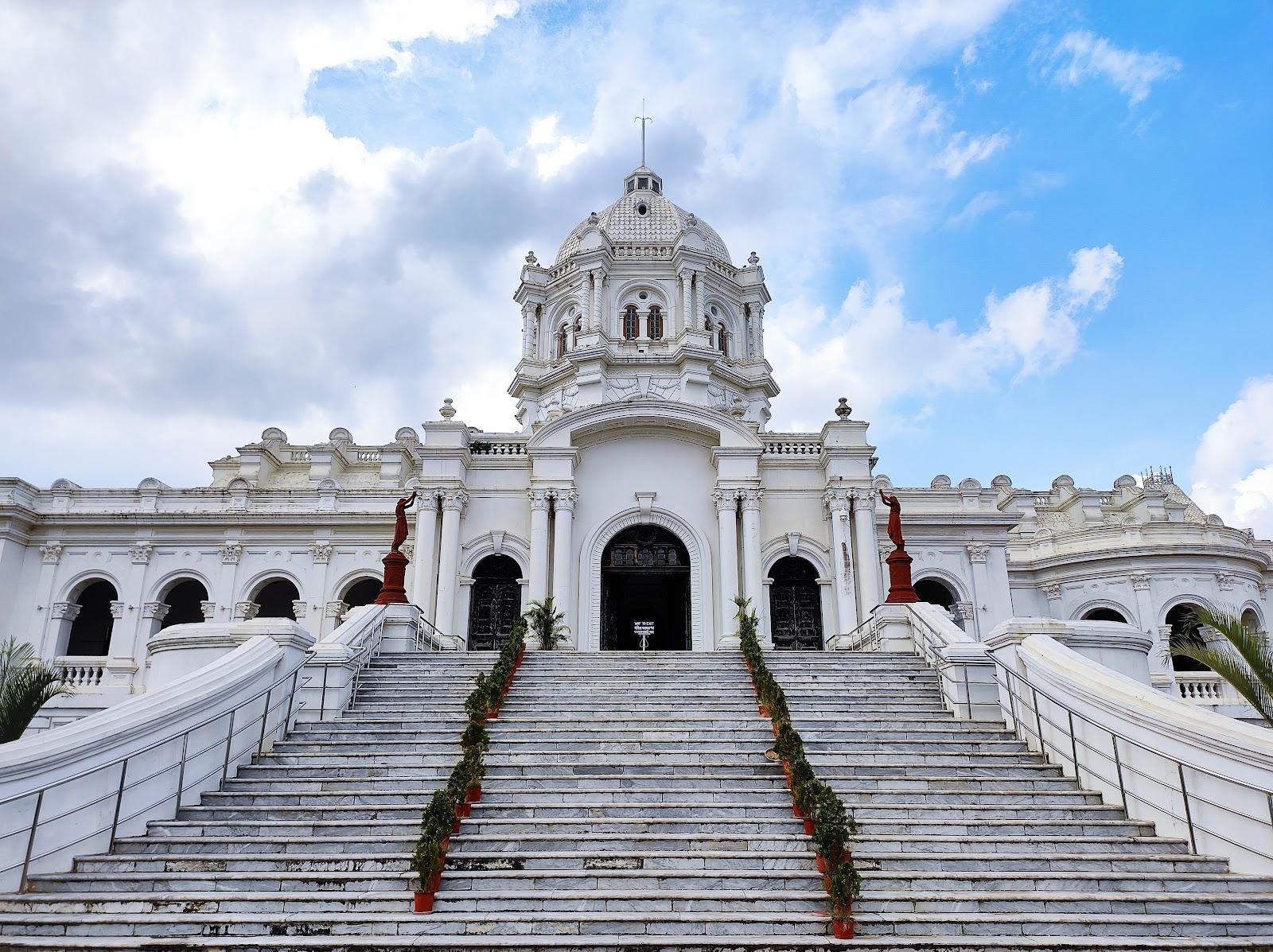
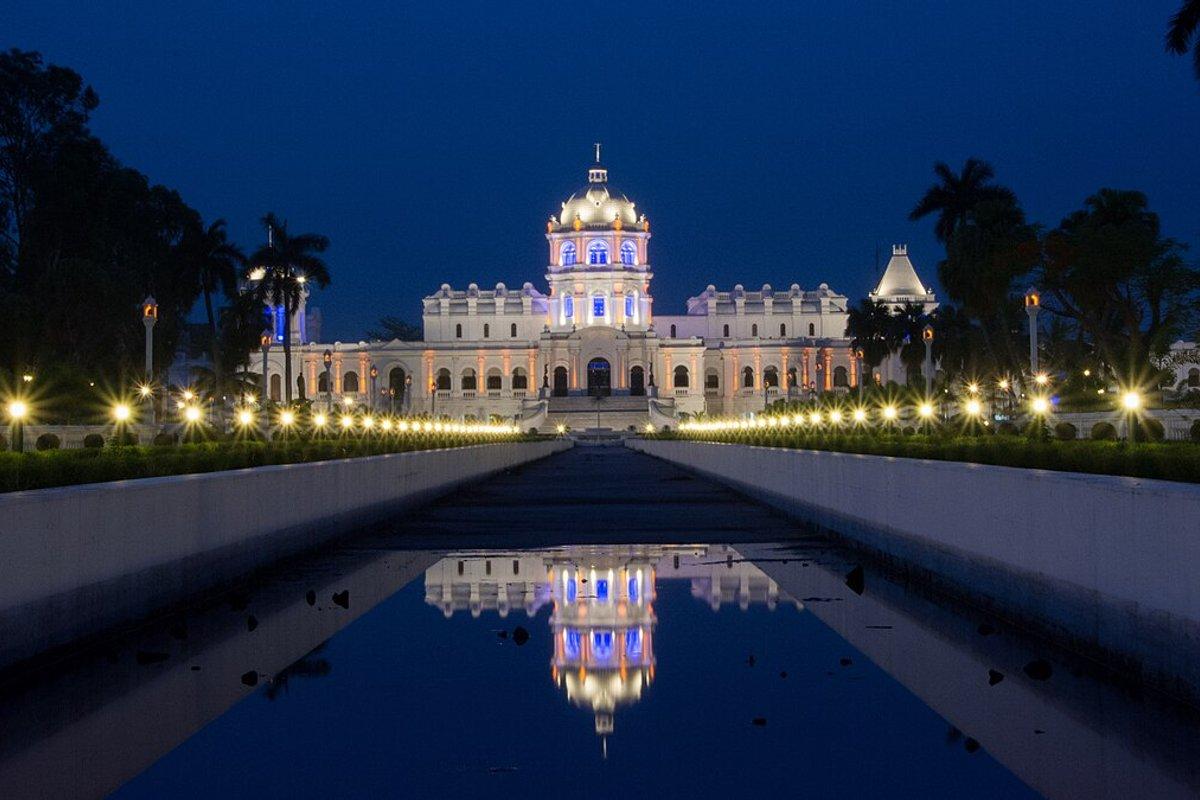
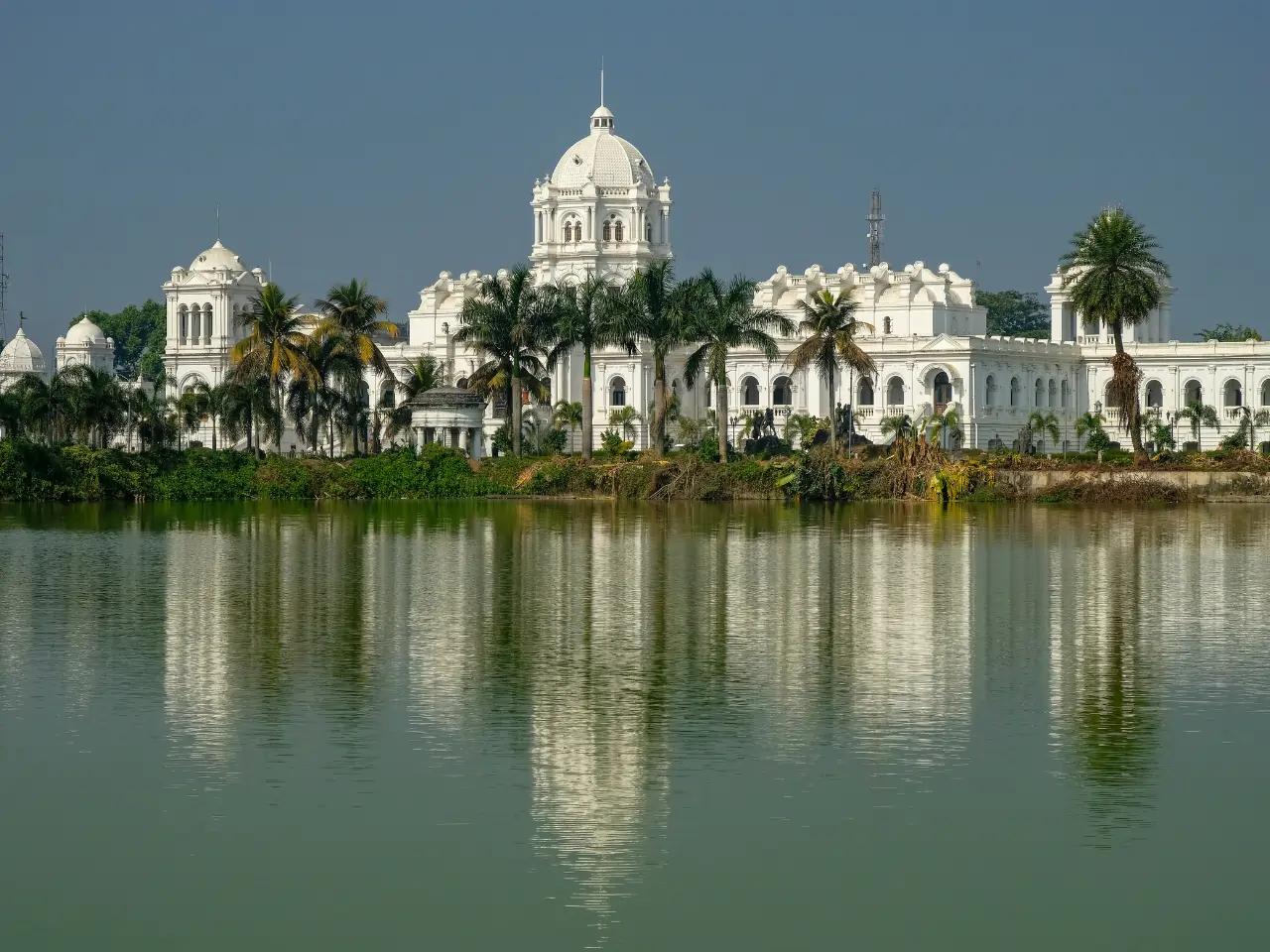
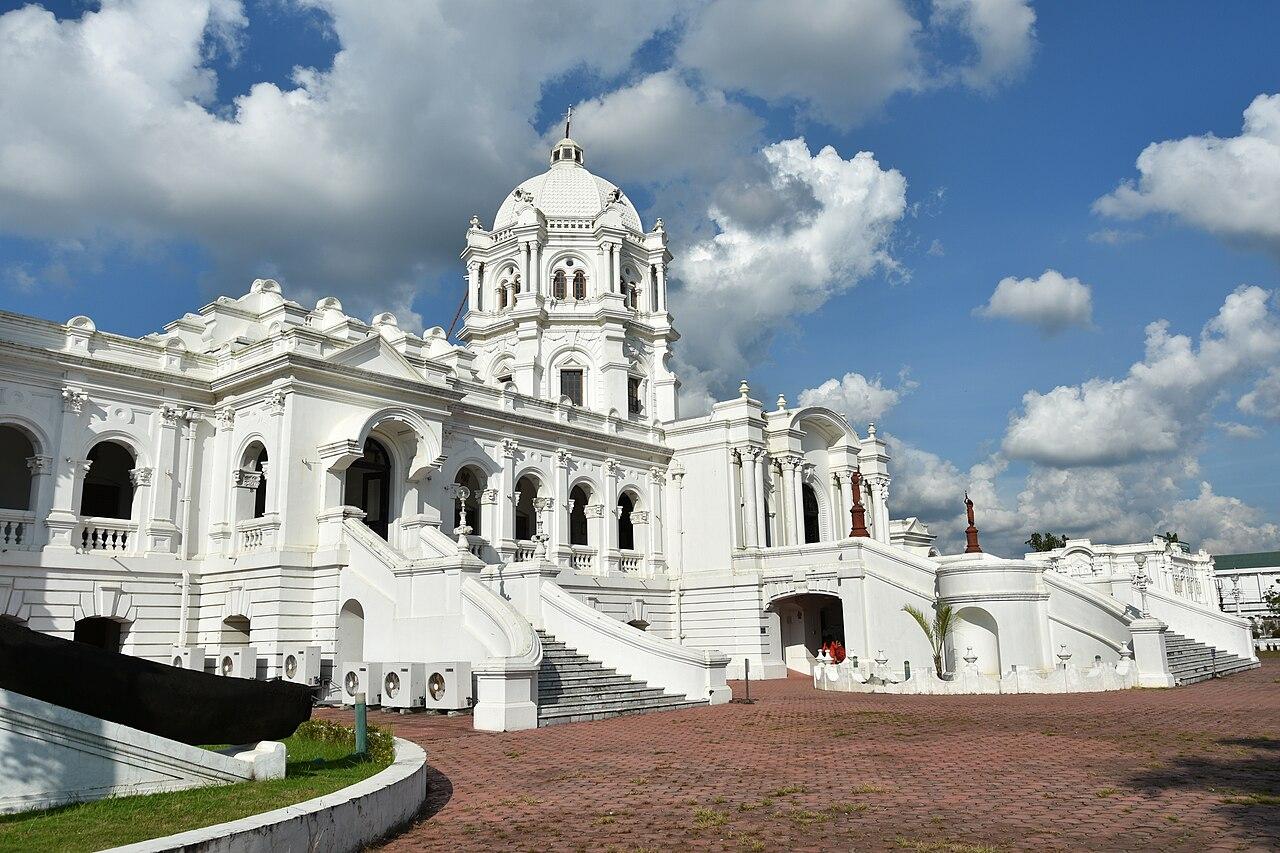
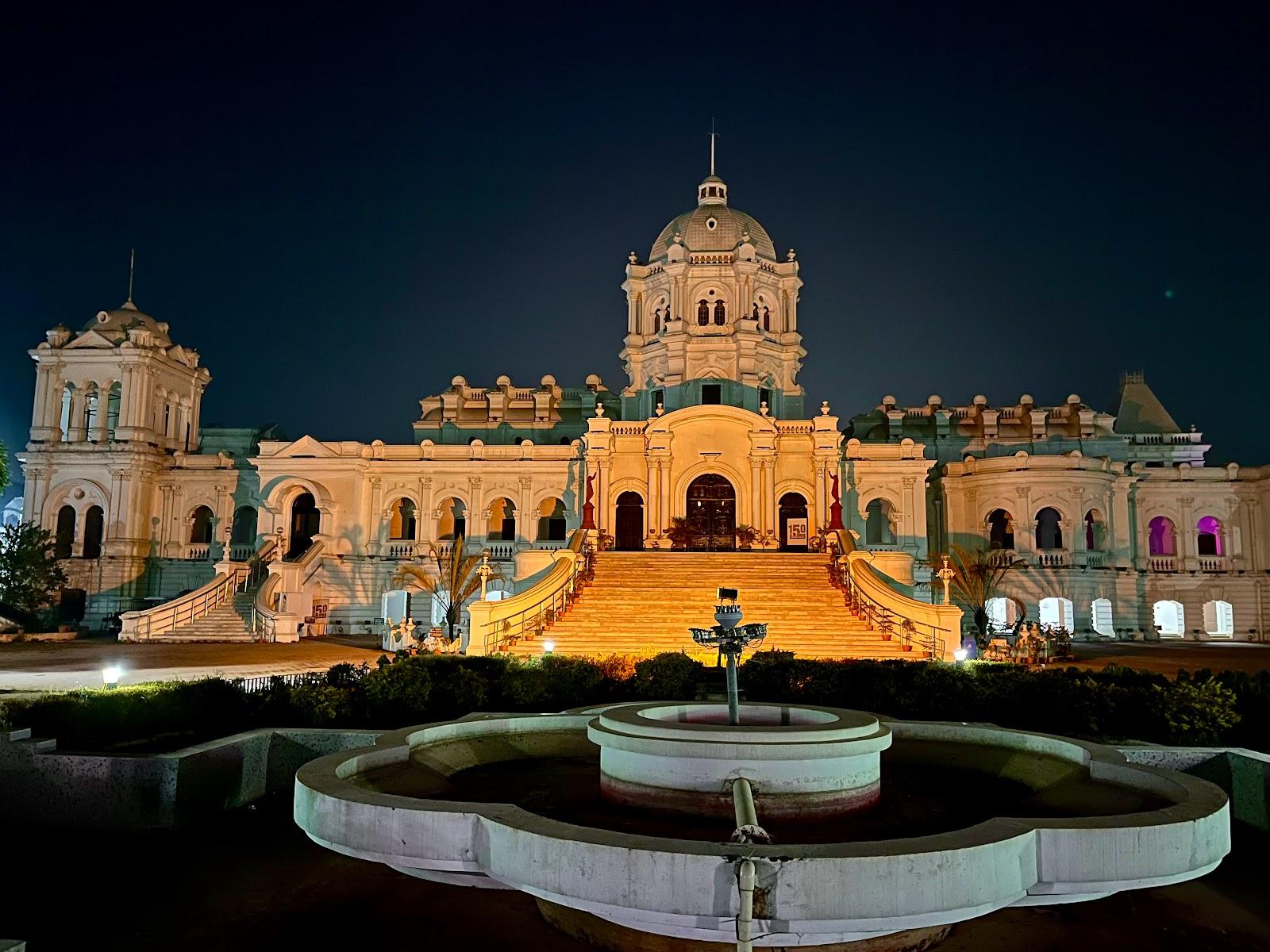
Start in Agartala with Ujjayanta Palace.
Built between 1899 and 1901 during the reign of Maharaja Radha Kishore Manikya, the palace later became the Tripura State Museum. Inside, you’ll find galleries covering Tripura’s royal history, tribal communities, art, crafts and the wider culture of Northeast India. (Tripura Tourism)
The palace grounds are worth seeing too. There are gardens, lakes and several temples around the main building.
Best for: history, architecture, museums and photography.
2. Neermahal
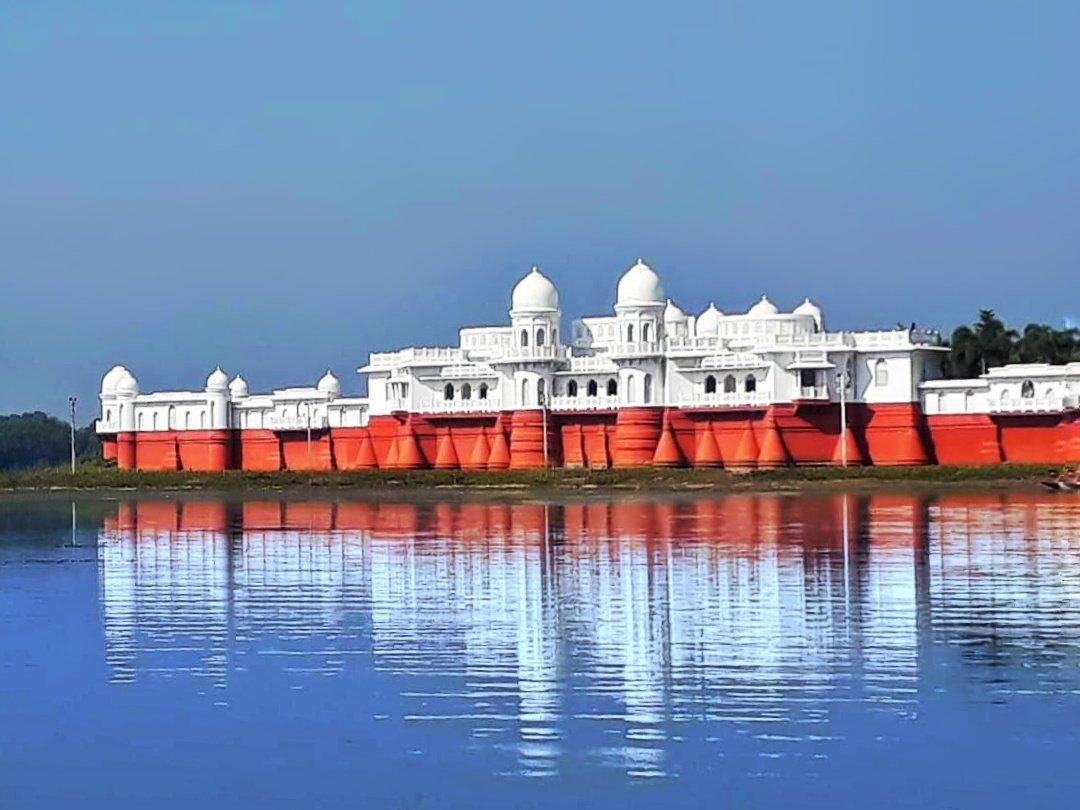
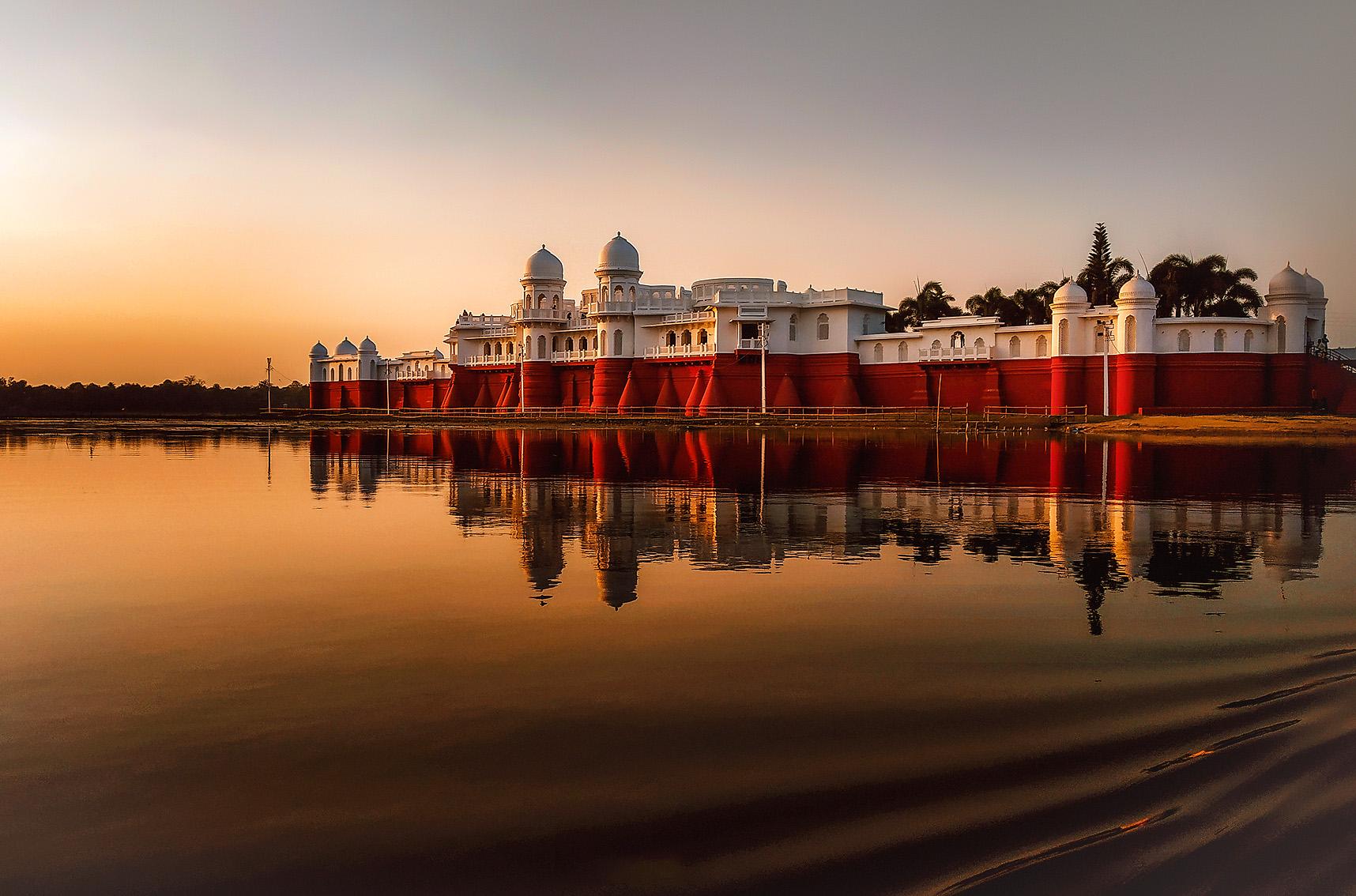
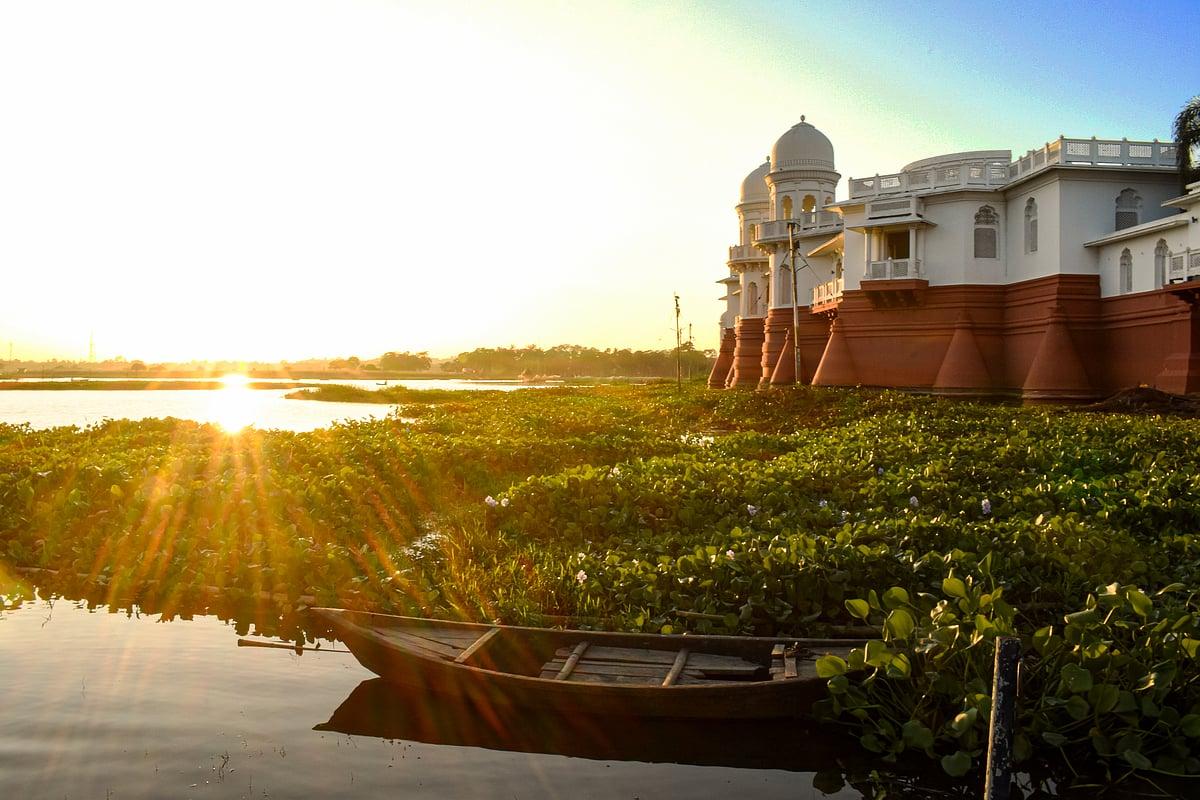
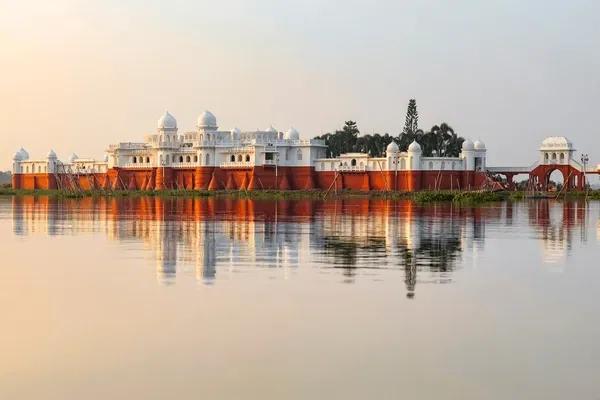
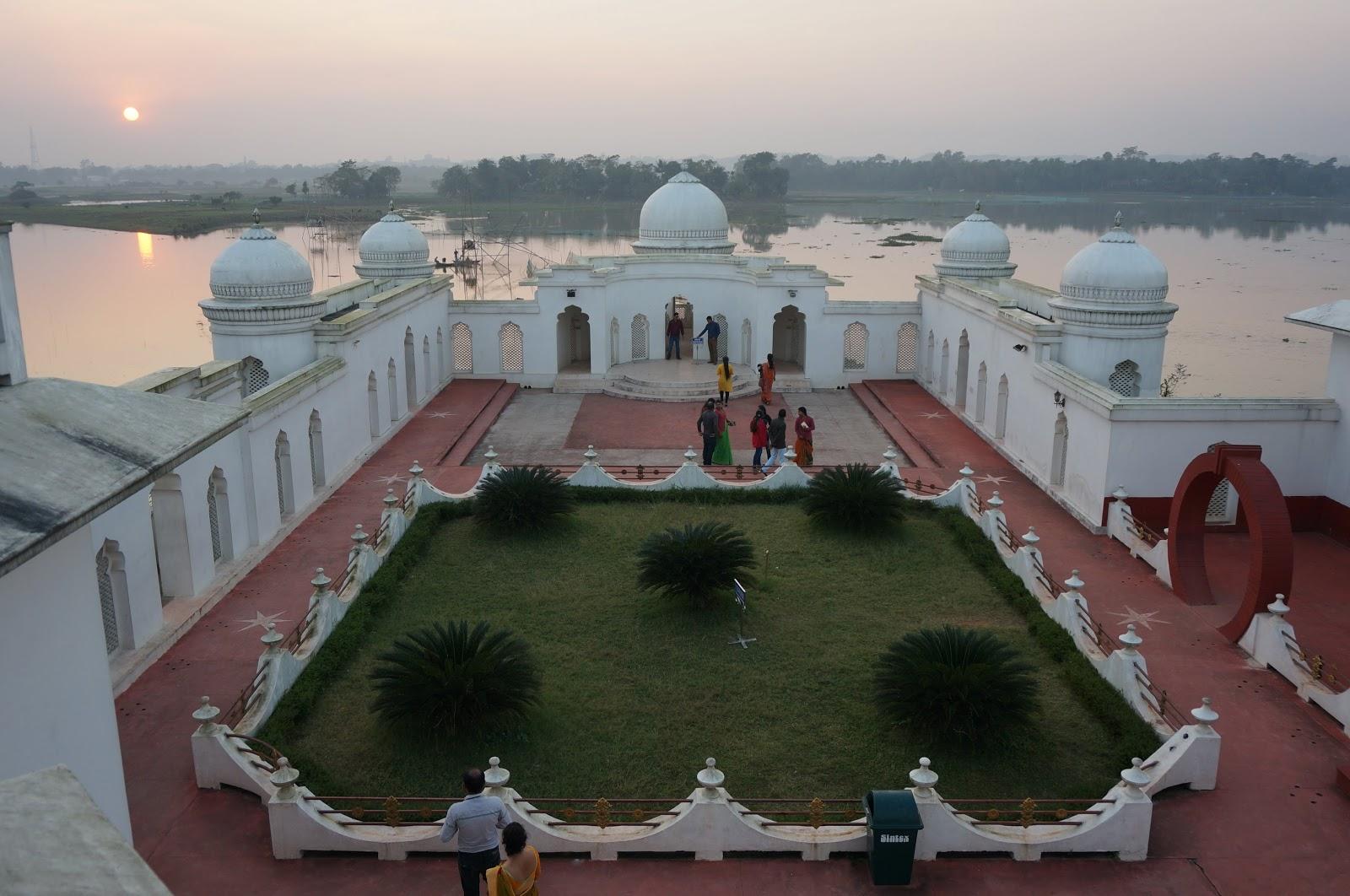
About 47 km from Agartala, in the middle of Rudrasagar Lake, sits Neermahal.
The name literally means “Water Palace.” Maharaja Bir Bikram Kishore Manikya built it as a summer residence, and the palace combines Hindu and Muslim architectural details. The approach by boat makes the visit even better. (Tripura Tourism)
Go around late afternoon if you can. The palace, lake and changing light make a much better combination than rushing through it at noon.
Best for: architecture, boating, photography and a relaxed half-day trip.
3. Unakoti
Then there’s Unakoti, one of the places I’d put near the top of your Tripura list.
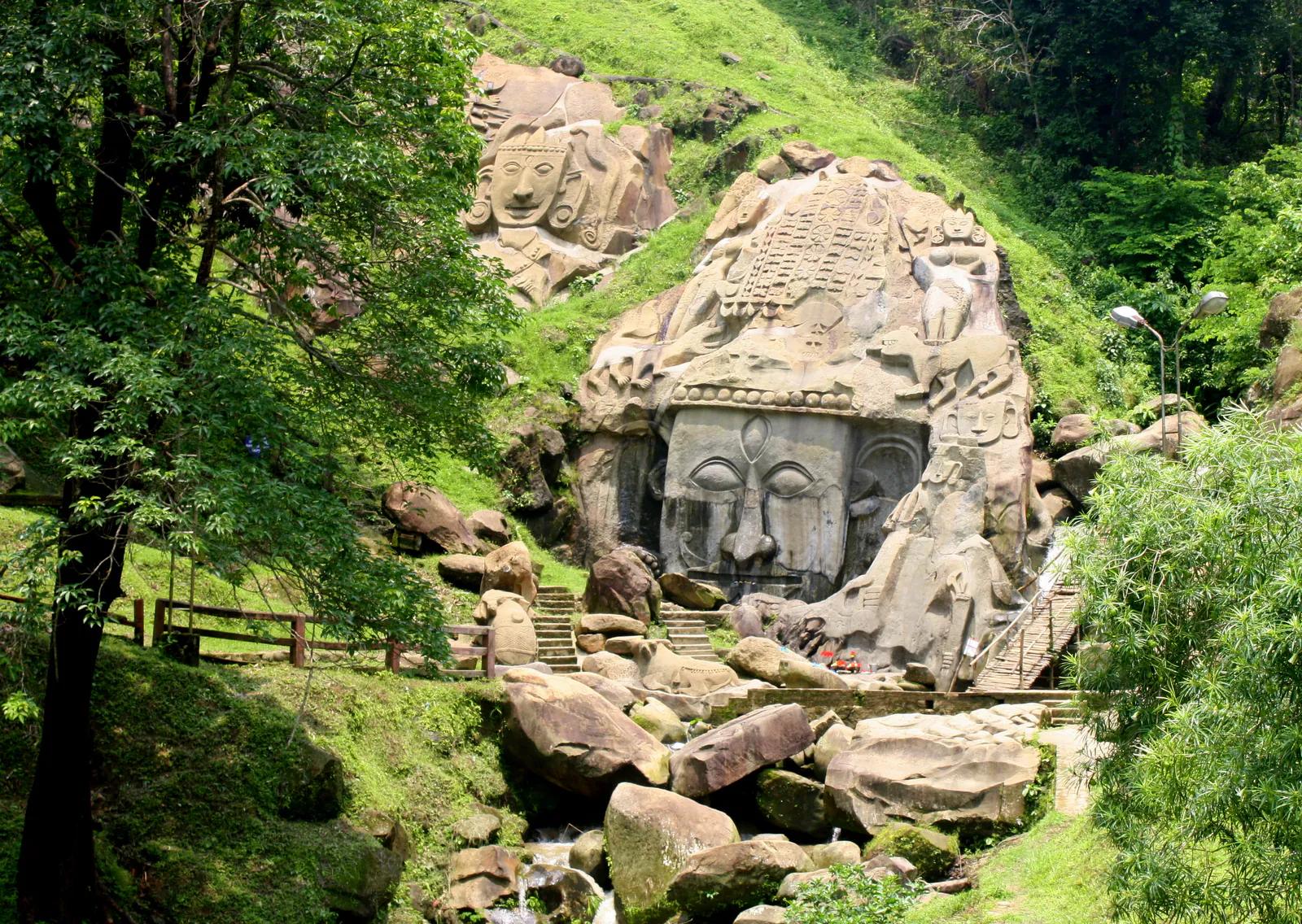
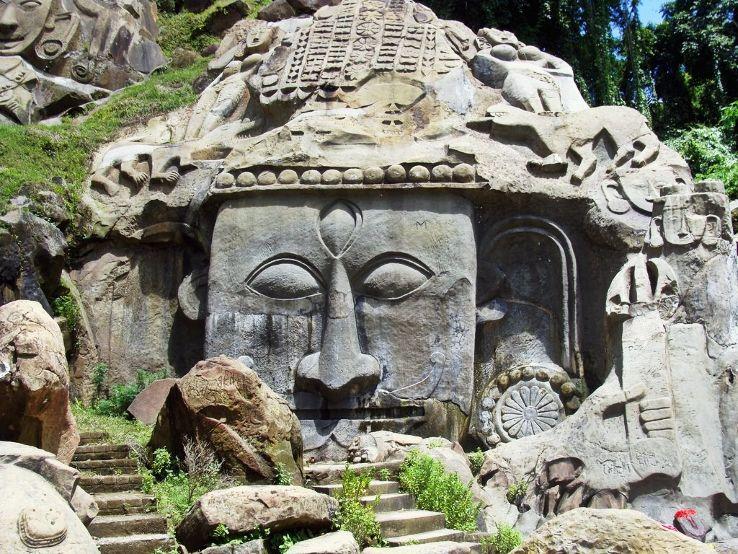
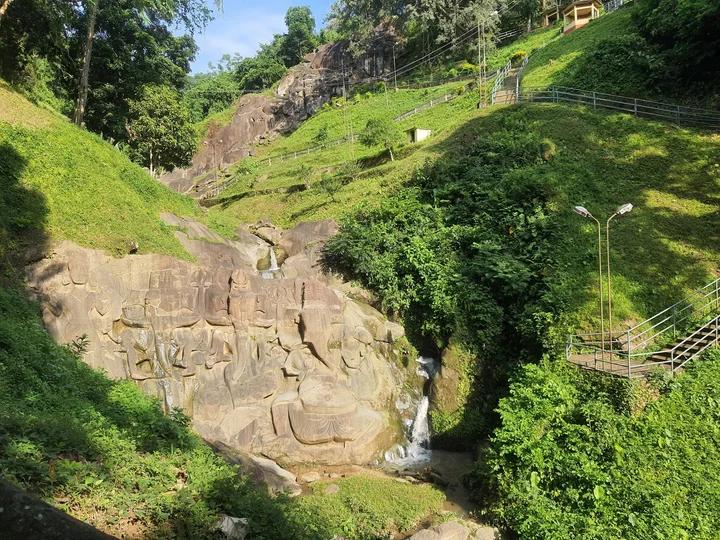
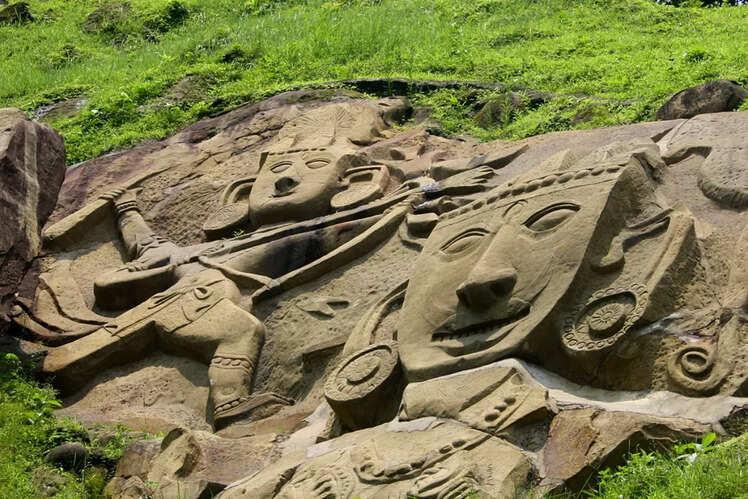
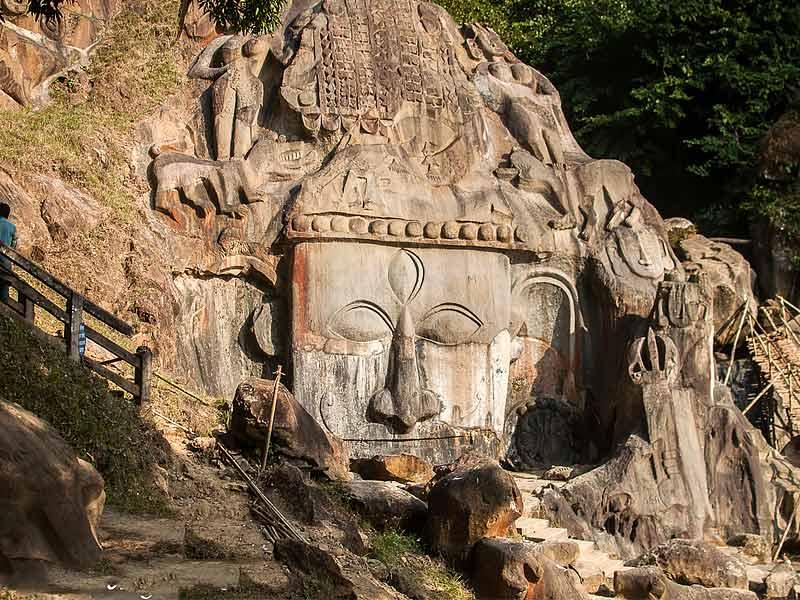
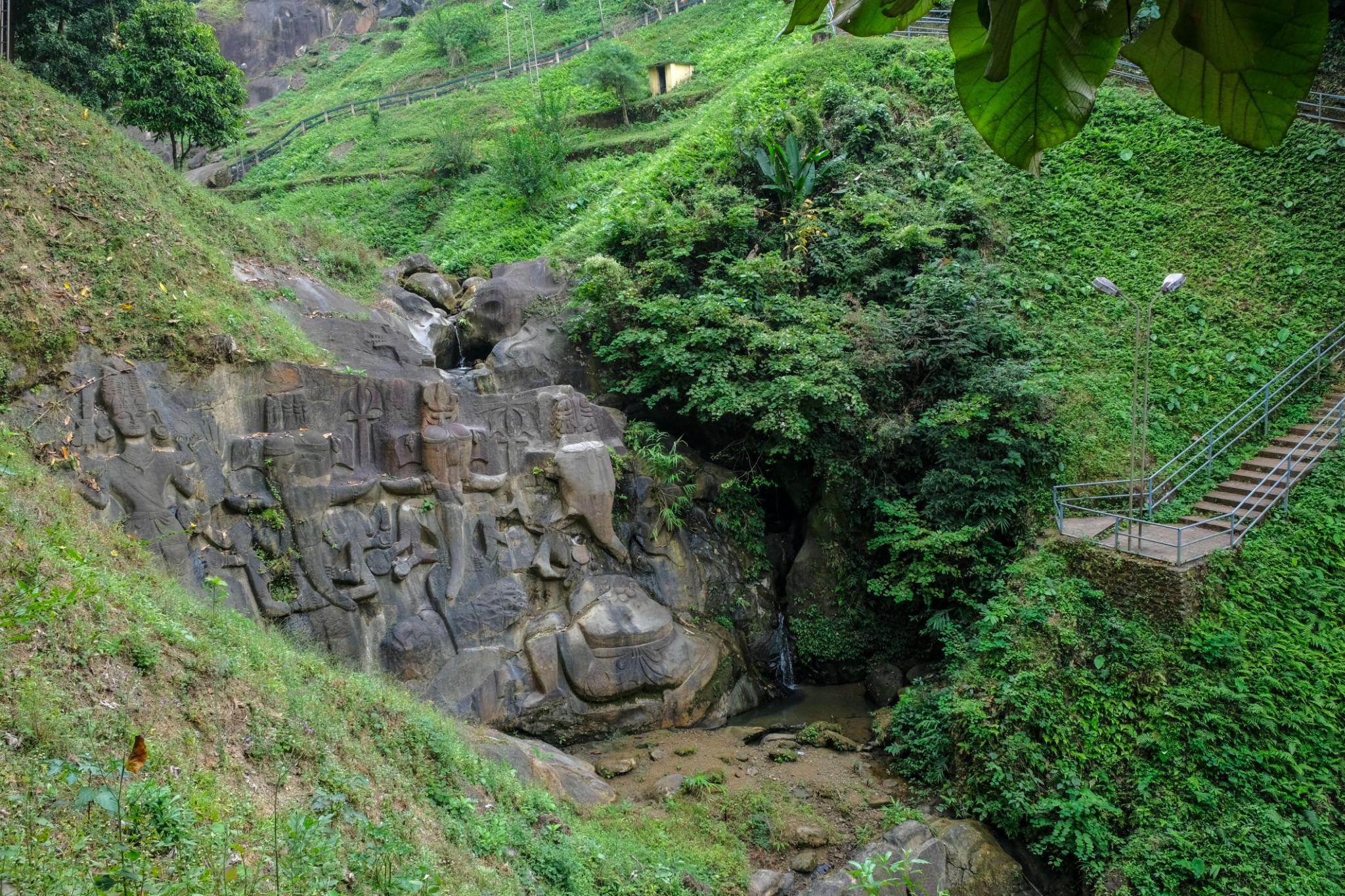
Unakoti is an ancient Shaiva pilgrimage site known for enormous rock carvings cut into the hillside. The site is generally dated to around the 7th to 9th centuries, although some accounts suggest an earlier origin. (Tripura Tourism)
The central image, Unakotiswara Kal Bhairava, is around 30 feet high including its elaborate head-dress. You’ll also see huge Ganesha figures, Nandi carvings and smaller stone sculptures spread around the forested site. (Tripura Tourism)
And yes, there’s a legend behind the name. According to the local story, Shiva was travelling toward Kashi with a crore gods and goddesses. Everyone except Shiva failed to wake before sunrise, leaving behind “one less than a crore” images.
Best for: archaeology, mythology, photography and something genuinely unusual.
4. Tripura Sundari Temple, Udaipur
About 55 km from Agartala, Tripura Sundari Temple is one of Tripura’s major religious sites.
The temple was built in 1501 by Maharaja Dhanya Manikya and is widely known as Matabari. Its unusual structure resembles a tortoise, which is why the shrine is also associated with the name Koorma Peetha. (Tripura Tourism)
The nearby Kalyan Sagar adds another reason to stop here. The lake is considered sacred and is known for its turtles and aquatic life. (Tripura Tourism)
If you’re travelling around Diwali, expect a very different atmosphere because the annual fair draws large numbers of pilgrims.
Best for: temples, Hindu pilgrimage, local culture and photography.
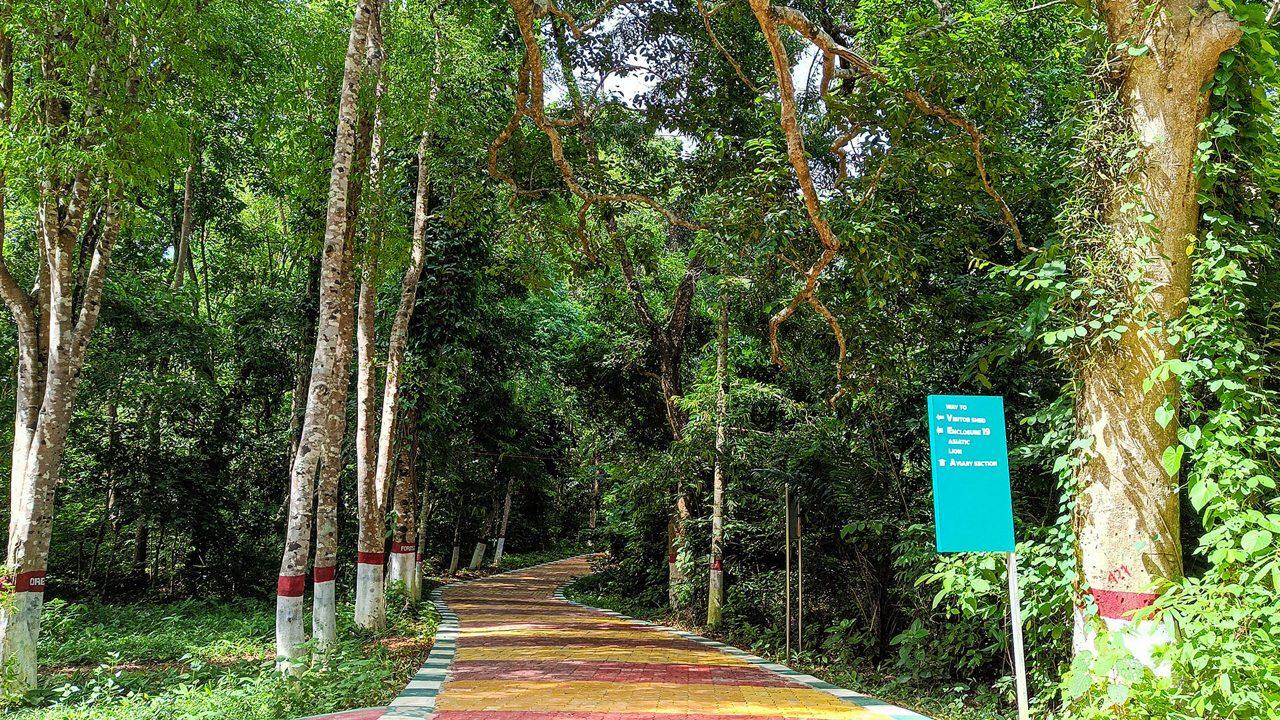
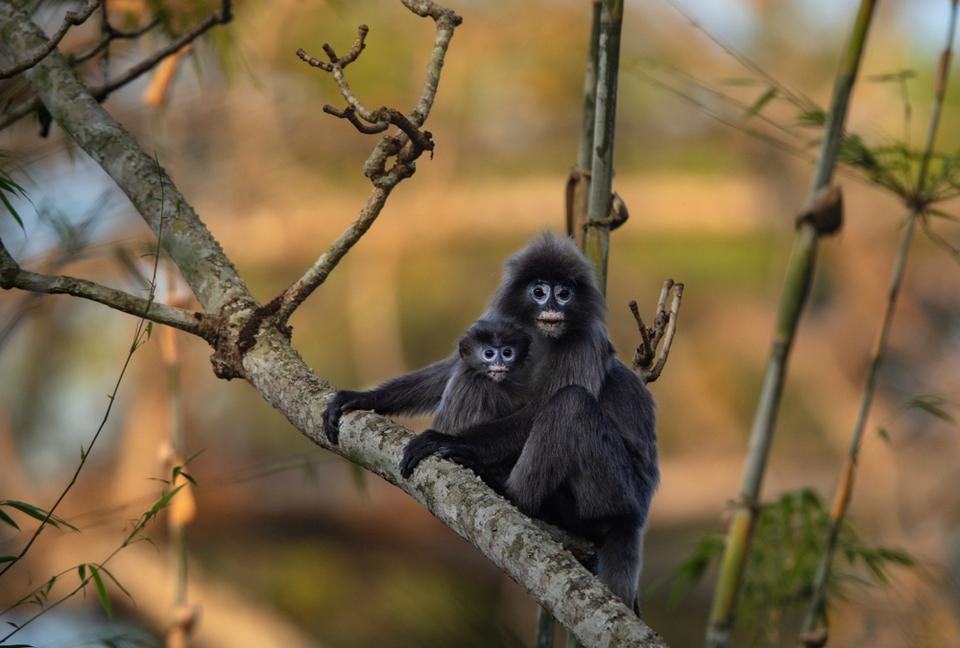
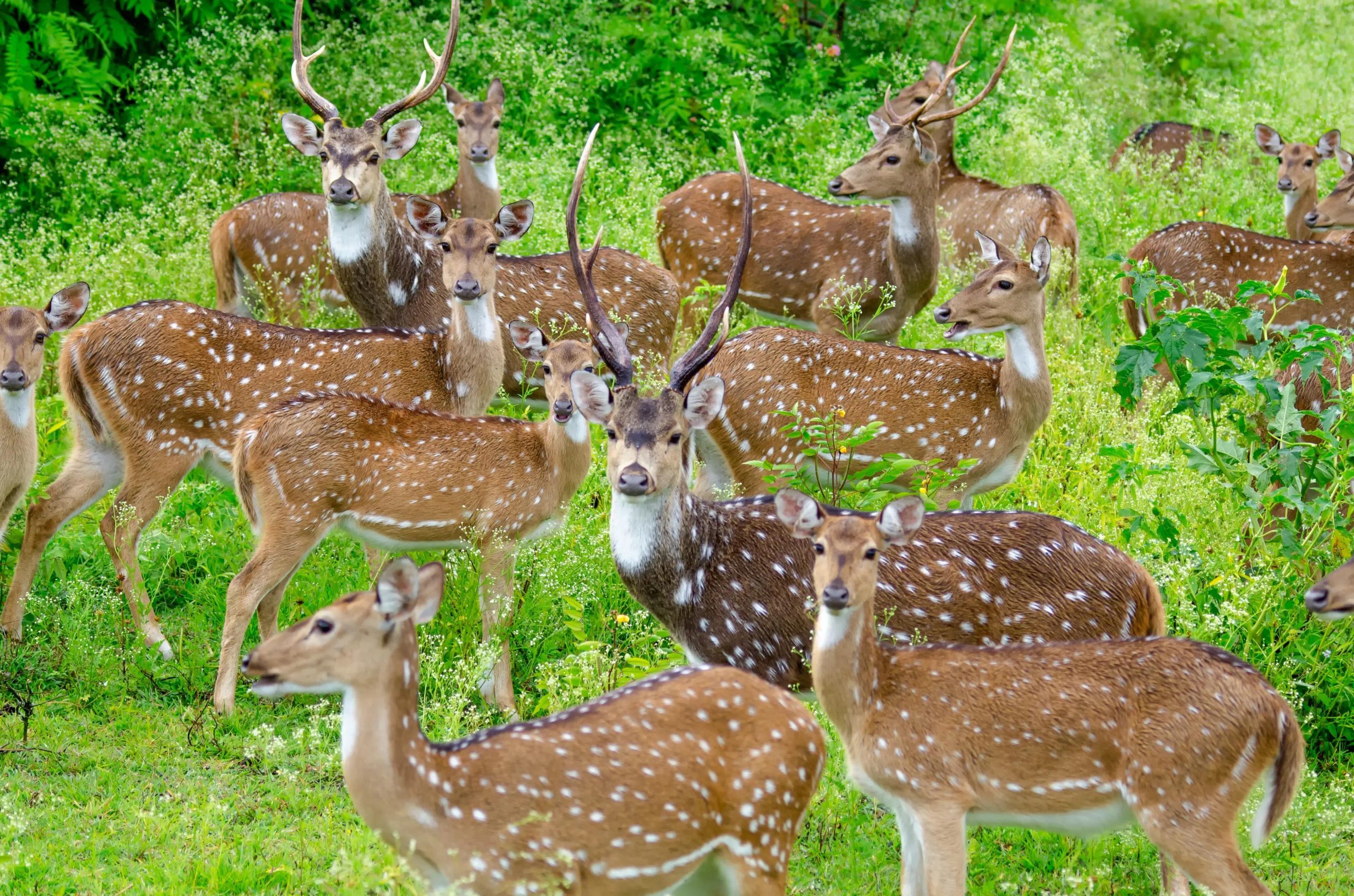
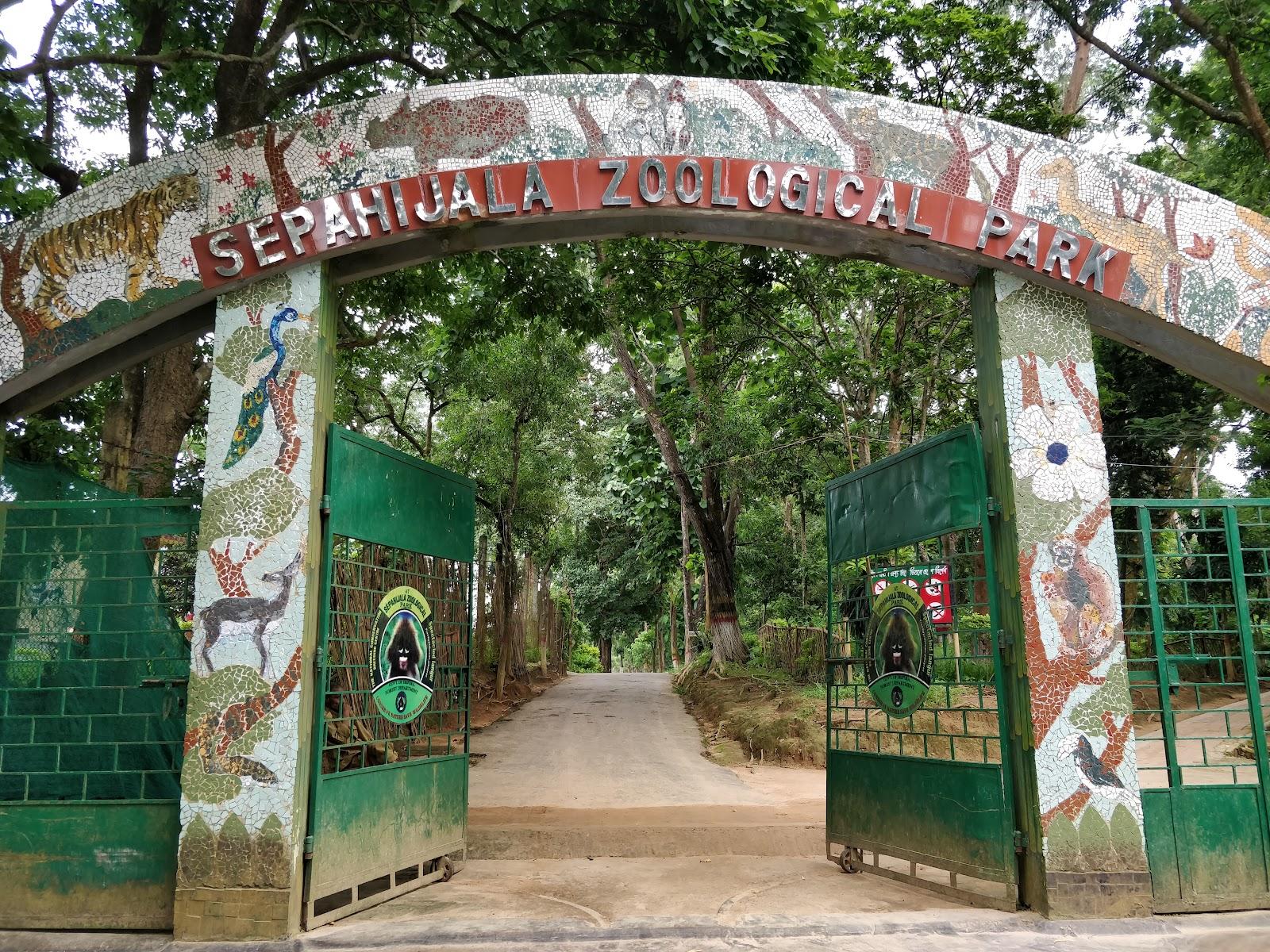
5. Sepahijala Wildlife Sanctuary
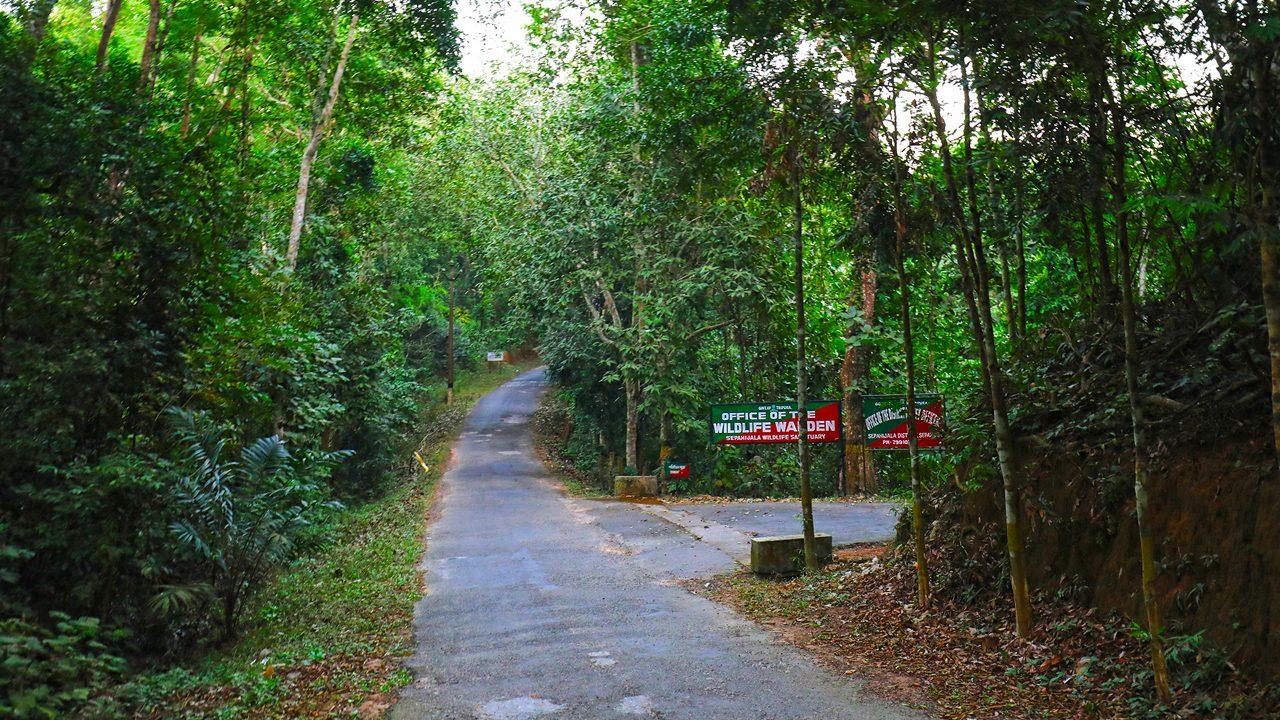
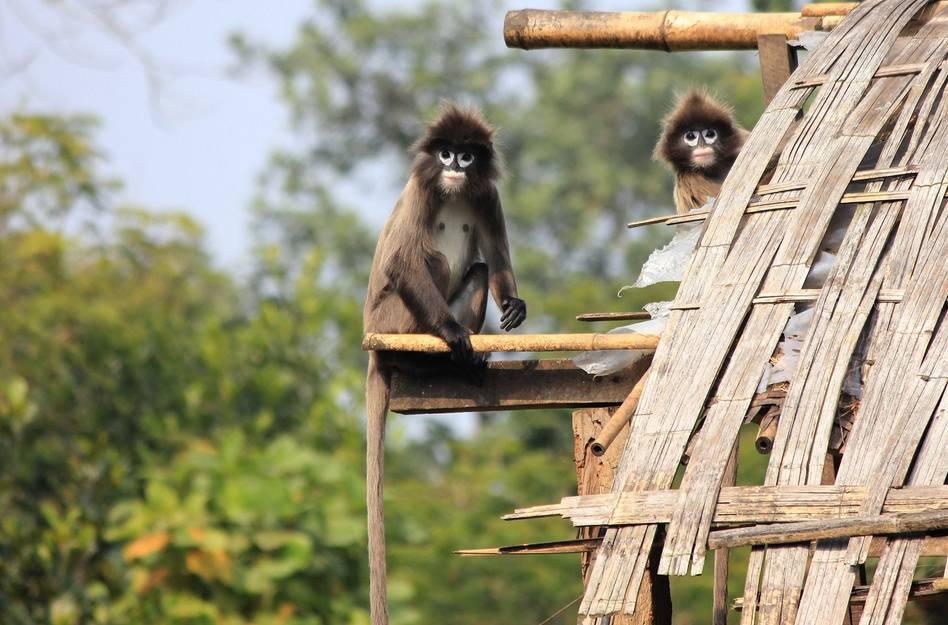
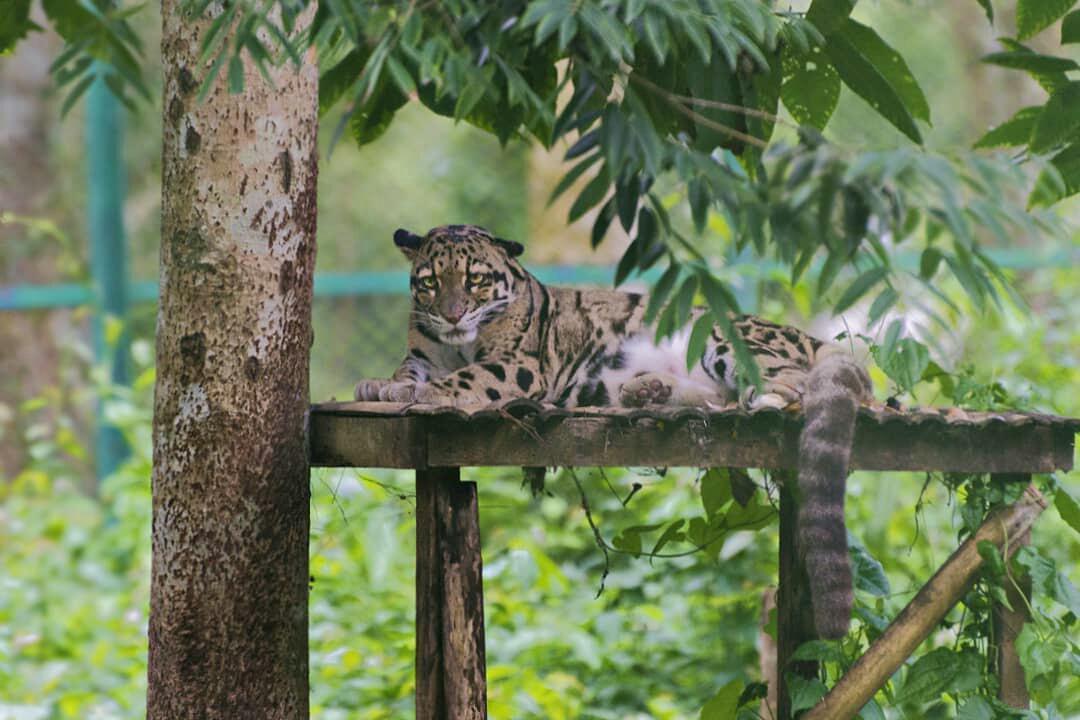
For a change of pace, head to Sepahijala Wildlife Sanctuary.
The sanctuary is close enough to Agartala to work as a day trip. It’s a good choice if you’re travelling with family or simply want some forest time between palace and temple visits.
Give yourself several hours rather than trying to squeeze it into a quick stop.
Best for: wildlife, forests and family trips.
6. Jampui Hills
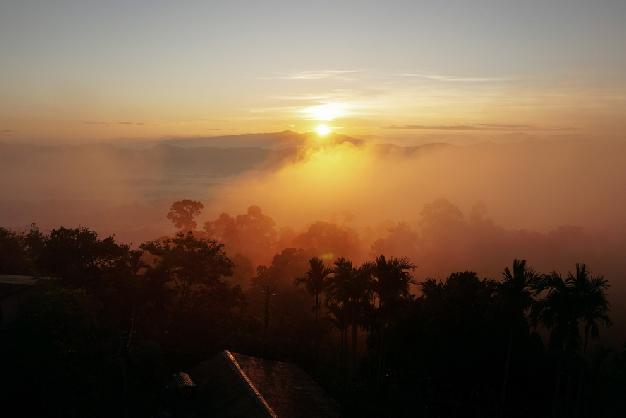
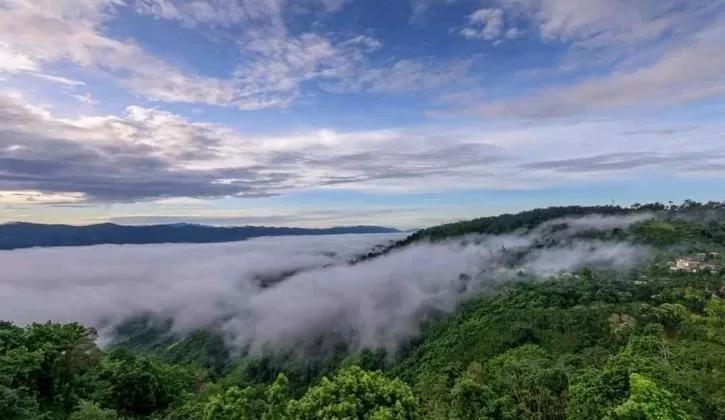
If you like mountain roads, misty mornings and quieter places, put Jampui Hills on the itinerary.
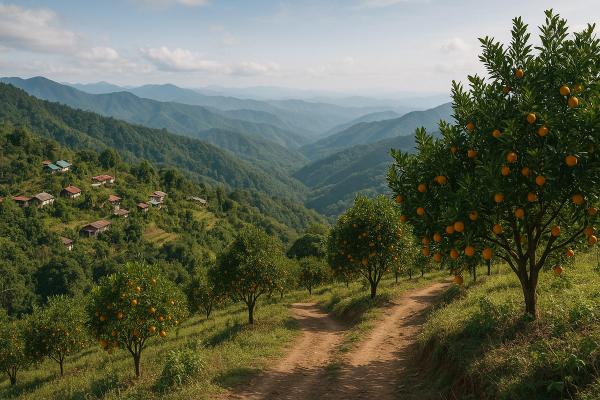
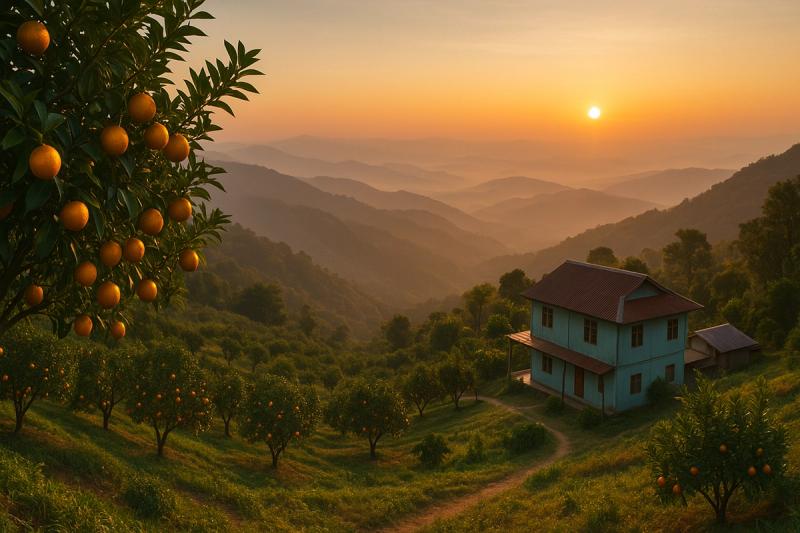
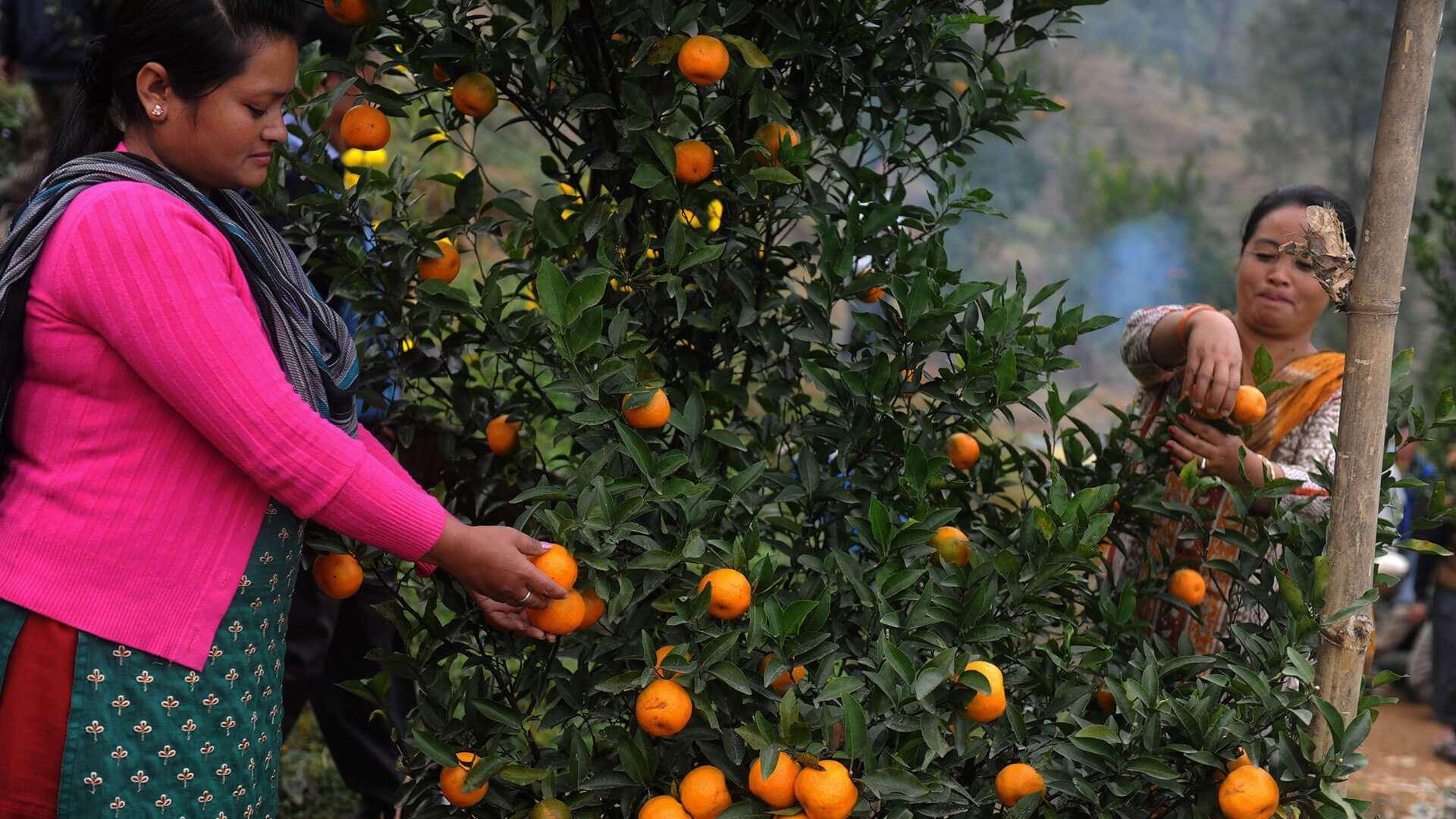
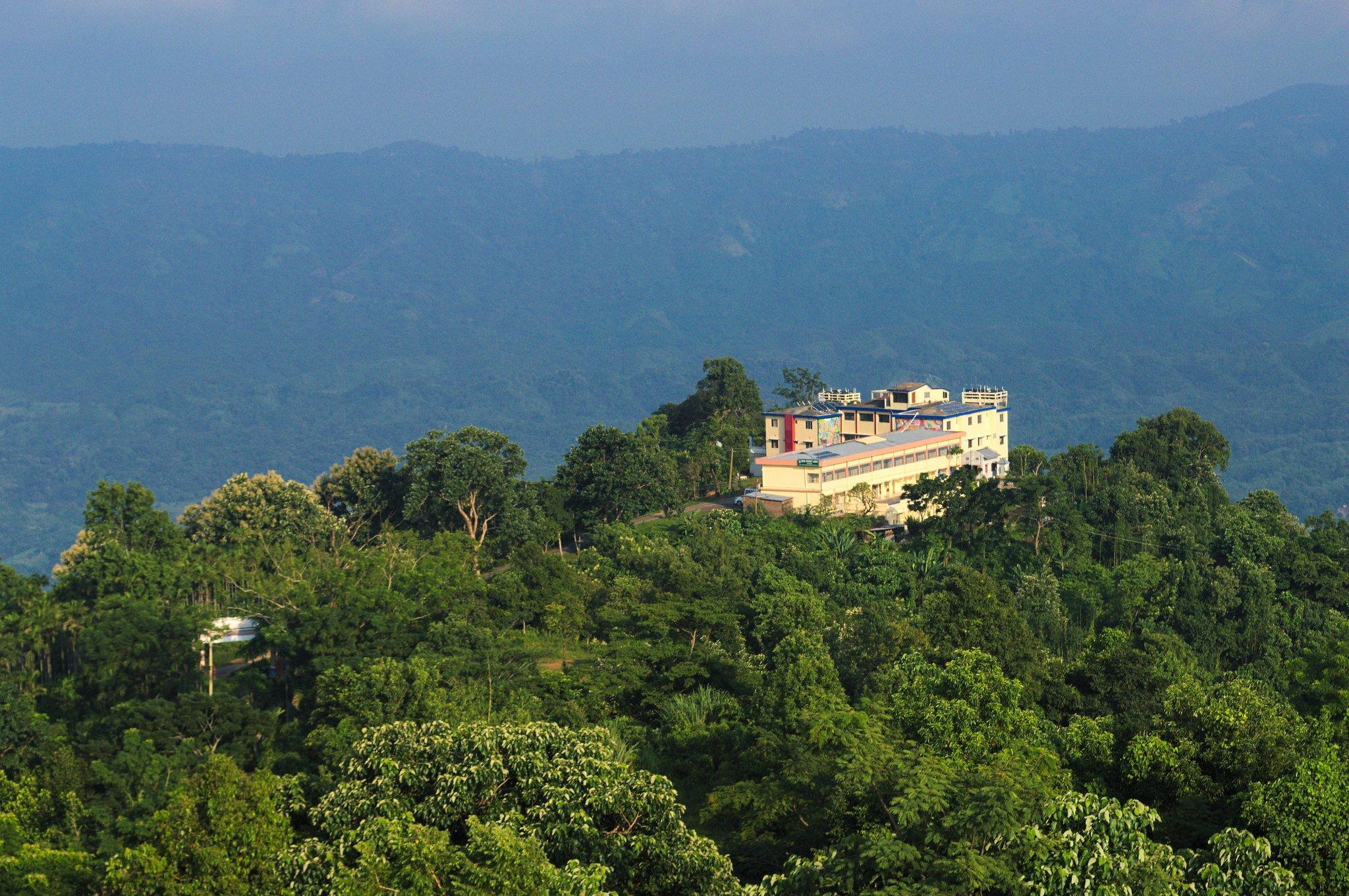
Jampui Hills is in North Tripura, around 220 km from Agartala. The hill range sits at roughly 3,000 feet and has viewpoints, orange gardens, villages, trekking routes and views toward Mizoram and the surrounding valleys. (Tripura Tourism)
Betlingchip, the highest point in Tripura, reaches about 3,200 feet. Sunrise and sunset are the big draws here.
The journey takes time, so I’d give Jampui at least 2 nights if you’re going all the way from Agartala.
Best for: hills, road trips, trekking, villages and slow travel.
7. Dumboor Lake
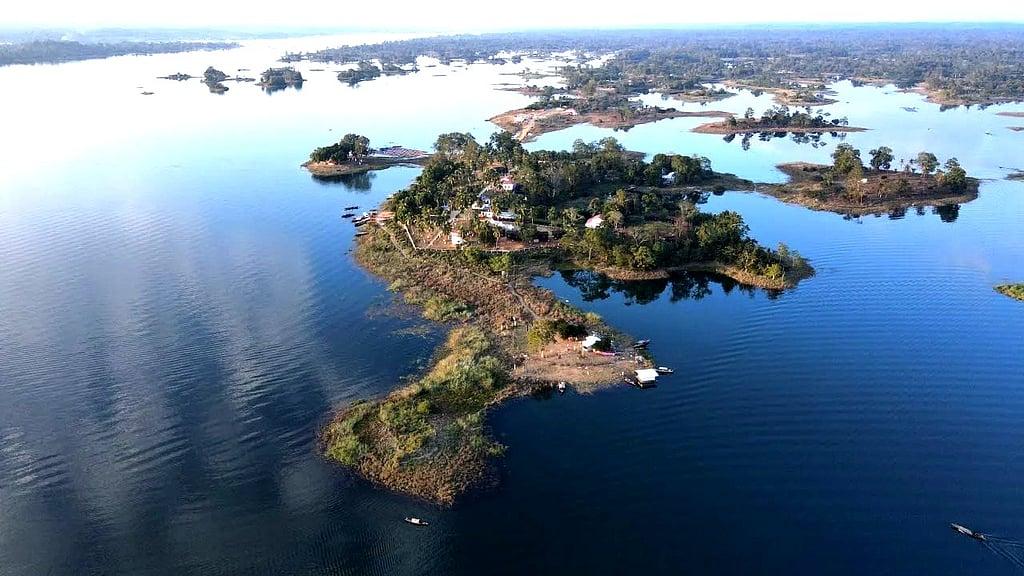
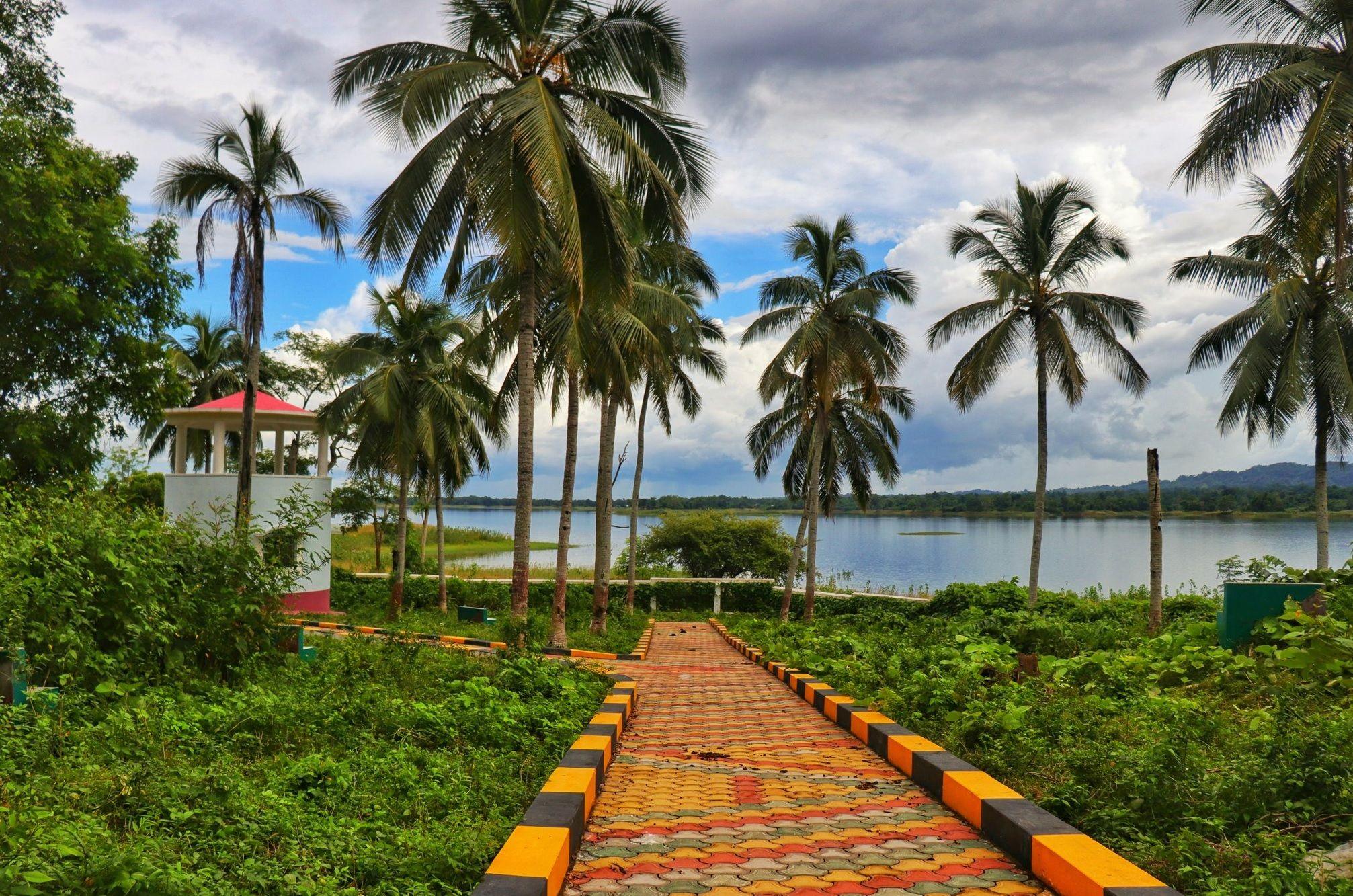
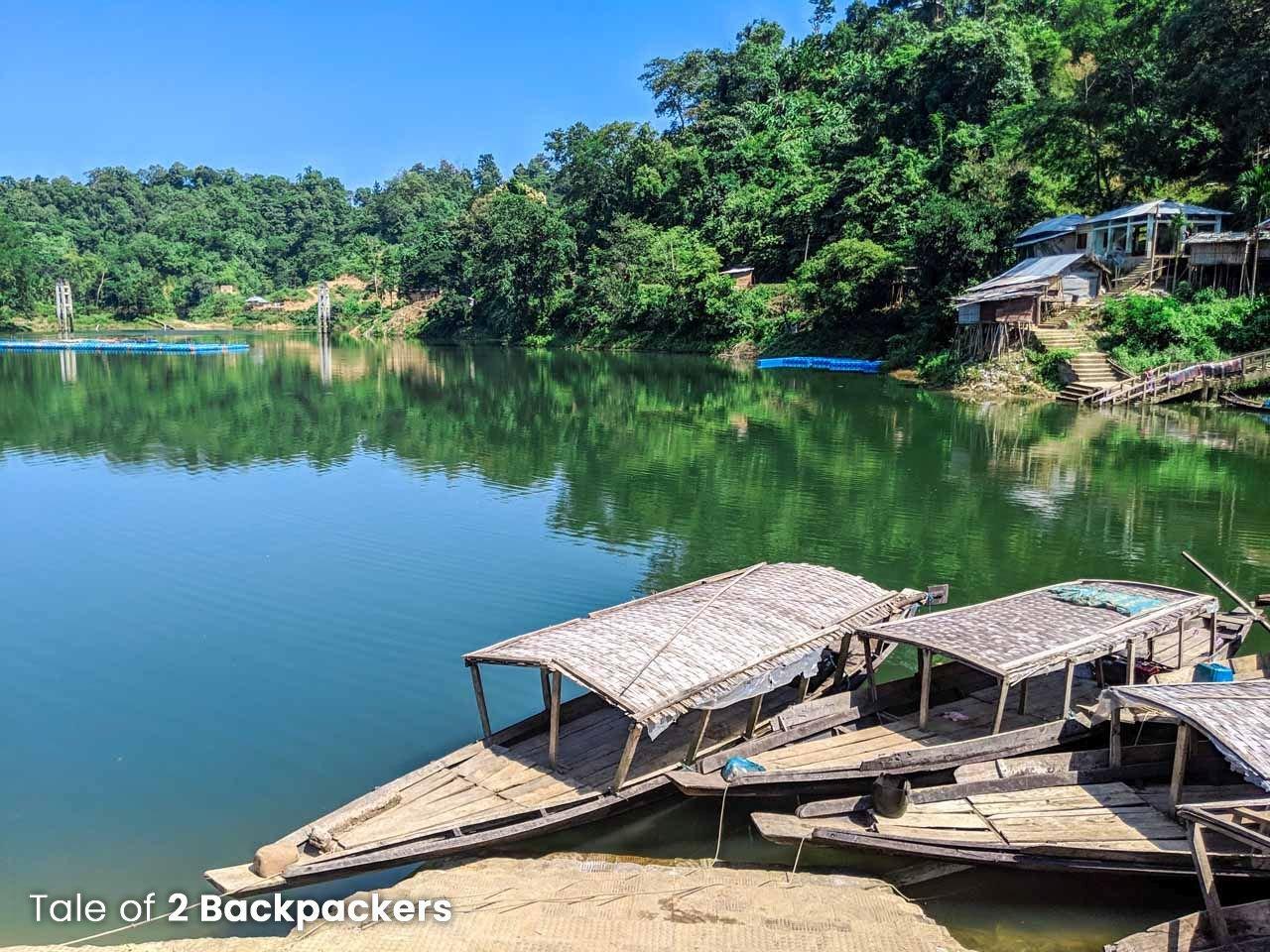
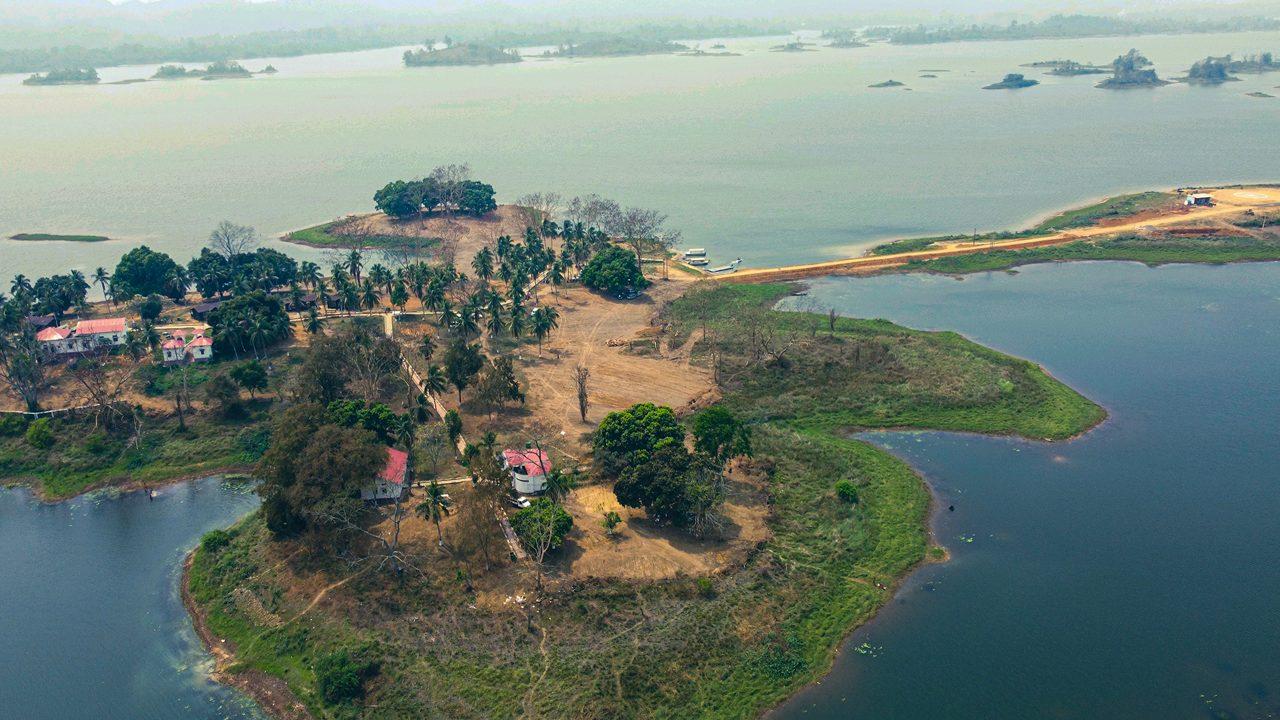
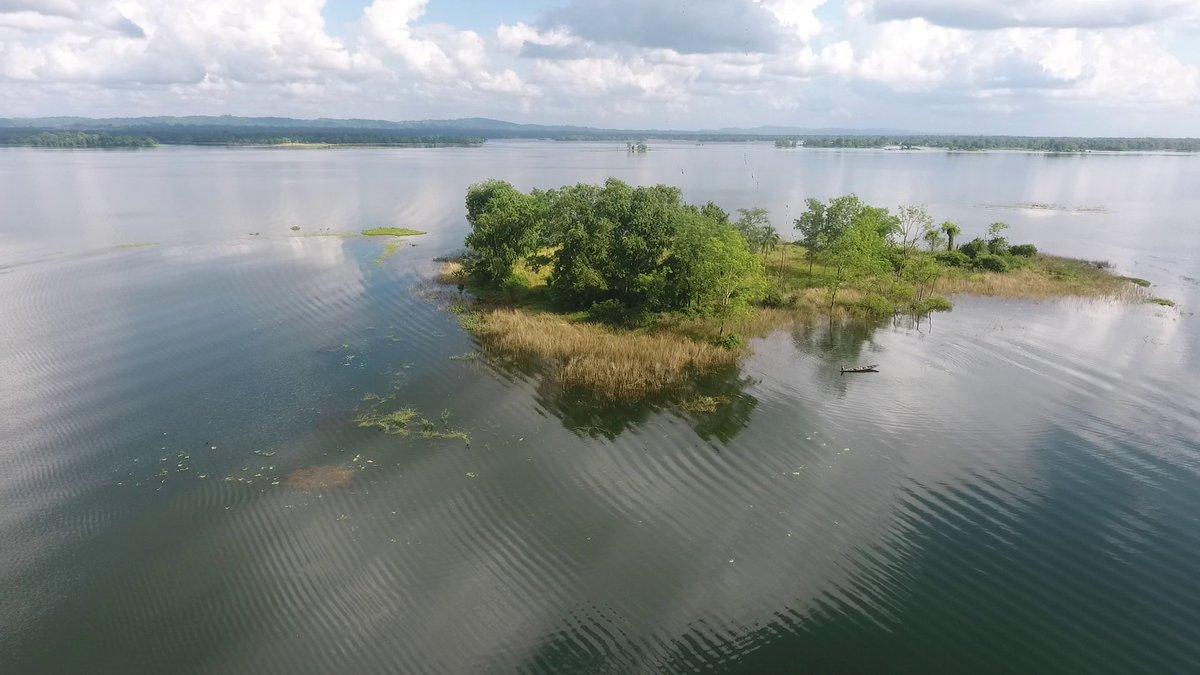
Dumboor Lake is one of Tripura’s better picks for a day surrounded by water and hills.
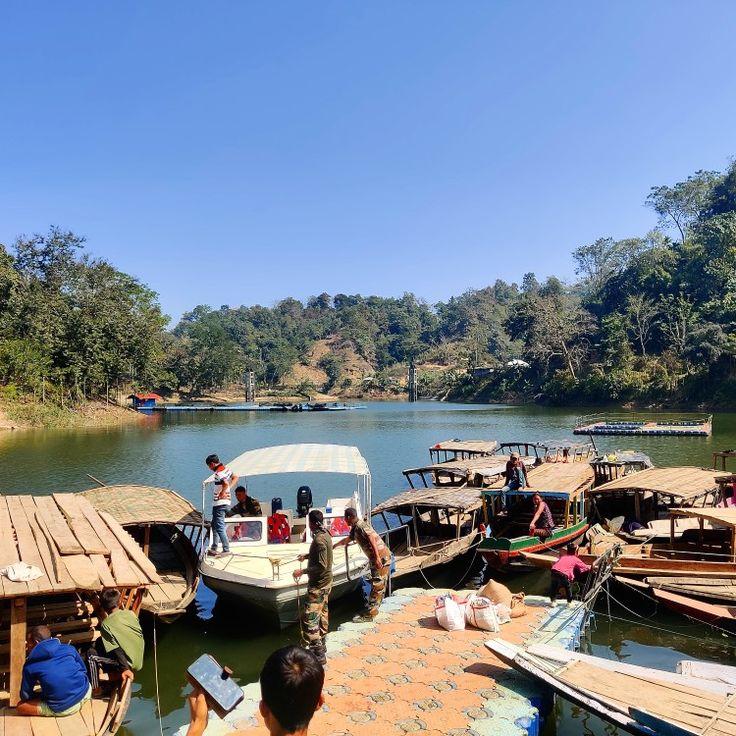
The lake covers around 41 sq km and has 48 small islands. Boating is available, and the surrounding landscape becomes especially interesting in winter when migratory birds arrive. (Tripura Tourism)
Narkel Kunja, located on one of the islands, is another stop around the lake. Tirthamukh, where the Gomati River originates, is also nearby.
Dumboor is around 115 km from Agartala, so plan the drive instead of treating it as a quick city excursion. (Tripura Tourism)
Best for: boating, nature, birds and road trips.
8. Chabimura
Chabimura is where the Gomati River cuts through steep green hills and large rock panels carry ancient carvings.
You usually explore the area by boat, which makes the journey part of the attraction. It’s a good pairing with Udaipur and Dumboor if you’re building a southern Tripura route.
Best for: river scenery, rock carvings and photography.
9. Pilak
Pilak, in South Tripura, is worth a stop if archaeology interests you.
The area has archaeological remains and sculptures connected with Buddhist and Hindu traditions. Tripura’s tourism policy also identifies Pilak as part of a potential archaeological and Buddhist circuit connecting sites in Tripura with Bangladesh. (Tripura Tourism)
It’s a quieter choice than Unakoti, but that’s part of the appeal.
Best for: archaeology, history and offbeat travel.
10. Agartala city
Leave some time for Agartala itself.
Walk around the older parts of the city, visit the palace museum, try local food and browse markets for Tripura’s handloom and handicraft products.
Agartala also makes sense as your practical base. The city has the state’s main airport and railway station, with connections to other parts of India. (Tripura Tourism)
A simple 5-day Tripura itinerary
Day 1: Agartala
Ujjayanta Palace, city sightseeing and local food.
Day 2: Neermahal + Sepahijala
Visit Neermahal in the morning or afternoon, then spend time around Sepahijala.
Day 3: Udaipur
Tripura Sundari Temple, Kalyan Sagar and Chabimura.
Day 4: Unakoti
Travel north toward Kailashahar and spend the day around Unakoti.
Day 5: Agartala
Keep the final day relaxed for shopping, food and your return journey.
If you’ve got 7 to 8 days, I’d add Jampui Hills rather than simply adding more stops. The hills deserve the extra travel time.
Best time to visit Tripura
October to March is the easiest period for a Tripura trip. The weather is generally more comfortable for sightseeing, road journeys and hill travel.
Winter is particularly good for places such as Dumboor, where migratory birds add another reason to visit. (Tripura Tourism)
Monsoon can make the landscape lush and beautiful, but heavy rain can affect road journeys. Keep extra travel time if you’re heading into the hills.
How to reach Tripura
By air: Agartala’s Maharaja Bir Bikram Airport is the main gateway.
By train: Agartala railway station connects the state with the wider Indian rail network. (Tripura Tourism)
By road: Agartala is connected with Assam and the rest of the Northeast by road. Long road journeys are possible, but they’re much easier when you’ve planned your stops.
For places such as Jampui Hills, Unakoti and Dumboor, a hired car or local taxi can save you a lot of hassle.
How many days do you need?
3 days: Agartala, Neermahal and Sepahijala.
5 days: Add Udaipur and Unakoti.
7 to 8 days: Add Dumboor and Jampui Hills.
Tripura works best when you leave some breathing room between destinations. The distances aren’t huge on a map, but hill roads and local transport can make a short journey take much longer than expected.
And that’s part of the fun. You get to see a quieter side of Northeast India, one road and one old palace at a time.
Featured Image Credit: Generated/Sourced via Chatgpt.com.
Editorial note: Some articles may use AI-assisted research or drafting. Our editorial process includes human review and editing, and important travel information should be verified with official sources before your trip.
Travel Tips & Responsible Exploration
Good travel planning starts with staying informed. Before your journey, verify important details such as transportation, accommodation, weather, permits, entry requirements, and local guidelines. Respect local communities, cultures, traditions, and the environment, and travel responsibly wherever you go. Suman Rabha shares practical travel guides, local insights, and destination information to help readers explore Northeast India and beyond with greater confidence.