
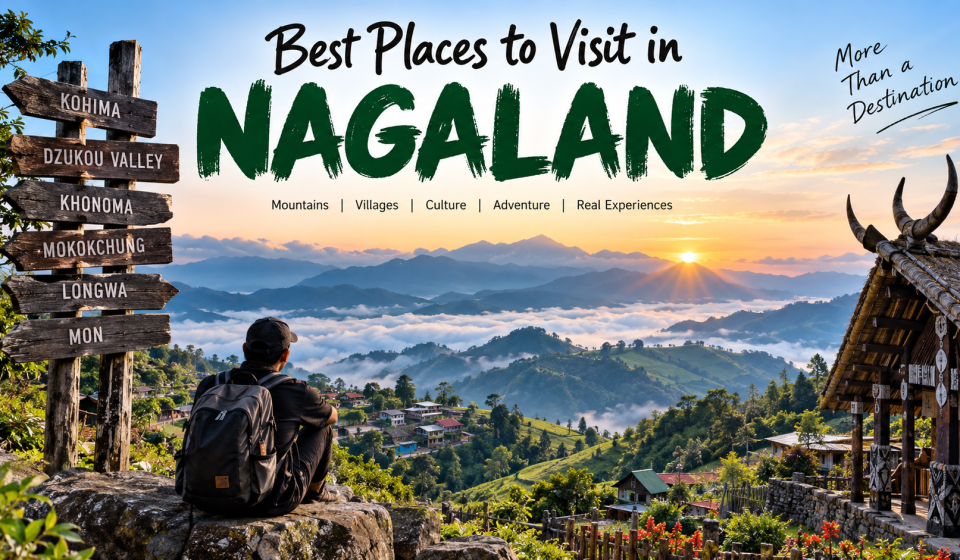

Nagaland is the kind of place where the road between 2 towns can be half the trip.
You get mountain ridges, small villages, old churches, rice fields, forest roads and markets where the food deserves your attention. If you’re planning your first trip, these are the places I’d put near the top of the list.
1. Kohima
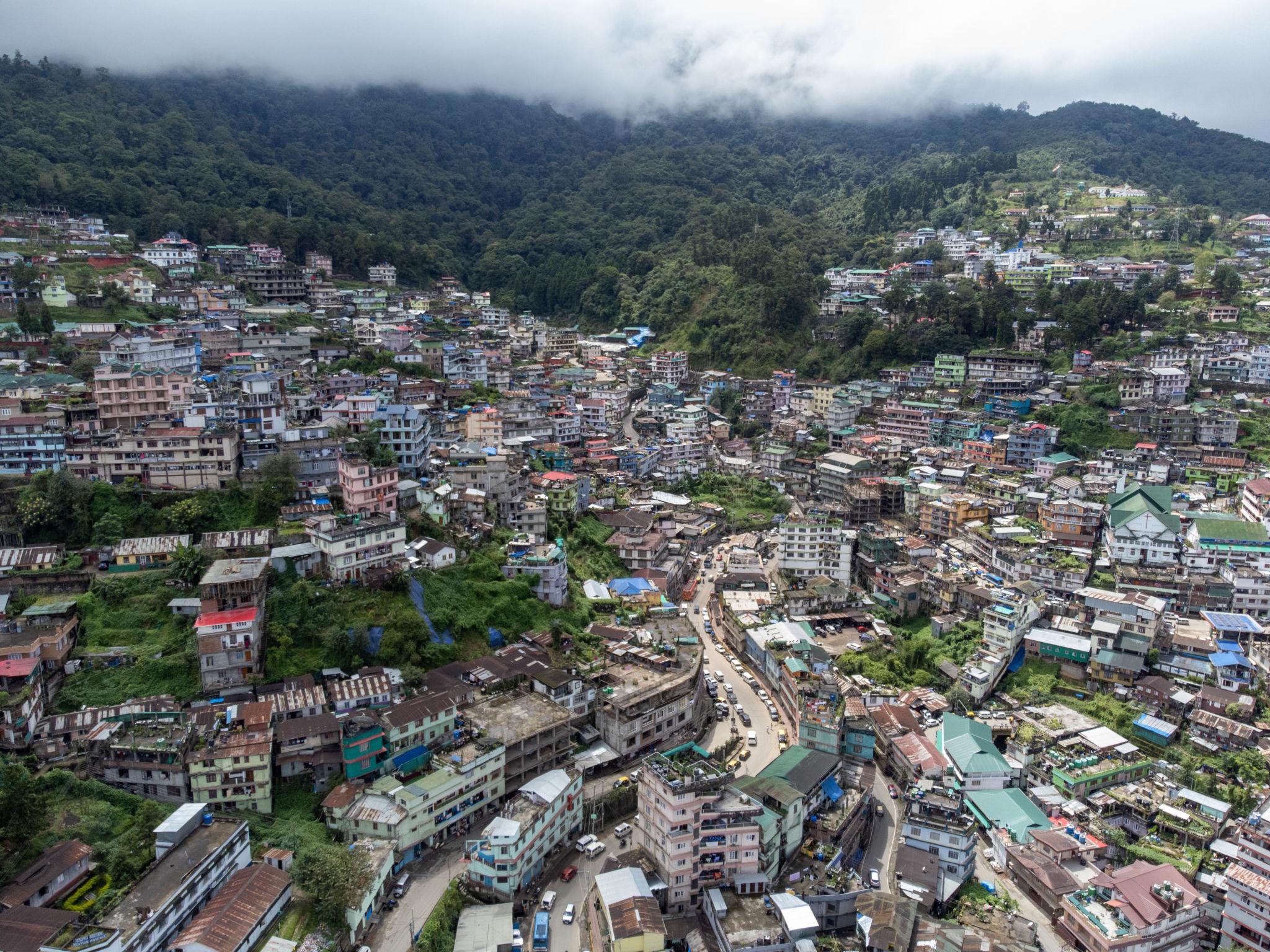
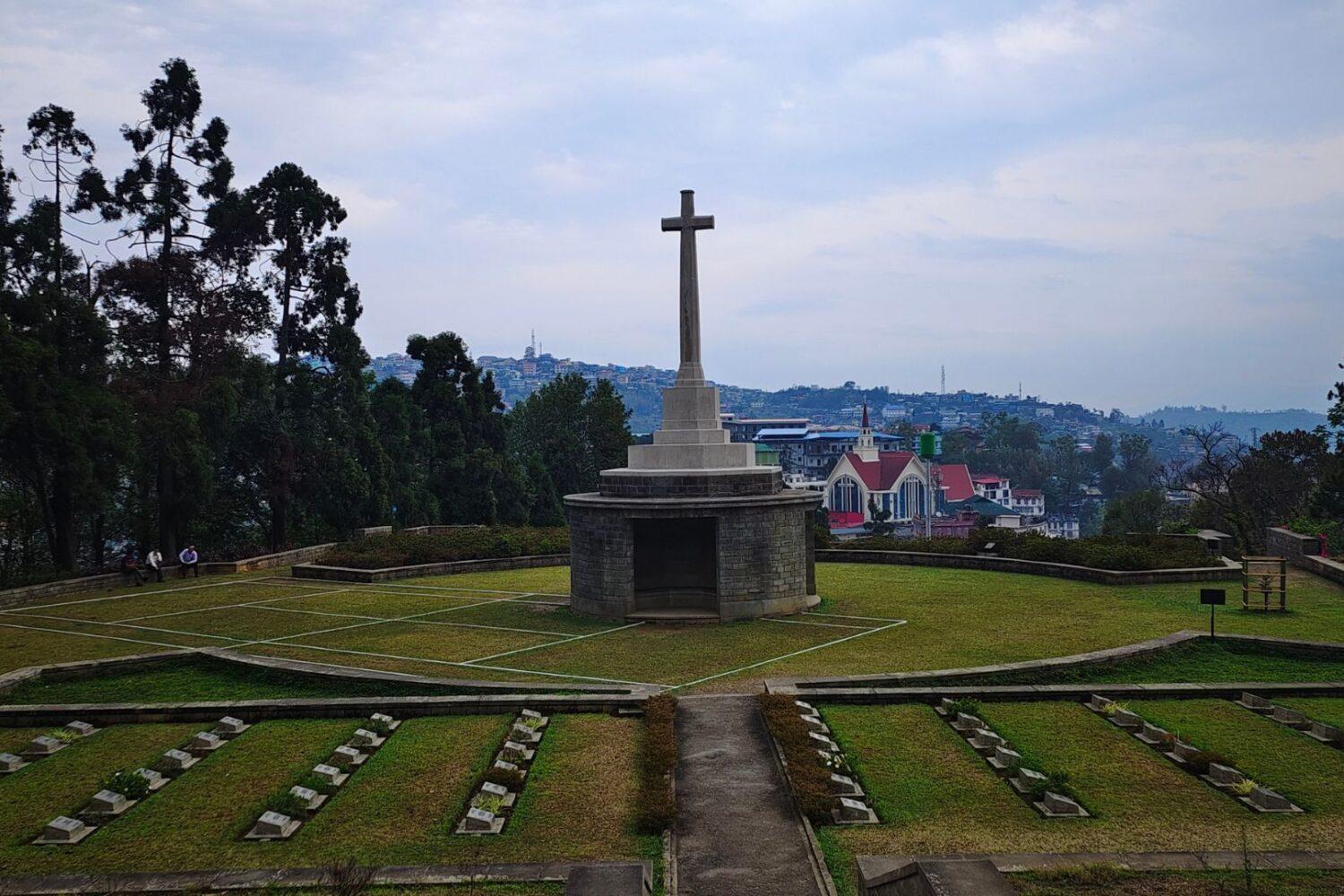
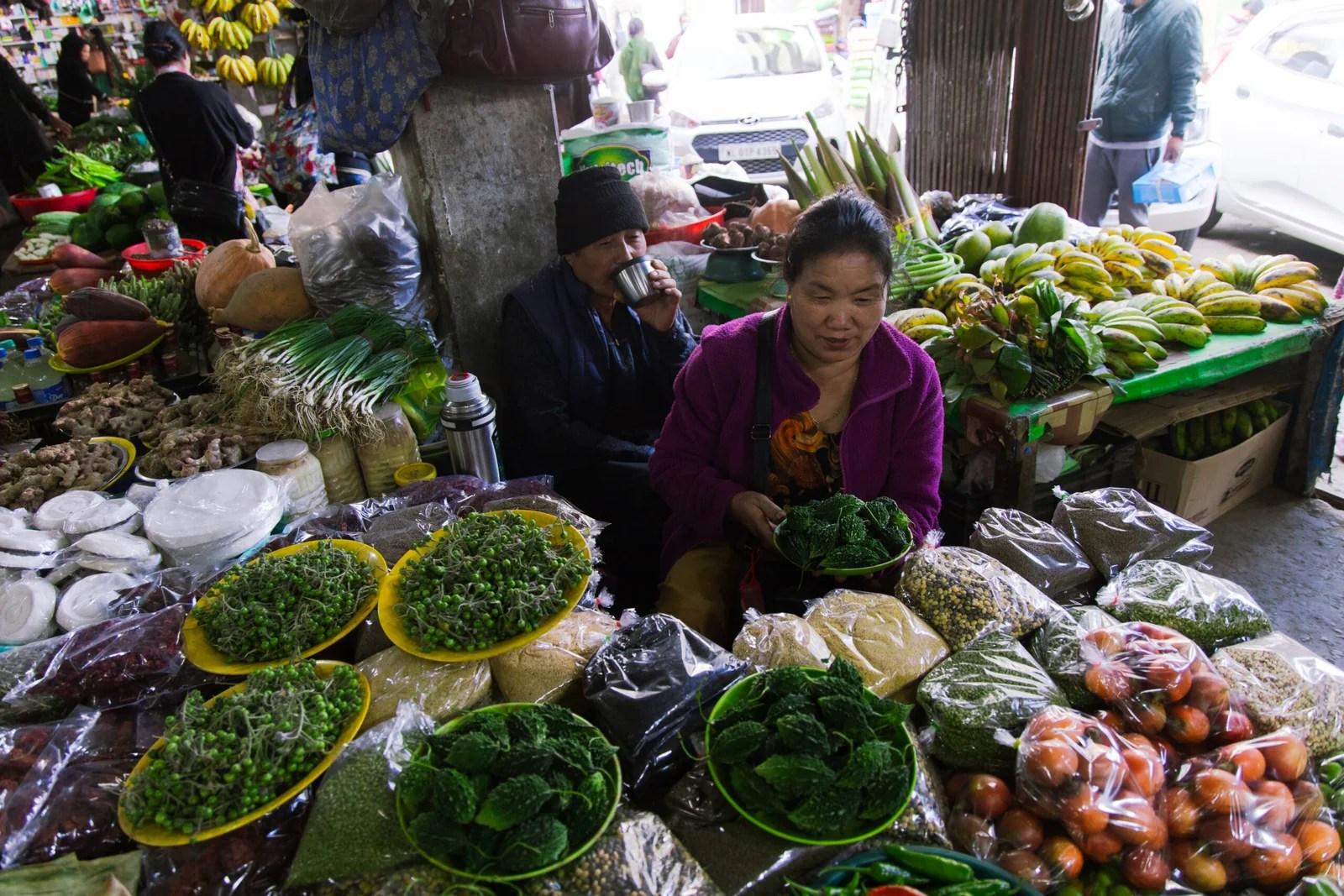
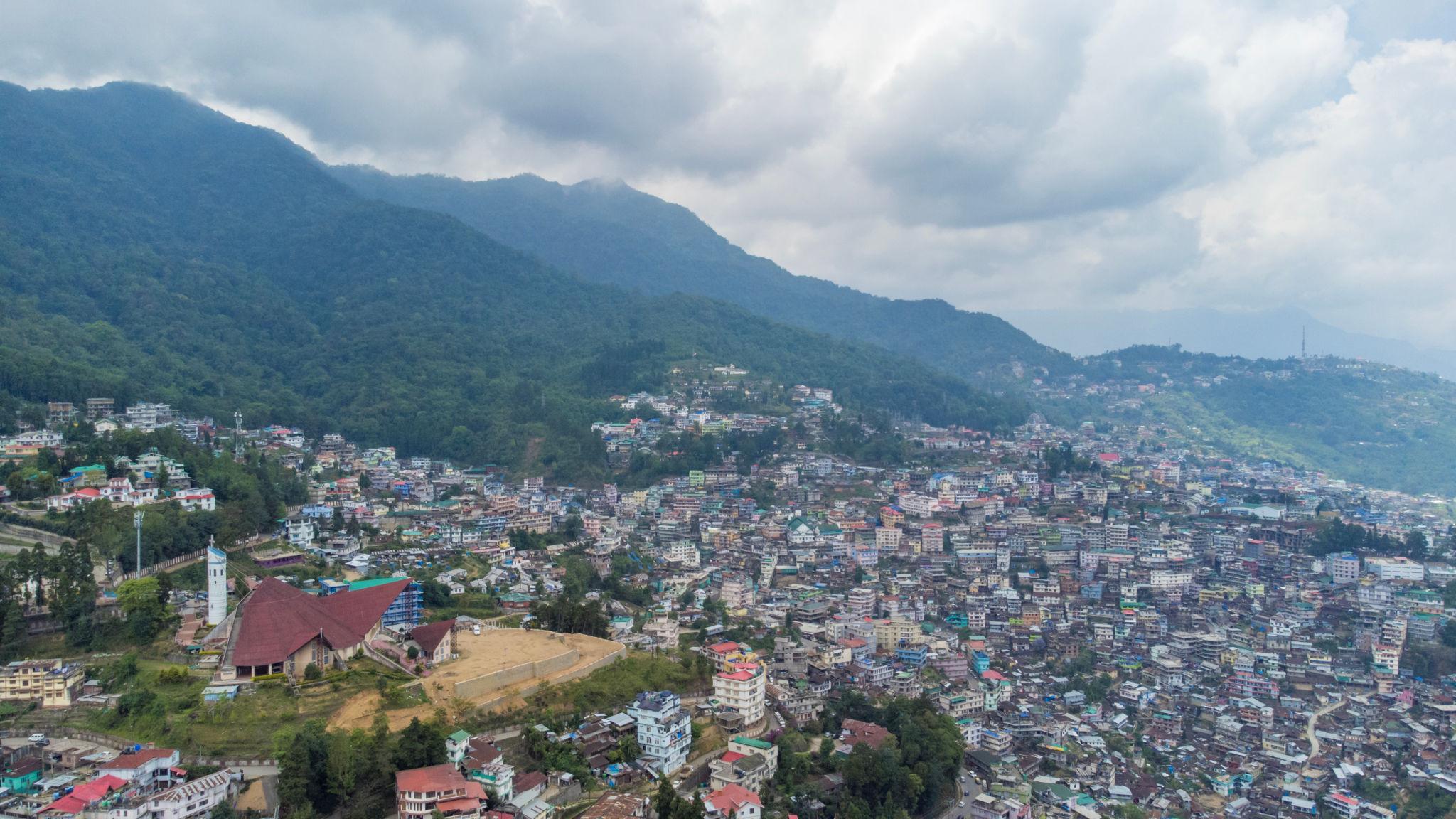
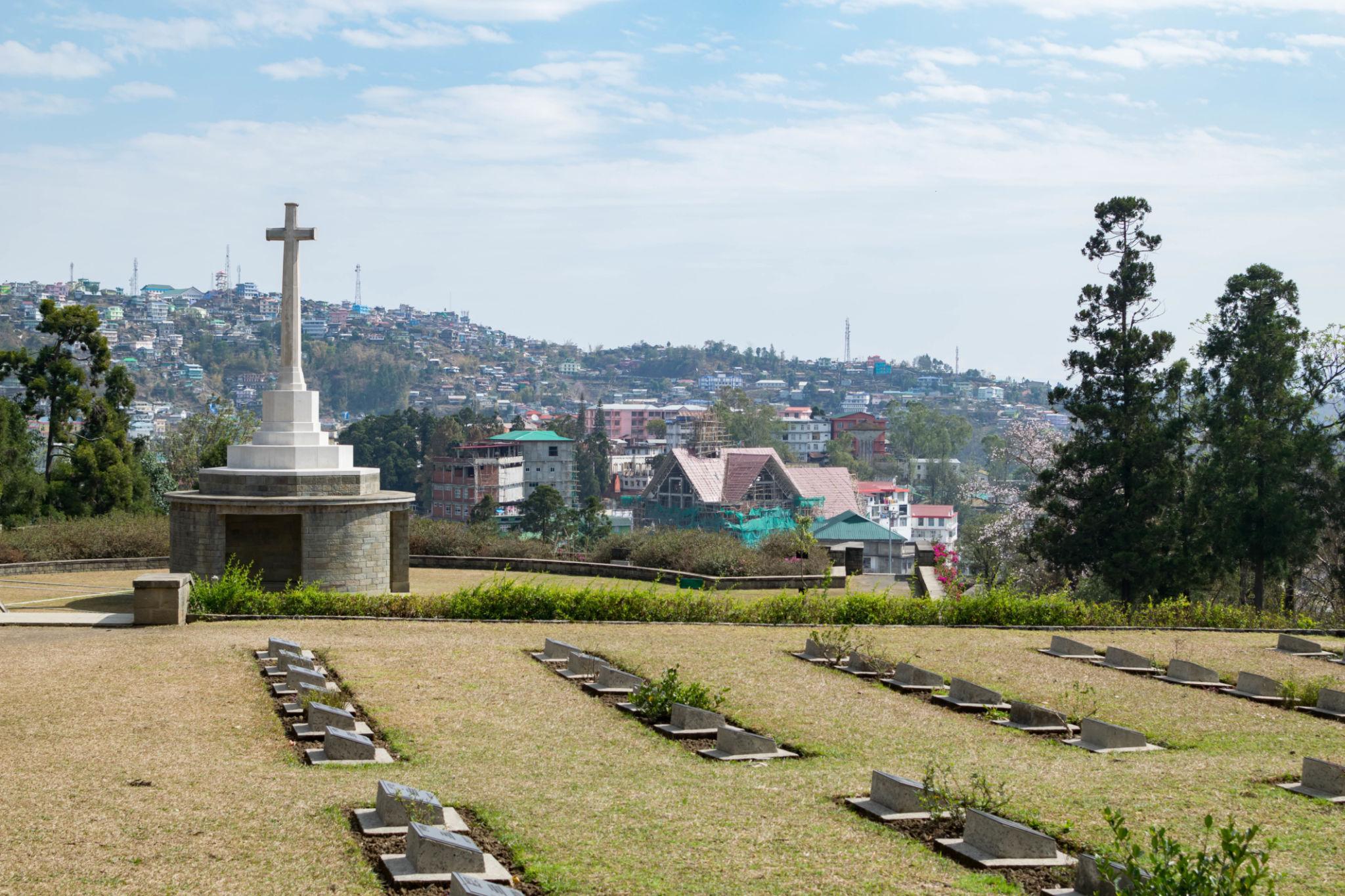
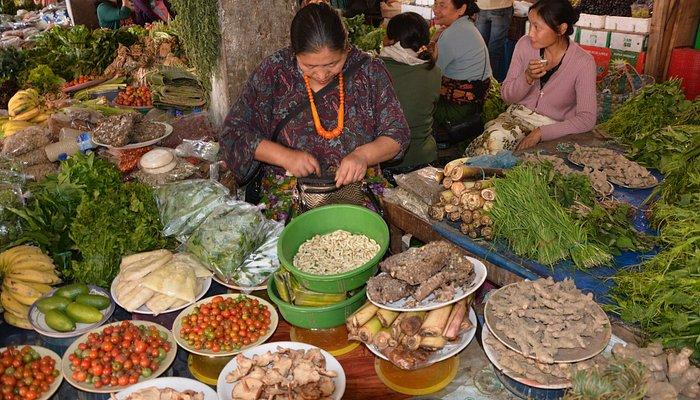
Kohima is the obvious starting point, and it earns that position.
Spend a day walking around the city, visiting the Kohima War Cemetery, checking out local markets and eating Naga food. The city sits across steep hills, so you’ll be climbing more than you expect.
The real fun starts when you use Kohima as your base for nearby villages and hikes.
2. Khonoma
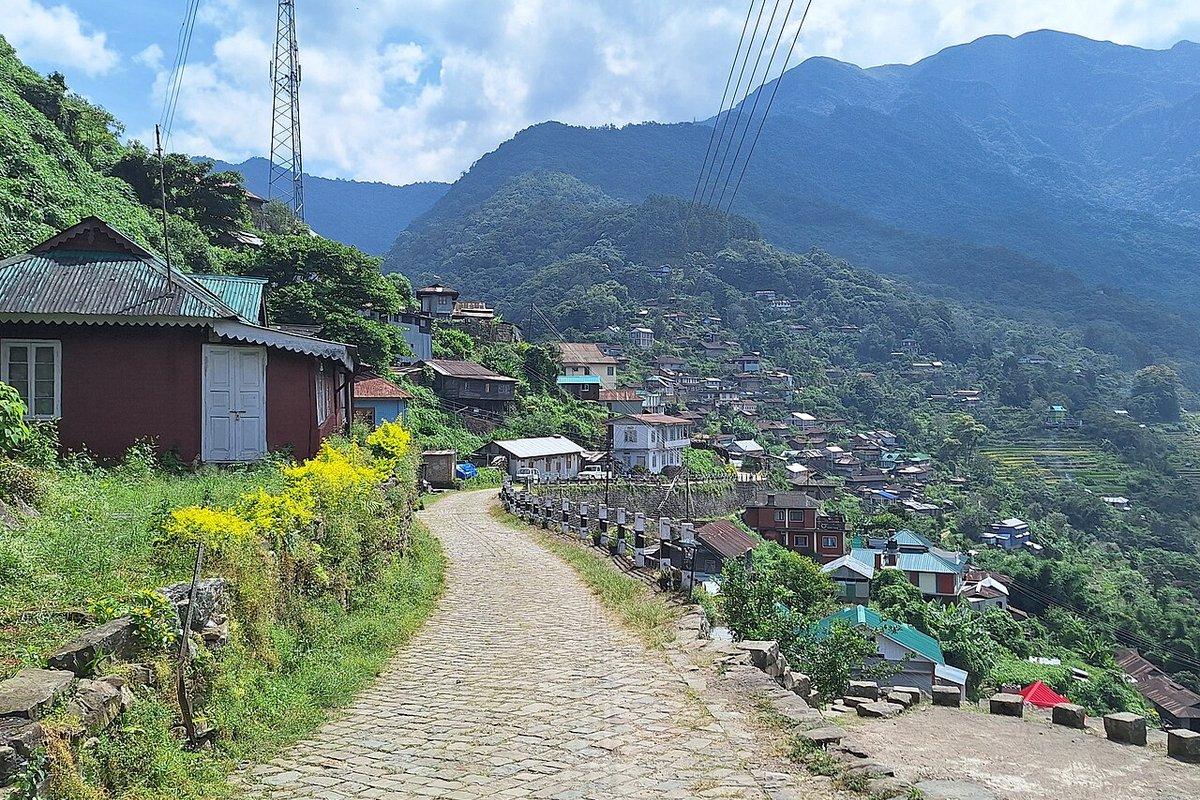
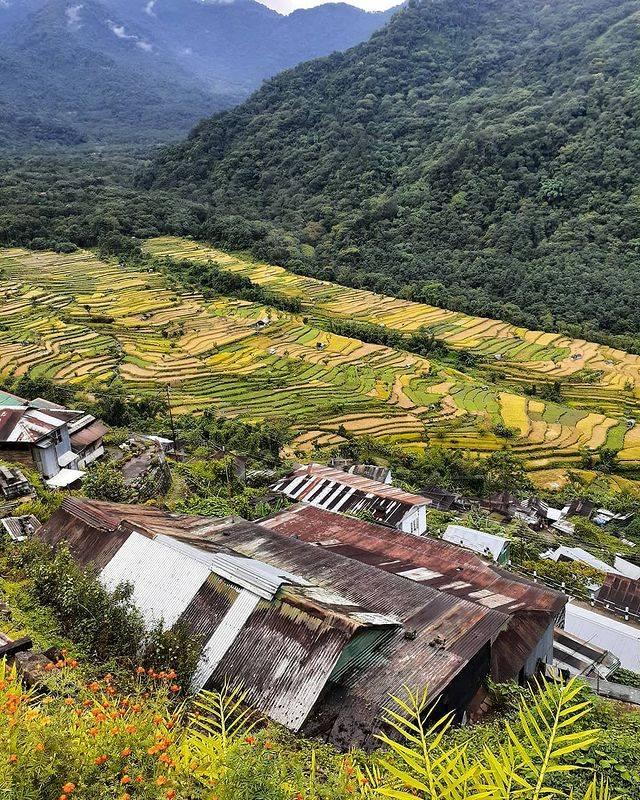
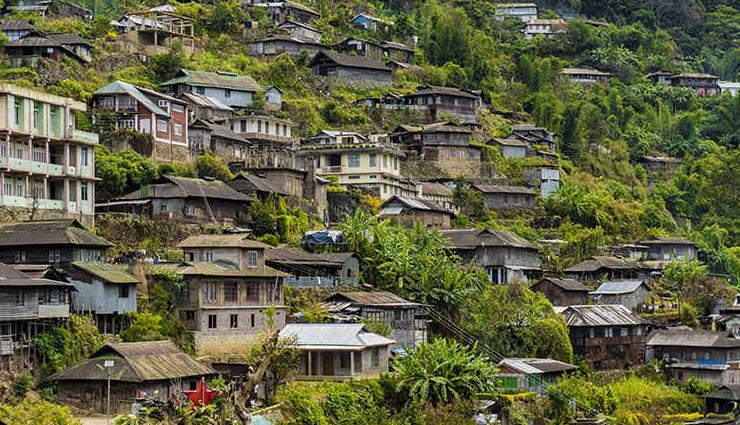
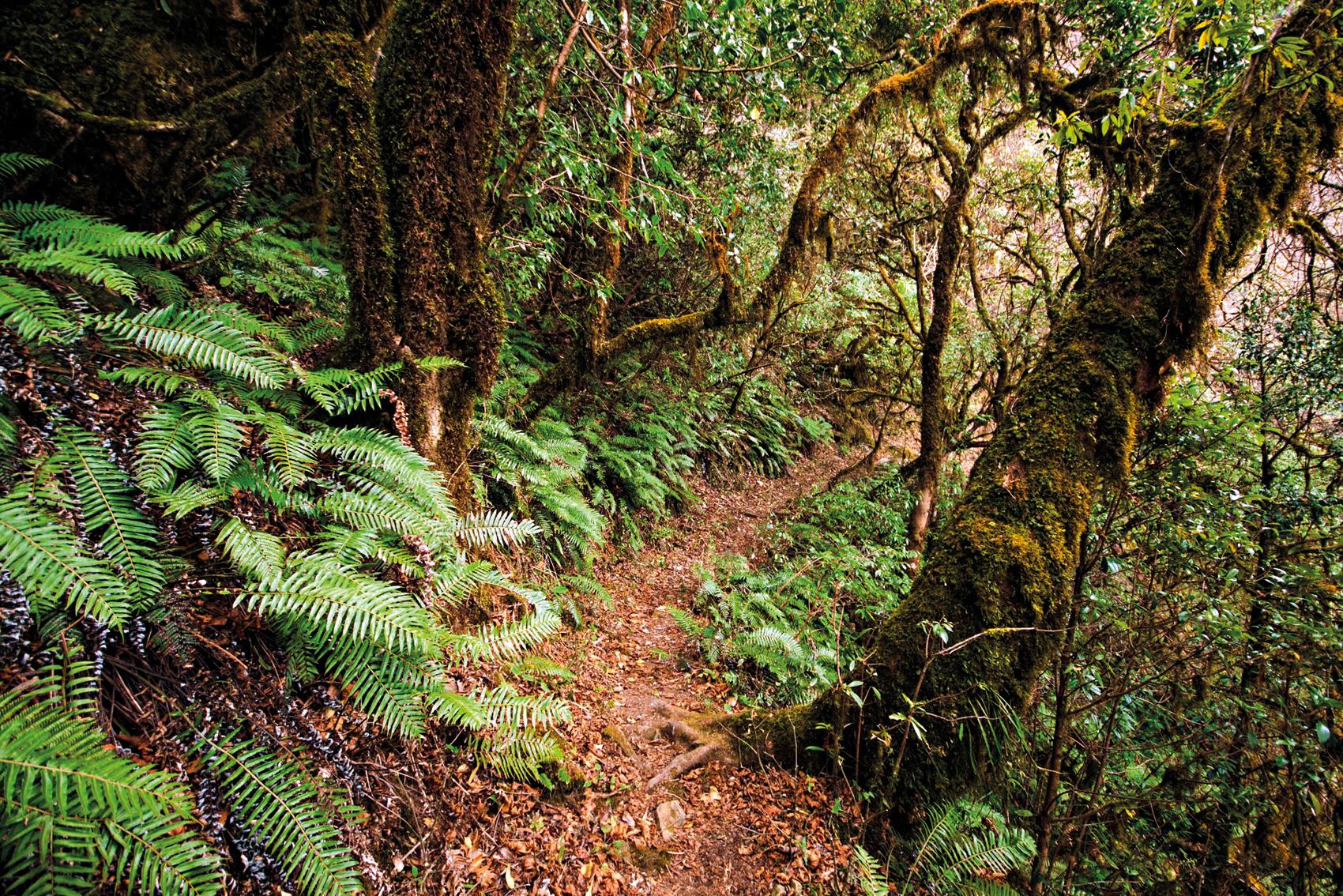
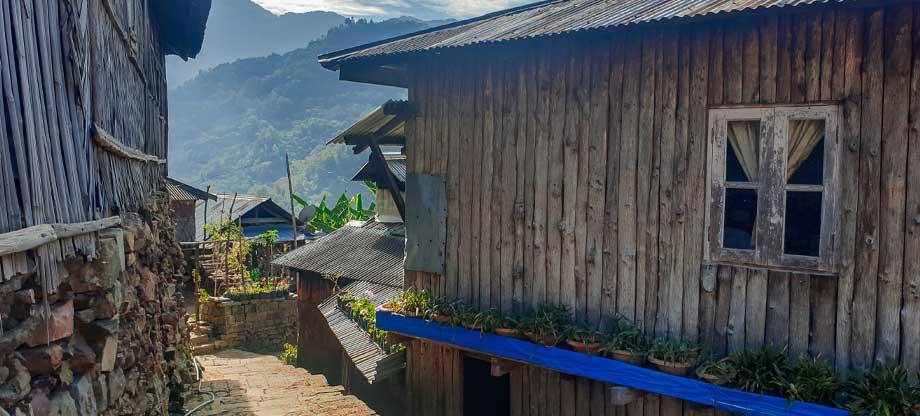
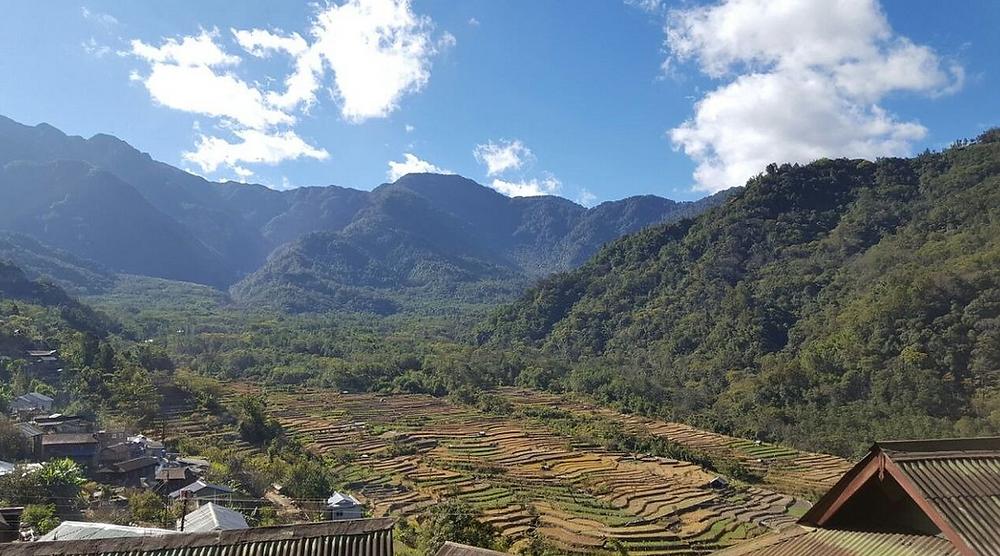
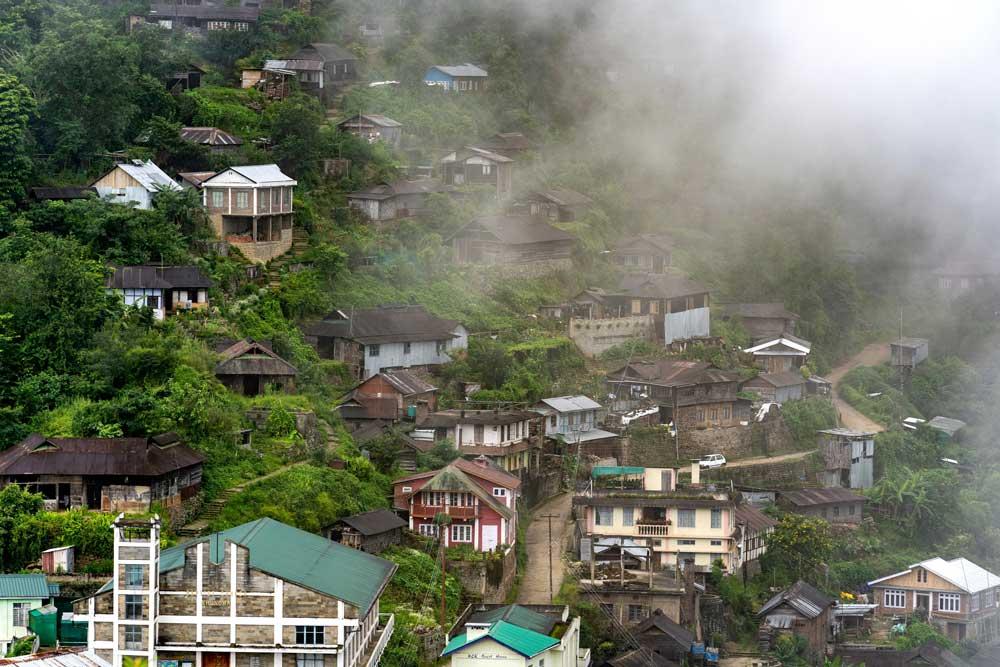
About 20 km from Kohima, Khonoma is one of the easiest places to add to a Nagaland itinerary.
The village is surrounded by forest and terraced fields, with stone paths winding between traditional houses. Walk slowly. That’s the whole point.
Khonoma is also known for its community-led conservation work, which has helped protect the forests around the village.
3. Dzukou Valley
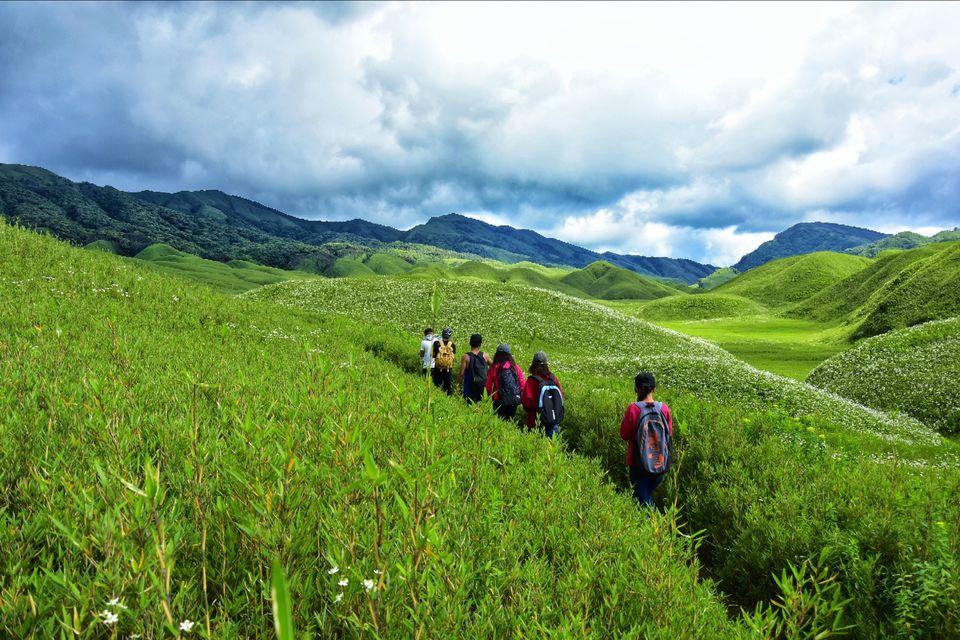
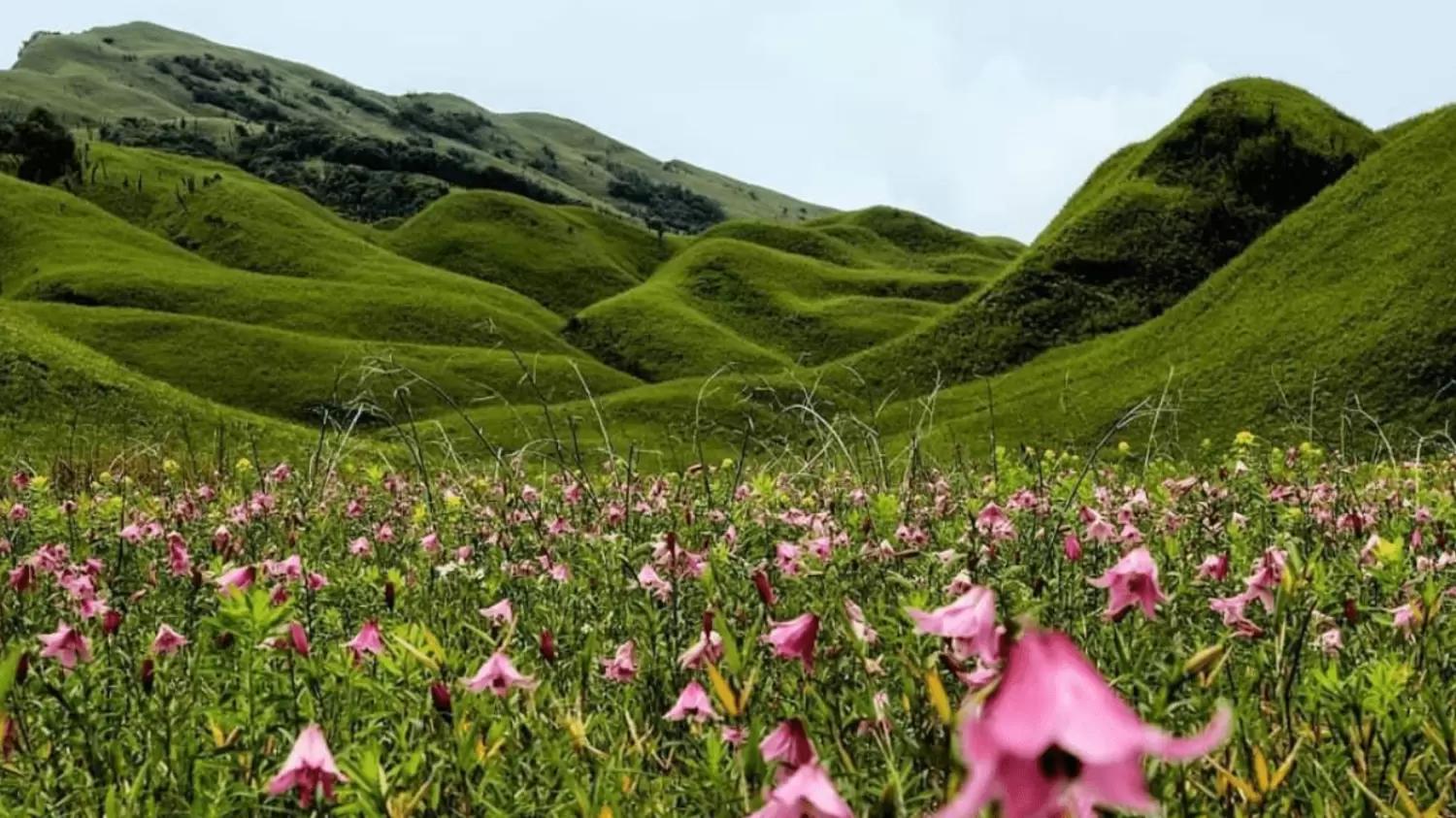
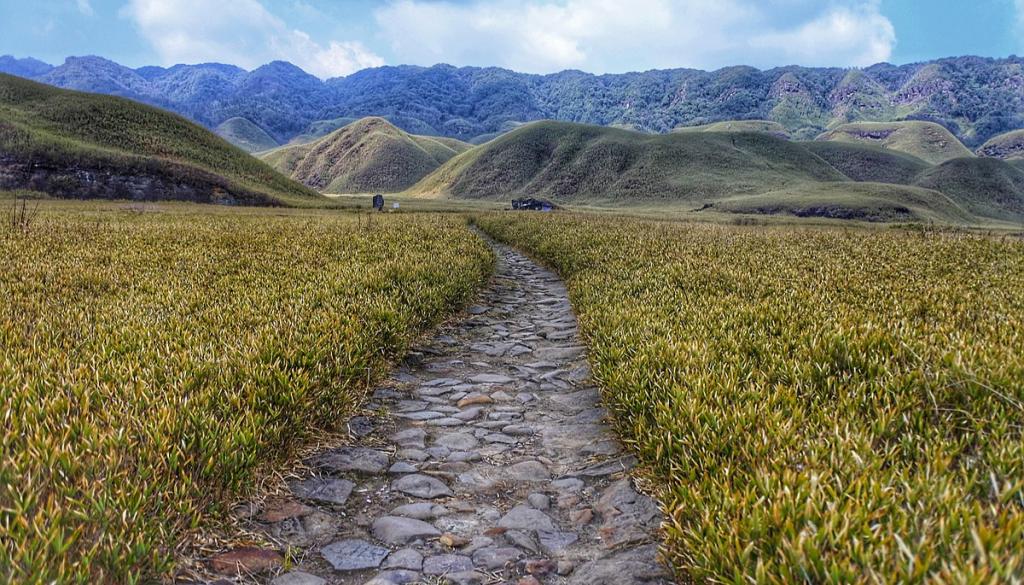
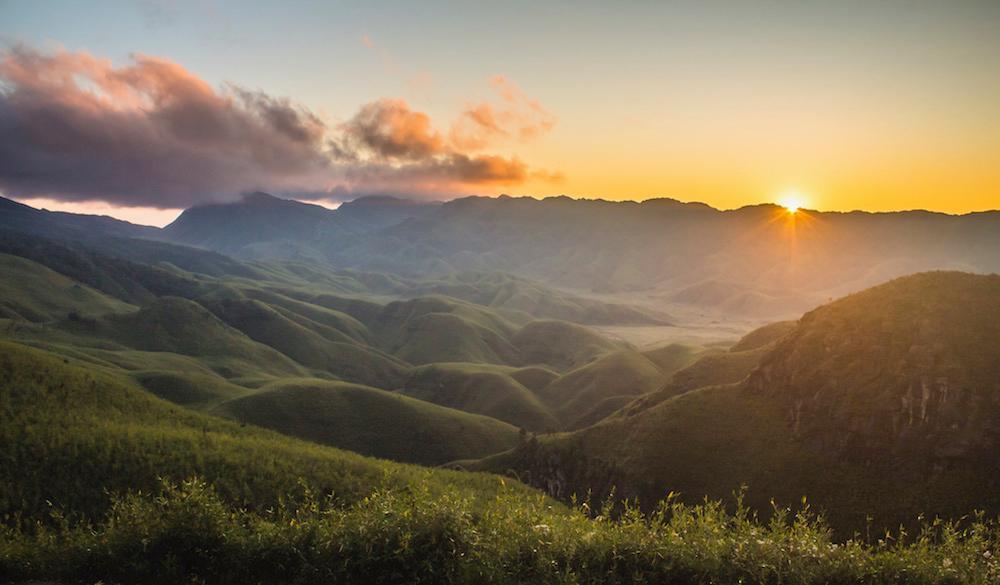
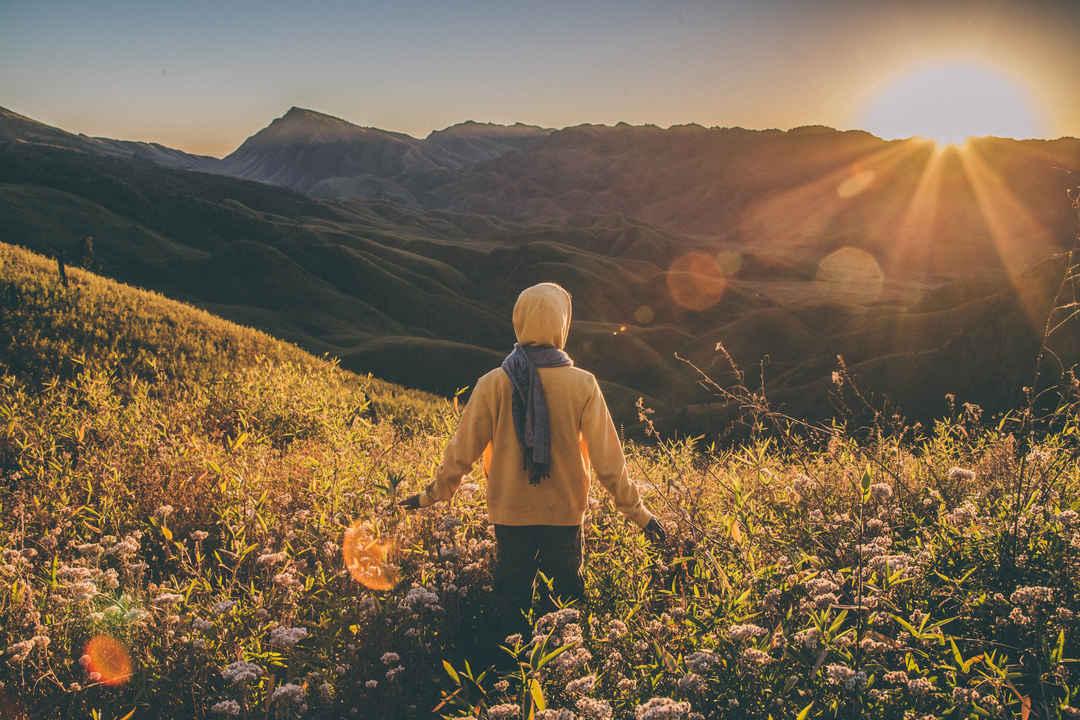
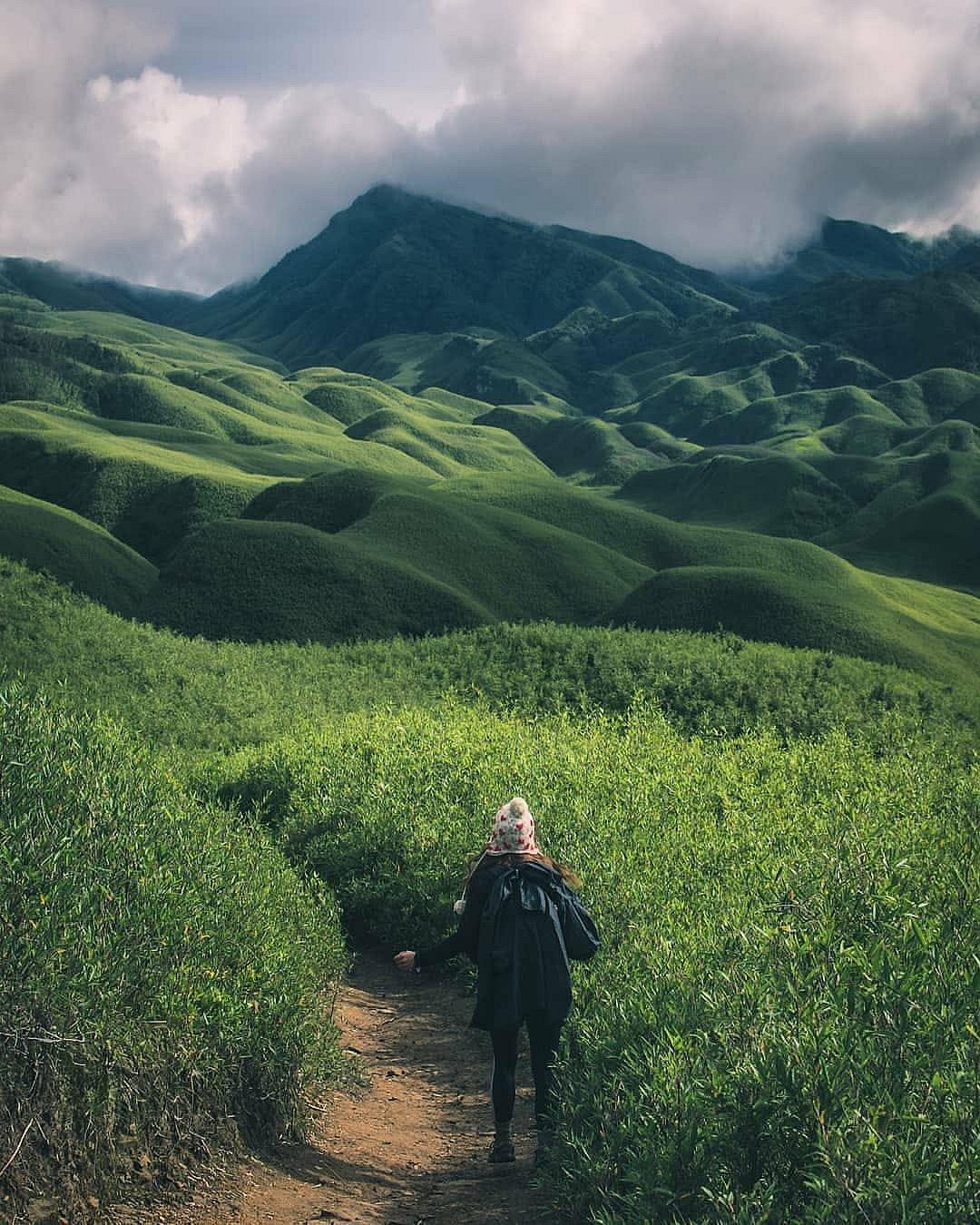
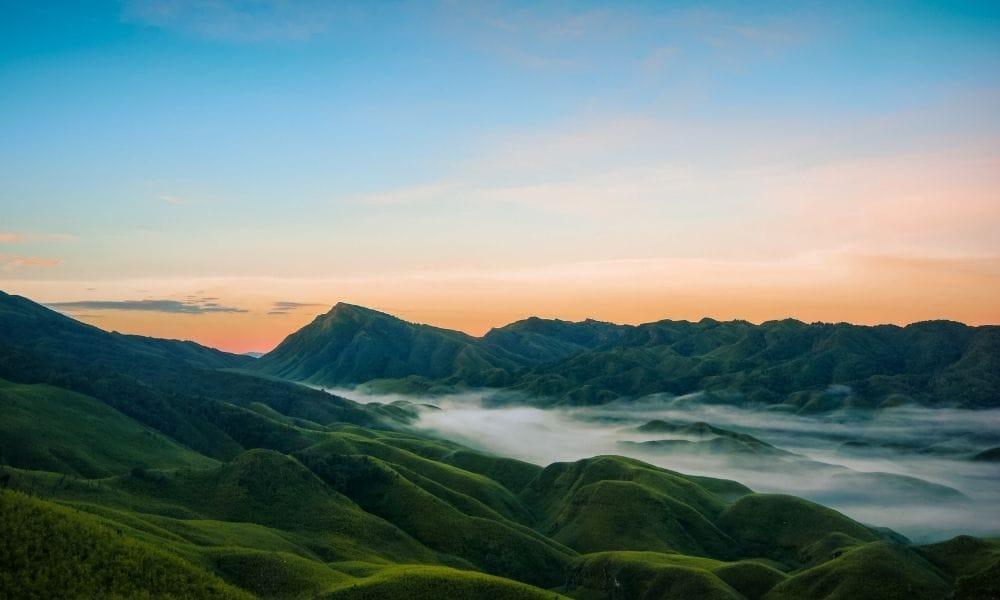
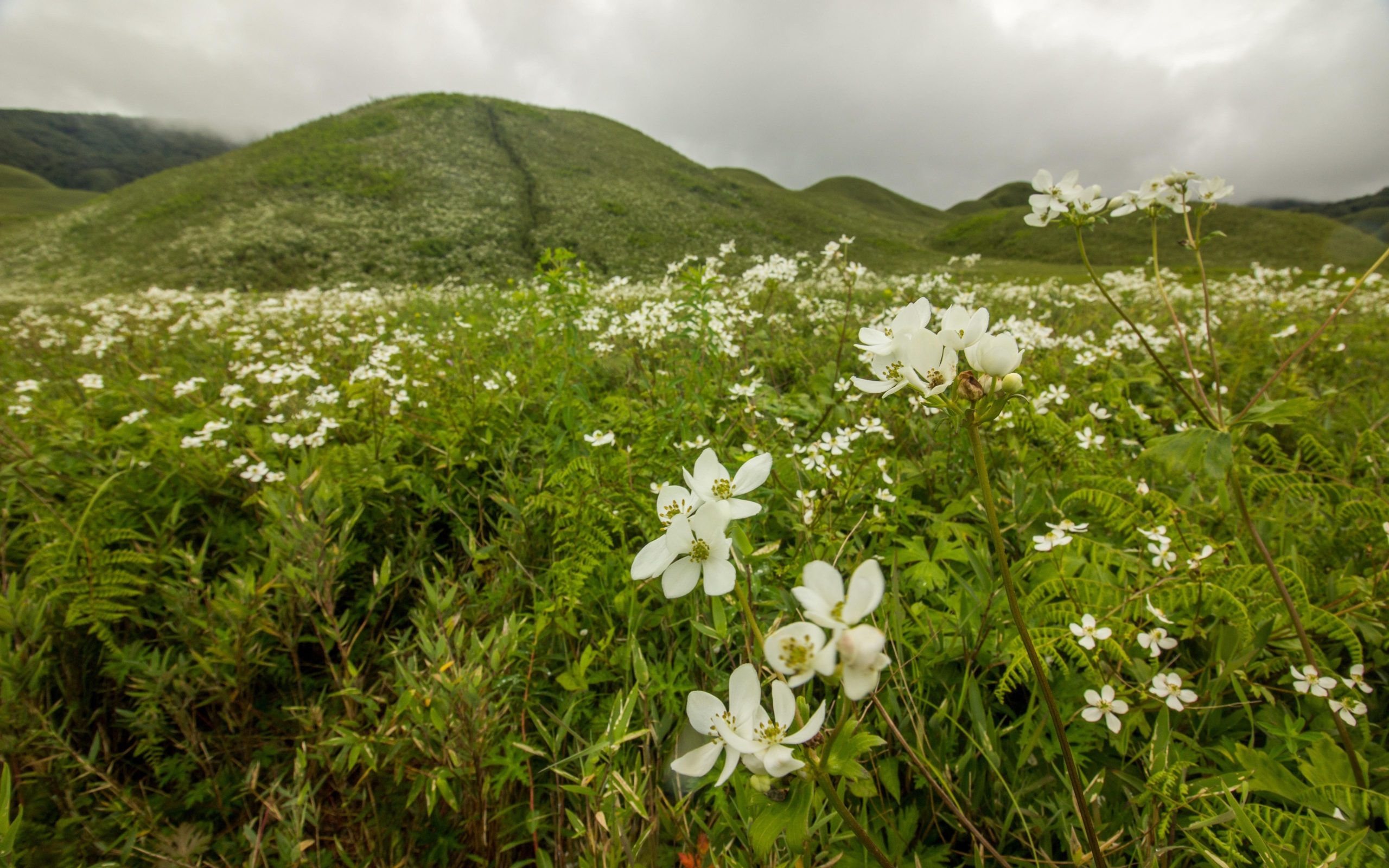
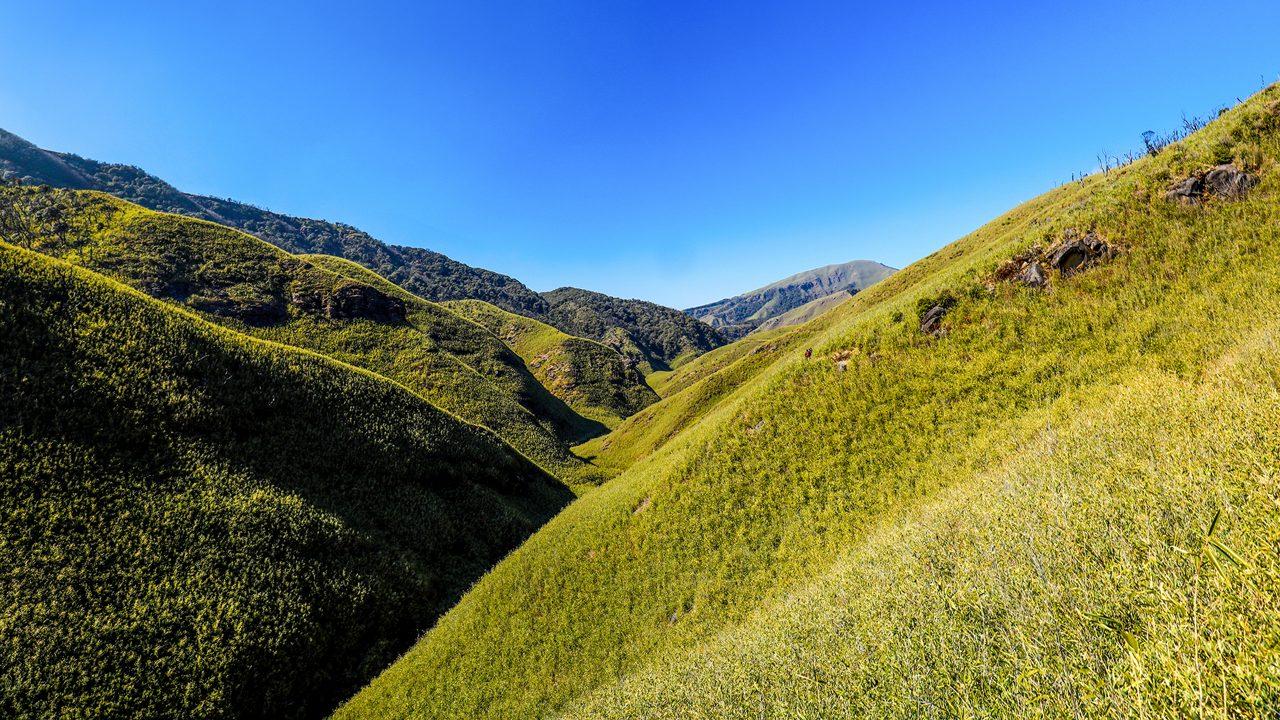
If you enjoy hiking, put Dzukou Valley high on your list.
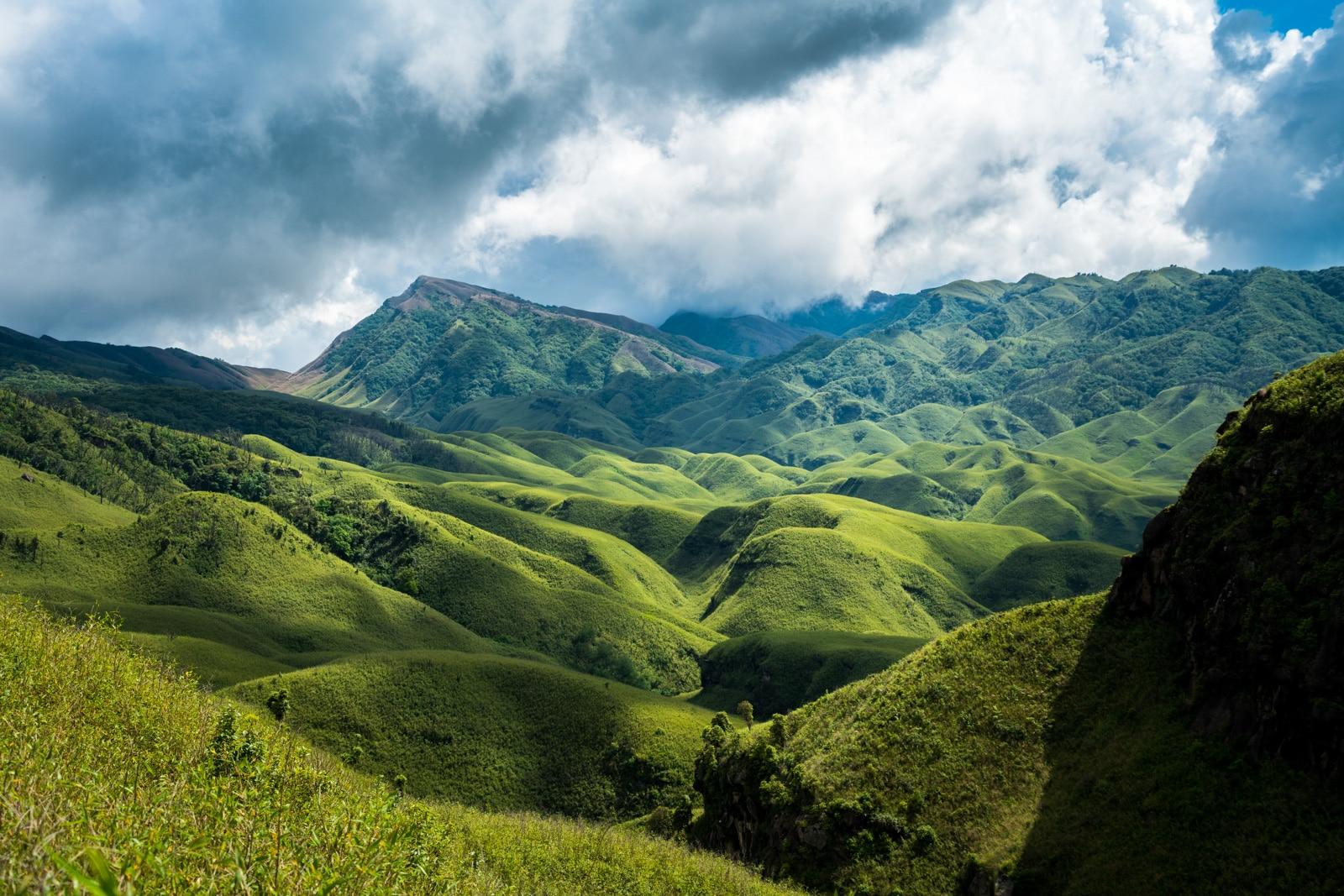
The trail takes you into a wide valley surrounded by rolling green mountains. During the flowering season, the valley gets covered with seasonal blooms, including the famous Dzukou lily.
You can do the trek as a day trip, but staying overnight gives you a much better feel for the place.
4. Dzuleke
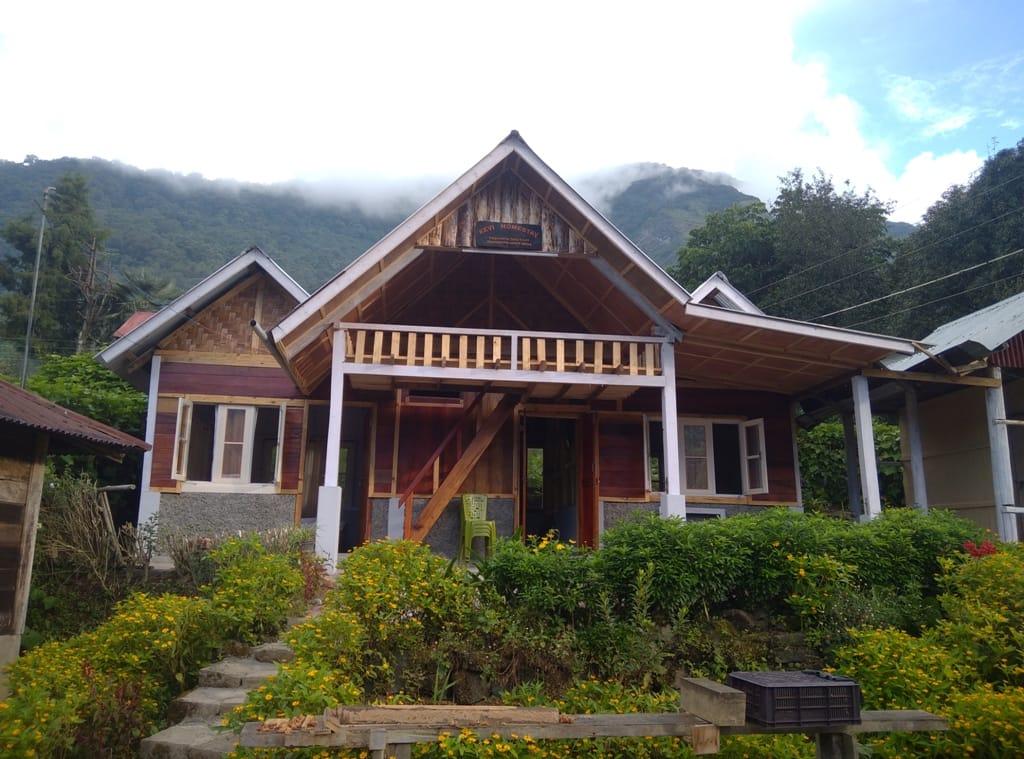
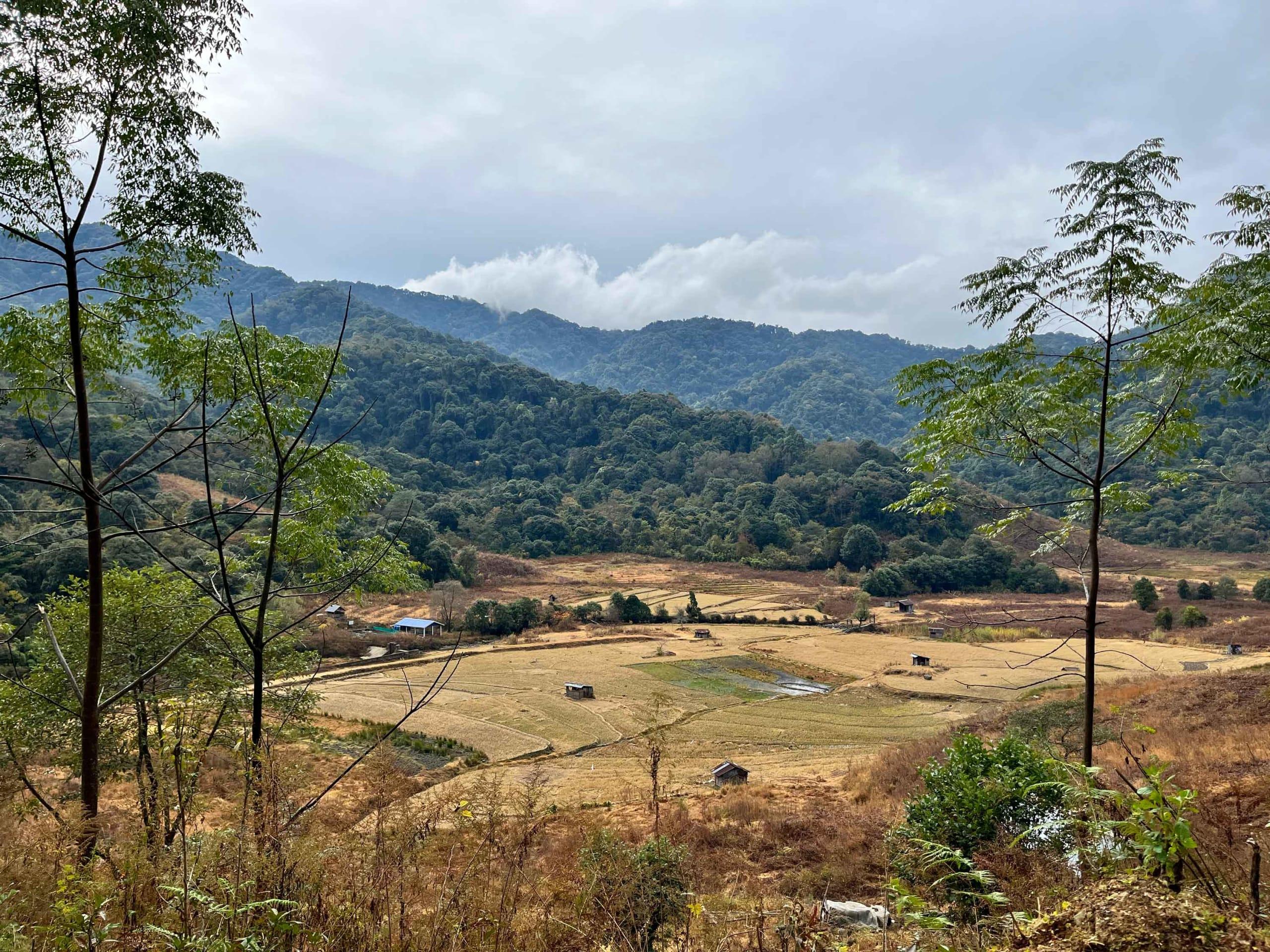
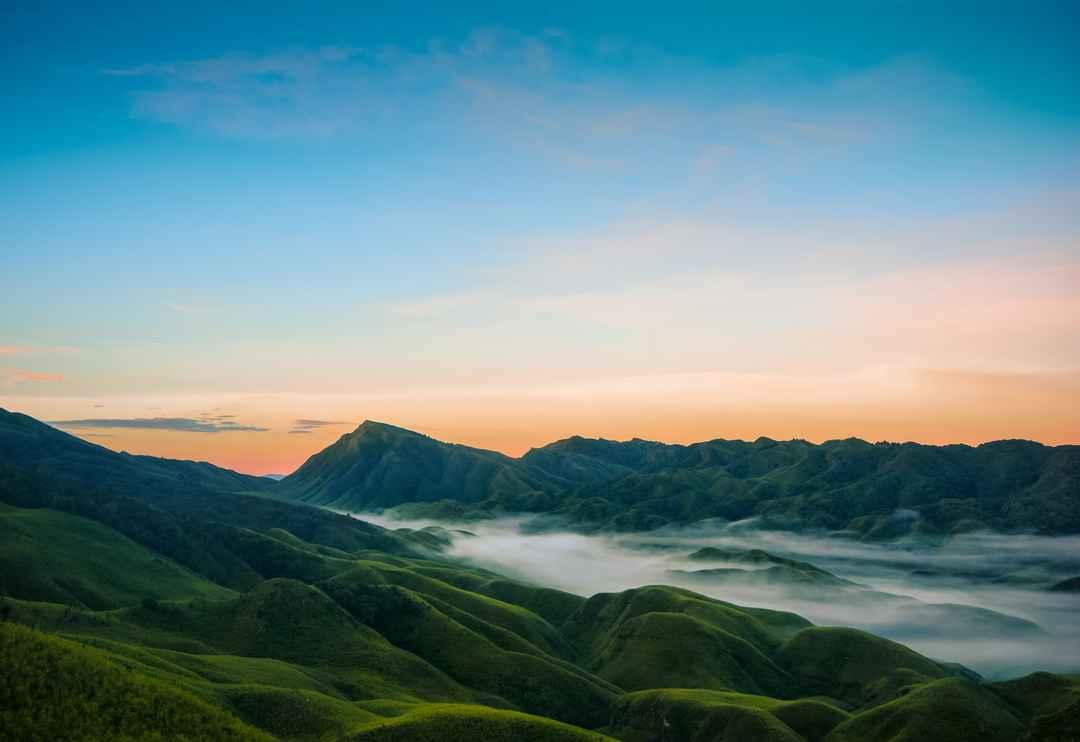
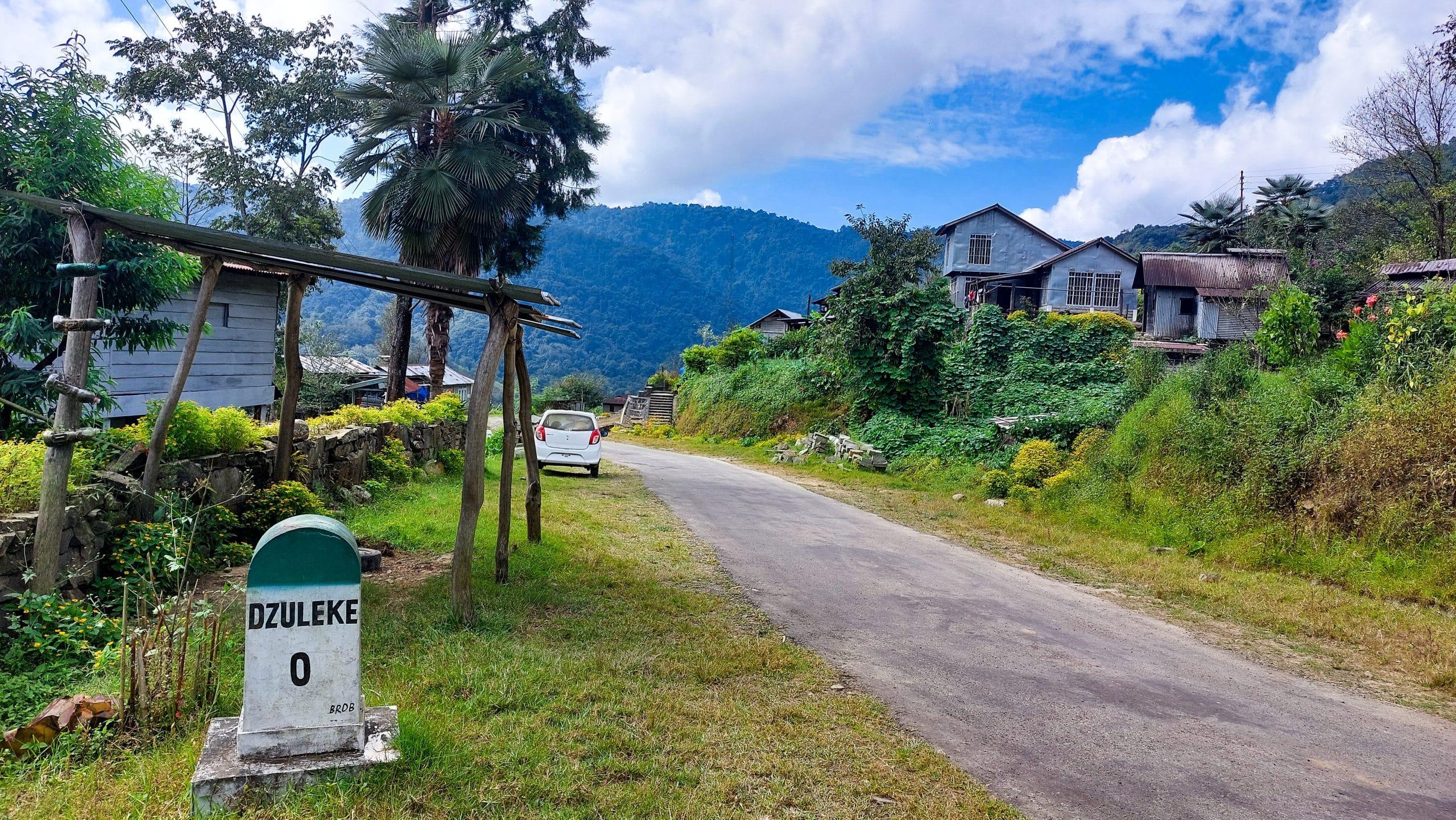
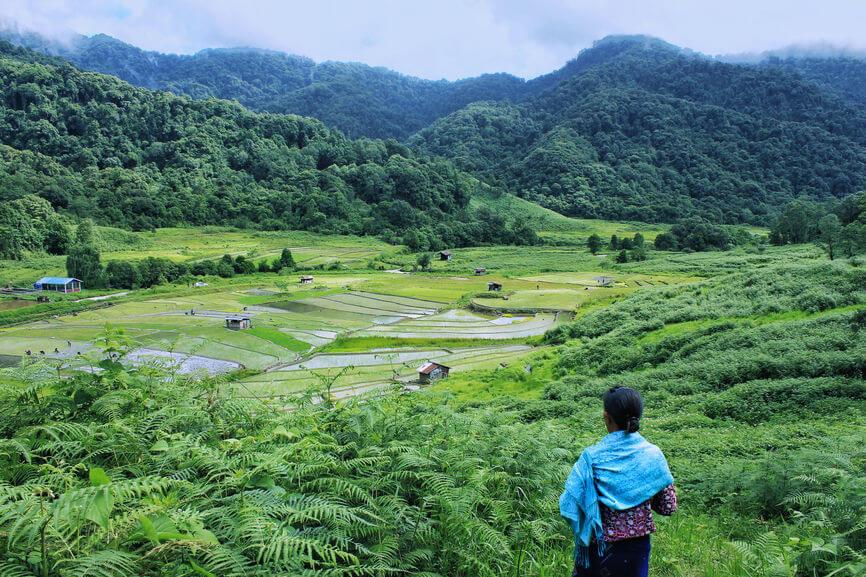
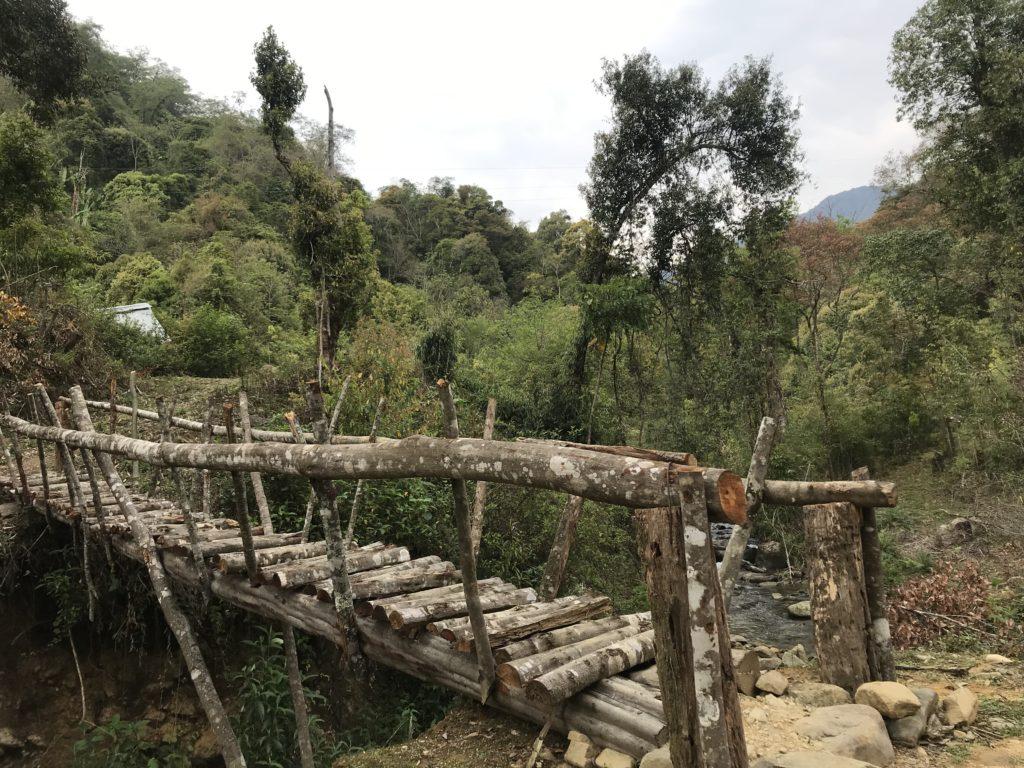
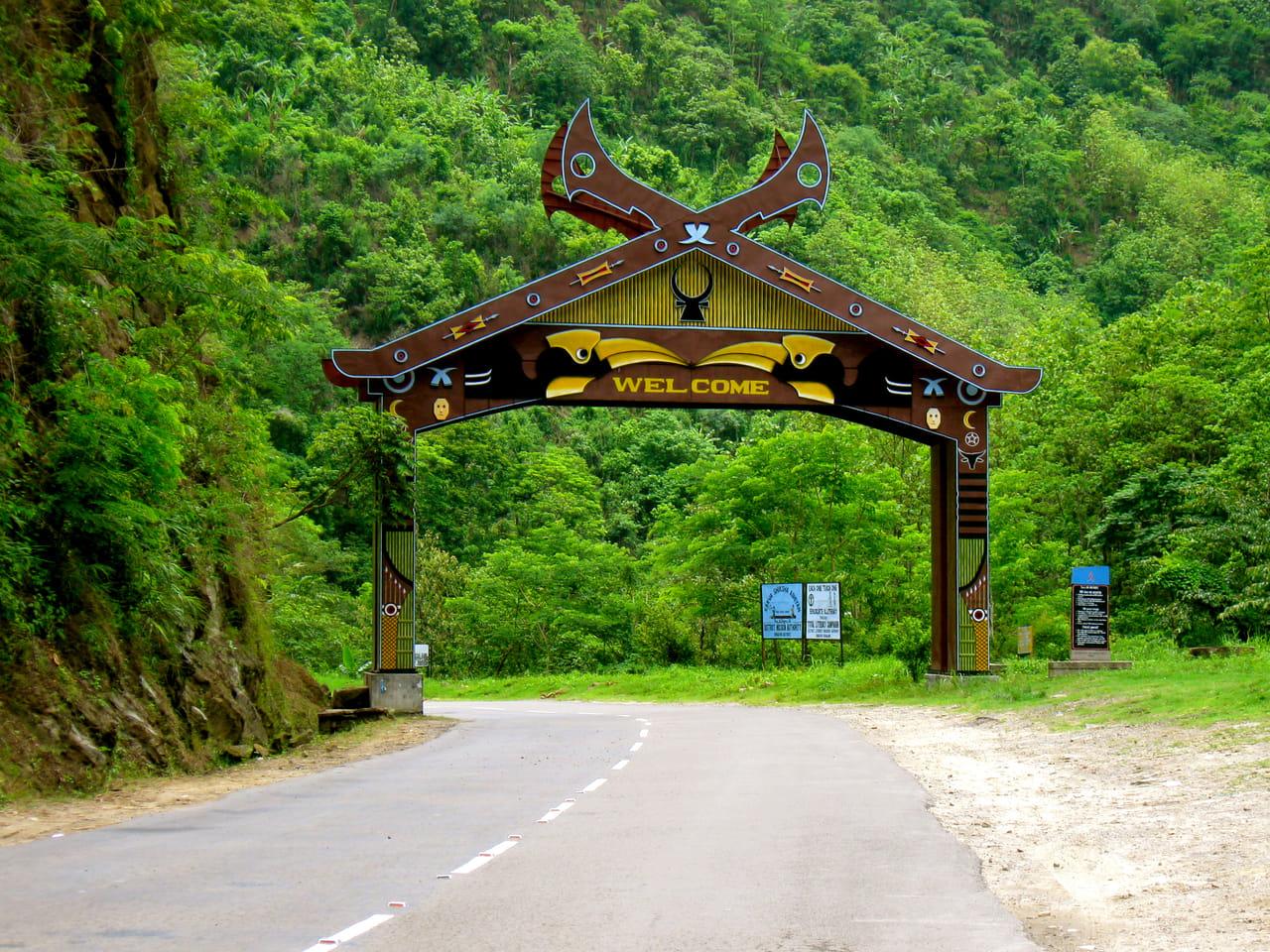
Dzuleke is a small village tucked into the hills west of Kohima.
It’s quieter than Khonoma and feels much more removed from the usual tourist route. The surrounding forests, streams and hills make it a good stop if you want a few slow days away from city traffic.
Stay with a local family if you can. You’ll get a much better experience than simply arriving, taking photos and leaving.
5. Mokokchung
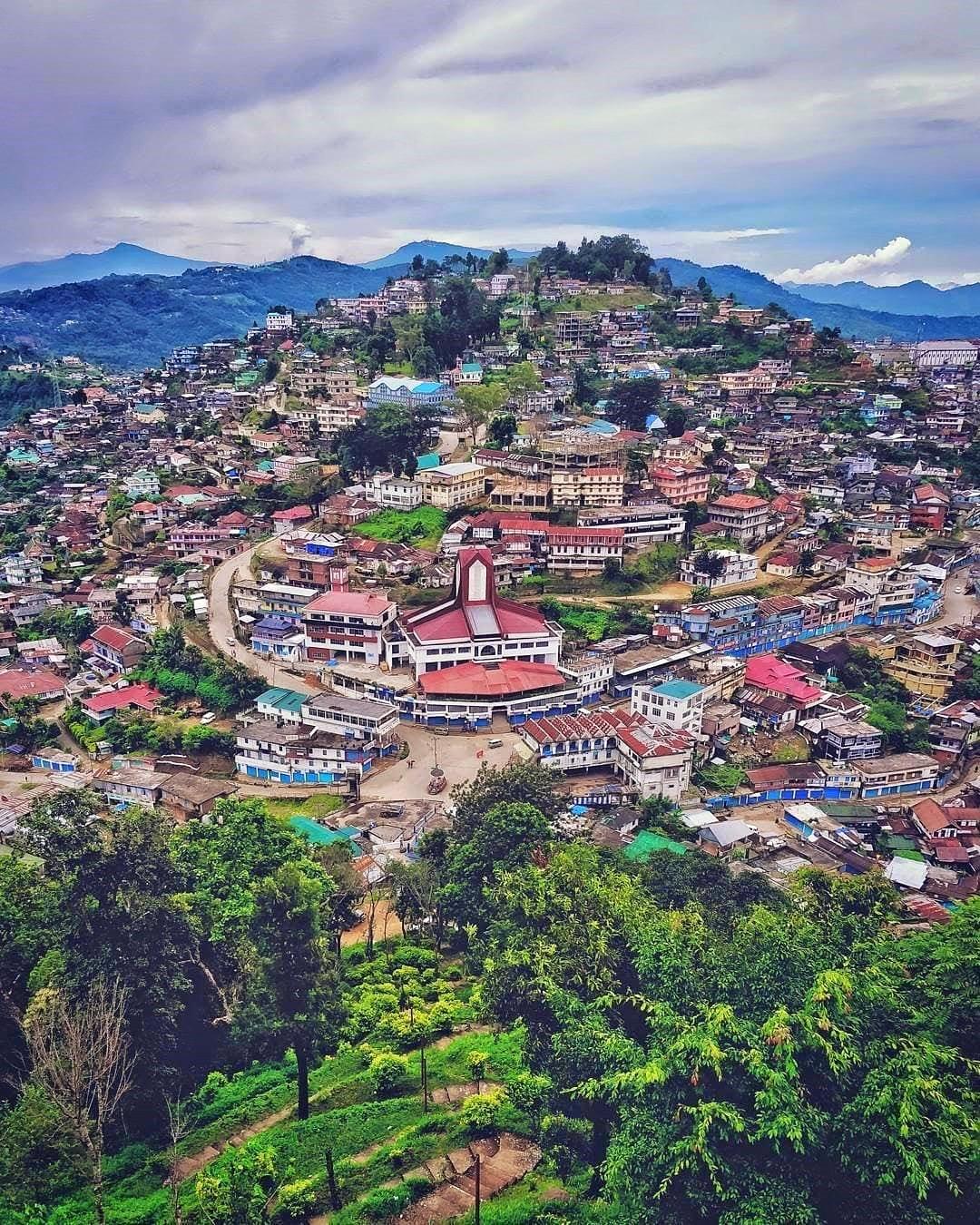
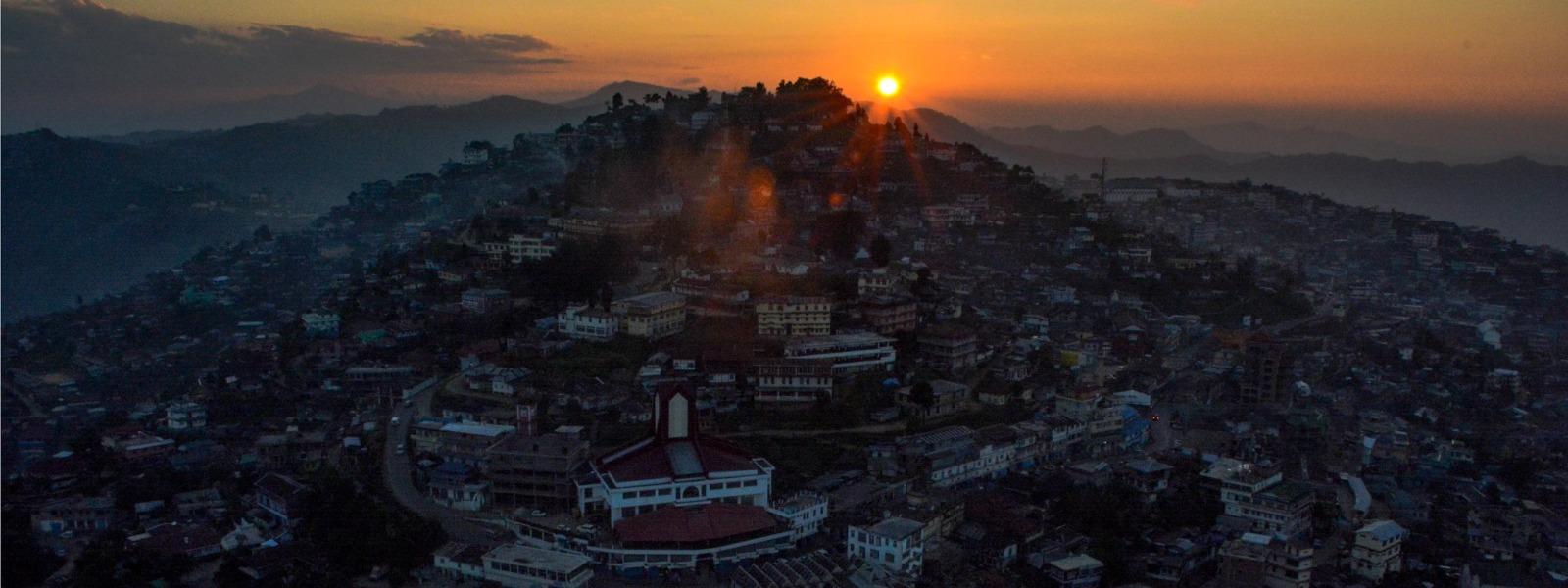
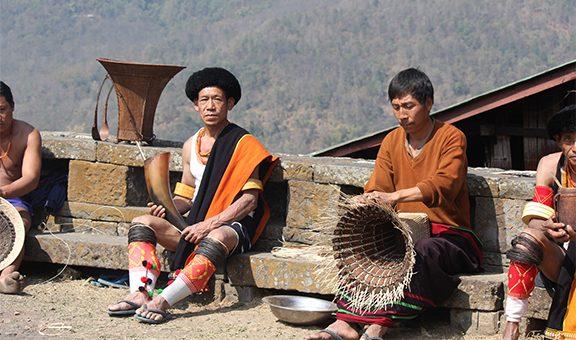
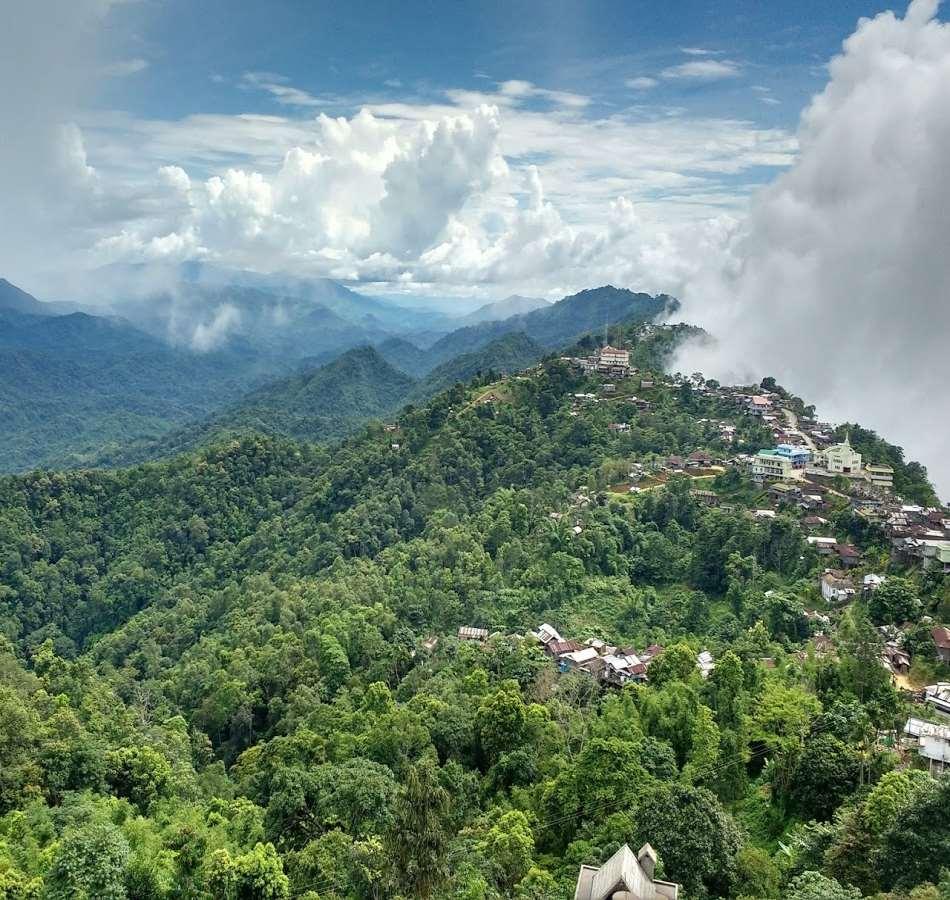
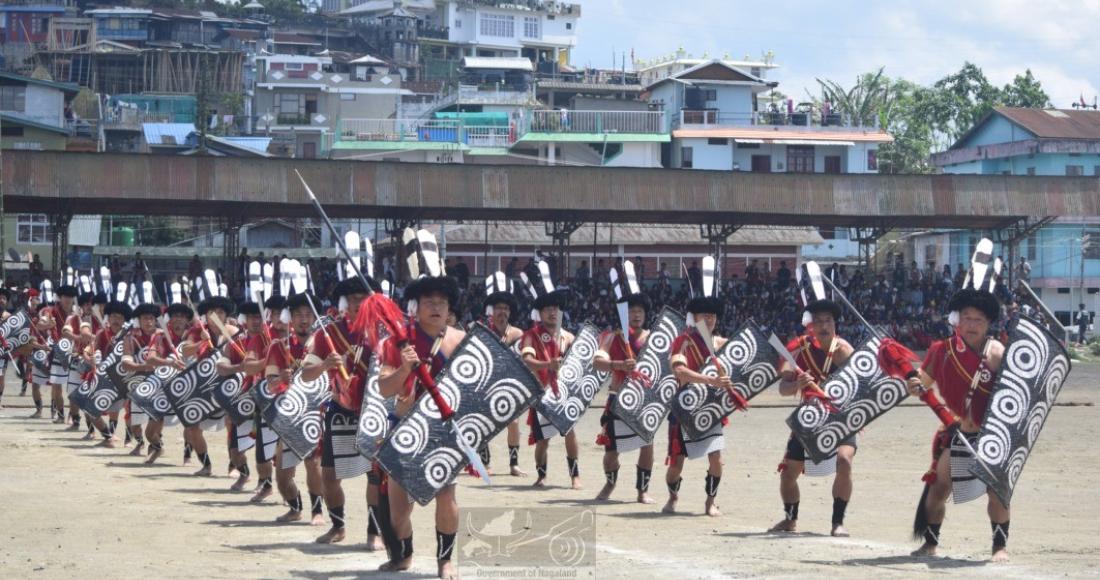
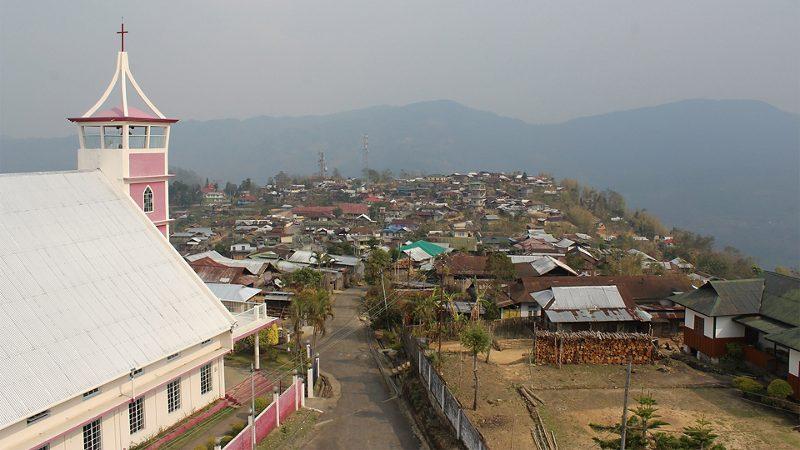
Mokokchung is the cultural heartland of the Ao Naga people.
The town sits across a series of hills and makes a good base for exploring nearby villages. If you travel around Christmas or during local festivals, the town can feel especially lively.
Mokokchung is also worth visiting for its food. Try local pork dishes, smoked meat and rice-based meals while you’re here.
6. Longwa
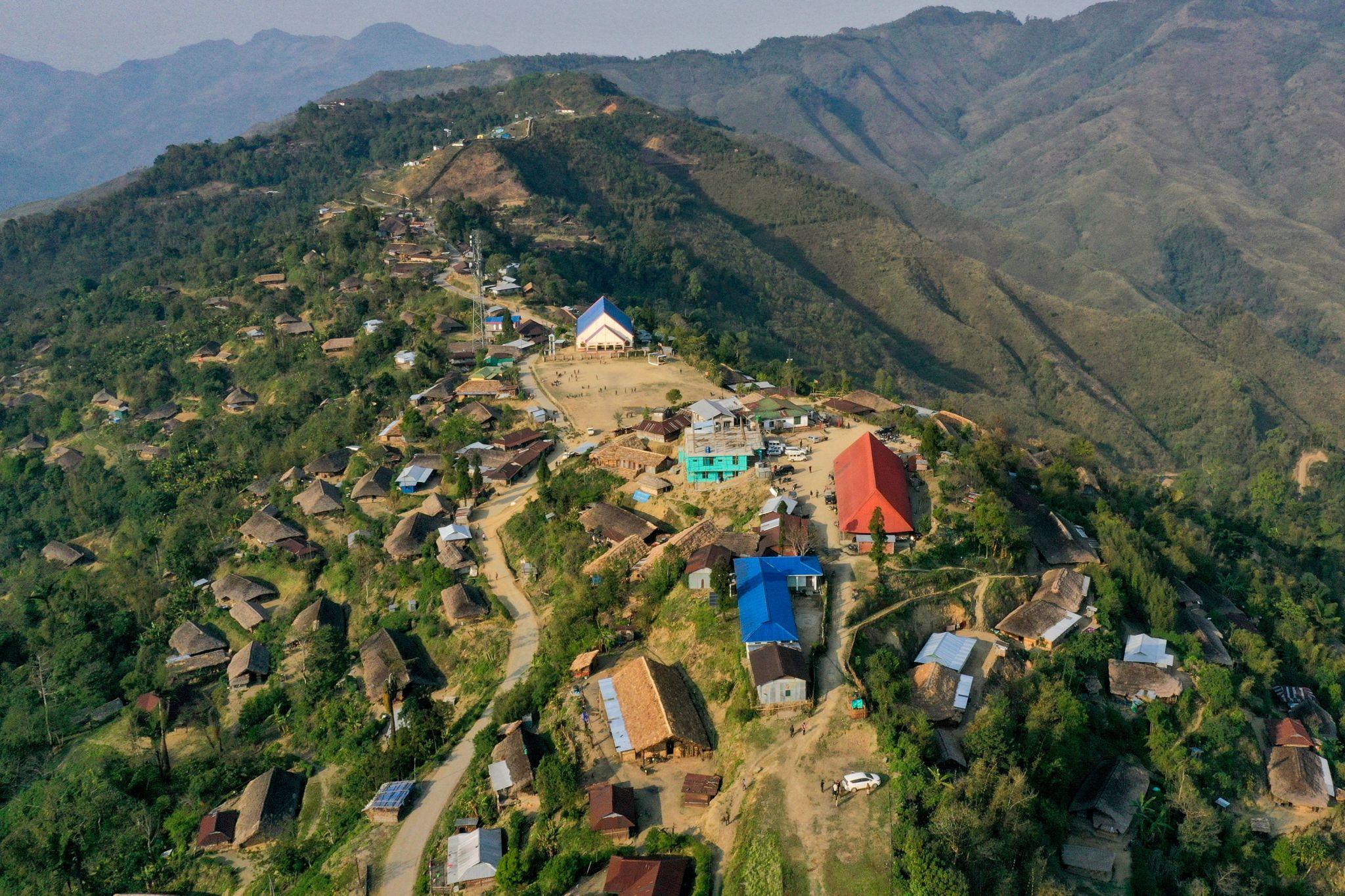
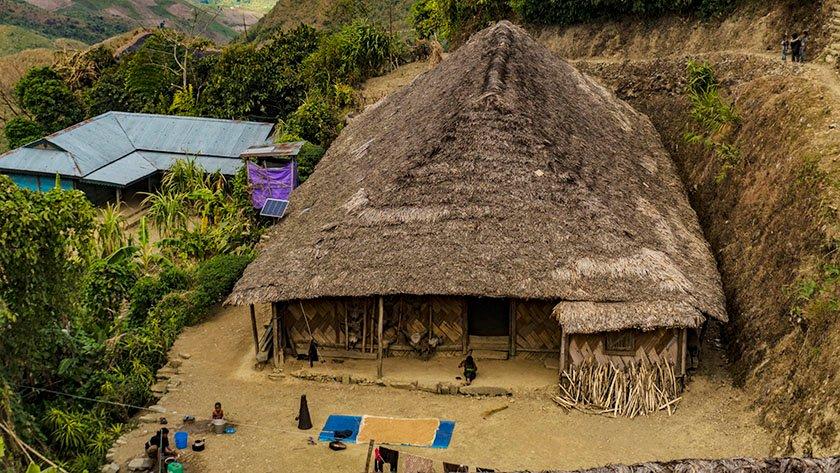
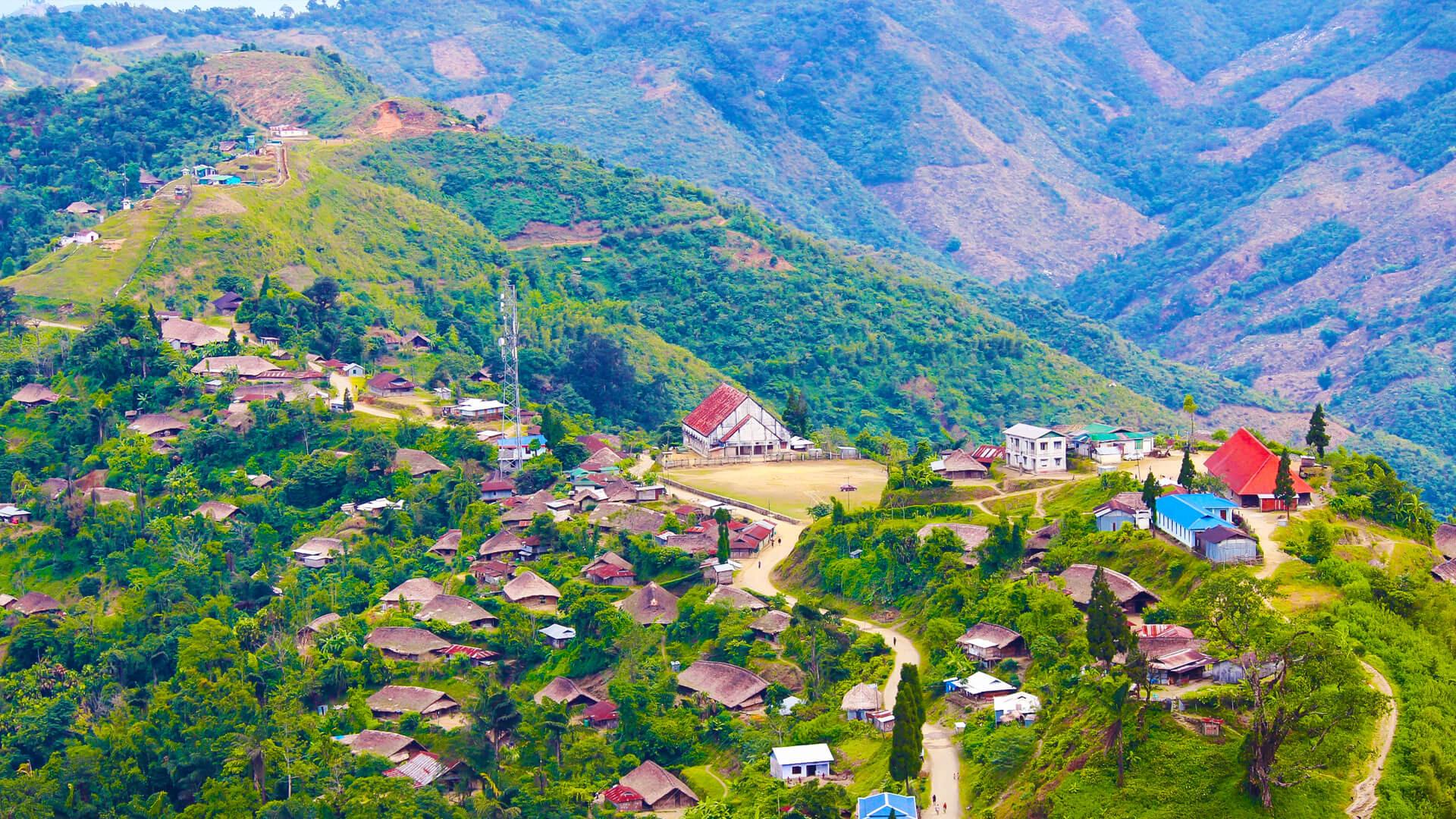
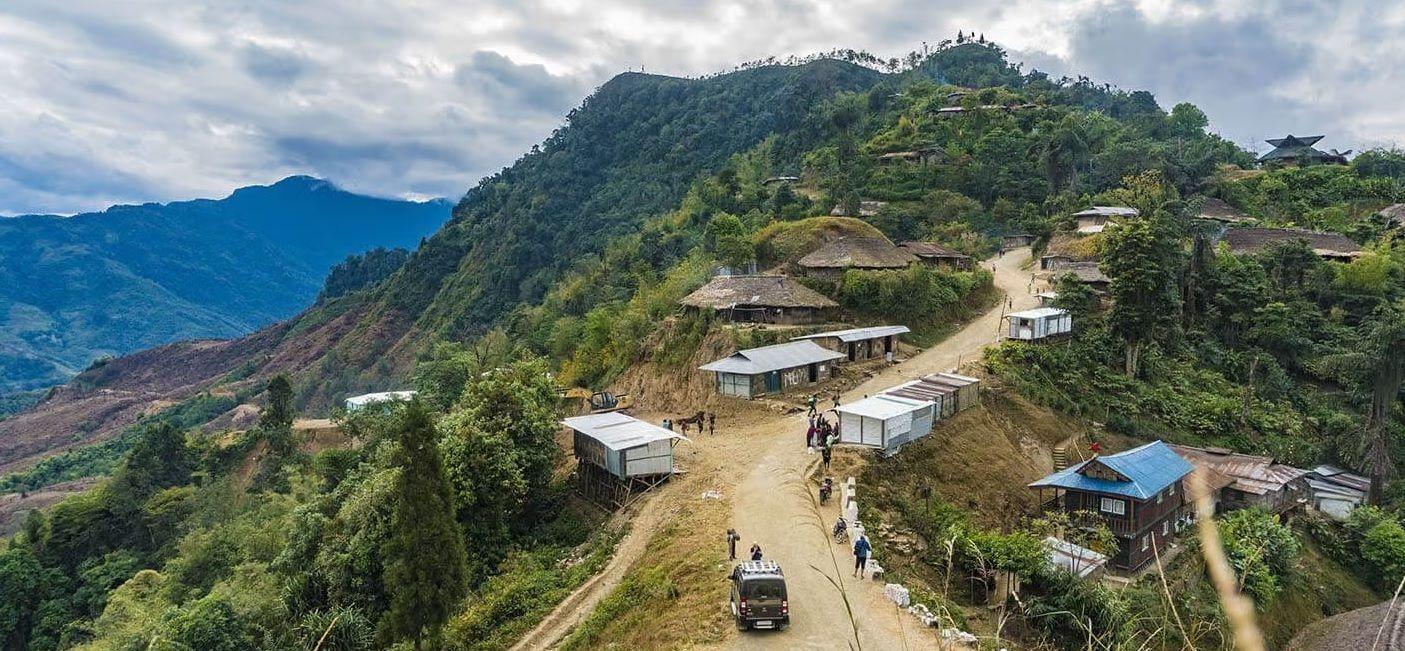
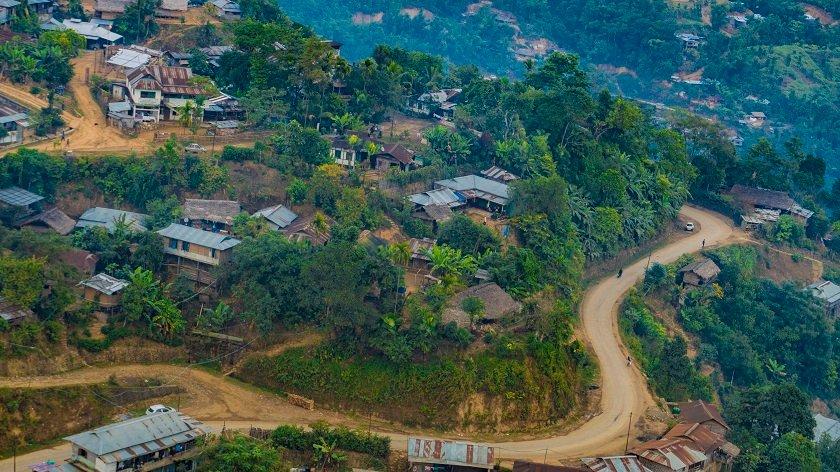
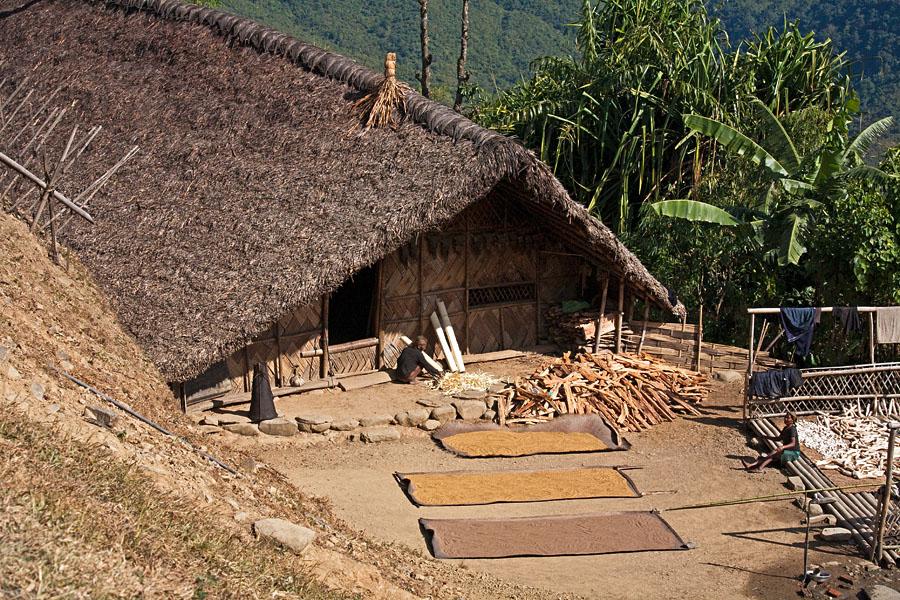
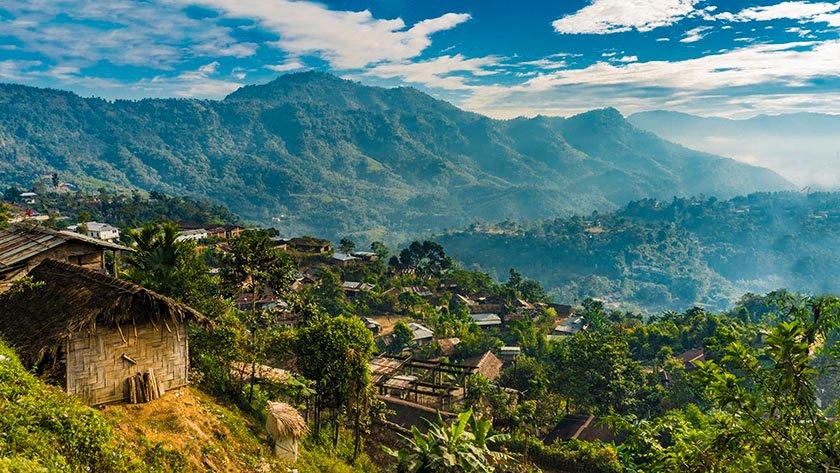
Longwa is one of Nagaland’s strangest and most memorable places.
The village sits directly on the India-Myanmar border. The international boundary passes through the village, and the traditional house of the Angh, or village chief, is famously positioned across both sides.
It’s a long journey from Kohima, so give yourself enough time. Longwa works best as part of a Mon district trip rather than a rushed day excursion.
7. Mon
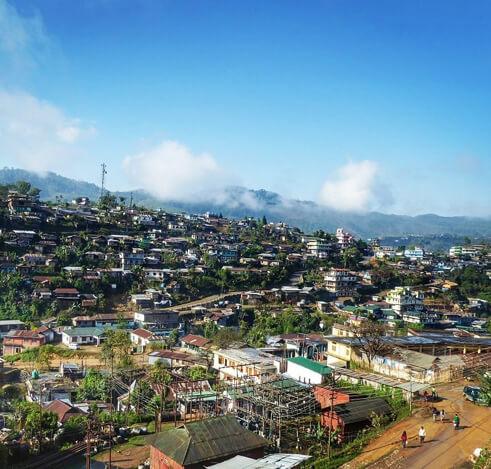
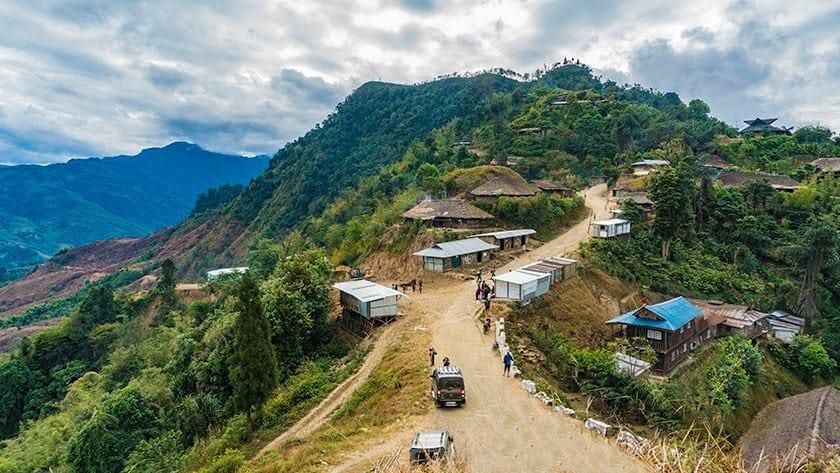
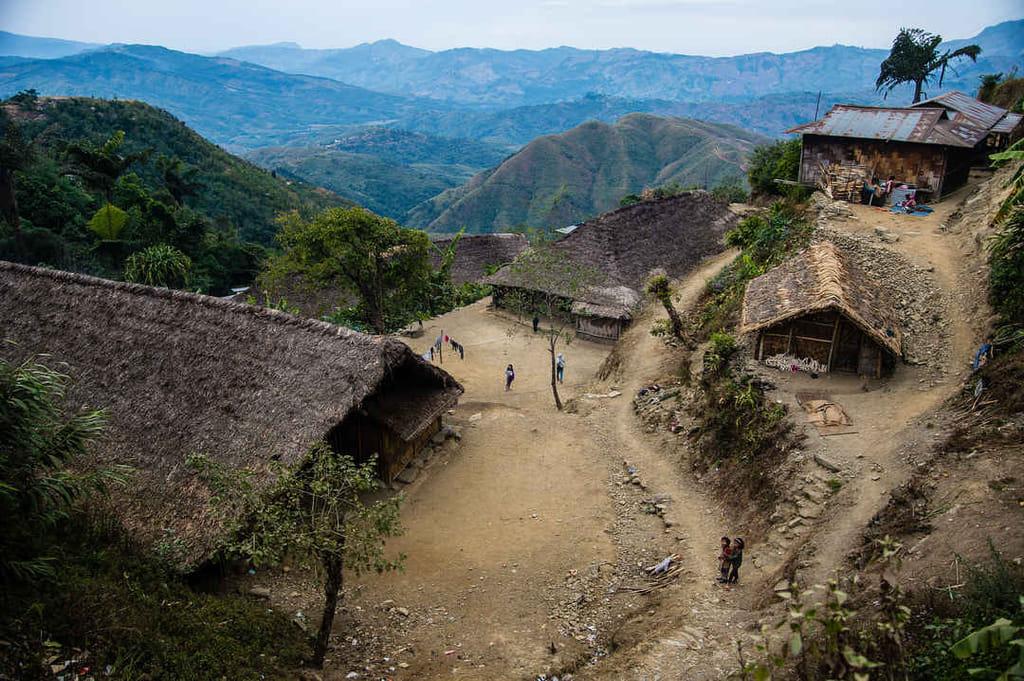
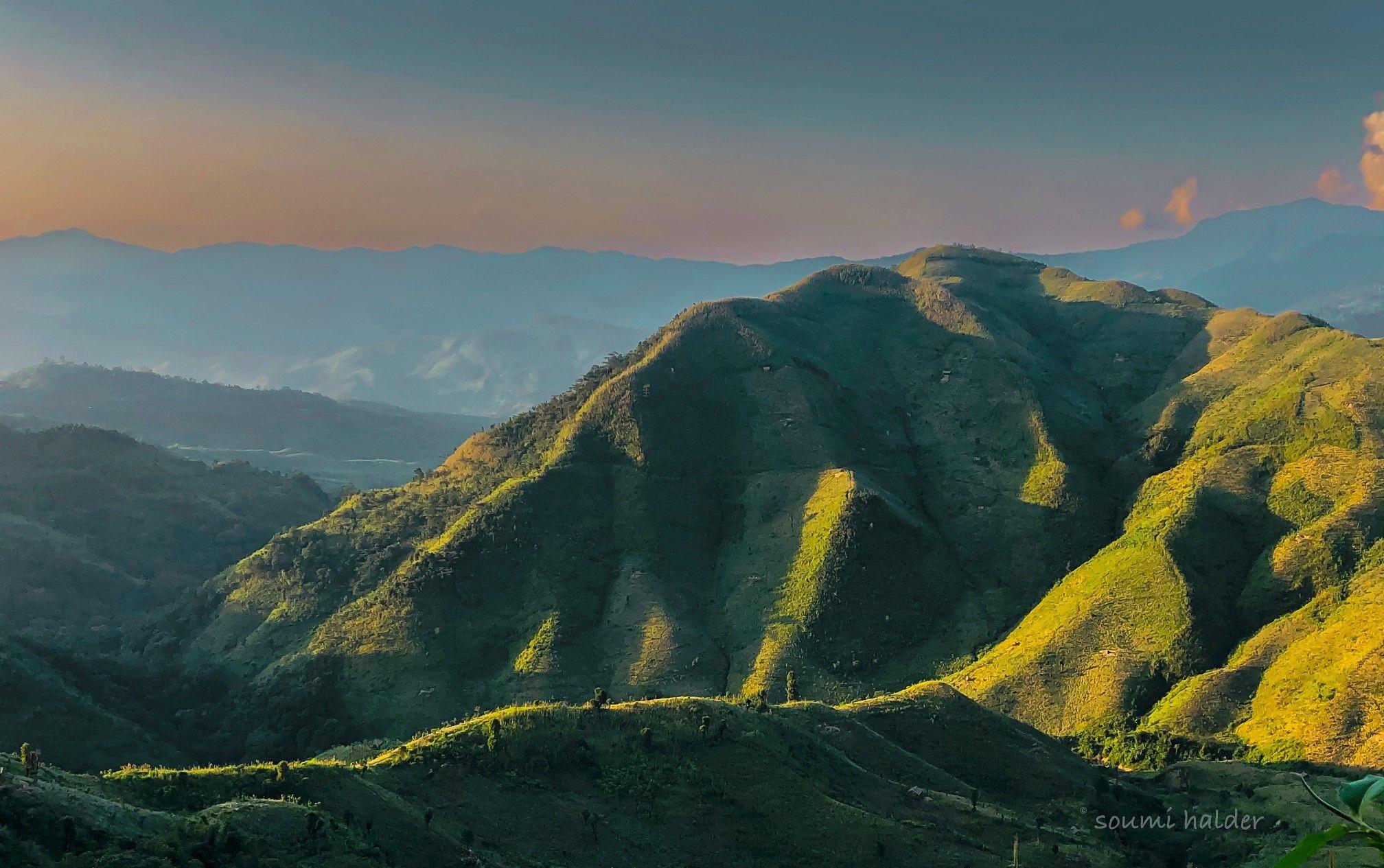
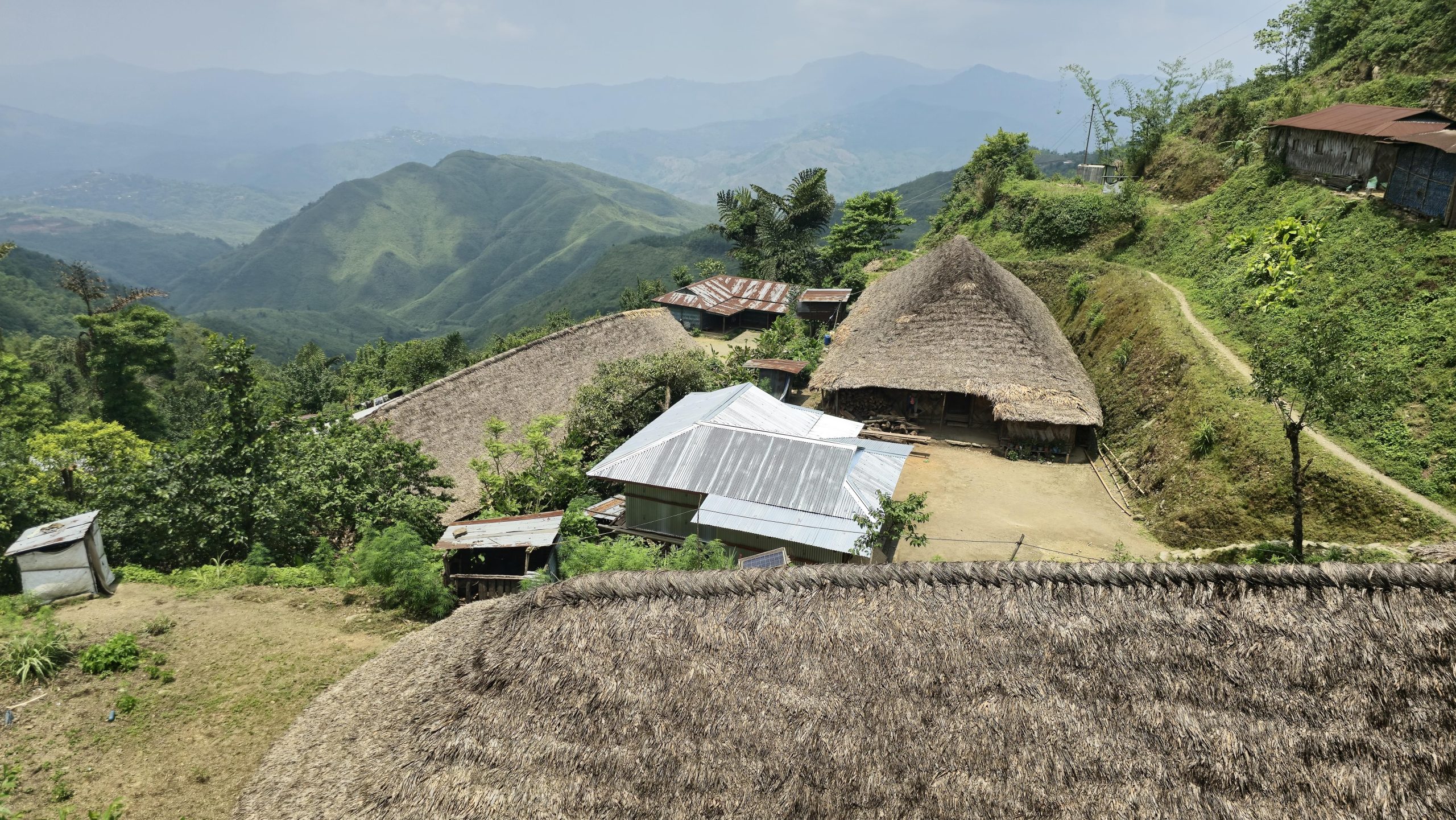
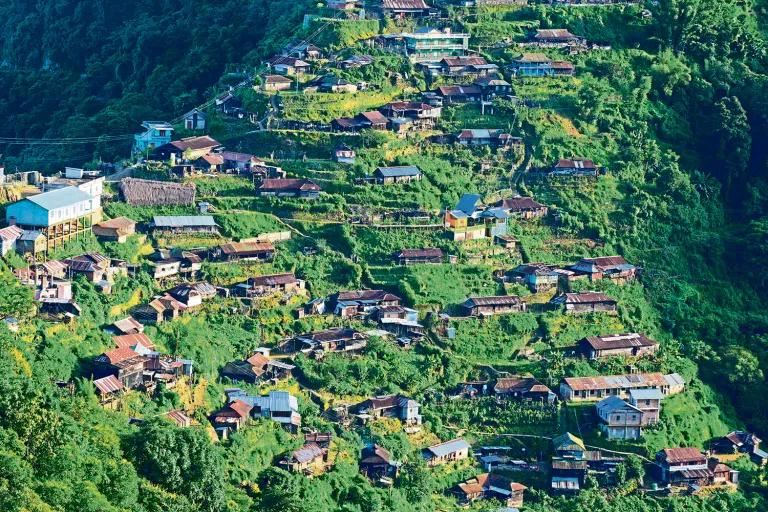
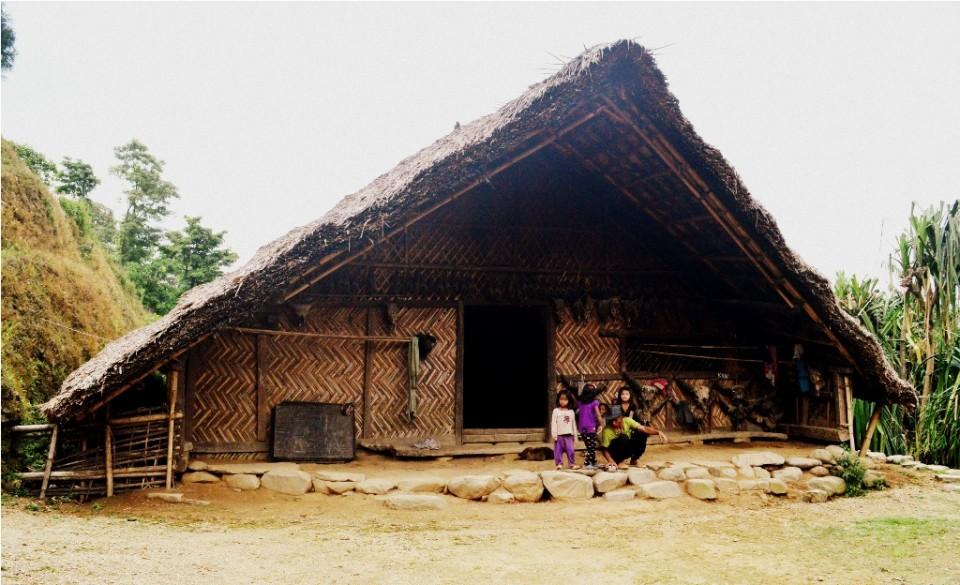
Mon district takes you into Konyak Naga country.
This is where you’ll find villages such as Longwa and get a chance to learn about Konyak traditions, architecture and history. The journey itself is part of the experience, with winding mountain roads connecting remote settlements.
Plan this section of your trip carefully. Distances that look short on a map can take hours.
8. Tuophema


Tuophema is a good choice if you want to experience village life without travelling deep into Nagaland.
It’s around 40 km from Kohima and is known for its village tourism and homestays. You can stay locally, eat traditional food and walk around the surrounding hills.
It’s particularly useful for a first trip because you can experience rural Nagaland without committing to a long detour.
9. Wokha


Wokha sits among the Lotha Naga hills and is known for its countryside and orange orchards.
The area is a good stop for travellers who want mountain views without sticking entirely to the Kohima-Mokokchung route.
If you visit during the orange season, you’ll see orchards spread across the hills around the district.
10. Tseminyu


Tseminyu is another quieter stop near Kohima.
The surrounding countryside is made up of forested hills and small villages, making it better suited to travellers who enjoy slow exploration than people chasing a long checklist.
You can combine Tseminyu with nearby village visits and return to Kohima the same day.
11. Benreu


Benreu sits high in the hills of Peren district.
It’s remote, peaceful and surrounded by thick forest. The journey takes time, but that’s exactly why Benreu feels different from places closer to Kohima.
If you like mountain villages, birdwatching and quiet mornings, I’d keep this one on your list.
12. Peren


Peren is surrounded by forested hills and sits in one of Nagaland’s less-visited corners.
It’s a good region to explore if you’ve already seen Kohima and want to get further away from the main tourist circuit.
The pace is slower here. Roads are slower too, so plan accordingly.
How many days do you need for Nagaland?
For a first trip, 6 to 8 days is a good starting point.
A practical route could look like this:
Day 1: Kohima
Day 2: Kohima + Khonoma
Day 3: Dzukou Valley trek
Day 4: Tuophema
Day 5: Mokokchung
Day 6: Mokokchung + nearby villages
Day 7: Return toward Kohima
If you have 10 to 12 days, I’d add Mon and Longwa. That changes the trip quite a bit because you’re getting into a much more remote part of Nagaland.
Best time to visit
October to May is generally the easiest period for a Nagaland trip.
December is especially interesting if you’re planning around the Hornbill Festival, held at Kisama near Kohima. Expect more visitors and higher demand for accommodation during the festival period.
For Dzukou Valley, check the current trail and local access conditions before setting out. Mountain weather can change quickly.
My picks
If I had to narrow the list down:
- For your first Nagaland trip: Kohima
- For village life: Khonoma
- For trekking: Dzukou Valley
- For culture: Mokokchung
- For something unusual: Longwa
- For peace and quiet: Benreu
- For a short village escape: Tuophema
Nagaland rewards slow travel. Pick fewer places, stay a little longer, and let the roads take some of your time.
Featured Image Credit: Generated/Sourced via Chatgpt.com.
Editorial note: Some articles may use AI-assisted research or drafting. Our editorial process includes human review and editing, and important travel information should be verified with official sources before your trip.
Travel Tips & Responsible Exploration
Good travel planning starts with staying informed. Before your journey, verify important details such as transportation, accommodation, weather, permits, entry requirements, and local guidelines. Respect local communities, cultures, traditions, and the environment, and travel responsibly wherever you go. Suman Rabha shares practical travel guides, local insights, and destination information to help readers explore Northeast India and beyond with greater confidence.