


Guwahati is the kind of city where you can spend the morning at a temple, cross the Brahmaputra by ferry in the afternoon, and end the day watching the sun drop behind the hills.
It’s Assam’s biggest city, but the good stuff isn’t packed into one tourist district. You have to move around a little. That’s part of the fun.
1. Visit Kamakhya Temple
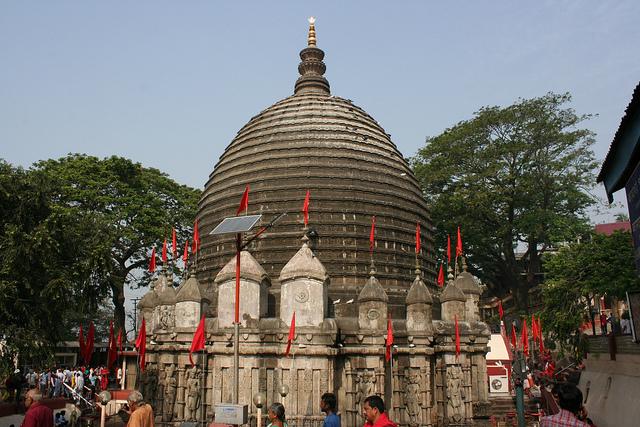
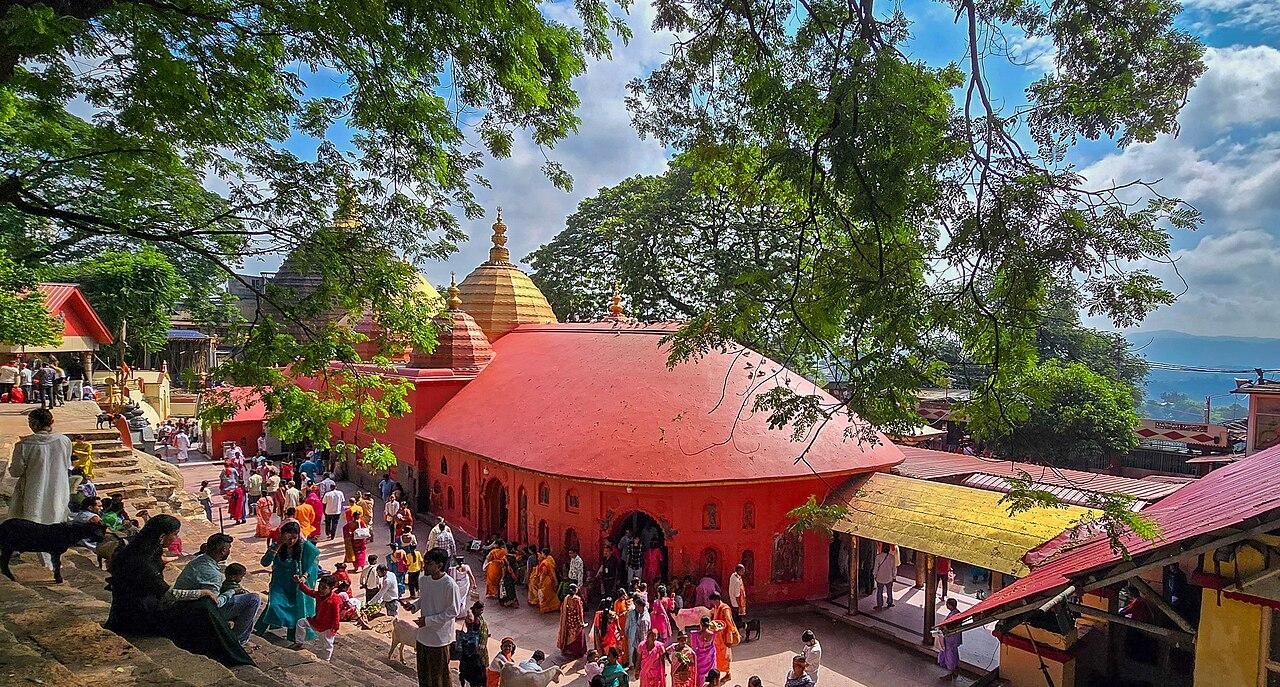
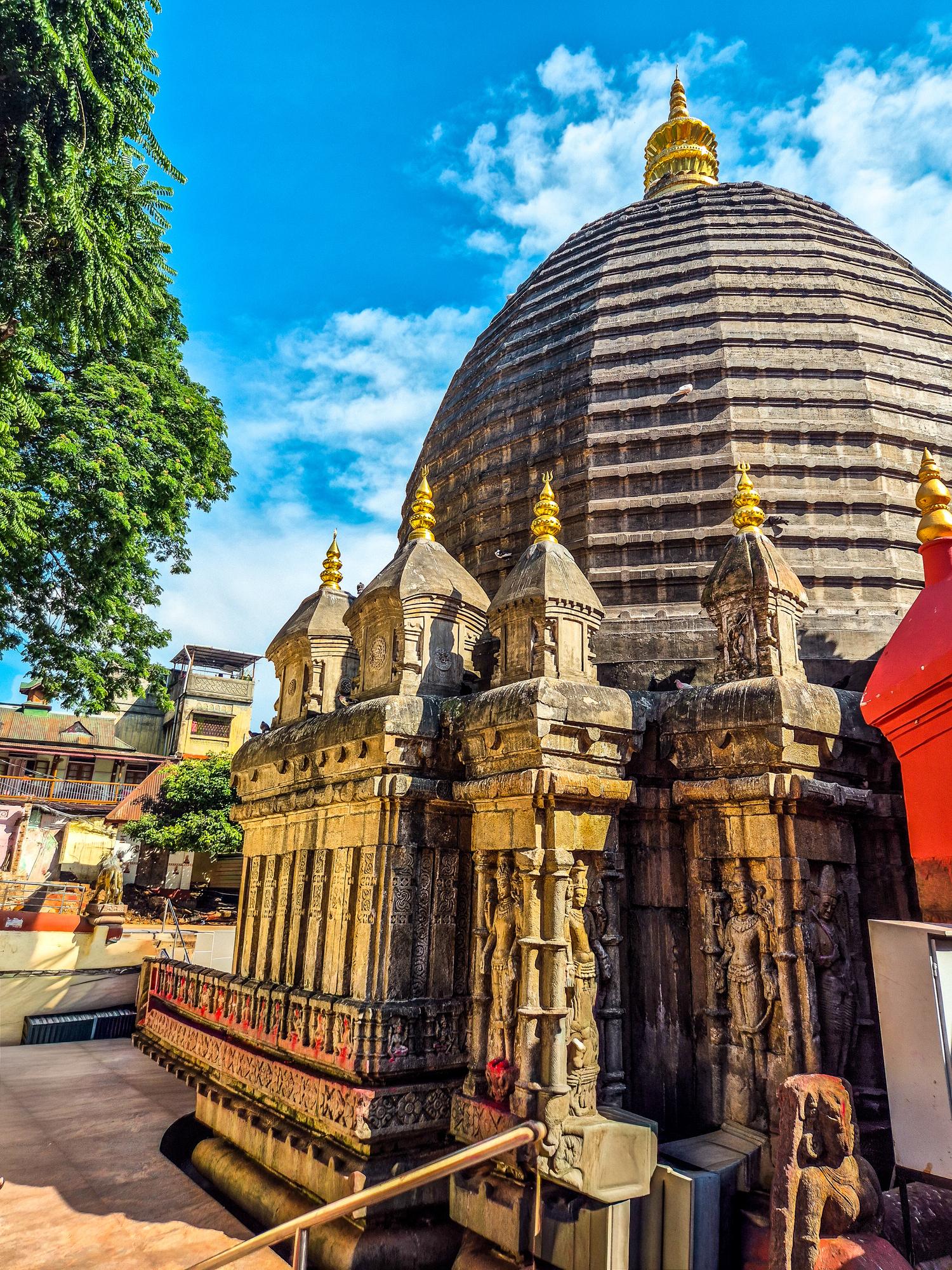
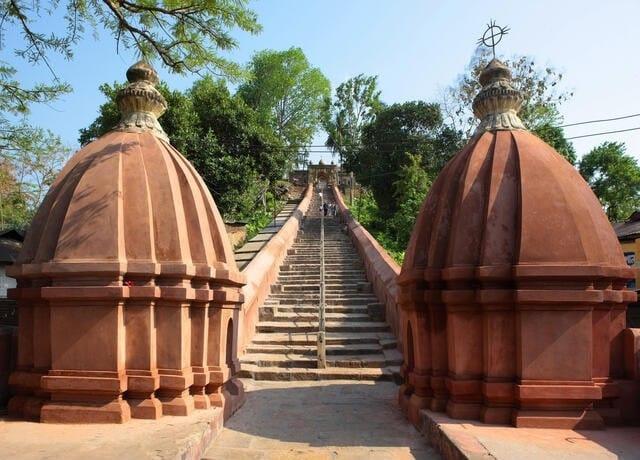
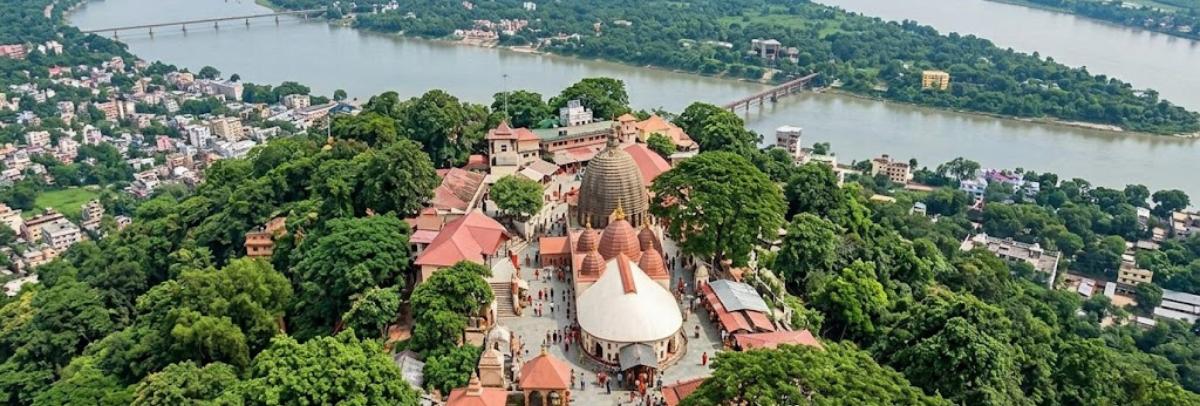
Start here.
Kamakhya Temple sits on Nilachal Hill and is one of India’s major Shakti shrines. The temple is also closely associated with Tantric traditions and the annual Ambubachi Mela. (Assam Tourism)
The main shrine is unusual because the goddess is worshipped through a naturally formed stone associated with the yoni rather than a conventional idol.
Give yourself several hours if you’re visiting during a busy period. And wear comfortable shoes. There can be plenty of walking and waiting.
Best for: spirituality, history, architecture and photography.
2. Take a ferry to Umananda Island
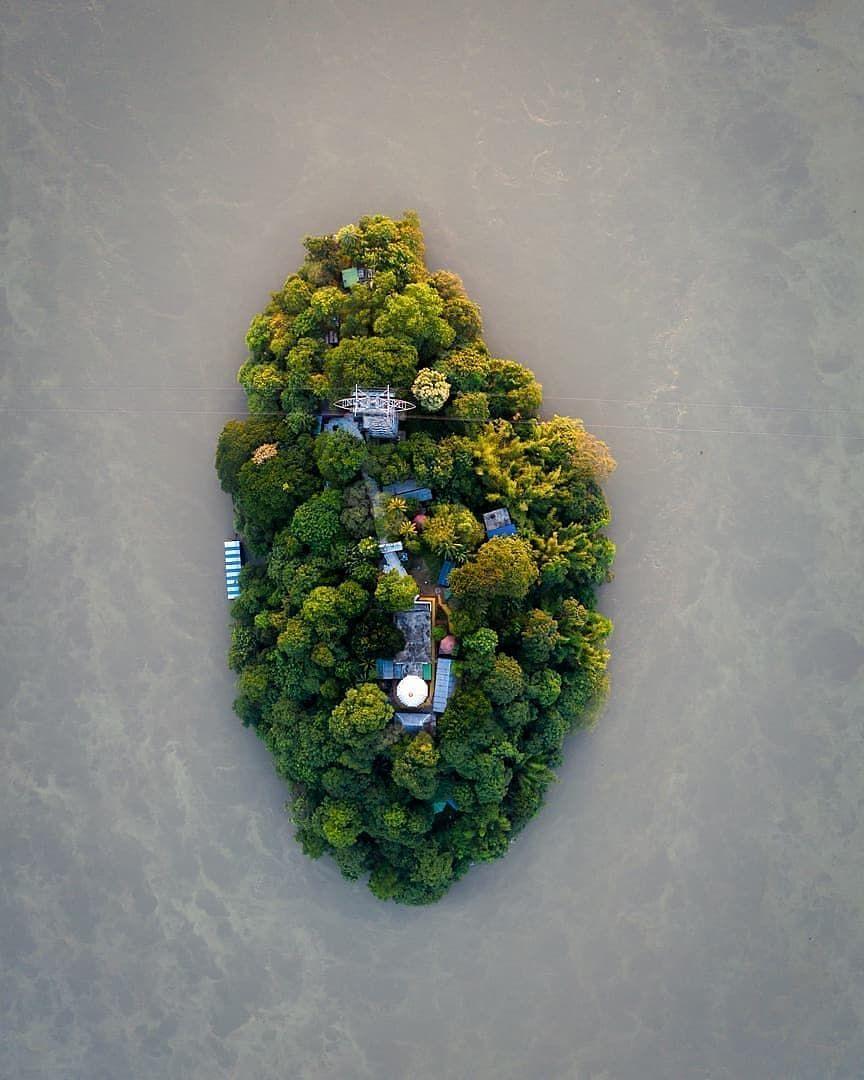
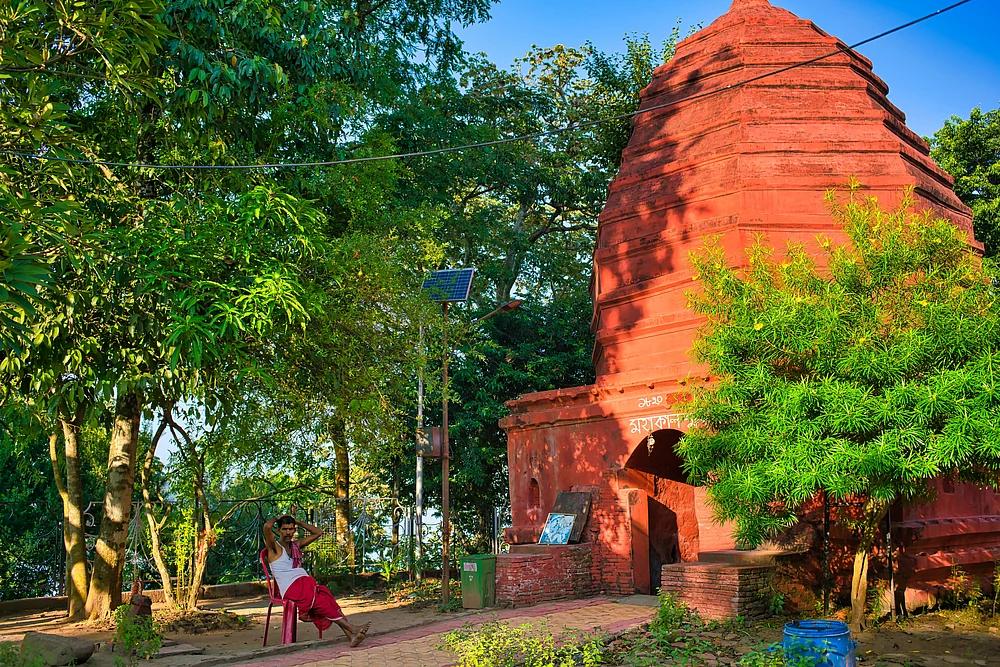
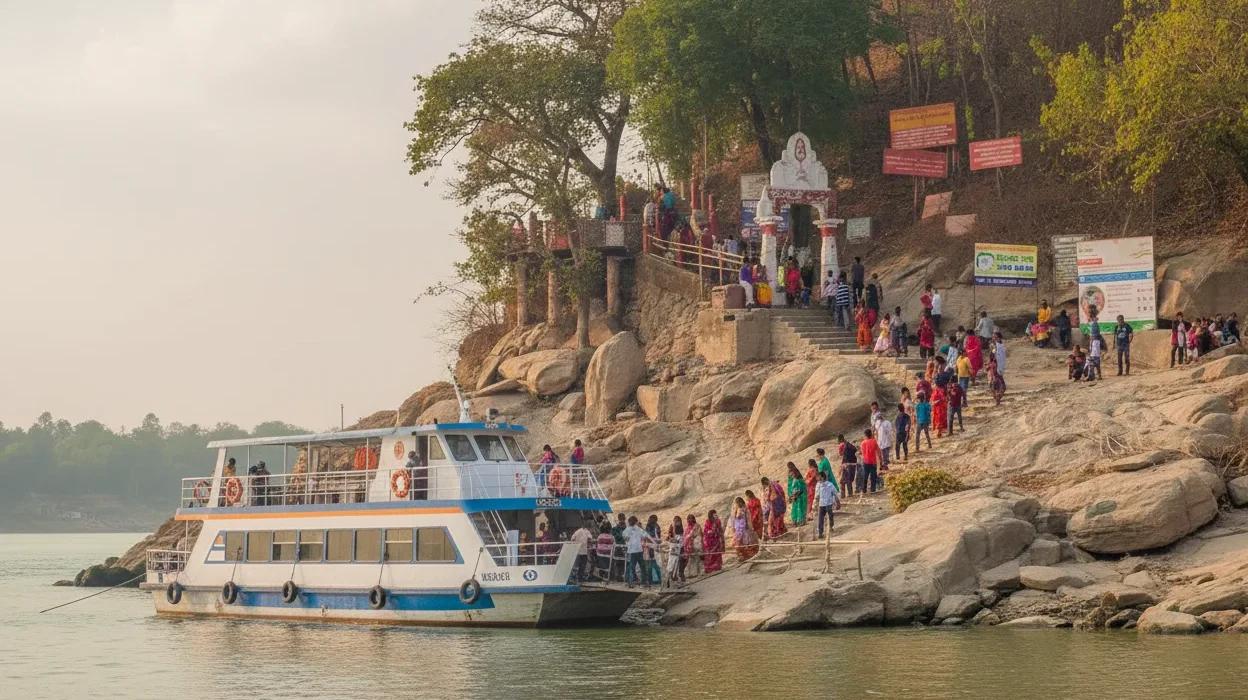
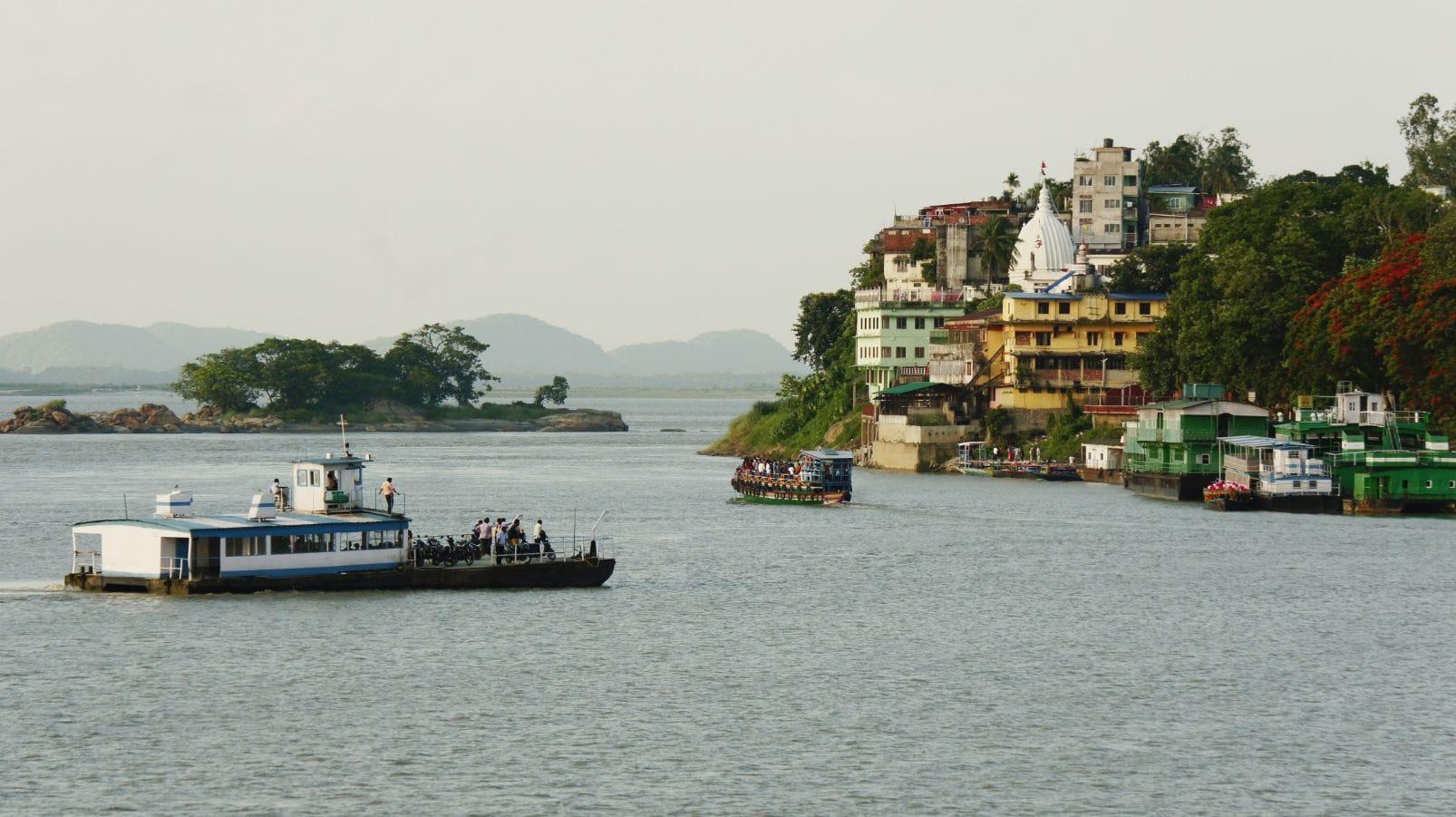
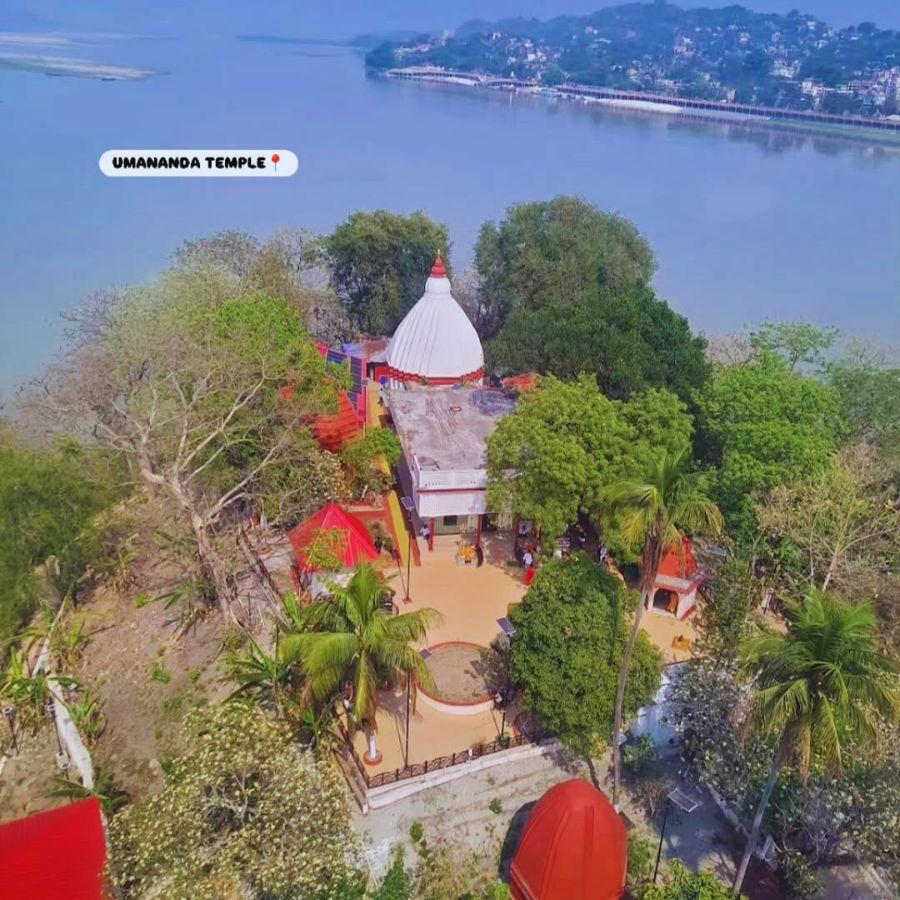
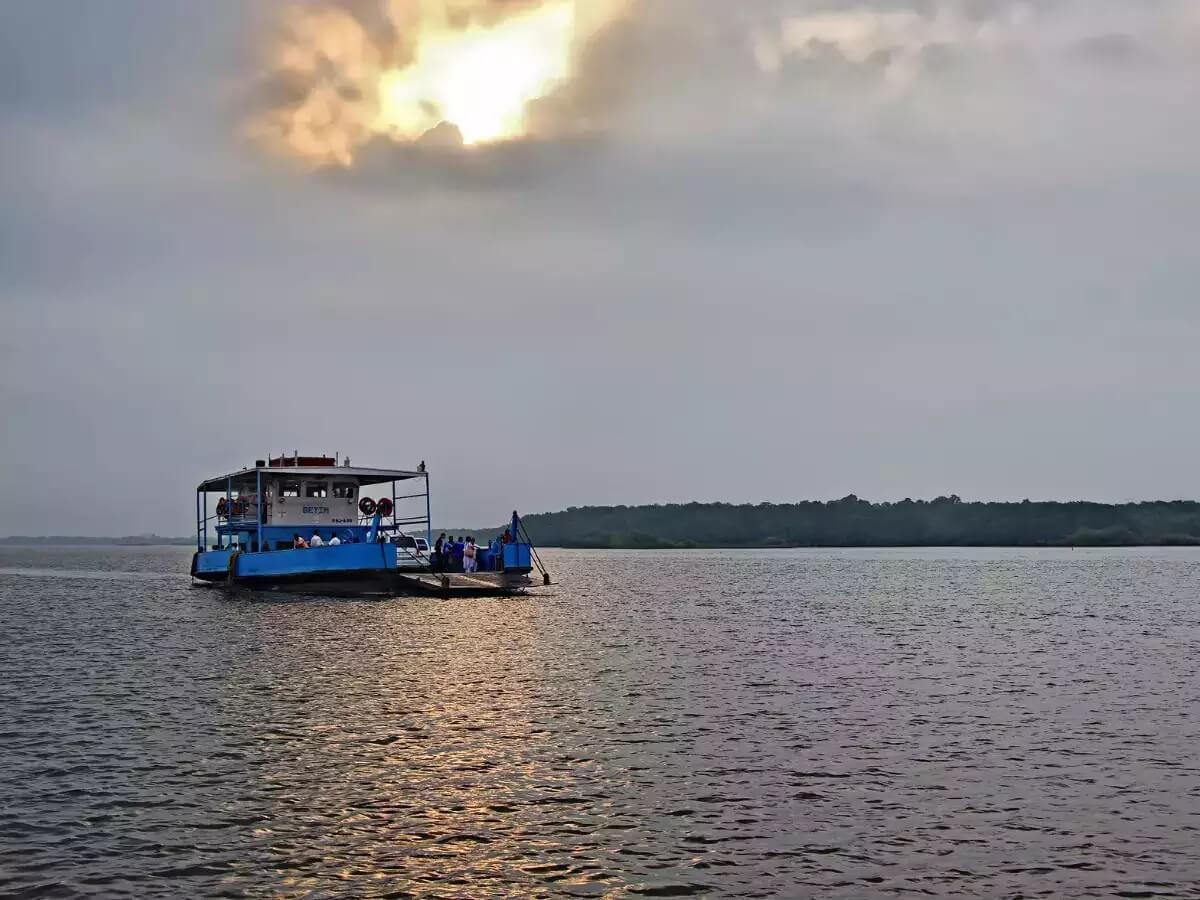
This is one of the nicest things you can do in Guwahati.
Take a ferry across the Brahmaputra to Umananda Temple on Umananda Island, also known as Peacock Island. The island sits in the middle of the river and the temple is dedicated to Shiva. (Assam Tourism)
The ferry ride itself is half the experience. You’ll get a completely different view of Guwahati from the river.
Keep an eye on your belongings around the island’s monkeys. They have excellent taste in snacks and absolutely no respect for personal property.
3. Spend an evening beside the Brahmaputra
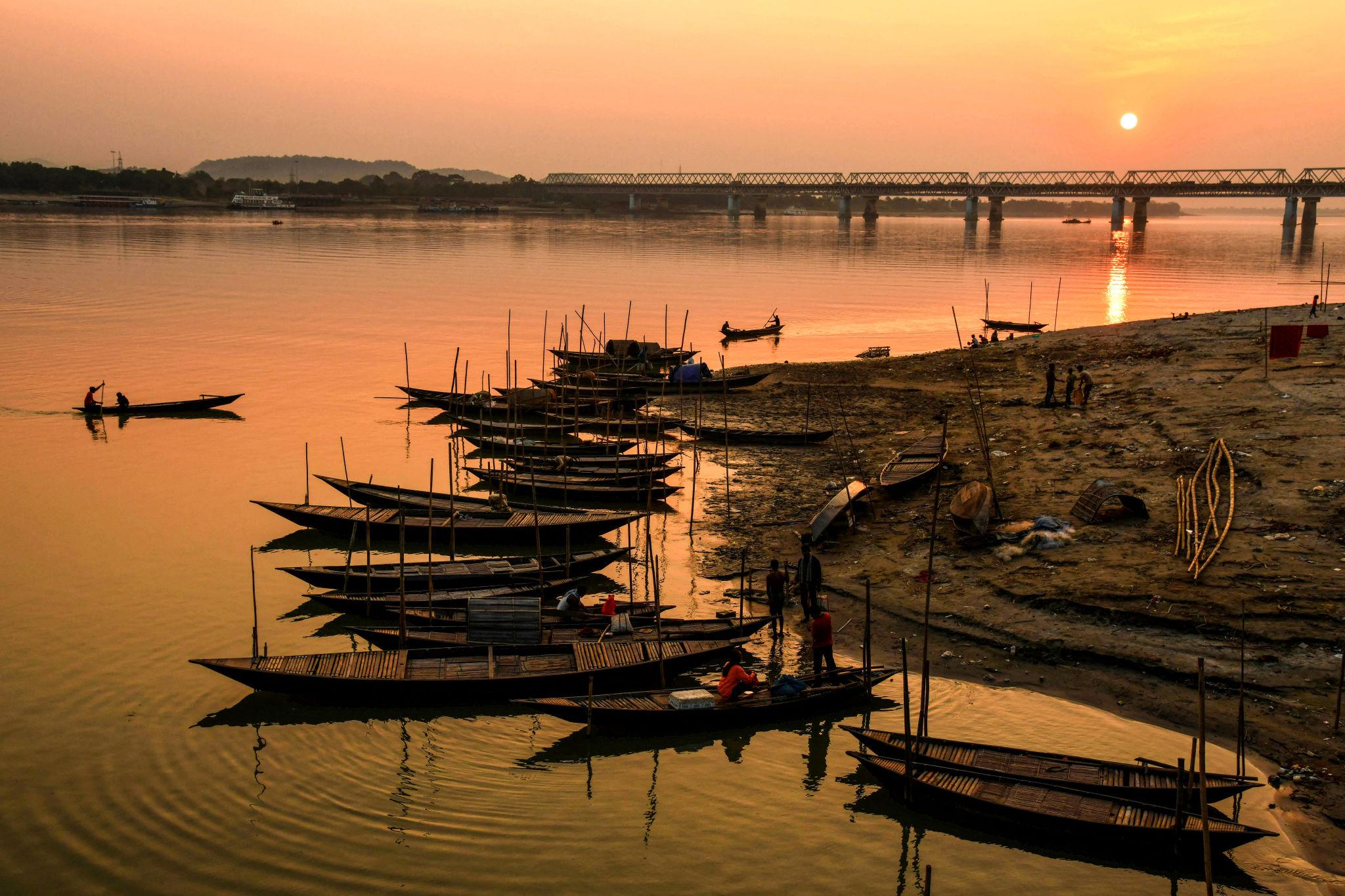
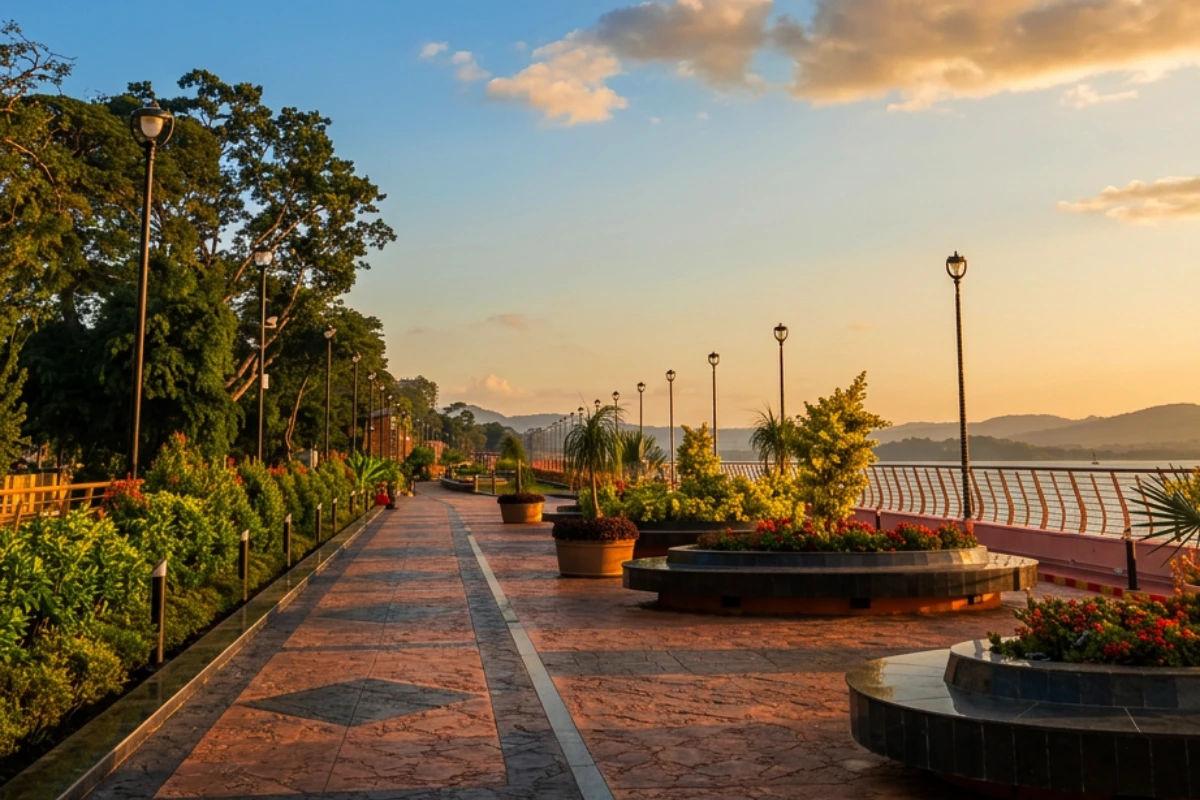
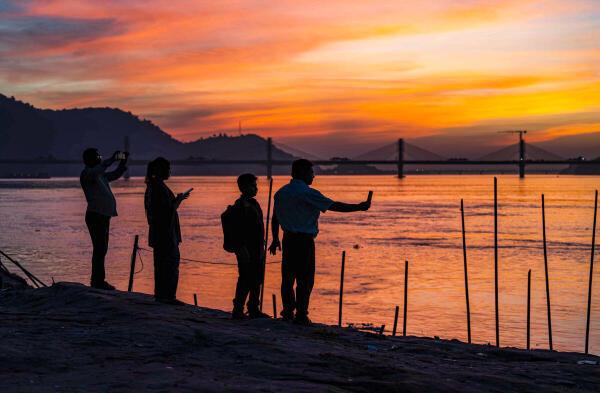
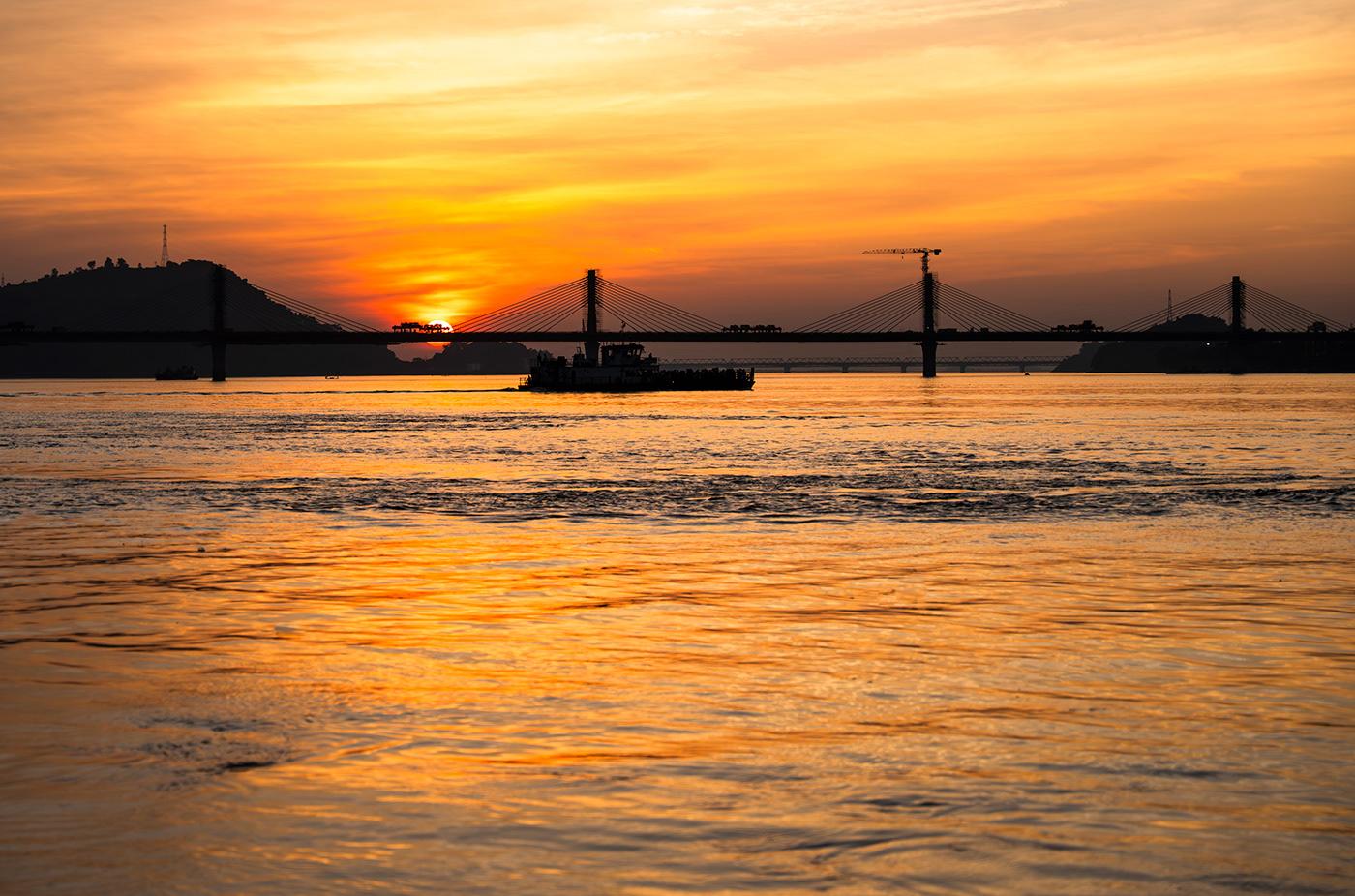

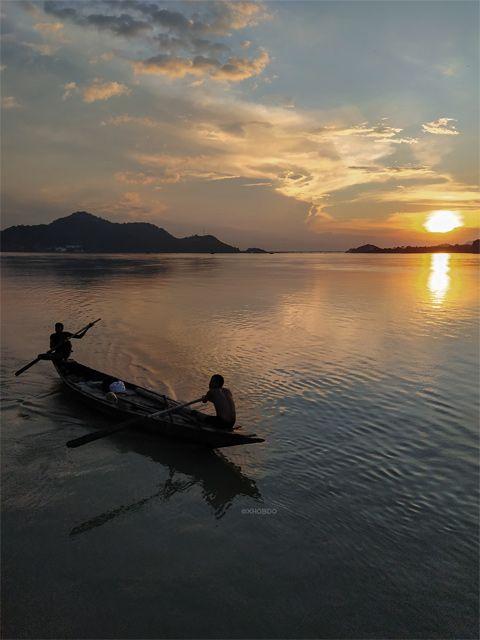
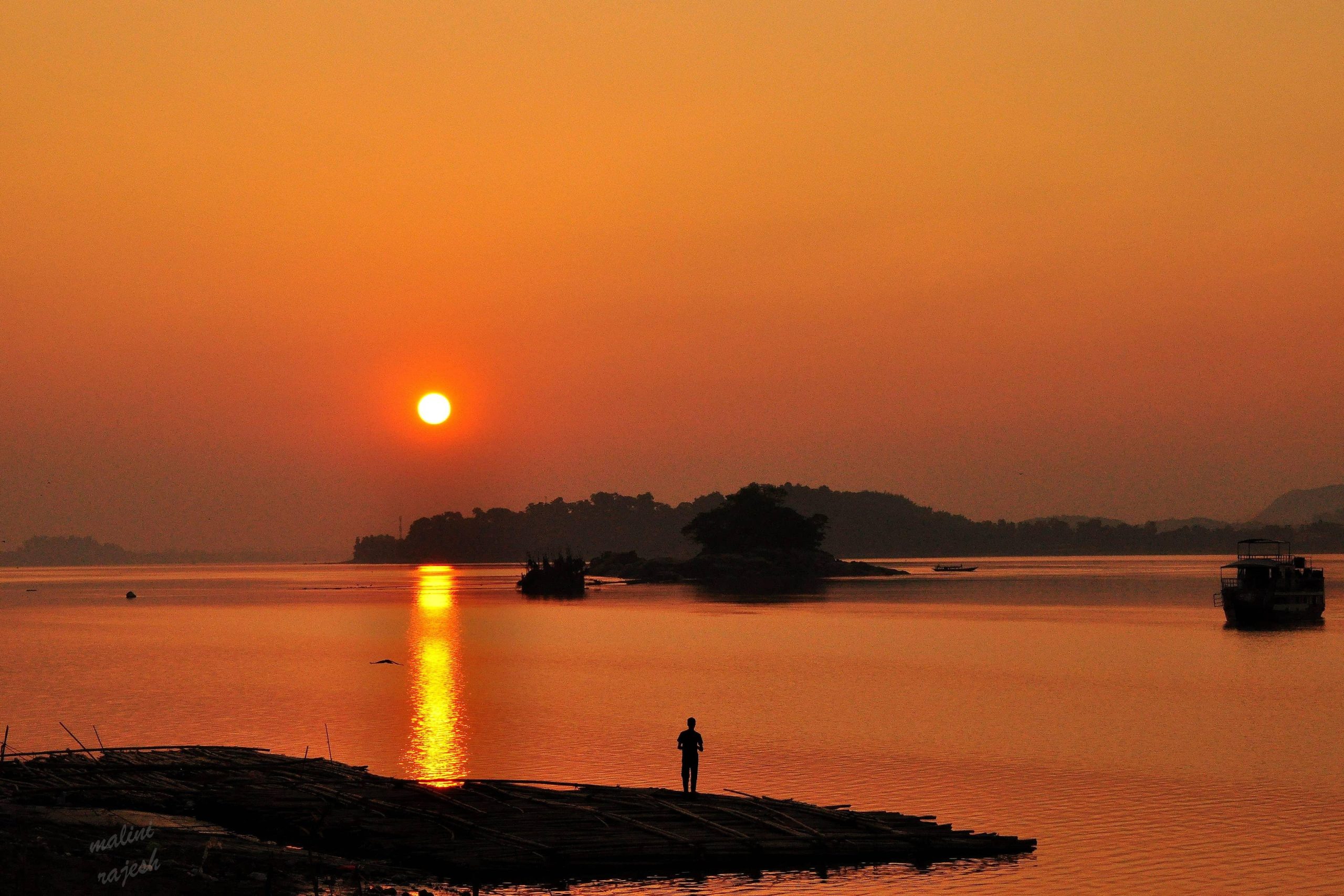
Guwahati makes more sense when you spend some time beside its river.
Head towards the Brahmaputra around sunset. Sit down, slow down and watch the boats move across the water.
You can also look into a river cruise if you’d like a longer outing on the Brahmaputra.
4. Explore the Assam State Museum
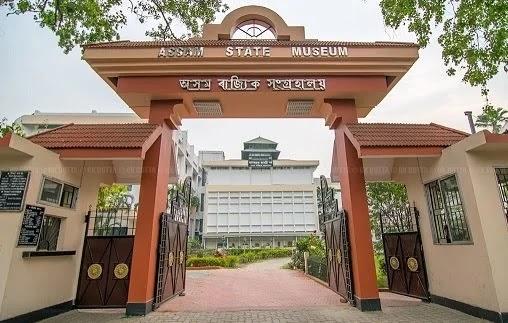
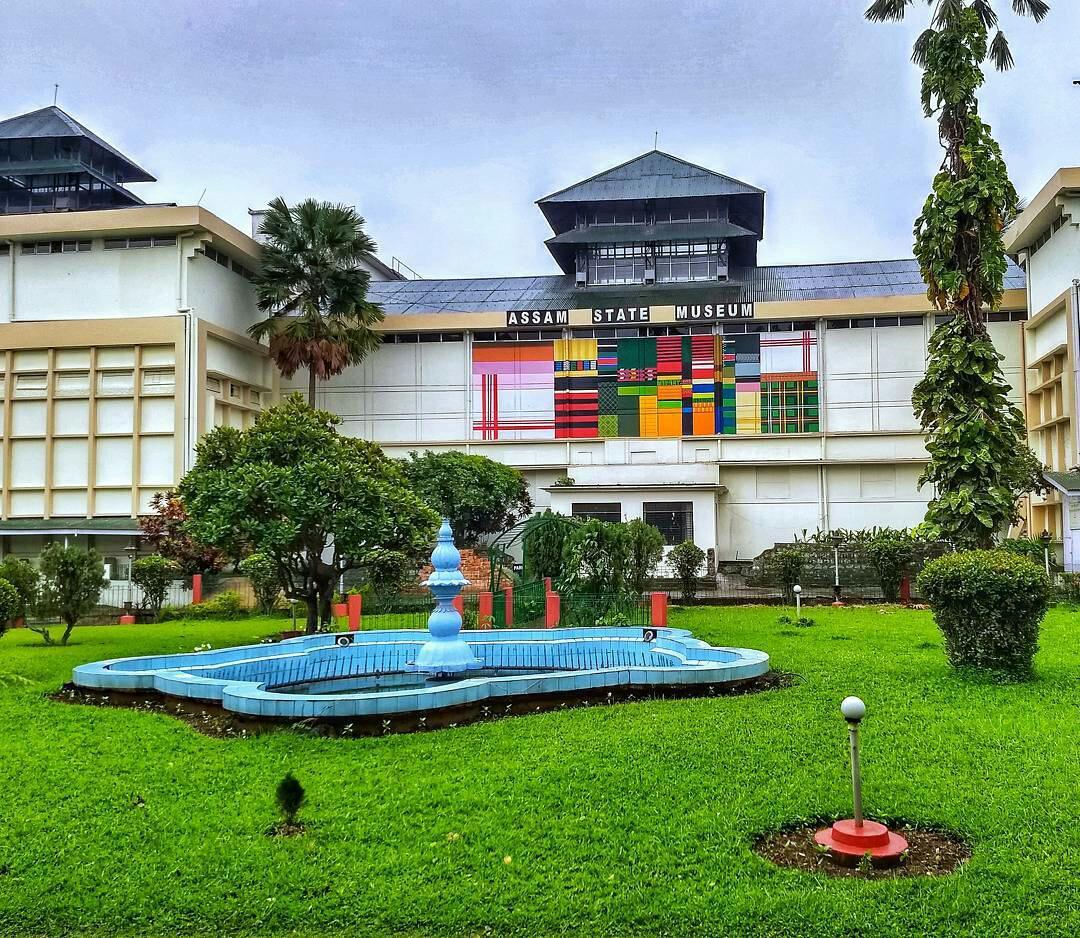
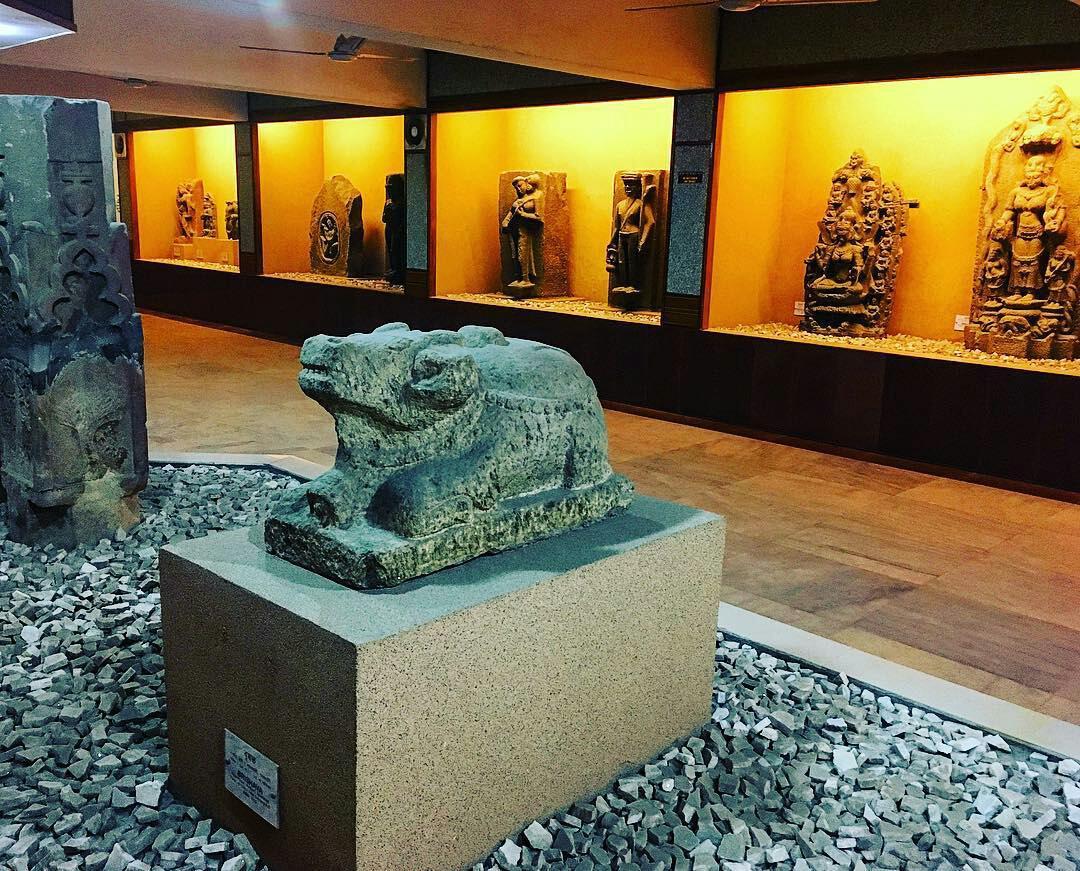
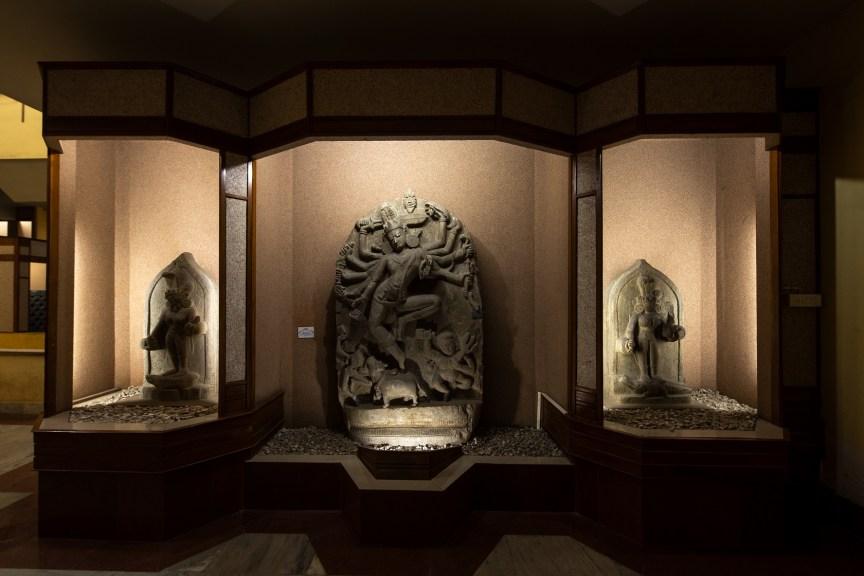
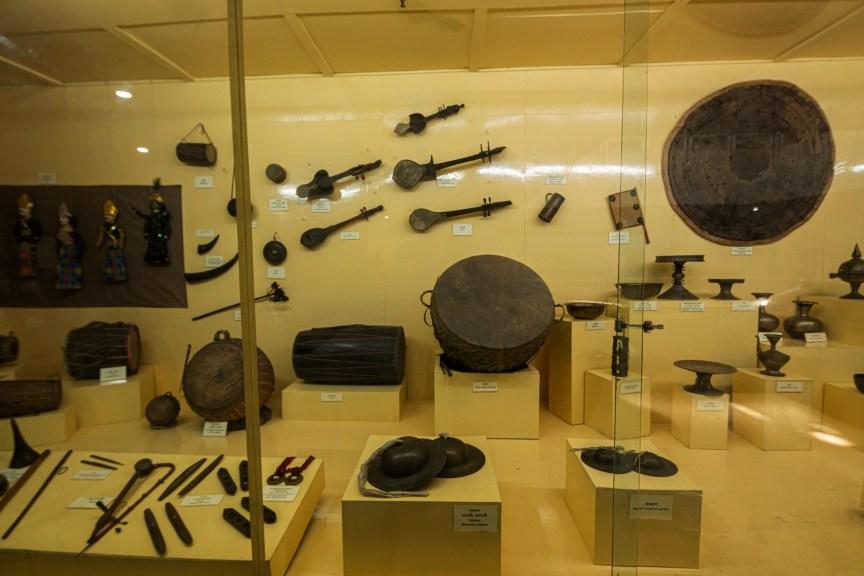
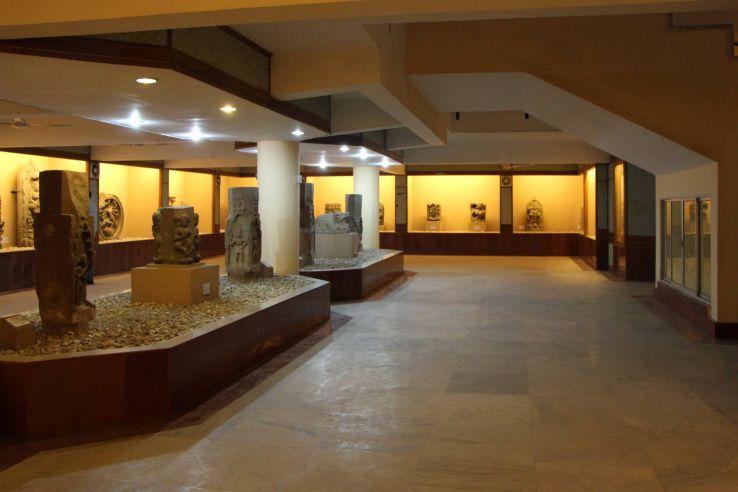
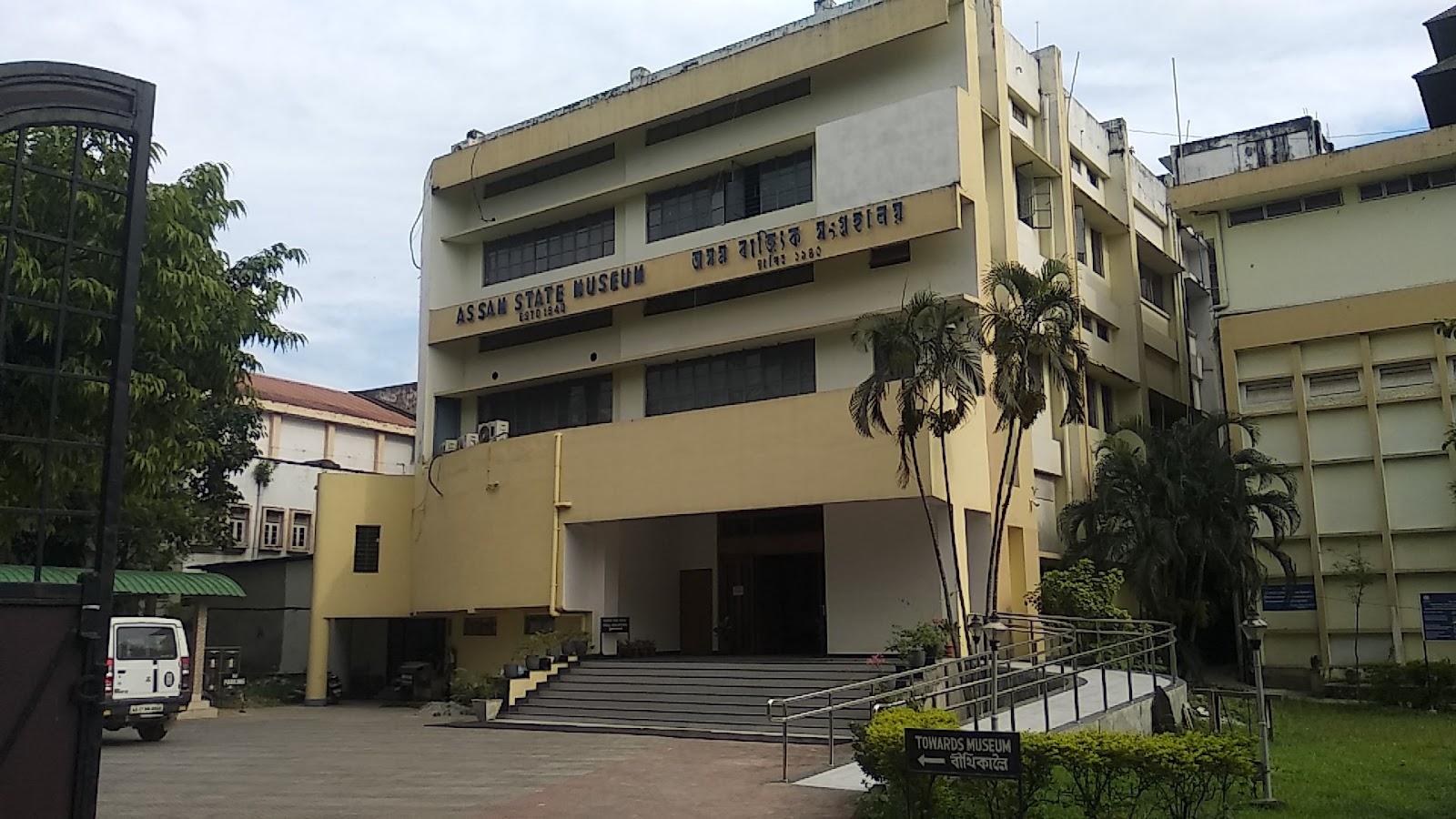
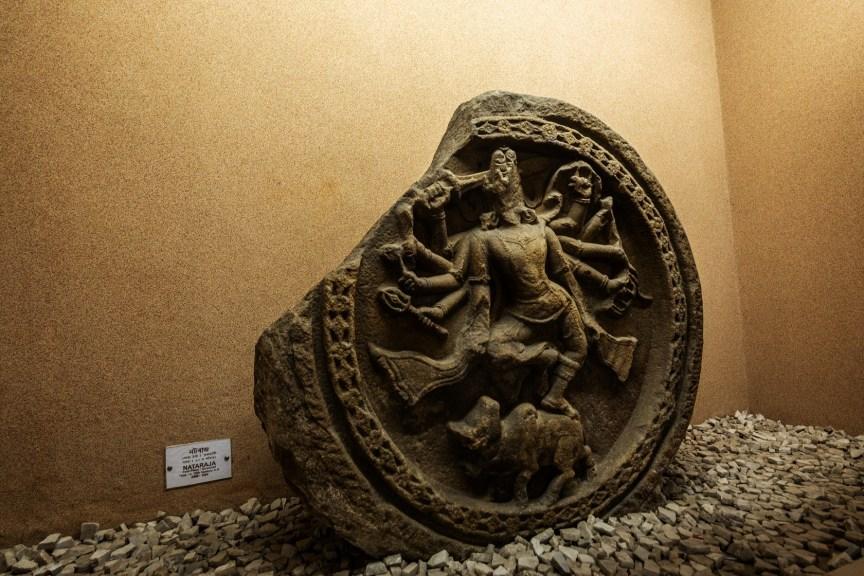
If you want some context before visiting more of Assam, spend an hour or 2 at Assam State Museum.
It’s near Dighalipukhuri and has collections covering archaeology, sculptures, anthropology, folk art, manuscripts and other parts of Assam’s history. (Assam Tourism)
The museum is currently open from 10 AM to 5 PM, except Mondays, government holidays, and the 2nd and 4th Saturdays. Ticket sales end at 4 PM. (Assam Museums)
5. Walk around Dighalipukhuri
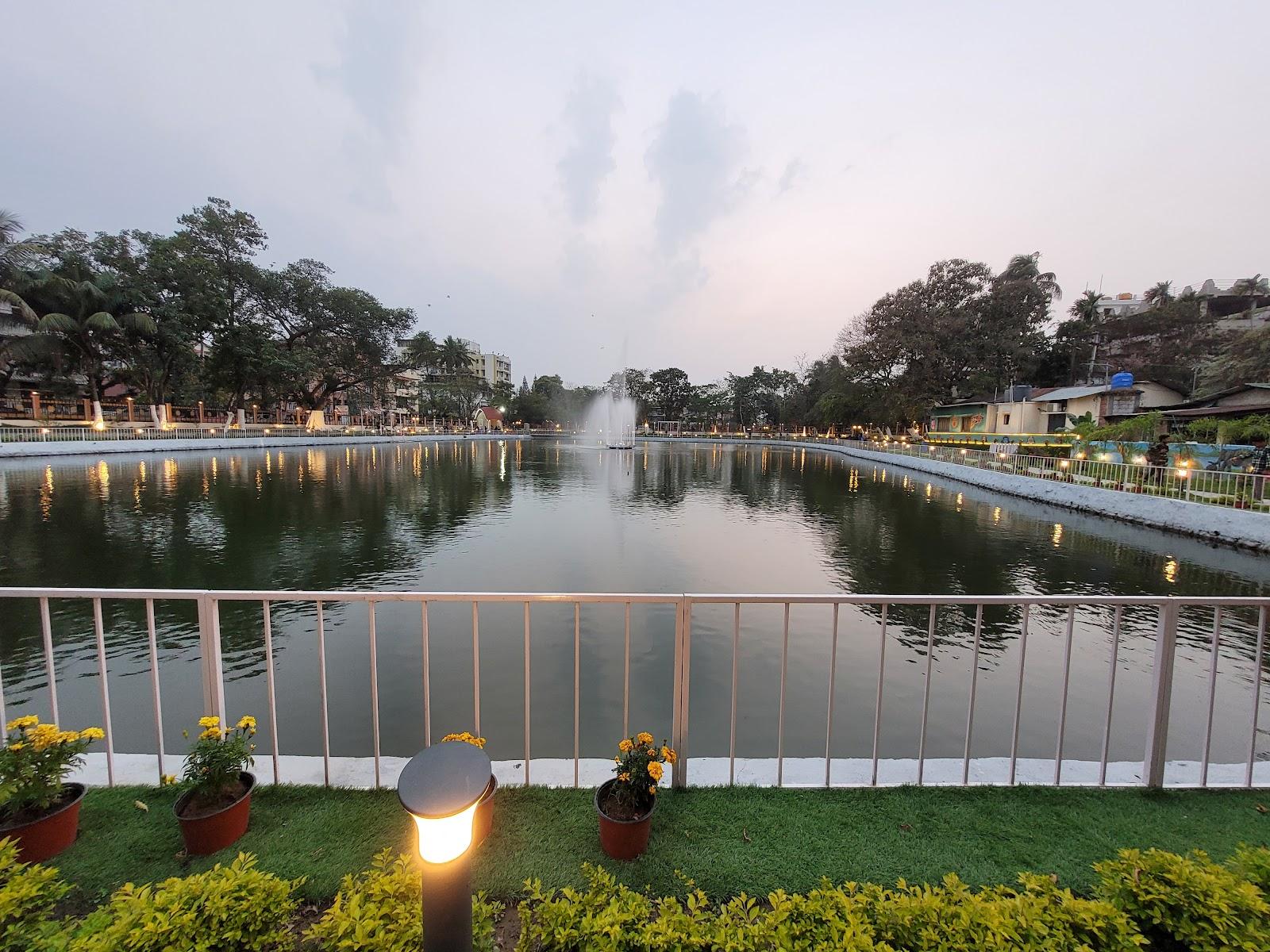
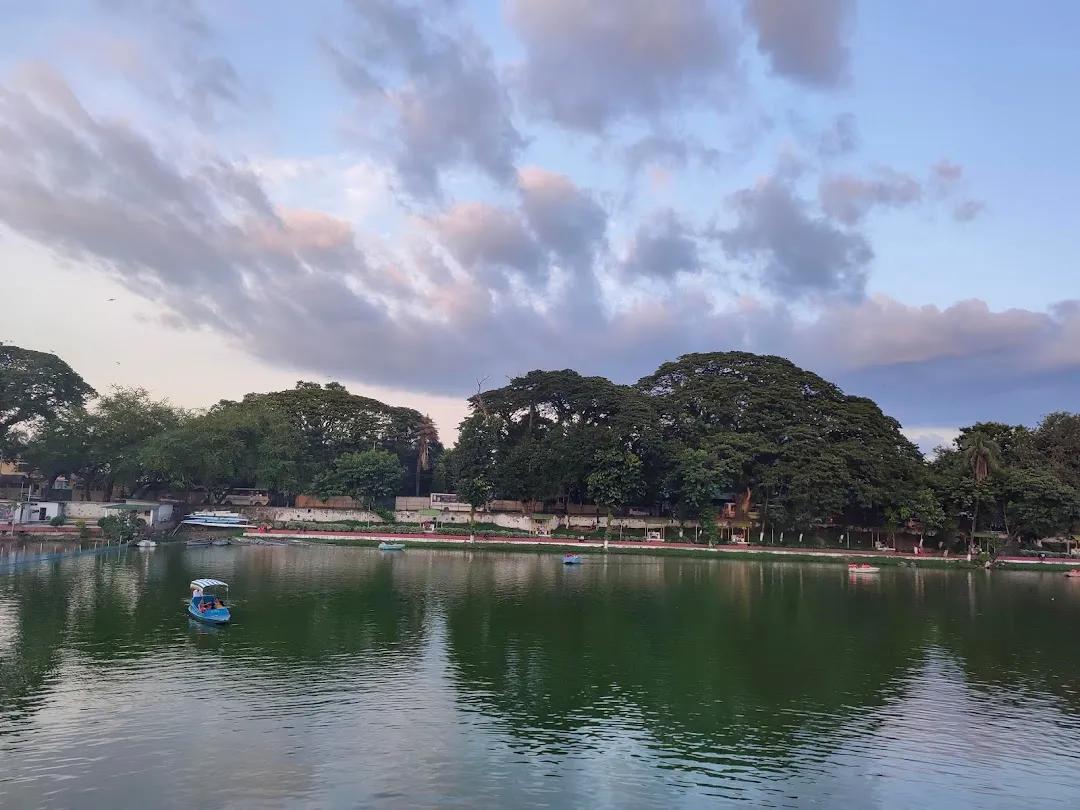
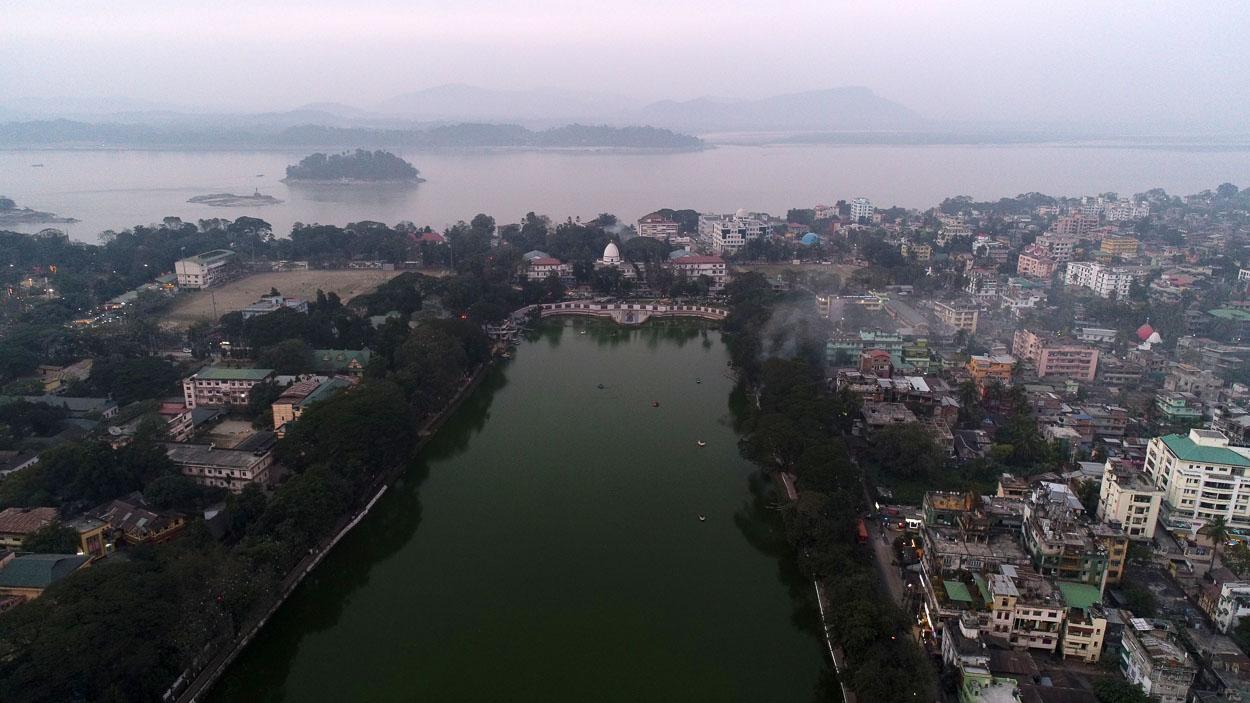
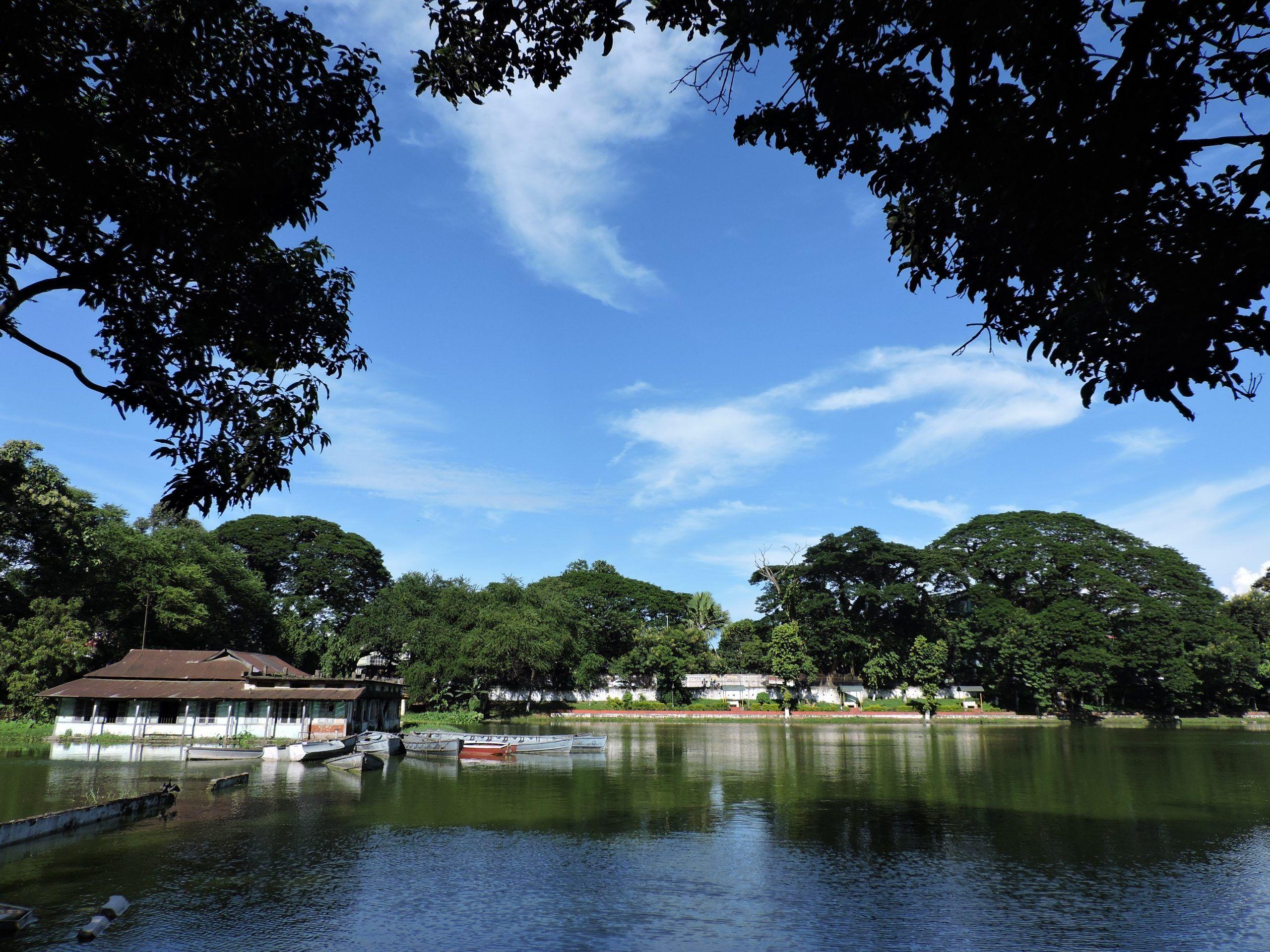
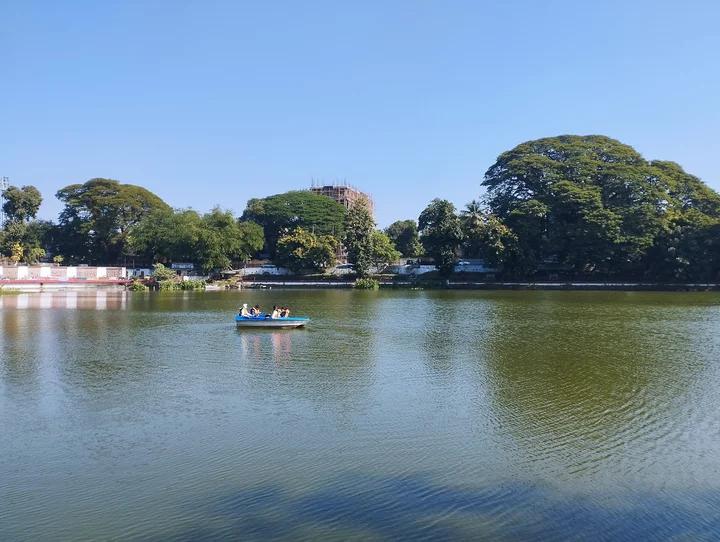
Dighalipukhuri is an easy stop when you’re already around the museum area.
Go in the late afternoon or evening. It’s a good place to take a break between sightseeing stops without turning the day into another temple-and-museum marathon.
Assam Tourism’s own Guwahati city tour puts Dighalipukhuri alongside the State Museum and other central attractions. (Assam Tourism)
6. Visit Deepor Beel
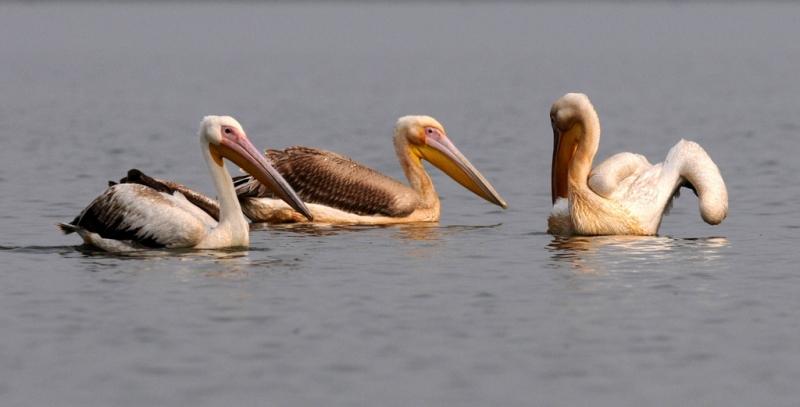
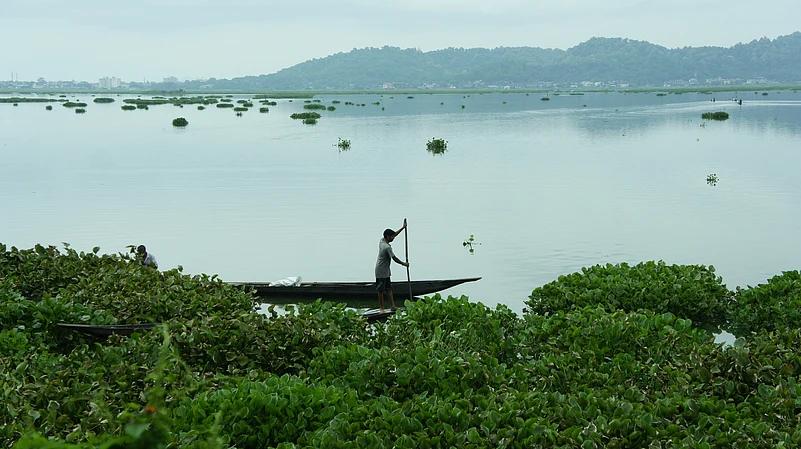
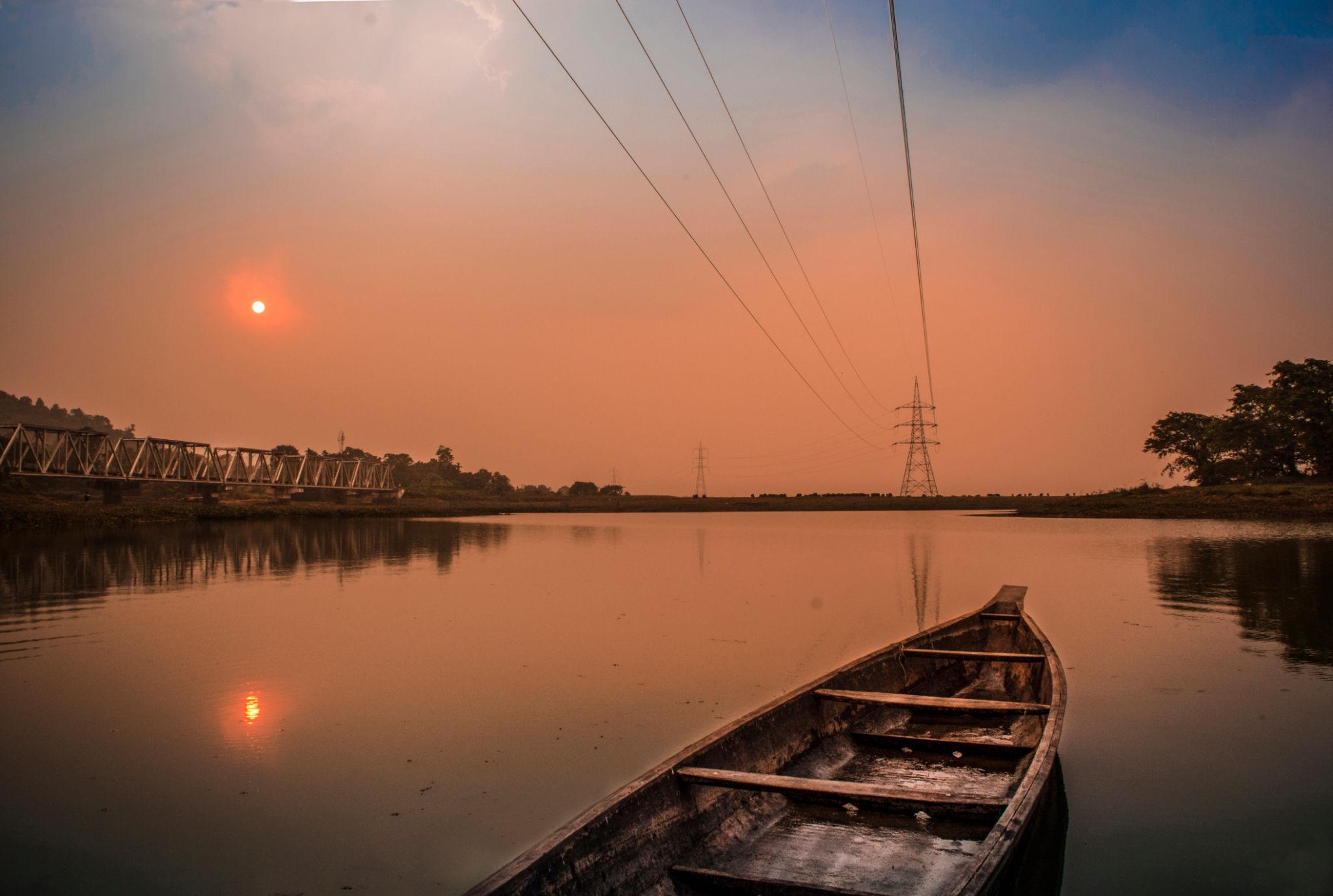
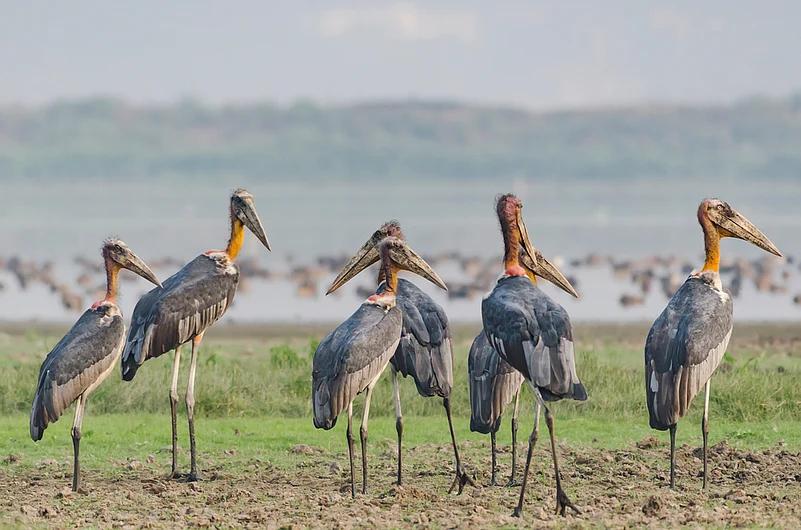
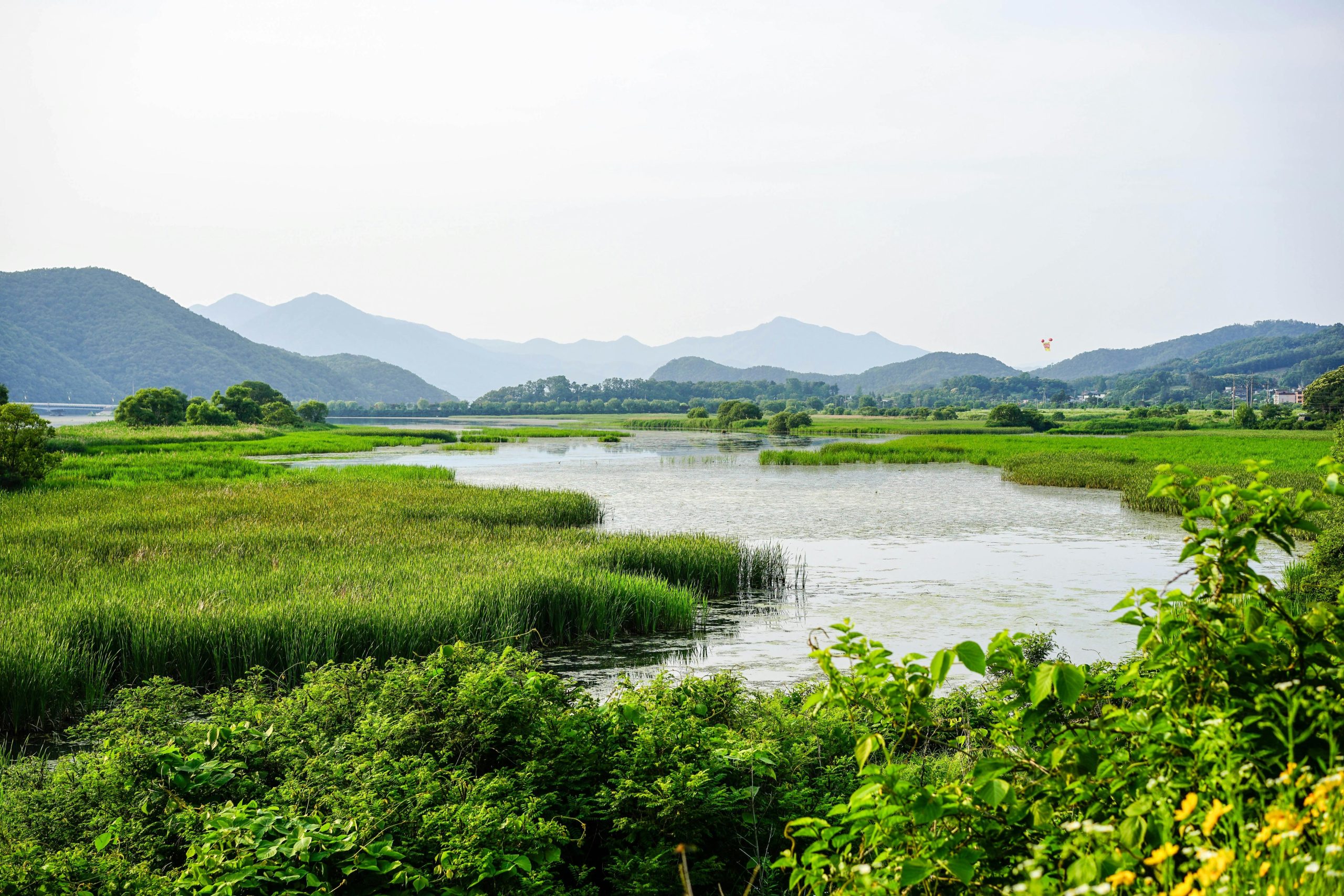

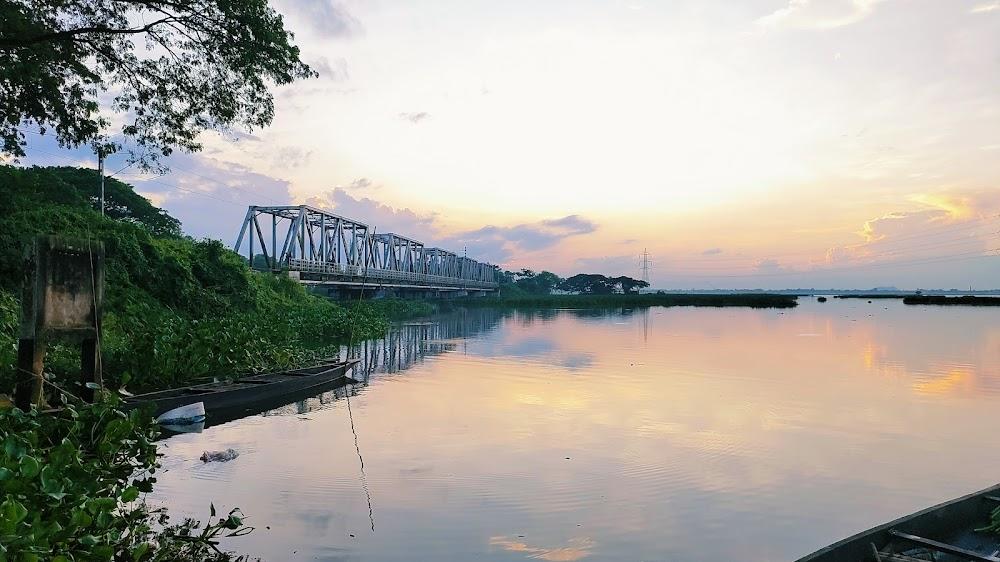
For a quieter side of Guwahati, head to Deepor Beel.
It’s a large freshwater wetland southwest of the city and an important stop for migratory birds. It’s also Assam’s only Ramsar site. (Assam Tourism)
Winter is particularly good for birdwatching because migratory species arrive around this time.
Bring binoculars if you’ve got them. Your phone zoom probably won’t cut it.
7. See the animals at Assam State Zoo
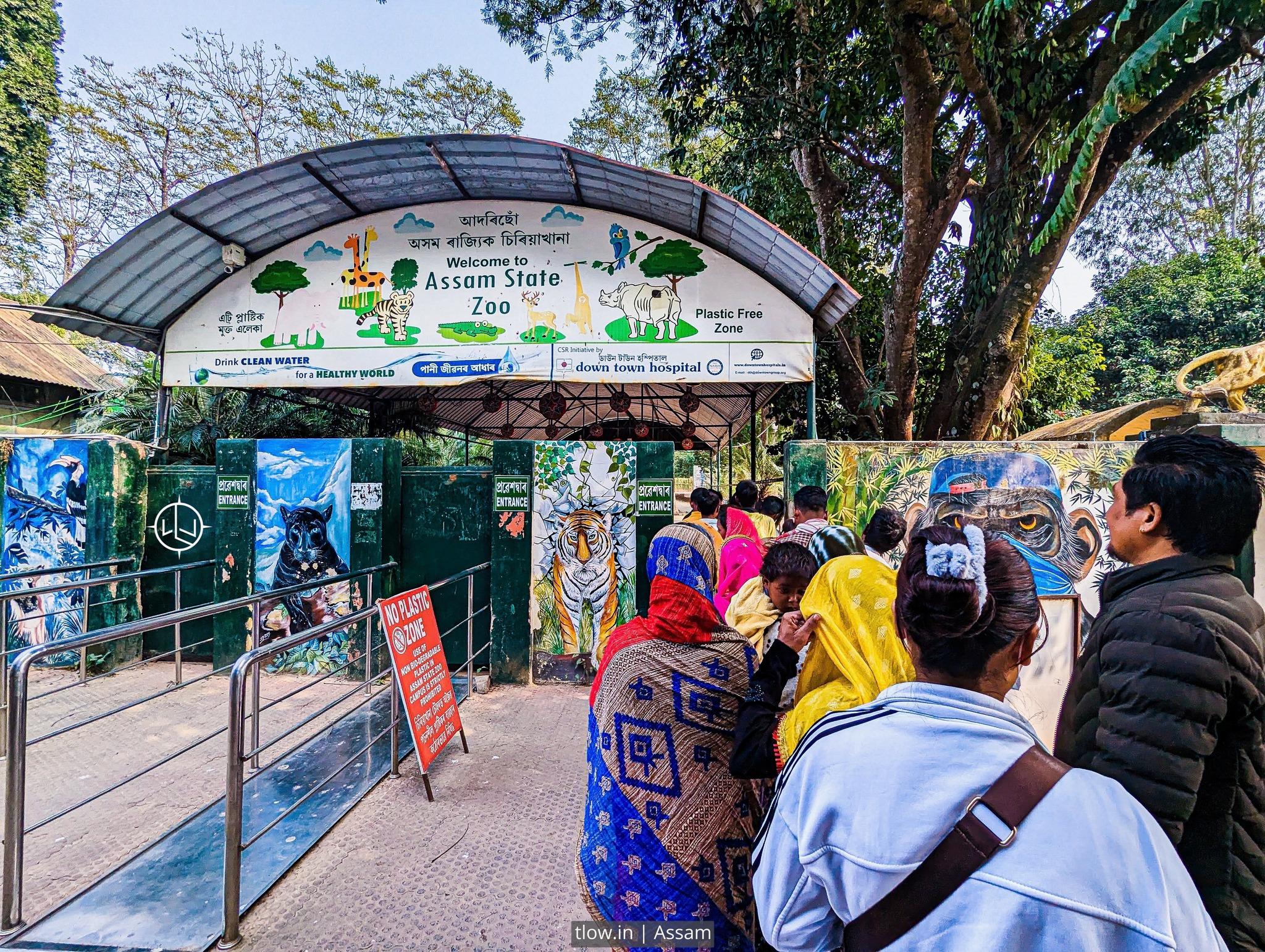
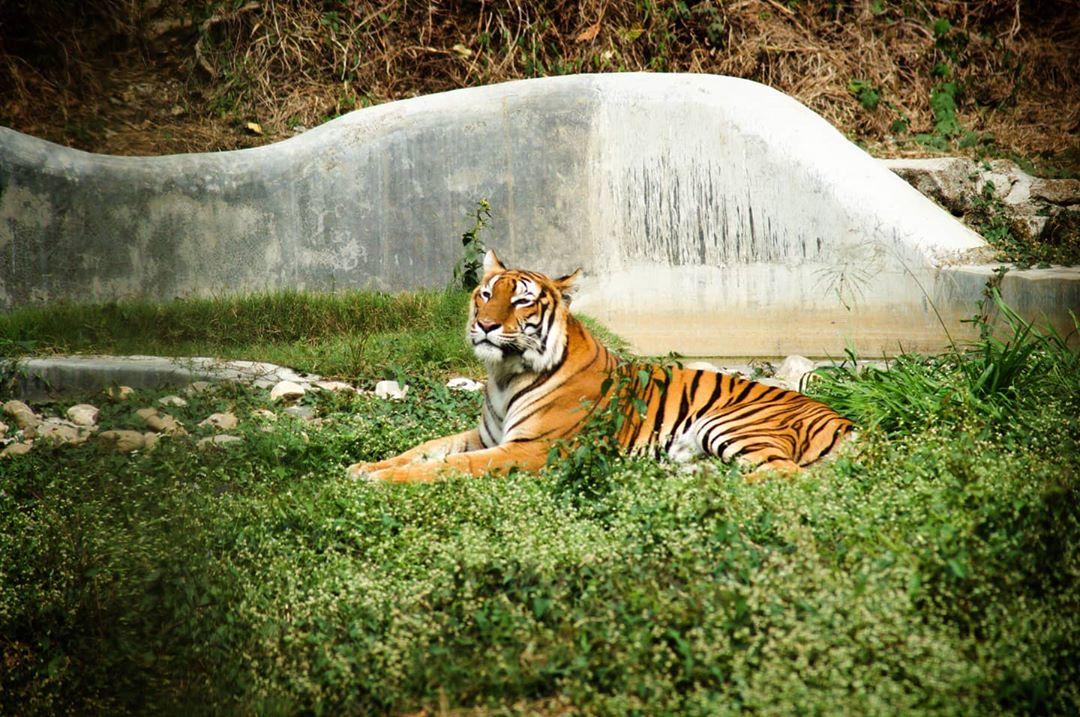
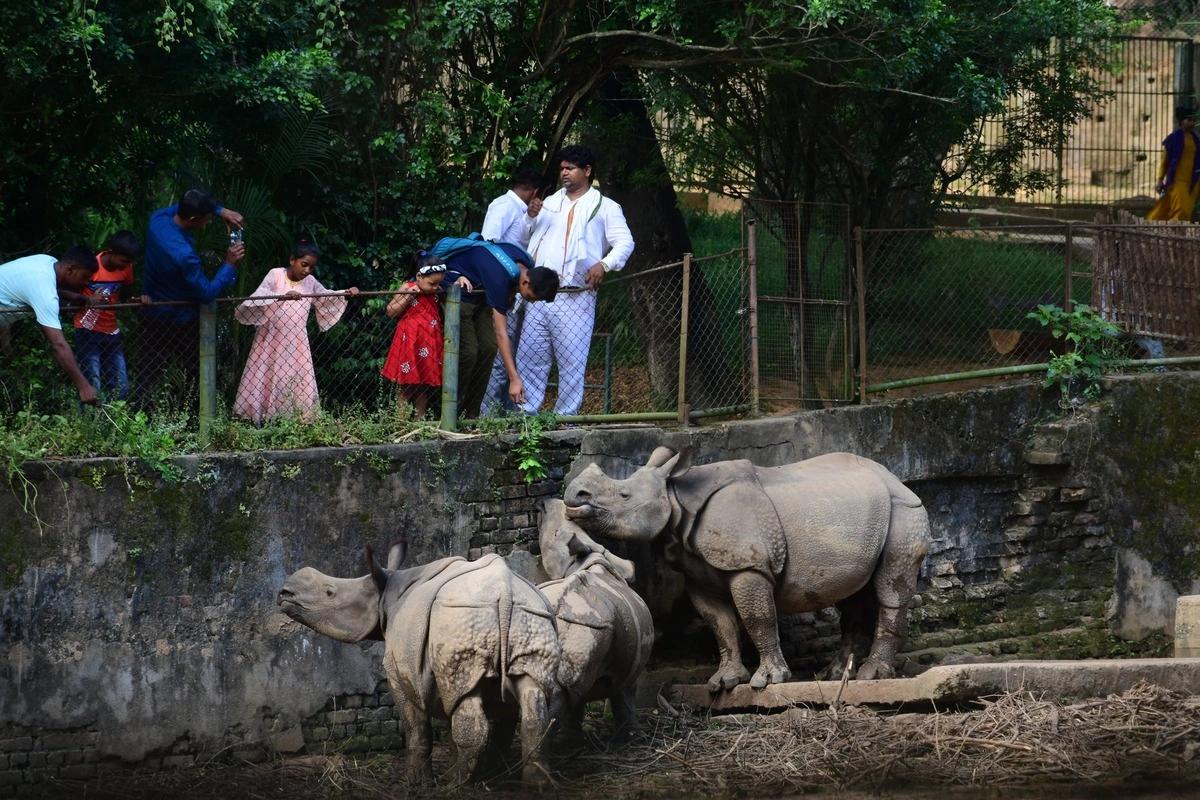
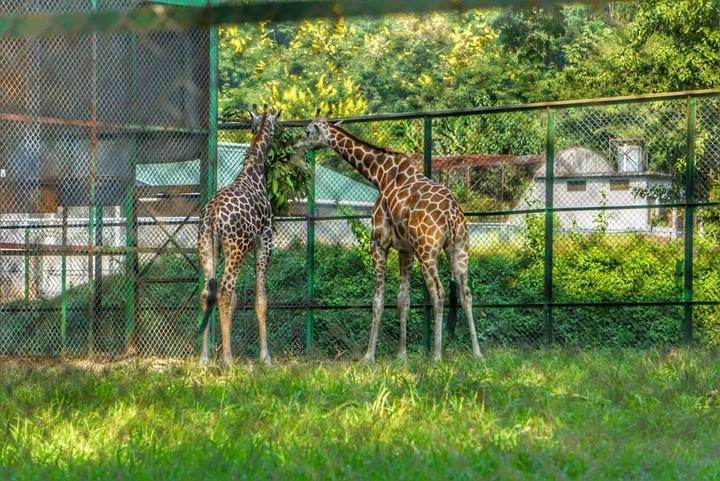
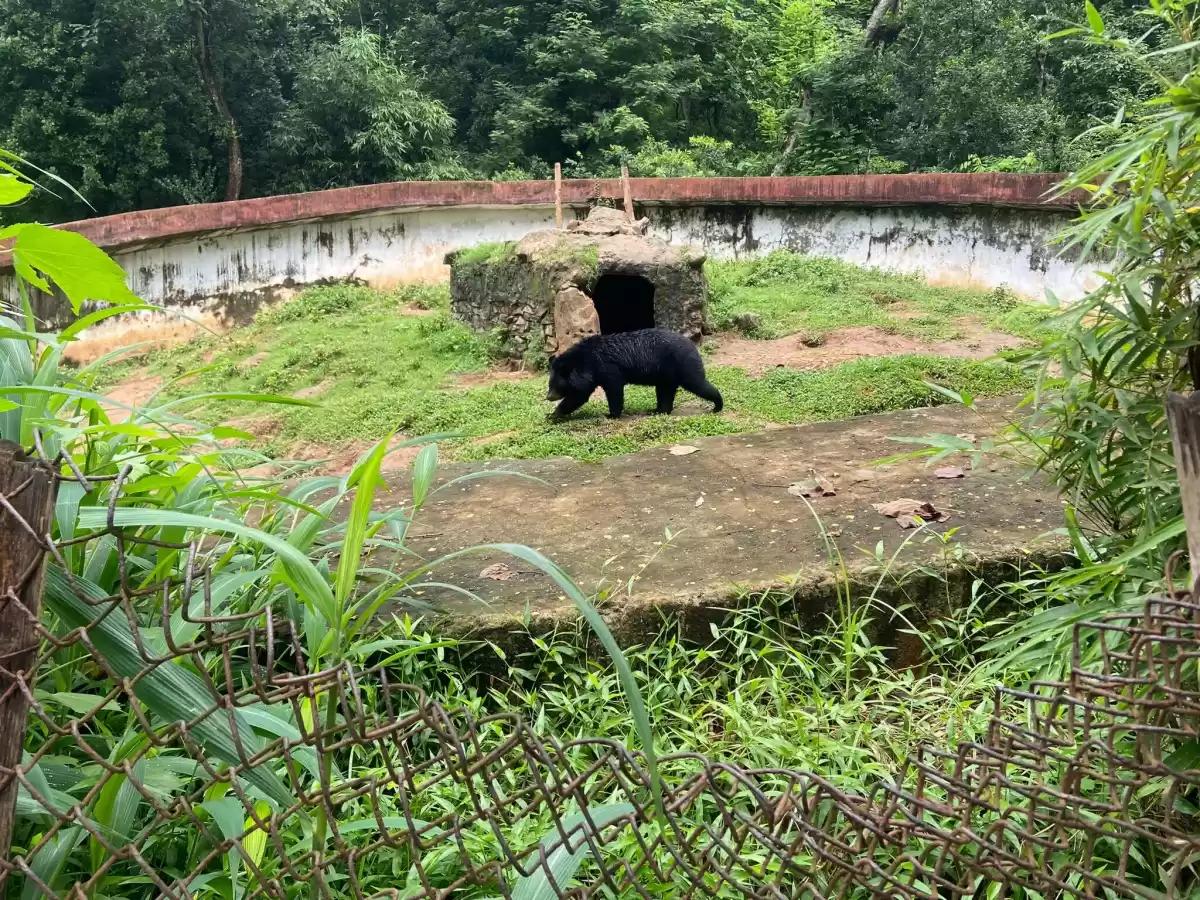
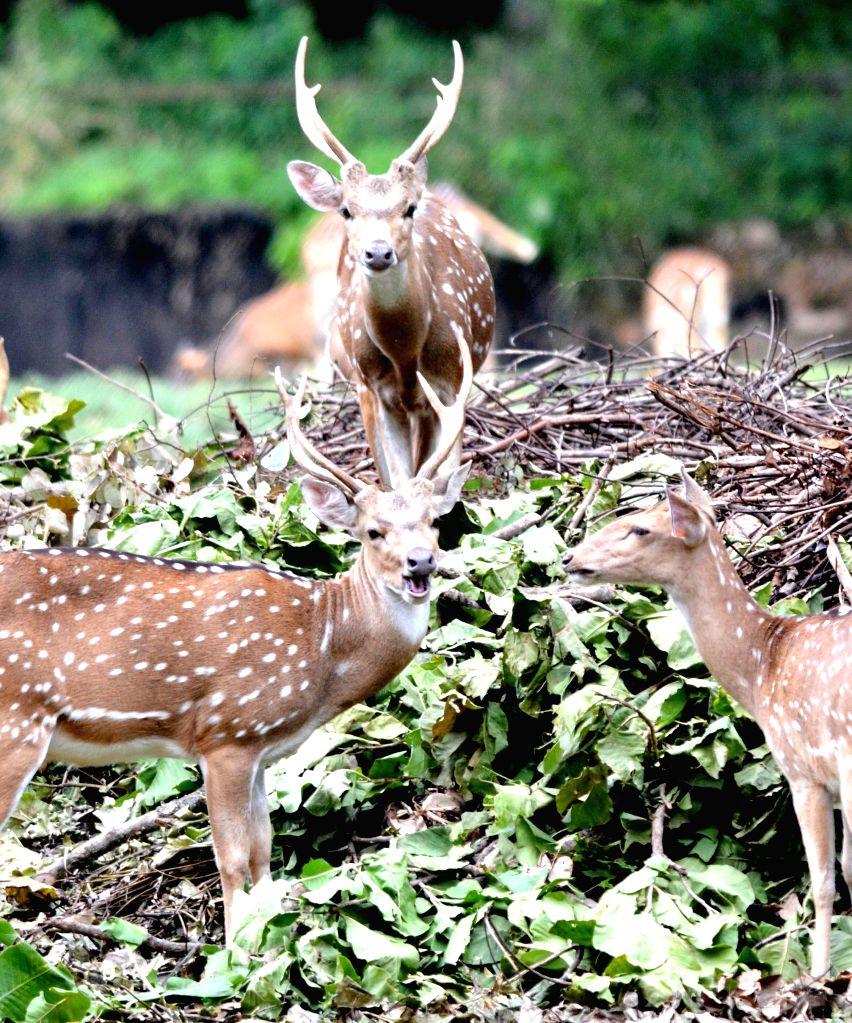
Assam State Zoo cum Botanical Garden is a solid choice if you’re travelling with children or simply like wildlife.
The zoo has mammals, birds and reptiles, along with an orchid house and botanical areas. Assam Tourism suggests allowing a full day if you want to take your time. (Assam Tourism)
Go earlier in the day if you can, especially during warmer months.
8. Visit Navagraha Temple
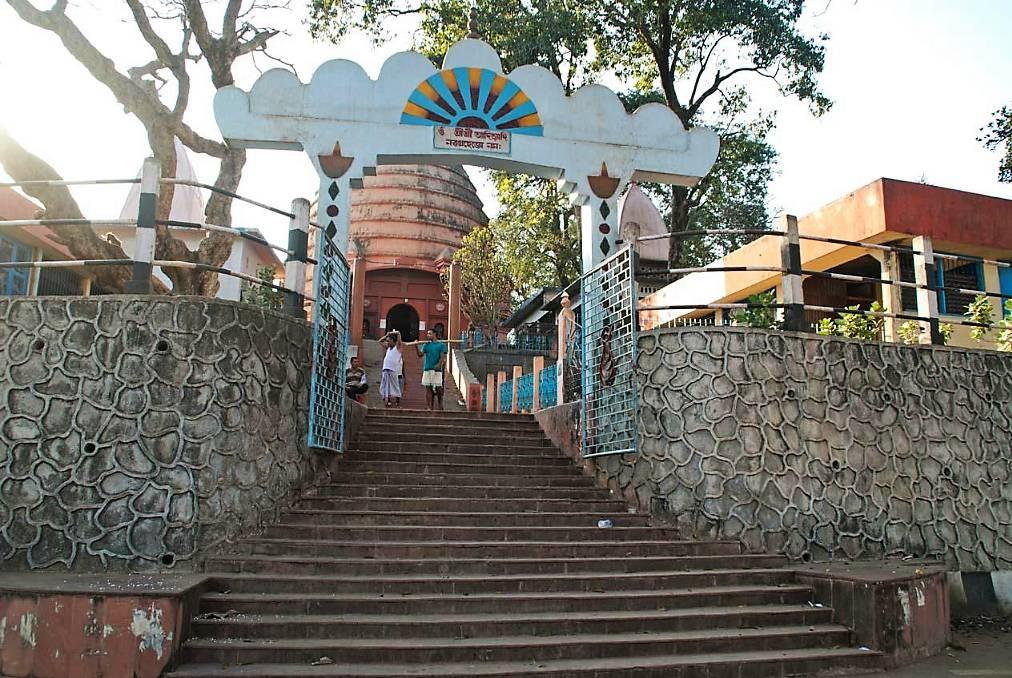
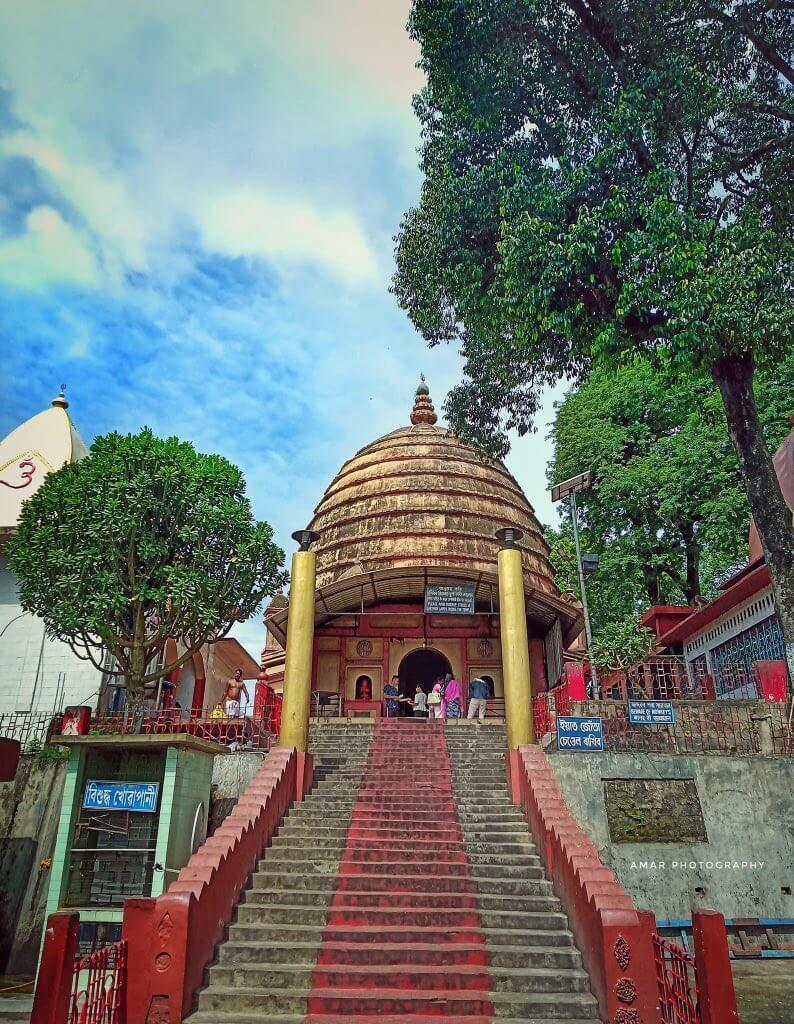
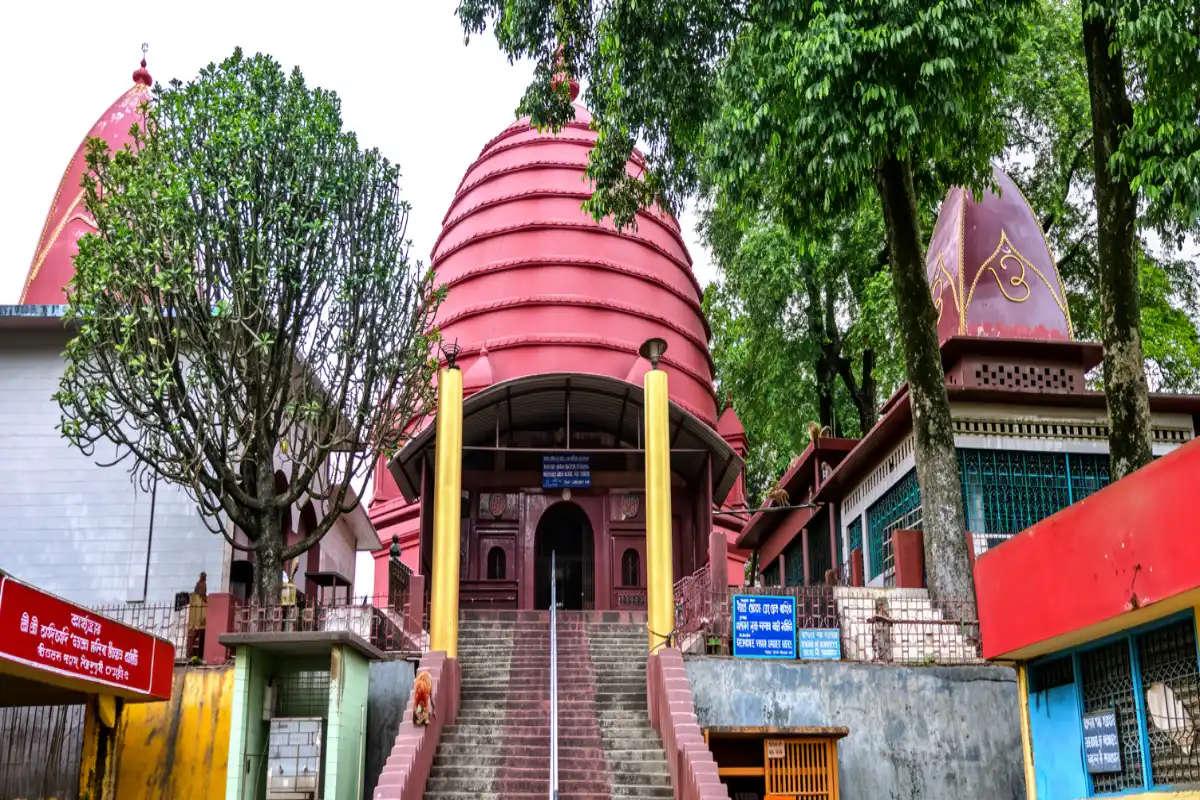
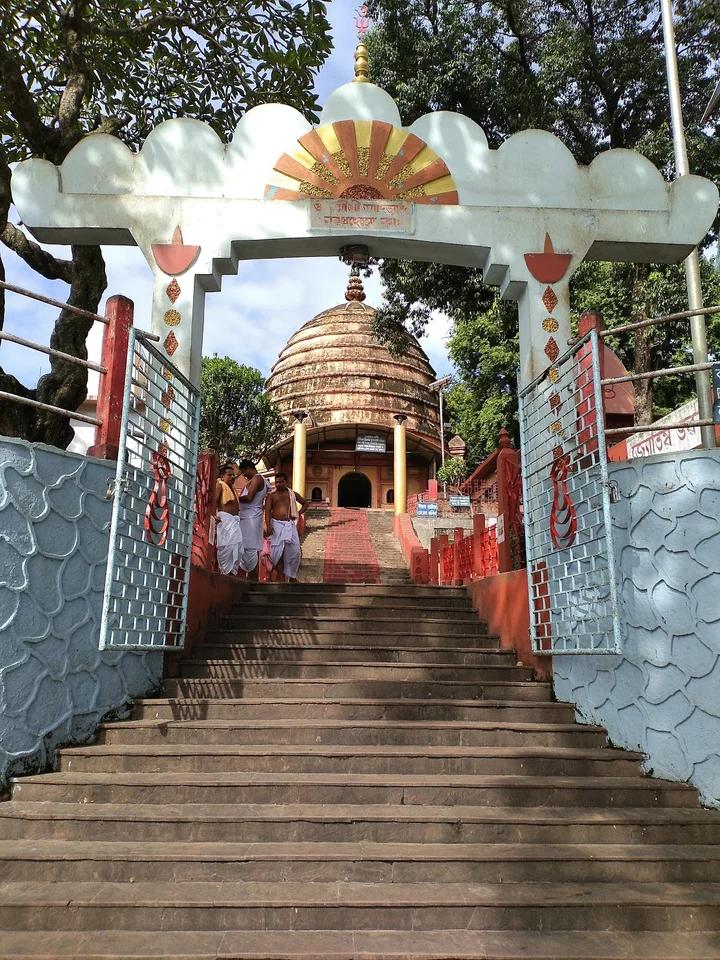
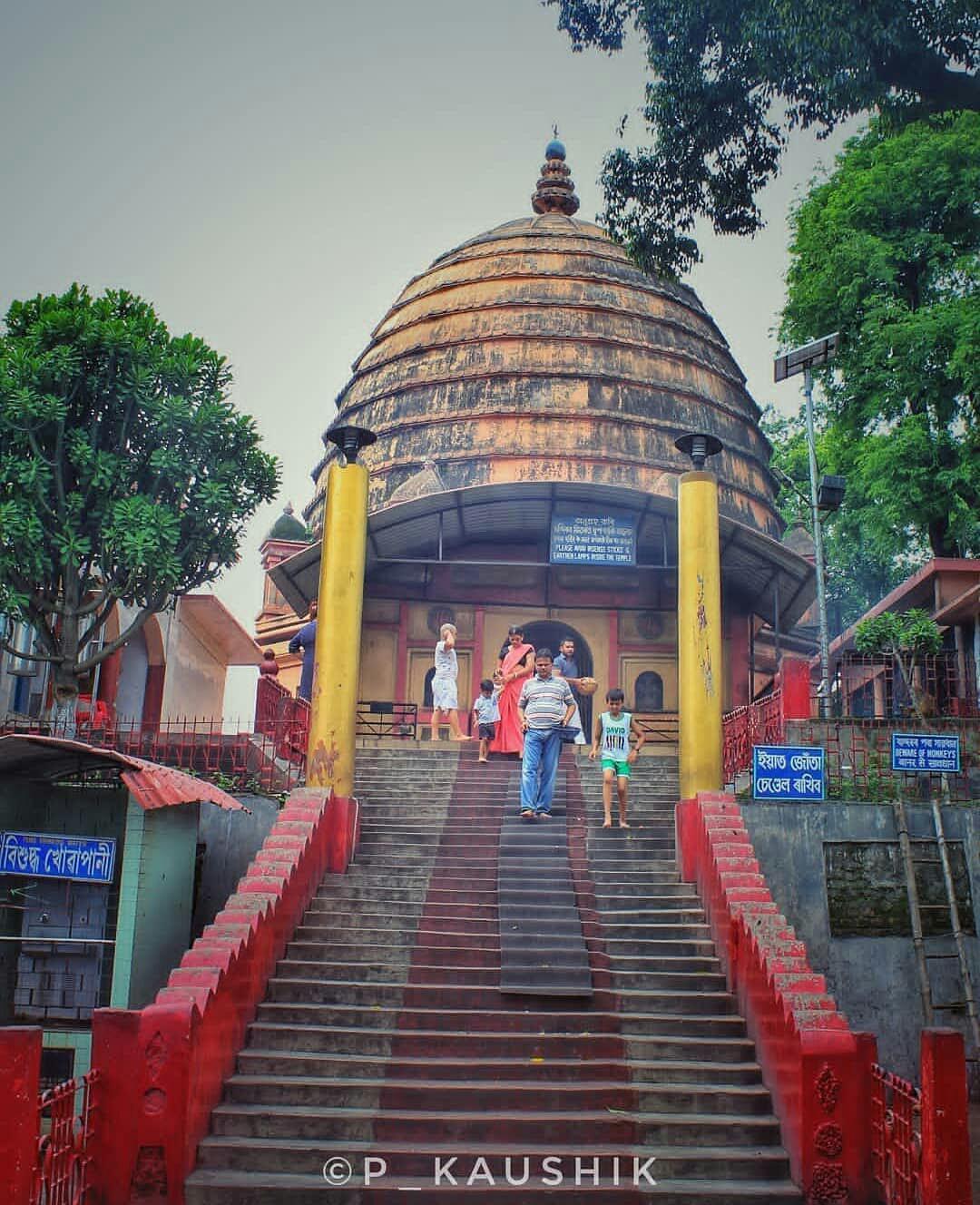
Perched on Chitrachal Hill, Navagraha Temple is dedicated to the 9 celestial bodies of Hindu astrology.
The hilltop location gives you a nice view over parts of Guwahati, so you’re getting a little sightseeing with the temple visit.
It’s easy to combine with other temple stops around the city.
9. See Basistha Ashram
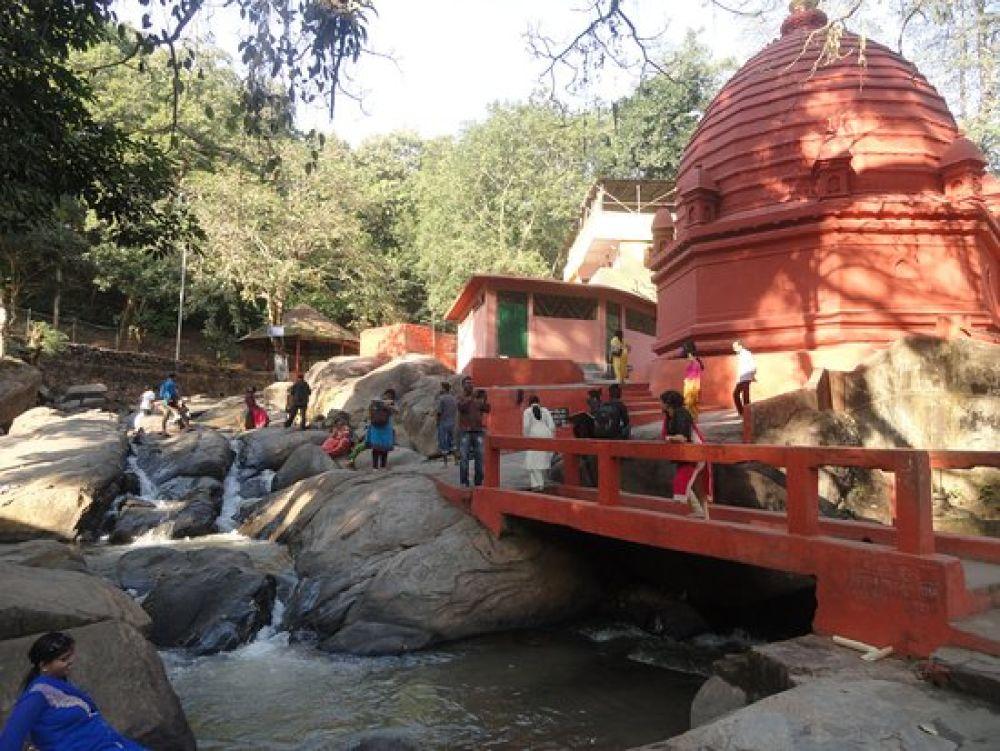


Basistha Temple sits in a greener part of the city, around the streams associated with Basistha Ashram.
It’s a good change of pace after visiting Guwahati’s busier central attractions. You get a temple, forested surroundings and flowing water in the same stop.
10. Shop and eat around Fancy Bazar


Fancy Bazar is where you go when you want to see the everyday commercial side of Guwahati.
Walk around the market, browse clothes and local products, grab something to eat, and watch the city do its thing.
It’s busy. Sometimes very busy. That’s exactly why it’s worth seeing.
11. Take a day trip to Pobitora Wildlife Sanctuary


If you’ve got an extra day, put Pobitora Wildlife Sanctuary on the list.
Pobitora is roughly 30 km from Guwahati and is known for its high density of one-horned rhinoceroses. Jeep safaris are available, and the sanctuary also attracts many migratory birds. (Assam Tourism)
Assam Tourism recommends roughly mid-October through March for the best conditions.
It’s an easy addition to a Guwahati trip because you can go out in the morning and return to the city later the same day.
12. Try Assamese food


Save some appetite for Assamese food.
Look for an Assamese thali with rice, dal, vegetables, fish or meat preparations, and local greens. Khar and masor tenga are 2 dishes worth trying if they’re available.
And have tea. You’re in Assam.
A simple 2-day Guwahati itinerary
Day 1
- Kamakhya Temple
- Umananda Island
- Assam State Museum
- Dighalipukhuri
- Brahmaputra sunset
- Assamese dinner
Day 2
- Basistha Temple
- Assam State Zoo
- Navagraha Temple
- Fancy Bazar
- Evening by the Brahmaputra
If wildlife matters more to you, replace most of Day 2 with a Pobitora trip.
Best time to visit Guwahati
For comfortable sightseeing, October to April is the period I’d pick.
Winter is especially good for Deepor Beel because migratory birds arrive, while Pobitora’s recommended visiting period runs roughly from mid-October to the end of March. (Assam Tourism)
The monsoon can make the city and surrounding countryside lush and dramatic, but heavy rain can mess with outdoor plans.
And if you’re interested in Kamakhya’s Ambubachi Mela, plan around the festival rather than expecting a quiet temple visit. The atmosphere changes completely during that period. (Assam Tourism)

