

Nagaland’s Hornbill Festival is the kind of event that makes you rethink what a “cultural festival” can be.
Every December, Naga tribes gather at Kisama Heritage Village near Kohima for days of music, dance, food, crafts, games, and traditional performances. It’s loud, colourful, crowded, and very easy to get hooked on.
If you’re planning a trip around the festival, here’s what you need to know before you go.
When is the Hornbill Festival?
The Hornbill Festival is held every year from December 1 to December 10.
December 1 is also Nagaland Statehood Day, so the festival begins with plenty of ceremony and activity.
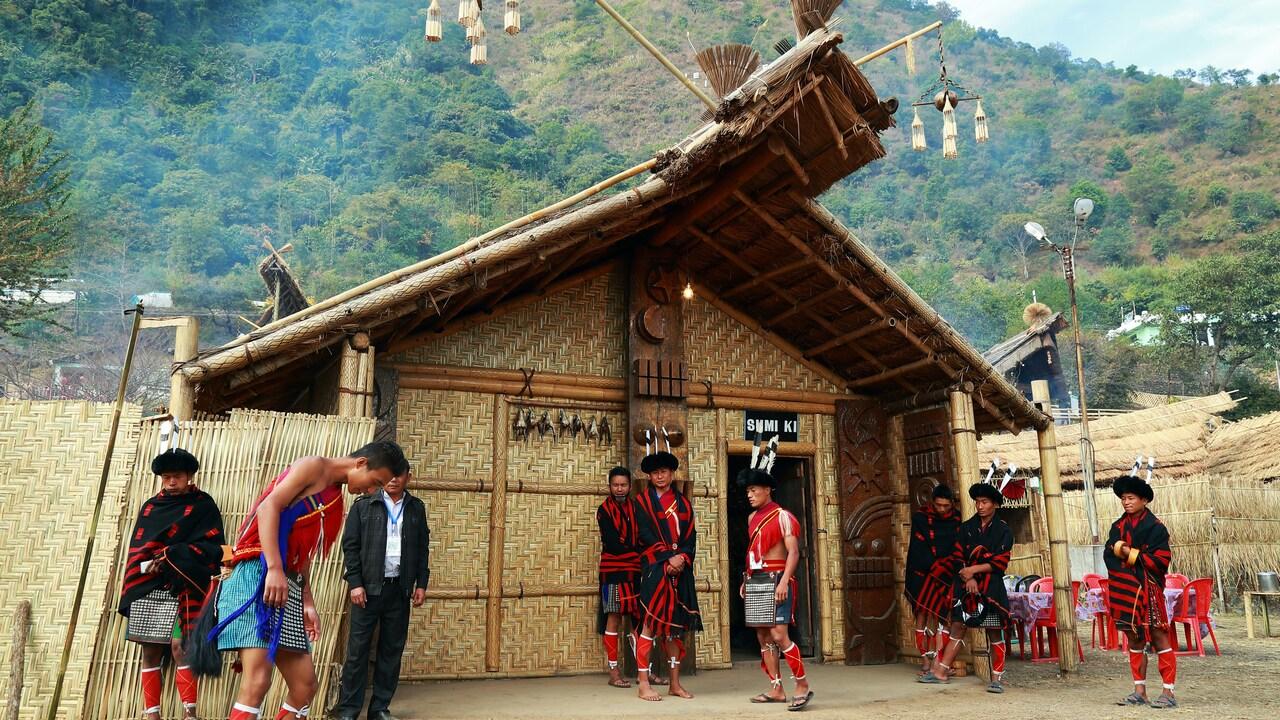
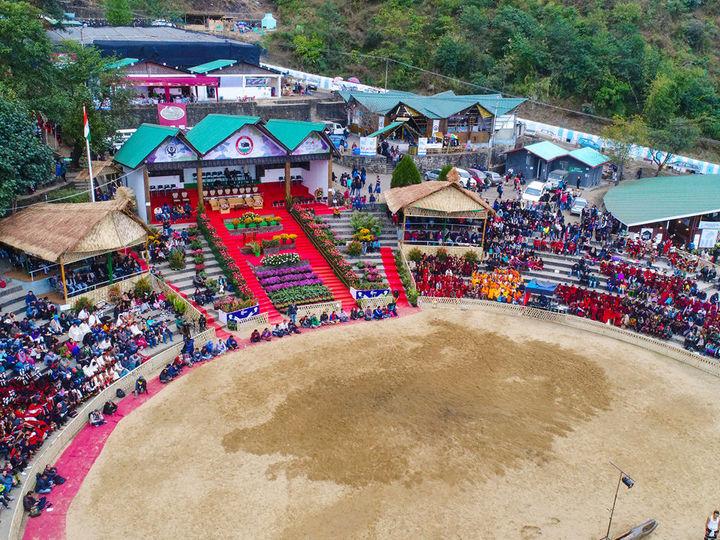
The main venue is Kisama Heritage Village, around 12 km from Kohima. The village is designed around traditional Naga morungs, giving each participating tribe a space to present aspects of its culture.
December is a good time to visit Nagaland anyway. The weather around Kohima is usually cool and pleasant during the day, with cold mornings and evenings.
Pack a proper jacket. Kohima can get surprisingly chilly once the sun disappears.
Where is the Hornbill Festival held?
The main festival takes place at Kisama Heritage Village, located on the outskirts of Kohima along the Kohima-Imphal road.
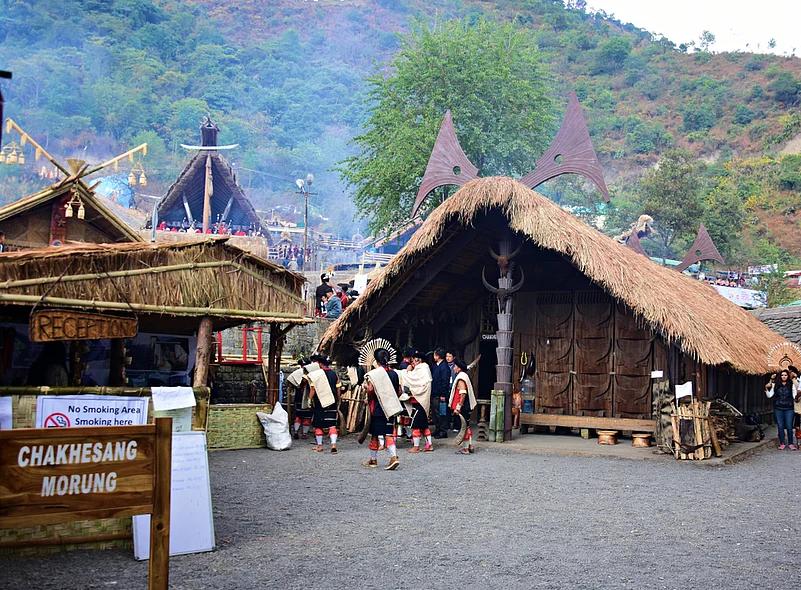
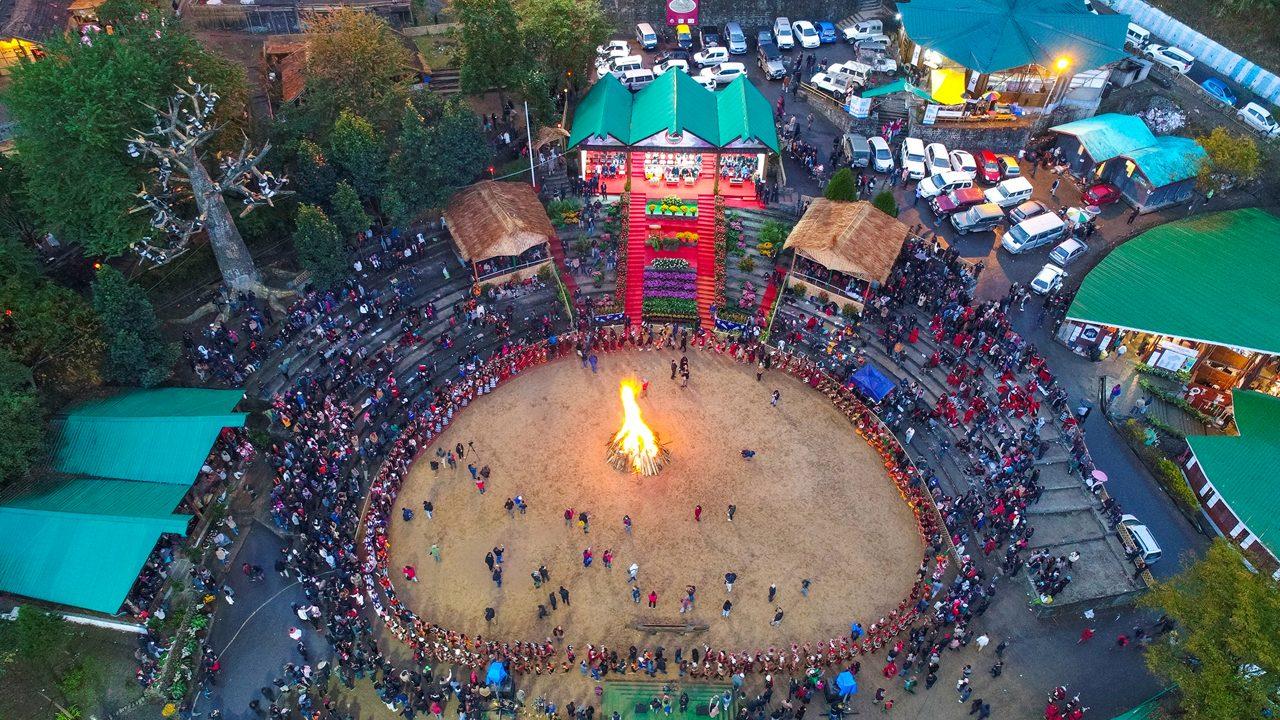
Kisama is roughly 10 to 12 km from central Kohima, depending on where you start.
You can stay in Kohima and travel to the festival each day. That’s what I’d recommend for most travellers because Kohima has more accommodation, restaurants, shops, and transport options.
What happens at the festival?
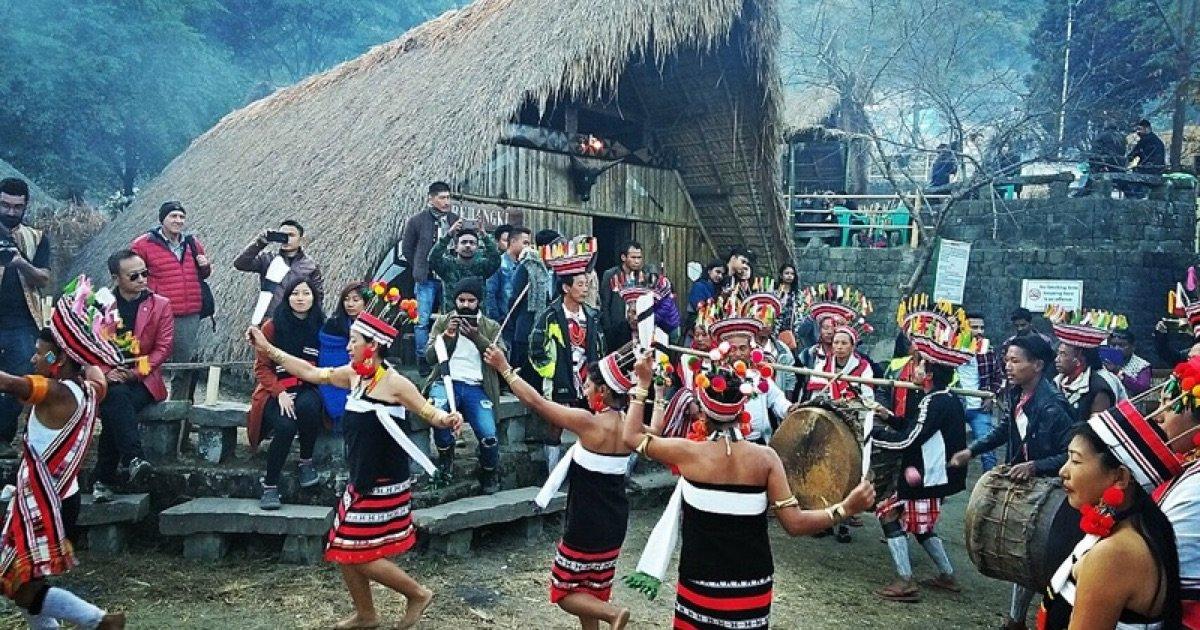
The festival brings together representatives from Nagaland’s major tribes.
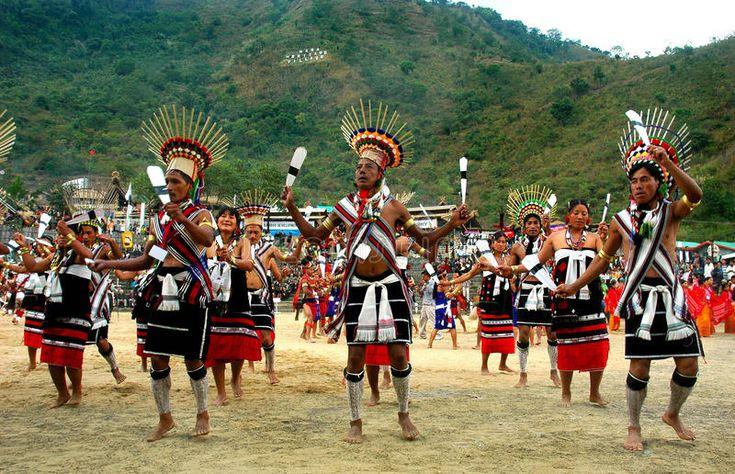
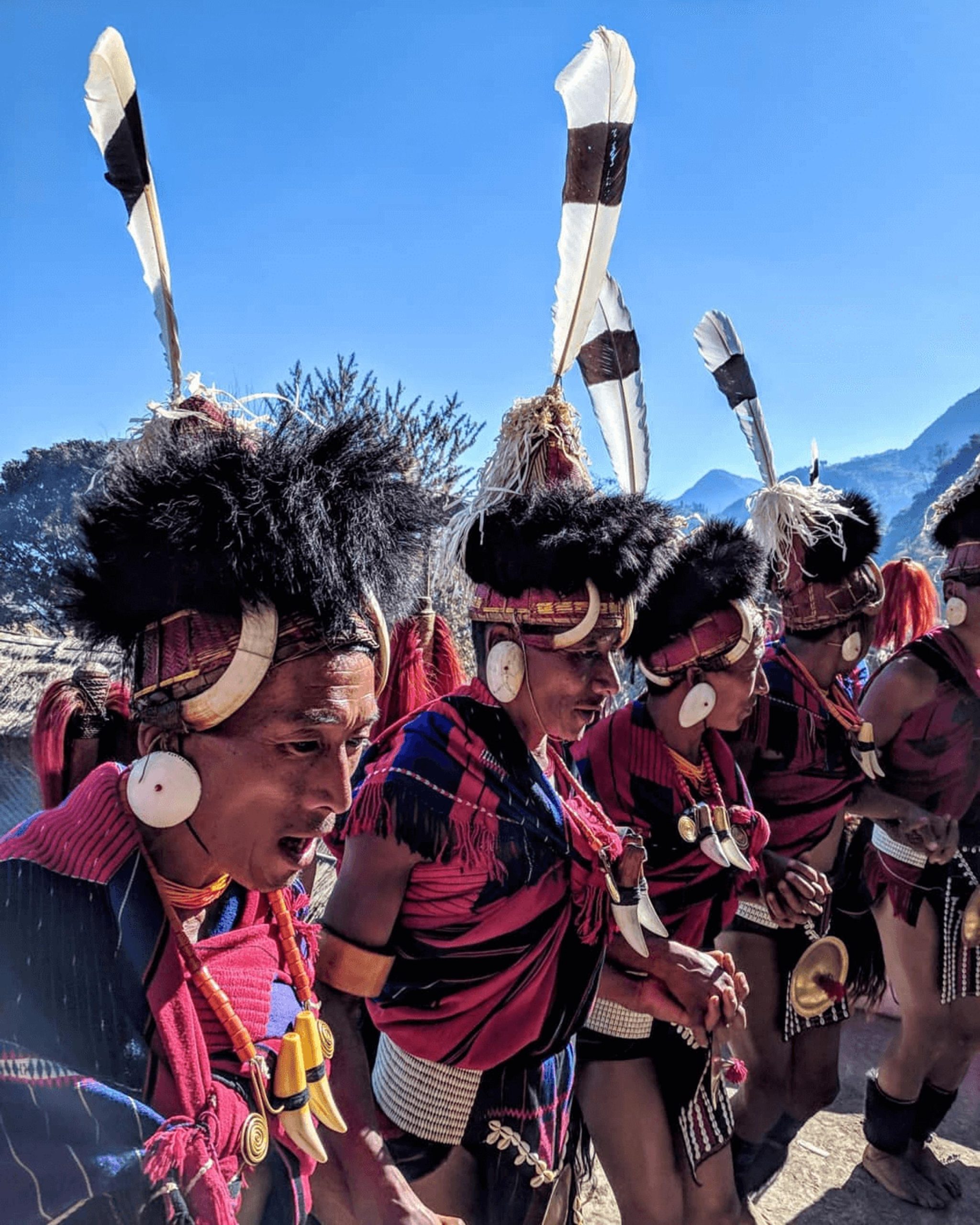
You’ll see traditional dances, songs, ceremonial performances, indigenous games, handicrafts, local food, and cultural displays. Each tribe has its own traditions, clothing, designs, music, and stories.
The performances are usually scheduled throughout the day, so you can spend several hours at Kisama without running out of things to see.
And then there’s the food.
Hornbill Festival food
Come hungry.
You’ll find Naga dishes prepared in traditional styles, including smoked meats, pork, bamboo shoot preparations, fermented foods, rice dishes, and different varieties of chutneys.
Naga chilli, especially the famous Bhut Jolokia, also makes regular appearances.
If you can’t handle serious heat, ask before taking that innocent-looking chutney.
The festival grounds also have stalls selling food and drinks, so you can turn the visit into a long lunch while watching performances.
Hornbill Festival timings
The main cultural programme generally runs during the daytime, with activities commonly beginning in the morning and continuing into the afternoon.
Evenings are where things get louder.
The Hornbill Night Carnival in Kohima brings music, food, stalls, and crowds into the city. There are also music events and concerts associated with the festival period, including the popular Hornbill International Rock Contest.
Exact programmes and timings can change from year to year, so check the official schedule before your trip.
How to reach Kohima
Kohima doesn’t have its own airport or railway station.
By air
The nearest major airport is Dimapur Airport, around 70 km from Kohima.
From Dimapur, you can hire a taxi or take shared transport towards Kohima. The road journey usually takes around 2 to 3 hours, depending on traffic and road conditions.
By train
Dimapur Railway Station is the main railhead for reaching Kohima.
If you’re travelling by train from Guwahati or other parts of India, Dimapur is usually the practical railway stop.
From there, continue by road.
By road
Kohima is connected by road with Dimapur, Imphal, Guwahati, and other cities in the Northeast.
Shared taxis are common. Private taxis give you more flexibility, especially if you’re travelling with luggage or planning to explore Nagaland after the festival.
Where should you stay?
Kohima is the easiest base.
You’ll find hotels, guesthouses, homestays, restaurants, cafés, and shops across the city.
During the Hornbill Festival, accommodation can fill up quickly. December is peak travel season around Kohima, so book early if you want a particular hotel.
You can also look at accommodation closer to Kisama, but availability is more limited.
For a first trip, I’d stay somewhere in Kohima and travel to Kisama during the day.
How many days do you need?
I’d give Nagaland 4 to 6 days if the Hornbill Festival is the main reason for your trip.
A simple plan could look like this:
Day 1: Arrive in Kohima
Day 2: Hornbill Festival at Kisama
Day 3: Kohima sightseeing + festival
Day 4: Khonoma Village
Day 5: More festival time or a day trip
Day 6: Return to Dimapur
If you’ve got more time, add Dzukou Valley, Mokokchung, or other parts of Nagaland.
Things to do in Kohima
Don’t spend your entire Nagaland trip inside the festival grounds.
Kohima has its own attractions worth seeing.
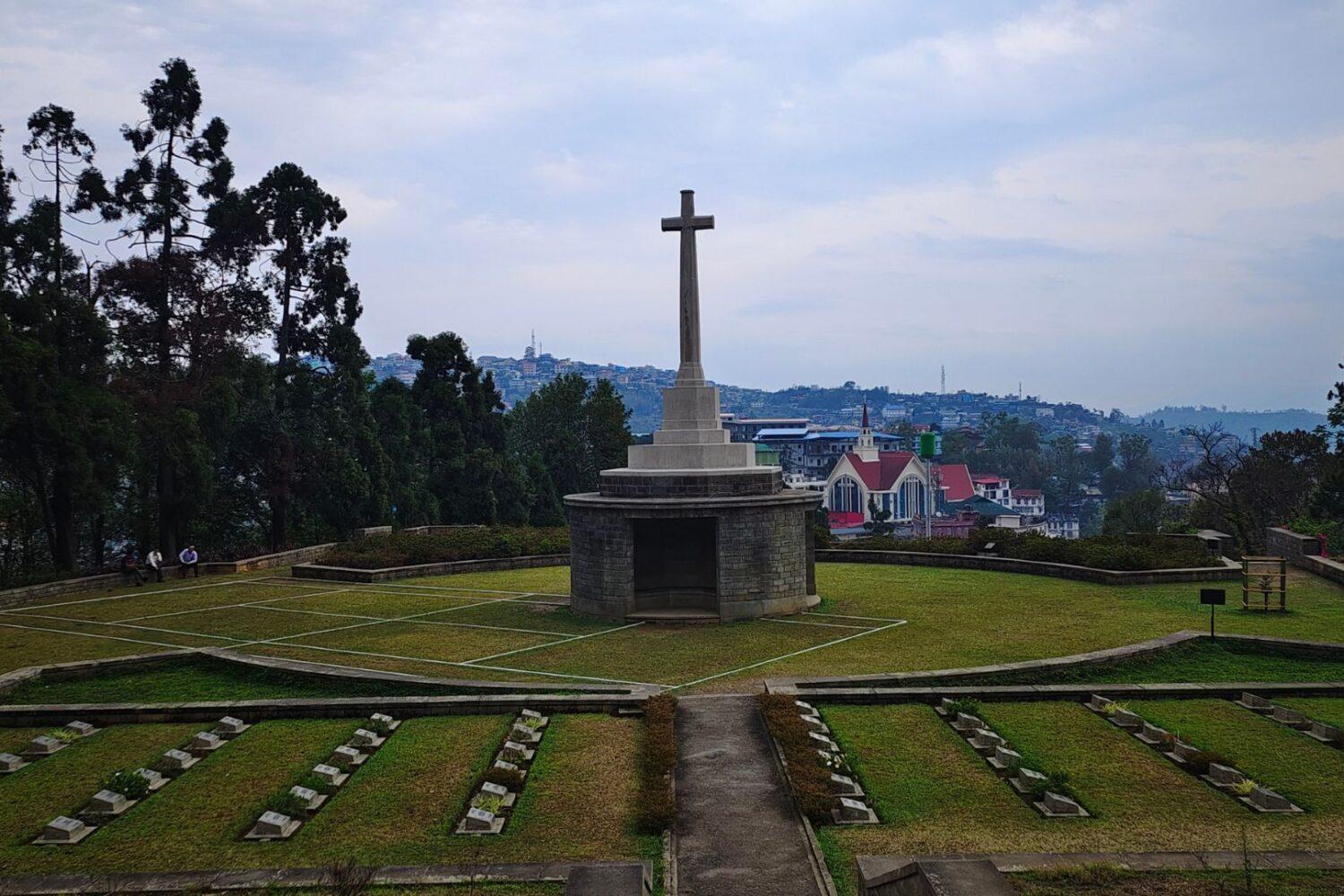
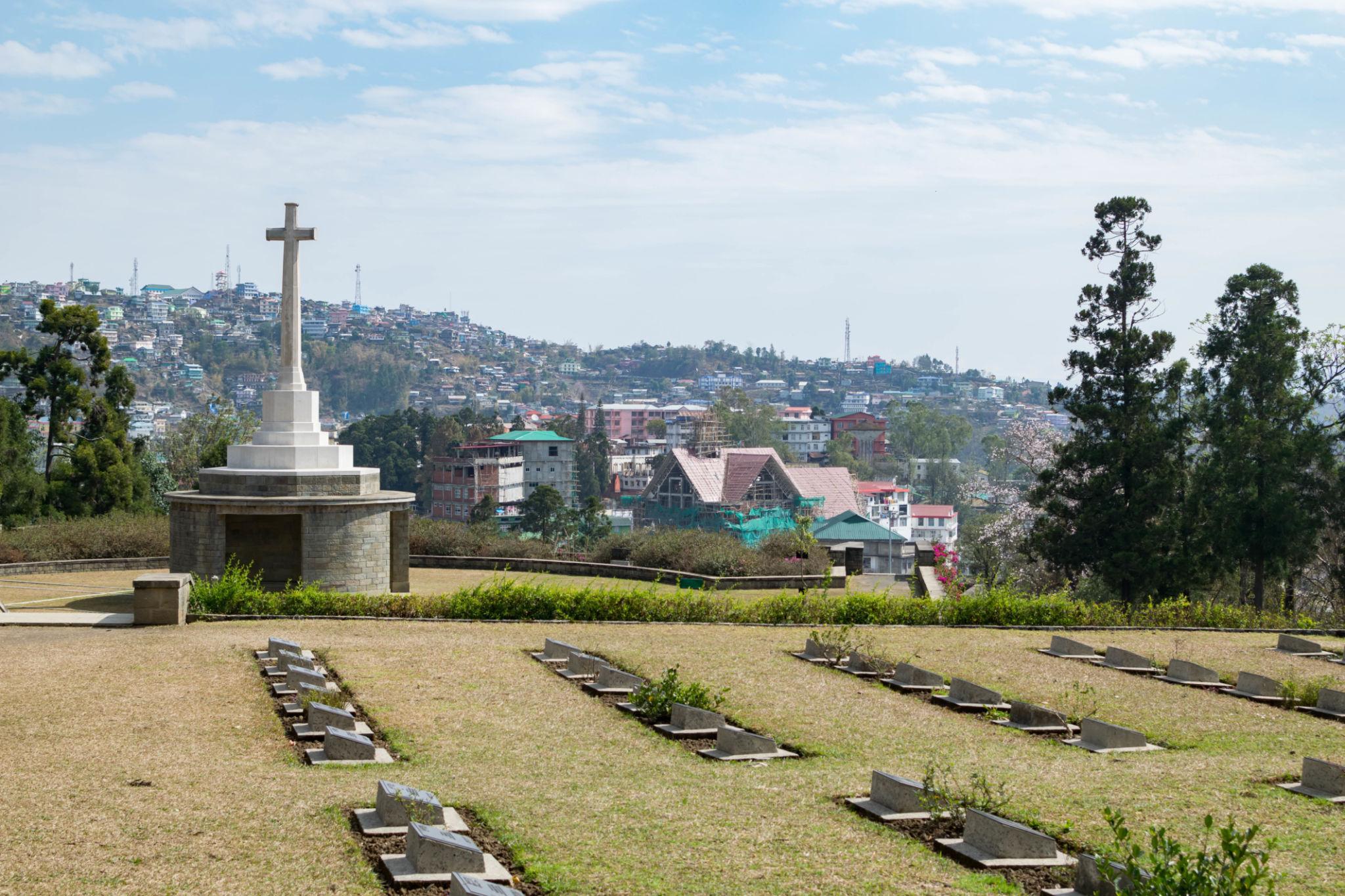
Kohima War Cemetery
The Commonwealth War Cemetery commemorates soldiers who died during the Battle of Kohima in World War II.
It’s peaceful, well maintained, and historically significant.
Naga Heritage Village
Kisama itself is worth exploring beyond the performance schedule. The traditional structures and tribal exhibits give you a better sense of the architectural side of Naga culture.
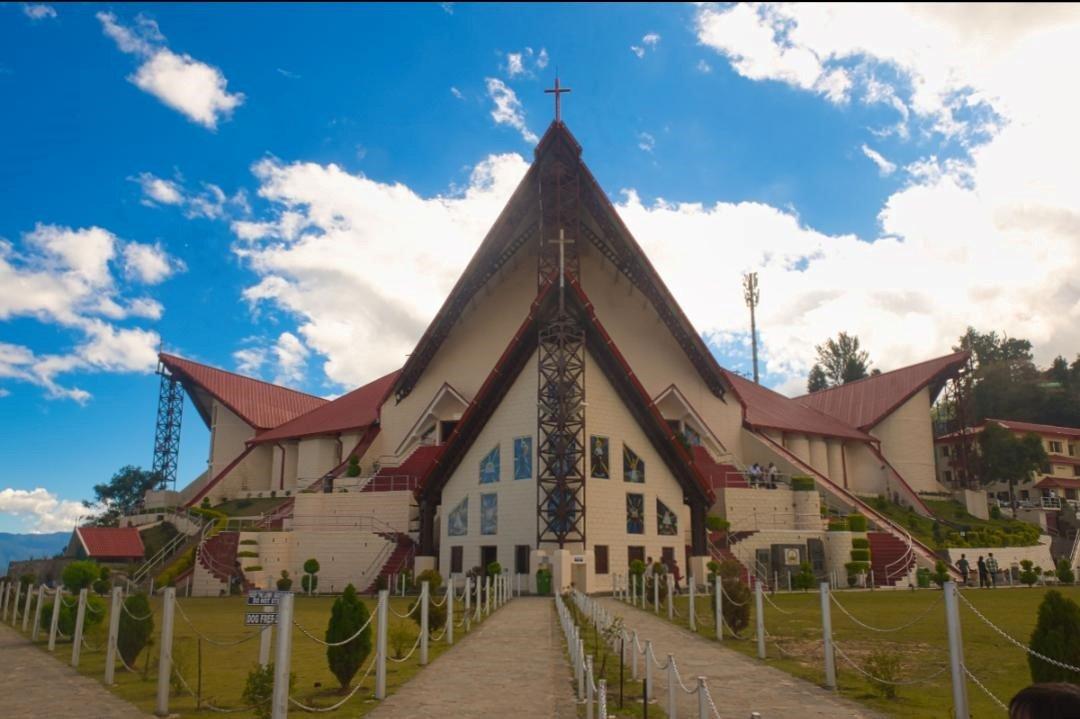
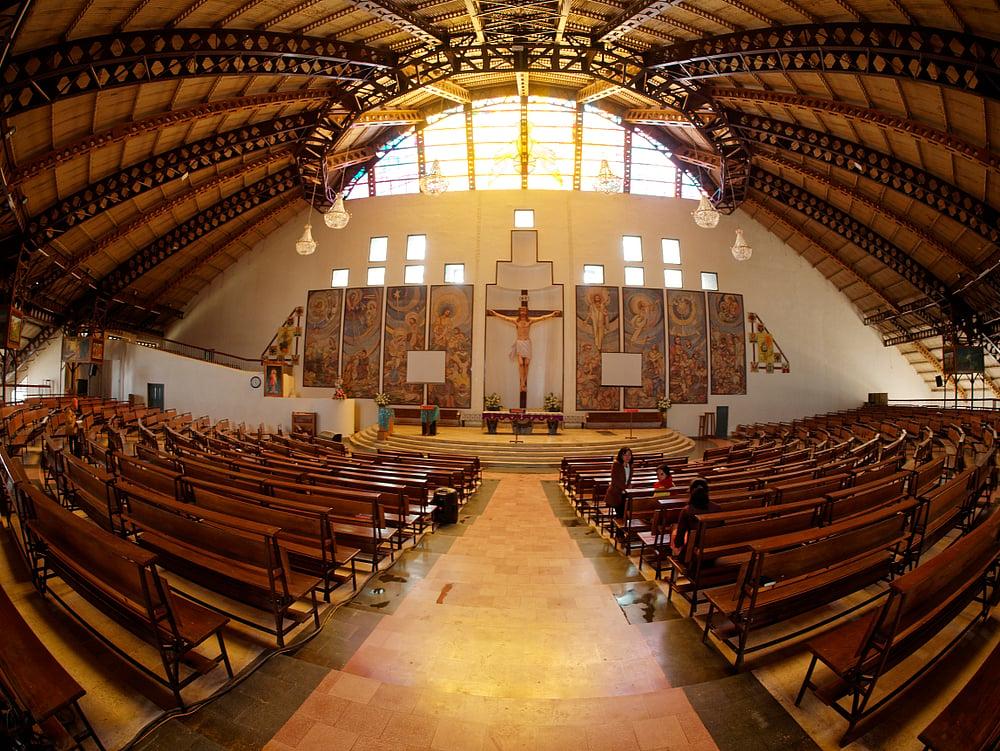
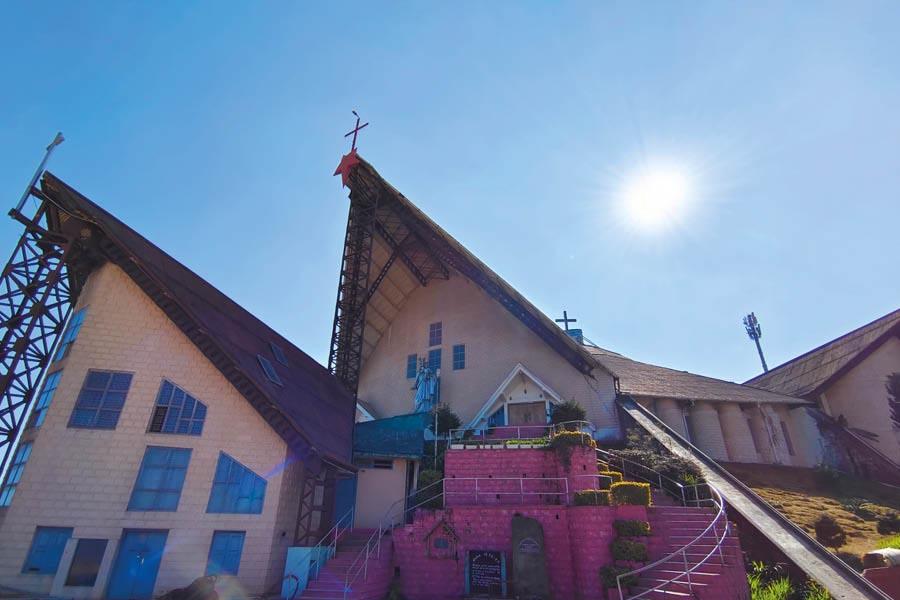
Kohima Cathedral
The Mary Help of Christians Cathedral sits on a hill overlooking parts of Kohima.
Its architecture and setting make it one of the city’s better-known landmarks.
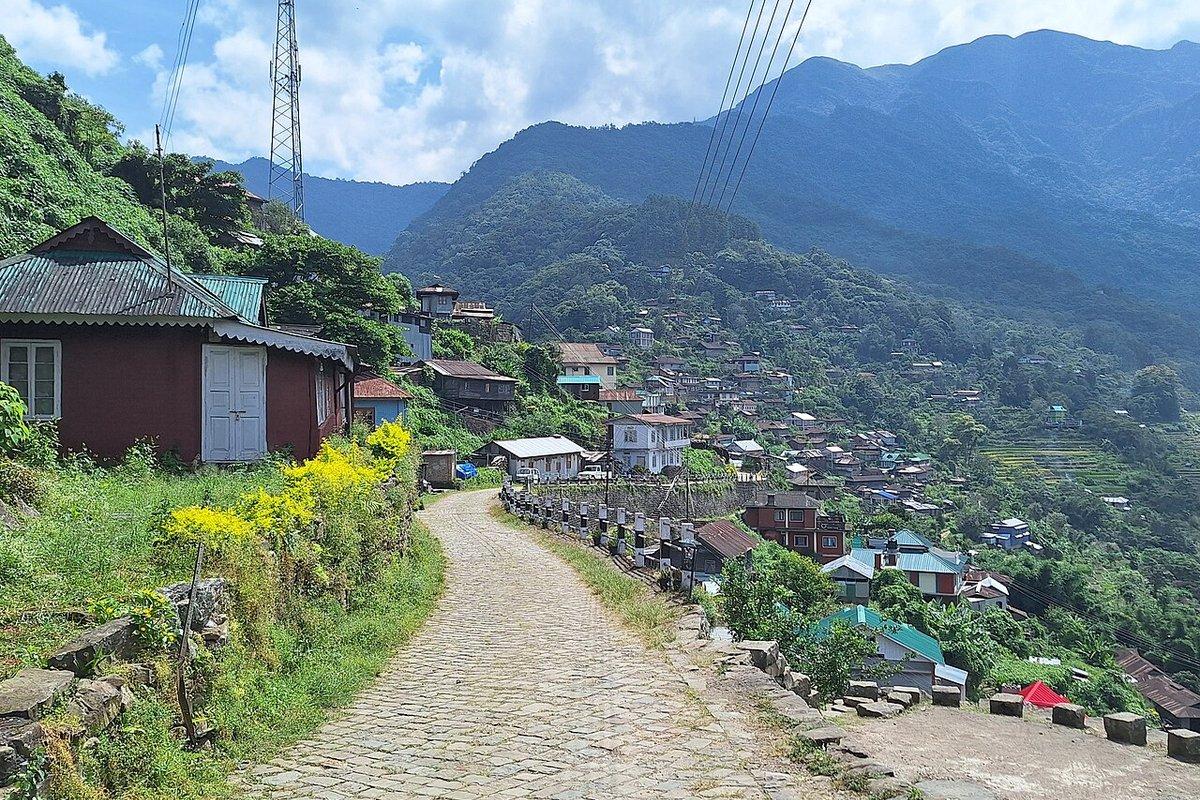
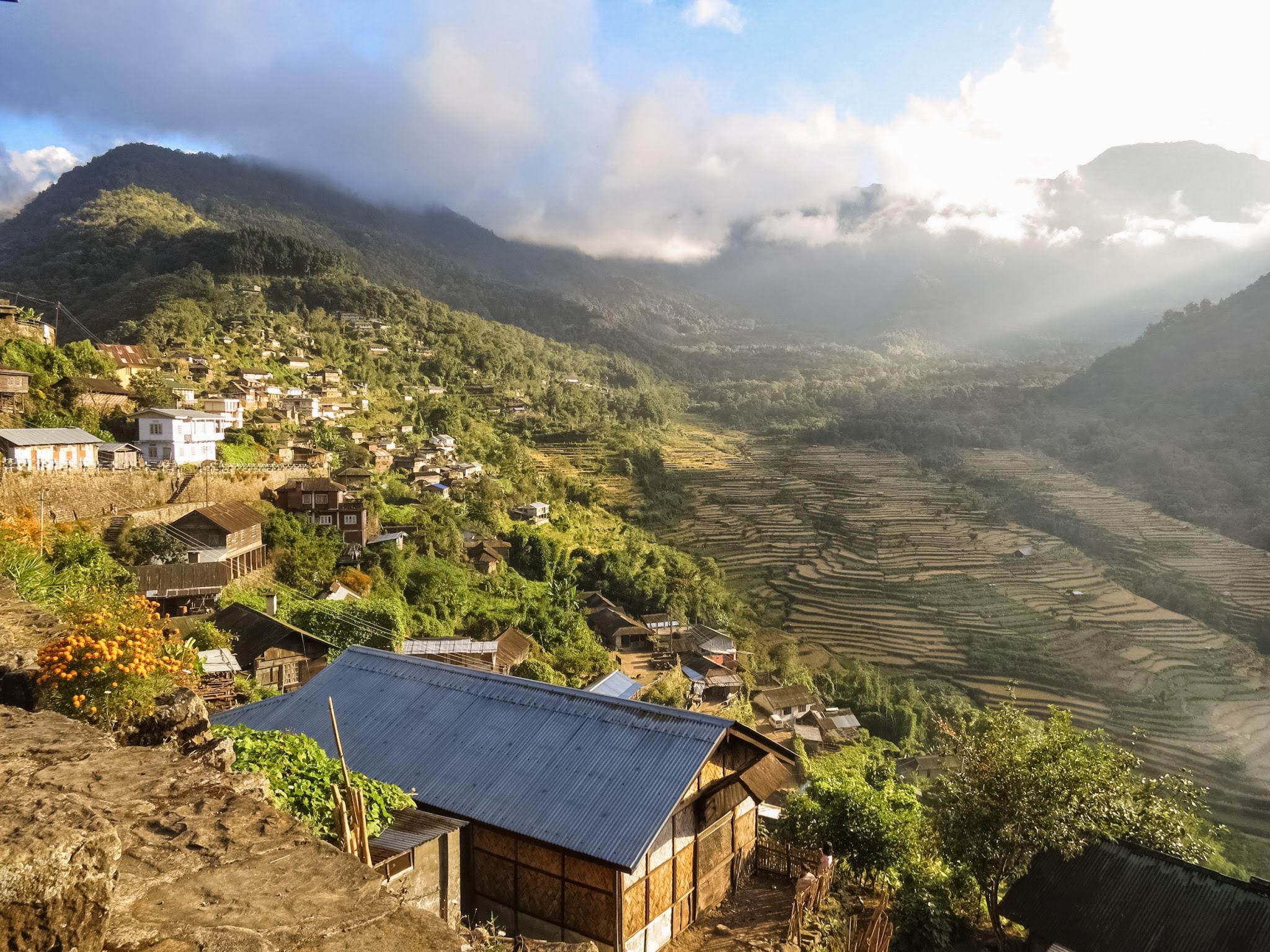
Khonoma Village
Khonoma is around 20 km from Kohima and makes a great half-day or full-day trip.
The village is known for its history, terraced fields, traditional houses, and community-led conservation work.
What should you wear?
December in Kohima can be cold, particularly early in the morning and after sunset.
Bring:
- Warm jacket
- Sweater or fleece
- Comfortable walking shoes
- Warm socks
- Light rain protection
- Small backpack
Wear shoes you can actually walk in. You’ll spend a lot of time standing and moving around the festival grounds.
What does the Hornbill Festival cost?
Your total budget depends heavily on your accommodation and transport.
For a budget trip, you can keep costs under control by using shared taxis, staying in a guesthouse or homestay, and eating local food.
Accommodation prices tend to rise during the festival, so booking early can make a big difference.
You’ll also need to account for transport between Dimapur, Kohima, Kisama, and any villages or destinations you visit.
Festival entry fees and event prices can change, so check the current year’s official information before travelling.
A few things to know before you go
Book early. December is one of the busiest times to visit Nagaland.
Carry cash. Digital payments are common, but network issues and smaller vendors can make cash useful.
Expect crowds. Kisama gets busy, especially around major performances.
Respect photography rules. Ask before photographing people closely, particularly during ceremonies or personal moments.
Don’t treat traditional clothing like a costume. The outfits, ornaments, and objects you see have cultural meaning.
Keep some flexibility in your schedule. Road travel in Nagaland can take longer than the map suggests.
Is the Hornbill Festival worth visiting?
Yes.
If you’re interested in Northeast India, I’d put the Hornbill Festival near the top of the list.
The real appeal is getting to see different Naga communities represented in the same place, then spending the rest of your trip travelling through Nagaland itself. Give yourself enough time to leave Kisama, drive into the hills, eat local food, and sit somewhere with a view.
That’s when the trip starts feeling like more than a festival visit.
Featured Image Credit: Generated/Sourced via Chatgpt.com.
Editorial note: Some articles may use AI-assisted research or drafting. Our editorial process includes human review and editing, and important travel information should be verified with official sources before your trip.
Travel Tips & Responsible Exploration
Good travel planning starts with staying informed. Before your journey, verify important details such as transportation, accommodation, weather, permits, entry requirements, and local guidelines. Respect local communities, cultures, traditions, and the environment, and travel responsibly wherever you go. Suman Rabha shares practical travel guides, local insights, and destination information to help readers explore Northeast India and beyond with greater confidence.