
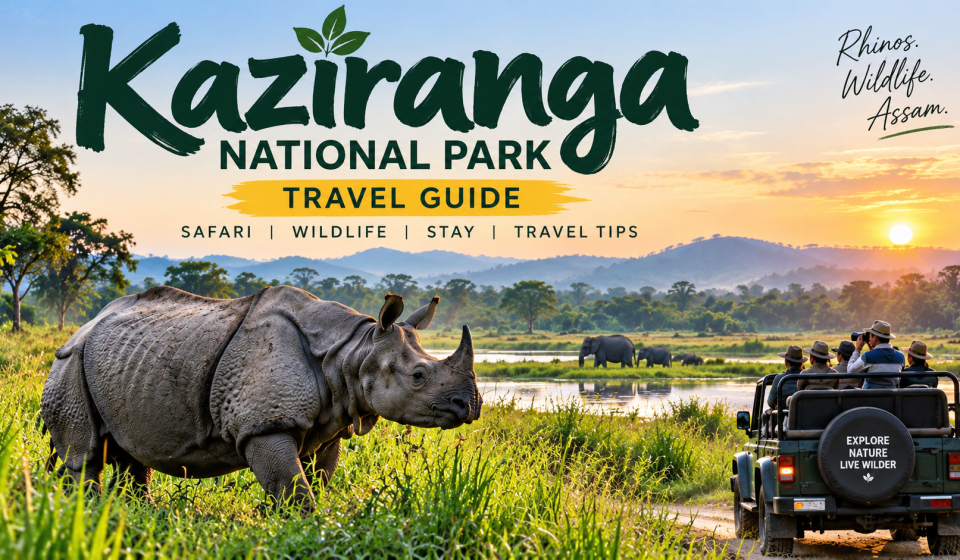

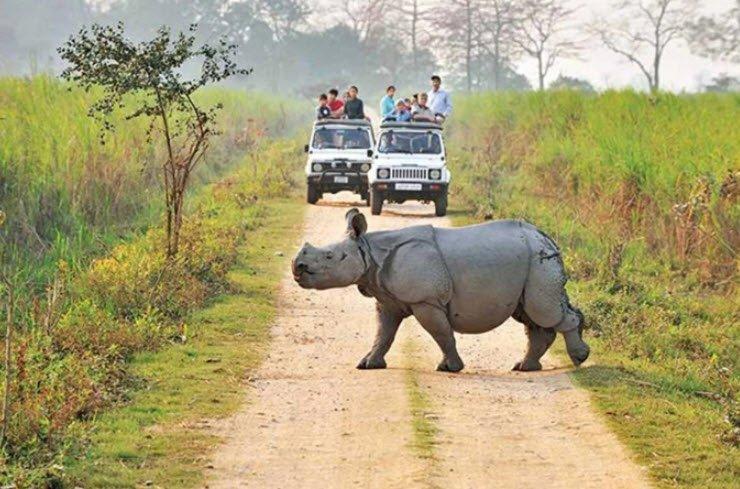
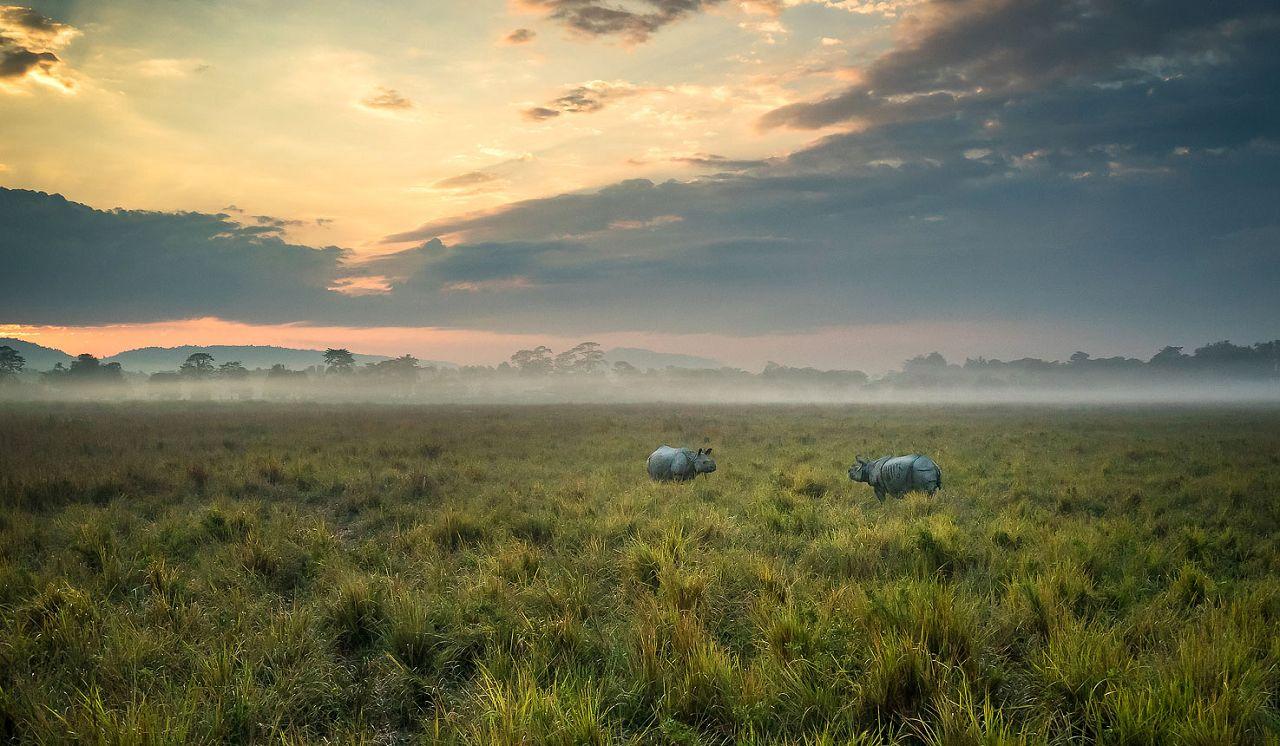
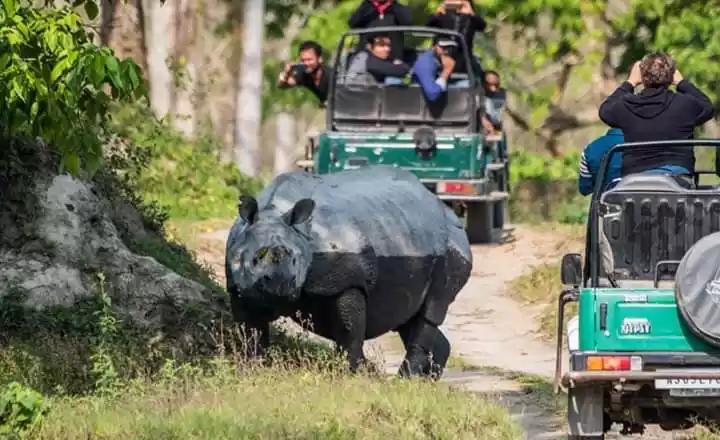
Kaziranga is the kind of place where you can be driving through tall grass one minute and find a one-horned rhino standing beside the track the next.
The park sits across Assam’s Golaghat, Nagaon and Biswanath districts, beside the Brahmaputra. It became a UNESCO World Heritage Site in 1985 and is best known for its Indian one-horned rhinoceros. (Assam Tourism)
If you’re planning your first wildlife trip in Assam, give Kaziranga at least 2 nights. You’ll have enough time for more than one safari and a little room for bad luck, which is part of wildlife travel.
Why visit Kaziranga?
The rhino is the obvious reason.
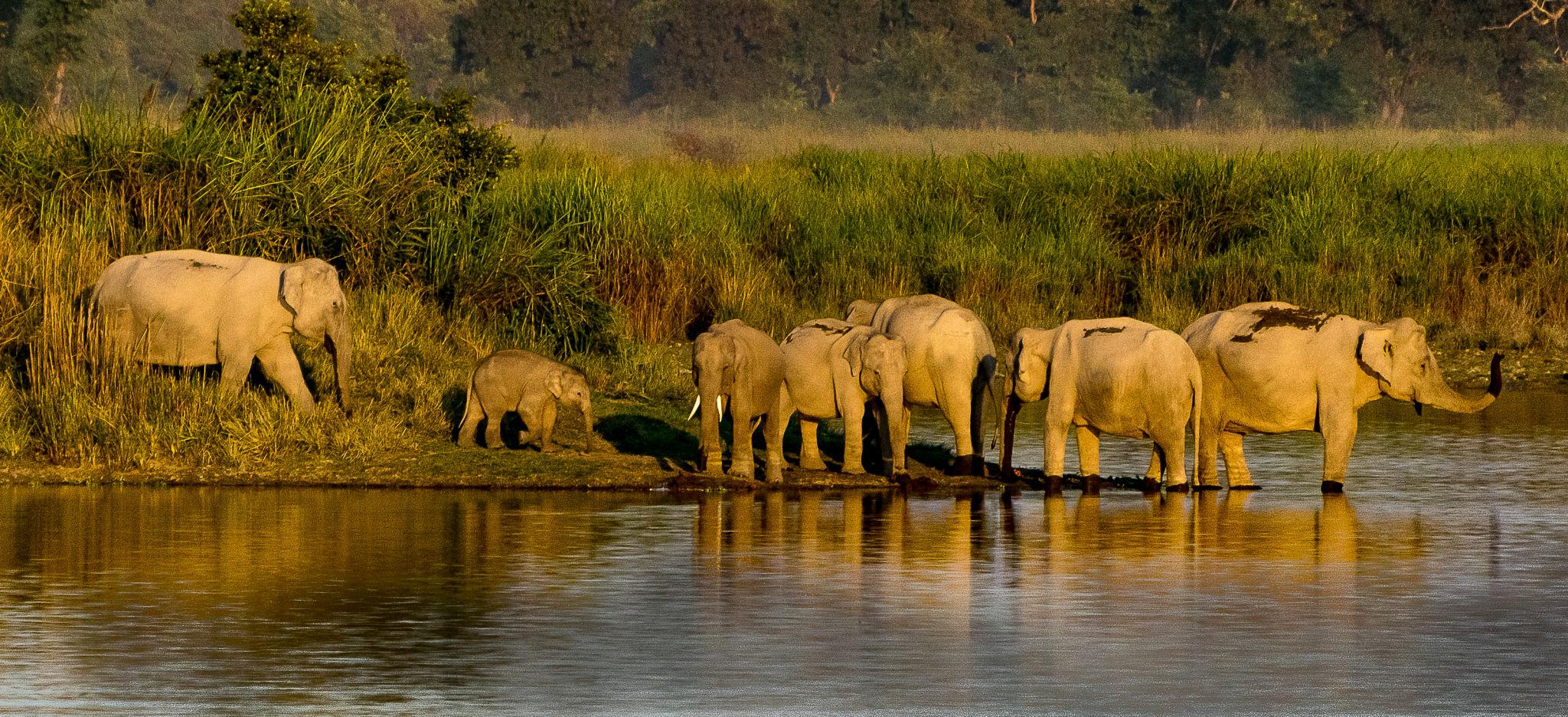
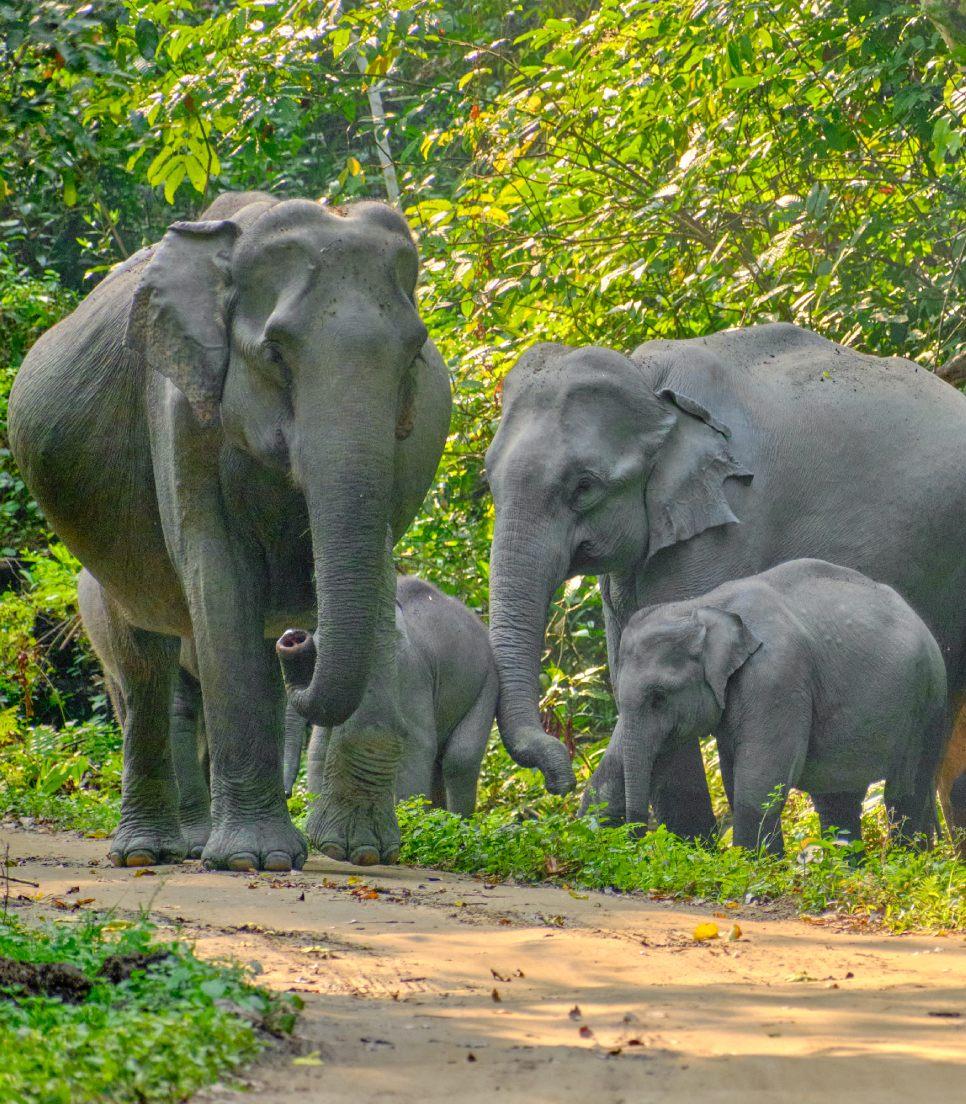
But spend a few hours inside the park and you’ll start looking for everything else too: wild elephants, Asiatic wild buffalo, swamp deer, deer herds, birds and, if luck is on your side, a tiger.
Kaziranga covers about 859 sq km, including its main ranges and adjoining areas. Assam Tourism says 2 to 3 days is a sensible amount of time to experience the park’s main ranges. (Assam Tourism)
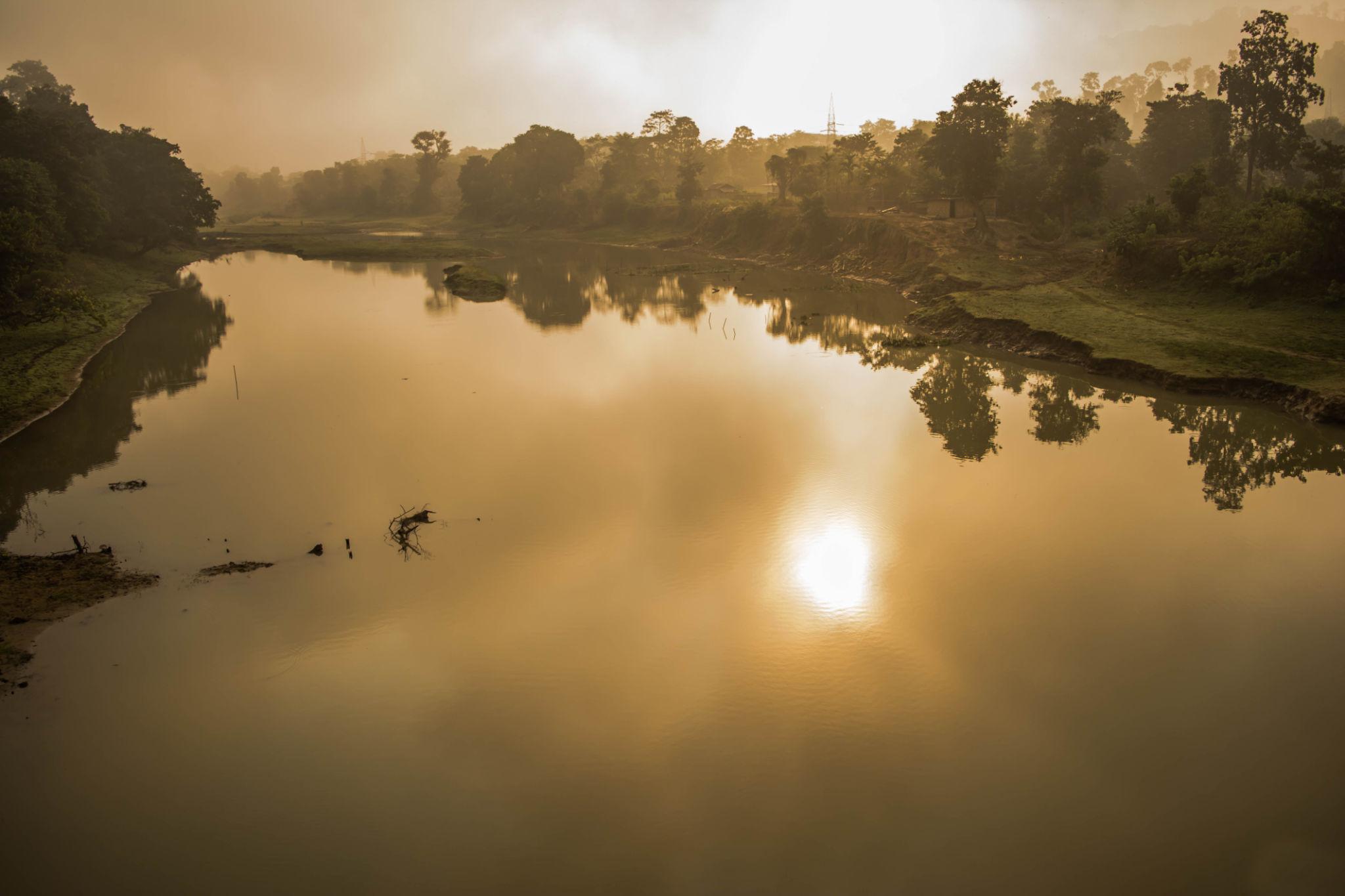
The scenery is a big part of the experience. Wide grasslands, wetlands, forest patches, small lakes and the distant hills give the place a very different feel from a dense jungle safari.
Best time to visit Kaziranga
November to April is the main tourist season.
The park is especially good for sightseeing from late February to early April, according to Assam Tourism. (Assam Tourism)
January and February can be chilly during early morning safaris, especially when you’re sitting in an open jeep. By March and early April, the mornings are generally more comfortable, while the landscape can be excellent for wildlife viewing.
The park’s operating season can change with weather, flooding and forest department decisions, so check the latest local notice before you travel.
Kaziranga safari zones
Kaziranga has 4 main safari areas:
| Range | Entry area | Good for |
|---|---|---|
| Central Range | Kohora / Mihimukh | Rhinos, elephants, wetlands |
| Western Range | Bagori | Rhinos, elephants, grasslands |
| Eastern Range | Agoratoli | Birds, wetlands, swamp deer |
| Burapahar Range | Ghorakati | Hills, forests, birds |
Assam Tourism identifies these as the park’s 4 main ranges. (Assam Tourism)
Central Range, Kohora
This is the classic first-timer choice.
You’ll find open grasslands, wetlands and plenty of rhino habitat. Elephant and jeep safaris operate from this area. (kaziranganationalpark)
Stay around Kohora if you want the easiest base for your first Kaziranga trip.
Western Range, Bagori
Bagori is another strong choice for rhino sightings.
The landscape has grasslands, water bodies and forest patches, and both jeep and elephant safaris are available here. (kaziranganationalpark)
Eastern Range, Agoratoli
Pick Agoratoli if birds interest you.
The eastern side has several water bodies and forest areas, making it particularly attractive for birdwatching. Swamp deer can also be seen here. (kaziranganationalpark)
Burapahar Range
Burapahar feels different from the flatter central and western areas.
You’ll see more hills and forest, with good opportunities for birdwatching. It’s also the first Kaziranga range you’ll encounter when approaching from the Guwahati side. (kaziranganationalpark)
Jeep safari or elephant safari?
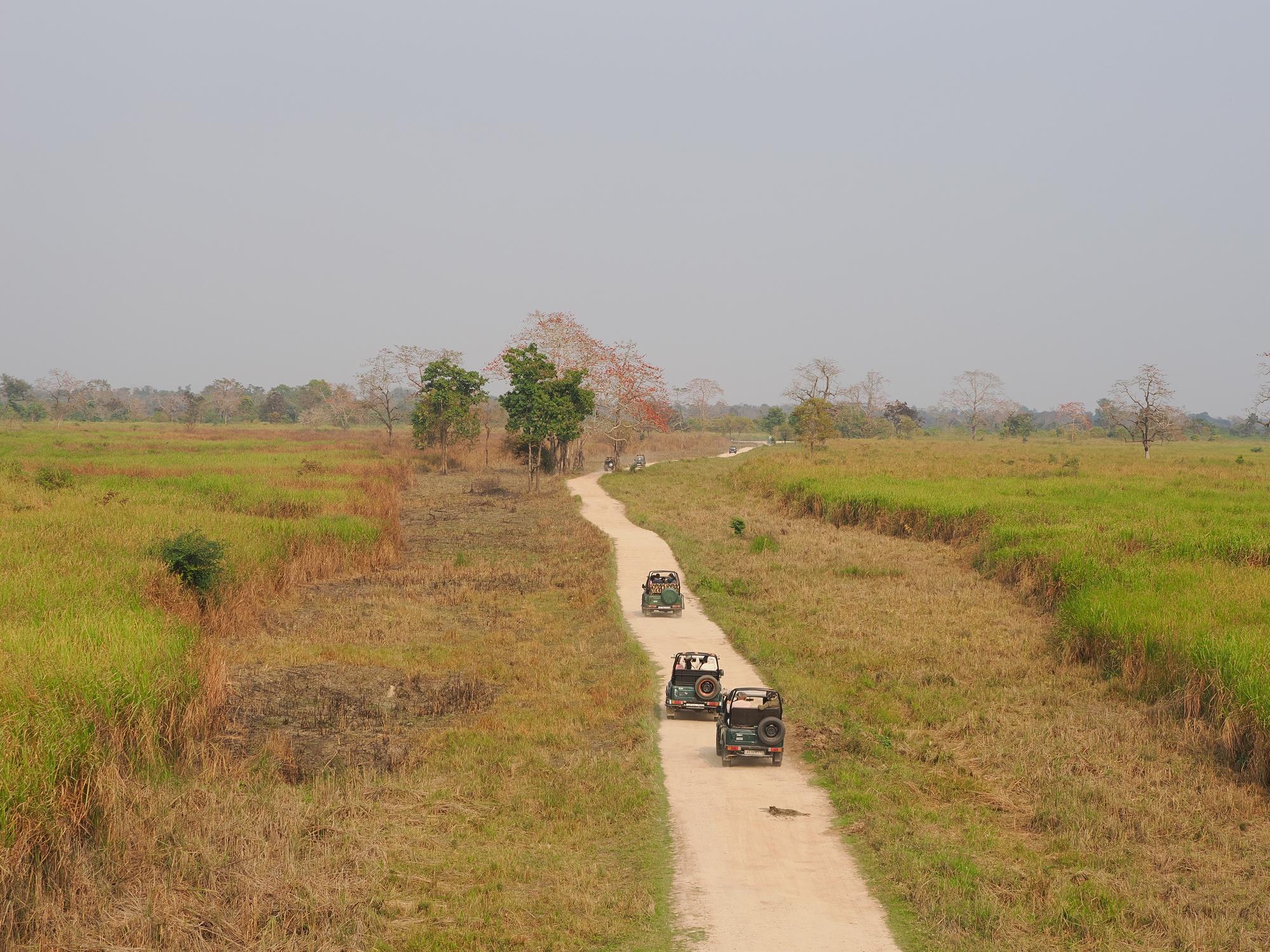
I’d pick a jeep safari for your main Kaziranga experience.
You cover more ground and can spend longer looking for wildlife across different habitats. Assam Tourism lists jeep safaris across all 4 main ranges. (Assam Tourism)
Elephant safaris are available in the Central and Western ranges according to Assam Tourism, with limited seats, so advance booking makes sense. (Assam Tourism)
If you have 2 safari opportunities, I’d do one jeep safari in Kohora or Bagori and another in Agoratoli.
That gives you 2 different landscapes instead of repeating the same route.
How many days do you need?
2 nights, 3 days
This works well for a first visit.
Day 1:
Guwahati to Kaziranga, check in around Kohora, relax and take an evening safari if available.
Day 2:
Early morning safari. Breakfast. Slow afternoon. Second safari later in the day.
Day 3:
Breakfast and drive onward, or fit in another activity nearby before leaving.
3 nights, 4 days
This is better if wildlife is the main reason you’re coming to Assam.
You can take 3 or 4 safaris across different ranges and still have time for nearby attractions such as tea gardens, Kakochang Waterfall or villages around the Karbi Hills. Assam Tourism also lists Orchid Park and nearby cultural experiences among the things to do around Kaziranga. (Assam Tourism)
How to reach Kaziranga
From Guwahati
Kaziranga is roughly 217 km by road from Guwahati, according to Assam Tourism. (Assam Tourism)
A private taxi is the easiest option if you’re travelling with family or a small group.
Buses also connect Guwahati with Kaziranga, and the Kohora area is the main tourist base.
From Jorhat
Jorhat is closer, around 95 km by road according to Assam Tourism. (Assam Tourism)
So if you’re flying into Jorhat, Kaziranga can fit neatly into a wider Upper Assam trip.
By train
Rail options depend on your route and current services. Check the latest railway schedule before booking, then arrange a taxi for the final stretch to your hotel.
Where to stay
Kohora is the easiest area for a first trip.
You’ll find hotels, resorts, lodges, restaurants and safari operators around the main tourist area, and you’re close to the Central Range.
If you want a quieter stay, look at properties around Bagori or Agoratoli instead. Your choice of hotel can also make sense based on which safari range you want to visit.
Things to do around Kaziranga
You can easily spend your whole trip thinking about rhinos.
Still, there’s plenty around the park.
- Tea gardens: Visit a tea estate and see how Assam tea is grown.
- Kakochang Waterfall: A good outing near Kaziranga, particularly when conditions are suitable.
- Karbi villages: Spend some time around nearby Karbi communities and learn about local life.
- Orchid Park: An easy addition to a Kaziranga itinerary.
- Birdwatching: Agoratoli is worth considering if you carry binoculars.
- Karbi Hills: Good for adding a little hiking and rural scenery to the trip.
Assam Tourism specifically recommends tea gardens, Kakochang, Orchid Park, nearby villages and the Karbi Hills as activities around Kaziranga. (Assam Tourism)
What should you carry?
Keep it practical.
- Binoculars
- Sunglasses
- Sunscreen
- Light jacket for early mornings
- Comfortable shoes
- Cap or hat
- Water bottle
- Camera with a decent zoom lens
- Small backpack
- Some cash
A zoom lens is especially useful. You might see a rhino sitting 30 metres away, or an eagle high in a tree, and your phone will suddenly feel very inadequate.
A few safari tips
Reach the safari meeting point at least 30 minutes early. (kaziranganationalpark)
Don’t expect every safari to produce a tiger sighting. Wildlife doesn’t follow your itinerary.
Keep your voice down, listen to your guide and don’t ask the driver to chase animals for a photograph. The best sightings often happen when everyone in the jeep simply sits quietly for a minute.
And keep your binoculars ready. Kaziranga is much bigger than the rhino photographs you’ll see online.
Kaziranga travel cost
Your total cost depends heavily on where you stay and how many safaris you take.
For a comfortable trip, budget separately for:
- Hotel
- Transport from Guwahati or Jorhat
- Jeep safari
- Guide and park-related charges
- Food
- Extra activities
Safari prices and entry arrangements can change, so check current rates before paying anyone. Assam Tourism currently provides safari booking contacts for Kaziranga through the Kaziranga Development and Jeep Safari Association. (Assam Tourism)
My ideal Kaziranga itinerary
If I were planning a first trip, I’d keep it simple.
Day 1: Guwahati → Kaziranga → check-in → evening jeep safari
Day 2: Early morning safari in Kohora → breakfast → relax → afternoon safari in Bagori or Agoratoli
Day 3: Another morning safari → tea garden or Kakochang → stay another night
Day 4: Kaziranga → Jorhat or Guwahati
That gives you enough time to actually experience the park instead of spending most of the trip sitting in a car on the highway.
Kaziranga rewards patience. Sometimes the big moment is a rhino walking across the road. Sometimes it’s an elephant herd in the morning mist. And sometimes you’ve driven for 2 hours and seen almost nothing.
Then your guide suddenly stops the jeep.
There’s a rhino 50 metres away.
And everybody goes quiet.
Featured Image Credit: Generated/Sourced via Chatgpt.com.
Editorial note: Some articles may use AI-assisted research or drafting. Our editorial process includes human review and editing, and important travel information should be verified with official sources before your trip.
Travel Tips & Responsible Exploration
Good travel planning starts with staying informed. Before your journey, verify important details such as transportation, accommodation, weather, permits, entry requirements, and local guidelines. Respect local communities, cultures, traditions, and the environment, and travel responsibly wherever you go. Suman Rabha shares practical travel guides, local insights, and destination information to help readers explore Northeast India and beyond with greater confidence.